Gyeongju Walking Tour: Stories Only a 5th-Gen Local Guide Knows
Active
1h
All sales are final. No refund is available for cancellations.
Instant_then_manual confirmation
Mobile or paper ticket accepted
About this experience
My unique background brings Gyeongju’s heritage to life. As a fifth-generation local and heritage interpreter raised in an archaeologist family, I connect ancient sites with real excavation stories and personal history, offering travelers a deeper, more vivid experience beyond typical sightseeing! :D
Available options
Gyeongju Walking Tour: Stories Only a 5th-Gen Local Guide Knows
What's included
Admission fee
Detailed itinerary
1
The Jjoksaem Excavation Site Museum reveals the inner structure of ancient tombs, showcasing a royal burial discovered by chance and preserved at the excavation site.
2
Though it looks like a giant hill, Bonghwangdae is Gyeongju’s largest tomb, a mysterious burial mound crowned with living trees—and you’ll hear the stories behind it!
3
This is where the story of Gyeongju’s very first excavations during the Japanese colonial period begins!
Shall we hear the story of where the very first pair of gold shoes was discovered? :)
4
You’ll hear the story of the tomb where gold bells were discovered for the very first time.
5
Is this really where a Silla gold crown was first discovered?
You’ll hear the dramatic story of how it was finally recovered.
6
A surprising harmony between Sweden and the phoenix in 1926?!
7
<"Ho-Woo!" Tomb>
Wait—people were getting souvenirs from other countries 1,500 years ago?!
What's not included
Public transportation
Snacks
Bottled water
Available languages
Guide guide
EN
Important information
Wheelchair accessible
Infants and small children can ride in a pram or stroller
Service animals allowed
Public transportation options are available nearby
Transportation options are wheelchair accessible
All areas and surfaces are wheelchair accessible
Not recommended for travelers with spinal injuries
Suitable for all physical fitness levels
This tour is not recommended for guests with walking difficulties or medical conditions affecting mobility.
Meeting point
The meeting point is a dome-shaped building. (Jjoksaem Excavation Site)
Please come to the entrance and look for Nicky, the guide wearing glasses and a “Walking Tours Gyeongju” name badge.
Let her know your name when you arrive.
Important notes
We accept both online and offline bookings. If this tour shows as sold out on Viator, please DM Walking Tours Gyeongju on Instagram to check availability.
IG: gyeongjutours
Please arrive 15–20 minutes before the tour starts and check in with your guide, Nicky, to confirm your booking.
By joining the tour, you agree to photo and video recording.
(100,000 KRW / Person If you do not consent to photo and video recording and prefer a private tour.)
About Gyeongju
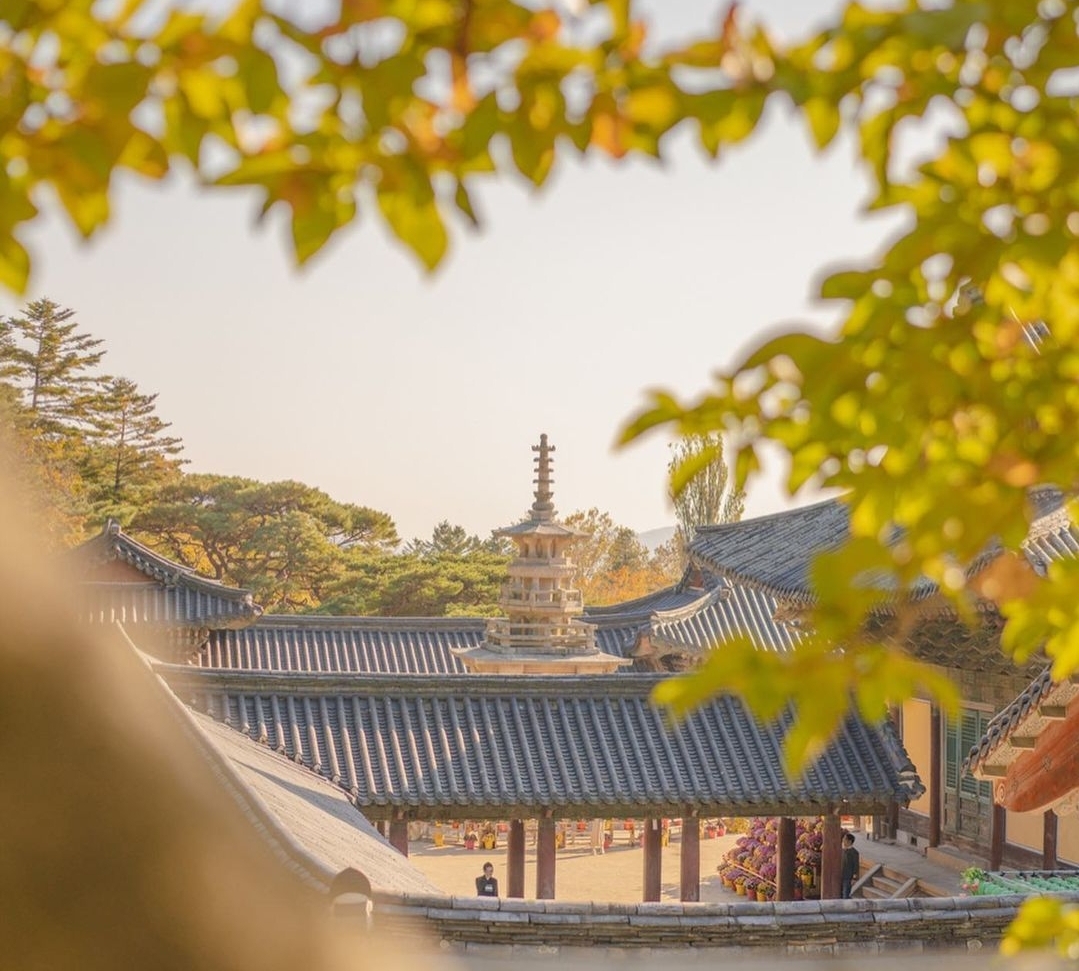
Gyeongju is a historic city known for its rich cultural heritage and numerous archaeological sites. Once the capital of the ancient Silla Kingdom, it offers a unique glimpse into Korea's past with its ancient temples, tombs, and artifacts.
Top Attractions
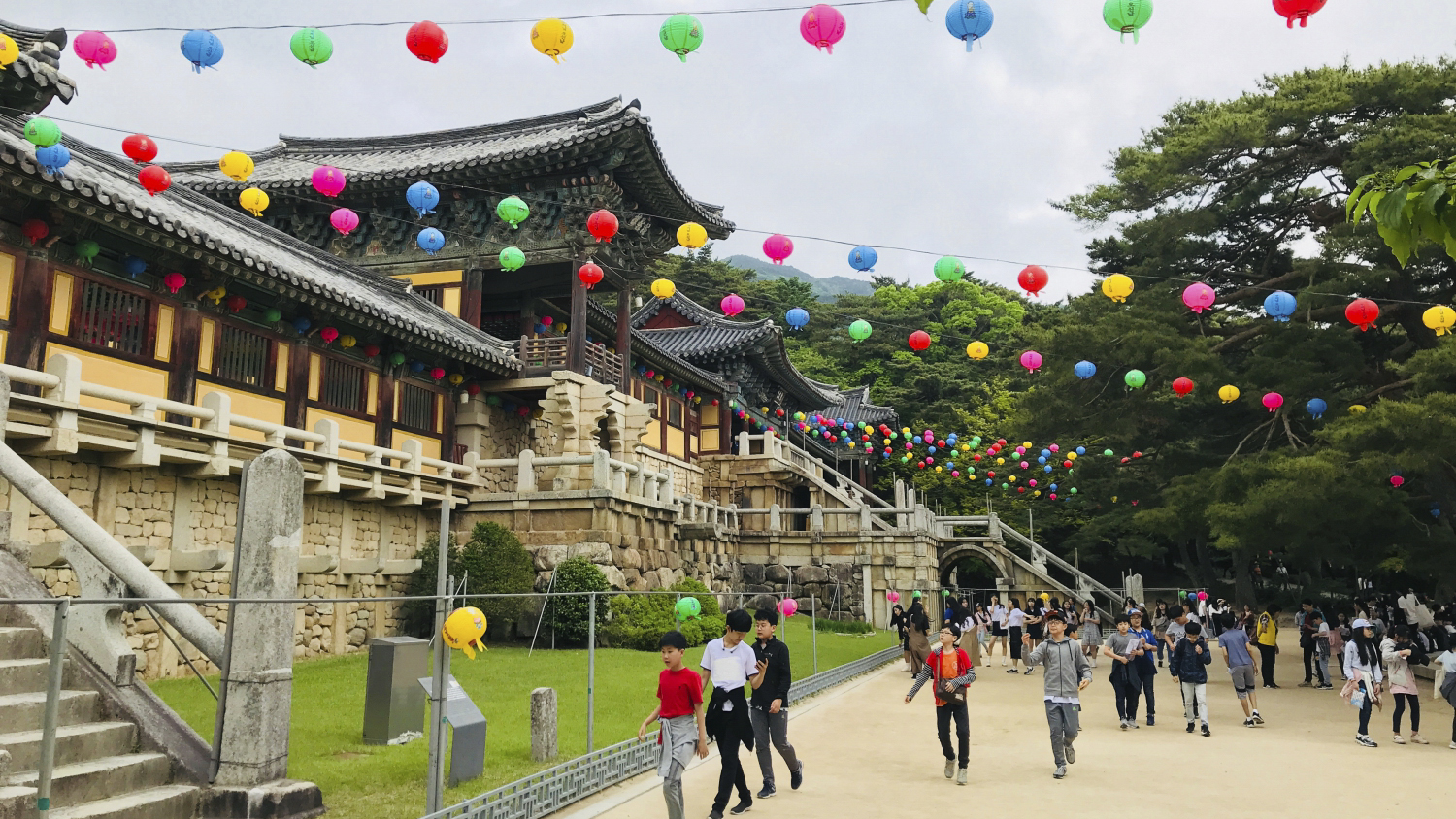
Bulguksa Temple
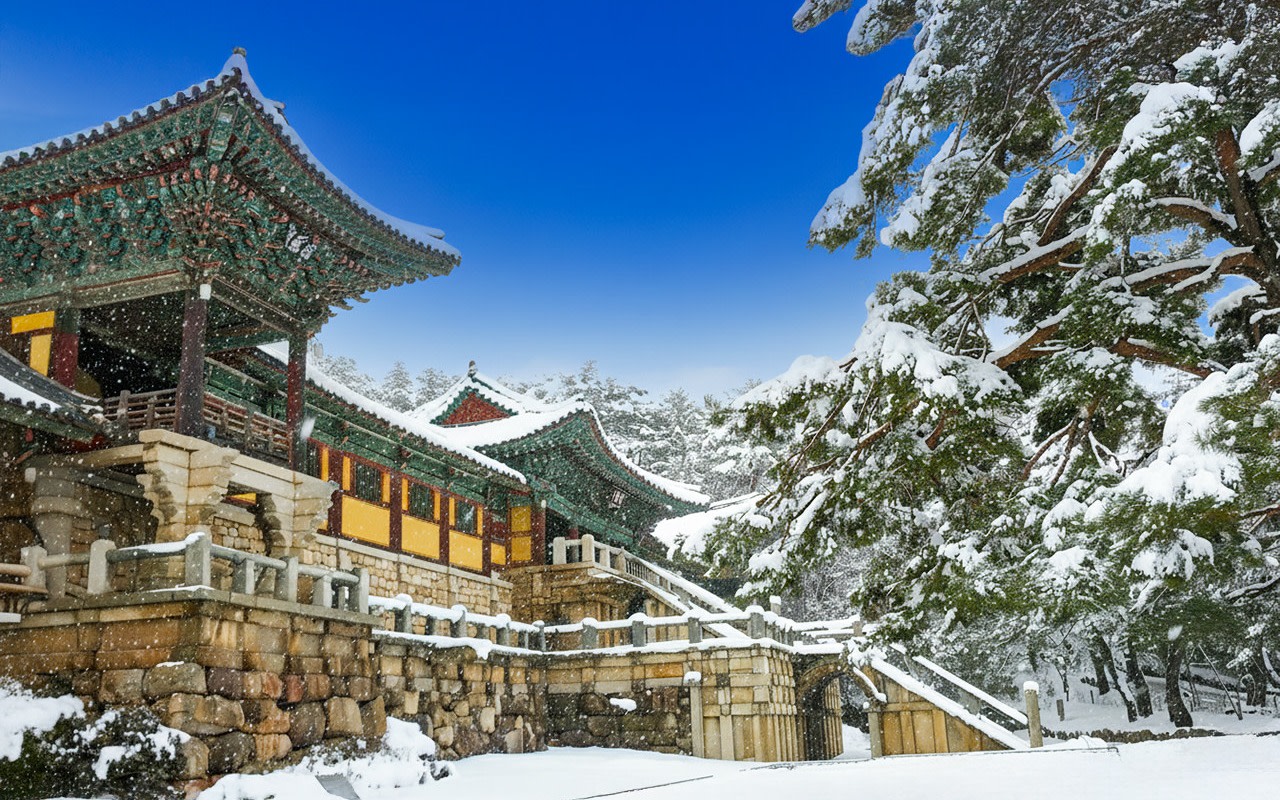
A UNESCO World Heritage Site and one of the most significant temples in Korea, known for its stunning architecture and historical significance.
Historical/Religious
2-3 hours
5,000 KRW
Cheomseongdae Observatory
The oldest surviving astronomical observatory in East Asia, dating back to the Silla Kingdom.
Historical
30 minutes
Free
Anapji Pond
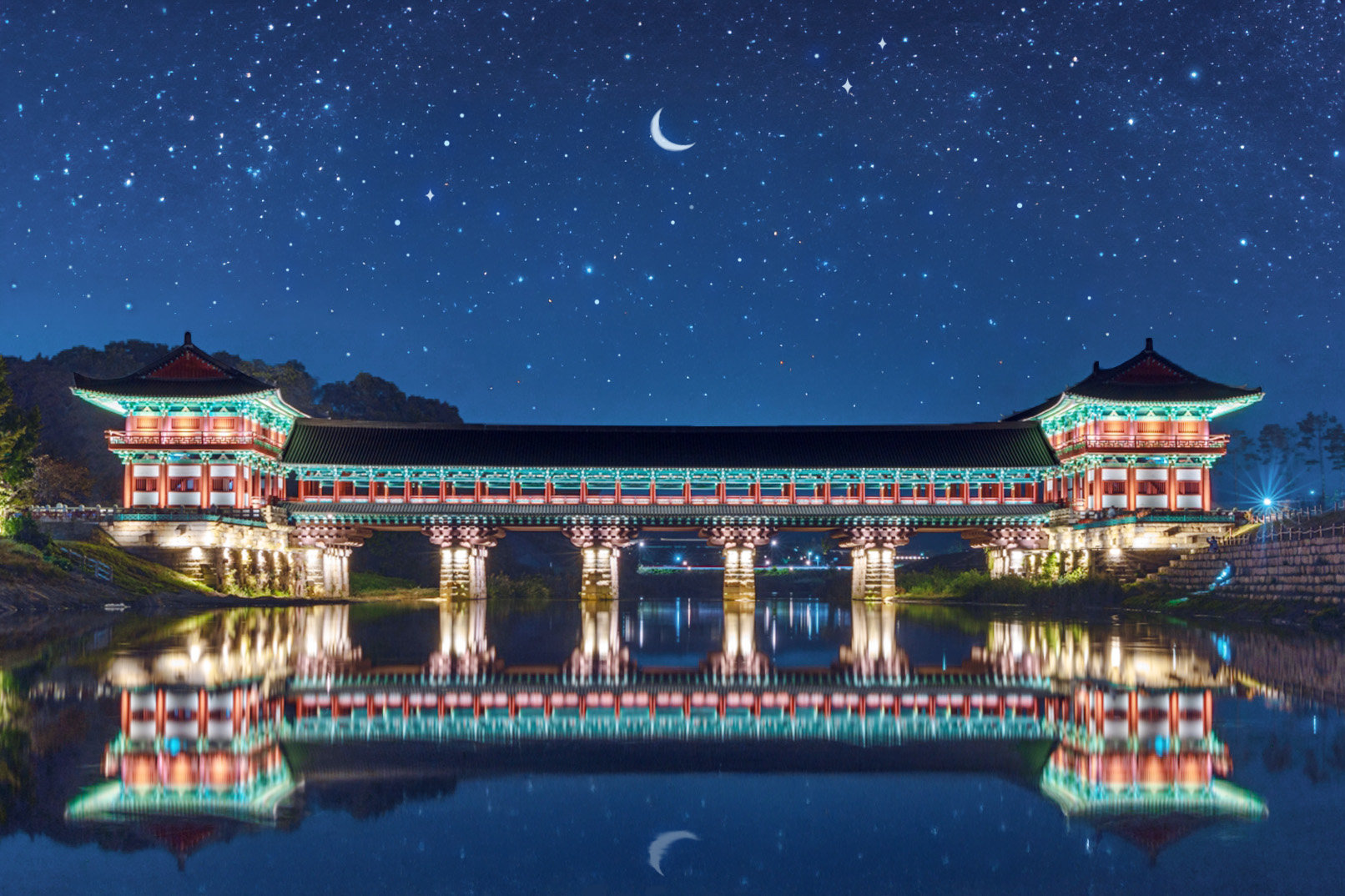
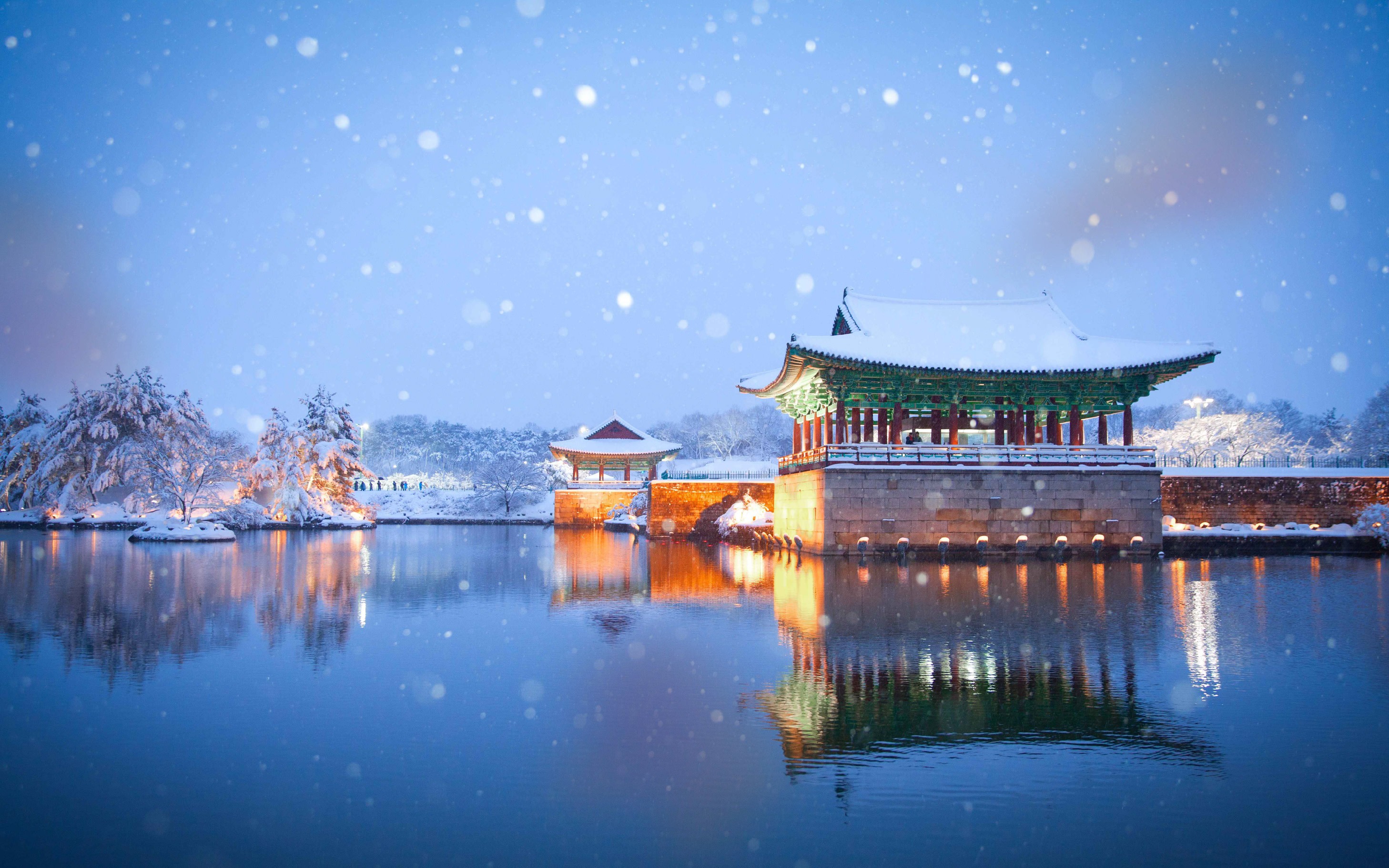
A beautiful pond and garden area that is particularly stunning at night when illuminated.
Historical/Nature
1-2 hours
Free
Must-Try Local Dishes
Gyeongju Bread
A popular local snack made with sweetened mashed potatoes and sugar, often filled with red bean paste.
Snack
Vegetarian
Hwangnam Bread
Similar to Gyeongju Bread but with a different flavor profile, often made with chestnuts or sweet potatoes.
Snack
Vegetarian
Gyeongju Chicken
A local specialty featuring marinated and grilled chicken, often served with a spicy sauce.
Dinner
Contains allergens (chicken, soy, garlic)
Popular Activities
Hiking in nearby mountains
Biking through historic sites
Tea ceremonies
Scenic walks around Anapji Pond
Visiting historic temples and sites
Participating in traditional workshops
Boat rides on Anapji Pond
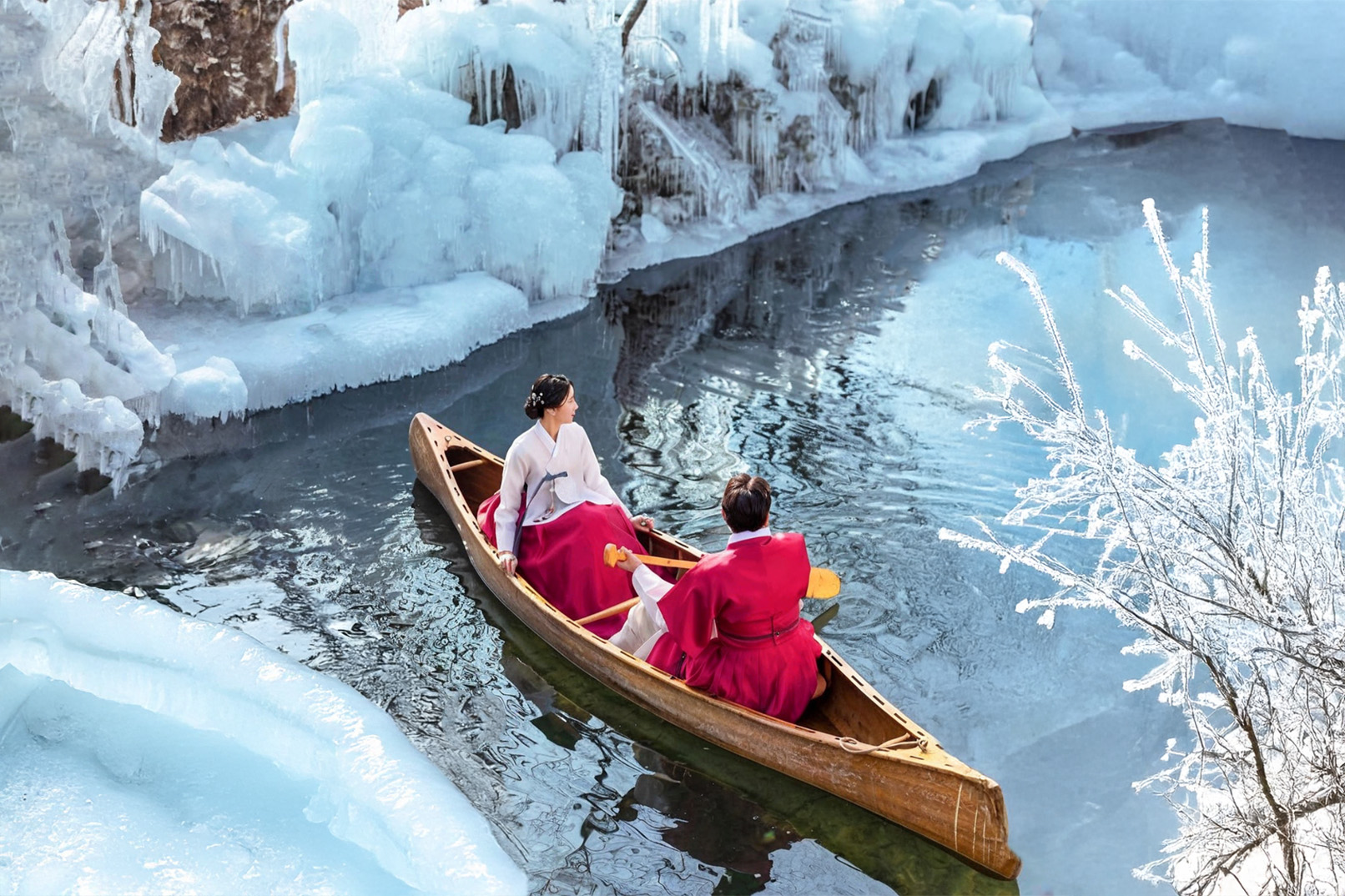
Winter festivals and events
Best Time to Visit
April to June, September to October
Spring and autumn offer comfortable temperatures and beautiful scenery, making them ideal for sightseeing.
15-25°C
59-77°F
Practical Information
Language
- Official: Korean
- Widely spoken: English
- English: Moderately spoken in tourist areas
Currency
South Korean Won (KRW)
Time Zone
KST (GMT+9)
Electricity
220VV, 60HzHz
Safety Information
Overall Safety Rating: Very safe
Gyeongju is generally very safe with low crime rates.
Important Precautions:
- • Be cautious of your belongings in crowded areas
- • Use reputable taxi services
- • Be aware of your surroundings at night
Getting there
By air
- Ulsan Airport • 40 km
- Daegu International Airport • 70 km
By train
Gyeongju Station
By bus
Gyeongju Express Bus Terminal, Gyeongju Intercity Bus Terminal
Getting around
Public transport
Buses are the primary mode of public transport and are efficient and affordable.
Taxis
Available • Apps: KakaoTaxi, T-money
Rentals
Car, Bike, Scooter
Neighborhoods
Bonghwang-dong
Sangeum-dong
Day trips
Yangdong Folk Village
15 km • Half day
A traditional village showcasing the architecture and lifestyle of the Joseon Dynasty.
Seokguram Grotto
5 km • Half day
A UNESCO World Heritage Site and a significant Buddhist pilgrimage site.
Festivals
Gyeongju International Music and Film Festival • Late October
Silla Cultural Festival • Late April to early May
Pro tips
- Visit major attractions early in the morning to avoid crowds
- Rent a bike to explore the city's historic sites at your own pace
- Try local specialties like Gyeongju Bread and Hwangnam Bread
- Use a T-money card for convenient and discounted public transport
- Book accommodations in advance during peak seasons
From $25
per person
Price varies by option
Secure booking
Free cancellation available