Gyeongju UNESCO sites Private tour with licensed tour guide
Active
4h - 9h
For a full refund, cancel at least 24 hours before the scheduled departure time.
Instant confirmation
Mobile or paper ticket accepted
About this experience
# Possible to pickup from Gyeongju & Drop at Busan
# Possible to pickup from Busan & Drop at Gyeongju
# Possible to pickup from Gyeongju & Drop at Gyeongju
# Possible to pickup from Busan & Drop at Busan
# Knowledgeable and years of experiences
# Licensed tour guide
# Fluent in English
# Customizable itinerary
# Good choice of meals
Available options
Gyeongju half day tour
Duration: 4 hours<br/>Pick-up & Drop-off: Pick-up & Drop-off must be in Gyeongju<br/>Pickup included
Pick-up Gyeongju & Drop Busan
Duration: 8 hours<br/>Pick-up & Drop off: Pick-up at Gyeongju & Drop-off at Busan<br/>Pickup included
Pick-up Busan & Drop Gyeongju
Duration: 8 hours<br/>Pick-up & Drop-off: Pick-up in Busan & Drop-off in Gyeongju<br/>Pickup included
Pick-up & Drop-off at Busan
Duration: 9 hours<br/>Pick-up & Drop-off: Pick-up & Drop-off at Busan<br/>Pickup included
Pick-up & Drop-off at Gyeongju
Duration: 7 hours<br/>Pick-up & Drop-off: Pick-up & Drop-off must be in Gyeongju<br/>Pickup included
What's included
Private transportation
Air-conditioned vehicle
Parking fees and Tolls
English or Chinese speaking licensed tour guide
Detailed itinerary
1
Stop 1
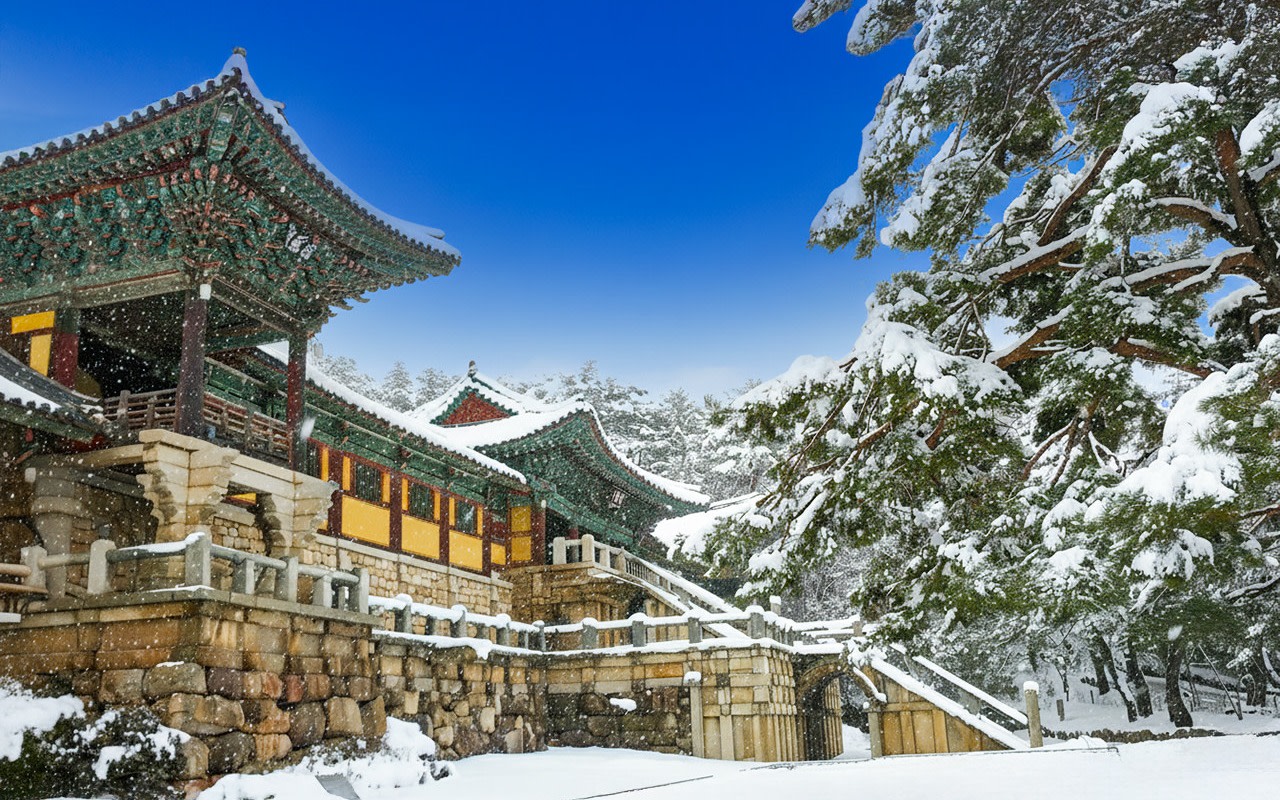
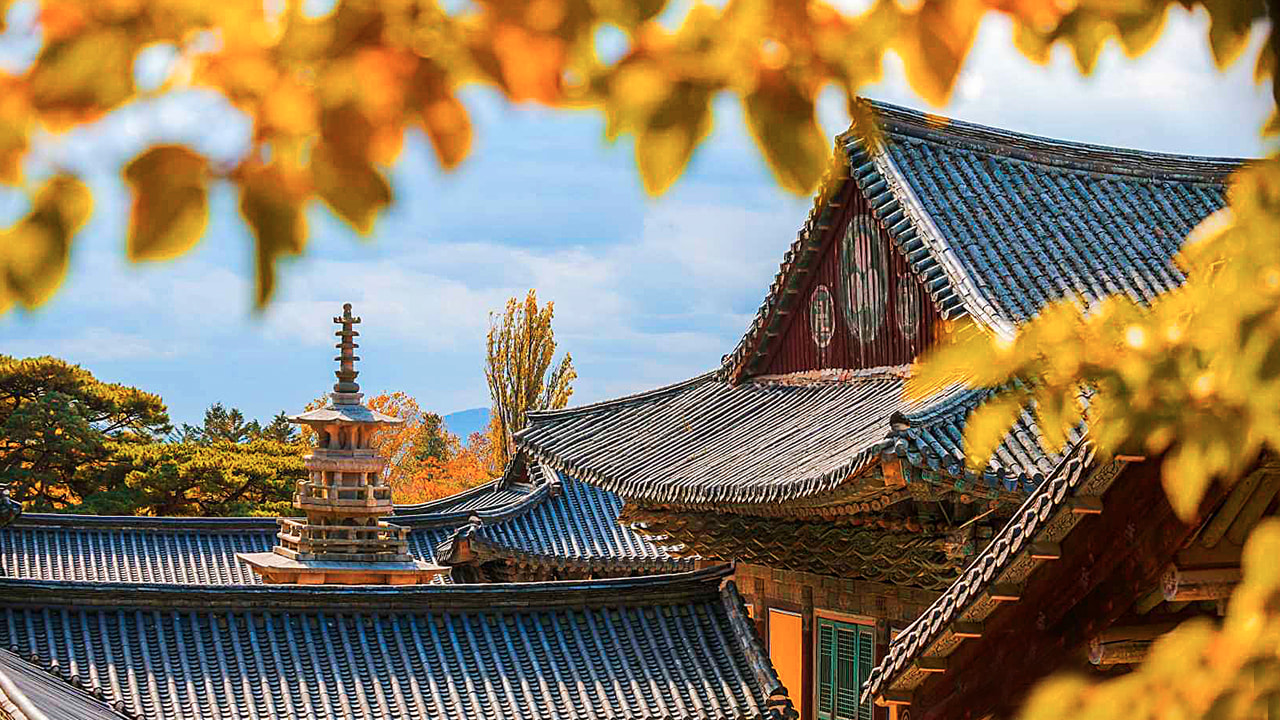
Bulguksa Temple, a UNESCO World Heritage site in Gyeongju, is a masterpiece of Silla-era Buddhist architecture. Built in the 8th century, it features stunning stone pagodas, intricate wooden halls, and a peaceful setting that reflects Korea’s spiritual heritage. You can explore the temple’s rich history, admire national treasures like Dabotap and Seokgatap pagodas, and experience the tranquility of this sacred cultural landmark.
2
Stop 2
Seokguram Grotto, another UNESCO World Heritage site near Bulguksa Temple, is a stunning example of Buddhist art from the 8th century. Nestled in the mountains, the grotto houses a serene granite Buddha statue surrounded by detailed carvings of bodhisattvas and guardians. This sacred site reflects the spiritual and artistic achievements of the Silla dynasty, offering you a peaceful and awe-inspiring cultural experience.
3
Daereungwon is a royal tomb complex in Gyeongju, home to ancient burial mounds from the Silla dynasty. Among them, Cheonmachong, or "Heavenly Horse Tomb," stands out for its excavated artifacts and murals, offering a rare glimpse into Silla royal life. Visitors can enter the tomb to see treasures such as a golden crown and learn about Korea's rich history in this peaceful, park-like setting surrounded by grassy mounds.
4
Stop 4
Gyeongju National Museum showcases over 100,000 artifacts from the Silla Kingdom (57 BC–935 AD), including the famed 20t Bell and golden crowns from royal tombs. Its permanent exhibitions span Silla history, Buddhist art, and treasures from Anapji Pond.
5
Stop 5
Pass by
Cheomseongdae Observatory was built during Queen Seondeok's reign (632–647 CE), is the oldest surviving astronomical observatory in Asia. Standing 9.17 meters tall, this cylindrical stone tower comprises 365 granite blocks, symbolizing the days of the year. Strategically placed windows and openings allowed ancient astronomers to observe celestial events, aiding in agricultural and political decisions.
6
Gyochon Village offers a glimpse into Korea's rich cultural heritage. Home to the Gyeongju Choi Clan, renowned for their 12-generation legacy, the village features the historic House of the Gyeongju Choi Clan, a designated Important Folklore Material. You can explore traditional hanok houses.
7
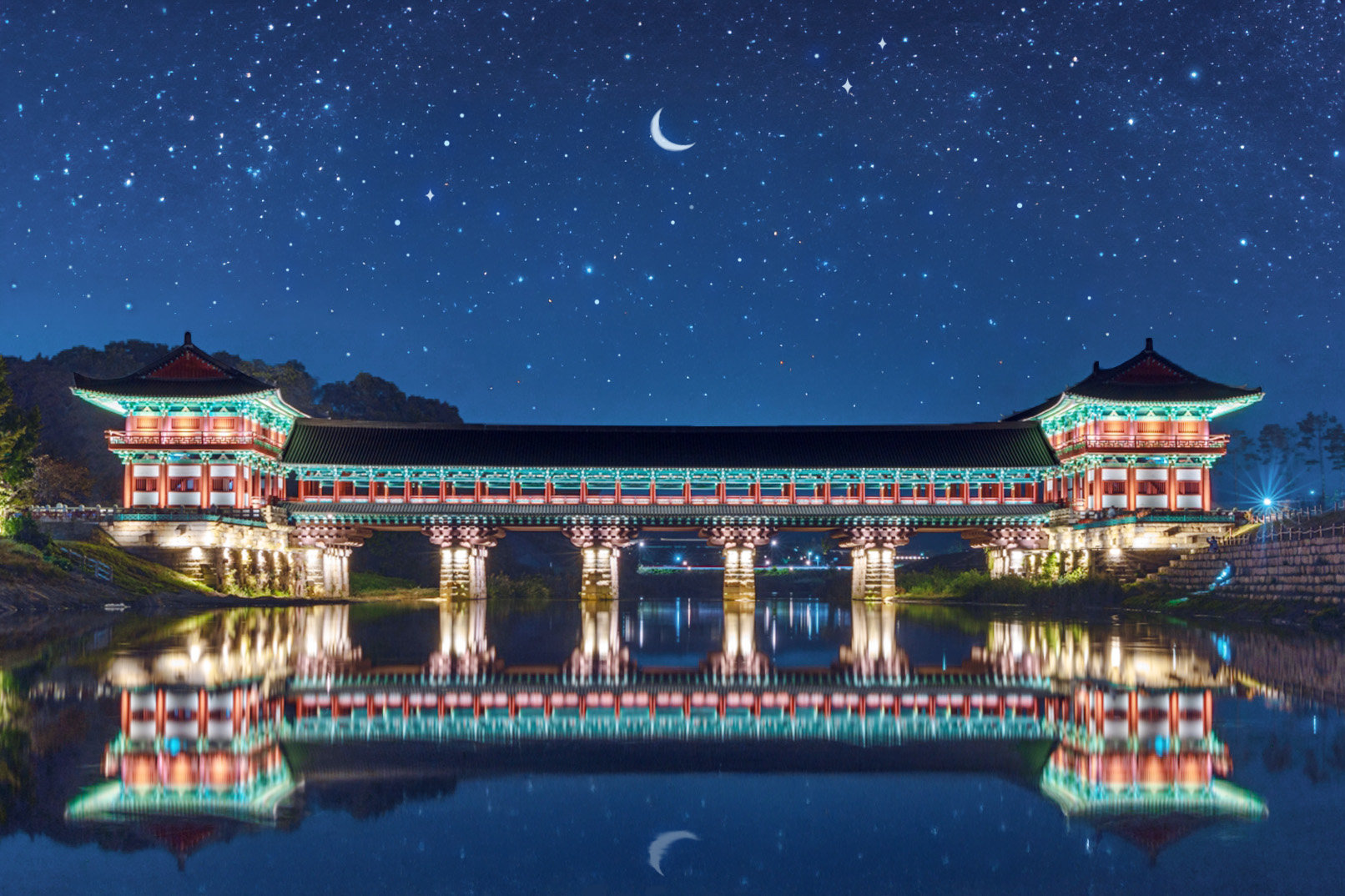
Woljeonggyo Bridge is a reconstructed wooden bridge originally built in 760 AD during the Unified Silla period. It was destroyed during the Joseon dynasty and rebuilt between 2008 and 2018, becoming the largest wooden bridge in Korea. The bridge spans 66.15 meters and features traditional Korean architectural elements. It is illuminated at night, creating a picturesque scene, and is a popular spot for photography and leisurely walks.
What's not included
Meal
Entrance fees (if applicable, free over 65years old)
Available languages
Guide guide
KO
CMN
EN
Reviews breakdown
Viator
4.9
73 reviews
5★
69
4★
2
3★
2
2★
0
1★
0
Tripadvisor
5.0
201 reviews
5★
197
4★
3
3★
1
2★
0
1★
0
Important information
Wheelchair accessible
Infants and small children can ride in a pram or stroller
Service animals allowed
Specialized infant seats are available
Transportation options are wheelchair accessible
Travelers should have at least a moderate level of physical fitness
About Gyeongju
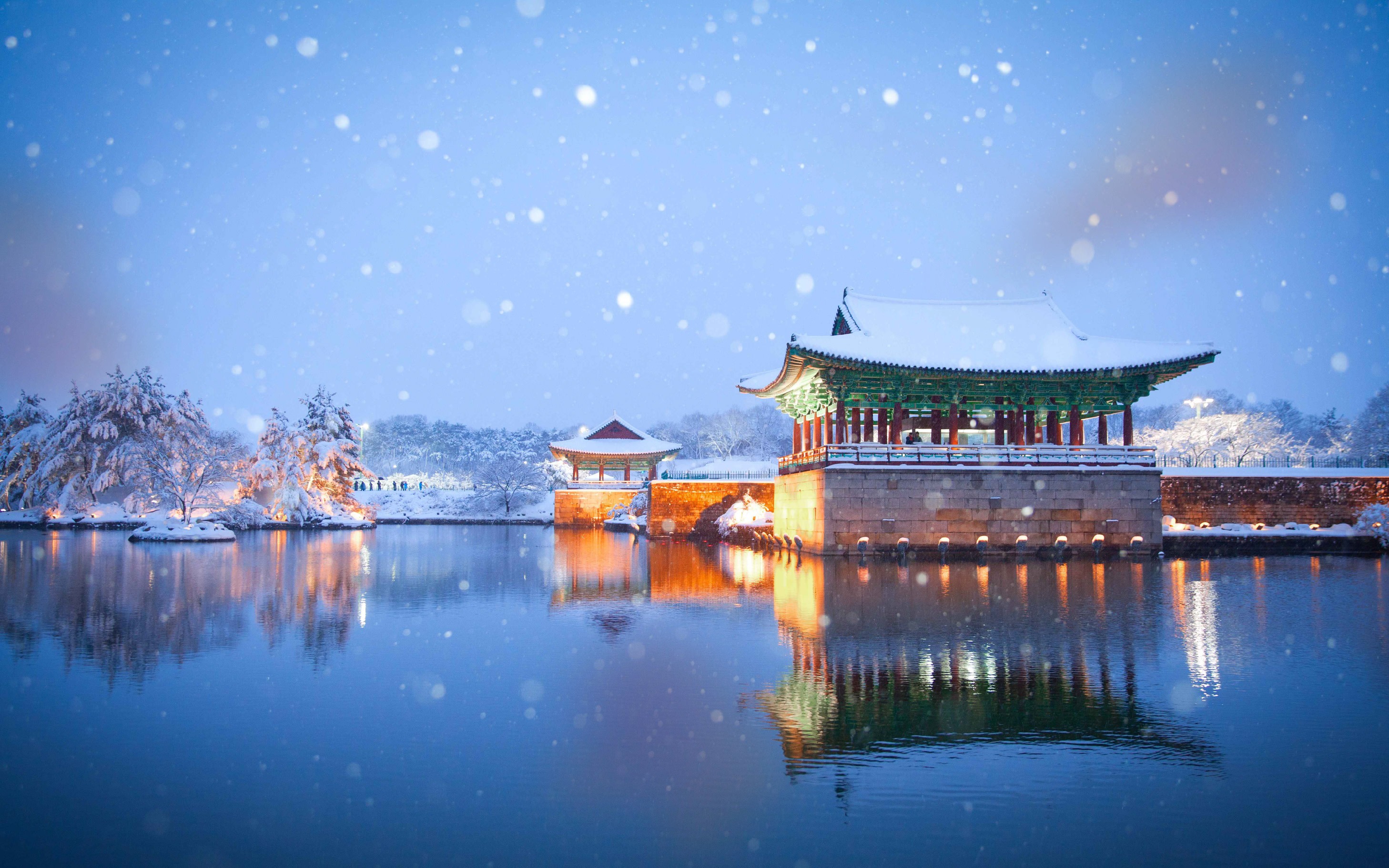
Gyeongju is a historic city known for its rich cultural heritage and numerous archaeological sites. Once the capital of the ancient Silla Kingdom, it offers a unique glimpse into Korea's past with its ancient temples, tombs, and artifacts.
Top Attractions
Bulguksa Temple
A UNESCO World Heritage Site and one of the most significant temples in Korea, known for its stunning architecture and historical significance.
Historical/Religious
2-3 hours
5,000 KRW
Cheomseongdae Observatory
The oldest surviving astronomical observatory in East Asia, dating back to the Silla Kingdom.
Historical
30 minutes
Free
Anapji Pond
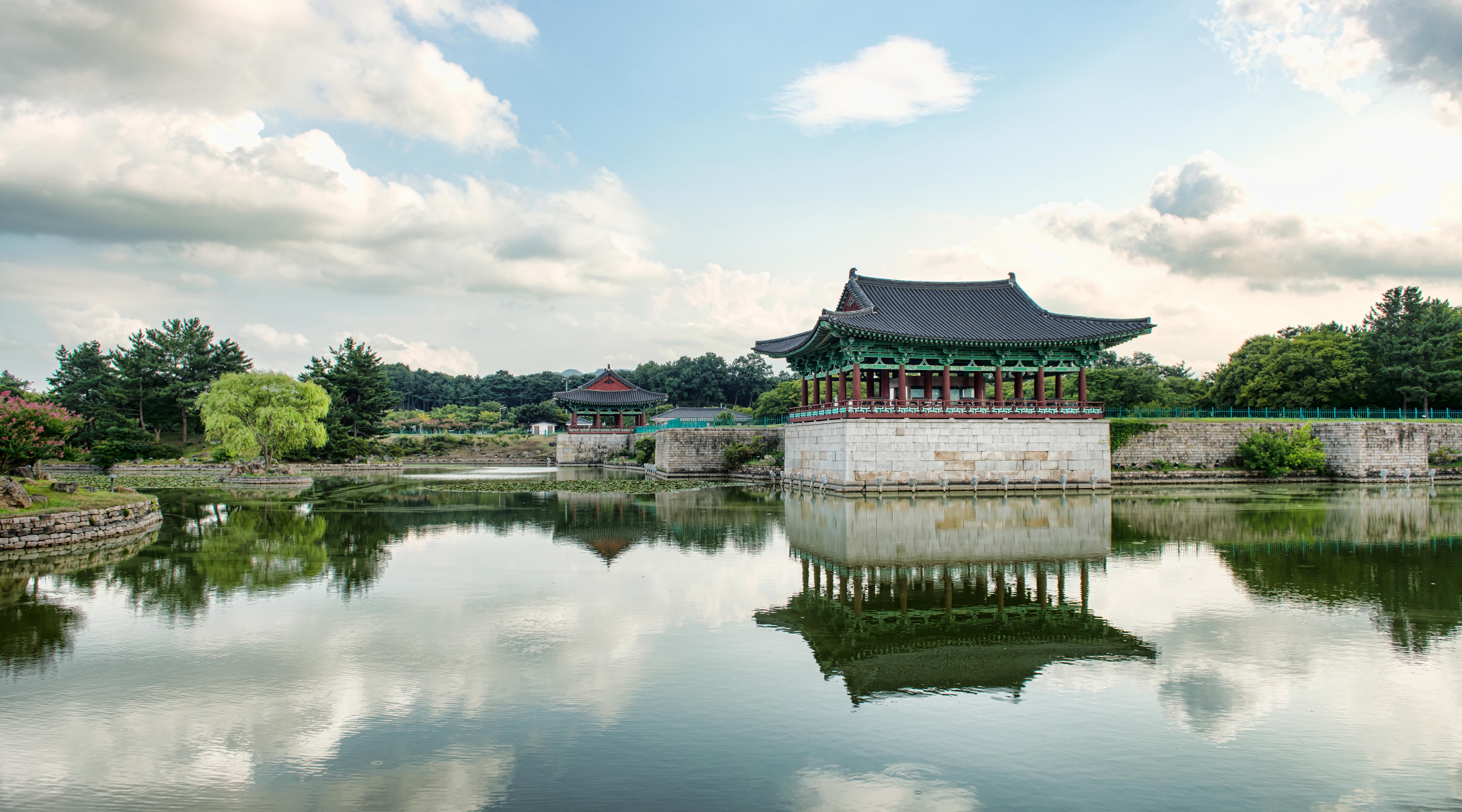
A beautiful pond and garden area that is particularly stunning at night when illuminated.
Historical/Nature
1-2 hours
Free
Must-Try Local Dishes
Gyeongju Bread
A popular local snack made with sweetened mashed potatoes and sugar, often filled with red bean paste.
Snack
Vegetarian
Hwangnam Bread
Similar to Gyeongju Bread but with a different flavor profile, often made with chestnuts or sweet potatoes.
Snack
Vegetarian
Gyeongju Chicken
A local specialty featuring marinated and grilled chicken, often served with a spicy sauce.
Dinner
Contains allergens (chicken, soy, garlic)
Popular Activities
Hiking in nearby mountains
Biking through historic sites
Tea ceremonies
Scenic walks around Anapji Pond
Visiting historic temples and sites
Participating in traditional workshops
Boat rides on Anapji Pond
Winter festivals and events
Best Time to Visit
April to June, September to October
Spring and autumn offer comfortable temperatures and beautiful scenery, making them ideal for sightseeing.
15-25°C
59-77°F
Practical Information
Language
- Official: Korean
- Widely spoken: English
- English: Moderately spoken in tourist areas
Currency
South Korean Won (KRW)
Time Zone
KST (GMT+9)
Electricity
220VV, 60HzHz
Safety Information
Overall Safety Rating: Very safe
Gyeongju is generally very safe with low crime rates.
Important Precautions:
- • Be cautious of your belongings in crowded areas
- • Use reputable taxi services
- • Be aware of your surroundings at night
Getting there
By air
- Ulsan Airport • 40 km
- Daegu International Airport • 70 km
By train
Gyeongju Station
By bus
Gyeongju Express Bus Terminal, Gyeongju Intercity Bus Terminal
Getting around
Public transport
Buses are the primary mode of public transport and are efficient and affordable.
Taxis
Available • Apps: KakaoTaxi, T-money
Rentals
Car, Bike, Scooter
Neighborhoods
Bonghwang-dong
Sangeum-dong
Day trips
Yangdong Folk Village
15 km • Half day
A traditional village showcasing the architecture and lifestyle of the Joseon Dynasty.
Seokguram Grotto
5 km • Half day
A UNESCO World Heritage Site and a significant Buddhist pilgrimage site.
Festivals
Gyeongju International Music and Film Festival • Late October
Silla Cultural Festival • Late April to early May
Pro tips
- Visit major attractions early in the morning to avoid crowds
- Rent a bike to explore the city's historic sites at your own pace
- Try local specialties like Gyeongju Bread and Hwangnam Bread
- Use a T-money card for convenient and discounted public transport
- Book accommodations in advance during peak seasons
From $25
per person
Price varies by option
Secure booking
Free cancellation available
Instant confirmation


![[Private Tour] Busan and Gyeongju Top Attractions Day Tour](https://res.klook.com/image/upload/activities/pj3cuzsrkoqkakpc0sma.jpg)