1-DAY Gyeongju UNESCO and Culture tour.
Active
8h - 10h
For a full refund, cancel at least 24 hours before the scheduled departure time.
Instant confirmation
Mobile or paper ticket accepted
About this experience
Gyeongju is the Korean Silla dynasty's ancient capital, The Silla dynasty ruled the Korean peninsula for almost 1,000 years, from 57 BC to 935 AD, and much of the cultural achievements of the time can still be seen in Gyeongju. At the time, Silla was a prosperous country, and its capital Gyeongju was the fourth largest city in the world. The city was home to the Silla court and most of the kingdom’s elite, and you can still see remnants of their lavish lifestyle and after-life. Explore Korean history, culture, traditional local food for a single day
- Recommend of itinerary-
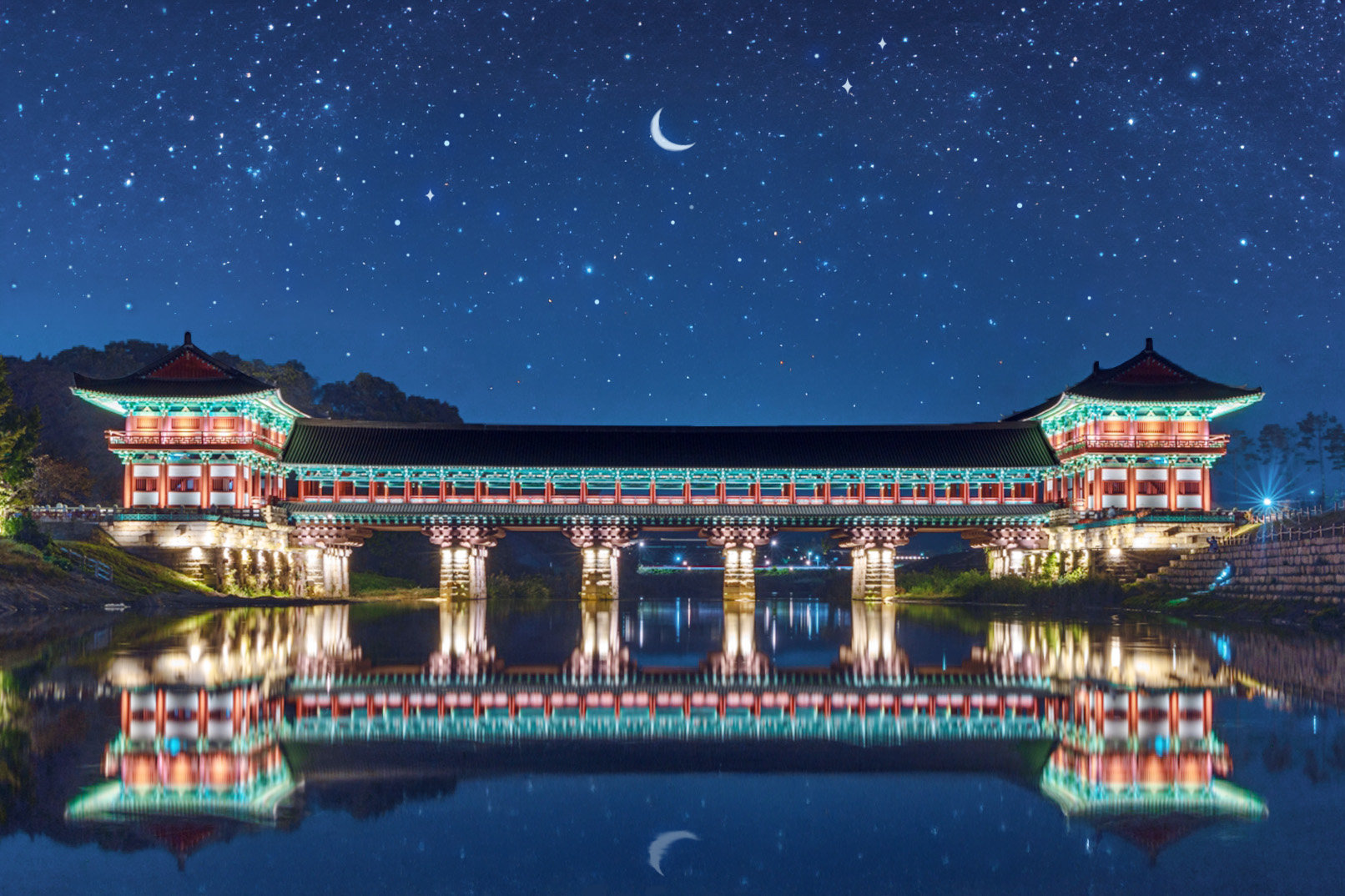
Seokguram - Bulguksa Temple - Lunch - Folk Craft Village - Bomun Lake - Daereungwon Tomb Complex - Cheomseongdae - Gyeongju Gyochon Traditional Village - National Museum - Return to Busan or drop-off Gyeongju
All itinerary flexible and comfortable round trip.
Available options
Small private Group (1-8pax)
Sedan, Min Van : Customized private tour with Guide <br/>Pickup included
Transport with driver
Mini Van, Mini Bus, Coach Bus: Share transport other small groups with a Korean driver (Simple English)<br/>Pickup included
Large private Group (9-15pax)
Large Van, Mini Bus: Customized private tour with Guide <br/>Pickup included
What's included
Private transportation
Busan, Gyeongju free transport service after the tour
Free pickup and drop-off
Guide + driver or driving guide
Entrance decides to go to places and pay yourself on the spot
Gas + toll + parking fees
Detailed itinerary
1
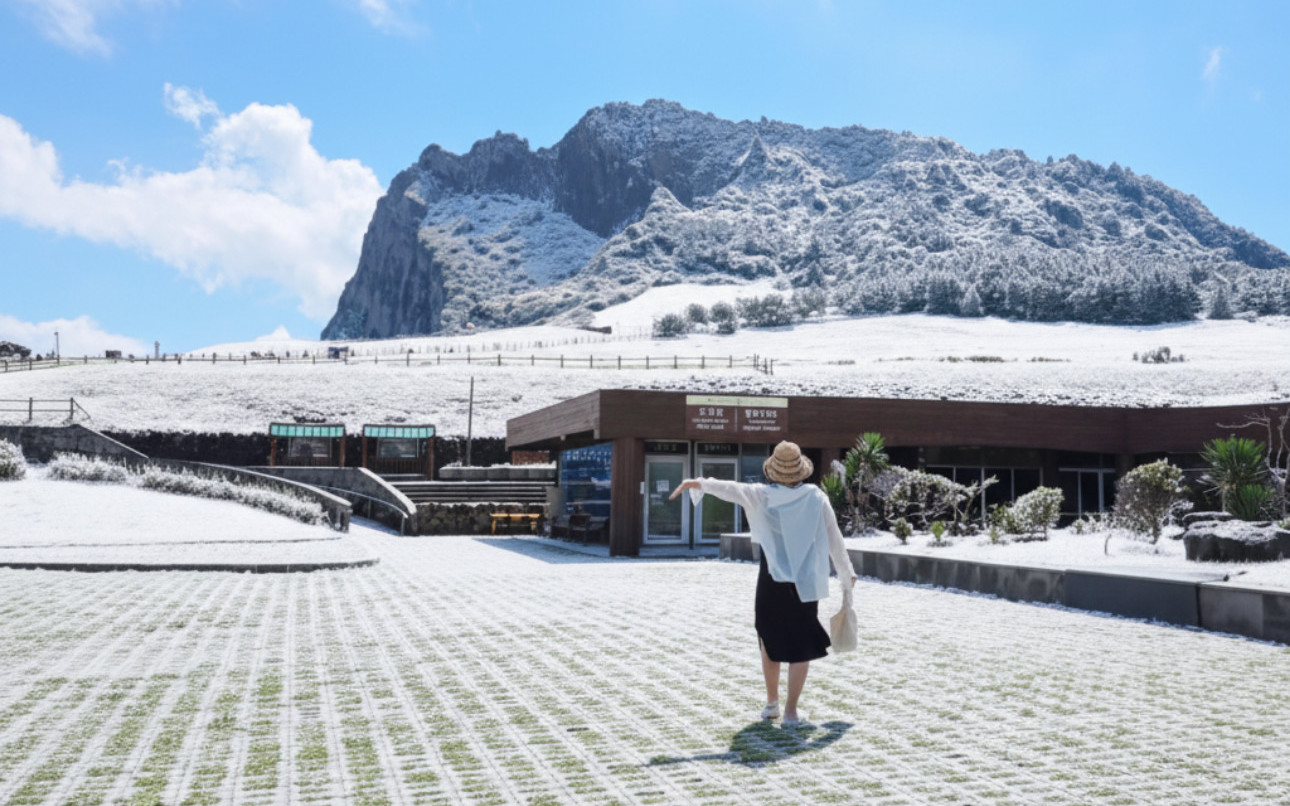
Seokguram is an artificial grotto constructed of granite, comprising an antechamber, a corridor, and a main rotunda. It enshrines a monumental statue of the Sakyamuni Buddha looking out to sea with his left hand in dhyana mudra, the mudra of concentration, and his right hand in bhumisparsa mudra, the earth-touching mudra position. Together with the portrayals of devas, bodhisattvas and disciples, sculpted in high and low relief on the surrounding walls, the statues are considered to be a masterpiece of East Asian Buddhist art. The domed ceiling of the rotunda and the entrance corridor employed an innovative construction technique that involved the use of more than 360 stone slabs.
2
Stop 2
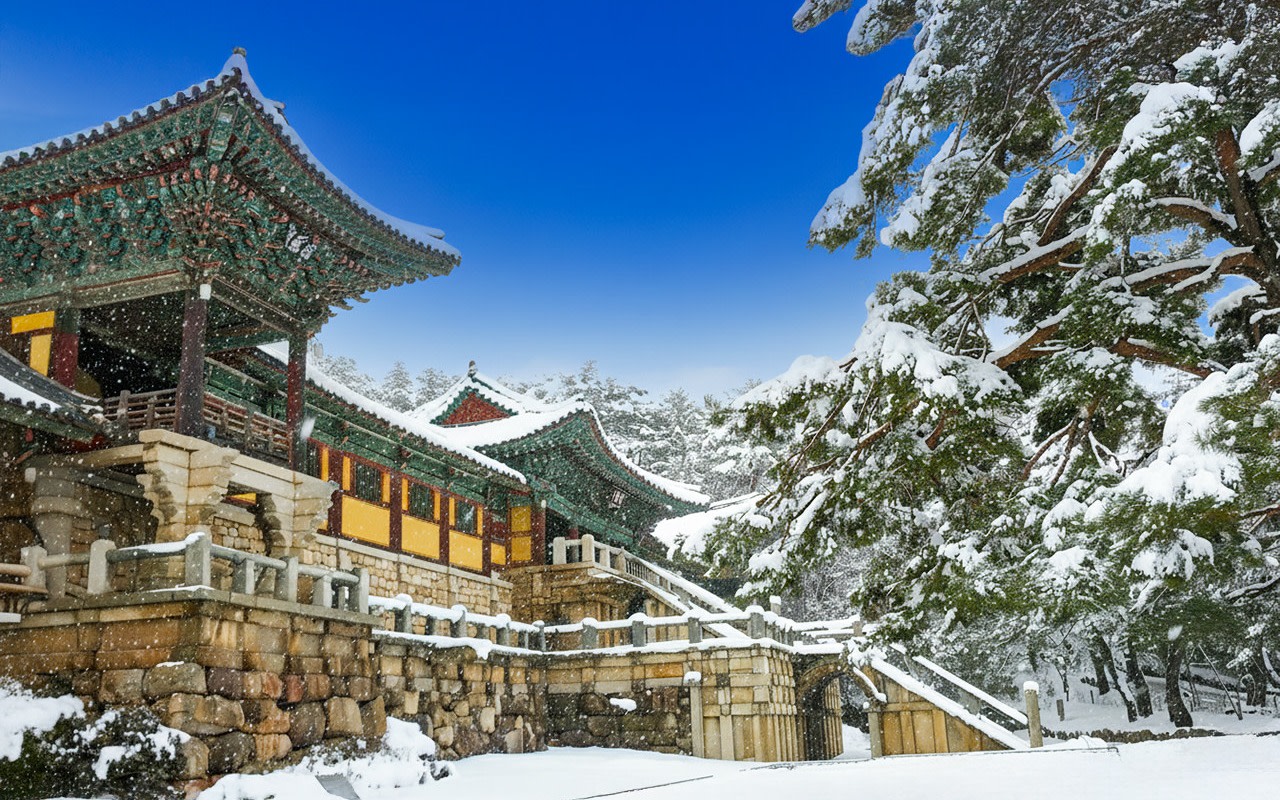
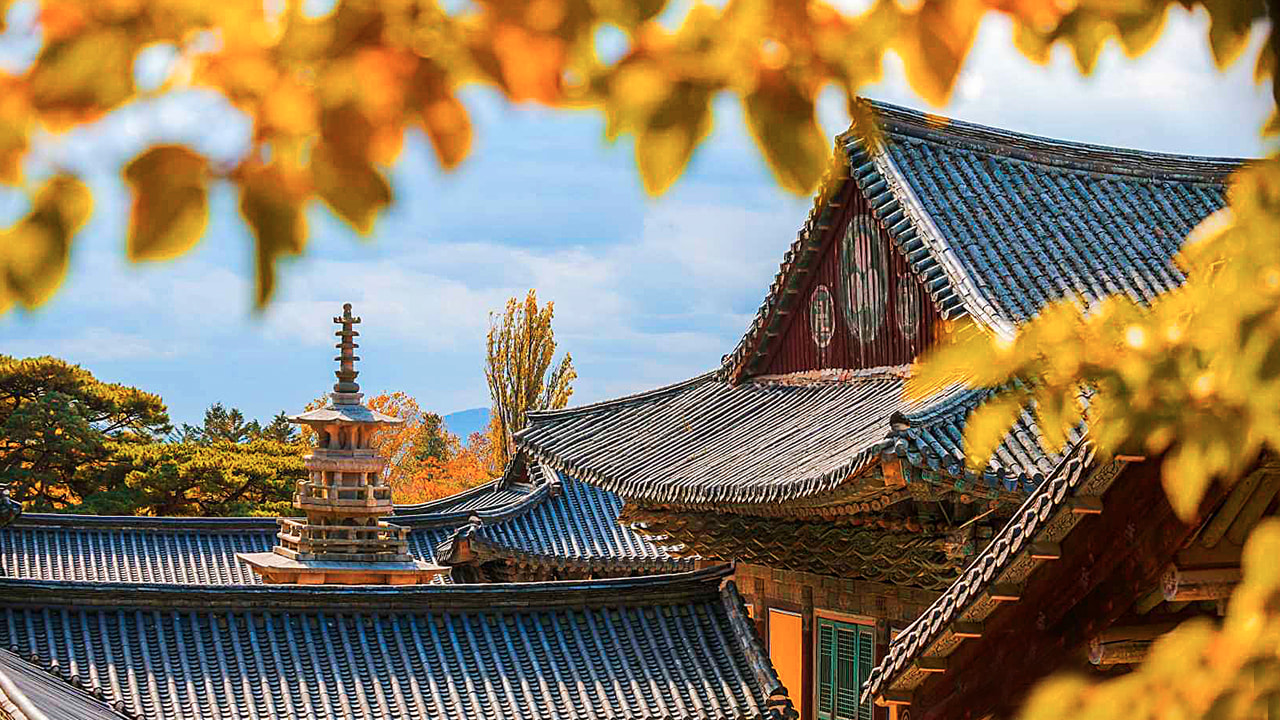
Bulguksa is a Buddhist temple complex that comprises a series of wooden buildings on raised stone terraces. The grounds of Bulguksa are divided into three areas – Birojeon (the Vairocana Buddha Hall), Daeungjeon (the Hall of Great Enlightenment) and Geungnakjeon (the Hall of Supreme Bliss). These areas and the stone terraces were designed to represent the land of Buddha. The stone terraces, bridges and the two pagodas – Seokgatap (Pagoda of Sakyamuni) and Dabotap (Pagoda of Bountiful Treasures) – facing the Daeungjeon attest to the fine masonry work of the Silla.
3
Gyeongju Folk Craft Village consists of 40 thatched and tile-roofed houses, lived in by local artisans of traditional arts and crafts skills. Various fields of crafts production including metal, pottery, timber, jewels, hanbok (Korean traditional clothes), and stone crafts can be found in the village.
4
Large ancient tombs of kings and nobles of the Silla Kingdom can be seen around Gyeongju at the Daereungwon Tomb Complex. There are twenty-three large tombs located here; 13 have been excavated but only 1 (Cheonmachong - tomb of King Michu) is open to the public. The tomb chamber contained a lacquered wooden coffin that had burial goods placed around it. A total of 11,500 artifacts were recovered from the tomb, demonstrating the king's lavish lifestyle. The tomb was excavated in 1973 and is believed to date probably from the fifth century.
5
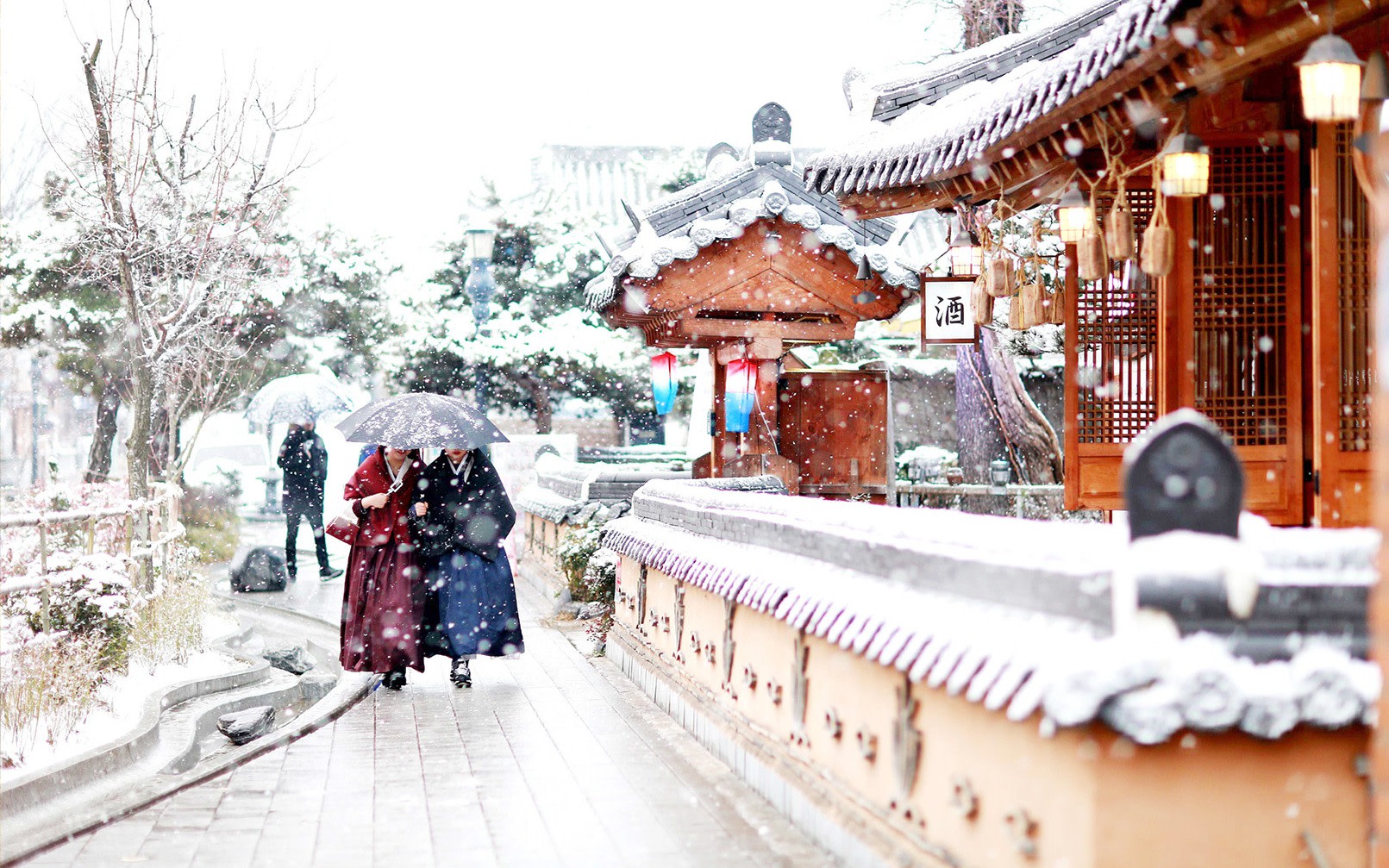
At Gyeongju Gyochon Village, visitors can see the House of the Gyeongju Choi Clan (Important Folklore Material No. 27) and try some Gyeongju Gyodong Beopju Liquor (Important Intangible Cultural Asset No. 86-3). The village centers around the Gyeongju Choi Clan, a family known to have maintained their wealth for over 12 generations, producing many important people. Visitors can learn about the lifestyle and spending habits that enabled the family to do this. The village is also home to the site of Yoseokgung, the house of Silla Princess Yoseok. Nearby attractions include Gyerim Forest, Naemulwangneung Royal Tomb, and Gyeongjuhyanggyo Local Confucian School
6
Stop 6
Cheomseongdae Observatory, constructed during the reign of Queen Seondeok (r. 632-647), is one of the landmark of Gyeongju. The observatory was built in a cylinder shape at approximately 9 meters in height. The observatory consists of 365 stones, symbolizing the number of days in a year. The rocks are piled in 27 layers symbolizing the 27th ruler, Queen Seondeok, and the days in a lunar month by adding the of two rock layers on top.
It stands 9.17m high and the base stone on each side measures 5.35m.The Vernal Equinox, Autumnal Equinox, Winter Solstice, Summer Solstice and the 24 solar terms (also known as the astronomical solar year) were determined by observating of stars. The pavilion stone is believed to have been used as a standard of deciding directions, north, south, east and west. The 362 stones used to build Cheomseongdae represented the 362 days in a lunar year.
7
Stop 7
Gyeongju National Museum is loved by visitors and residents alike as it houses numerous historical and cultural artifacts of the Silla dynasty (57 BC - AD 935). The museum recently went through renovation, separating into an art gallery, historical artifacts exhibition hall, Wolji Pond exhibition hall, and a planned exhibition space. In addition to improving facilities for visitors' convenience, Gyeongju National Museum is making efforts to contribute to the community and reestablish its identity as a museum by making efforts to provide lifelong learning opportunities and improve management. As a significant cultural center, Gyeongju National Museum not only strives to preserve, exhibit, and research the rich history and culture of Silla, but also to take a leap forward to become a cultural multi-complex center by promoting international exchange opportunities, social education programs, and a variety of special exhibitions.
8
Anamji pond ( Donggung Palace and Wolji Pond )
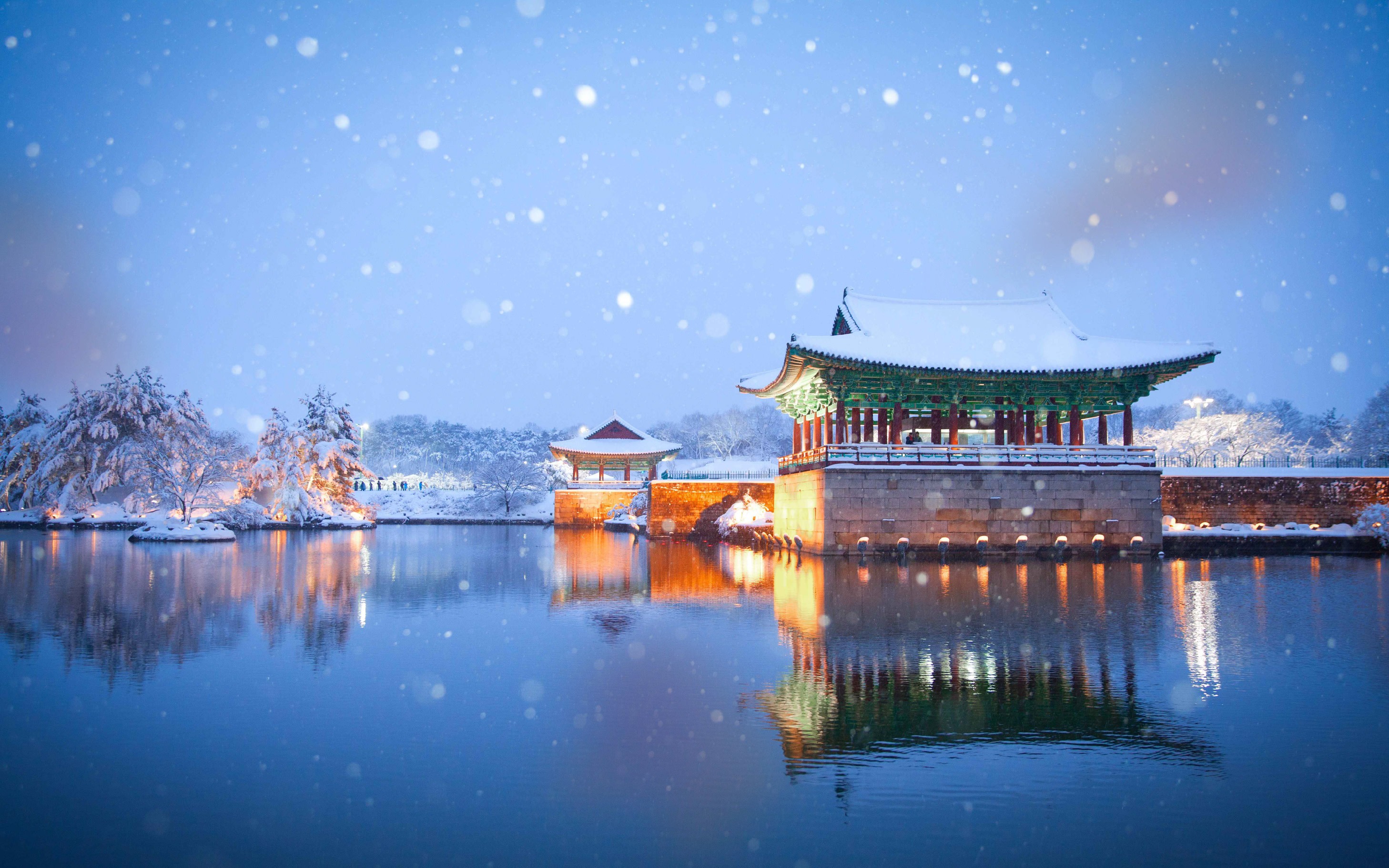
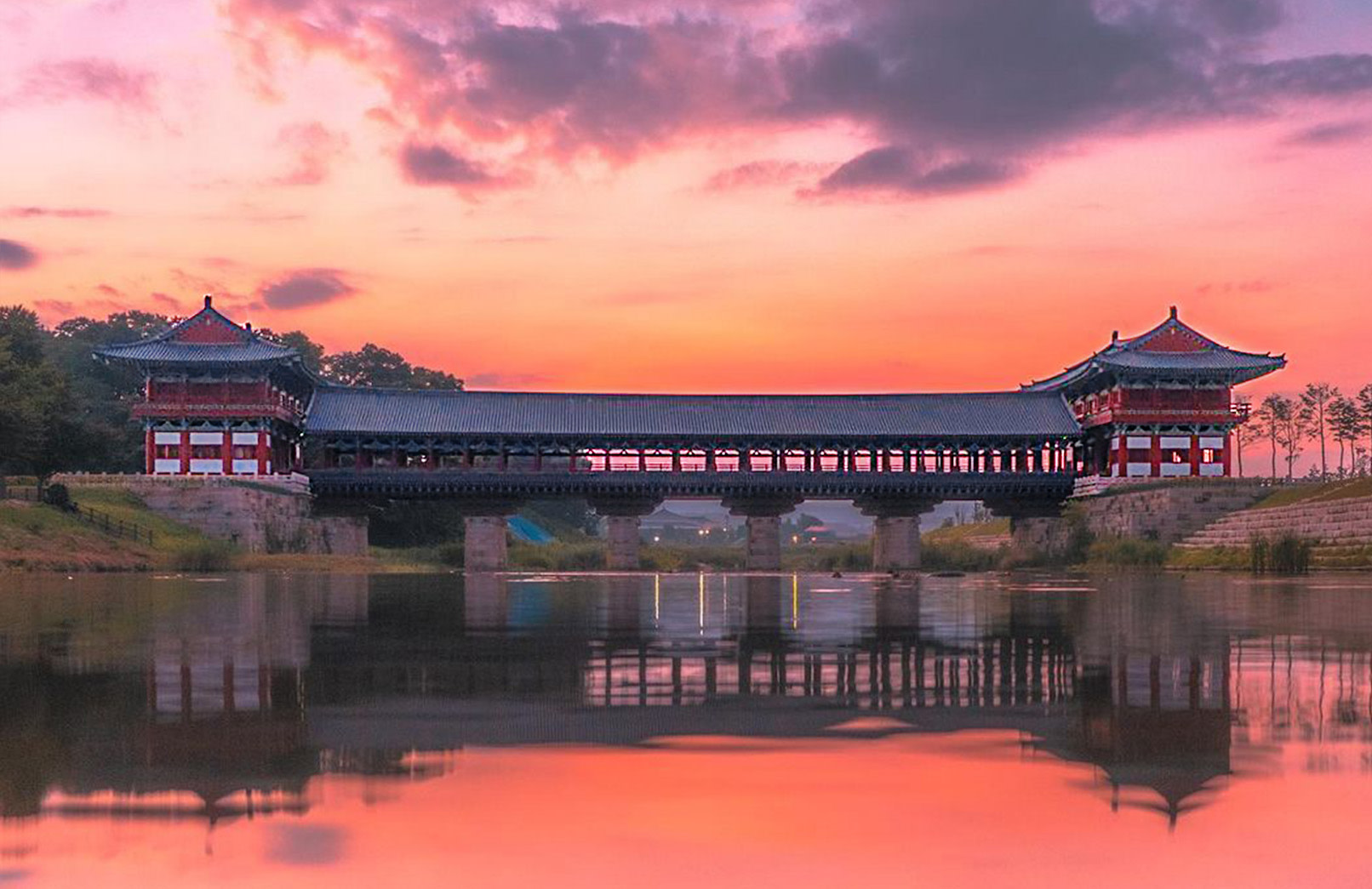
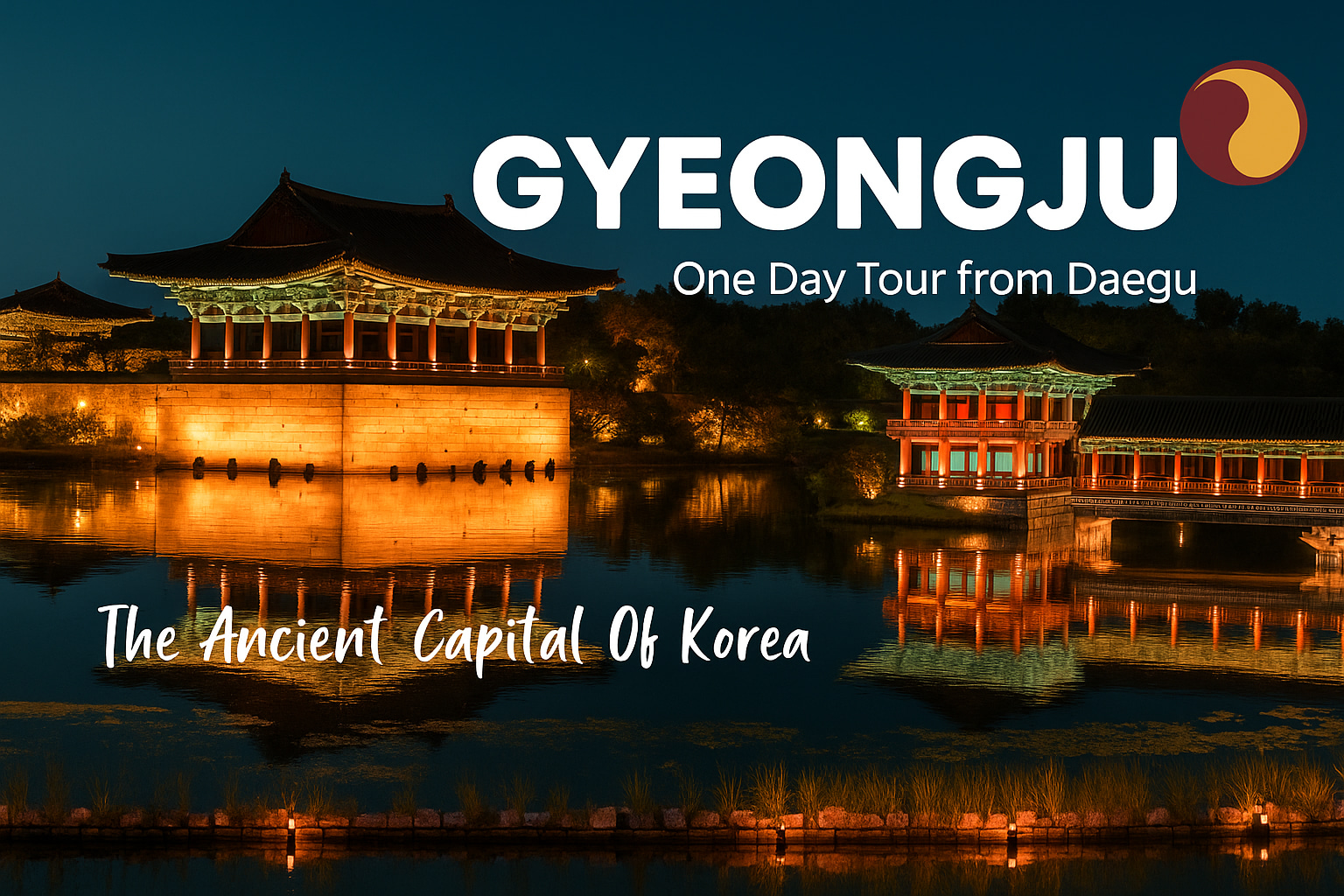
Gyeongju Donggung Palace and Wolji Pond was a secondary palace used by the crown prince of the Silla Kingdom. It also served as a banquet site for important national events and important visitors. The pond was created in 674, during the reign of King Munmu. The pond features three small islands, and a landscape of 12 small hills to the northeast. After the fall of Silla, the site was abandoned and forgotten. The pond was referred to as "Anapji" from the Goryeo and Joseon periods and onwards. In the 1980s, a pottery fragment with the letters “Wolji” (a pond that reflects the moon) carved onto it was found, revealing the true name of the pond. After the discovery, the site was renamed to the current Donggung Palace and Wolji Pond.
What's not included
Meals
Daereungwon Tomb KRW 3,000/per Wolji Pond KRW 3,000/per
Available languages
Guide guide
RU
CMN
JA
EN
Reviews breakdown
Viator
5.0
1 reviews
5★
1
4★
0
3★
0
2★
0
1★
0
Tripadvisor
5.0
1 reviews
5★
1
4★
0
3★
0
2★
0
1★
0
Important information
Wheelchair accessible
Infants and small children can ride in a pram or stroller
Public transportation options are available nearby
Transportation options are wheelchair accessible
Suitable for all physical fitness levels
At time of booking, Cruise ship passengers must be provide to ship name, docking time, disembarkation time and re-boarding time
Please advise any specific dietary requirements at time of booking
Minimum 2 people numbers apply. There is a possibility of cancellation after confirmation if there are not enough passengers to meet the requirements. In the event of this occurring, you will be offered an alternative or full refund
Meet up point: Customer requested on time and location and pick- your up in front of exit gate with your name picker.
Important notes
• Comfortable walking shoes are recommended
• If you have not already specified, you MUST advise supplier as soon as possible your Ship name, docking time, disembarkation time and departure time so that appropriate arrangements can be made
• The duration of transfers are approximate, the exact duration will depend on the time of day and traffic conditions
• Each traveler is allowed a maximum of 1 suitcase and 1 carry-on bag. Oversized or excessive luggage (e.g. surfboards, golf clubs or bikes) may have certain restrictions, please inquire with the operator prior to travel to confirm if your excess luggage is acceptable
About Gyeongju
Gyeongju is a historic city known for its rich cultural heritage and numerous archaeological sites. Once the capital of the ancient Silla Kingdom, it offers a unique glimpse into Korea's past with its ancient temples, tombs, and artifacts.
Top Attractions
Bulguksa Temple
A UNESCO World Heritage Site and one of the most significant temples in Korea, known for its stunning architecture and historical significance.
Historical/Religious
2-3 hours
5,000 KRW
Cheomseongdae Observatory
The oldest surviving astronomical observatory in East Asia, dating back to the Silla Kingdom.
Historical
30 minutes
Free
Anapji Pond
A beautiful pond and garden area that is particularly stunning at night when illuminated.
Historical/Nature
1-2 hours
Free
Must-Try Local Dishes
Gyeongju Bread
A popular local snack made with sweetened mashed potatoes and sugar, often filled with red bean paste.
Snack
Vegetarian
Hwangnam Bread
Similar to Gyeongju Bread but with a different flavor profile, often made with chestnuts or sweet potatoes.
Snack
Vegetarian
Gyeongju Chicken
A local specialty featuring marinated and grilled chicken, often served with a spicy sauce.
Dinner
Contains allergens (chicken, soy, garlic)
Popular Activities
Hiking in nearby mountains
Biking through historic sites
Tea ceremonies
Scenic walks around Anapji Pond
Visiting historic temples and sites
Participating in traditional workshops
Boat rides on Anapji Pond
Winter festivals and events
Best Time to Visit
April to June, September to October
Spring and autumn offer comfortable temperatures and beautiful scenery, making them ideal for sightseeing.
15-25°C
59-77°F
Practical Information
Language
- Official: Korean
- Widely spoken: English
- English: Moderately spoken in tourist areas
Currency
South Korean Won (KRW)
Time Zone
KST (GMT+9)
Electricity
220VV, 60HzHz
Safety Information
Overall Safety Rating: Very safe
Gyeongju is generally very safe with low crime rates.
Important Precautions:
- • Be cautious of your belongings in crowded areas
- • Use reputable taxi services
- • Be aware of your surroundings at night
Getting there
By air
- Ulsan Airport • 40 km
- Daegu International Airport • 70 km
By train
Gyeongju Station
By bus
Gyeongju Express Bus Terminal, Gyeongju Intercity Bus Terminal
Getting around
Public transport
Buses are the primary mode of public transport and are efficient and affordable.
Taxis
Available • Apps: KakaoTaxi, T-money
Rentals
Car, Bike, Scooter
Neighborhoods
Bonghwang-dong
Sangeum-dong
Day trips
Yangdong Folk Village
15 km • Half day
A traditional village showcasing the architecture and lifestyle of the Joseon Dynasty.
Seokguram Grotto
5 km • Half day
A UNESCO World Heritage Site and a significant Buddhist pilgrimage site.
Festivals
Gyeongju International Music and Film Festival • Late October
Silla Cultural Festival • Late April to early May
Pro tips
- Visit major attractions early in the morning to avoid crowds
- Rent a bike to explore the city's historic sites at your own pace
- Try local specialties like Gyeongju Bread and Hwangnam Bread
- Use a T-money card for convenient and discounted public transport
- Book accommodations in advance during peak seasons
From $25
per person
Price varies by option
Secure booking
Free cancellation available
Instant confirmation