VIP Private 1 Day Gyeongju tour
Active
1d
All sales are final. No refund is available for cancellations.
Instant confirmation
Mobile or paper ticket accepted
About this experience
Discover great things to do in Gyeongju.
Various activities, tourist attractions, and more at your fingertips!
Would you like to make your own itinerary based on your own style and taste?
Please contact us for your own tour.
Available options
VIP Private 1 Day Gyeongju tour
Pickup included
What's included
VIP English speaking tour guide
Air-conditioned vehicle
Detailed itinerary
1
Stop 1
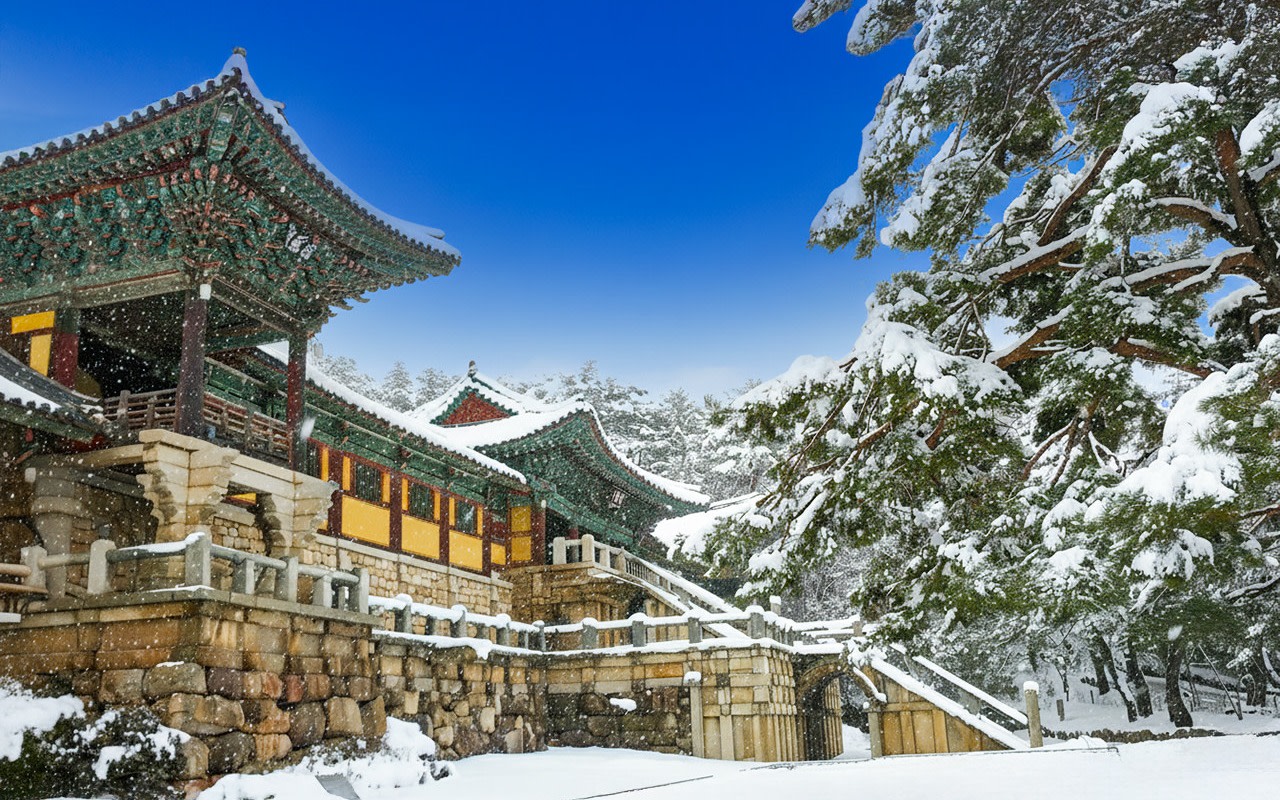
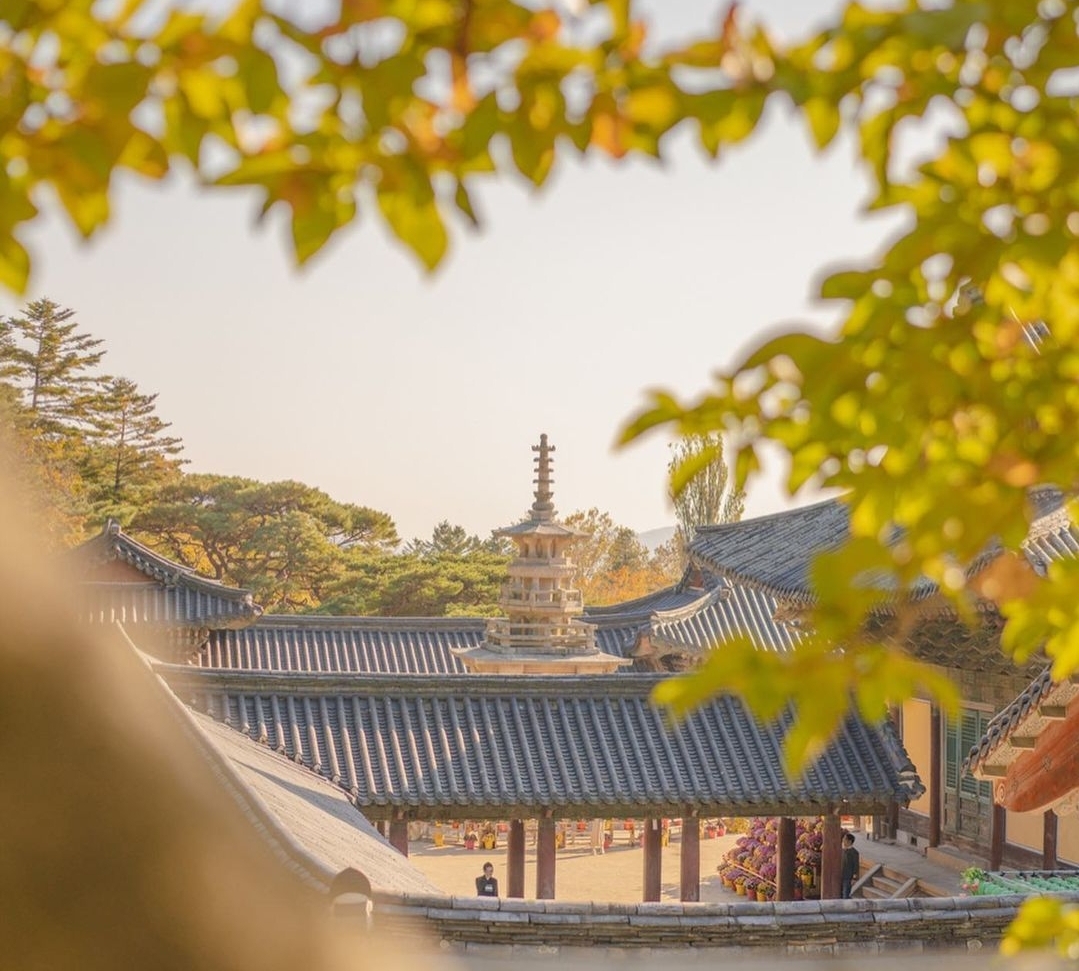
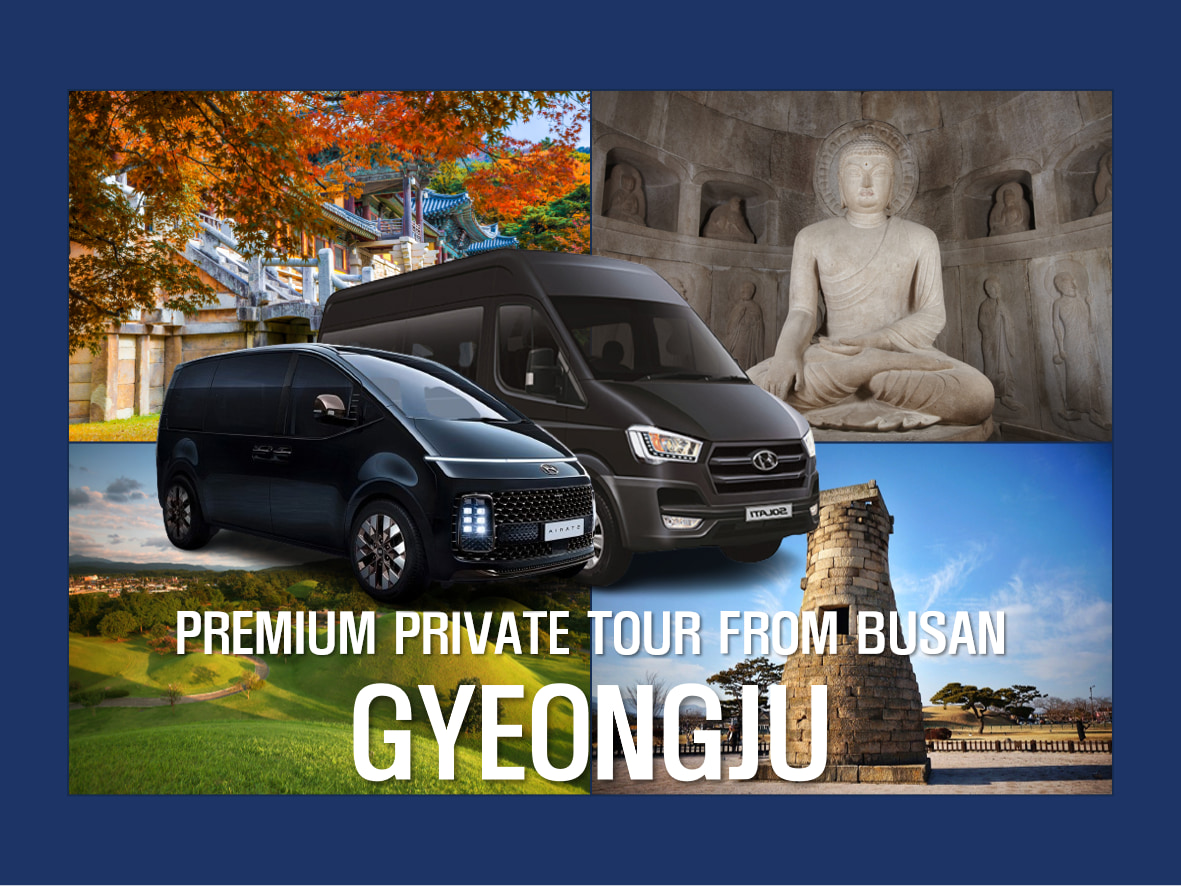
Bulguksa Temple is a representative relic of Buddhist culture from the Silla kingdom. The temple was built during the 15th year of King Beopheung's reign (514-540) to wish for peace and prosperity for all. It was later rebuilt in 751 by Kim Dae-seong. Unfortunately, the temple caught fire during the Imjin War (1592-1598). After the war, the temple suffered serious damage and was often the target of theft.
Starting in 1920, the temple has undergone continual restoration work. The temple now holds seven national treasures, a number of additional important heritages, and was designated a World Cultural Heritage Site along with the nearby Seokguram Grotto by UNESCO in December 1995.
2
Stop 2
Seokguram Grotto was constructed by Kim Dae-Seong during the reign of King Gyeong-Deok (742-765) of the Silla Kingdom. Located 3 kilometers away by hiking trail and 9 kilometers by car from Bulguksa Temple, the grotto was designed very harmoniously with the seated Buddha facing the East Sea. It is a valuable cultural heritage that is preserved and registered as a UNESCO World Heritage on December 6, 1995.
3
Stop 3
Cheomseongdae Observatory, constructed during the reign of Queen Seondeok (r. 632-647), is one of the landmark of Gyeongju. The observatory was built in a cylinder shape at approximately 9 meters in height. The observatory consists of 365 stones, symbolizing the number of days in a year. The rocks are piled in 27 layers symbolizing the 27th ruler, Queen Seondeok, and the days in a lunar month by adding the of two rock layers on top.
What's not included
Lunch
Admission fee
Available languages
Guide guide
EN
Reviews breakdown
Viator
5.0
1 reviews
5★
1
4★
0
3★
0
2★
0
1★
0
Important information
Public transportation options are available nearby
Specialized infant seats are available
Travelers should have at least a moderate level of physical fitness
About Gyeongju
Gyeongju is a historic city known for its rich cultural heritage and numerous archaeological sites. Once the capital of the ancient Silla Kingdom, it offers a unique glimpse into Korea's past with its ancient temples, tombs, and artifacts.
Top Attractions
Bulguksa Temple
A UNESCO World Heritage Site and one of the most significant temples in Korea, known for its stunning architecture and historical significance.
Historical/Religious
2-3 hours
5,000 KRW
Cheomseongdae Observatory
The oldest surviving astronomical observatory in East Asia, dating back to the Silla Kingdom.
Historical
30 minutes
Free
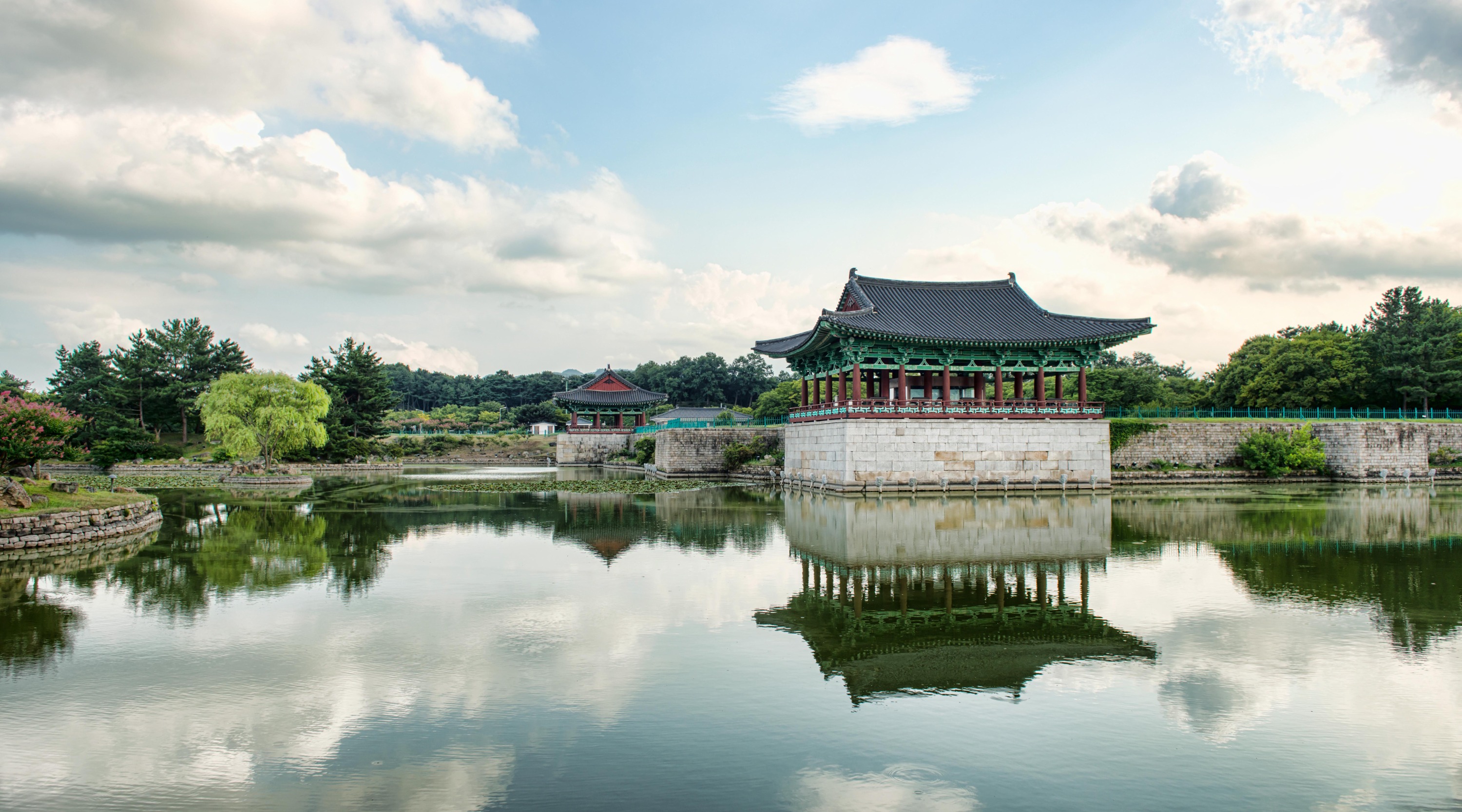
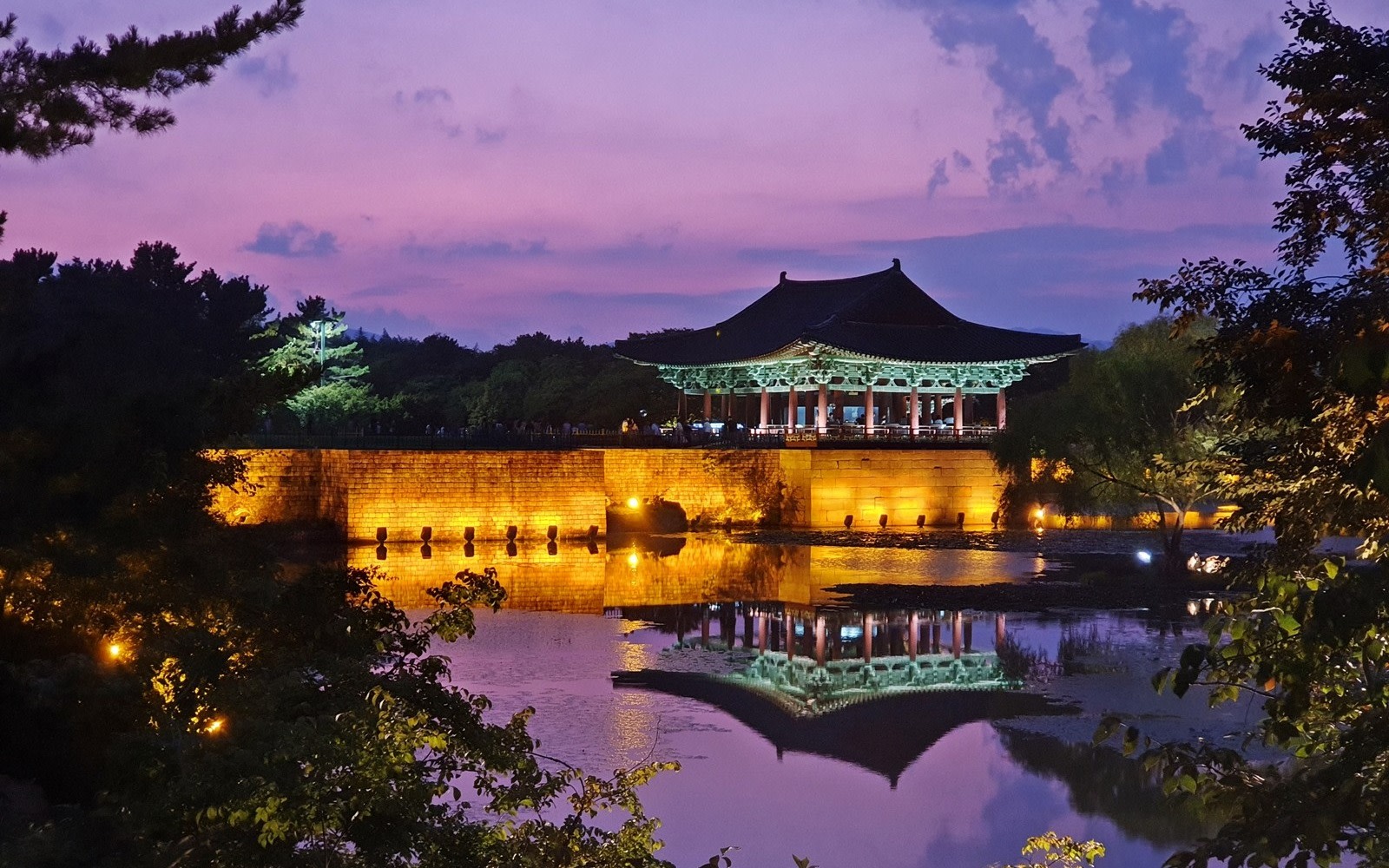
Anapji Pond
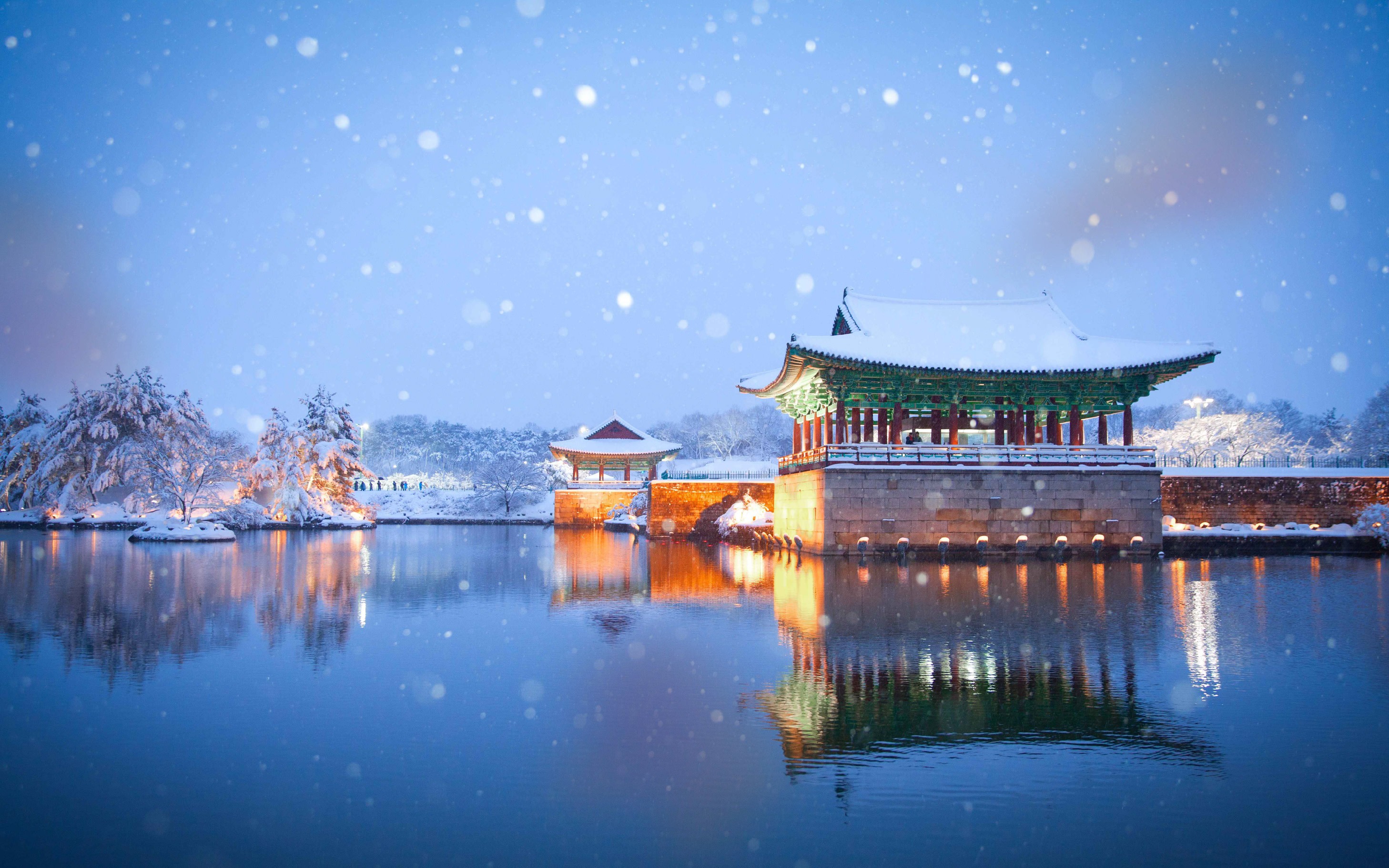
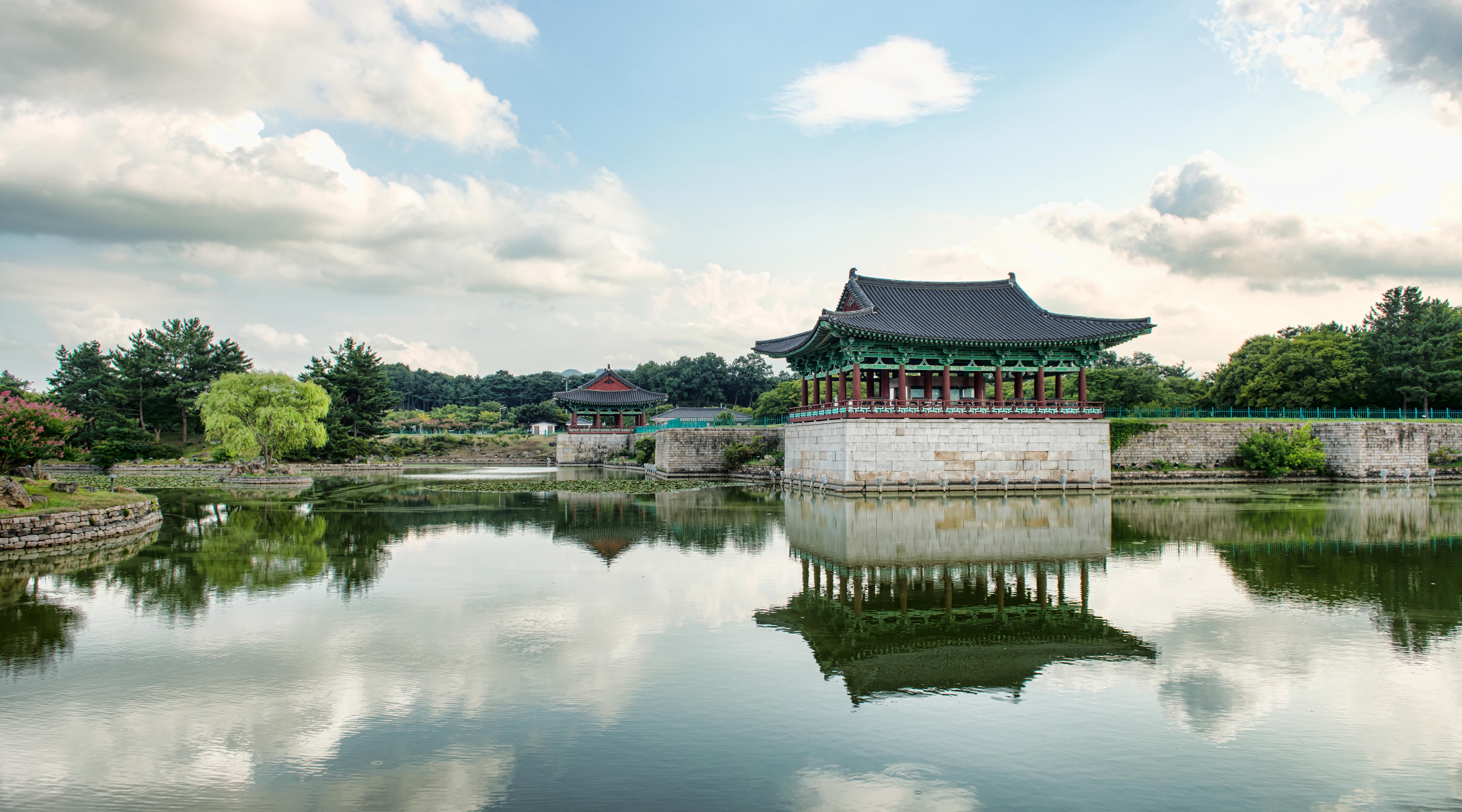
A beautiful pond and garden area that is particularly stunning at night when illuminated.
Historical/Nature
1-2 hours
Free
Must-Try Local Dishes
Gyeongju Bread
A popular local snack made with sweetened mashed potatoes and sugar, often filled with red bean paste.
Snack
Vegetarian
Hwangnam Bread
Similar to Gyeongju Bread but with a different flavor profile, often made with chestnuts or sweet potatoes.
Snack
Vegetarian
Gyeongju Chicken
A local specialty featuring marinated and grilled chicken, often served with a spicy sauce.
Dinner
Contains allergens (chicken, soy, garlic)
Popular Activities
Hiking in nearby mountains
Biking through historic sites
Tea ceremonies
Scenic walks around Anapji Pond
Visiting historic temples and sites
Participating in traditional workshops
Boat rides on Anapji Pond
Winter festivals and events
Best Time to Visit
April to June, September to October
Spring and autumn offer comfortable temperatures and beautiful scenery, making them ideal for sightseeing.
15-25°C
59-77°F
Practical Information
Language
- Official: Korean
- Widely spoken: English
- English: Moderately spoken in tourist areas
Currency
South Korean Won (KRW)
Time Zone
KST (GMT+9)
Electricity
220VV, 60HzHz
Safety Information
Overall Safety Rating: Very safe
Gyeongju is generally very safe with low crime rates.
Important Precautions:
- • Be cautious of your belongings in crowded areas
- • Use reputable taxi services
- • Be aware of your surroundings at night
Getting there
By air
- Ulsan Airport • 40 km
- Daegu International Airport • 70 km
By train
Gyeongju Station
By bus
Gyeongju Express Bus Terminal, Gyeongju Intercity Bus Terminal
Getting around
Public transport
Buses are the primary mode of public transport and are efficient and affordable.
Taxis
Available • Apps: KakaoTaxi, T-money
Rentals
Car, Bike, Scooter
Neighborhoods
Bonghwang-dong
Sangeum-dong
Day trips
Yangdong Folk Village
15 km • Half day
A traditional village showcasing the architecture and lifestyle of the Joseon Dynasty.
Seokguram Grotto
5 km • Half day
A UNESCO World Heritage Site and a significant Buddhist pilgrimage site.
Festivals
Gyeongju International Music and Film Festival • Late October
Silla Cultural Festival • Late April to early May
Pro tips
- Visit major attractions early in the morning to avoid crowds
- Rent a bike to explore the city's historic sites at your own pace
- Try local specialties like Gyeongju Bread and Hwangnam Bread
- Use a T-money card for convenient and discounted public transport
- Book accommodations in advance during peak seasons
From $25
per person
Price varies by option
Secure booking
Free cancellation available
Instant confirmation


![[Private Tour] Busan and Gyeongju Top Attractions Day Tour](https://res.klook.com/image/upload/activities/pj3cuzsrkoqkakpc0sma.jpg)