Private Gyeongju Tour - Explore Gyeongju UNESCO Sites
Active
8h - 9h
For a full refund, cancel at least 24 hours before the scheduled departure time.
Instant confirmation
Mobile or paper ticket accepted
About this experience
Discover the rich history and beauty of Gyeongju on this private tour of its most iconic sites. Begin your journey at Bulguksa Temple and Seokguram Grotto, then enjoy a traditional Korean meal. Continue to the Daereungwon Tomb Complex and Cheomseongdae Observatory, explore the Gyeongju National Museum, and end your day at Donggung Palace and Wolji Pond.
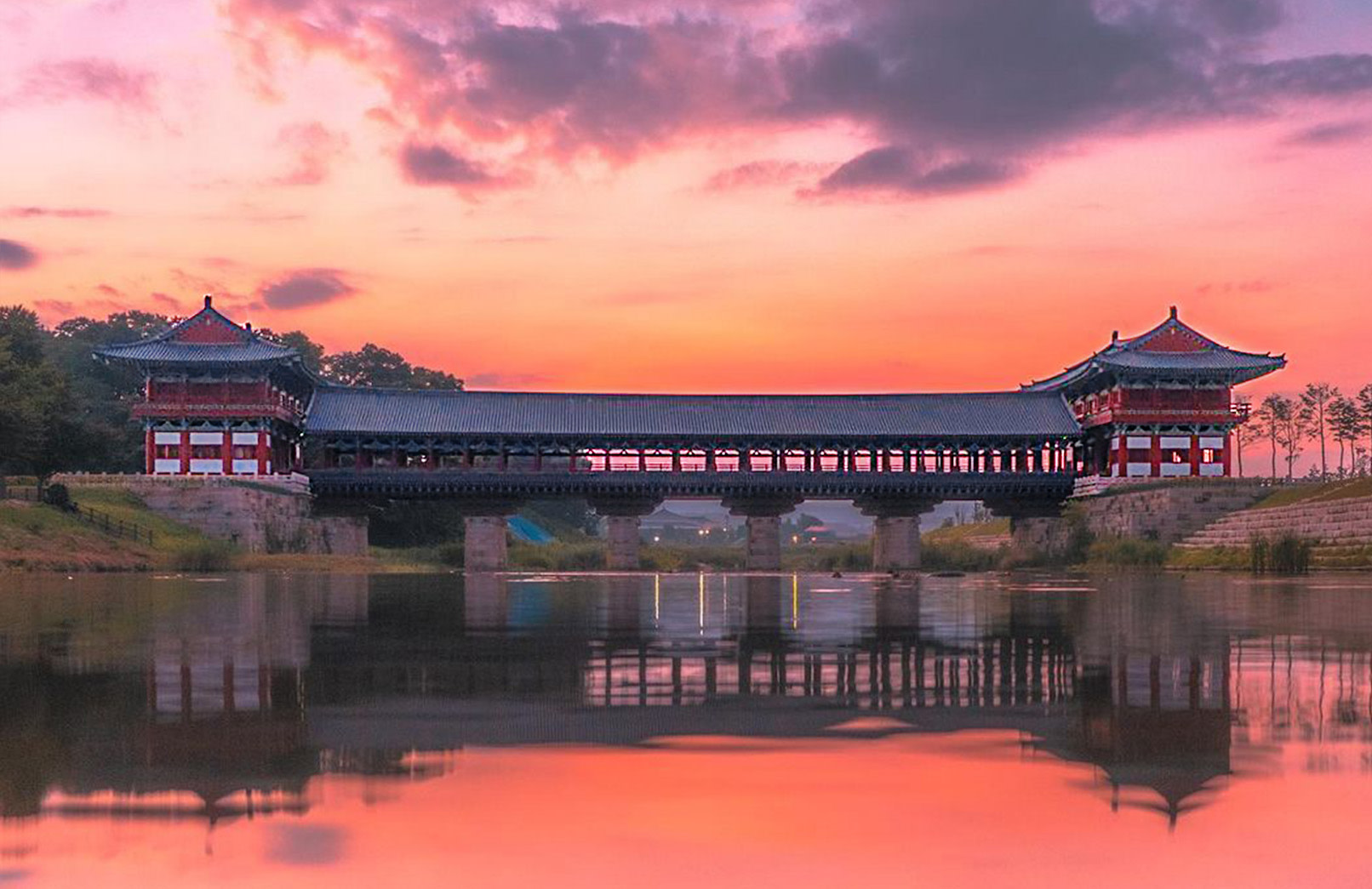
Additionally, as this is a customized tour, you can modify the itinerary to include visits to places like Hwangnidan-gil, Gyochon Village, Woljeong Bridge, or Yangdong Village based on your preferences, ensuring a personalized and unforgettable experience in Gyeongju.
If you would like to enjoy the beautiful night view of the ancient palace, we suggest starting at 12:00 PM during summer, or at 11:00 AM in spring, autumn, and winter.
Available options
Gyeongju Pickup,Busan Drop-off
Duration: 8 hours<br/>Pickup included
Pickup & Drop-off in Gyeongju
Duration: 8 hours<br/>Pickup included
Half-day Tour(Up to 7 Pax)
Duration: 4 hours<br/>Pick-up, drop-off in Gyeongju.<br/>Pickup included
Busan Pickup,Gyeongju Drop-off
Duration: 8 hours<br/>Pickup included
Busan Pickup & Busan Drop-off
Duration: 9 hours<br/>Pickup included
What's included
Toll fees
Pickup and drop-off
Air-conditioned vehicle
Fuel surcharge
Parking Fees
A professionally qualified tour guide
Detailed itinerary
1
Stop 1
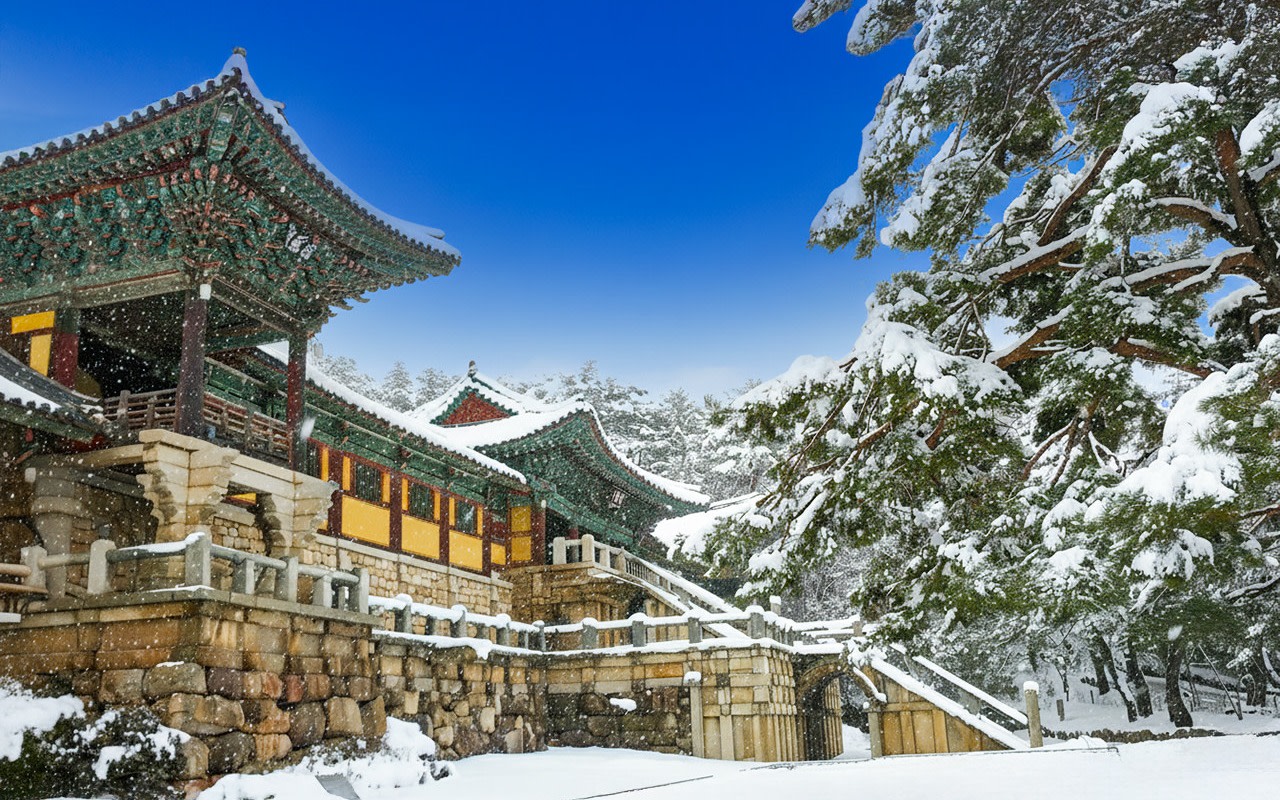
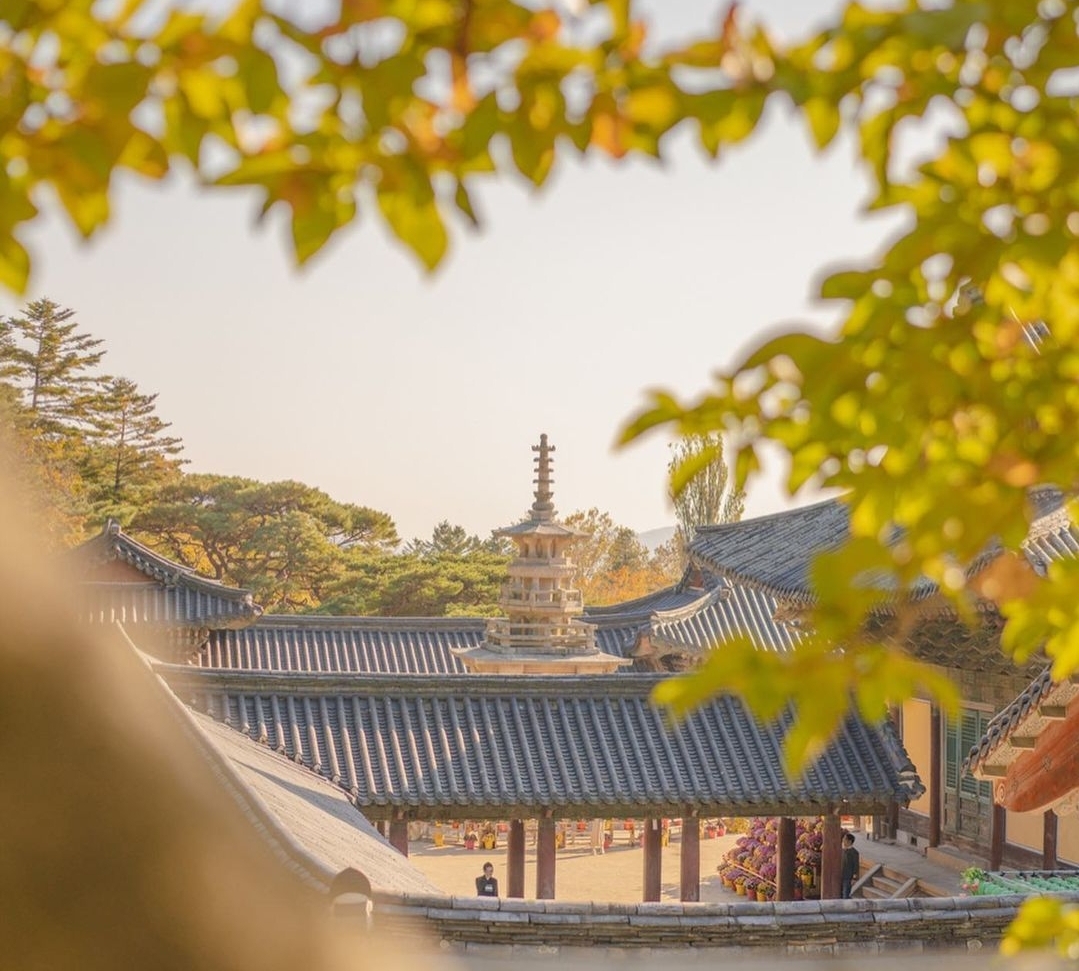
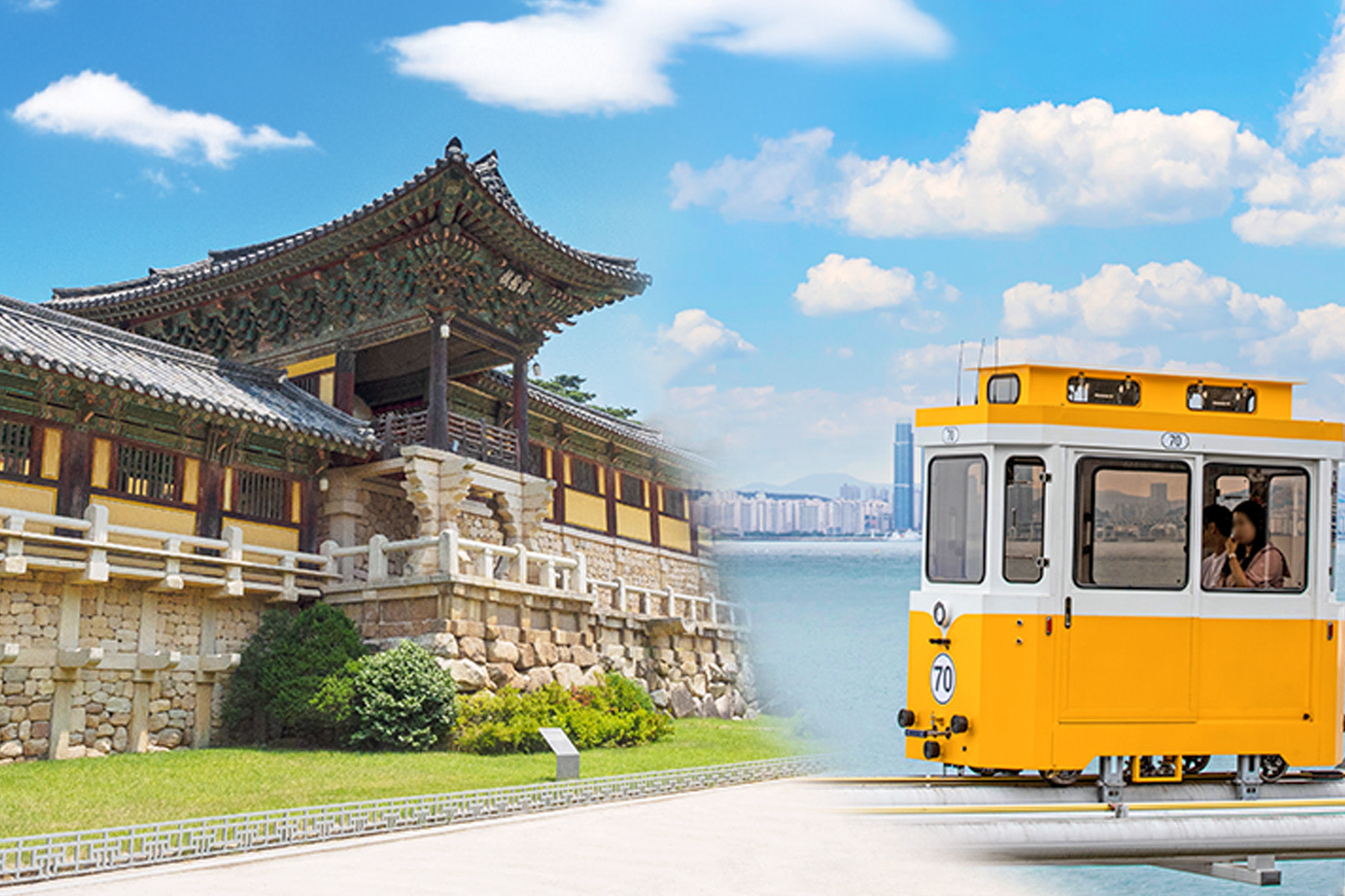
The beautiful Bulguksa Temple in Gyeongju is a masterpiece that embodies the essence of Silla Buddhism, both in its architectural splendor and spiritual significance. As a UNESCO World Heritage Site, it offers visitors a journey through time, where they can admire the intricate design and craftsmanship of structures like the Dabotap and Seokgatap stone pagodas, symbols of the temple's rich heritage. The graceful Cheongun-gyo and Baegun-gyo bridges, leading to the main temple complex, reflect the skillful fusion of nature and architecture. Inside the main hall, the serene statue of Seokgamoni Buddha invites contemplation and reverence, drawing visitors into a deeper connection with the spiritual traditions of ancient Korea.
Bulguksa Temple is not only a place for historical exploration but also a haven for reflection and tranquility. The temple's harmonious blend of nature and spirituality makes it a favorite destination for those seeking both cultural enrichment and a peaceful retreat
2
Stop 2
The Seokguram Grotto is a unique and awe-inspiring temple built within a cave, renowned for its unparalleled beauty and spiritual significance. Designated as a UNESCO World Heritage Site, this grotto offers visitors a rare glimpse into the extraordinary craftsmanship and artistic mastery of the Silla dynasty. At its heart lies a stunning, perfectly preserved stone statue of the Buddha, seated gracefully in a lotus position. The Buddha, with its calm and serene expression, radiates an aura of peace and enlightenment, surrounded by a series of intricately carved bodhisattvas, guardians, and deities that enhance the spiritual atmosphere of the space.
Seokguram is a masterpiece of ancient engineering and architecture, designed with precise mathematical and astronomical calculations to protect the Buddha statue from natural elements, preserving it perfectly for over a thousand years, and it is regarded as one of the finest masterpieces of Korean Buddhist art.
3
You will have the opportunity to savor the essence of Korean cuisine at the highly rated traditional Korean restaurant, 'Hongsi (홍시한정식),' located in the Gyeongju area, as recommended by TripAdvisor. The restaurant offers a delightful dining experience with a variety of authentic Korean appetizers, a selection of flavorful main dishes, and a sweet persimmon dessert paired with traditional Korean tea. All of this can be enjoyed at a very reasonable price, making it a perfect choice for those looking to indulge in a rich culinary journey through Korean flavors.
4
The Tombs of Ancient Kings and Nobles - The Daereungwon Tomb Complex in Gyeongju is a remarkable site where visitors can witness the grandeur of the Silla Kingdom through its large, ancient burial mounds. These tombs, dating back over a thousand years, were the resting places of Silla kings, queens, and nobles. Visitors can admire the intricate stonework and explore the history behind artifacts left by the Silla people, including pottery, weapons, and jewelry.
The most famous tomb is Cheonmachong, or the "Heavenly Horse Tomb," named after a painting of a winged horse. Treasures found within include gold crowns, ceremonial items, and a life-size model of a horse and chariot. Visitors can enter the tomb to view these priceless artifacts, gaining insight into the royal traditions of the Silla Dynasty.
5
Stop 5
Cheomseongdae, located in Gyeongju, is the world’s oldest extant astronomical observatory and a striking emblem of ancient Korea’s scientific advancements. Built with 362 stones symbolizing the days in a lunar year, it is structured into 27 layers, a number thought to honor Queen Seondeok, the 27th monarch of the Silla Dynasty.
This cylindrical observatory, constructed in the 7th century, was utilized for observing celestial phenomena, such as lunar and solar eclipses, and for predicting weather patterns, which significantly influenced daily life in the Silla Kingdom. The small square window halfway up the structure allowed ancient astronomers to observe the stars. Cheomseongdae’s remarkable design is a reflection of the advanced scientific and architectural knowledge of the time.
Today, Cheomseongdae stands as a symbol of Korea’s profound cultural and scientific heritage, attracting visitors from all over the world, eager to witness this extraordinary historical monument.
6
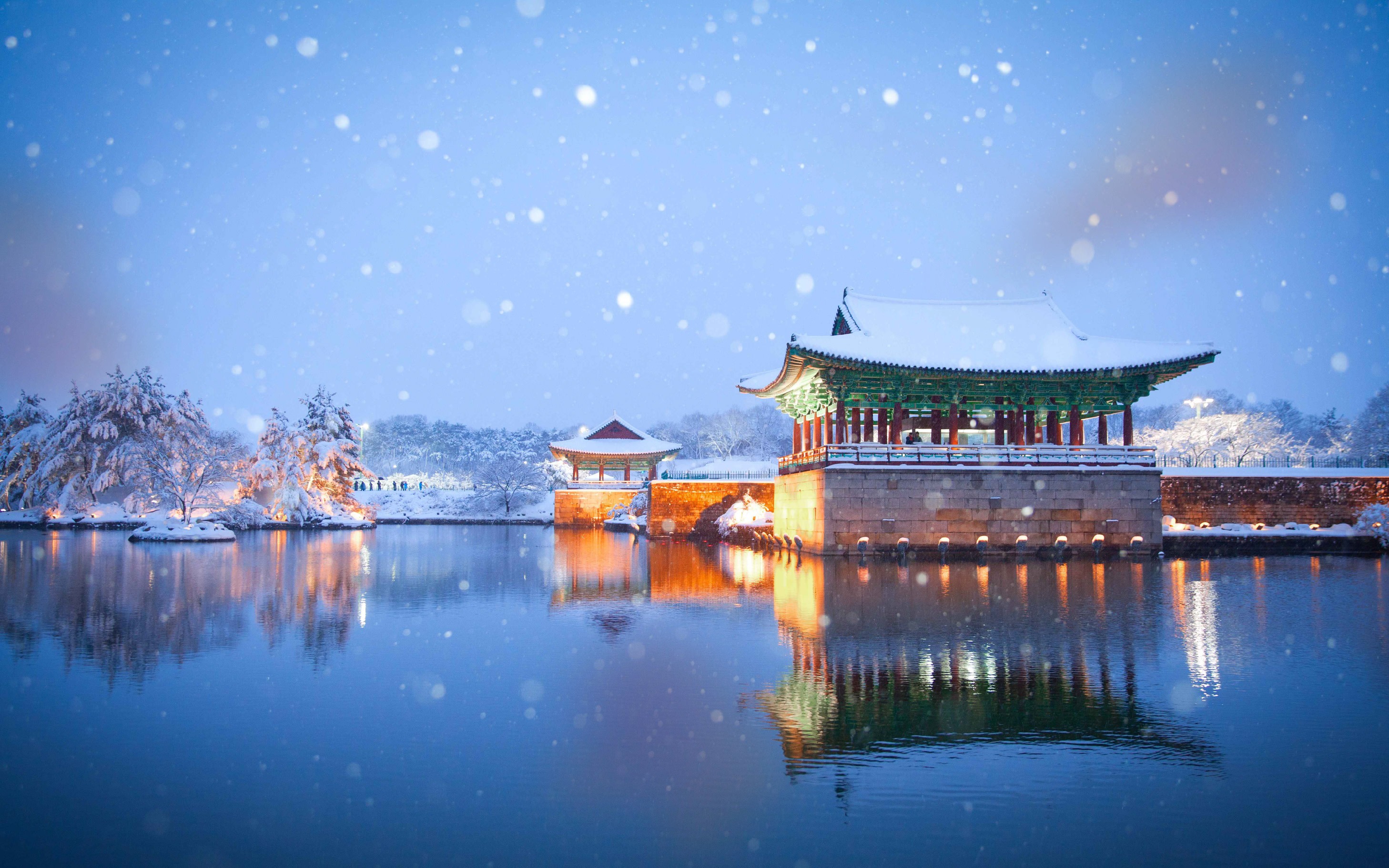
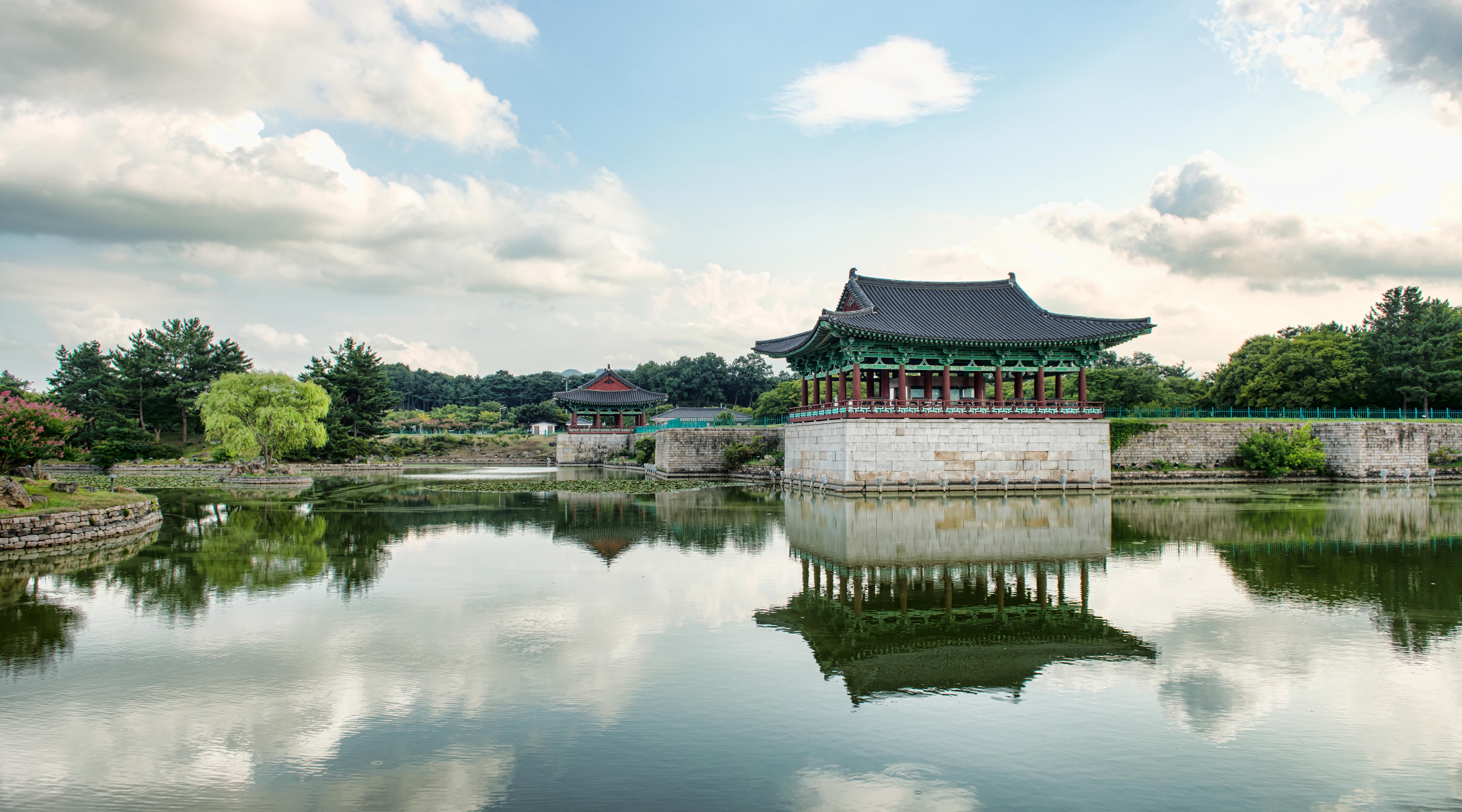
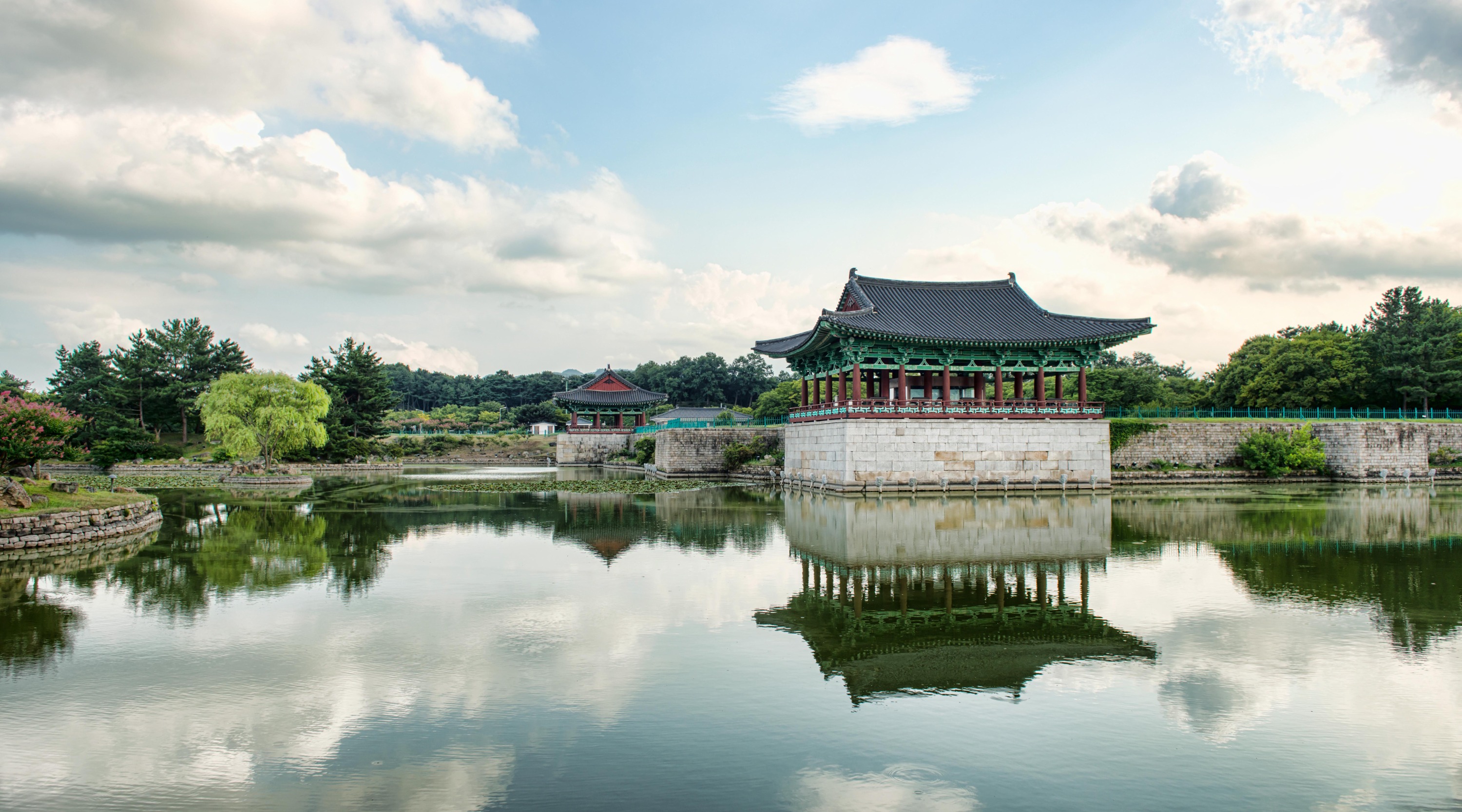
Donggung Palace and Wolji Pond, formerly known as Anapji, is an artificial pond located in Gyeongju National Park. This pond was constructed in 674 by order of King Munmu of Silla and is located at the northeastern edge of the Banwolseong palace site, in the heart of central Gyeongju.
The Donggung Palace served as the secondary palace for the rulers of the Kingdom of Silla, and it was also the residence of the crown prince. Over the centuries, it was used for various purposes, including feasting and diplomatic receptions. Archaeological excavations have revealed a variety of artifacts, including pottery, roof tiles, and ornaments, shedding light on the sophisticated culture and lifestyle of the Silla elite. The beautiful night illuminations of the palace and pond, reflecting off the water, make it a popular destination for visitors seeking to experience the tranquility and historical significance of the area.
7
Stop 7
The Museum Housing Authentic Relics Unearthed in Gyeongju - At the Gyeongju National Museum, tourists can see a wide range of artifacts and exhibits related to the history and culture of the ancient Silla Kingdom. Visitors can view intricately crafted pottery, bronze statues, and other works of art from the Silla period, as well as learn about the lifestyles and customs of the people who lived in the region. The museum also features a variety of interactive displays and multimedia exhibits, providing visitors with a comprehensive understanding of the rich cultural heritage of Gyeongju
What's not included
Daereungwon Tomb Complex
Donggung Palace & Wolji Pond
Meals
Available languages
Guide guide
EN
Reviews breakdown
Viator
4.9
64 reviews
5★
63
4★
0
3★
0
2★
0
1★
1
Tripadvisor
5.0
208 reviews
5★
204
4★
3
3★
0
2★
1
1★
0
Important information
Specialized infant seats are available
Public transportation options are available nearby
Infants and small children can ride in a pram or stroller
Transportation options are wheelchair accessible
Wheelchair accessible
Suitable for all physical fitness levels
This tour provides not only an intimate and personalized small private experience for a single group of 1 to 7 guests, but also offers a mid-sized private tour option for a single group of 8 to 15 guests.
About Gyeongju
Gyeongju is a historic city known for its rich cultural heritage and numerous archaeological sites. Once the capital of the ancient Silla Kingdom, it offers a unique glimpse into Korea's past with its ancient temples, tombs, and artifacts.
Top Attractions
Bulguksa Temple
A UNESCO World Heritage Site and one of the most significant temples in Korea, known for its stunning architecture and historical significance.
Historical/Religious
2-3 hours
5,000 KRW
Cheomseongdae Observatory
The oldest surviving astronomical observatory in East Asia, dating back to the Silla Kingdom.
Historical
30 minutes
Free
Anapji Pond
A beautiful pond and garden area that is particularly stunning at night when illuminated.
Historical/Nature
1-2 hours
Free
Must-Try Local Dishes
Gyeongju Bread
A popular local snack made with sweetened mashed potatoes and sugar, often filled with red bean paste.
Snack
Vegetarian
Hwangnam Bread
Similar to Gyeongju Bread but with a different flavor profile, often made with chestnuts or sweet potatoes.
Snack
Vegetarian
Gyeongju Chicken
A local specialty featuring marinated and grilled chicken, often served with a spicy sauce.
Dinner
Contains allergens (chicken, soy, garlic)
Popular Activities
Hiking in nearby mountains
Biking through historic sites
Tea ceremonies
Scenic walks around Anapji Pond
Visiting historic temples and sites
Participating in traditional workshops
Boat rides on Anapji Pond
Winter festivals and events
Best Time to Visit
April to June, September to October
Spring and autumn offer comfortable temperatures and beautiful scenery, making them ideal for sightseeing.
15-25°C
59-77°F
Practical Information
Language
- Official: Korean
- Widely spoken: English
- English: Moderately spoken in tourist areas
Currency
South Korean Won (KRW)
Time Zone
KST (GMT+9)
Electricity
220VV, 60HzHz
Safety Information
Overall Safety Rating: Very safe
Gyeongju is generally very safe with low crime rates.
Important Precautions:
- • Be cautious of your belongings in crowded areas
- • Use reputable taxi services
- • Be aware of your surroundings at night
Getting there
By air
- Ulsan Airport • 40 km
- Daegu International Airport • 70 km
By train
Gyeongju Station
By bus
Gyeongju Express Bus Terminal, Gyeongju Intercity Bus Terminal
Getting around
Public transport
Buses are the primary mode of public transport and are efficient and affordable.
Taxis
Available • Apps: KakaoTaxi, T-money
Rentals
Car, Bike, Scooter
Neighborhoods
Bonghwang-dong
Sangeum-dong
Day trips
Yangdong Folk Village
15 km • Half day
A traditional village showcasing the architecture and lifestyle of the Joseon Dynasty.
Seokguram Grotto
5 km • Half day
A UNESCO World Heritage Site and a significant Buddhist pilgrimage site.
Festivals
Gyeongju International Music and Film Festival • Late October
Silla Cultural Festival • Late April to early May
Pro tips
- Visit major attractions early in the morning to avoid crowds
- Rent a bike to explore the city's historic sites at your own pace
- Try local specialties like Gyeongju Bread and Hwangnam Bread
- Use a T-money card for convenient and discounted public transport
- Book accommodations in advance during peak seasons
From $25
per person
Price varies by option
Secure booking
Free cancellation available
Instant confirmation


![[Private Tour] Busan and Gyeongju Top Attractions Day Tour](https://res.klook.com/image/upload/activities/pj3cuzsrkoqkakpc0sma.jpg)