Korail Day Trip to Gyeongju's Unesco World Heritage Sites from Seoul
Active
9h - 10h
All sales are final. No refund is available for cancellations.
Manual confirmation
Mobile or paper ticket accepted
About this experience
Journey down to Gyeongju from Seoul by taking a ride on Korea's bullet train, KTX. After the 2 hour ride, explore into the past of Korean history, religion, and science. The 9-hour guided tour will amaze you as you discover the wonders of an old Buddhist temple, ancient tombs, and the oldest existing astronomical observatory in Asia. You will head back to Seoul in awe and understanding why the historic sites at Gyeongju were registered as UNESCO's World Heritage Sites.
Available options
Korail Day Trip to Gyeongju's Unesco World Heritage Sites from Seoul
What's included
All taxes, fees and handling charges
Pick up/ Drop off at SinGyeongju Station
Driver/guide
Private tour with private transportation (with fuel surcharge)
Detailed itinerary
1
Stop 1
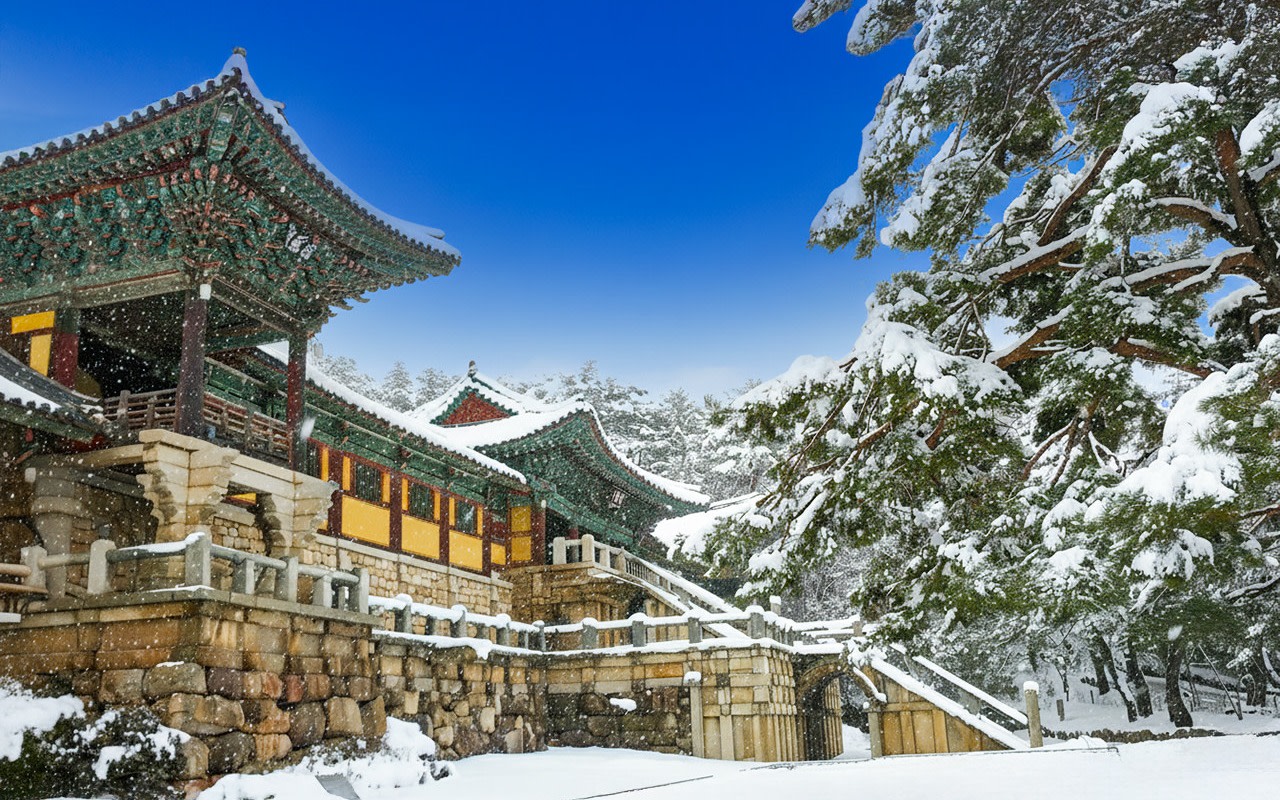
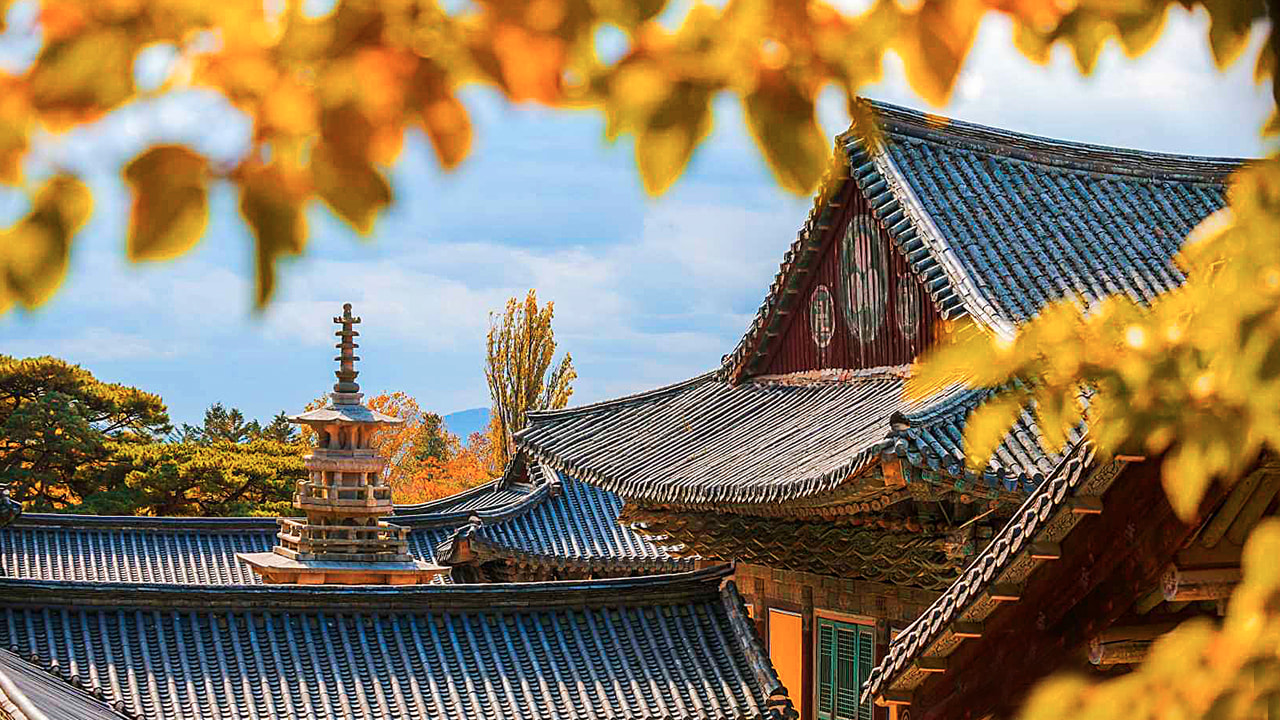
Bulguksa Temple is a representative relic of Buddhist culture from the Silla kingdom. The temple was built in 528 during the 15th year of King Beop-Heung's reign (514-540) to wish for peace and prosperity for all. It was later rebuilt in 751 by Kim Dae-Seong. Unfortunately, the temple caught fire during the Imjin War (1592-1598). After this time, the temple suffered serious damage and was often the target of robbers.
2
Within Daereungwon Tomb Complex is Cheonmachong Tomb (Ancient Tomb No. 155), which was excavated in 1973. Cheonmachong Tomb consists of a wooden coffin placed inside an underground chamber mounded with boulders and earth, characterized as a typical upper-class tomb of the Silla period. The mound has a height of 12.7 m with a diameter of 50m and consists of a layer of rocks collected from streams. Below the rock layer is a wooden chamber that is 6.5 m long and 2.1 m wide, reaching 2.1 m in height, with the wooden coffin at its center. A total of 11,526 artifacts were discovered within the tomb, including Cheonmado, an artwork considered highly valuable as it is Korea's first artwork to be excavated from an ancient tomb.
3
Stop 3
Gyeongju National Museum is loved by visitors and residents alike as it houses numerous historical and cultural artifacts of the Silla Dynasty (57 BC - AD 935). The museum recently went through renovation, and the galleries and the exhibition halls have taken on a new look. In addition to improving facilities for visitors' convenience, Gyeongju National Museum is making efforts to contribute to the community and re-establish its identity as a museum by making efforts to provide lifelong learning opportunities and improve management. As a significant cultural center, Gyeongju National Museum not only strives to preserve, exhibit, and research the rich history and culture of Silla, but it also strives to take a leap forward to become a cultural multi-complex center by promoting international exchange opportunities, social education programs, and a variety of special exhibitions.
4
Cheomseongdae is an astronomical observatory in Gyeongju, South Korea. Cheomseongdae is the oldest surviving astronomical observatory in Asia and possibly even the world. It was constructed in the 7th century in the kingdom of Silla, whose capital was Seorabeol, or present-day Gyeongju (Hangul: 경주). Cheomseongdae was designated as the country's 31st national treasure on December 20, 1962. Modeled on Baekje's Jeomseongdae, which now exists only in historical records, the Cheomseongdae influenced the construction of the Japanese Senseidai observatory in 675, and Duke Zhou's observatory in China in 723.
What's not included
Meals
Gratuities
Drop-off/ Pickup at Seoul Station
KTX train tickets
Available languages
Guide guide
EN
Reviews breakdown
Viator
5.0
1 reviews
5★
1
4★
0
3★
0
2★
0
1★
0
Tripadvisor
4.5
2 reviews
5★
1
4★
1
3★
0
2★
0
1★
0
Important information
Not recommended for travelers with spinal injuries
Not recommended for travelers with poor cardiovascular health
Travelers should have at least a moderate level of physical fitness
A minimum of 2 people per booking is required
A maximum of 2 people per booking
Subject to favorable weather conditions. If canceled due to poor weather, you will be given the option of an alternative site
Dress comfortably
Meeting point
Our expert guide will wait for you at the train platform holding a sign with your name on it.
Important notes
• Please note: entrance tickets and transport included. This voucher will not be accepted if presented directly at the venue.
• Comfortable walking shoes are recommended
• Minimum numbers apply. There is a possibility of cancellation after confirmation if there is not enough passengers to meet requirements.
• Not recommended for participants with back problems
• Not recommended for participants with heart complaints or other serious medical conditions
• If you arrive past the departure time of the train, there will be no refunds.
About Gyeongju
Gyeongju is a historic city known for its rich cultural heritage and numerous archaeological sites. Once the capital of the ancient Silla Kingdom, it offers a unique glimpse into Korea's past with its ancient temples, tombs, and artifacts.
Top Attractions
Bulguksa Temple
A UNESCO World Heritage Site and one of the most significant temples in Korea, known for its stunning architecture and historical significance.
Historical/Religious
2-3 hours
5,000 KRW
Cheomseongdae Observatory
The oldest surviving astronomical observatory in East Asia, dating back to the Silla Kingdom.
Historical
30 minutes
Free
Anapji Pond
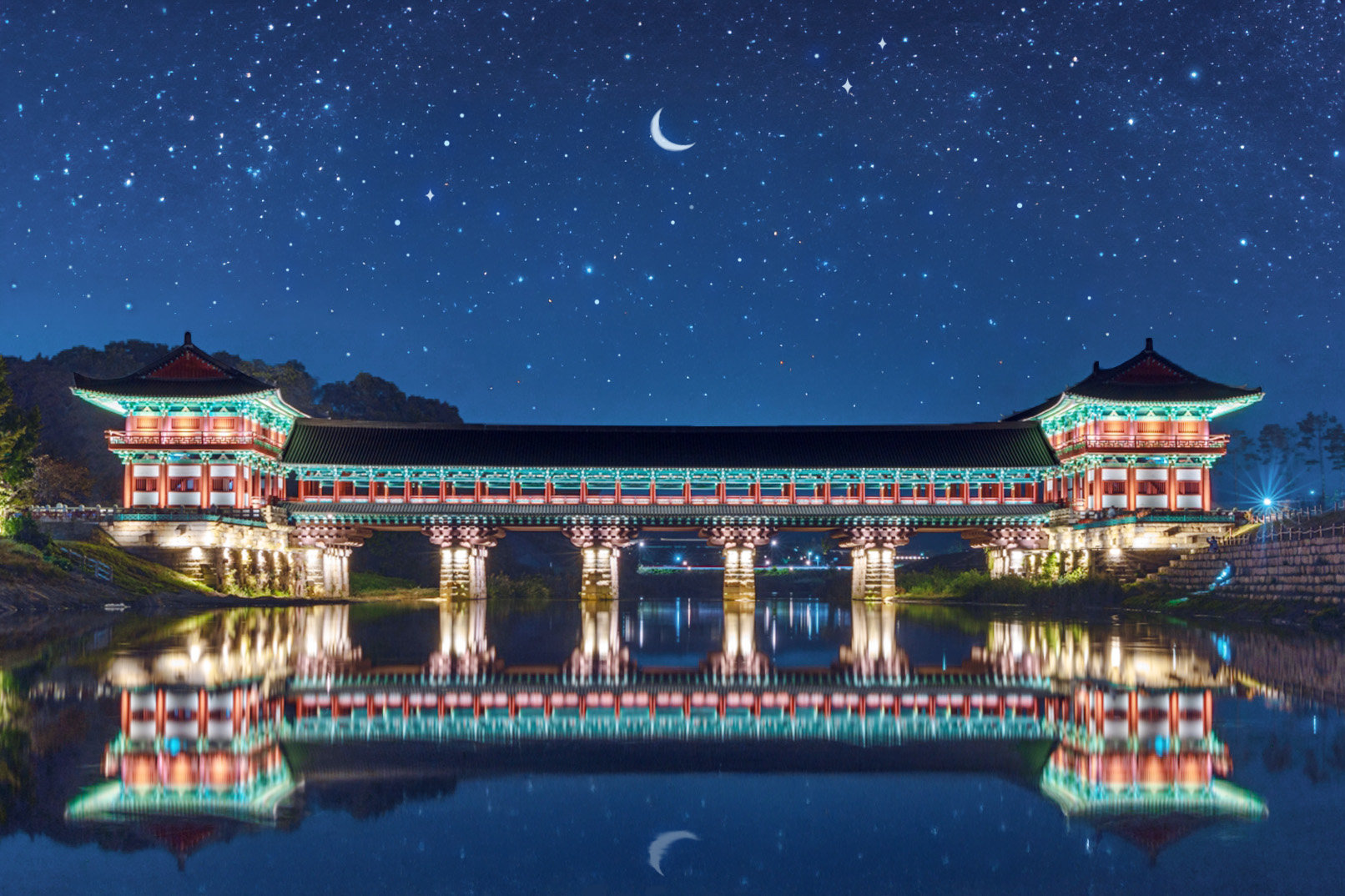
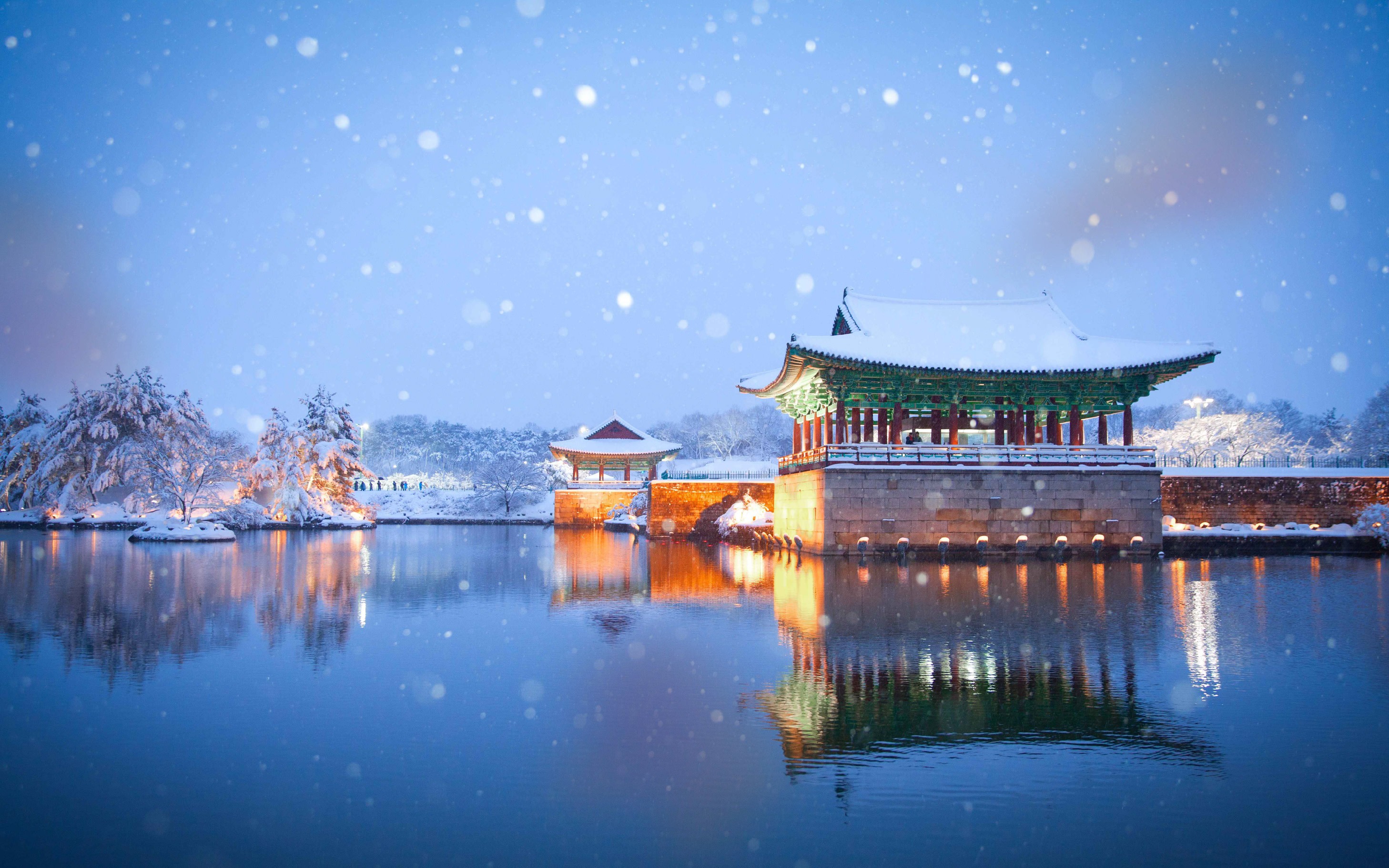
A beautiful pond and garden area that is particularly stunning at night when illuminated.
Historical/Nature
1-2 hours
Free
Must-Try Local Dishes
Gyeongju Bread
A popular local snack made with sweetened mashed potatoes and sugar, often filled with red bean paste.
Snack
Vegetarian
Hwangnam Bread
Similar to Gyeongju Bread but with a different flavor profile, often made with chestnuts or sweet potatoes.
Snack
Vegetarian
Gyeongju Chicken
A local specialty featuring marinated and grilled chicken, often served with a spicy sauce.
Dinner
Contains allergens (chicken, soy, garlic)
Popular Activities
Hiking in nearby mountains
Biking through historic sites
Tea ceremonies
Scenic walks around Anapji Pond
Visiting historic temples and sites
Participating in traditional workshops
Boat rides on Anapji Pond
Winter festivals and events
Best Time to Visit
April to June, September to October
Spring and autumn offer comfortable temperatures and beautiful scenery, making them ideal for sightseeing.
15-25°C
59-77°F
Practical Information
Language
- Official: Korean
- Widely spoken: English
- English: Moderately spoken in tourist areas
Currency
South Korean Won (KRW)
Time Zone
KST (GMT+9)
Electricity
220VV, 60HzHz
Safety Information
Overall Safety Rating: Very safe
Gyeongju is generally very safe with low crime rates.
Important Precautions:
- • Be cautious of your belongings in crowded areas
- • Use reputable taxi services
- • Be aware of your surroundings at night
Getting there
By air
- Ulsan Airport • 40 km
- Daegu International Airport • 70 km
By train
Gyeongju Station
By bus
Gyeongju Express Bus Terminal, Gyeongju Intercity Bus Terminal
Getting around
Public transport
Buses are the primary mode of public transport and are efficient and affordable.
Taxis
Available • Apps: KakaoTaxi, T-money
Rentals
Car, Bike, Scooter
Neighborhoods
Bonghwang-dong
Sangeum-dong
Day trips
Yangdong Folk Village
15 km • Half day
A traditional village showcasing the architecture and lifestyle of the Joseon Dynasty.
Seokguram Grotto
5 km • Half day
A UNESCO World Heritage Site and a significant Buddhist pilgrimage site.
Festivals
Gyeongju International Music and Film Festival • Late October
Silla Cultural Festival • Late April to early May
Pro tips
- Visit major attractions early in the morning to avoid crowds
- Rent a bike to explore the city's historic sites at your own pace
- Try local specialties like Gyeongju Bread and Hwangnam Bread
- Use a T-money card for convenient and discounted public transport
- Book accommodations in advance during peak seasons
From $25
per person
Price varies by option
Secure booking
Free cancellation available