Onomichi and Ikuchijima Island Tour Temples Ropeway and Ferry
Active
9h
For a full refund, cancel at least 24 hours before the scheduled departure time.
Instant confirmation
Mobile or paper ticket accepted
About this experience
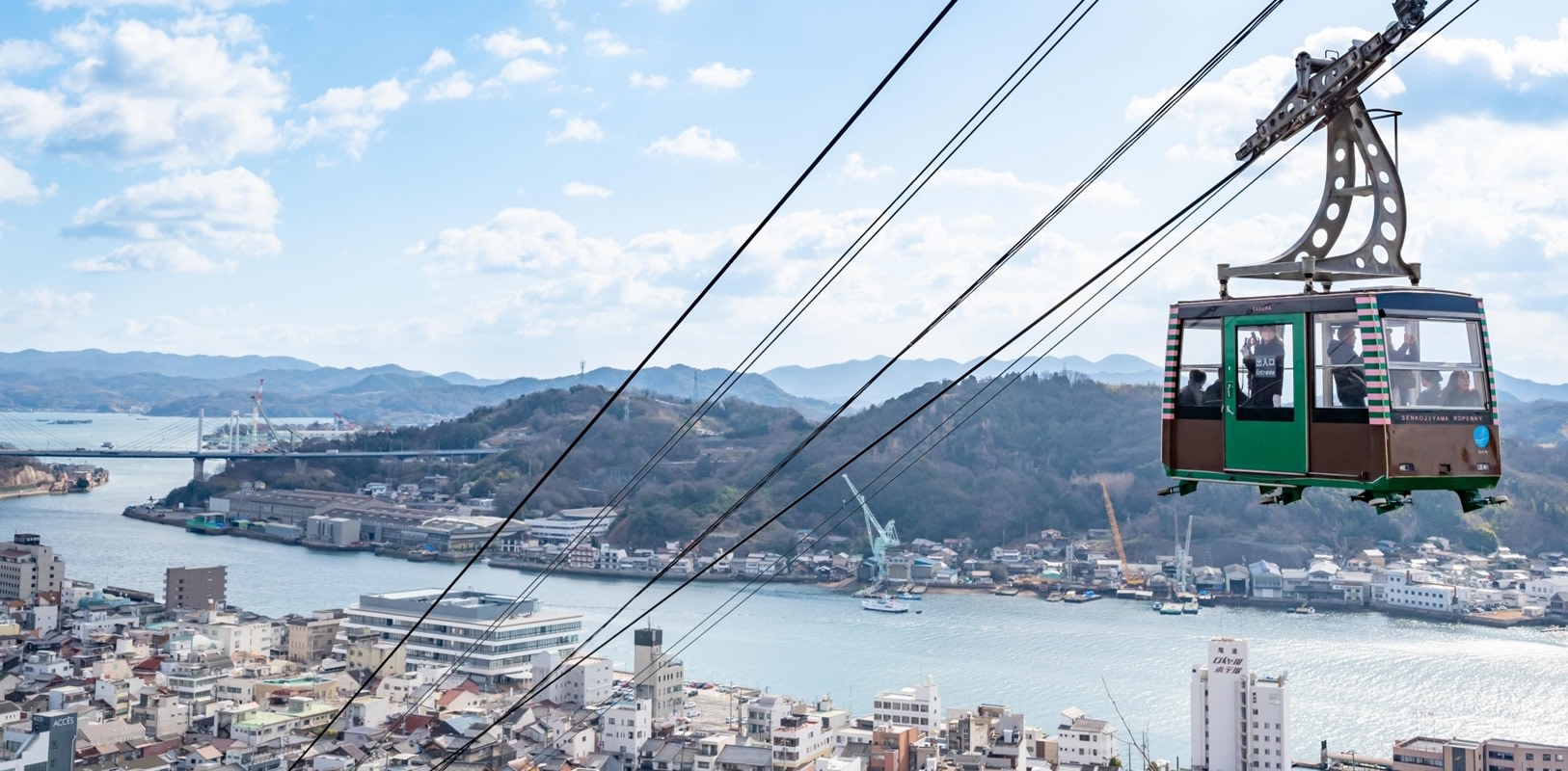
To the east of Hiroshima prefecture, lays a small town called Onomichi - the “miniature garden.” Within, one can visit famous Buddhist temples such as Senkoji which is located at the top of a mountain and is accessible via a mountain ropeway.
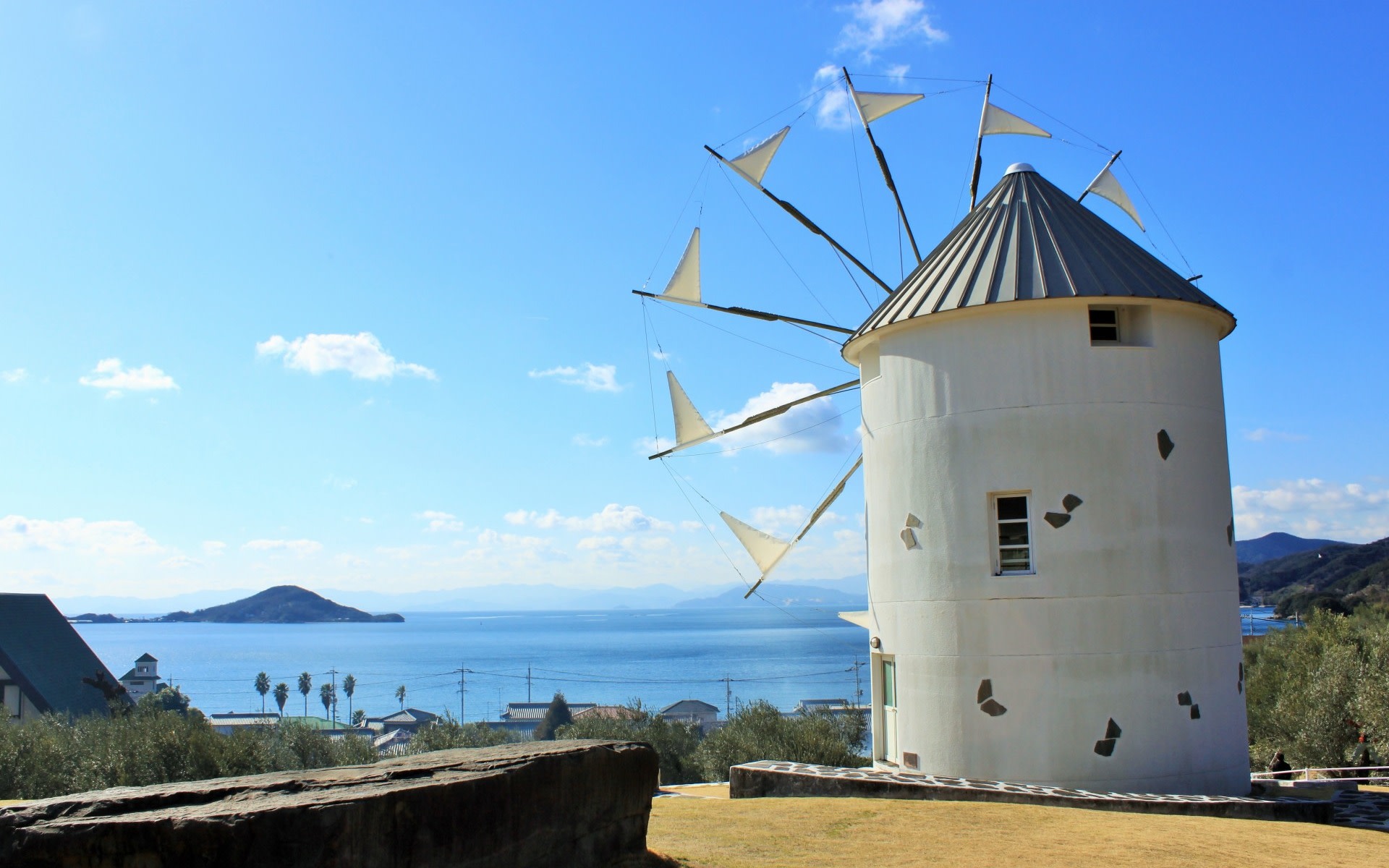
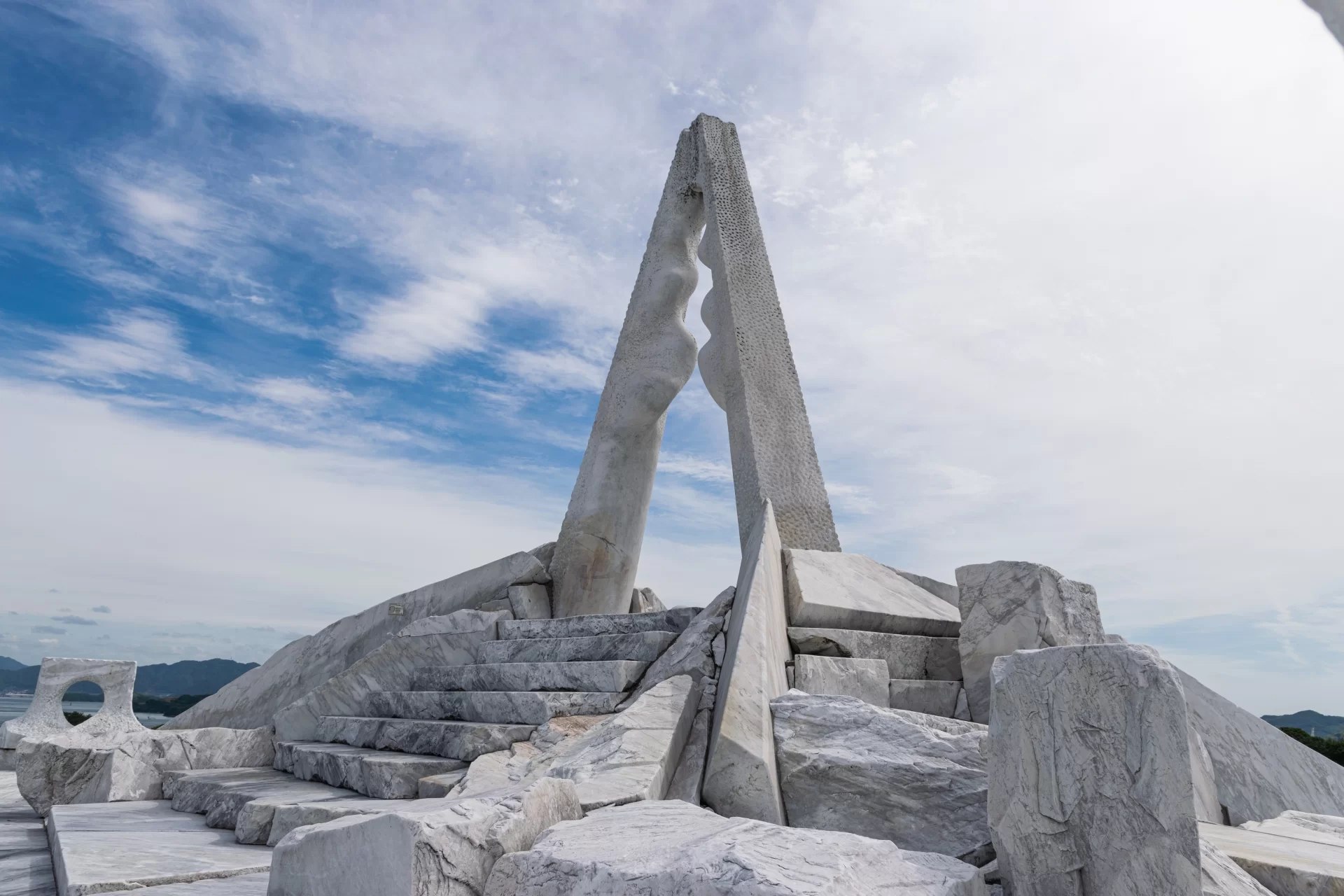
Onomichi is also well known for the several small islands in the Seto Inland Sea which can be accessed from its port such as Ikuchijima. Ikuchijima is home to the Kosanji Temple Grounds. The various structures located within the temple complex include stunning attractions such as the ornate Koyomon Gate, the Thousand Buddha Cave, and the marble garden “The Hill of Hope.”
This 1-Day Tour of Onomichi will give guests the opportunity to visit various remarkable temples and learn more about Buddhism in Japan. You will also be able to enjoy a scenic boat ride on the Seto Inland Sea and access one of its remote islands. Enjoy the beauty, charm, and culture of Onomichi by joining this tour!
Available options
Join from Shin-Onomichi Statio
Starting point:<br/>Shin-Onomichi Station, 9381-4 Kuriharachō, Onomichi, Hiroshima 722-0022, Japan
Join from Onomichi Station
Starting point:<br/>Onomichi Station, 1-1 Higashigoshochō, Onomichi, Hiroshima 722-0036, Japan
What's included
English speaking guide
Transportation to/from activities (public transport)
Ferry tickets (Round-Trip)
Ropeway tickets (One-Way)
Entry fees at all tour locations
Detailed itinerary
1
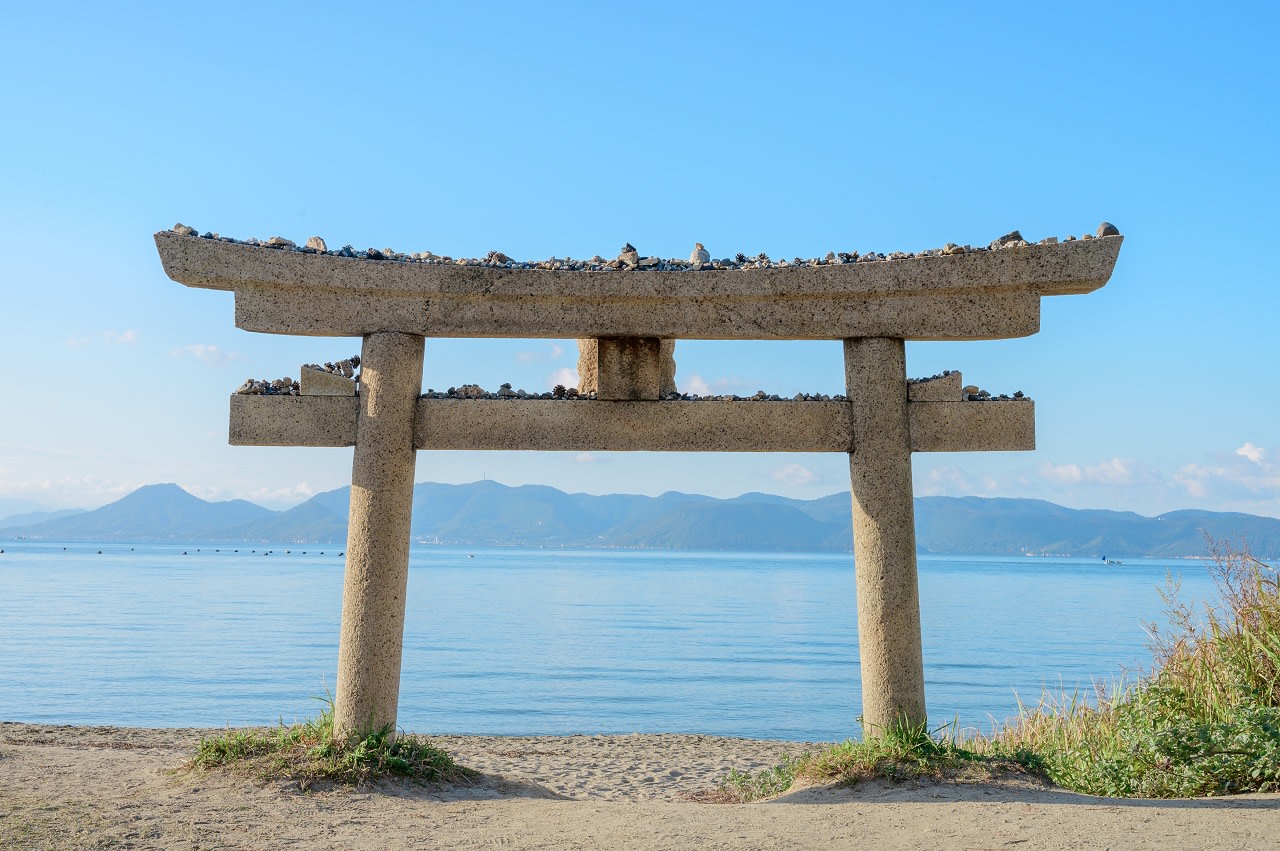
After lunch, your guide will take you to the Onomichi Port Terminal, where you will board a ferry and depart on a 40-minute boat ride to the island of Ikuchijima. As you sail across the Seto Inland Sea, you will have access to a fantastic view of the many small islands lying within it.
2
Once you disembark, you will be led to the next destination, Kosanji Temple. Located not too far from the port, these temple grounds were founded in 1936 and built in honor of the founder’s late mother. Kosanji belongs to the school of True Pure Land Buddhism and the whole temple complex took more than 30 years to be fully constructed. Your guide will provide you with an in-depth tour of the extensive grounds and the necessary historical context to fully appreciate this exceptional location.
Kosanji fairly unique since it is not an ancient temple, but rather an eclectic collection of structures modeled after some of Japan’s most famous religious sites. Its elaborate Koyomon Gate is inspired by the Yomeimon Gate at the well-renowned Nikkō Tōshogū Shinto Shrine whereas the five-storied pagoda modeled after the Buddhist Muroji Temple’s ancient pagoda. The multiple pavilions located within the temple grounds are also based on various halls which can be found throughout Japan.
3
Within Kosanji also lies its arguably most recognizable landmark, “The Hill of Hope.” This marble garden was created by the Japanese sculptor, Itto Kuetani, over a period of 16 years. The garden opened in late 2000 and is filled with various monuments which incorporate the surrounding scenery in order to achieve harmony with nature. This type of structure cannot be found anywhere else in Japan and thus is a must-see for people visiting Onomichi. At the top of the hill, you will not only be able to admire the marble structures, but also gain a fantastic view of the island.
4
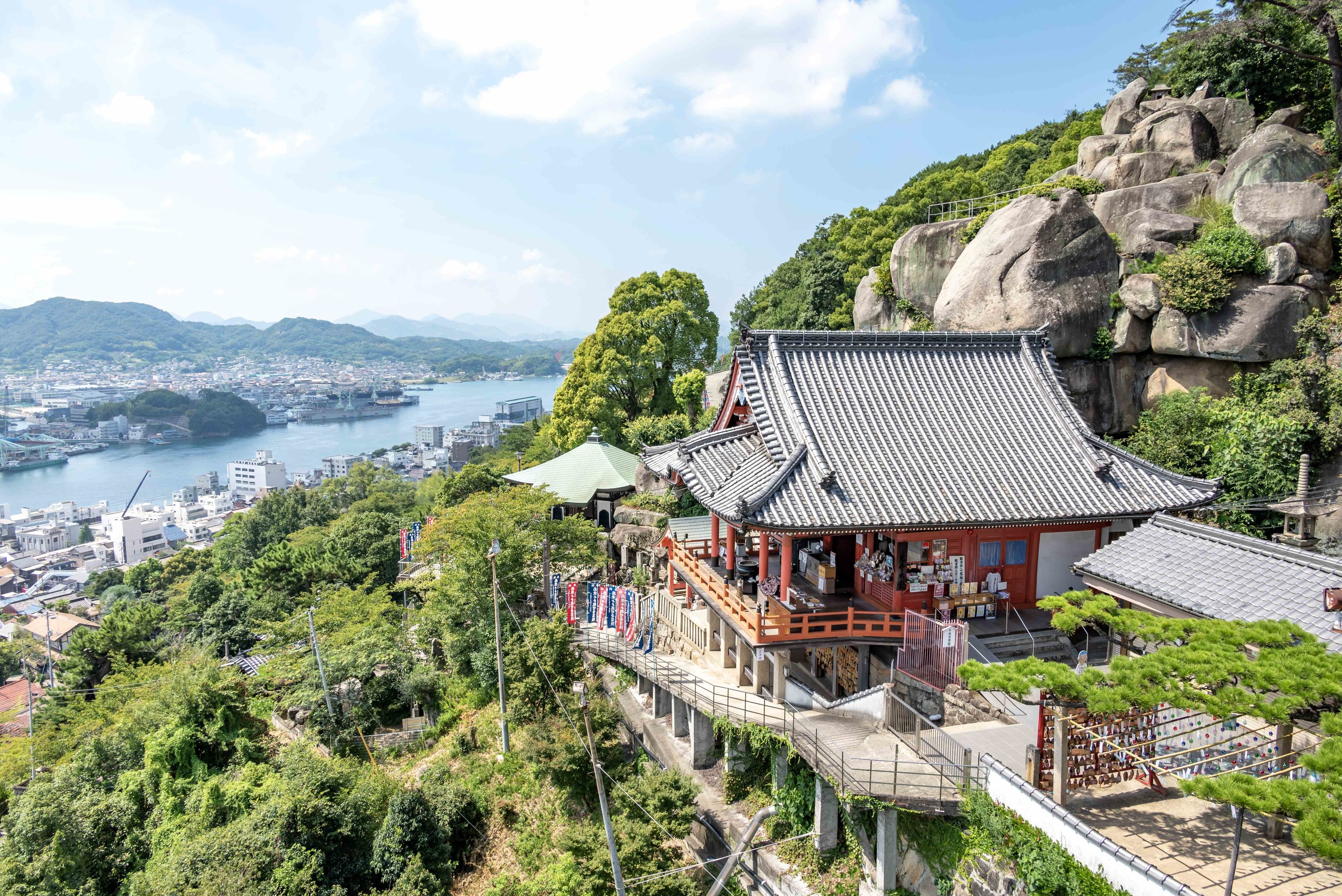
The walking trail will lead us to the iconic Senkoji Temple, one of Onomichi's most famous landmarks. This stunning temple was founded in the 9th century and is easily recognizable for its vermillion Main Hall located on the hillside. Enshrined within this hall is Kannon, the bodhisattva of compassion, who people pray to for multiple reasons such as good health, traffic safety, finding a partner, etc. The smell of incense, the beautiful view of the city, and the surrounding nature, all come together to create an unforgettable experience. Guests will have the opportunity to pray, purchase amulets, and briefly explore the temple grounds and its surrounding area on their own before descending the mountain on foot.
What's not included
Lunch
Accommodation
Transportation to meeting point
Available languages
Guide guide
EN
Important information
Infants are required to sit on an adult’s lap
Travelers should have at least a moderate level of physical fitness
Tour Availability Disclaimer: All listed events, activities, and experiences are subject to availability. Please note that while certain tour options may appear bookable through our platforms, this does not guarantee that every experience can be carried out as scheduled in the tour itinerary. Many activities require direct confirmation with our partner venues, and availability may vary based on the date and other factors. Should any part of your ordered itinerary require adjustment or deviation from the original schedule, or if a specific experience is unavailable, we will contact you promptly to discuss suitable alternatives or amendments
There is a 40-minute-long ferry ride on this tour. We ask that you take precautionary measures if you are prone to experiencing seasickness
Meeting point
If you are joining the tour from Onomichi Station, please wait for the tour guide by the South Entrance/Exit.
About Onomichi
Onomichi is a charming coastal city in Hiroshima Prefecture known for its historic temples, scenic views, and quaint streets. It's a perfect blend of traditional Japan and modern comforts, with a unique charm that attracts visitors looking for a more relaxed and authentic experience.
Top Attractions
Shin-Onomichi Temple Walk
A scenic pilgrimage route connecting 25 temples with stunning views of the Seto Inland Sea and Mount Shiraishi.
Cultural
2-3 hours
Free (donations welcome at temples)
Onomichi China Town
A small but vibrant Chinatown with a mix of Chinese and Japanese cuisine, shops, and cultural exhibits.
Cultural
1-2 hours
Free to explore, cost varies for food and shopping
Onomichi Literary Museum
A museum dedicated to the city's literary heritage, featuring exhibits on famous authors and their works.
Museum
1 hour
¥500
Onomichi City Museum of Art
A contemporary art museum showcasing works by local and international artists, with a focus on modern and traditional Japanese art.
Museum
1-2 hours
¥800
Onomichi Port
A historic port area with a rich maritime history, featuring museums, shops, and restaurants.
Historical
1-2 hours
Free to explore, cost varies for attractions
Must-Try Local Dishes
Onomichi Soba
Buckwheat noodles served with a variety of toppings, including tempura, seafood, and vegetables.
Noodles
Vegetarian options available
Onomichi Sushi
Fresh sushi made with local seafood, including tuna, mackerel, and octopus.
Sushi
Contains fish and seafood
Onomichi Ramen
Noodle soup with a rich, savory broth, often topped with seafood and vegetables.
Ramen
Vegetarian options available
Onomichi Tai Meshi
A dish made with red snapper, a local specialty, often grilled or simmered in a savory sauce.
Seafood
Contains fish
Popular Activities
Hiking the Shin-Onomichi Temple Walk
Exploring Miyajima Island
Visiting Shikoku Pilgrimage temples
Enjoying a cup of coffee at a local cafe
Strolling through Ritsurin Garden
Relaxing at a traditional onsen (hot spring)
Visiting historic temples and shrines
Exploring local museums and art galleries
Best Time to Visit
April to May, October to November
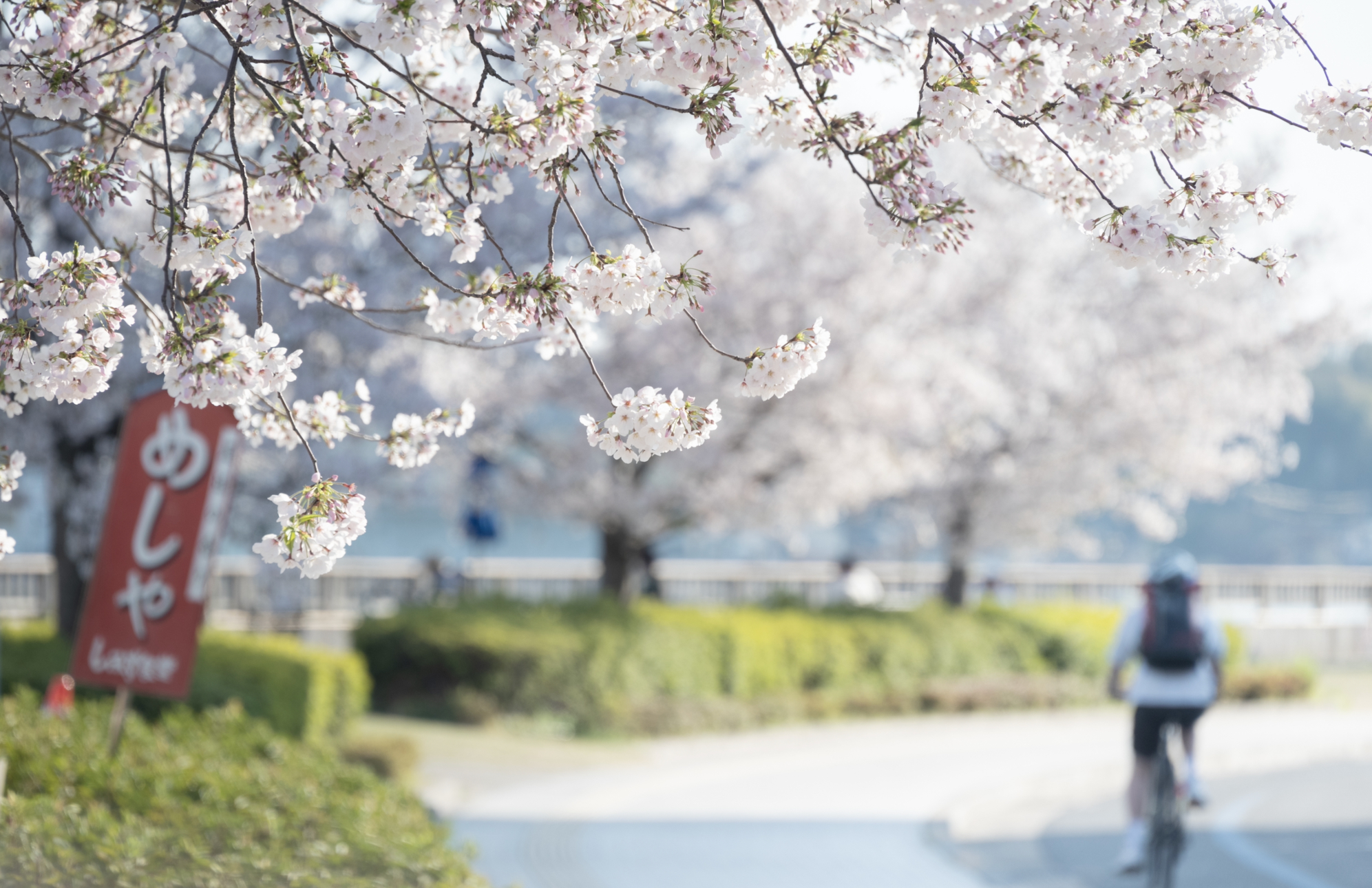
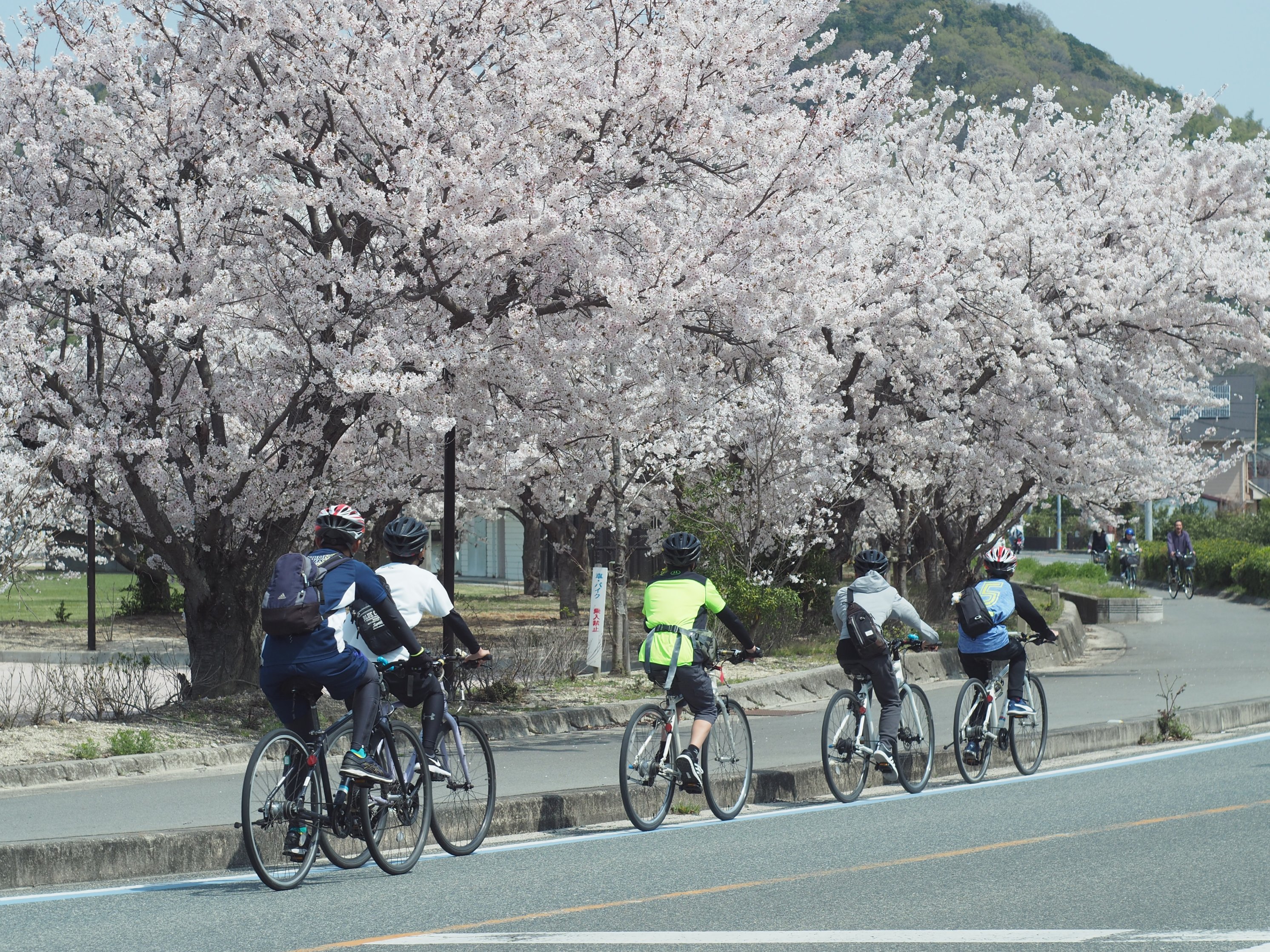
Spring and autumn offer pleasant weather with mild temperatures and beautiful scenery. Spring brings cherry blossoms, while autumn showcases vibrant fall foliage.
15°C to 25°C
59°F to 77°F
Practical Information
Language
- Official: Japanese
- Widely spoken: English (limited)
- English: Limited
Currency
Japanese Yen (JPY)
Time Zone
JST (UTC+9)
Electricity
100VV, 50/60HzHz
Safety Information
Overall Safety Rating: Very safe
Onomichi is a very safe city with a low crime rate. Violent crime is rare, and petty crime, such as pickpocketing, is uncommon. However, travelers should still take basic precautions to ensure a safe and enjoyable trip.
Important Precautions:
- • Be aware of your surroundings, especially in crowded areas
- • Keep valuables secure and out of sight
- • Use reputable taxis and transportation services
Getting there
By air
- Hiroshima Airport • 50 km
By train
Onomichi Station
By bus
Onomichi Bus Center
Getting around
Public transport
The bus network is the primary form of public transport in Onomichi, covering all major attractions and neighborhoods.
Taxis
Available • Apps: None widely used
Rentals
Car, Bike, Scooter
Neighborhoods
Shin-Onomichi
Central Onomichi
Port Area
Day trips
Miyajima Island
30 km • Half day to full day
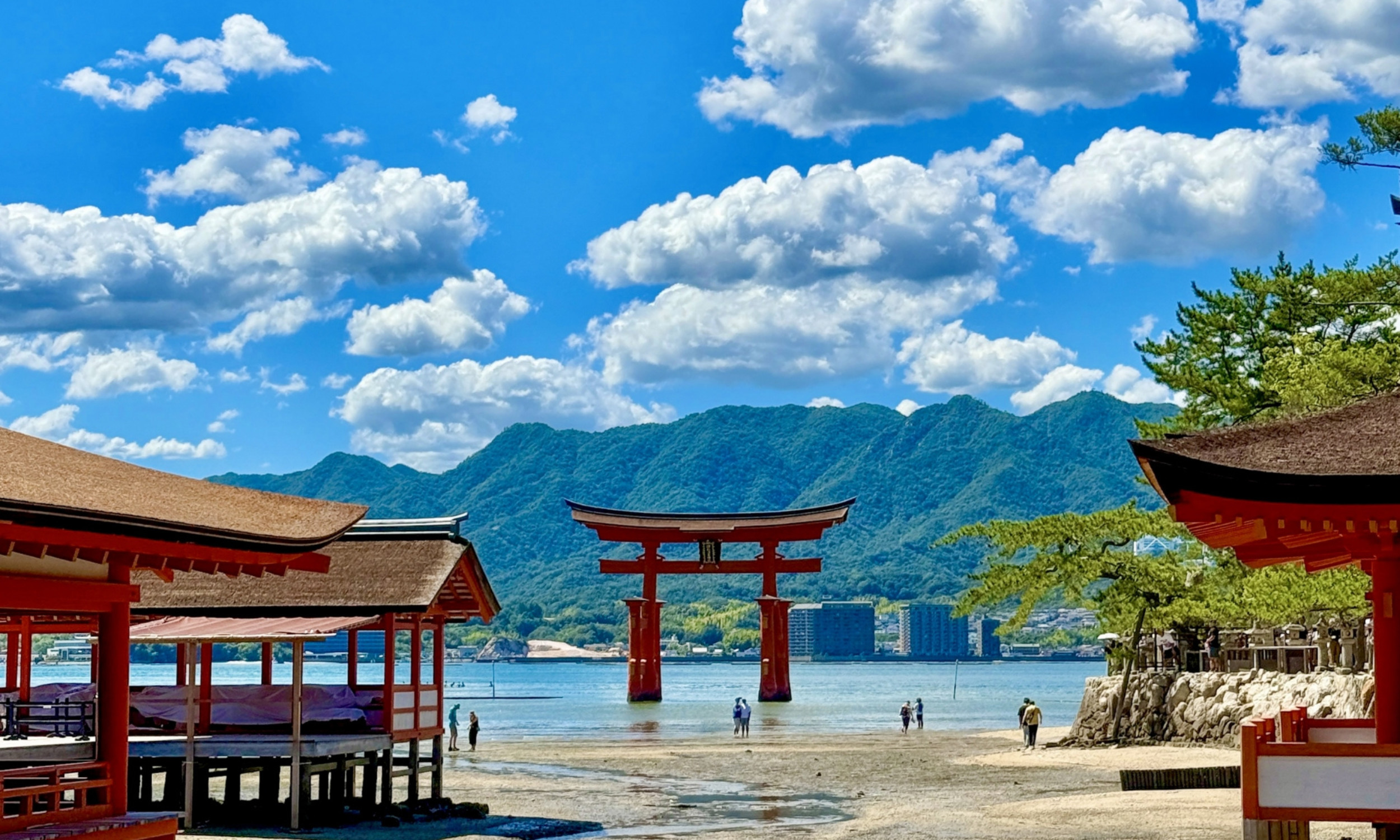
A scenic island known for its historic temples, floating torii gate, and friendly deer. It offers a mix of cultural and natural attractions.
Hiroshima
80 km • Full day
A historic city known for its tragic past and rich cultural heritage. It offers a mix of historical sites, museums, and modern attractions.
Takamatsu
60 km • Full day
A coastal city known for its beautiful gardens, historic sites, and fresh seafood. It offers a mix of cultural and natural attractions.
Festivals
Onomichi Fireworks Festival • August (specific dates vary)
Onomichi Temple Walk Festival • Autumn (specific dates vary)
Onomichi Literary Festival • Spring (specific dates vary)
Pro tips
- Explore the Shin-Onomichi Temple Walk early in the morning or late in the afternoon to avoid crowds and enjoy the best views
- Try Onomichi soba noodles at a local restaurant or street food stall for an authentic and delicious experience
- Visit the Onomichi Port and Maritime Museum to learn about the city's rich maritime heritage and history
- Take a day trip to Miyajima Island to see the famous floating torii gate and Itsukushima Shrine, a UNESCO World Heritage site
- Explore the city's literary heritage at the Onomichi Literary Museum and other cultural attractions
From $25
per person
Price varies by option
Secure booking
Free cancellation available
Instant confirmation