Onomichi Half-Day Private Trip with Government-Licensed Guide
Active
4h
For a full refund, cancel at least 24 hours before the scheduled departure time.
Instant confirmation
Mobile or paper ticket accepted
About this experience
This value-packed trip with a government-licensed and experienced English-speaking guide is a fantastic and efficient way to explore Onomichi!
Onomichi is a gritty, old-timey seaport town with hills full of temples, literary sites and cats. Local businesses increasingly embrace its retro-chic charm, and a visit is a glimpse of a quaint Japan of yesteryear. For many travelers, Onomichi is the base from which to cycle the Shimanami Kaidō, the system of road bridges that allows people to island-hop their way across the Inland Sea to Shikoku.
Let your guide know post booking what you would like to see and they will customize a four-hour tour that's best for you!
You can choose 2 to 3 sites from the what to expect list to create your itinerary. No Bicycles Allowed.
Available options
Onomichi Half-Day Private Trip with Government-Licensed Guide
Pickup included
What's included
Meet up with guide on foot within designated area of Onomichi
Licensed Local English Speaking Guide
Customizable Tour of your choice of 2-3 sites from 'What to expect' list
Detailed itinerary
1
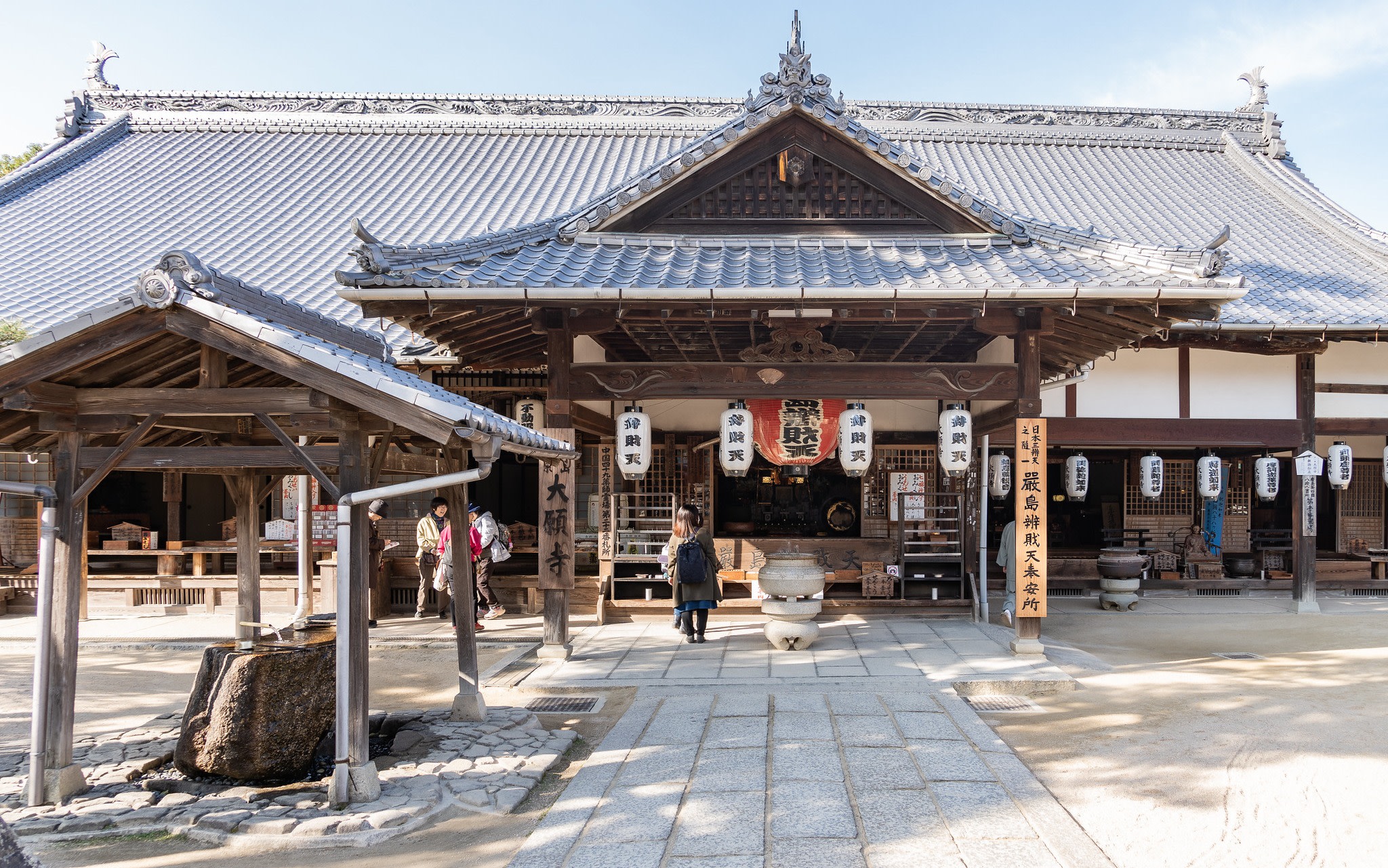
Senkō-ji is the best known and most impressive of Onomichi's temples. Among its features is the kyō-onrō, a bell tower whose bell always rings in the new year – the sound of this bell is registered as one of the '100 soundscapes of Japan'. The temple appears almost grown into the hillside, with views out to sea, and is reachable on the historic temple walk (after a steep 15- to 25-minute hike for most) or by the Senkō-ji-yama Ropeway.
2
Hirayama Ikuo was one of Japan's most famous painters, working in the traditional Japanese Nihonga style. The Hirayama Ikuo Museum of Art (平山郁夫美術館, Hirayama Ikuo Bijutsukan) is located on Ikuchijima Island, where the artist was born in 1930. Hirayama passed away in 2009.
Many of the themes in Hirayama's work have persisted throughout his entire career. One is the concept of peace. Hirayama was a student in Hiroshima in 1945, and as such witnessed the destruction of the bomb and suffered from the effects of radiation. Another of his recurring themes was the cultural exchanges within the Orient, particularly the transmission of Buddhism to Japan.
The Hirayama Museum is quite modern and well kept. There are three spacious exhibition halls, a tea lounge, and a museum shop. A variety of Hirayama's work from throughout his career are kept as part of the museum's permanent collection, and there are also special exhibitions.
3
Tatara Bridge, with the center span of 890 m long, is the second longest span cable stayed bridge in the world.
Suspension bridge was planned at the first stage; however, the bridge type was reviewed considering the preservation of surrounding nature and economical condition of the work, against the background of the technical progress of cable stayed bridges.
The height of the tower is 226 m above the seawater level, and this is the highest point in the route.
Tatara Bridge formed a sister bridge alliance with Normandy Bridge in France which is the third longest cable stayed bridge in the world.
4
Neko no Hosomichi goes on for about 200m from the eastern side of Ushitora Shrine to the three-floor pagoda of Tennei-ji Temple. The area was given its name due to the many Fukuishi Cats (stones with cats painted on them) left there. The cats were painted by Shunji Sonoyama, an artist who lives in Onomichi. In the area, there is also the Maneki-neko Museum where you can enjoy the scene of “cats and Onomichi”.
5
Hiroshima has a bustling downtown area, the main feature of which is Hondori Street. Hondori is a pedestrian arcade that is closed to traffic and lined with shops and restaurants. It starts near the Peace Park and stretches east about half a kilometer. Running parallel to Hondori is Aioidori (Aioi Street), the main street used by cars and trams. Along Aioi Street stand a few large department stores where more shopping can be found.
While in the downtown area, visitors to Hiroshima may want to take the opportunity to try one of Hiroshima's specialties: Hiroshima Style Okonomiyaki. Many restaurants along both Hondori and Aioi streets offer the local specialty, but the surest place to find it is in Okonomimura.
6
Kosanji Temple (耕三寺, Kōsanji) is located on Ikuchijima Island and belongs to the True Pure Land Sect of Japanese Buddhism. The temple was founded in 1936 by a successful businessman who was inspired by his devotion to his mother. The construction of the temple took more than 30 years. If visitors to the temple are surprised by a strong feeling of deja vu, it is because many of the buildings are modeled after some of Japan's most famous temple buildings.
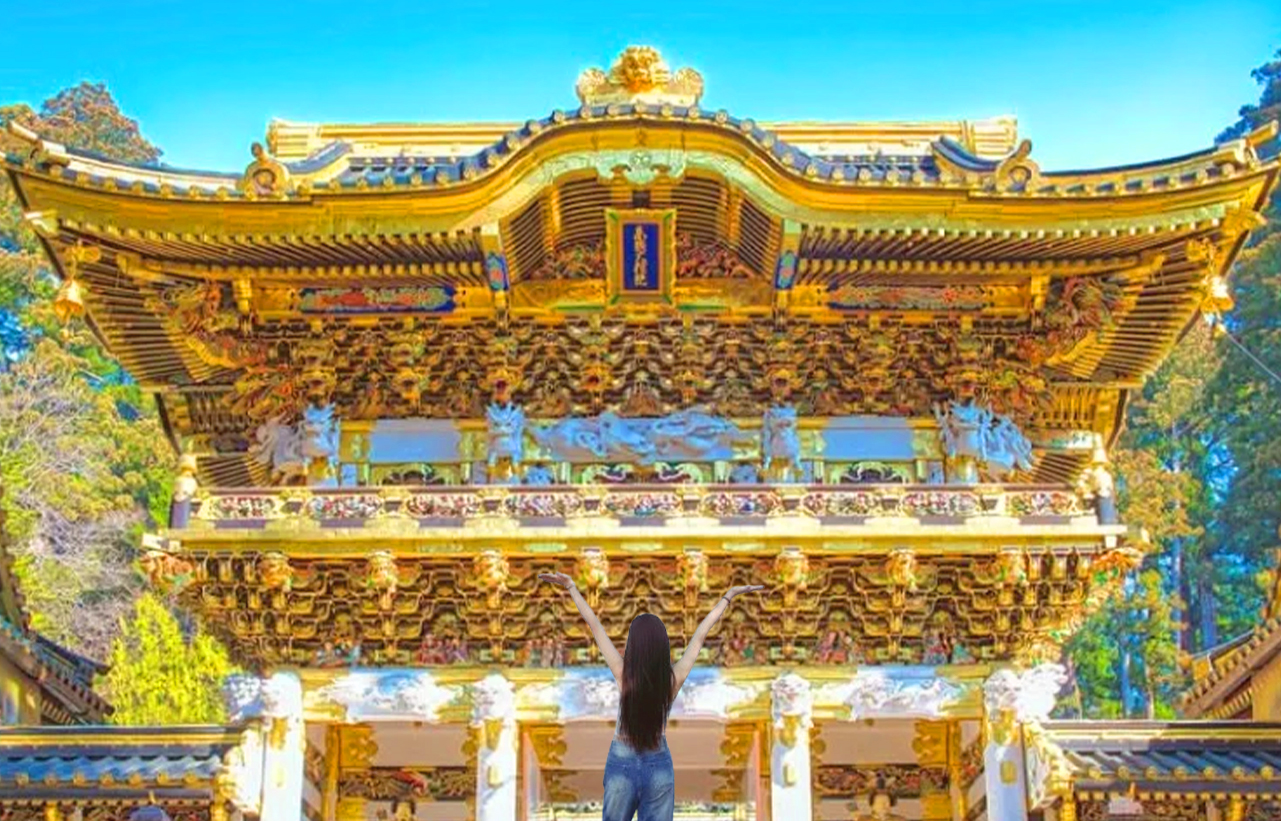
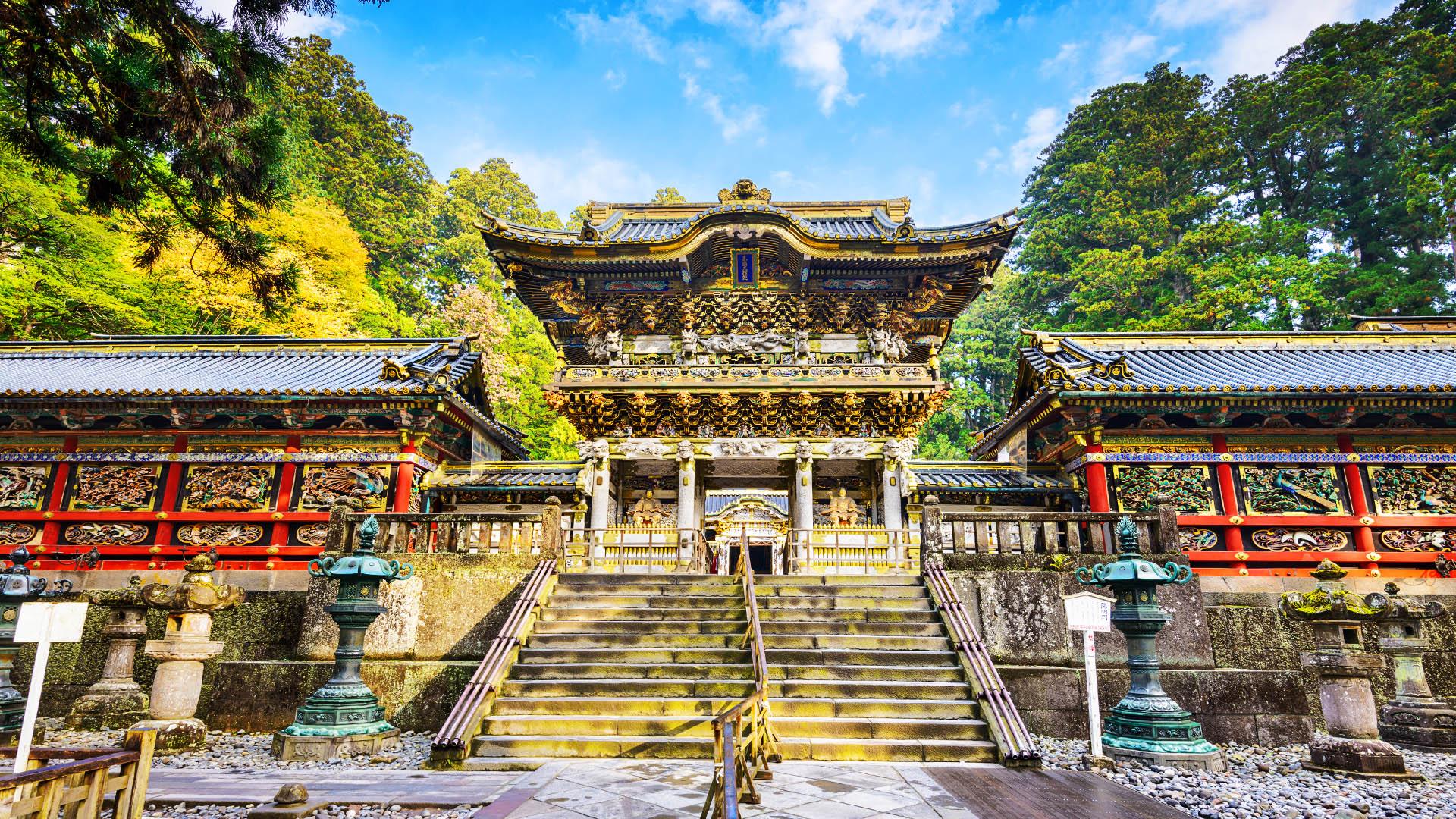
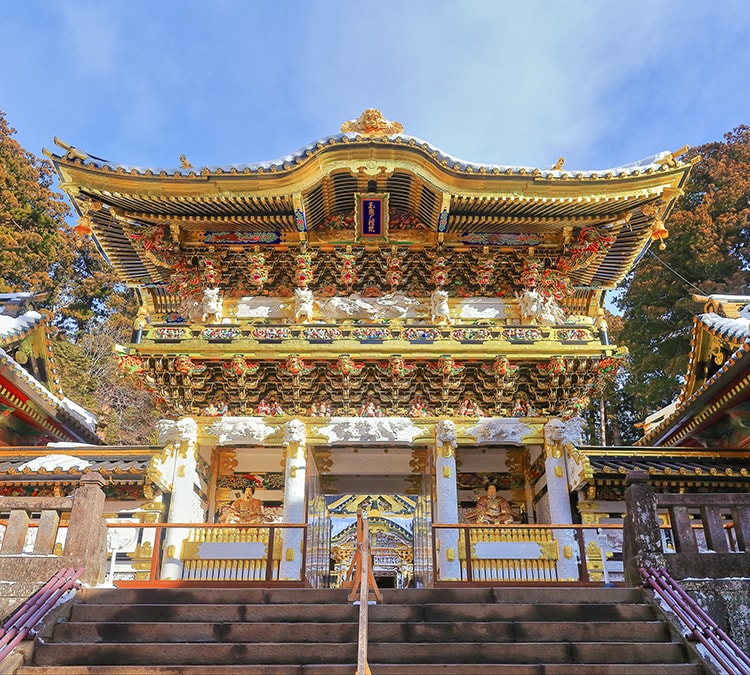
The replicas of famous buildings at Kosanji are quite impressive, including copies of Nikko Toshogu's Yomeimon Gate and Byodoin's Phoenix Hall. The complex of buildings at the temple are on the whole colorful and varied, while still retaining a coherent style. Another highlight of the temple is a long cave in which a series of images are displayed that illustrate the tortures of Buddhist hell.
7
With a total length of 1270 meters, Innoshima Bridge connects Mukaishima Island with Innoshima Island, and is one of the bridges that forms Shimanami Kaido. At its foot on the Innoshima Island side, you’ll find Innoshima Bridge Memorial Park.
8
Mukaishima is the sixth island from Imabari City.
9
This temple was built by Yoshiakira Ashikaga, the second shogun in the Muromachi Period, in 1367 and founded by Fumyo Kokushi. It has a pagoda called Kaiun Pagoda, an important cultural property, and a group of 500 arhats line the Rakan Hall on the left side of the main hall. Weeping cherry blossoms in the beginning of April and peonies at the end of April are things you should not miss.
What's not included
Transportation fees, Entrance fees, Lunch, and Other personal expenses
Private Vehicle. No Bicycles Allowed.
You cannot combine multiple tour groups.
Guide Entry fees are only covered for sights listed under What to Expect.
Available languages
Guide guide
JA
EN
Reviews breakdown
Viator
5.0
1 reviews
5★
1
4★
0
3★
0
2★
0
1★
0
Tripadvisor
5.0
4 reviews
5★
4
4★
0
3★
0
2★
0
1★
0
Important information
Service animals allowed
Public transportation options are available nearby
Infants and small children can ride in a pram or stroller
All areas and surfaces are wheelchair accessible
Transportation options are wheelchair accessible
Wheelchair accessible
Suitable for all physical fitness levels
This is a walking tour. Pick up is on foot.
About Onomichi
Onomichi is a charming coastal city in Hiroshima Prefecture known for its historic temples, scenic views, and quaint streets. It's a perfect blend of traditional Japan and modern comforts, with a unique charm that attracts visitors looking for a more relaxed and authentic experience.
Top Attractions
Shin-Onomichi Temple Walk
A scenic pilgrimage route connecting 25 temples with stunning views of the Seto Inland Sea and Mount Shiraishi.
Cultural
2-3 hours
Free (donations welcome at temples)
Onomichi China Town
A small but vibrant Chinatown with a mix of Chinese and Japanese cuisine, shops, and cultural exhibits.
Cultural
1-2 hours
Free to explore, cost varies for food and shopping
Onomichi Literary Museum
A museum dedicated to the city's literary heritage, featuring exhibits on famous authors and their works.
Museum
1 hour
¥500
Onomichi City Museum of Art
A contemporary art museum showcasing works by local and international artists, with a focus on modern and traditional Japanese art.
Museum
1-2 hours
¥800
Onomichi Port
A historic port area with a rich maritime history, featuring museums, shops, and restaurants.
Historical
1-2 hours
Free to explore, cost varies for attractions
Must-Try Local Dishes
Onomichi Soba
Buckwheat noodles served with a variety of toppings, including tempura, seafood, and vegetables.
Noodles
Vegetarian options available
Onomichi Sushi
Fresh sushi made with local seafood, including tuna, mackerel, and octopus.
Sushi
Contains fish and seafood
Onomichi Ramen
Noodle soup with a rich, savory broth, often topped with seafood and vegetables.
Ramen
Vegetarian options available
Onomichi Tai Meshi
A dish made with red snapper, a local specialty, often grilled or simmered in a savory sauce.
Seafood
Contains fish
Popular Activities
Hiking the Shin-Onomichi Temple Walk
Exploring Miyajima Island
Visiting Shikoku Pilgrimage temples
Enjoying a cup of coffee at a local cafe
Strolling through Ritsurin Garden
Relaxing at a traditional onsen (hot spring)
Visiting historic temples and shrines
Exploring local museums and art galleries
Best Time to Visit
April to May, October to November
Spring and autumn offer pleasant weather with mild temperatures and beautiful scenery. Spring brings cherry blossoms, while autumn showcases vibrant fall foliage.
15°C to 25°C
59°F to 77°F
Practical Information
Language
- Official: Japanese
- Widely spoken: English (limited)
- English: Limited
Currency
Japanese Yen (JPY)
Time Zone
JST (UTC+9)
Electricity
100VV, 50/60HzHz
Safety Information
Overall Safety Rating: Very safe
Onomichi is a very safe city with a low crime rate. Violent crime is rare, and petty crime, such as pickpocketing, is uncommon. However, travelers should still take basic precautions to ensure a safe and enjoyable trip.
Important Precautions:
- • Be aware of your surroundings, especially in crowded areas
- • Keep valuables secure and out of sight
- • Use reputable taxis and transportation services
Getting there
By air
- Hiroshima Airport • 50 km
By train
Onomichi Station
By bus
Onomichi Bus Center
Getting around
Public transport
The bus network is the primary form of public transport in Onomichi, covering all major attractions and neighborhoods.
Taxis
Available • Apps: None widely used
Rentals
Car, Bike, Scooter
Neighborhoods
Shin-Onomichi
Central Onomichi
Port Area
Day trips
Miyajima Island
30 km • Half day to full day
A scenic island known for its historic temples, floating torii gate, and friendly deer. It offers a mix of cultural and natural attractions.
Hiroshima
80 km • Full day
A historic city known for its tragic past and rich cultural heritage. It offers a mix of historical sites, museums, and modern attractions.
Takamatsu
60 km • Full day
A coastal city known for its beautiful gardens, historic sites, and fresh seafood. It offers a mix of cultural and natural attractions.
Festivals
Onomichi Fireworks Festival • August (specific dates vary)
Onomichi Temple Walk Festival • Autumn (specific dates vary)
Onomichi Literary Festival • Spring (specific dates vary)
Pro tips
- Explore the Shin-Onomichi Temple Walk early in the morning or late in the afternoon to avoid crowds and enjoy the best views
- Try Onomichi soba noodles at a local restaurant or street food stall for an authentic and delicious experience
- Visit the Onomichi Port and Maritime Museum to learn about the city's rich maritime heritage and history
- Take a day trip to Miyajima Island to see the famous floating torii gate and Itsukushima Shrine, a UNESCO World Heritage site
- Explore the city's literary heritage at the Onomichi Literary Museum and other cultural attractions
From $25
per person
Price varies by option
Secure booking
Free cancellation available
Instant confirmation