Niigata Full-Day Private Tour with Government-Licensed Guide
Active
6h
For a full refund, cancel at least 24 hours before the scheduled departure time.
Instant confirmation
Mobile or paper ticket accepted
About this experience
This value-packed trip with a government-licensed and experienced multilingual tour guide is a fantastic and efficient way to explore Niigata!
Niigata is a beautiful city whose northwest faces the Sea of Japan. As one of Japan's leading agricultural cities, Niigata has a beautiful landscape of rice fields, well-known for its sake and rice heritage. Thanks to its abundant nature and perfect climate, Niigata became an agricultural powerhouse and historically acquired a reputation for its plentiful, abundant food output.
Let us know what you would like to experience and we will customize a six-hour tour that's best for you!
Note*1: Please select your must-see spots from a list in the tour information to create your customized itinerary.
Note*2: The National Government Licensed Guide Interpreter certification is issued by the Japanese government requires a good knowledge and understanding of Japanese culture and history.
Available options
Niigata Full-Day Private Tour with Government-Licensed Guide
Pickup included
What's included
Meet up with guide on foot within designated area of Niigata.
Licensed Local English Speaking Guide
Customizable Tour of your choice of 3-4 sites from 'What to expect' list
Detailed itinerary
1
You can taste and buy 93 kinds of Japanese Sake (Japanese rice wine) made in Niigata.
Moreover, you can also enjoy the one-day hot spring “Sake Buro (Sake bath)” which is made of 12 degrees Sake mixed with water here. We recommend this place especially for Japanese Sake lovers.
2
Built in 1918 by a wealthy merchant by the name of Kijuro Saito IV as a summer villa for his family, the Old Saito Villa is now a cultural heritage property and revered as one of the most beautiful homes and gardens in Niigata. There are 11 rooms in the house each with their own character and design detail. The gardens were designed with a different aesthetic all around so viewers can enjoy a changing scene when walking from room to room in the house and throughout each season. The home and garden was designed with the concept of unity in mind so that there are no boundaries between inside and outside, creating a harmony.
3
What was once the home of the wealthy Ito Family, prosperous landowners and merchants, is now a museum that houses eight generations of the family’s collection of artworks and documents with a portion of the 6,000 items on display. The highlight really is the house and gardens, completed in 1889. The traditional Japanese-style wooden home is built on a 29,100 square meter site with 65 rooms and perfectly landscaped gardens, which are beautiful to view in all four seasons. Visitors can enjoy lunch at one of the two restaurants, and there is even an inn located on the grounds for those who want a deeper experience of the culture and history of life on the Ito Estate.
4
At Sushi Benkei’s standing tables, customers enjoy the freshest fish prepared by friendly staff. For those who prefer to sit, there’s a conveyor belt sushi restaurant across the street with the same name.
5
This historical district shows the stunning architecture of old Niigata. Inside a recreation of the 1910 City Hall, visitors can learn about the history and culture of Niigata and its people through beautifully displayed and interactive exhibits. Visitors can also dine inside another one of this district’s historical buildings or watch ferries and Jetfoils cruising into port on the banks of the Shinano River.
6
The Niigata word for “geisha” is “geigi.” Furumachi is one of the most renowned districts in the country, along with Kyotoʼs Gion and Tokyoʼs Shinbashi. Here, the geigi perform a traditional dance and play a game with guests.
What's not included
Transportation fees, Entrance fees, Lunch, and Other personal expenses
Private Vehicle
You cannot combine multiple tour groups.
Guide Entry fees are only covered for sights listed under What to Expect.
Meet up at Niigata East port
Available languages
Guide guide
JA
EN
Reviews breakdown
Viator
4.7
3 reviews
5★
2
4★
1
3★
0
2★
0
1★
0
Tripadvisor
5.0
10 reviews
5★
10
4★
0
3★
0
2★
0
1★
0
Important information
Service animals allowed
Public transportation options are available nearby
Infants and small children can ride in a pram or stroller
All areas and surfaces are wheelchair accessible
Transportation options are wheelchair accessible
Wheelchair accessible
Suitable for all physical fitness levels
This is a walking tour. Pick up is on foot.
About Niigata Prefecture
Niigata Prefecture, located on the northwest coast of Honshu, is renowned for its high-quality rice, fresh seafood, and stunning natural landscapes. With its long coastline along the Sea of Japan, hot springs, and the famous Echigo-Yuzawa ski resort, Niigata offers a diverse range of experiences for travelers.
Top Attractions
Sado Island
Sado Island, located off the coast of Niigata, is known for its rich history, gold mines, and traditional performing arts. It offers stunning natural landscapes and cultural experiences.
Nature/Historical/Cultural
1-3 days
Moderate to Expensive
Echigo-Yuzawa
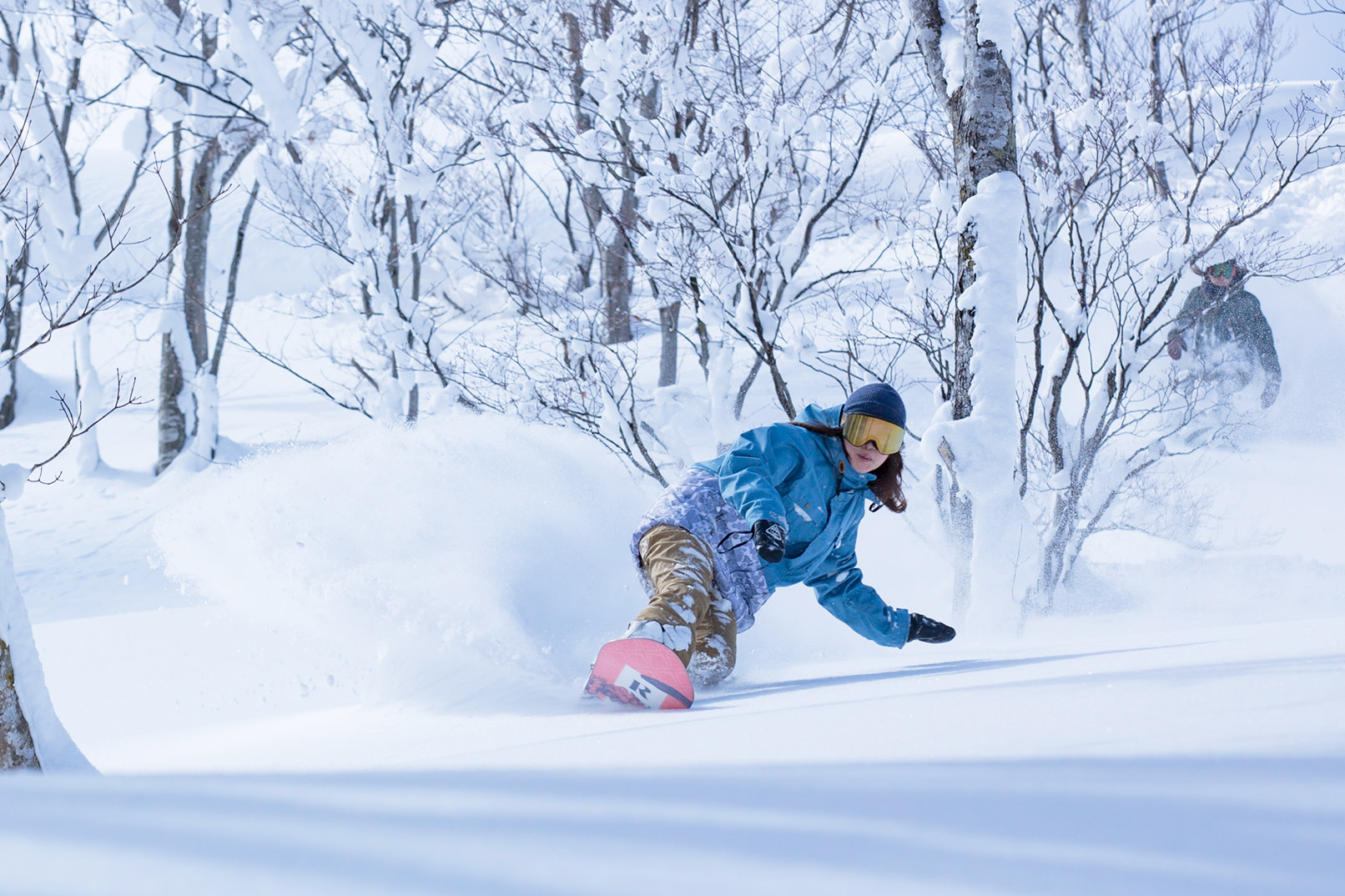
Echigo-Yuzawa is a popular ski resort area known for its excellent skiing and snowboarding facilities. It also offers hot springs and scenic beauty.
Adventure/Relaxation
1-2 days
Moderate to Expensive
Niigata City Aquarium
The Niigata City Aquarium is a family-friendly attraction featuring a variety of marine life, including dolphins, penguins, and fish native to the Sea of Japan.
Nature/Education
2-3 hours
Moderate
Must-Try Local Dishes
Noppe
A traditional Niigata dish made with grated daikon radish, fish, and other ingredients, served with a dipping sauce.
Dish
Contains fish and seafood
Hegisoba
A local noodle dish made with flat soba noodles, grilled fish, and vegetables, served with a savory sauce.
Dish
Contains fish and seafood
Koshihikari Rice
Niigata is famous for its high-quality Koshihikari rice, known for its sweet and sticky texture.
Staple
Vegetarian
Popular Activities
Skiing
Snowboarding
Hiking
Mountain Biking
Onsen (Hot Springs)
Yoga
Meditation
Scenic Train Rides
Best Time to Visit
Spring (April to June) and Autumn (September to November)
These seasons offer mild weather, beautiful scenery with cherry blossoms in spring and vibrant foliage in autumn, and are ideal for outdoor activities and cultural experiences.
10°C to 25°C
50°F to 77°F
Practical Information
Language
- Official: Japanese
- Widely spoken: English (limited)
- English: Limited
Currency
Japanese Yen (JPY)
Time Zone
JST (GMT+9)
Electricity
100VV, 50/60HzHz
Safety Information
Overall Safety Rating: Generally safe
Niigata is generally safe for travelers, with low crime rates and a welcoming atmosphere. However, standard precautions should be taken to ensure a safe and enjoyable trip.
Important Precautions:
- • Keep valuables secure and be cautious in crowded areas.
- • Use licensed taxis and verified tour operators.
- • Be wary of strangers offering unsolicited help or services.
Getting there
By air
- Niigata Airport • 15 km from Niigata City
By train
Niigata Station
By bus
Niigata Bus Terminal
Getting around
Public transport
Buses are the primary mode of public transport in Niigata, with frequent services connecting major attractions and neighborhoods.
Taxis
Available • Apps: JapanTaxi, DiDi
Rentals
Car, Bike, Scooter
Neighborhoods
Bandai City
Furuichi
Minamichito
Day trips
Sado Island
1.5 hours by ferry • 1-3 days
Sado Island offers a mix of natural beauty, historical sites, and cultural experiences. It's known for its gold mines, taiko drumming performances, and scenic hiking trails.
Echigo-Yuzawa
1 hour by train • 1-2 days
Echigo-Yuzawa is a popular ski resort area known for its excellent skiing and snowboarding facilities. It also offers hot springs and scenic beauty.
Nagaoka
30 minutes by train • 1 day
Nagaoka is a city known for its historical sites, including the Nagaoka Castle and the Nagaoka Park, which hosts the Nagaoka Fireworks Festival in August.
Festivals
Nagaoka Fireworks Festival • Early August
Sanno Festival • Mid-August
Niigata Matsuri • July
Pro tips
- Visit Niigata during the cherry blossom season (late April to early May) for stunning scenery and pleasant weather.
- Try local specialties like Noppe, Hegisoba, and Koshihikari rice for an authentic Niigata culinary experience.
- Book accommodations and transportation in advance, especially during peak seasons and festivals.
- Consider renting a car for exploring rural areas and scenic spots at your own pace.
- Learn a few basic Japanese phrases to enhance your interaction with locals and show respect for the culture.
From $25
per person
Price varies by option
Secure booking
Free cancellation available
Instant confirmation