Sado Island Tour with Licensed Guide and Vehicle (Niigata Dep.)
Active
10h
For a full refund, cancel at least 24 hours before the scheduled departure time.
Instant confirmation
Mobile or paper ticket accepted
About this experience
This value-packed trip with a government-licensed guide and private vehicle is a fantastic and efficient way to explore Sado Island from Niigata City!
Sado Island is well known as the “island of exile” or the “island of gold” for being deeply connected with historical figures, tradition, and ancient culture. It’s one of the largest Japanese islands, located 32km off the coast of the Niigata Prefecture. Even with so much to offer its visitors, it remains one of Japan’s best off-the-beaten-path destinations.
Please select 3-5 sites from a list in the tour information.
Jet Foil Schedule Option ①
07:55 — Depart from Niigata Port
09:02 — Arrive at Ryotsu Port (Sado Island)
16:25 — Depart from Ryotsu Port
17:32 — Arrive at Niigata Port
Sightseeing time: approx. 7.5 hours
Jet Foil Schedule Option ②
09:40 — Depart from Niigata Port
10:47 — Arrive at Ryotsu Port (Sado Island)
17:55 — Depart from Ryotsu Port
19:02 — Arrive at Niigata Port
Sightseeing time: approx. 7 hours
Available options
Regular car (up to 2 pax)
Regular car (up to 2 pax)<br/>Pickup included
Van (up to 7 pax)
Van (up to 7 pax)<br/>Pickup included
What's included
Customizable Tour of your choice of 3-4 sites from 'What to expect' list'
Private vehicle in Sado Island
Licensed Local English Speaking Guide
Detailed itinerary
1
It takes an hour from Niigata port to Ryotsu port of Sado Island by Sado Jetfoil.Adult: 13,190yen、Child: 6,620 yen(For yourself and your guide)
2
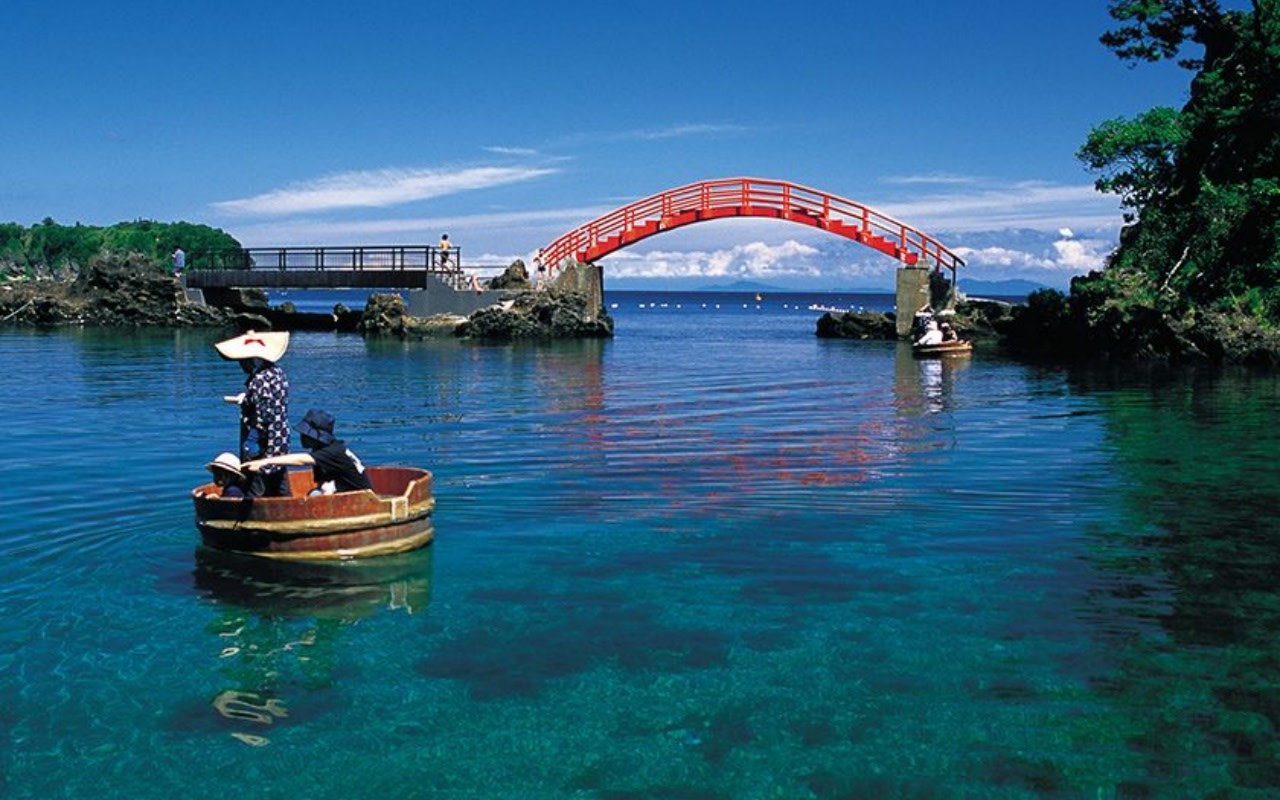
At Sado, the round tubs can be freely and easily maneuvered, which resulted in them being used as fishing boats. At Rikiya Kankō Kisen at Ogi Port, you can experience riding on this Tarai Bune.
3
Shukunegi is a settlement near Ogi Port, located on the southern side of Sado Island. Here, some 100 wooden houses crowd together on a narrow strip of land facing the sea.
Shukunegi is characterized by its complicated and narrow alleys and the houses of shipwrights and freight vessel owners from around 1850 still exist. It is the only Group of Traditional Buildings in Niigata Prefecture. You can also take a tour of the extravagant residences that portray the splendor of the time when prosperity was abounding due to commerce along the Kitamaebune, a shipping route from around 200 years ago that went from Osaka to ports in Hokuriku on the Sea of Japan, then later on to Hokkaido.
4
The scientific name of the crested ibis is “Nipponia nippon,” and it was a bird that could be seen normally around East Asia.
However, due to hunting and environmental destruction, including the use of pesticides on fields and forestry development, from the middle of the 19th century, their numbers started to drop rapidly, and even in Japan, there were only about 20 of them left in 1960. In 2003, Japanese crested ibises became extinct.
5
The Sado History Museum is recommended if you want to learn about Sado’s history and legends. Sado was established as a penal colony a long time ago, and Imperial Families, aristocrats, and other cultured people were sent there.
In this facility, among them, Emperor Juntoku, Nichiren Shonin, the sect founder of Nichiren, and Zeami, the founder of noh, are reenacted using robots. You can observe their state at the time through speech and dances.
6
At Sado Kinzan, you can explore and observe up close “Dohyu-no-Warito,” the symbol of the Sado mine, tunnels dug by hand in the Edo period, and machines and tunnels made with modern technology.
It was active from the start of the 1600s to 1989, for almost 400 years, and the tunnels that were continuously dug spread out like an ant’s nest for a total length of approximately 400km. Apparently, this is about the distance between Sado and Tokyo.
7
Along with Sadokinzan, we highly recommend dropping by Kitazawa Fuyūsenkōbaato, which translates to "Kitazawa Flotation Plant Ruins"!
With bare concrete and covered in vines, this facility was the first facility in Japan to use a method of extracting minerals called flotation. Apparently, it processed at least 50,000 tons of ore in a month and was of such a scale that it was extolled as the "largest in the East."
Now, only the infrastructure of the building remains, and this dynamic space that is becoming one with nature is open to the public.
Visitors are free to explore it and can also look at the group of mining facilities within the compound. The sight of it being lit up at night, which only takes place for a limited period of time, packs a real punch.
8
At Sado Nishimikawa Gold Park, visitors can experience the actual panning of gold dust on Sado. It works by using a green plate with lines on its side called a pan to shake and remove gravel in water; the relatively heavier gold dust will appear at the bottom. It is an activity that we highly recommend experiencing when visiting Sado.
9
If you want to enjoy Sado's diverse and magnificent coastal landforms, we highly recommend visiting Senkakuwan Bay, which has been designated as a quasi-national park.
Shokakuwan Bay is made up of five bays on a coast spanning three kilometers in the Aikawa district. The fifth one, Ageshima Fjord, can be accessed by crossing a bridge and provides a sweeping view of the area.
What's not included
The ferry fares: the adult single fare Niigata-Ryotsu on the Jetfoil 7180 yen with return 13750 yen
Entrance fees, Lunch, and Other personal expenses
You cannot combine multiple tour groups.
Guide Entry fees are only covered for sights listed under What to Expect.
Available languages
Guide guide
JA
EN
Reviews breakdown
Tripadvisor
5.0
1 reviews
5★
1
4★
0
3★
0
2★
0
1★
0
Important information
Service animals allowed
Public transportation options are available nearby
Infants and small children can ride in a pram or stroller
All areas and surfaces are wheelchair accessible
Transportation options are wheelchair accessible
Wheelchair accessible
Suitable for all physical fitness levels
There are only a limited number of car seats and booster seats. Rear-facing car seats are not available. You must contact us directly if you need them.
Tour dates can be changed up to 2 days before the tour. Any tour date change may result in a change of tour guide or tour unavailability.
About Niigata Prefecture
Niigata Prefecture, located on the northwest coast of Honshu, is renowned for its high-quality rice, fresh seafood, and stunning natural landscapes. With its long coastline along the Sea of Japan, hot springs, and the famous Echigo-Yuzawa ski resort, Niigata offers a diverse range of experiences for travelers.
Top Attractions
Sado Island
Sado Island, located off the coast of Niigata, is known for its rich history, gold mines, and traditional performing arts. It offers stunning natural landscapes and cultural experiences.
Nature/Historical/Cultural
1-3 days
Moderate to Expensive
Echigo-Yuzawa
Echigo-Yuzawa is a popular ski resort area known for its excellent skiing and snowboarding facilities. It also offers hot springs and scenic beauty.
Adventure/Relaxation
1-2 days
Moderate to Expensive
Niigata City Aquarium
The Niigata City Aquarium is a family-friendly attraction featuring a variety of marine life, including dolphins, penguins, and fish native to the Sea of Japan.
Nature/Education
2-3 hours
Moderate
Must-Try Local Dishes
Noppe
A traditional Niigata dish made with grated daikon radish, fish, and other ingredients, served with a dipping sauce.
Dish
Contains fish and seafood
Hegisoba
A local noodle dish made with flat soba noodles, grilled fish, and vegetables, served with a savory sauce.
Dish
Contains fish and seafood
Koshihikari Rice
Niigata is famous for its high-quality Koshihikari rice, known for its sweet and sticky texture.
Staple
Vegetarian
Popular Activities
Skiing
Snowboarding
Hiking
Mountain Biking
Onsen (Hot Springs)
Yoga
Meditation
Scenic Train Rides
Best Time to Visit
Spring (April to June) and Autumn (September to November)
These seasons offer mild weather, beautiful scenery with cherry blossoms in spring and vibrant foliage in autumn, and are ideal for outdoor activities and cultural experiences.
10°C to 25°C
50°F to 77°F
Practical Information
Language
- Official: Japanese
- Widely spoken: English (limited)
- English: Limited
Currency
Japanese Yen (JPY)
Time Zone
JST (GMT+9)
Electricity
100VV, 50/60HzHz
Safety Information
Overall Safety Rating: Generally safe
Niigata is generally safe for travelers, with low crime rates and a welcoming atmosphere. However, standard precautions should be taken to ensure a safe and enjoyable trip.
Important Precautions:
- • Keep valuables secure and be cautious in crowded areas.
- • Use licensed taxis and verified tour operators.
- • Be wary of strangers offering unsolicited help or services.
Getting there
By air
- Niigata Airport • 15 km from Niigata City
By train
Niigata Station
By bus
Niigata Bus Terminal
Getting around
Public transport
Buses are the primary mode of public transport in Niigata, with frequent services connecting major attractions and neighborhoods.
Taxis
Available • Apps: JapanTaxi, DiDi
Rentals
Car, Bike, Scooter
Neighborhoods
Bandai City
Furuichi
Minamichito
Day trips
Sado Island
1.5 hours by ferry • 1-3 days
Sado Island offers a mix of natural beauty, historical sites, and cultural experiences. It's known for its gold mines, taiko drumming performances, and scenic hiking trails.
Echigo-Yuzawa
1 hour by train • 1-2 days
Echigo-Yuzawa is a popular ski resort area known for its excellent skiing and snowboarding facilities. It also offers hot springs and scenic beauty.
Nagaoka
30 minutes by train • 1 day
Nagaoka is a city known for its historical sites, including the Nagaoka Castle and the Nagaoka Park, which hosts the Nagaoka Fireworks Festival in August.
Festivals
Nagaoka Fireworks Festival • Early August
Sanno Festival • Mid-August
Niigata Matsuri • July
Pro tips
- Visit Niigata during the cherry blossom season (late April to early May) for stunning scenery and pleasant weather.
- Try local specialties like Noppe, Hegisoba, and Koshihikari rice for an authentic Niigata culinary experience.
- Book accommodations and transportation in advance, especially during peak seasons and festivals.
- Consider renting a car for exploring rural areas and scenic spots at your own pace.
- Learn a few basic Japanese phrases to enhance your interaction with locals and show respect for the culture.
From $25
per person
Price varies by option
Secure booking
Free cancellation available
Instant confirmation