Nagoya Half-day Private Custom Tour with National Licensed Guide
Active
4h
For a full refund, cancel at least 24 hours before the scheduled departure time.
Instant confirmation
Mobile or paper ticket accepted
About this experience
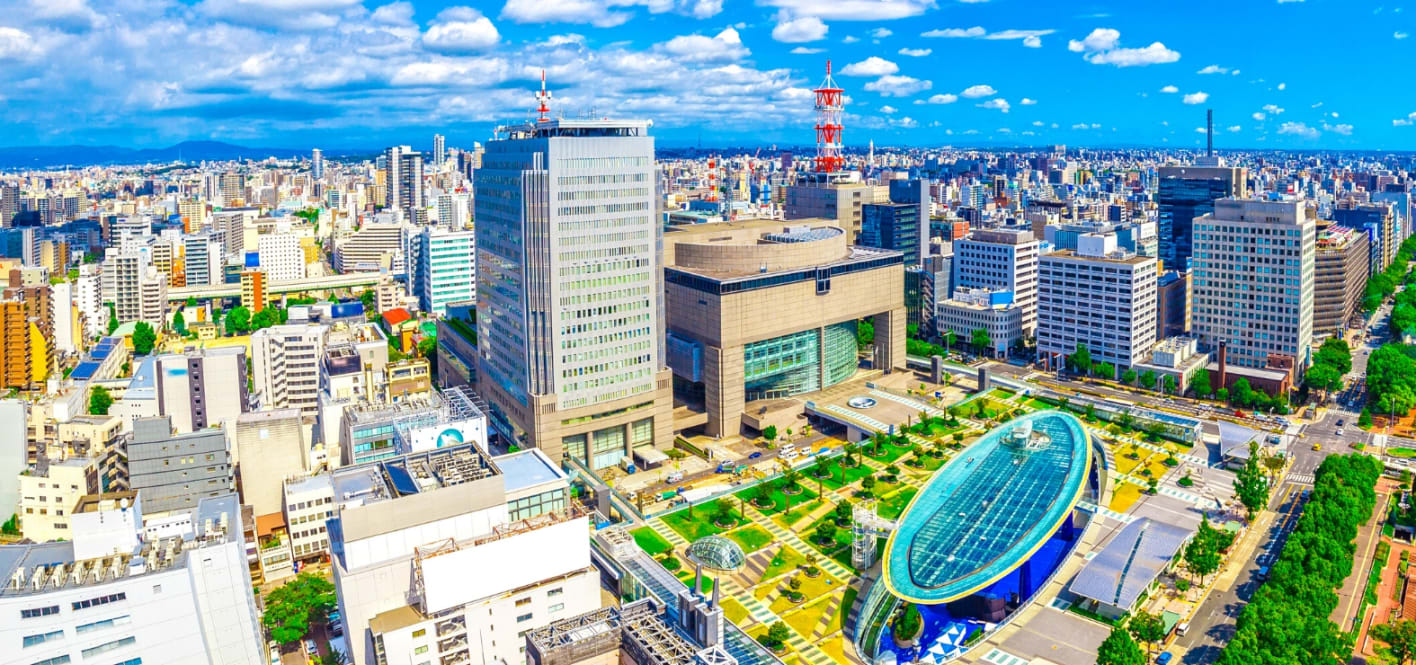
With a National Licensed and Experienced English speaking guide, this tour will allow you to explore Nagoya more efficiently in one day. Enjoy a full-day walking tour in Nagoya accompanied by an experienced guide.
Begin your day with a morning pickup from your hotel in Nagoya or anywhere else, then visit Nagoya's famous sites including Nagoya Castle, The Atsuta Shrine and Nagoya gourmet and anywhere else as you like. Go in depth with a private guide who customizes your 4 hour tour to your interests.
Please let us know what would you like to experience and what time would you like to join the tour and where you stay. We would customize the tour based on your requests!
This is a walking tour. Pick up is on foot. You cannot combine several groups nor reservations.
Available options
Nagoya Half-day Private Custom Tour with National Licensed Guide
Pickup included
What's included
Licensed Local English-speaking Guide
Meet up with guide on foot within designated area of Nagoya
Customizable Tour of your choice of 2-3 sites from 'What to expect' list
Detailed itinerary
1
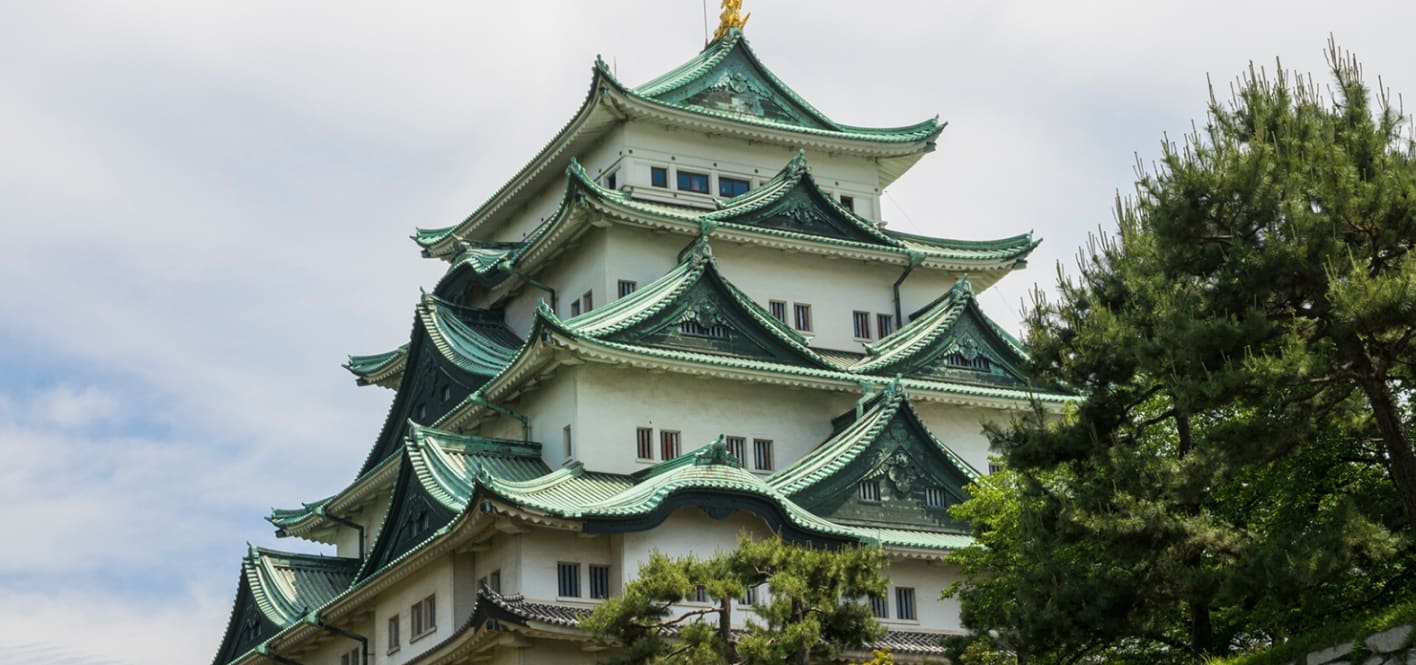
Nagoya Castle is right in the heart of Nagoya, and is very famous for its golden shachihoko (a mythical creature with a tiger's head and carp's body) figures on the roof. Ieyasu Tokugawa, the first shogun who established the Edo shougunate, built it in 1521. The main part of the castle was rebuilt after the war, and now you can climb to the top to feel like being a shogun to govern the country.
2
Atsuta Jingu Shrine is the second highest rank shrine of Japan, founded in the 8th century. It occupies a big area with huge woods in the metropolitan atomosphere of Nagoya, and there are always many people coming for all kinds of prayers. The woods are full of sacred and reverent feelings, and makes you feel something divine inside yourself, too.
3
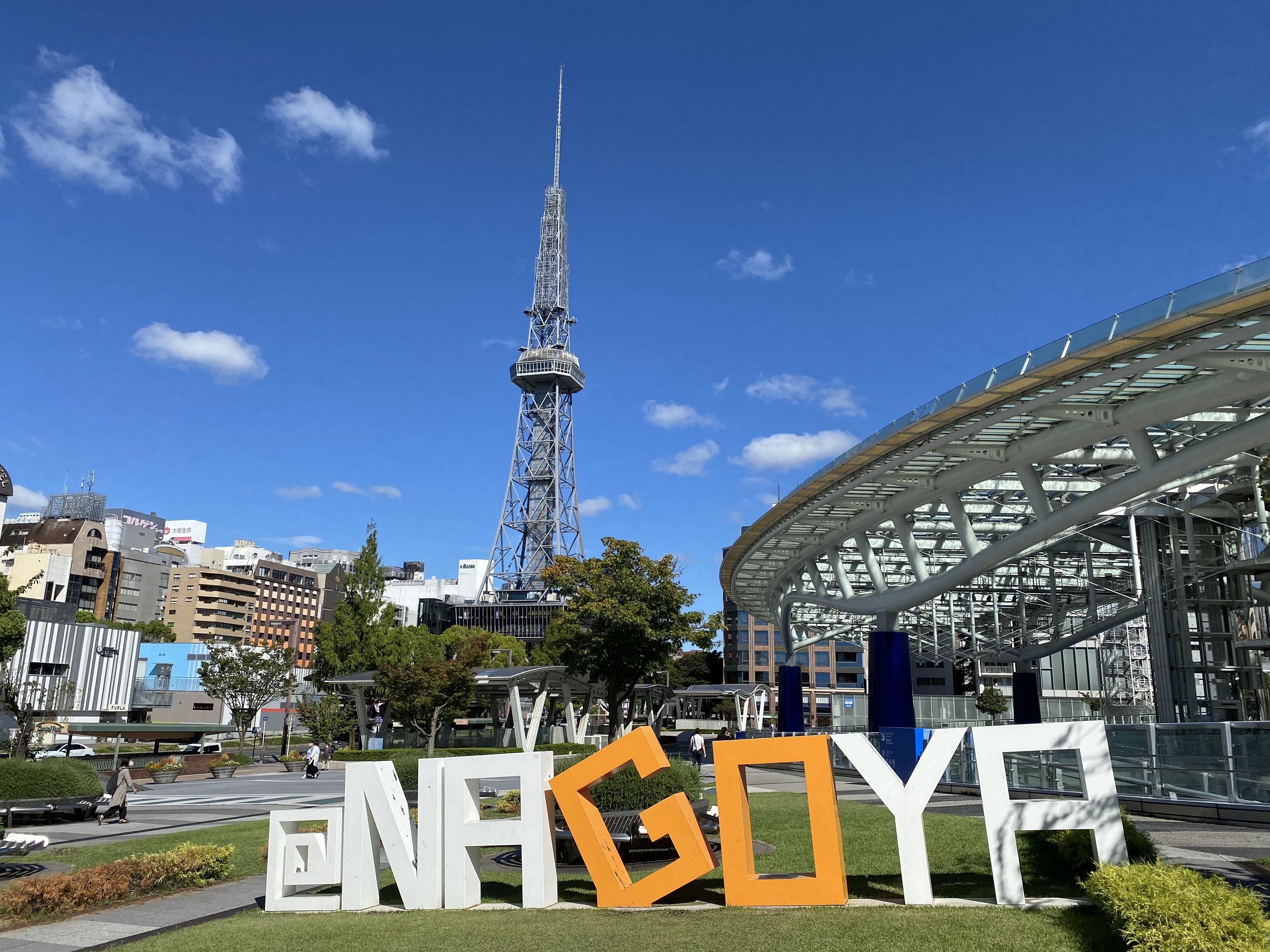
The Chubu Electric MIRAI TOWER (formerly but still referred to as the Nagoya TV Tower (名古屋テレビ塔, Nagoya Terebi-tō)) is a TV tower in Nagoya, central Japan. It is a landmark of Nagoya.
4
Nagoya City Science Museum has the largest planetarium in the world, and you can enjoy being an astronaut cruising the real universe.
5
Nagoya City Art Museum (Nagoya-shi Bijutsukan), opened in 1987 and home to a permanent collection that includes the work of Surrealist artists from around the globe, including Sean Scully, Kansuke Yamamoto, and Alexander Calder, as well as temporary exhibits. Finally, the Nagoya Museum of Fine Arts (Nagoya Bosuton Bijutsukan), sister museum to Boston's Museum of Fine Arts and notable for bringing items from the latter's collection of Impressionist and other artworks to Japan, is also worth a visit.
6
Tokugawa Garden is a Japanese garden, with numerous highlights around a pond in it's center. It was the mainstream style of major daimyo gardens during the Edo period.
7
The Tokugawa Art Museum (徳川美術館, Tokugawa Bijutsukan) is a private art museum, located on the former Ōzone Shimoyashiki compound in Nagoya, central Japan. Its collection contains more than 12,000 items, including swords, armor, Noh costumes and masks, lacquer furniture, Chinese and Japanese ceramics, calligraphy, and paintings from the Chinese Song and Yuan dynasties (960-1368).
8
Stop 8
Established in June 1994, 100 years after the birth of Toyota Motor’s founder, Toyoda Kiichiro, the museum will celebrate its 30th anniversary in June 2024. We hope to take on new missions especially now in this world facing an uncertain future brought upon by matters such as the COVID pandemic. At the same time, we will not forget to respect the origins of our museum. This includes the entire museum releasing the message that “technological innovations and development of industries will build our future, with the museum serving as a place of learning about the history of making things(“monozukuri”) and then aiming for our future goal of playing our part in developing a sustainable society. Even though this is a grand mission, we believe it is one that we must fulfil, as a museum in the birthplace of the Toyota Group.
9
Among the top brands of prestigious tableware, Noritake is one of the more famous and treasured names in the ceramics industry. Started in 1904, the traditional Japanese craftsmanship of Noritake combined with western aesthetics created a range of high quality, elegant formal and casual dinnerware aimed at the European market.
10
Osu once flourished as Nagoya's No. 1 entertainment quarter, and is a place where you will find extensive shopping arcades. The area developed after the war as a place of electrical and second-hand clothing stores, and now the district is a proud center for nerd, idol and other sub-cultures, securing its enduring popularity. Besides anime merchandise, shoppers can also pick up all manner of other interesting items that individual storekeepers have in stock. It's a fun place to go even if you just stroll around.
Located directly east of Osu Kannon Temple, the covered arcades run parallel and perpendicular to one another, featuring over 1,200 stores selling anything from the kitsch to computers, cameras to trendy (even tacky) fashions, antiques, new and used kimono and clothing, restaurants and cafes, variety and souvenir stores, and pretty much everything in-between. Many of the shops offer Duty Free services for tourists too.
11
The White Bird Gardens, Shirotori Garden is a tranquil, traditional Japanese style garden covering some 3.7 hectares, and gives the visitor a taste of old Japan. Changes in scenery according to the tidal flows, sunlight on the waters and seasons mean that the gardens and their delightful architecture provide different views every visit.
12
Midland Square owes part of its name to the region in which it resides: the Chubu, or central/middle, region. And it acts as a symbol for the region, rising 47 floors and 247 meters and 47 floors from the ground with six basement floors. It is conveniently located just outside of JR Nagoya Station and its height allows it the title of the tallest building in the Chubu region and even the seventh tallest in Japan (as of 2015).
13
Shikemichi is a town of merchants located on the west bank of Horikawa River that goes through the castle town of Nagoya. This town was built in 1610, when the whole town of Kiyosu moved to the site with the construction of Nagoya Castle. "Shikemichi" means an about 7 meter-wide street, and the name is derived from the fact that the street's width was expanded for fire protection and for the commercial activities after an inferno occurred in 1700. Storehouses are built on the stone walls and traditional townhouses stand in a row. The landscape as we know it today was completed in the Genbun era (around 1740). It was designated as a townscape preservation area of Nagoya in 1986.
14
The enshrined deities of Wakamiya Hachimansha Shrine are Emperor Nintoku, Emperor Ojin and Takeuchinosukune, a legendary person who served in Japan's first imperial government. Tokugawa Ieyasu designated the shrine to be the main tutelary deity of Nagoya in 1610. In addition to its regular festivals, the Wakamiya Festival held on May 15-16 every year; the harikuyo festival, a memorial service for dull and broken needles; and other festivals and events are held.
15
Located in the heart of Nagoya’s Sakae district, this museum offers a captivating journey into the world of Japanese swords. Up to 200 swords, including National Treasures and Important Cultural Properties, are on display, allowing visitors to admire their craftsmanship and beauty up close. The museum also features around 50 sets of impressive samurai armor and 150 ukiyo-e prints on permanent display. With cutting-edge interactive exhibits, it’s an engaging destination for both adults and children.
A visit here is a wonderful opportunity to immerse yourself in the culture of the samurai and experience the rich history and artistry unique to Nagoya.
What's not included
Transportation fees, Entrance fees, Lunch, and Other personal expenses
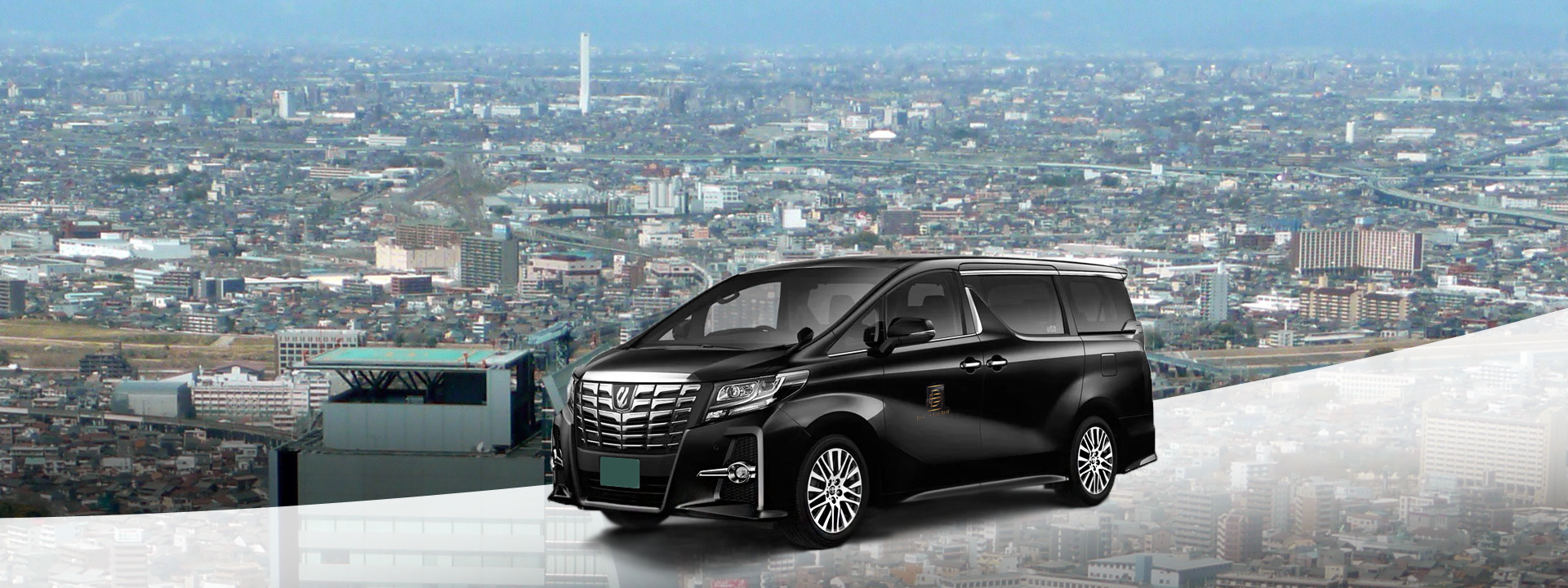
Private Vehicle
You cannot combine multiple tour groups.
Guide Entry fees are only covered for sights listed under What to Expect.
Available languages
Guide guide
JA
EN
Reviews breakdown
Viator
4.9
16 reviews
5★
15
4★
1
3★
0
2★
0
1★
0
Tripadvisor
4.9
24 reviews
5★
23
4★
0
3★
0
2★
1
1★
0
Important information
Service animals allowed
Public transportation options are available nearby
Infants and small children can ride in a pram or stroller
All areas and surfaces are wheelchair accessible
Transportation options are wheelchair accessible
Wheelchair accessible
Suitable for all physical fitness levels
This is a walking tour. Pick up is on foot.
About Aichi Prefecture
Aichi Prefecture, located in the Chubu region of Japan, is a dynamic blend of cutting-edge technology and rich cultural heritage. Home to Nagoya, a bustling metropolis, and scenic rural areas, Aichi offers a diverse travel experience from historical landmarks to modern innovations and natural beauty.
Top Attractions
Nagoya Castle
A historic castle that served as the seat of power for the Tokugawa clan. The castle has been reconstructed and now houses a museum.
Historical
2-3 hours
¥500
Atsuta Shrine
One of Japan's most important Shinto shrines, home to the sacred sword Kusanagi-no-Tsurugi, one of the three imperial regalia of Japan.
Religious
1-2 hours
Free (Treasure Museum: ¥300)
Legoland Japan
A popular theme park featuring Lego-themed rides, shows, and attractions, perfect for families with children.
Entertainment
Full day
¥5,800-¥7,800
Nagoya Port Aquarium
One of the largest aquariums in Japan, featuring a wide variety of marine life and interactive exhibits.
Nature
2-3 hours
¥2,200
Tokugawa Art Museum
A museum housing a vast collection of art and artifacts from the Tokugawa era, providing insights into Japan's feudal history.
Museum
1-2 hours
¥600
Must-Try Local Dishes
Hitsumabushi
Grilled eel served over rice, often topped with condiments like nori (seaweed) and green onions.
Lunch/Dinner
Contains fish and seafood
Miso Katsu
Breaded and deep-fried pork cutlet topped with a rich miso sauce, served with rice and miso soup.
Lunch/Dinner
Contains pork and wheat
Taiwan Ramen
A Nagoya specialty, this ramen features a rich, spicy broth with ingredients like garlic, butter, and miso.
Dinner/Snack
Contains wheat, soy, and sometimes pork
Kishimen
Flat, thick noodles served in a savory broth, often topped with green onions and kamaboko (fish cake).
Lunch/Dinner
Contains wheat and sometimes fish
Popular Activities
Hiking in the Japanese Alps
Paragliding in the surrounding areas
Onsen (hot spring) visits
Tea ceremonies
Traditional crafts workshops
Temple and shrine visits
Boat tours on the Nagara River
Skiing and snowboarding in nearby resorts
Best Time to Visit
Spring (March to May) and Autumn (September to November)
Spring brings cherry blossoms, while autumn offers vibrant foliage. These seasons have comfortable temperatures and are ideal for outdoor activities and sightseeing.
10°C to 25°C
50°F to 77°F
Practical Information
Language
- Official: Japanese
- Widely spoken: English (limited)
- English: Limited
Currency
Japanese Yen (JPY)
Time Zone
GMT+9
Electricity
100VV, 50/60HzHz
Safety Information
Overall Safety Rating: Very safe
Aichi is generally very safe, with low crime rates and a strong emphasis on public order. However, travelers should still exercise common sense and take precautions to ensure a safe and enjoyable trip.
Important Precautions:
- • Keep valuables secure and be aware of your surroundings.
- • Use licensed taxis and agree on the fare before starting your journey.
- • Be cautious of strangers offering services or assistance, especially in tourist areas.
Getting there
By air
- Chubu Centrair International Airport • 35 km from Nagoya
- Nagoya Airport • 35 km from Nagoya
By train
Nagoya Station
By bus
Nagoya Station Bus Terminal, Sakae Bus Terminal
Getting around
Public transport
The subway system is efficient and easy to use, with multiple lines connecting major attractions and neighborhoods.
Taxis
Available • Apps: JapanTaxi, Uber
Rentals
Car, Bike, Scooter
Neighborhoods
Sakae
Nakamura
Kanayama
Day trips
Inuyama
20 km from Nagoya • Half day to full day
A charming town known for its castle, temples, and traditional crafts. Inuyama offers a glimpse into Japan's feudal past.
Gifu
30 km from Nagoya • Full day
A city rich in history and culture, known for its castle, temples, and traditional crafts. Gifu offers a variety of cultural experiences.
Shirakawa-go
100 km from Nagoya • Full day
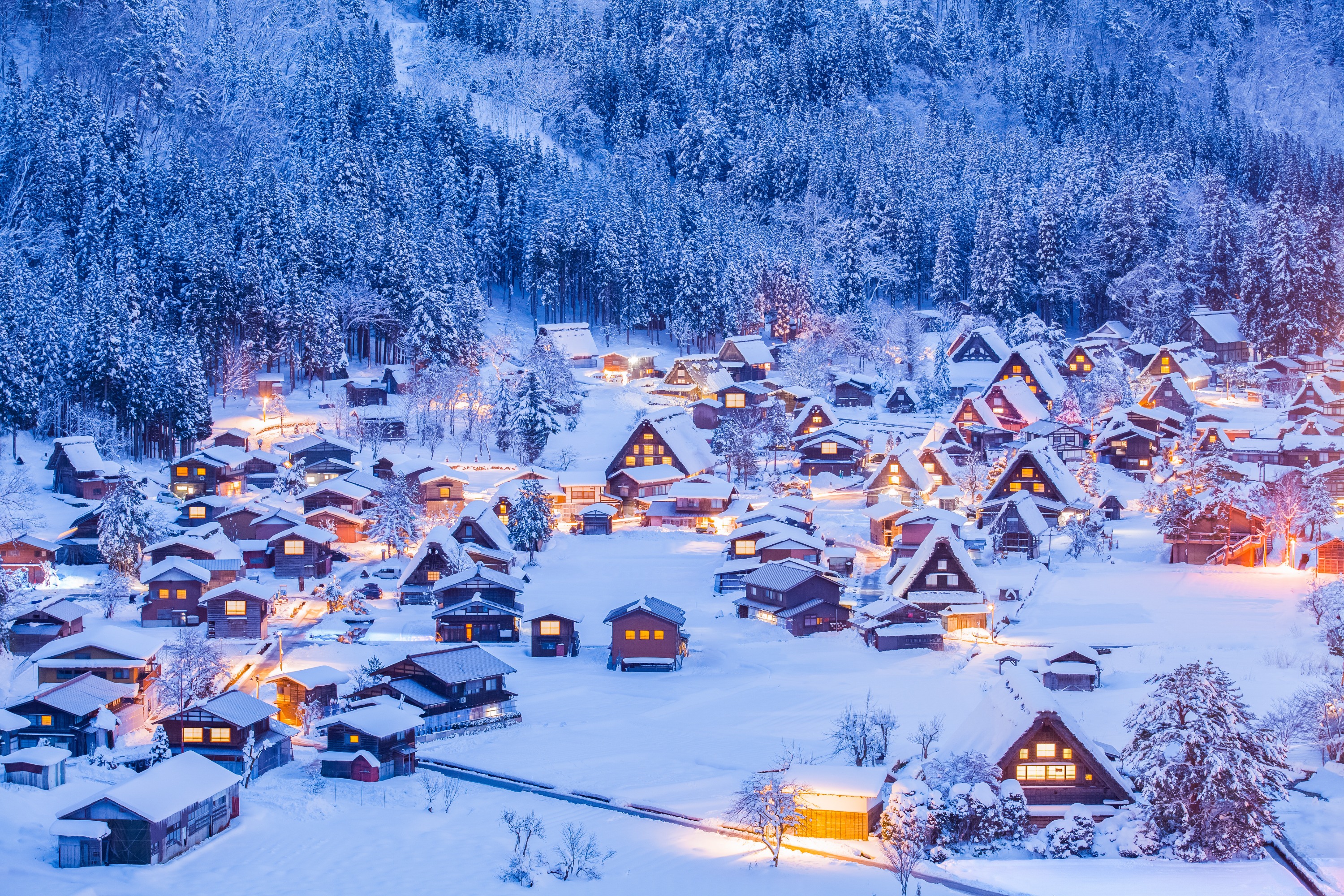
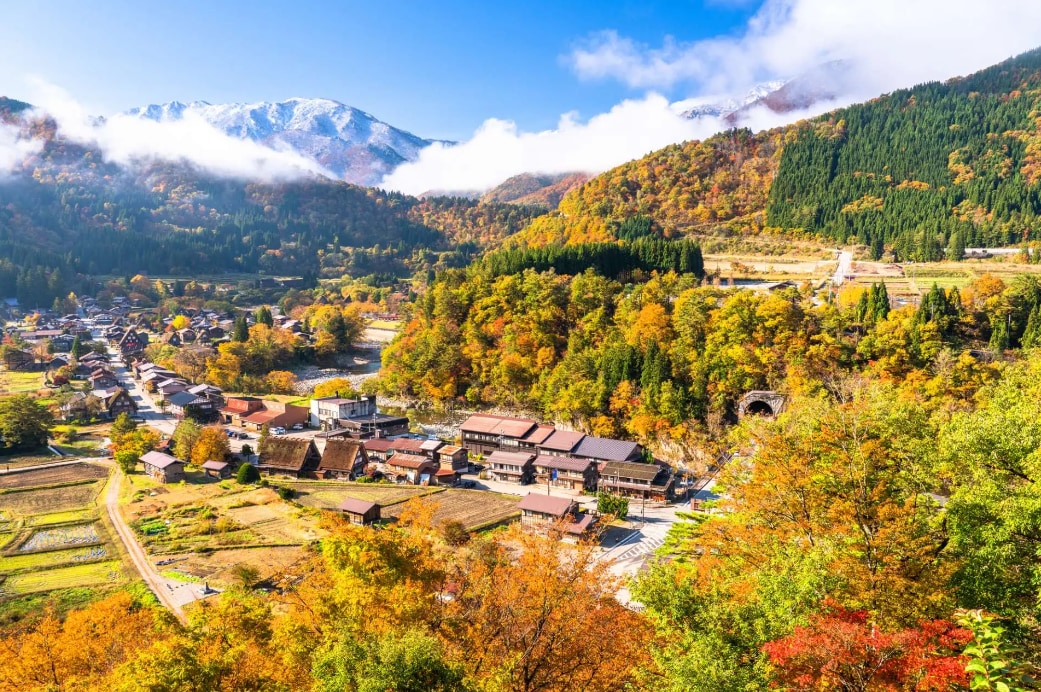
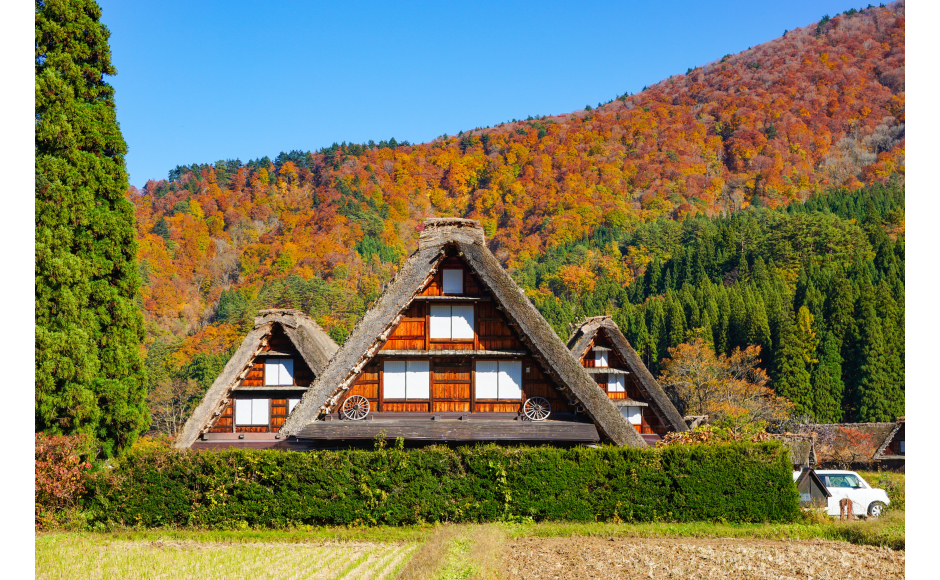
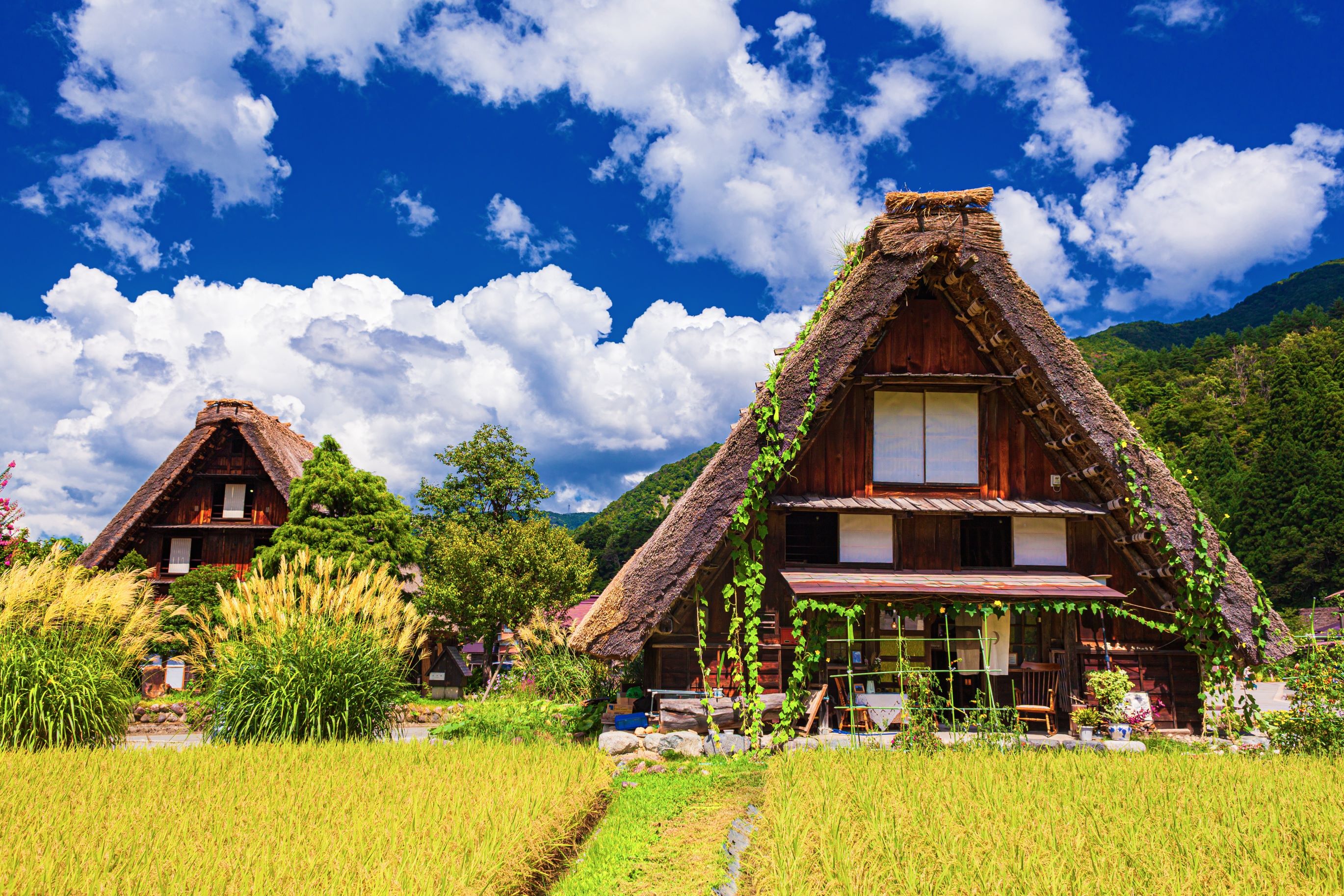
A UNESCO World Heritage site known for its traditional thatched-roof farmhouses and beautiful landscapes. Shirakawa-go offers a unique cultural experience.
Festivals
Nagoya Matsuri • Early October
Atsuta Matsuri • June 5th
Owari Tsukemono Festival • Mid-November
Pro tips
- Use an IC card (e.g., Manaca card) for seamless payments on public transport and at convenience stores.
- Download a navigation app like Google Maps or Japan Travel by Navitime to help you get around the city.
- Try local specialties like Hitsumabushi, Miso Katsu, and Taiwan Ramen for an authentic Nagoya experience.
- Visit major attractions early in the morning or late in the afternoon to avoid crowds and enjoy a more peaceful experience.
- Be mindful of cultural norms and customs, and always follow proper etiquette when visiting religious sites or traditional buildings.
From $25
per person
Price varies by option
Secure booking
Free cancellation available
Instant confirmation