Segovia Royal Palace of La Granja Private Tour
Active
2h
All sales are final. No refund is available for cancellations.
Instant confirmation
Mobile or paper ticket accepted
About this experience
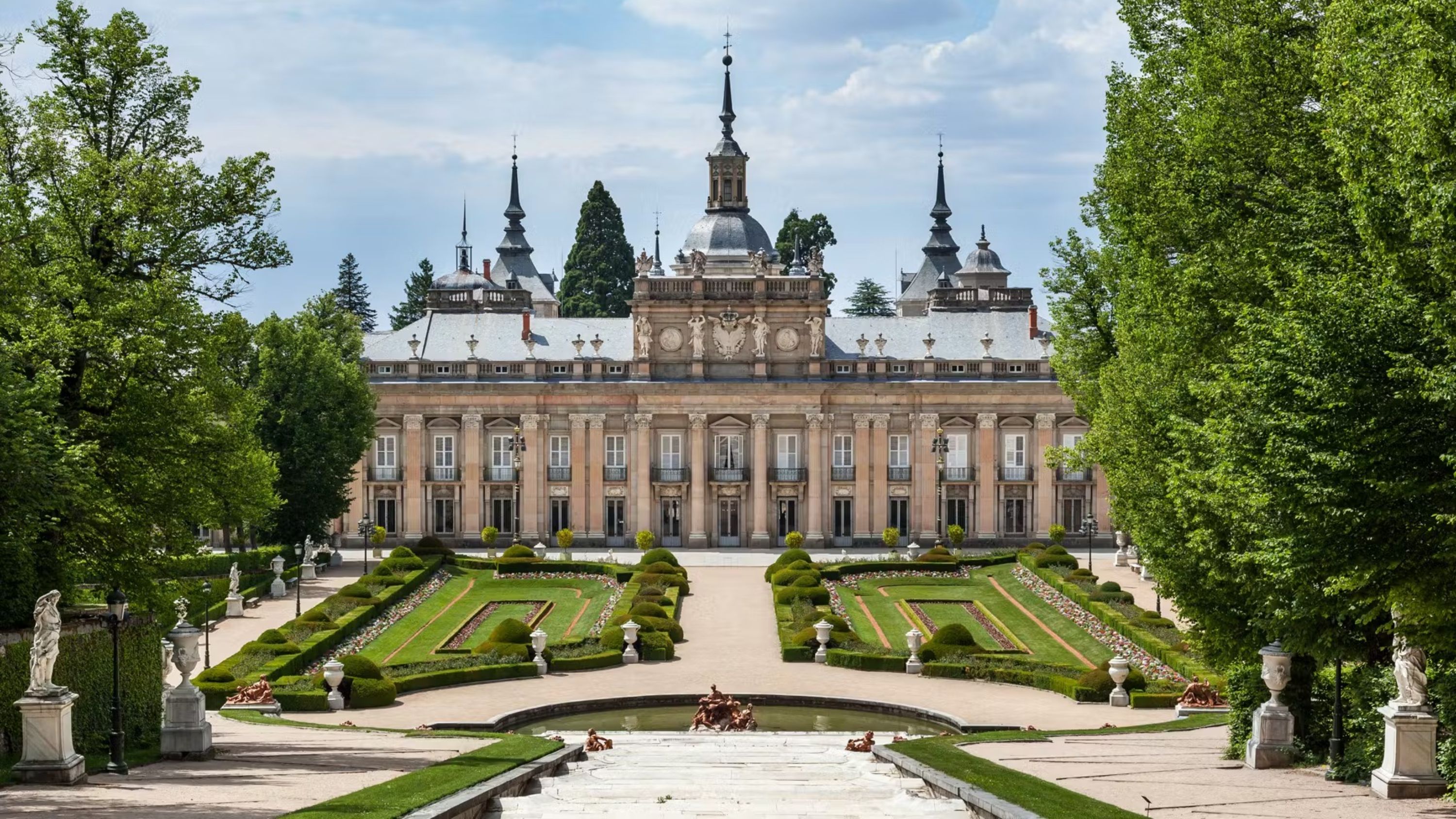
Discover the hidden gem of the Royal Palace Of La Granja Of San Ildefonso, located in the foothills of the picturesque Sierra de Guadarrama mountains. Commissioned by King Philip V, a grandson of the French King Louis XIV, the palace was influenced by the grandeur and splendor of the extraordinary Palace of Versailles. Over the years, the palace which used to serve as a summer haven for Spanish monarchs has now become a charming destination that welcomes visitors to appreciate its rich history and fabulous collections of art, including the Tapestry Museum containing priceless tapestries from the 16thcentury, the meticulously landscaped Baroque-French Gardens featuring numerous unique fountains and curious mythological sculptures, as well as the Royal Palace Museum witnessing significant historical events of royal gatherings, diplomatic negotiations, and the signing of treaties.
Available options
Segovia Royal Palace of La Granja Private Tour
What's included
Official Tour Guide
Detailed itinerary
1
At the start of the tour, explore the Tapestry Museum, located in the former rooms for infants.
The area consists of room after room of tapestries of such detailed work among which the ‘Los Honores’ stands out. The Flemish series created for the coronation of King Charles V is made up of nine allegorical panels: “Fortune”, “Prudence”, “Wisdom”, “Justice”, “Vice”, “Fame”, “Honor”, “Faith”, and “Nobility”. Also of great importance are the series “The Apocalypse”, “The Labors of Hercules”, and “The Fables of Ovid”.
The historical Royal Tapestry Collection dates back to the 16th century. Interestingly, these works of art are placed on slightly inclined walls and exposed to dim light for reservation reasons. The museum also houses stunning 17th-century glass paintings by Luca Giordano.
2
Next, visit The Royal Palace Museum, consisting of the Royal Bedrooms, Portrait Gallery, Room Of Mirrors, and vaulted halls decorated with exquisite ceiling frescoes.
King Philip V and Queen Isabela Farnesio stayed in the Royal Bedrooms in the 18th century. King Philip V, the first Bourbon king of Spain, decided to have his residence decorated in the style that reminded him of his childhood at the Versailles Palace of his grandfather, French King Louis XIV.
The museum also houses a portrait gallery where valuable paintings of Spanish monarchs are on display, which promises to reveal interesting stories about Spanish royals.
Of particular interest is the Room Of Mirrors. The large mirrors there, framed elaborately with gold in the Rococo style, are the first of these dimensions made in the famous Royal Glass Factory nearby. To add to its splendor, the ceiling fresco of the room beautifully depicts the mythological story of “The Rapture of Europe”.
3
Finally, discover the Baroque French Gardens – “little Versailles of Spain”, an ideal spot for leisurely strolls.
These gardens created by a group of famous French artists are the best example in Spain of a formal French-style garden, mainly inspired by that of the Versailles Palace.
The most significant feature of the gardens is the spectacular collection of 26 fountains that span the 360-acre estate, thanks to the abundance of water from the mountains. The jets of the “La Fama” fountain can even raise water above a height of 40 meters! The original hydraulic system is in a good state of preservation, so much so that synchronized water displays can be seen at times.
These wonderful fountains and an array of playful marble statues of mythological gods form the richest sculptural ensemble of their time, each of which seems to tell a unique story, offering to transport visitors to an enchanting faraway land.
What's not included
Entrance fee: Royal Palace of La Granja - 9 € per person
Refreshments
Available languages
Guide guide
EN
ES
Important information
Wheelchair accessible
Infants and small children can ride in a pram or stroller
Public transportation options are available nearby
Transportation options are wheelchair accessible
Suitable for all physical fitness levels
Meeting point
At the entrance of the Royal chapel at La Granja, your tour guide shall be waiting with a Signboard.
About Castile and León
Castile and León is the largest autonomous community in Spain, known for its rich history, medieval architecture, and stunning landscapes. It's home to historic cities, ancient castles, and some of Spain's most renowned wine regions, offering a blend of cultural heritage and natural beauty.
Top Attractions
Burgos Cathedral
A UNESCO World Heritage Site, Burgos Cathedral is a masterpiece of Gothic architecture and one of the most important cathedrals in Spain. It houses the tomb of El Cid, a national hero.
Historical/Architecture
2-3 hours
€10
Las Médulas
A UNESCO World Heritage Site, Las Médulas is an ancient Roman gold mining complex with stunning red-hued landscapes. It's a unique blend of history and natural beauty.
Historical/Nature
Half day to full day
Free
Wine Region of Ribera del Duero
One of Spain's most renowned wine regions, Ribera del Duero is known for its high-quality red wines. Visitors can tour vineyards, taste wines, and learn about the winemaking process.
Cultural
Half day to full day
Varies by winery, €10-30 for tastings
Must-Try Local Dishes
Cochinillo Asado
Roast suckling pig, a traditional dish from Segovia, known for its crispy skin and tender meat.
Main Course
Contains pork
Lechazo Asado
Roast lamb, a specialty of Castile and León, cooked in a wood-fired oven until tender and flavorful.
Main Course
Contains lamb
Queso de Burgos
A semi-hard cheese made from cow's milk, known for its rich and creamy flavor.
Snack
Contains dairy
Popular Activities
Hiking in the Picos de Europa
Horseback riding in rural areas
Wine tasting in Ribera del Duero
Spa treatments in historic spas
Visiting museums and historic sites
Attending festivals and cultural events
Canoeing on the Duero River
Skiing in the Sierra de Gredos
Best Time to Visit
Spring (April to June) and Fall (September to October)
Spring and fall offer pleasant weather, ideal for exploring the region's outdoor attractions and cultural sites. The crowds are moderate, and the landscapes are beautiful with blooming flowers in spring and vibrant foliage in fall.
15-25°C
59-77°F
Practical Information
Language
- Official: Spanish
- Widely spoken: English (in tourist areas)
- English: Moderately spoken in tourist areas, limited in rural areas
Currency
Euro (EUR)
Time Zone
GMT+1 (Central European Time, CET)
Electricity
230VV, 50HzHz
Safety Information
Overall Safety Rating: Generally safe
Castile and León is generally safe for travelers, with low crime rates. However, as with any destination, it's important to be aware of your surroundings and take precautions to protect yourself and your belongings.
Important Precautions:
- • Keep valuables secure and out of sight
- • Be cautious of pickpockets in crowded areas
- • Use licensed taxis or ride-sharing apps
Getting there
By air
- Valladolid Airport • 10 km from city center
- Leon Airport • 6 km from city center
By train
Valladolid-Campo Grande Station, Leon Station
By bus
Valladolid Bus Station, Leon Bus Station, Burgos Bus Station
Getting around
Public transport
Local bus services are the primary means of public transport in cities like Valladolid, Leon, and Burgos. They are affordable and cover most major attractions.
Taxis
Available • Apps: Cabify, Uber (limited availability)
Rentals
Car, Bike, Scooter
Neighborhoods
Old Town of Valladolid
Barrio Húmedo (Leon)
Day trips
Salamanca
100 km from Valladolid • Half day to full day
A beautiful university city with a stunning Plaza Mayor, a historic cathedral, and a rich cultural heritage. Salamanca is known for its golden sandstone buildings and vibrant student life.
Ávila
100 km from Valladolid • Half day to full day
A medieval walled city known for its well-preserved city walls and historic sites. Ávila is a UNESCO World Heritage Site and a great destination for history enthusiasts.
Festivals
Holy Week (Semana Santa) • March or April (dates vary)
Festival de las Artes de Castilla y León • June to September
Pro tips
- Visit the historic cities of Burgos, Valladolid, and Leon for a deep dive into Spanish history and culture.
- Explore the wine regions of Ribera del Duero and Rueda for a taste of some of Spain's finest wines.
- Take a day trip to Salamanca, a beautiful university city with a rich cultural heritage.
- Try the local specialties, such as cochinillo (roast suckling pig) and lechazo (roast lamb).
- Consider staying in a parador, a historic hotel located in castles, monasteries, or other historic buildings.
From $25
per person
Price varies by option
Secure booking
Free cancellation available
Instant confirmation