Discover the authentic wine culture of Rueda
Active
10h
All sales are final. No refund is available for cancellations.
Manual confirmation
Mobile or paper ticket accepted
About this experience
During this experience we will visit two unique ecological wineries with their own vineyards, wine-making facilities and maturation chambers. The first is a complex of historical buildings built and restored between the 15th and 18th centuries in a secluded countryside area amidst some 140 hectares of vines. The second winery has a rustic setting and features a tour of 17th century 12 metre deep subterranean passages where the wine matures in oak barrels.
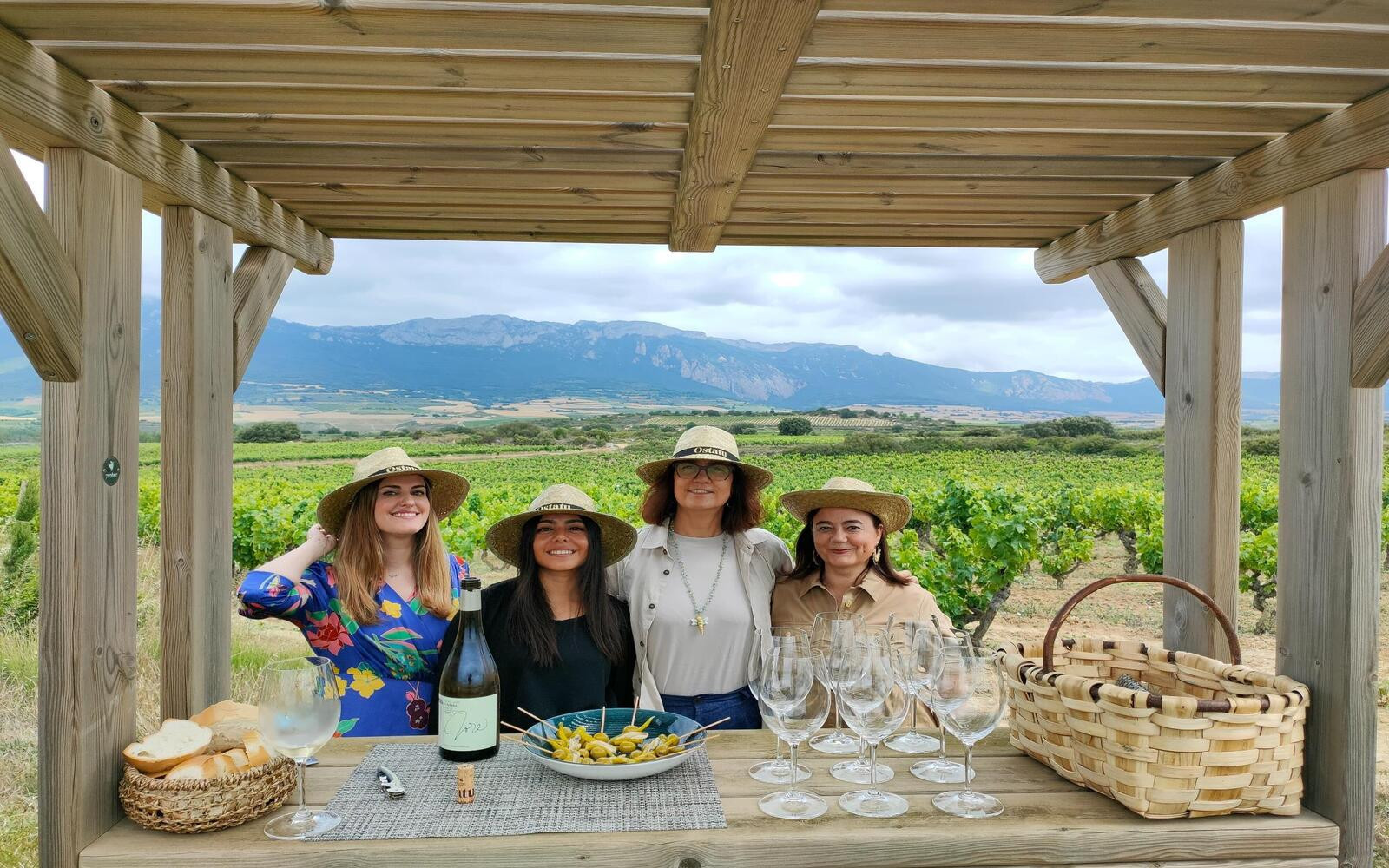
Guests have the opportunity to walk among the vines and learn in detail how grapes are grown and harvested, how the wines are made and what makes the terroir and produce of this region unique.
Our experience is very personal and groups are very small (maximum of 6 guests) and the emphasis is at all times in immersing guests in the authentic local traditions and providing an insight not only into the history of the region but a glimpse of the lives of the local people committed to viniculture in this ancient land of wine elaboration.
Available options
Discover the authentic wine culture of Rueda
What's included
Minimum group size is 4. Please enquire directly for other bespoke options.
All Fees and Taxes
A selection of artisan cheese and cured ham is served during the wine-tasting sessions
3-course Castilian lunch in Michelin or Forbes Guide restaurant, typically including charcoal-grilled pork, steak or chicken, or fish paired with Rueda wine followed by dessert and tea or coffee
Mineral water is provided for each guest during the journey to the vineyards
Air-conditioned vehicle
Tutored tastings of the ecological wines produced at both vineyards we visit is included and local wine is also served with lunch
Detailed itinerary
1
Mid-morning we arrive at our first ecological winery in the province of Valladolid, and explore the tranquil countryside estate with its 15th century chapel, medieval dovecot and monastery buildings where Christopher Columbus lodged to write his memoirs, touring the wine-making facilities and old barrel-ageing warehouse before enjoying a tutored tasting of three aged red wines accompanied by artisan cheese and ham in the old pilgrim's lodge.
2
We continue to the wine village of Rueda, seat of the appellation of Spain's wonderful white verdejo wines, for a three-course traditional Castilian lunch of wood-fire barbecued and roasted meats and accompaniments (with fish and vegetarian options available) paired with wine from the vines of the delightful surrounding vineyards.
3
After coffee, we take a walk among the nearby vines, learning about the lifecycle of the grape and the characteristics of this ancient wine region en route to the 18th century mansion house of our second winery, where we visit the winemaking facilities, learn the rudiments of the winemaking process and then descend to the underground wine tunnels to see how innovative modern techniques are fused to traditional methods to produce wines of outstanding character, and then return to the mansion house to conclude with a tutored tasting of three biodynamic white and rosado wines of excellence paired with local cured cheese.
Available languages
Guide guide
EN
ES
Reviews breakdown
Tripadvisor
5.0
7 reviews
5★
7
4★
0
3★
0
2★
0
1★
0
Important information
Public transportation options are available nearby
Not recommended for pregnant travelers
Not recommended for travelers with poor cardiovascular health
Suitable for all physical fitness levels
Meeting point
By the statue of the architects on Plaza de Poeta Iglesias just outside the Plaza Mayor
About Salamanca
Salamanca is a historic city in western Spain, renowned for its stunning Renaissance and Baroque architecture. The city is home to one of the oldest and most prestigious universities in the world, the University of Salamanca, which adds a vibrant youthful energy to the historic setting. Its well-preserved old town, rich cultural heritage, and lively student population make it a unique and appealing destination.
Top Attractions
Plaza Mayor
One of the most beautiful plazas in Spain, Plaza Mayor is a stunning example of Baroque architecture. It is the heart of the city and a popular gathering spot for both locals and tourists.
Historical/Architecture
1-2 hours
Free
University of Salamanca
Founded in 1218, the University of Salamanca is one of the oldest universities in the world. Its stunning Plaza Mayor and historic buildings make it a must-visit.
Historical/Educational
1-2 hours
Free to explore the campus, €10 for guided tours
New Cathedral of Salamanca
This stunning Gothic and Baroque cathedral is a masterpiece of Spanish architecture. It is one of the most visited landmarks in Salamanca.
Religious/Architecture
1-2 hours
€5 for the cathedral, €10 for the bell tower
Old Cathedral of Salamanca
The Old Cathedral is a beautiful example of Romanesque architecture and is attached to the New Cathedral. It is a must-visit for history and architecture enthusiasts.
Religious/Historical
1 hour
€5 (combined ticket with New Cathedral)
Casa Lis (Art Nouveau and Art Deco Museum)
This museum houses one of the most important collections of Art Nouveau and Art Deco objects in Spain. The building itself is a work of art, with a stunning glass and iron facade.
Museum/Art
1-2 hours
€6
Convento de San Esteban
This Dominican convent is a stunning example of Plateresque architecture. The convent's church is particularly impressive, with its beautiful cloister and historic artifacts.
Religious/Historical
1 hour
Free (donations welcome)
Must-Try Local Dishes
Cochinillo Asado (Roast Suckling Pig)
A traditional dish of roasted suckling pig, known for its crispy skin and tender meat. It is a staple of Castilian cuisine.
Main Course
Contains pork
Lechazo Asado (Roast Lamb)
Another traditional dish, this roasted lamb is slow-cooked to perfection and is a must-try for meat lovers.
Main Course
Contains lamb
Hornazo
A traditional pastry filled with meat, often enjoyed during the Holy Week. It is a savory treat that is unique to Salamanca.
Snack
Contains meat
Tarta de Almendra (Almond Cake)
A delicious almond cake that is a popular dessert in Salamanca. It is often enjoyed with coffee or tea.
Dessert
Contains nuts
Popular Activities
Hiking in the surrounding countryside
Cycling tours
Strolling through the Old Town
Enjoying a coffee at a local cafe
Visiting museums and historic sites
Attending local festivals and events
Visiting during the Christmas season for festive markets and decorations
Exploring the historic university and its traditions
Best Time to Visit
May to October
The best time to visit Salamanca is during the warmer months when the weather is pleasant and ideal for exploring the city's outdoor attractions. This period also coincides with various festivals and events.
15°C to 30°C
59°F to 86°F
Practical Information
Language
- Official: Spanish
- Widely spoken: English (among younger people and in tourist areas)
- English: Moderately spoken
Currency
Euro (EUR)
Time Zone
GMT+1 (CET), GMT+2 (CEST during daylight saving time)
Electricity
230VV, 50HzHz
Safety Information
Overall Safety Rating: Generally safe
Salamanca is generally a safe city with low crime rates. However, as with any tourist destination, it's important to be aware of your surroundings and take precautions to protect your belongings.
Important Precautions:
- • Keep valuables secure and out of sight
- • Be cautious of pickpockets in crowded areas
- • Use licensed taxis and agree on a fare before starting your journey
Getting there
By air
- Salamanca Airport • 15 km from city center
- Madrid-Barajas Airport • 200 km from Salamanca
By train
Salamanca Station
By bus
Salamanca Bus Station
Getting around
Public transport
The bus network covers the entire city and is efficient and affordable. Buses are a convenient way to get around, especially for reaching areas outside the city center.
Taxis
Available • Apps: Cabify
Rentals
Car, Bike, Scooter
Neighborhoods
Casco Antiguo (Old Town)
Barrio del Oeste
Barrio del Este
Day trips
Ávila
100 km • Full day
Ávila is a beautifully preserved medieval city known for its stunning walls and historic architecture. It is a UNESCO World Heritage Site and offers a glimpse into Spain's rich history.
Segovia
120 km • Full day
Segovia is another UNESCO World Heritage Site, known for its stunning Roman aqueduct, medieval castle, and beautiful cathedral. It is a must-visit for history and architecture enthusiasts.
Ciudad Rodrigo
80 km • Half day
Ciudad Rodrigo is a charming medieval town with well-preserved walls and a rich history. It is a great place to explore the local culture and enjoy the scenic countryside.
Festivals
Semana Santa (Holy Week) • March or April (dates vary)
Festival de las Artes de Castilla y León (FACYL) • June to September
Fiestas de San Juan y San Pedro • June 23-29
Pro tips
- Visit the University of Salamanca to see the famous frog carved into the facade, a symbol of good luck for students taking exams
- Try the local specialties, such as cochinillo (roast suckling pig) and lechazo (roast lamb), at traditional restaurants like Mesón de Gonzalo
- Explore the city's historic sites, such as the New Cathedral and the Old Cathedral, and climb the bell tower for panoramic views of the city
- Stroll through the Huerto de Calixto y Melibea, a beautiful garden offering panoramic views of the city and a romantic atmosphere
- Attend a traditional bullfight (if available) or a flamenco show to experience the local culture and entertainment
From $25
per person
Price varies by option
Secure booking
Free cancellation available