Okinawa Shuri Castle Peace Walking Tour
Active
4h
For a full refund, cancel at least 24 hours before the scheduled departure time.
Instant confirmation
Mobile or paper ticket accepted
About this experience
Join a tour by MagicalTrip, proud winner of the Tripadvisor Best of the Best Award. Each experience is led by a MagicalTrip Certified Guide, professionally trained and carefully selected to ensure quality and authenticity.
Explore Shurijo Castle, sacred sites, and cobbled streets with a local guide, then enjoy Okinawa soba in a Ryukyu-style setting—history, culture, and flavor in one tour!
Available options
Okinawa Shuri Castle Peace Walking Tour
What's included
Photos during the tour
Admission Fee -Tamaudun Mausoleum entrance fee included
A Certified guide by MagicalTrip
All parts of the itinerary are guided by a local guide who speaks English.
Admission Fee- Shurijo Castle entrance fee included
Enjoy a satisfying lunch by choosing from a variety of traditional Okinawan dishes on the menu.
Detailed itinerary
1
Meeting Place: In front of Shuri Textile Museum Suikara
2
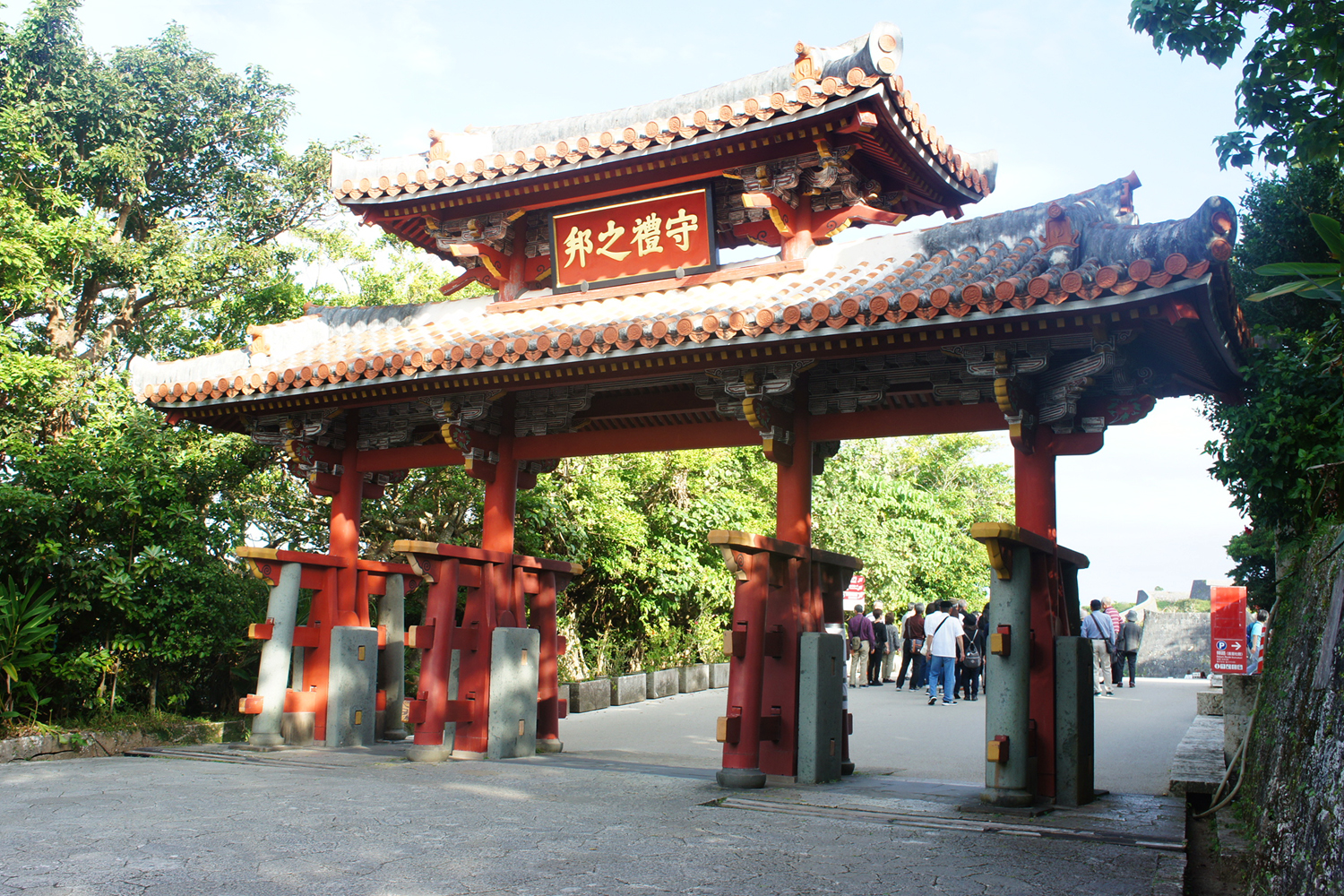
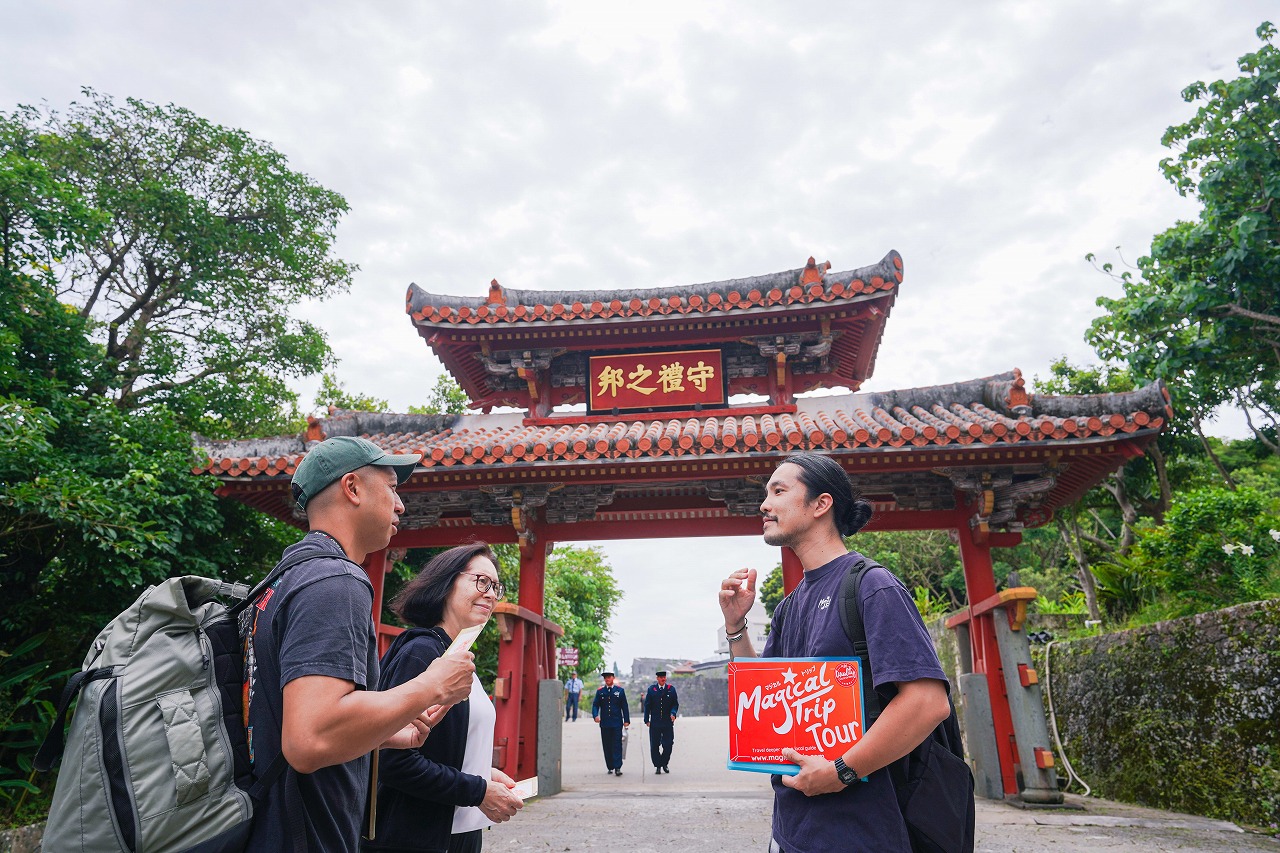
Shureimon Gate – Iconic gate at the entrance of Shurijo Castle
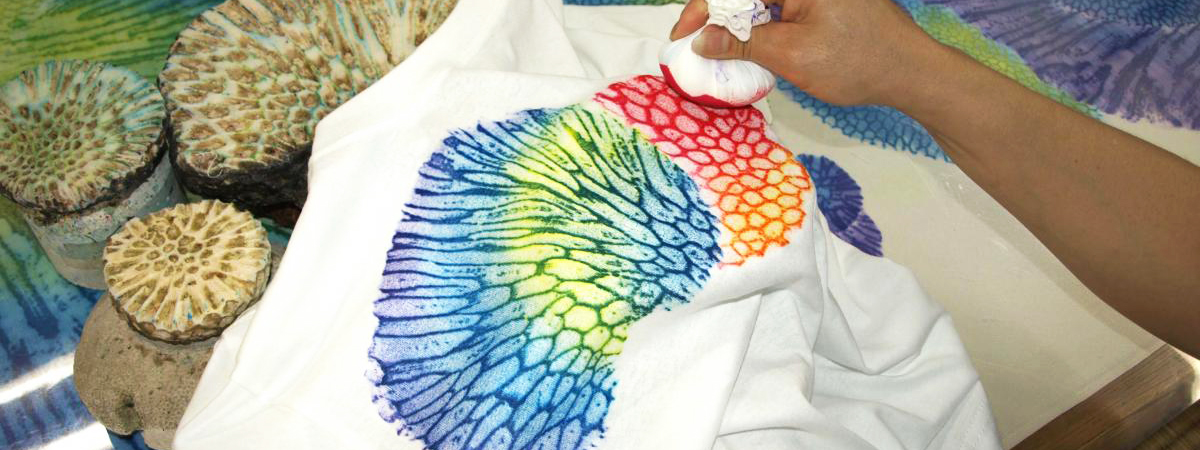
Your journey begins with a warm welcome from your friendly local guide in front of a Bingata dyeing studio, just a short walk from Shuri Monorail Station. Nestled in a quiet residential area, this spot sets the tone for a culturally rich experience ahead.
3
Shurikinjo Stone-Paved Path – Historic cobblestone street through the old town
From there, you’ll stroll through charming streets filled with history and character, making your way toward the once-flourishing royal capital of the Ryukyu Kingdom. Soon, the iconic Shurijo Castle comes into view. Inside the castle grounds, vivid architecture and informative exhibits will guide you through the legacy of Ryukyuan politics, diplomacy, and culture.
4
Tamaudun Mausoleum – Royal tomb of the Ryukyu Kingdom
You'll explore the solemn beauty of Tamaudun, a UNESCO World Heritage Site and royal mausoleum that offers deep insights into the beliefs and lineage of the Ryukyu kings. As you walk along the timeless cobblestone paths of Kinjo Town, you'll feel transported back in time
5
Great Akagi Tree & Utaki Shrine (Kinjo area) – Sacred site with a WWII-surviving tree
Along the way, stop to admire the resilient Akagi tree, a silent witness to Okinawa’s wartime past. This part of the tour blends serenity with powerful historical reflection, inviting you to experience Okinawa beyond its surface.
6
Lunch at Sui-Dunchi – Traditional Okinawan cuisine in a historic-style restaurant
Wrap up your journey with a relaxing lunch at a traditional restaurant that feels like stepping into a Ryukyuan home. Choose from a variety of authentic Okinawan dishes, including classic soba and other local favorites, all served in a serene setting inspired by the Ryukyu era.
7
Visit to a small local museum next to the restaurant – Learn more about Okinawa's history
After your meal, visit a quaint adjacent museum showcasing vintage household items and an impressive collection of Awamori, Okinawa’s signature spirit. It’s the perfect way to savor the essence of the island—both culturally and culinarily.
Available languages
Guide guide
EN
Reviews breakdown
Viator
5.0
2 reviews
5★
2
4★
0
3★
0
2★
0
1★
0
Tripadvisor
4.9
9 reviews
5★
8
4★
1
3★
0
2★
0
1★
0
Important information
Public transportation options are available nearby
Suitable for all physical fitness levels
Since most Japanese restaurants are not fully equipped to offer vegetarian menus, vegetarian options on our tour are limited.
Please inform us at least one day before the tour if you have any dietary requests or allergies.
We are unable to accommodate gluten-free requests for this tour.
You do not need to pay for the guide's food and drinks
This tour is not recommended for individuals with mobility issues since there are heavy uphills.
Please note that we cannot guarantee allergy-free meals or accommodate dietary restrictions, as the food is prepared in kitchens that are not operated by MagicalTrip.
Okinawa's climate has become more extreme, with summer temperatures reaching up to 40°C (110°F) and winter lows dropping to -5°C (20°F). Please dress appropriately for the weather.
Out of respect for all guests and to ensure the best experience for everyone, the tour will start on time.
If you arrive more than 15 minutes late (10 minutes before the tour start time), you will not be able to join the tour, receive a refund, or reschedule.
Meeting point
Shuri Textile Museum Suikara
In front of Shuri Textile Museum Suikara
Our guide will be holding a red/orange sign saying "Magical Trip"
About 10-minute walk from Shuri Station (Yui Rail)
About Naha
Naha is the capital of Okinawa Prefecture, offering a vibrant blend of traditional Ryukyu culture and modern urban life. Known for its historic sites, bustling markets, and beautiful beaches, Naha is a gateway to the rich heritage and natural beauty of Okinawa.
Top Attractions
Shuri Castle
Shuri Castle is a UNESCO World Heritage Site and a former royal palace of the Ryukyu Kingdom. It offers a glimpse into Okinawa's rich history and culture.
Historical
2-3 hours
¥820
Makishi Public Market
A bustling market offering fresh seafood, local produce, and traditional Okinawan snacks. It's a great place to experience the local culture and cuisine.
Market
1-2 hours
Free entry, food and souvenirs vary
Kokusai Street
A vibrant street lined with shops, restaurants, and bars. It's a popular spot for shopping, dining, and nightlife.
Shopping
2-3 hours
Varies by shop and restaurant
Peace Memorial Park
A park dedicated to the memory of the Battle of Okinawa in World War II. It features museums, monuments, and gardens.
Historical
2-3 hours
Free (museums may have entry fees)
Tsuboya Pottery District
A historic district known for its traditional pottery and ceramics. Visitors can watch artisans at work and purchase unique souvenirs.
Cultural
1-2 hours
Free to explore, purchases vary
Must-Try Local Dishes
Goya Champuru
A stir-fry dish made with bitter melon (goya), tofu, and various ingredients like pork, eggs, and vegetables.
Dish
Vegetarian options available (without pork).
Okinawa Soba
A noodle dish made with wheat noodles in a rich pork broth, topped with pork and pickled ginger.
Dish
Contains pork, vegetarian options may be limited.
Rafute
Slow-cooked pork belly, tender and flavorful, often served in a sweet soy-based sauce.
Dish
Contains pork.
Sata Andagi
Deep-fried dough balls, similar to donuts, often served with tea or coffee.
Dessert
Vegetarian (check for animal fat in frying oil).
Popular Activities
Hiking
Scuba diving
Snorkeling
Surfing
Beach lounging
Spa treatments
Yoga
Meditation
Best Time to Visit
November to April
The best time to visit Naha is during the cooler, drier months. The weather is pleasant, and there are fewer tourists, making it ideal for exploring the city's attractions and enjoying outdoor activities.
15-25°C
59-77°F
Practical Information
Language
- Official: Japanese
- Widely spoken: English (limited), Okinawan (limited)
- English: Limited
Currency
Japanese Yen (JPY)
Time Zone
GMT+9
Electricity
100VV, 50/60HzHz
Safety Information
Overall Safety Rating: Generally safe
Naha is generally safe for travelers, with low crime rates and a welcoming atmosphere. However, as with any destination, it's important to be aware of your surroundings and take necessary precautions.
Important Precautions:
- • Keep valuables secure and be aware of your surroundings in crowded areas.
- • Use licensed taxis and agree on the fare before starting your journey.
- • Be cautious of strangers offering unsolicited help or services.
Getting there
By air
- Naha Airport • 3.5 km from city center
By bus
Naha Bus Terminal, Makishi Public Market Bus Stop
Getting around
Public transport
The monorail is efficient, clean, and easy to use, with stations located throughout the city.
Taxis
Available • Apps: JapanTaxi, DiDi
Rentals
Car, Bike, Scooter
Neighborhoods
Kokusai Street
Makishi
Shuri
Tomari
Day trips
Okinawa World
15 km from Naha • Half day to full day
A cultural theme park featuring the Gyokusendo Cave, a traditional Ryukyu village, and a museum showcasing Okinawan history and culture.
Churaumi Aquarium
60 km from Naha • Full day
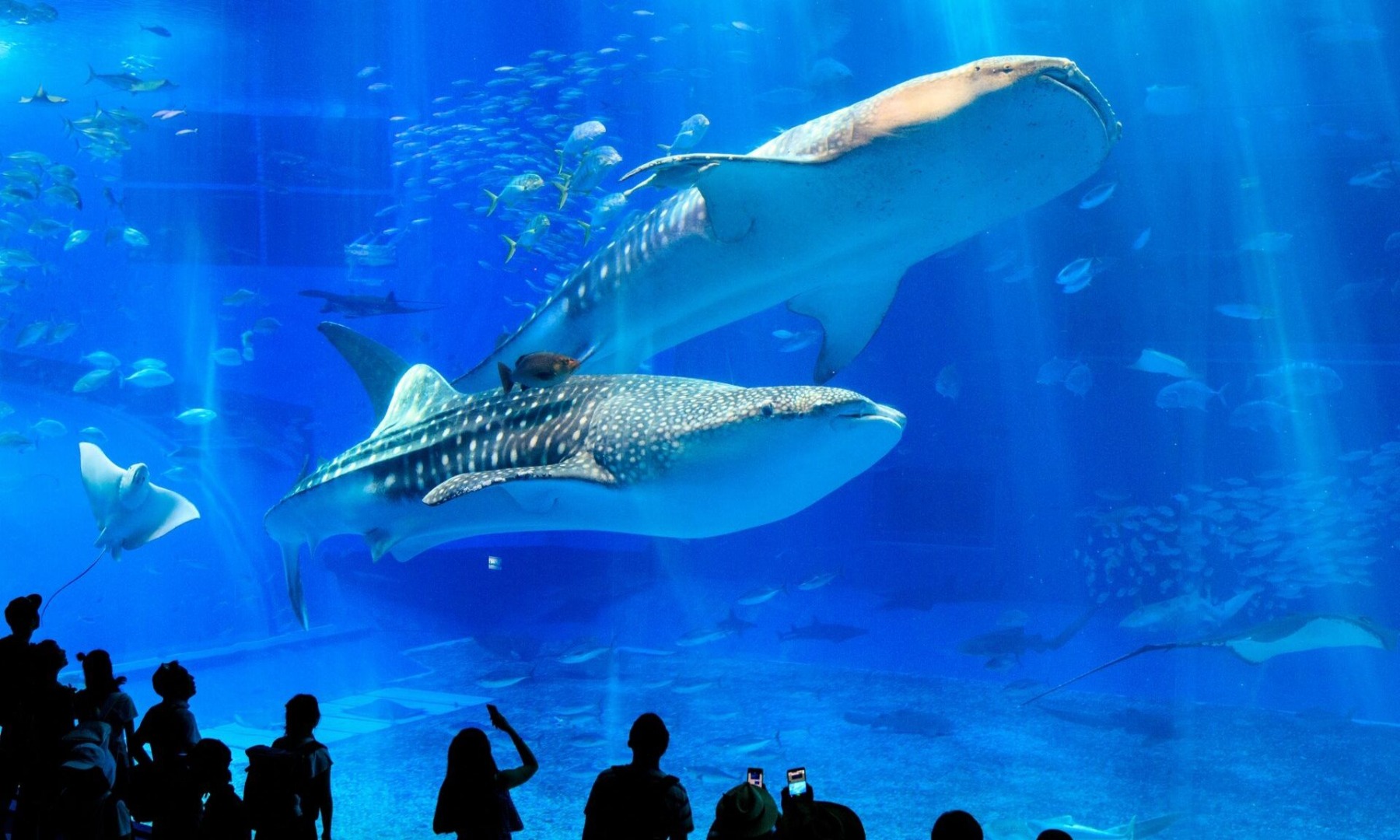
One of the largest aquariums in the world, featuring a massive Kuroshio Tank with whale sharks, dolphins, and a variety of marine life.
Shurijo Castle Park
2 km from Naha • Half day
A UNESCO World Heritage Site and the former royal palace of the Ryukyu Kingdom. The park features restored castle buildings, historical exhibits, and panoramic views of Naha.
Festivals
Naha Great Tug-of-War • Third Sunday of October
Shurijo Castle Festival • Late October to early November
Naha Matsuri • Late September to early October
Pro tips
- Learn a few basic Japanese phrases to enhance your travel experience and show respect for the local culture.
- Use IC cards for convenient and discounted public transport fares.
- Visit local markets and street food vendors for an authentic and affordable dining experience.
- Explore the city on foot or by bicycle to discover hidden gems and local neighborhoods.
- Check for seasonal events and festivals to make the most of your visit to Naha.
From $25
per person
Price varies by option
Secure booking
Free cancellation available
Instant confirmation




![[Okinawa South Day Tour] Gyokusendo Cave & Ryukyu Kingdom Village - Senaga Island - Sea Grape Picking - Itoman Fish Market - Cape Chinen - All-You-Can-Eat Yakiniku | Departure from Naha](https://res.klook.com/image/upload/activities/l2jlptnxp777guvdjsm5.jpg)
![[Okinawa North Tour] Okinawa Churaumi Aquarium, Kouri Island, Cape Manza, American Village Day Trip from Naha | Popular Spots in One Trip](https://res.klook.com/image/upload/activities/jbuxqn2yfj8dfi2eorlm.jpg)