Casco Viejo Insight Tour with Expert Panama Travel Consulting
Active
2h - 3h
For a full refund, cancel at least 24 hours before the scheduled departure time.
Instant confirmation
Mobile or paper ticket accepted
About this experience
Discover Casco Viejo with a guided walking tour that blends history, culture, and local insight followed by a personalized travel-planning session to help you explore the rest of Panama with confidence. As we walk through the old quarter, you’ll visit key landmarks such as Plaza Tomás Herrera, Iglesia de San José, the Jesuit ruins, the Catedral Basílica, Plaza Simón Bolívar, and the scenic Paseo Esteban Huertas, known as the best spot in Panama for souvenirs. Along the way, you’ll learn about colonial life, pirate attacks, independence stories, and the evolution of this magic place.
We finish at Café Durán, where you’ll enjoy a coffee while receiving expert, personalized advice for your upcoming days in Panama. Ask anything best beaches, hotels, restaurants, routes, hidden gems, or activities across all provinces. With more than 18 years of experience, your guide will help you shape a clear, customized itinerary so you can explore Panama on your own with trusted local recommendations.
Available options
Casco Viejo Insight Tour with Expert Panama Travel Consulting
Pickup included
What's included
Private transportation
Bottled water
Coffee and/or Tea
Detailed itinerary
1
During this stop, you’ll discover the story behind one of Casco Viejo’s most iconic open squares. We’ll talk about Tomás Herrera, a key figure in Panama’s independence movements—recognized for his leadership as a military officer, his role in the sovereignty struggles of the 19th century, and his contribution to the early political organization of the country.
As we pause here, you’ll learn how the plaza evolved through time, from a colonial-era space to the vibrant social and architectural landmark it is today, surrounded by restored buildings, cafés, and historic facades. It's a perfect moment to connect Panama’s past with the lively energy of modern Casco Viejo.
2
Iglesia de San José
During this stop, we’ll visit one of Casco Viejo’s most emblematic churches, famous for its legendary Golden Altar. Here, you’ll learn the story of how this baroque altar was saved from the pirate Henry Morgan in the 17th century—thanks to the ingenuity of local monks who hid it and later moved it to this church after the founding of Casco Viejo.
We’ll also talk briefly about the church’s role in the religious life of colonial Panama and how it has remained a symbol of resilience, faith, and architectural heritage through the centuries. This stop offers a moment to appreciate both history and craftsmanship at the heart of the old quarter.
3
Iglesia de la Compañía de Jesús
At this stop, we explore the impressive stone ruins of the former Jesuit church and college, once one of the most important educational centers in colonial Panama. Built in the 17th century by the Jesuit order, the complex showcased advanced architecture for its time, reflecting the influence and prestige the Jesuits held in the region.
Here, you’ll learn about the order’s contributions to education and science, as well as the events that led to the church’s decline—first with the expulsion of the Jesuits in 1767 and later with fires and earthquakes that left it in ruins. Today, its towering arches and open-air structure stand as a powerful reminder of Panama’s colonial past and the enduring legacy of the Jesuits.
4
Stop 4
Catedral Basílica Santa María La Antigua
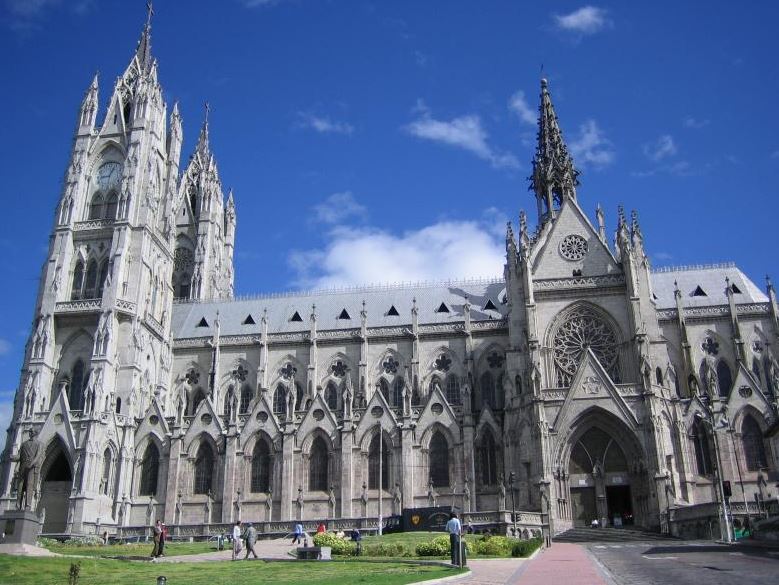
During this stop, we visit the crown jewel of Casco Viejo: Panama’s main cathedral and one of its most important historical landmarks. Completed in the 18th century after more than 100 years of construction, the cathedral stands out with its elegant stone façade and iconic white bell towers adorned with mother-of-pearl from the Pearl Islands.
Here, you’ll learn about its role in Panama’s religious and cultural history, its connection to the move from Old Panama to Casco Viejo, and the major restoration efforts that brought it back to its former splendor in recent years. This stop offers a moment to appreciate the grandeur, craftsmanship, and spiritual significance of the country’s most emblematic church.
5
During this stop, we explore the historic ruins of the Iglesia y Convento de Santo Domingo, one of the most important architectural sites in Casco Viejo. Built in the 17th century, the complex once housed Dominican friars and served as a center of religious and academic activity in colonial Panama.
Here, you’ll discover the story behind the iconic Arco Chato, a remarkably flat arch that stood for centuries without collapsing—becoming a key argument in the 19th century to prove Panama’s seismic stability during the debates over where to build the Panama Canal.
As we walk through the stone corridors and open-air remains, you’ll gain insight into the church’s historical significance, the Dominican order’s influence, and how this remarkable ruin became one of the most photographed landmarks in Casco Viejo.
6
During this stop, we take a moment at Plaza Carlos V, a charming and lesser-known corner of Casco Viejo that blends colonial heritage with everyday local life. Named after King Charles V of Spain, under whose reign the Spanish Empire expanded significantly in the Americas, the plaza preserves the atmosphere of early colonial urban design.
Here, you’ll learn about the historical connection between Panama and the Spanish Crown, the architectural evolution of the surrounding buildings, and how this quiet square once served as an important point of movement within the old quarter. Today, its peaceful setting offers a perfect glimpse into the more authentic and residential side of Casco Viejo.
7
During this stop, we walk along one of Casco Viejo’s most scenic promenades, named after General Esteban Huertas, a key figure in Panama’s separation from Colombia in 1903. This elegant walkway, lined with arches and overlooking the Pacific coastline, was once part of the old defensive walls protecting the city.
Here, you’ll learn about Huertas’ decisive role in securing Panama’s independence and how this historic corridor evolved from a military fortification into one of the most picturesque viewpoints in the old quarter. The area is also known as one of the best places in all of Panama to buy souvenirs, offering a wide variety of locally crafted items, traditional art, and unique gifts.
With its combination of history, ocean views, and vibrant artisan stands, this stop offers the perfect moment to experience the cultural richness of Panama.
8
During this stop, we explore one of Casco Viejo’s most symbolic landmarks, dedicated to honoring the French engineers, workers, and visionaries who led the first attempt to build the Panama Canal in the late 19th century. The plaza features elegant monuments, sculptures, and historical inscriptions that recount the ambition, challenges, and sacrifices of this monumental project.
Here, you’ll learn about the French connection to Panama’s canal history, including the role of Ferdinand de Lesseps—builder of the Suez Canal—and the medical and engineering difficulties that ultimately halted the French effort. Surrounded by views of the coastline and the old defensive walls known as Las Bóvedas, this stop offers a powerful blend of history, architecture, and scenic beauty.
9
During this section of the tour, we walk past the beautifully restored Teatro Nacional, one of Panama’s most important cultural landmarks, before arriving at the Iglesia de San Francisco de Asís—a striking neoclassical church known for its elegant façade and its long-standing presence in Casco Viejo.
We then stop at the charming Plaza Simón Bolívar, a lively square filled with cafés, outdoor terraces, and historical architecture. Here, you’ll learn about the church’s significance in the spiritual life of colonial Panama and discover the story of Simón Bolívar, the South American liberator whose dream of a united Latin America left a lasting mark on the region.
This stop offers the perfect blend of architecture, history, and local atmosphere, giving you a deeper appreciation of Casco Viejo’s cultural heart.
10
To finish the experience, we return to Café Durán, one of Panama’s most iconic coffee spots. Here, we’ll sit down to enjoy a freshly brewed Panamanian coffee while we begin a personalized planning session for the rest of your trip.
During this time, you’re welcome to ask any questions about traveling through Panama—whether you’re wondering about the best beaches, the safest routes, top-rated hotels, unique restaurants, or must-do activities in each province. Your guide will help you build a precise, customized itinerary, offering expert recommendations based on more than 18 years of experience in the country’s tourism and hospitality sector.
This final stop is designed to give you clarity, confidence, and insider knowledge so you can explore Panama at your own pace with the best possible guidance.
What's not included
Breakfast
Lunch
Dinner
Available languages
Guide guide
EN
ES
Reviews breakdown
Tripadvisor
5.0
2 reviews
5★
2
4★
0
3★
0
2★
0
1★
0
Important information
Wheelchair accessible
Service animals allowed
Public transportation options are available nearby
Not recommended for pregnant travelers
Suitable for all physical fitness levels
Important notes
Your guide will contact you 24 hours before your reservation to confirm all details. You may present your ticket via WhatsApp before the tour begins or on the same day of the activity
About Panama City
Panama City, the capital and largest city of Panama, is a vibrant metropolis where modern skyscrapers meet historic colonial architecture. Situated at the Pacific entrance of the Panama Canal, it offers a unique blend of urban sophistication and tropical charm, making it a compelling destination for travelers.
Top Attractions
Panama Canal
One of the most significant engineering feats in history, the Panama Canal connects the Atlantic and Pacific Oceans.
Historical
Half-day to full day
Free to visit locks, tours vary
Casco Viejo
The historic district of Panama City, Casco Viejo is a UNESCO World Heritage site with colonial architecture, vibrant nightlife, and cultural landmarks.
Historical
Half-day to full day
Free to explore, entry fees for museums
Biomuseo
Designed by Frank Gehry, the Biomuseo explores the biodiversity and natural history of Panama.
Museum
2-3 hours
Moderate
Ancon Hill
A popular hiking spot offering panoramic views of the city and the Panama Canal.
Nature
1-2 hours
Free
Panama Viejo
The ruins of the original Panama City, founded in 1519, offering a glimpse into the city's colonial past.
Historical
1-2 hours
Free to explore, entry fee for museum
Must-Try Local Dishes
Sancocho
A hearty chicken and root vegetable soup, often served with rice and corn.
Soup
Contains meat, can be made vegetarian
Ceviche
Fresh raw fish marinated in lime juice, mixed with onions, peppers, and cilantro.
Appetizer
Contains seafood, can be made with various types of fish
Ropa Vieja
Shredded beef stew with vegetables, served with rice and beans.
Main Course
Contains meat
Hojaldres
Fried dough pastries, often served with cheese or jam.
Snack
Vegetarian
Popular Activities
Hiking in Soberanía National Park
Kayaking in the San Blas Islands
Beach day at Playa Blanca
Spa day in a luxury hotel
Exploring Casco Viejo
Visiting the Biomuseo
Snorkeling in the San Blas Islands
Boat tours through the Panama Canal
Best Time to Visit
December to April
This is the dry season with sunny days and minimal rainfall, ideal for outdoor activities and sightseeing.
24°C to 32°C
75°F to 90°F
Practical Information
Language
- Official: Spanish
- Widely spoken: English
- English: Moderately spoken
Currency
Panamanian Balboa (PAB)
Time Zone
GMT-5
Electricity
110VV, 60HzHz
Safety Information
Overall Safety Rating: Generally safe
Panama City is generally safe for tourists, but petty crime and pickpocketing can occur in crowded areas. Exercise caution and be aware of your surroundings.
Important Precautions:
- • Keep valuables secure
- • Use official taxis or ride-sharing apps
- • Be cautious in crowded areas
Getting there
By air
- Tocumen International Airport • 24 km (15 miles) from city center
By bus
Albrook Terminal, Panama Viejo Terminal
Getting around
Public transport
Modern, efficient, and air-conditioned. A convenient way to travel within the city.
Taxis
Available • Apps: Uber, Didi
Rentals
Car, Bike, Scooter
Neighborhoods
Casco Viejo
El Cangrejo
Bella Vista
San Francisco
Day trips
San Blas Islands
300 km (186 miles) from Panama City • Full day to overnight
A group of islands known for their pristine beaches, crystal-clear waters, and Guna Yala culture.
El Valle de Antón
80 km (50 miles) from Panama City • Full day
A picturesque mountain town surrounded by lush forests and waterfalls.
Soberanía National Park
30 km (19 miles) from Panama City • Half day to full day
A lush rainforest offering a variety of wildlife and hiking trails.
Festivals
Panama Carnival • February (4 days before Ash Wednesday)
Panama Jazz Festival • January
Festival de las Mil Polleras • July
Pro tips
- Visit the Panama Canal early in the morning to see ships pass through the locks
- Explore Casco Viejo on foot to discover its hidden gems and vibrant street life
- Try local street food for an authentic culinary experience
- Use the metro for efficient and affordable travel within the city
- Book tours and activities in advance to secure your spot and avoid disappointment
From $25
per person
Price varies by option
Secure booking
Free cancellation available
Instant confirmation