Amsterdam Brunch Cruise with Bubbles
Active
1h
For a full refund, cancel at least 24 hours before the scheduled departure time.
Instant confirmation
Mobile or paper ticket accepted
About this experience
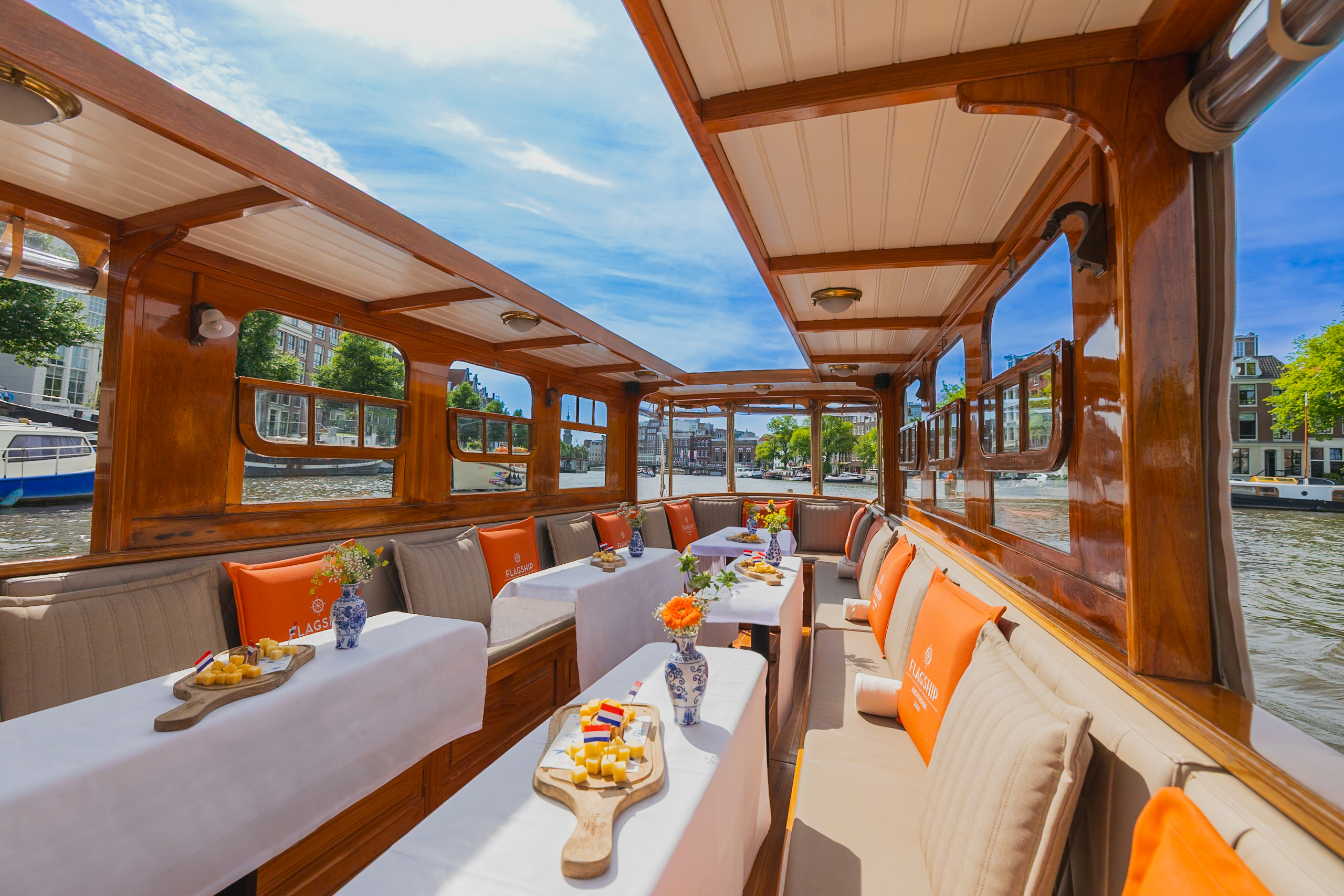
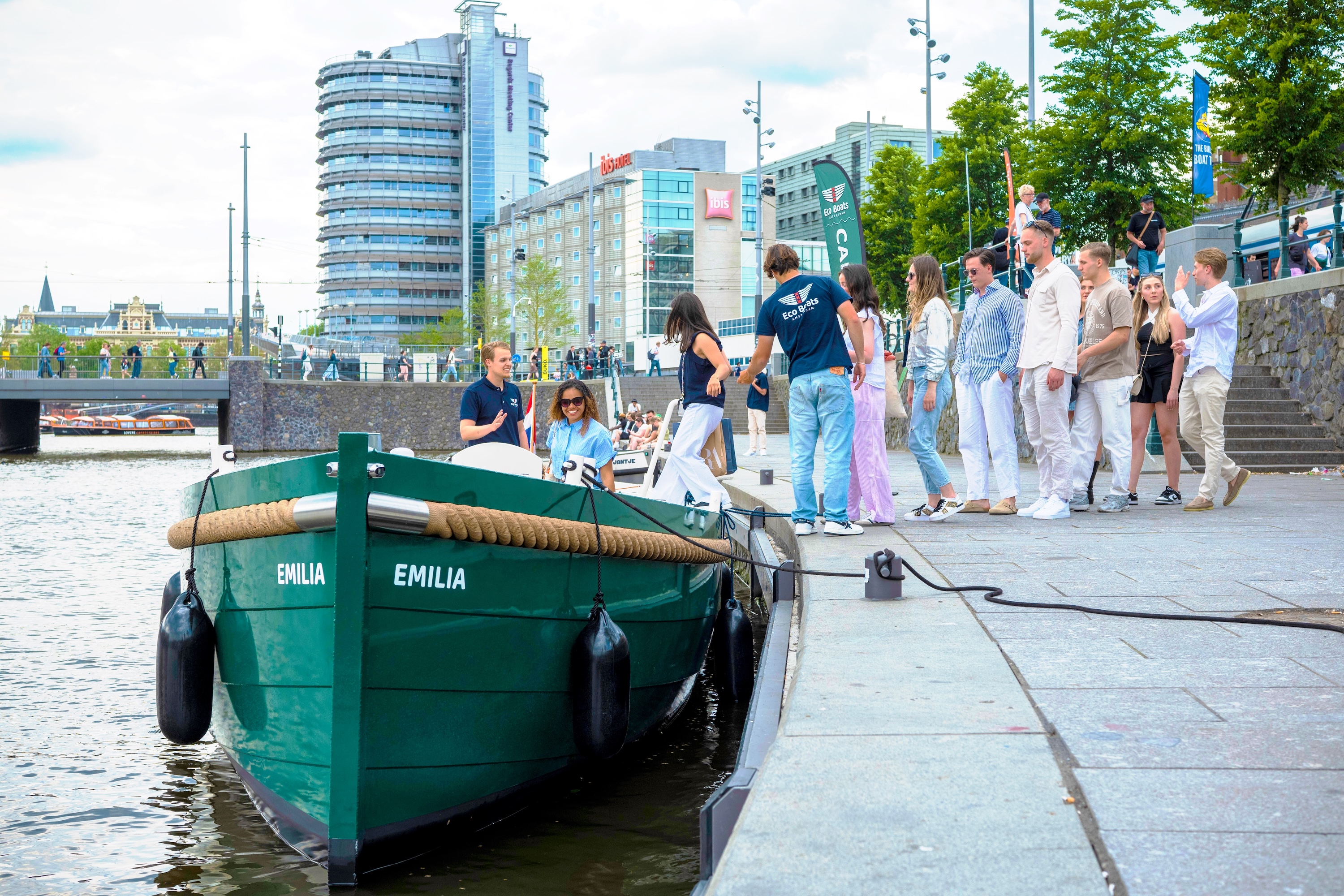
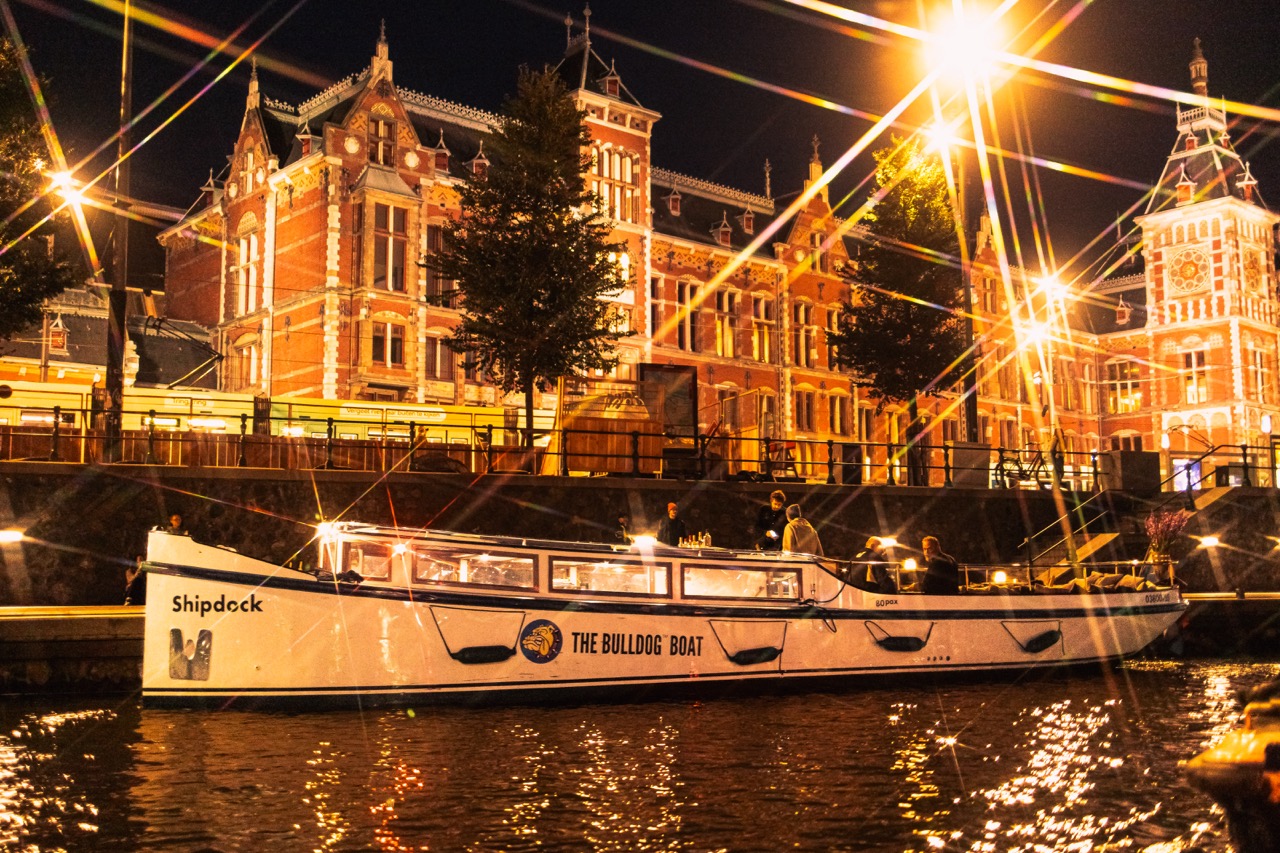
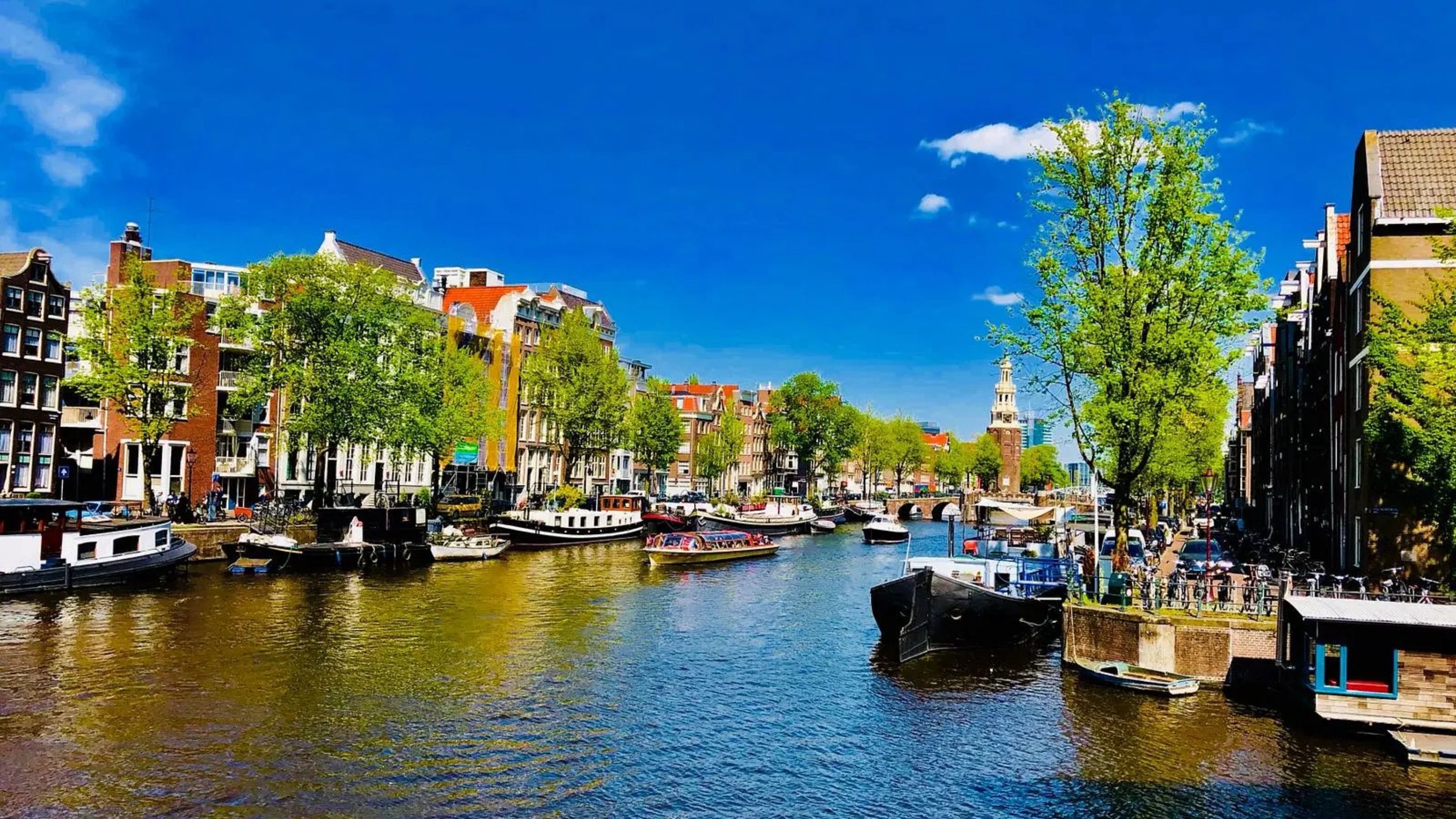
Step aboard a beautifully restored boat and drift through Amsterdam’s historic canals as you indulge in the ultimate bottomless brunch experience.
We’ll serve up a delicious spread of:
Artisan sandwiches
Freshly baked pastries
Seasonal fruit
Unlimited Prosecco & orange juice to mix your own perfect mimosas
Whether you're toasting with friends, marking a special occasion, or simply soaking up the views, this 60-minute cruise offers the perfect blend of great food, free-flowing drinks, and iconic scenery.
What’s Included:
✔️ Bottomless Prosecco & orange juice
✔️ Handcrafted brunch bites
✔️ 60-minute canal cruise
Available options
Amsterdam Brunch Cruise with Bubbles
What's included
We serve Prosecco and Heineken beer.
We serve coffee, tea, orange juice and water.
Guide: In-person: English, Dutch
A fine selection of artisan sandwiches and pastries
Detailed itinerary
1
Stop 1
We cruise thought the beautiful canals of the Herengracht.
2
Stop 2
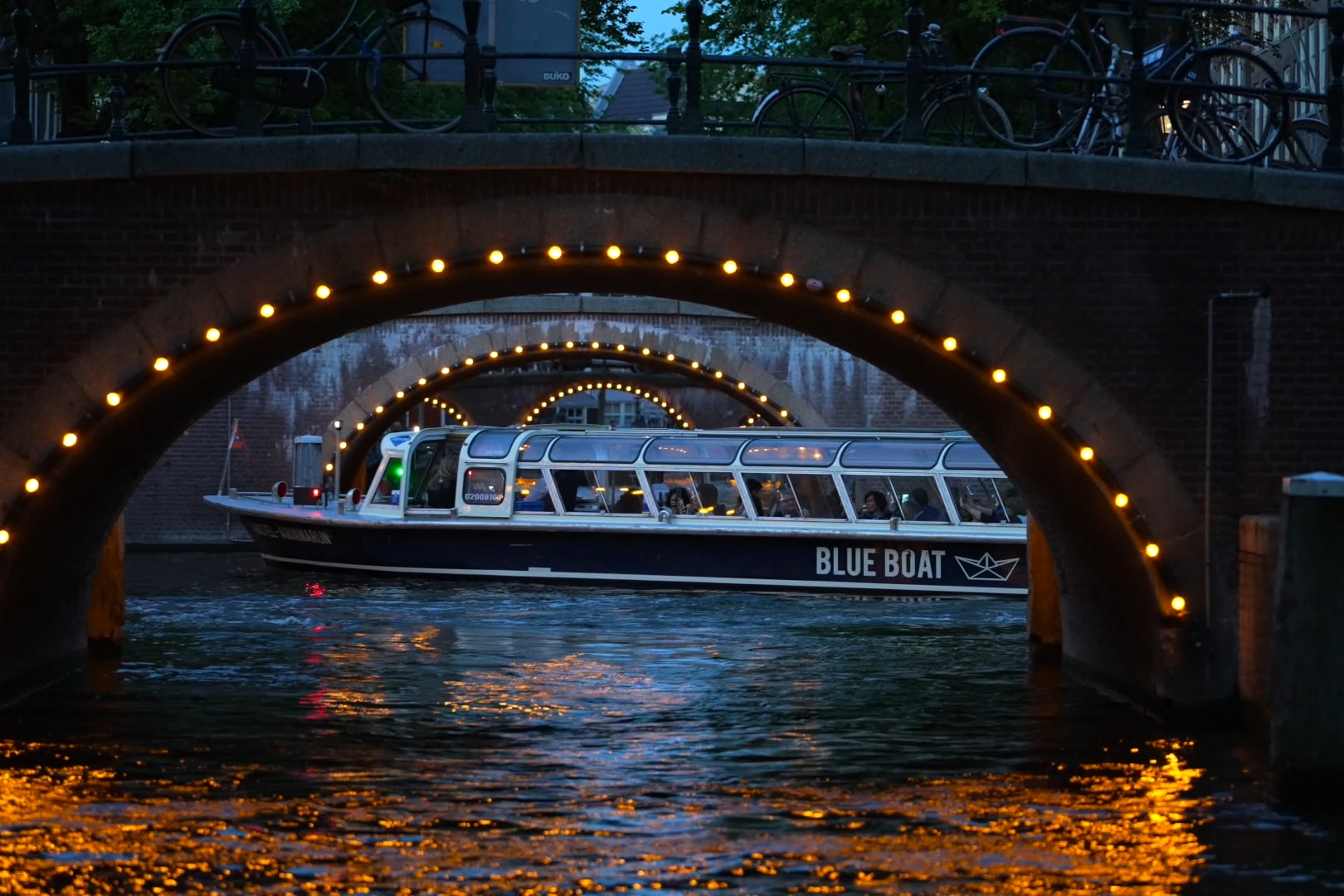
REGULIERSGRACHT (7 BRIDGES): monumental view - The only point in the Amsterdam canals where you can see seven bridges one after the other in a single view
3
Stop 3
Jordaan Area - Leliegracht leads to the neighborhood of ‘de Jordaan’. The Jordaan was designed as a neighborhood for Amsterdam’s growing working class. The name Jordaan refers to the French word jardin, which means garden. This is reflected in the neighborhood’s street names, which all refer to plants and trees. The houses here are significantly smaller and the streets follow a different pattern from the rest of the canal belt. This was done to cut costs: the streets follow the old ditch pattern that was already there.
4
Stop 4
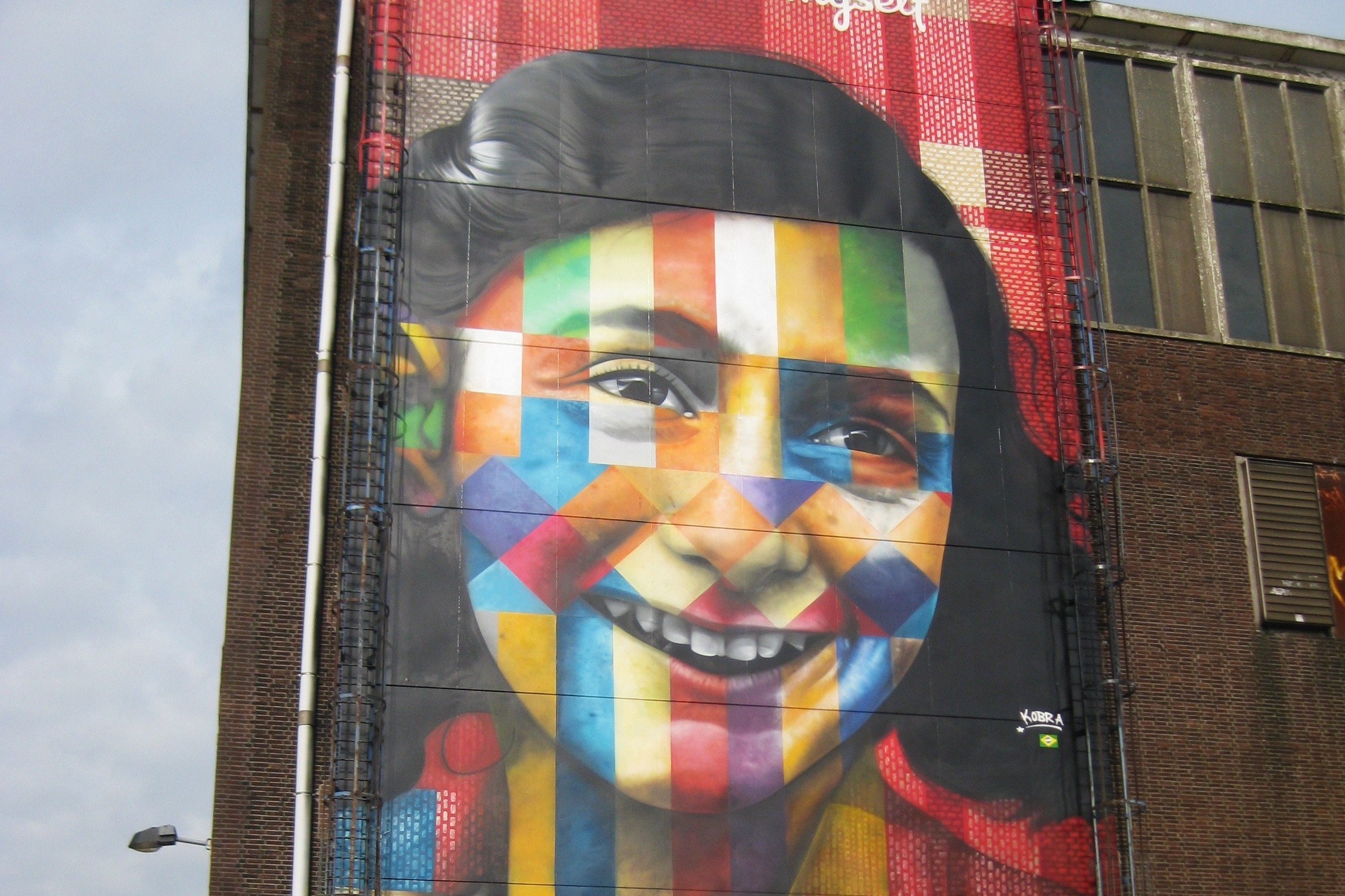
Prinsengracht #263 is the former home of Anne Frank, where her world-famous diary Het Achterhuis is about. This is the place where during the Second World War the Frank family went into hiding in the back house of the building.
5
Stop 5
The Westerchurch (Westerkerk) was built between 1620-1631 in Renaissance style (see right image). The tower is famous, not only because Anne Frank wrote about it in her diary, but also because it is the highest church tower in Amsterdam with 87 meters. The imperial crown on top of the tower dates from 1637 and was a gift from Maximillian I who in 1489 granted the city the right to use the crown in the city arms in gratitude for support in times of war.
6
Compared to the other canals, the Prinsengracht is a relatively modest canal. Whereas Herengracht was built and designed for Amsterdam's upper class, Prinsengracht was designed as a transitional canal between the rich canal belt and the working-class neighborhoods (Jordaan) that surrounded them. This can also be seen in the houses on Prinsengracht, which are much more 'sober' compared to the other canals: less wide, and with fewer decorations than on the other canals.
7
The canal belt has been on the UNESCO World Heritage List since 2008. In total, there are 165 ca-nals in Amsterdam with a total length of 100 km and an average depth of 2.6 meters. A total of 1680 bridges run across them (while Venice has only 400).
8
AMSTEL CHURCH dates from 1668 and was originally built as a wooden, temporary church for the residents of the newly constructed canal belt. The plans for a permanent stone church were never carried out; hence the temporary church is still there after almost 350 years. Today, the church hosts cultur-al events.
9
Stop 9
MAGERE BRUG ‘SKINNY BRIDGE’ is the oldest still working, partly wooden, drawbridge in Amsterdam and a National Monument. The Skinny Bridge was built in the 17th century. At that time, the city council was a bit short of money, so they decided not to build an exorbitant bridge, but a cheap (wood instead of stone) and narrow ('skinny') one. The bridge was so narrow that people could hardly pass each other, or they had to be very skinny. The current bridge dates from 1934. Car traffic has not been allowed to cross it since 2003. The Skinny Bridge is Am-sterdam's most famous bridge, and the setting for many films (including James Bond).
10
Stop 10
HERMITAGE MUSEUM is located in the Amstelhof. The building dates from 1681 and was originally a nursing home (for 300 years). In 2007, the nursing home was converted to a museum. Some rooms were maintained and restored.
The Hermitage museum is an annex of the Hermitage in Saint Petersburg, Russia, and shares a part of its art collection with the one in Russia. Together, the two Hermitages have the largest art collection in the world.
11
BLAUWBRUG ‘BLUE BRIDGE’ owes its name to its predecessor: a drawbridge like the Skinny Bridge, but with blue railings. The current Blauwbrug dates from 1883 and was inspired by the Pont Neuf in Paris. Because of the World Exhibition in Amsterdam in 1883, a new bridge with grand appearance was needed. The crowns on top of the bridge are 'imperial crowns' and are the same crowns as those on the Westerkerk and in the city arms. The crown is the emperor's crown of the holy roman empire, given by Emperor Maxi-milian I in 1489 as thanks for Amsterdam's money support. The emperor's crown is proof that even the great emperor recommended Amsterdam, and therefore very important for trade.
What's not included
Transportation
Available languages
Guide guide
EN
IT
Reviews breakdown
Viator
5.0
4 reviews
5★
4
4★
0
3★
0
2★
0
1★
0
Tripadvisor
4.0
1 reviews
5★
0
4★
1
3★
0
2★
0
1★
0
Important information
Infants are required to sit on an adult’s lap
Service animals allowed
Public transportation options are available nearby
Infants and small children can ride in a pram or stroller
Suitable for all physical fitness levels
Meeting point
Please meet us at the dock in front of the H'Art Museum 10 minutes before your scheduled departure time for your check-in.
Important notes
Please be at the dock in front of the H'Art Museum (Amstel 51-F) 10 minutes before your scheduled departure time for your check-in.
About Amsterdam
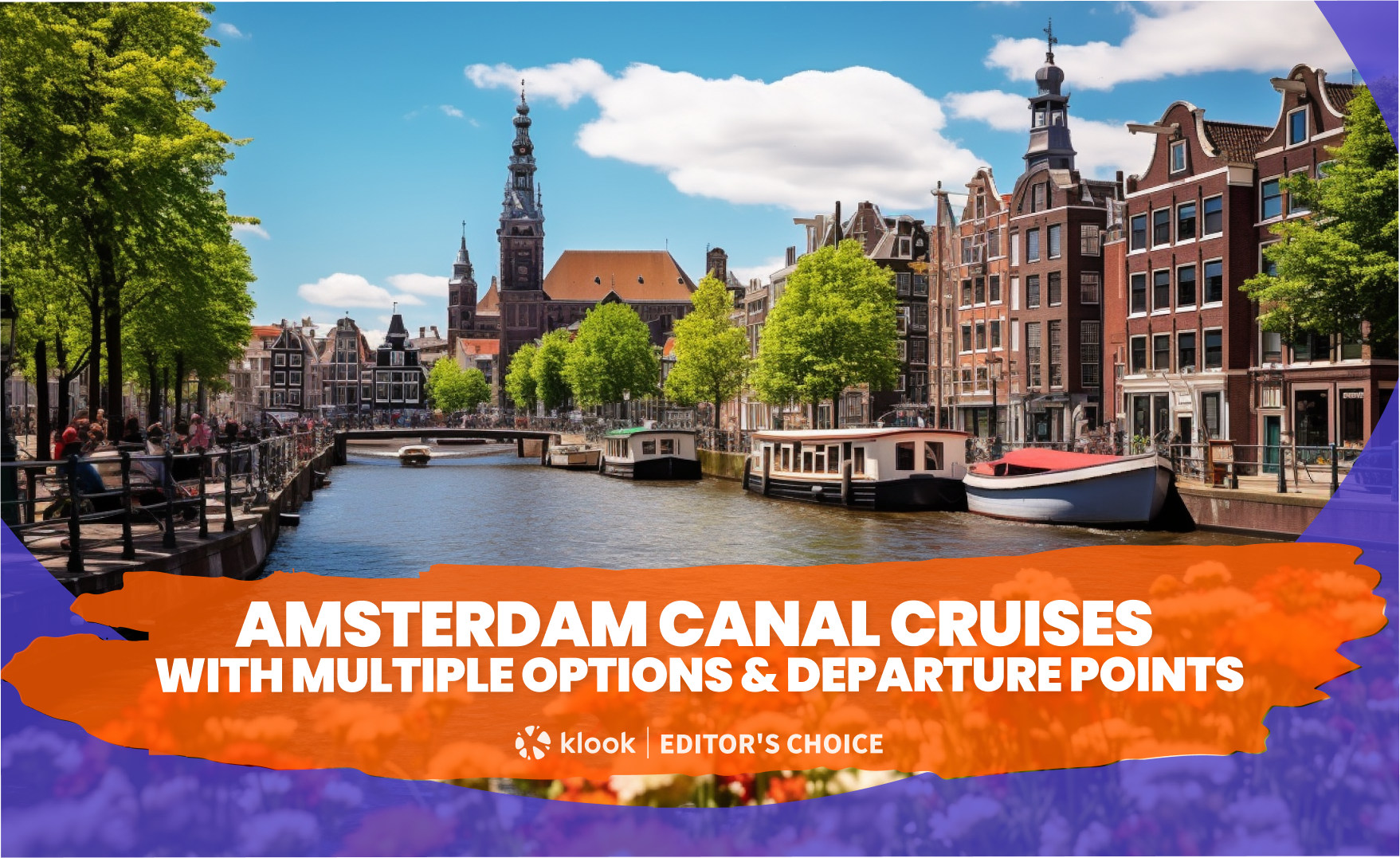
Amsterdam, the capital of the Netherlands, is renowned for its picturesque canals, historic architecture, and vibrant cultural scene. Known as the 'Venice of the North,' the city offers a rich blend of art, history, and modern innovation, making it a captivating destination for travelers.
Top Attractions
Rijksmuseum
The Rijksmuseum is the Dutch national museum dedicated to arts and history. It houses an extensive collection of paintings, including works by Rembrandt and Vermeer.
Museum
2-3 hours
€20
Van Gogh Museum
The Van Gogh Museum is dedicated to the works of Vincent van Gogh and his contemporaries. It houses the largest collection of Van Gogh paintings and drawings in the world.
Museum
1.5-2 hours
€20
Anne Frank House
The Anne Frank House is a biographical museum dedicated to Jewish wartime diarist Anne Frank. The building is where Anne Frank and her family hid from Nazi persecution during World War II.
Historical
1 hour
€16
Dam Square
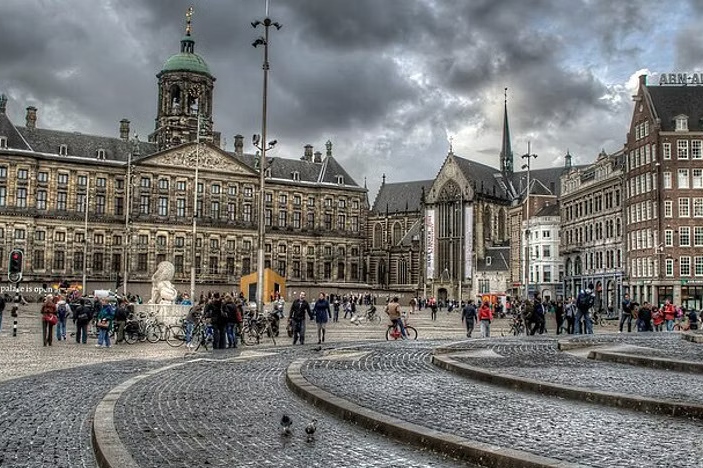
Dam Square is the central square of Amsterdam and a historic site. It is home to the Royal Palace, the National Monument, and various other landmarks.
Historical
1 hour
Free
Jordaan
Jordaan is a picturesque and lively neighborhood known for its narrow streets, canals, and vibrant atmosphere. It is a great place to explore, shop, and dine.
Neighborhood
A few hours to explore
Free to explore, varies for shopping and dining
Must-Try Local Dishes
Stroopwafel
A thin, round waffle made from two layers of baked dough joined by a caramel-like syrup filling
Dessert
Vegetarian, contains wheat and sugar
Bitterballen
Deep-fried, crispy balls filled with a creamy, spiced ragout, typically made from beef or veal
Snack
Contains meat, gluten, and dairy
Haring
Raw herring fish, traditionally served with onions and pickles, eaten by holding the fish by its tail and lowering it into your mouth
Dish
Contains fish, not suitable for vegetarians
Poffertjes
Miniature pancakes made from a batter of flour, eggs, milk, and yeast, served with powdered sugar and butter
Dessert
Vegetarian, contains wheat, eggs, and dairy
Popular Activities
Canal kayaking
Bike tours
Escape rooms
Canal cruises
Visiting parks and gardens
Spa and wellness treatments
Museum visits
Art galleries
Best Time to Visit
June to August
The peak tourist season in Amsterdam is during the summer months when the weather is warm and sunny. This is the best time to enjoy outdoor activities and festivals, but it's also the busiest and most expensive period.
15°C to 22°C
59°F to 72°F
Practical Information
Language
- Official: Dutch
- Widely spoken: English, German, French
- English: Widely spoken, especially in tourist areas
Currency
Euro (EUR)
Time Zone
GMT+1 (CET), GMT+2 (CEST) during daylight saving time
Electricity
230VV, 50HzHz
Safety Information
Overall Safety Rating: Generally safe, with some areas requiring caution
Amsterdam is generally a safe city for travelers, with low violent crime rates and a welcoming atmosphere. However, petty crime, such as pickpocketing and bike theft, can occur, particularly in tourist areas and on public transport. Exercise caution and be aware of your surroundings, especially at night.
Important Precautions:
- • Keep valuables secure and out of sight
- • Be cautious of your surroundings, particularly in crowded areas and on public transport
- • Use licensed taxis and agree on the fare before starting your journey
Getting there
By air
- Amsterdam Airport Schiphol • 17.5 km from city center
By train
Amsterdam Centraal
By bus
Amsterdam Sloterdijk, Amsterdam Airport Schiphol
Getting around
Public transport
Amsterdam's tram system is efficient and user-friendly, with 14 day and night tram lines. A single ticket costs €3.20, and day passes are available.
Taxis
Available • Apps: Uber, Taxi Amsterdam
Rentals
Car, Bike, Scooter
Neighborhoods
Jordaan
De Pijp
De Wallen (Red Light District)
Museumplein
Amsterdam-Noord
Day trips
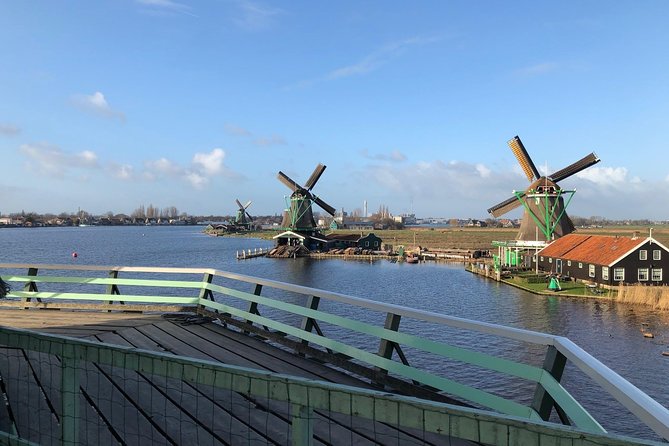
Zaanse Schans
20 km from Amsterdam • Half day to full day
A picturesque and open-air museum featuring traditional Dutch houses, windmills, and workshops, showcasing the history and craftsmanship of the region.
Haarlem
20 km from Amsterdam • Half day to full day
A charming and historic city known for its beautiful architecture, museums, and vibrant cultural scene, often considered a smaller and more relaxed version of Amsterdam.
Utrecht
50 km from Amsterdam • Full day
A vibrant and historic city known for its beautiful canals, medieval architecture, and lively cultural scene, with a unique and charming atmosphere.
Festivals
King's Day (Koningsdag) • April 27 (or April 26 if the 27th is a Sunday)
Amsterdam Pride • Late July to early August
Amsterdam Dance Event (ADE) • Mid-October
Pro tips
- Use the OV-chipkaart for seamless and convenient public transport
- Rent a bike to explore the city like a local, but be aware of cycling rules and etiquette
- Visit major attractions early in the morning or late in the afternoon to avoid crowds
- Explore the city's neighborhoods, each with its own unique character and charm
- Try local specialties, such as stroopwafels, bitterballen, and Dutch pancakes
From $25
per person
Price varies by option
Secure booking
Free cancellation available
Instant confirmation