Private Anuradhapura & Wilpattu Safari Day Tour From Dambulla
Active
8h - 10h
For a full refund, cancel at least 24 hours before the scheduled departure time.
Instant confirmation
Mobile or paper ticket accepted
About this experience
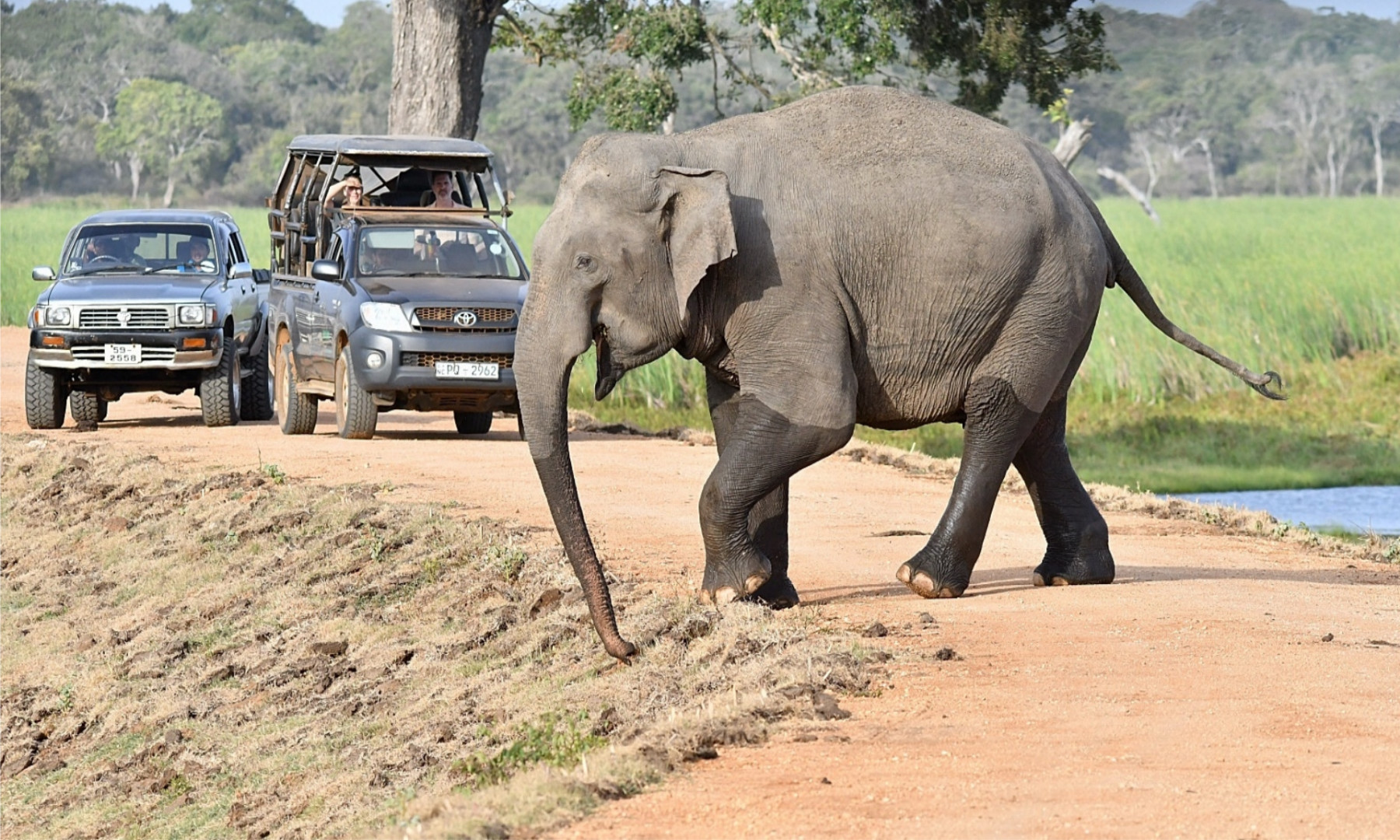
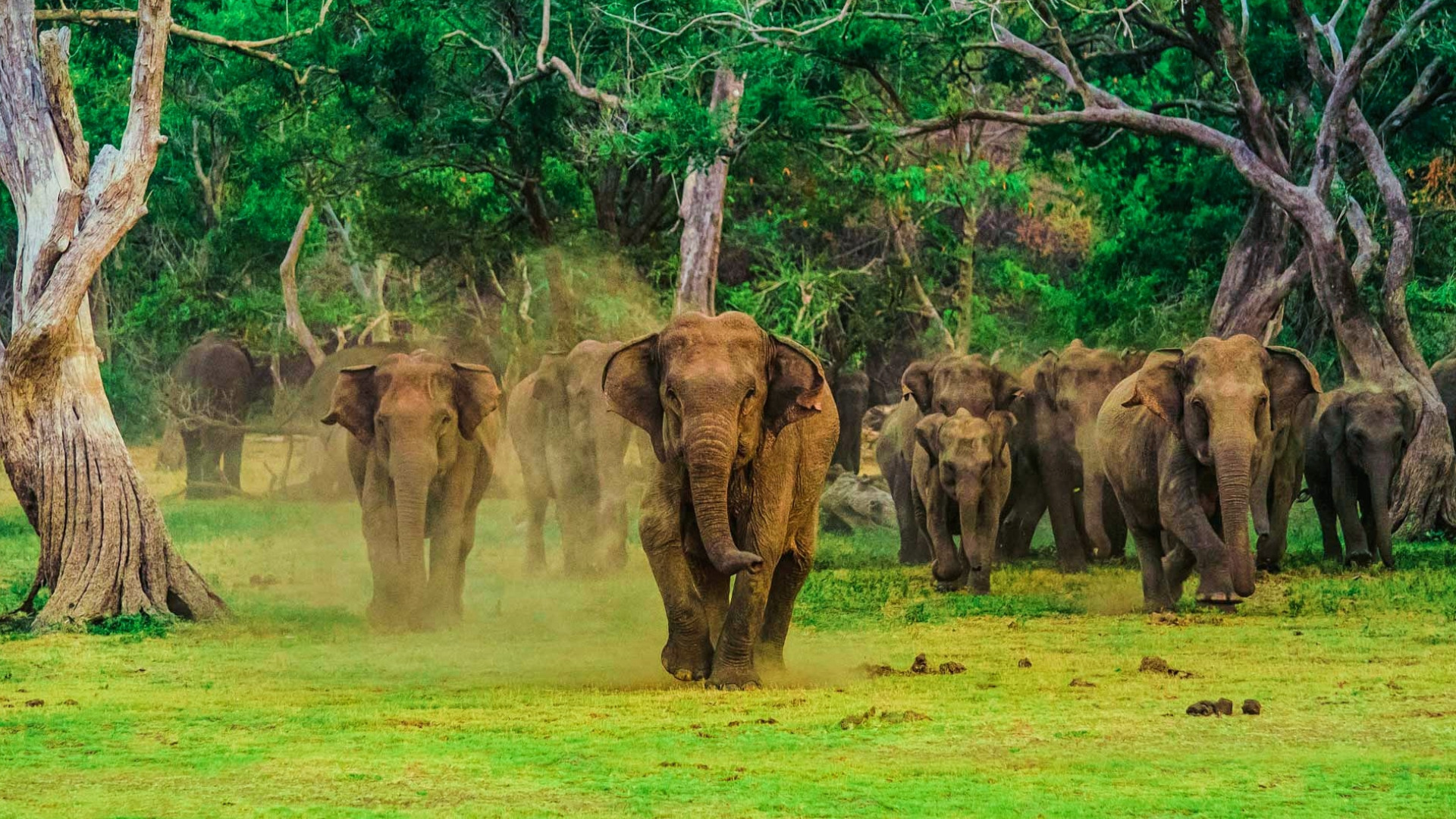
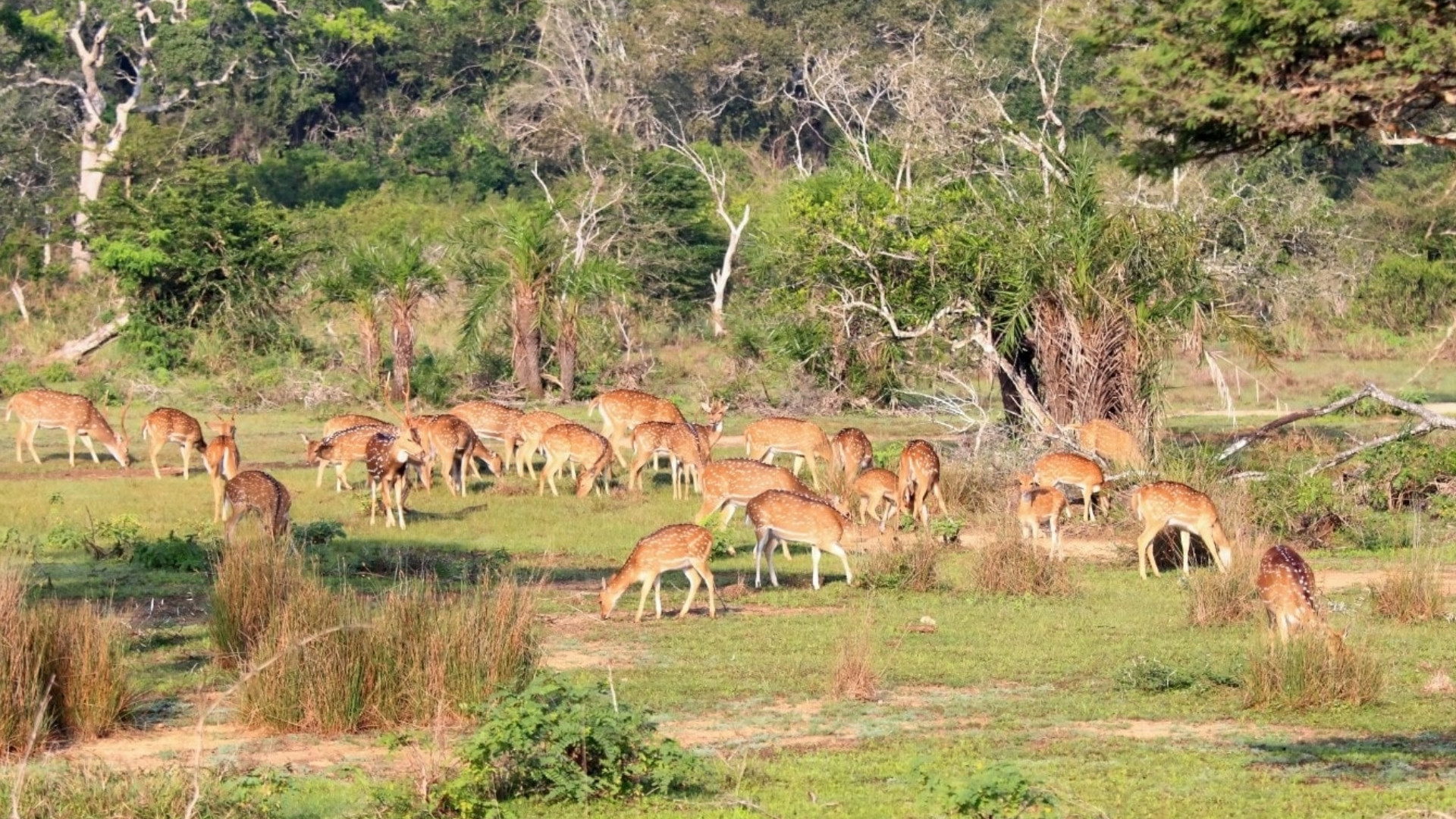
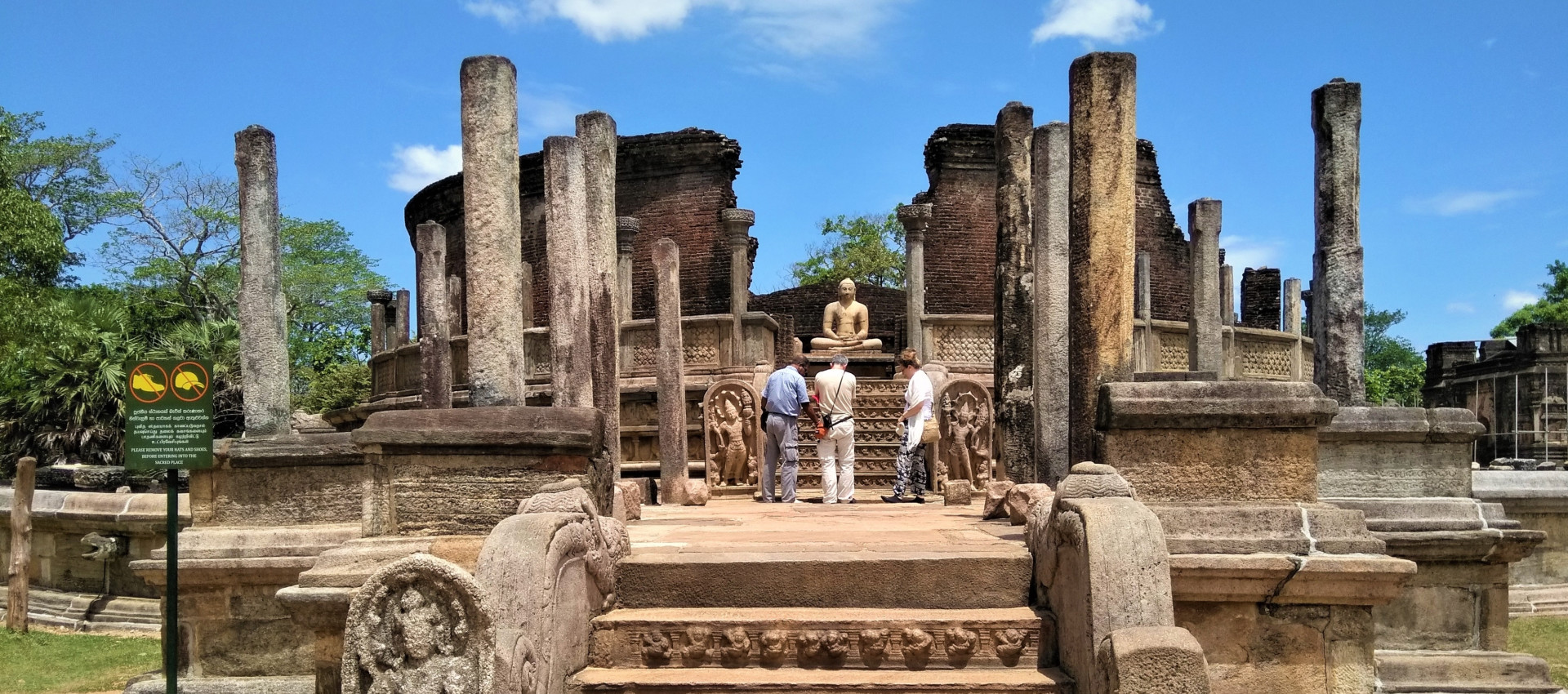
Step into a journey where Sri Lanka’s ancient heritage meets its wild beauty. Begin in Anuradhapura, exploring sacred sites like Thuparamaya—the island’s first stupa—and the majestic Ruwanwelisaya, glowing white under the sun. Stand before the Jaya Sri Maha Bodhi, the world’s oldest documented tree, and feel its spiritual energy. Wander through Abhayagiriya’s vast monastic ruins, admire the famed Lovers’ carving at Isurumuniya, and pause at the Twin Ponds and the iconic Moonstone—masterpieces of ancient craftsmanship. After lunch, switch from culture to wilderness with a private 4×4 safari in Wilpattu National Park. Explore lush forests, lakes, and grasslands while searching for leopards, elephants, sloth bears, deer, buffalo, and vibrant birdlife. Guided by your naturalist driver, every sight becomes a story. Return to Sigiriya with memories of sacred chants, historic wonders, and the thrilling call of the wild.
Available options
Luxury Van / Car
Safari Jeep with Luxury Van : 1️⃣ Luxury Mini Van Option (Nissan NV200) with Safari Jeep - up 1-5 Pax
Ideal 1-5 Passenger
who Looking Comfortable option<br/>Pickup included
What's included
Hotel pick-up & drop-off
Private tour with Comfortable Safari Jeep
English Speaking Driver
Detailed itinerary
1
Thuparamaya is the first Buddhist temple in Sri Lanka. Located in the sacred area of Mahamewna park, the Thuparamaya Stupa is the earliest Dagoba to be constructed in the island, dating back to the reign of King Devanampiya Tissa (247-207 BC).[1] The temple has been formally recognised by the Government as an archaeological site in Sri Lanka.[2]
2
Stop 2
The Ruwanwelisaya is a stupa and a hemispherical structure containing relics, in Sri Lanka, considered sacred to many Buddhists all over the world.[1] It was built by King Dutugemunu[2] c. 140 B.C., who became King of all Sri Lanka after a war in which the Chola King Elāra (Ellalan) was defeated. It is also known as "Mahathupa", "Swarnamali Chaitya", "Suvarnamali Mahaceti" (in Pali) and "Rathnamali Dagaba". Two quarts or one Drona of the Gothama Buddha's relics are enshrined in the stupa, which is the largest collection of his relics anywhere.
3
Jaya Sri Maha Bodhi (Sinhala: ජය ශ්රී මහා බොධිය) is a sacred fig tree in the Mahamewna Gardens, Anuradhapura, Sri Lanka. It is said to be the southern branch from the historical Sri Maha Bodhi at Buddha Gaya in India under which Lord Buddha attained Enlightenment. It was planted in 288 BC,[1][2][3] and is the oldest living human-planted tree in the world with a known planting date.[4] Today it is one of the most sacred relics of the Buddhists in Sri Lanka and respected by Buddhists all over the world.
4
The Jetavanaramaya is a stupa, or Buddhist reliquary monument, located in the ruins of Jetavana monastery in the world heritage city of Anuradhapura, Sri Lanka. At 122 metres (400 ft) it was the world's tallest stupa[1] and the third tallest structure in the world[2] when it was built by King Mahasena of Anuradhapura (273–301). He initiated the construction of the stupa following the destruction of the Mahavihara. His son Maghavanna I completed the construction of the stupa.[3] A part of a sash or belt tied by the Buddha is believed to be the relic that is enshrined here. The structure is significant in the island's history as it represents the tensions within the Theravada and Mahayana sects of Buddhism; it is also significant in recorded history as one of the tallest structures in the ancient world;[4] and the second tallest non-pyramidal buildings after Pharos (lighthouse) of Alexandria; the height of the stupa was 400 feet (122 m),
5
This is the place where Pulasthi Rishi was live and the place of which King Ravana was born. This place has written history of about 5000 years. Further this place is one of 3 star gates in the world. The temple was built by King Devanampiya Tissa (307 BC to 267 BC) who ruled in the ancient Sri Lankan capital of Anuradhapura. After 500 children of high-caste were ordained, Isurumuniya was built for them to reside. King Kasyapa I (473-491 AD) again renovated this viharaya[citation needed] and named it as "Boupulvan, Kasubgiri Radmaha Vehera".[citation needed] This name is derived from names of his 2 daughters and his name. There is a viharaya connected to a cave and above is a cliff. A small stupa is built on it. It can be seen that the constructional work of this stupa belong to the present period. Lower down on both sides of a cleft, in a rock that appears to rise out of a pool, have been carved the figures of elephants. On the rock is carved the figure of a horse.
6
One of the best specimen of bathing tanks or pools in ancient Sri Lanka is the pair of pools known as Kuttam Pokuna (Twin Ponds/Pools). The said pair of pools were built by the Sinhalese in the ancient kingdom of Anuradhapura. These are considered one of the significant achievements in the field of hydrological engineering and outstanding architectural and artistic creations of the ancient Sinhalese.
7
As the day draws to a close, continue your exploration of Wilpattu, catching sight of more wildlife in their natural habitat. After the safari, you'll be dropped back at your hotel, filled with memories of an extraordinary journey through Sri Lanka's largest national park.
What's not included
Admission Fee & tax in National Park USD40 per person
Lunch
Admission Fee & tax in Anuradhapura ancient City USD30 per person
Available languages
Guide guide
EN
Reviews breakdown
Tripadvisor
5.0
1 reviews
5★
1
4★
0
3★
0
2★
0
1★
0
Important information
Wheelchair accessible
Infants and small children can ride in a pram or stroller
Infants are required to sit on an adult’s lap
Suitable for all physical fitness levels
Near public transportation
recommended all
About Sigiriya
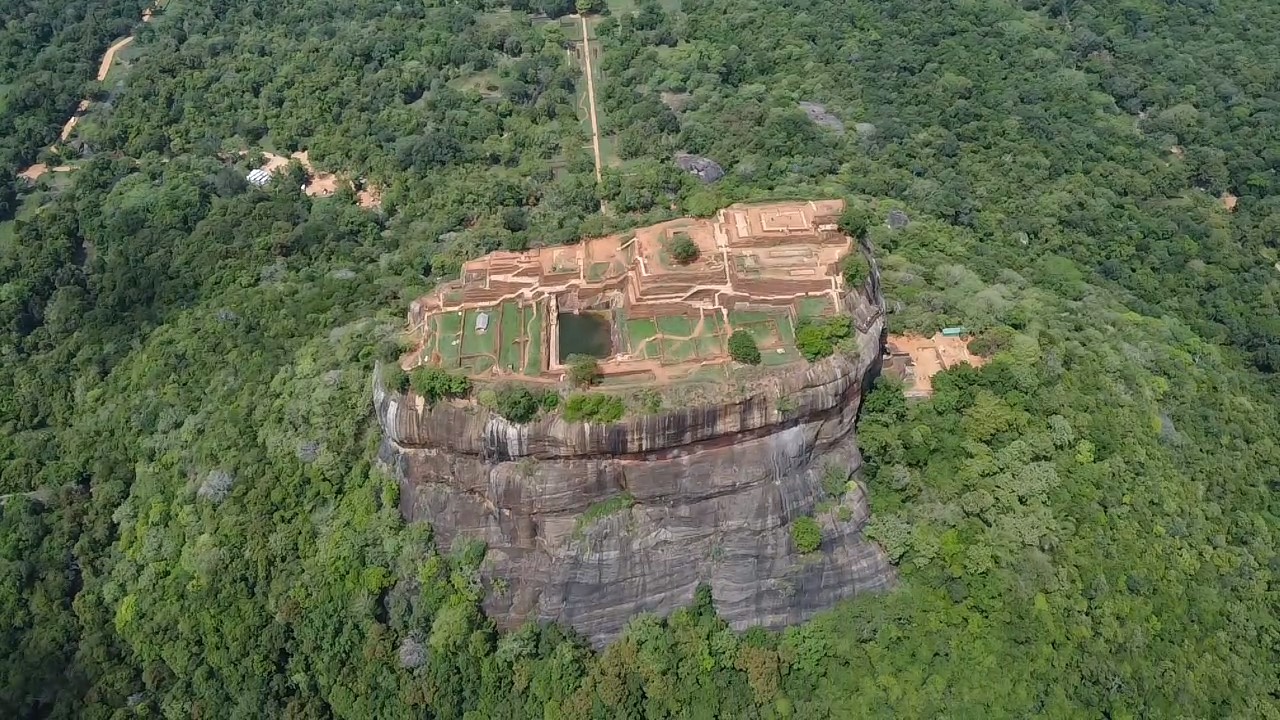
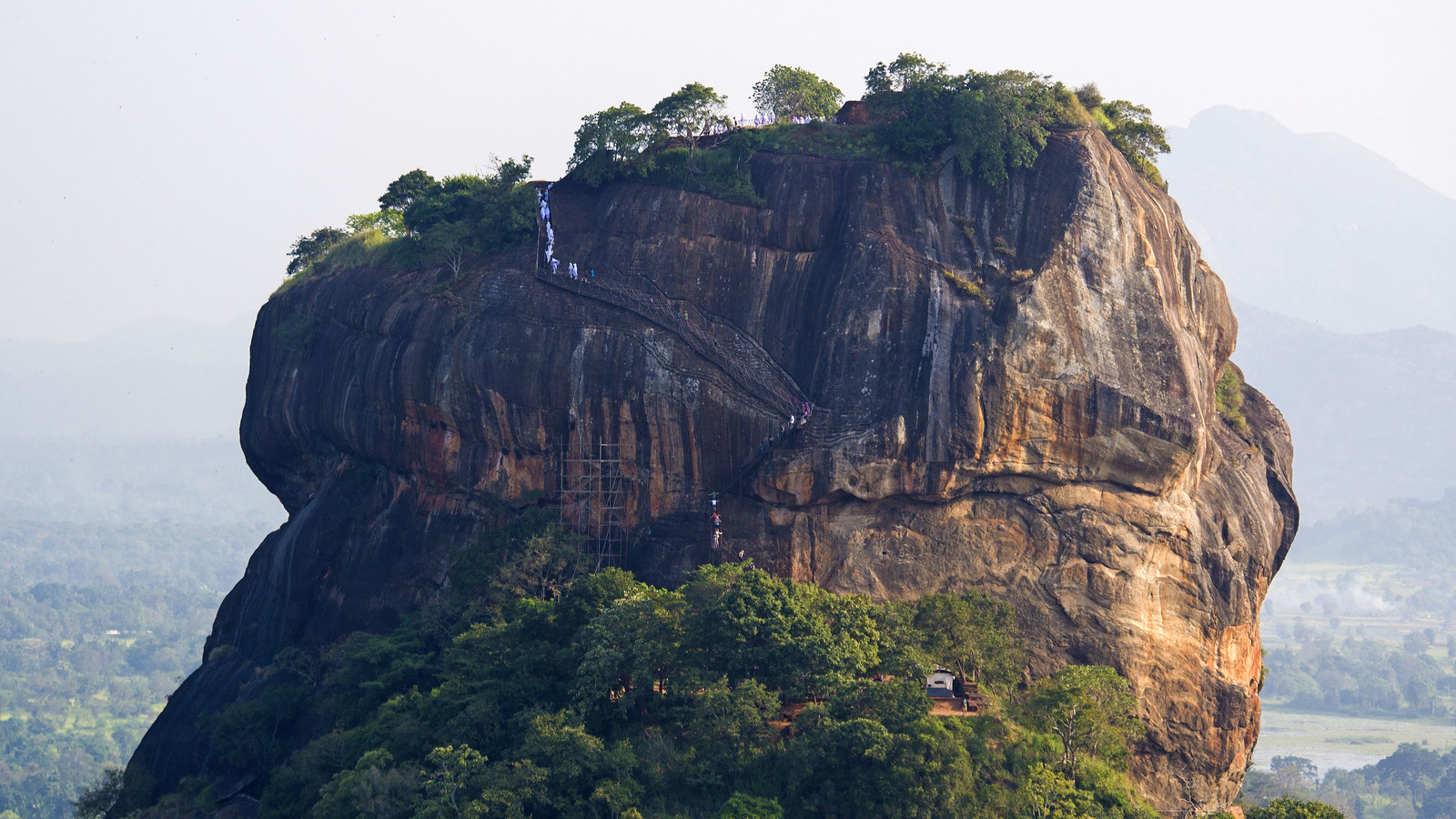
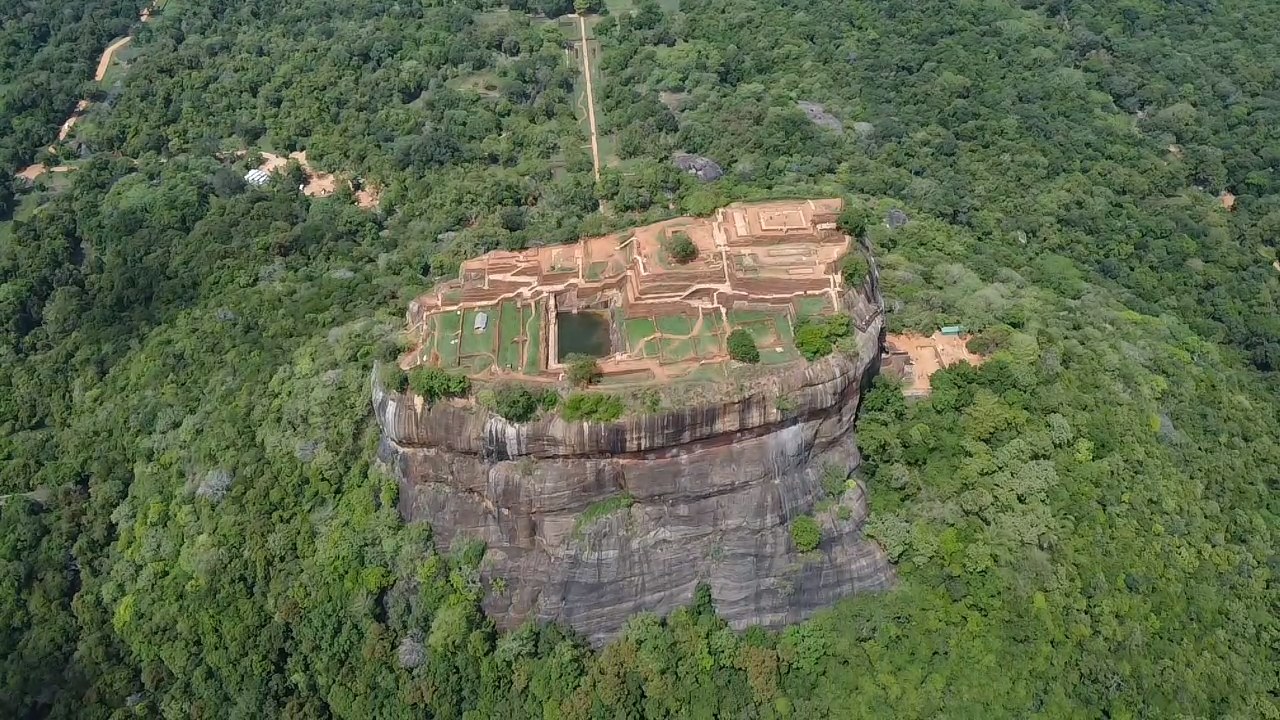
Sigiriya, also known as Lion Rock, is a UNESCO World Heritage Site renowned for its ancient palace ruins and stunning frescoes. This 5th-century rock fortress offers breathtaking views and a fascinating glimpse into Sri Lanka's rich history and culture.
Top Attractions
Sigiriya Rock Fortress
The iconic Sigiriya Rock Fortress is a 5th-century palace and fortress complex built by King Kasyapa. The climb to the top offers stunning views and a glimpse into ancient Sri Lankan history.
Historical/Architecture
2-3 hours
USD 30 (foreign tourists)
Pidurangala Rock
Pidurangala Rock offers an alternative climb with breathtaking views of Sigiriya and the surrounding landscape. It's less crowded and more affordable than Sigiriya Rock.
Nature/Adventure
1-2 hours
USD 5 (entry fee)
Sigiriya Museum
The Sigiriya Museum provides a comprehensive overview of the history and significance of the Sigiriya Rock Fortress. It houses artifacts and exhibits related to the ancient site.
Historical/Museum
1 hour
USD 10 (foreign tourists)
Must-Try Local Dishes
Rice and Curry
A traditional Sri Lankan meal consisting of rice served with a variety of curries, including vegetable, meat, and fish curries.
Lunch/Dinner
Can be vegetarian or non-vegetarian
Hoppers (Appa)
Bowl-shaped pancakes made from fermented rice flour and coconut milk, often served with an egg in the center.
Breakfast/Dinner
Vegetarian (unless served with egg or meat)
Kottu Roti
A popular street food made from chopped flatbread, vegetables, and meat, cooked on a hot plate with spices.
Lunch/Dinner
Can be vegetarian or non-vegetarian
Fish Ambul Thiyal
A sour and spicy fish curry made with goraka (a type of sour fruit) and a blend of spices.
Lunch/Dinner
Non-vegetarian, contains seafood
Popular Activities
Rock climbing (Sigiriya and Pidurangala)
Jeep safaris (Minneriya National Park)
Tea tasting
Spa treatments
Visiting ancient temples and ruins
Watching cultural shows
Boat rides on Habarana Lake
Elephant rides
Best Time to Visit
January to April
This is the best time to visit Sigiriya due to pleasant weather and minimal rainfall. The clear skies offer the best views of the rock and surrounding landscapes.
25-32°C (77-90°F)
77-90°F
Practical Information
Language
- Official: Sinhala, Tamil
- Widely spoken: English
- English: Moderately spoken in tourist areas, limited elsewhere
Currency
Sri Lankan Rupee (LKR)
Time Zone
GMT+5:30
Electricity
230VV, 50HzHz
Safety Information
Overall Safety Rating: Generally safe
Sigiriya is generally safe for tourists, but common sense and precautions should be taken to ensure a smooth trip.
Important Precautions:
- • Use reputable tour operators and guides.
- • Negotiate prices before starting a journey or purchasing items.
- • Keep valuables secure and be cautious of pickpockets in crowded areas.
Getting there
By air
- Bandaranayake International Airport • 160 km (100 miles)
- Mattala Rajapaksa International Airport • 100 km (62 miles)
By train
Habarana Railway Station
By bus
Habarana Bus Station
Getting around
Public transport
Buses are the most common form of public transport. They are affordable but can be crowded.
Taxis
Available • Apps: PickMe
Rentals
Car, Bike, Scooter
Neighborhoods
Sigiriya Village
Habarana
Day trips
Dambulla Cave Temple
30 km (18.6 miles) • Half day
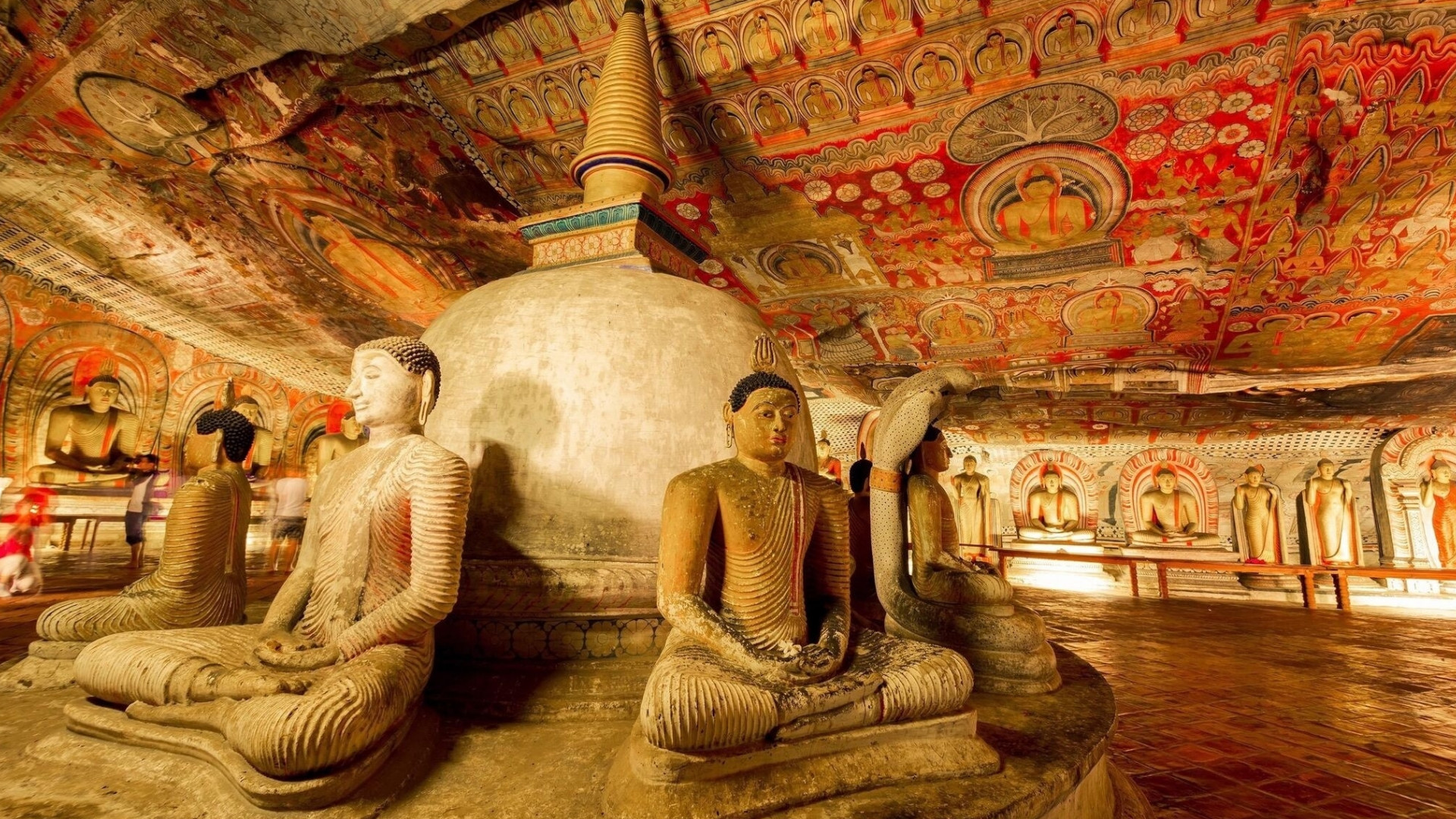
The Dambulla Cave Temple is a UNESCO World Heritage Site featuring five intricately decorated caves with statues and frescoes of the Lord Buddha and various deities.
Minneriya National Park
20 km (12.4 miles) • Full day
Minneriya National Park is famous for its elephant gathering, especially during the dry season. The park offers excellent opportunities for wildlife safaris.
Polonnaruwa Ancient City
50 km (31 miles) • Full day
Polonnaruwa is a UNESCO World Heritage Site and the second ancient capital of Sri Lanka. It features well-preserved ruins of royal palaces, temples, and monuments.
Festivals
Esala Perahera • August
Sigiriya Festival • August/September
Pro tips
- Start your climb to Sigiriya Rock early in the morning to avoid the heat and crowds.
- Hire a local guide for a more detailed and engaging experience at Sigiriya.
- Try local street food for an authentic and affordable culinary experience.
- Carry plenty of water and wear sun protection when exploring the rock fortress.
- Visit the Sigiriya Museum before climbing the rock to gain context and historical insights.
From $25
per person
Price varies by option
Secure booking
Free cancellation available
Instant confirmation