Private Polonnaruwa Ruins & Minneriya Safari Tour from Sigiriya
Active
8h - 10h
For a full refund, cancel at least 24 hours before the scheduled departure time.
Instant confirmation
Mobile or paper ticket accepted
About this experience
Hey there! Are you ready for an unforgettable Travel back to Sri Lanka’s ancient kingdom on this full-day private tour. Explore UNESCO-listed Polonnaruwa’s ruins, then spot wild elephants in Minneriya National Park—ranked #1 for elephant sightings in Sri Lanka!"*
We’ll pick you up from your hotel in Sigiriya, Habarana , and head straight to the ancient city of Polonnaruwa, Don’t forget your camera—every corner is a photo opportunity!
We have introduced two Packages: the Polonnaruwa city Explore package and the Polonnaruwa City with Minneriya Safari package. In Polonnaruwa city Explore package, we included the driver and vehicle, there are Two option avalable Budget friendly Car Option (Suzuki Estilo) and Luxury Mini Van Option (NV200). In the Polonnaruwa City with Minneriya Safari package, we included the above mention Two vehicle Option with expert driver, 4 x4 Safari Jeep,
Travelers can select (NV200) Van or Suzuki Estilo Compact car as the transportation Type.
Available options
Wild Safari with Polonnaruwa
Safari with budget car: Budget- Compact Hatchback Car Option(Suzuki Estilo) -up 2 Pax travelers seeking a more budget-friendly option <br/>Pickup included
Luxury Car/Van Option
Safari Jeep with Luxury Van: 1️⃣ Luxury Car/Miin Van Option with Safari Jeep - up 1-5 Pax
Ideal 1-5 Passenger
who Looking Comfortable option<br/>Pickup included
Only Polonnaruwa City by Tuk
Tuk Tuk Option: We Offer
1️⃣ Tuk Tuk Option - up 2 Pax
<br/>Pickup included
What's included
Complimentary Water Bottles (Stay refreshed!)
Private tour
Expert Driver (Knows all the best photo spots & shortcuts!)
Safari Jeep with Driver (We offer this Polonnaruwa and wild Safari Package Only)
Hotel pickup and drop-off (Pickup from Sigiriya/Habarana or Dambulla
Detailed itinerary
1
Step into the Polonnaruwa Archaeological Museum, a captivating gateway to Sri Lanka’s golden age! Nestled near the entrance of the UNESCO-listed Polonnaruwa Heritage Site, this museum is a must-visit for history lovers, showcasing an extraordinary collection of ancient statues, intricate stone carvings, and excavated pottery that bring the past to life.
Why This Museum is a Must-See?
✨ Journey Through Time – Discover detailed scale models of Polonnaruwa’s iconic landmarks, including the majestic Gal Vihara and the grand Royal Palace, revealing how these wonders once stood in their prime.
✨ Curated for Clarity – Well-organized exhibits with informative panels and visual aids make it easy to appreciate Polonnaruwa’s role as Sri Lanka’s 2nd royal capital.
✨ Perfect Prelude to Exploration – Enhance your visit to the ruins by first immersing yourself in the museum’s rich insights—ideal for history buffs, culture seekers, and curious travelers.
2
Relive the Glory of Sri Lanka’s Golden Age
Stand in awe before the Palace of King Parakramabahu, a breathtaking relic of 12th-century Sri Lankan royalty. Once a seven-story architectural masterpiece, this UNESCO-listed ruin still echoes the grandeur of Polonnaruwa’s medieval capital. Though time has left only its massive brick walls and stone foundations, the palace’s scale and sophistication reveal why it was the heart of a mighty kingdom.
✨ Why This Palace Captivates Visitors
✔ Engineering Marvel – Marvel at meter-thick walls, carved staircases, and remnants of ornate plasterwork that hint at its former opulence.
✔ Royal Legacy – Walk through audience halls, guardrooms, and chambers where King Parakramabahu I, one of Sri Lanka’s greatest rulers, once governed.
✔ UNESCO World Heritage Gem – Part of the Royal Palace Group, a crown jewel of Polonnaruwa’s ancient city.
3
A Hidden Gem of Sri Lanka’s Cultural Triangle
Uncover the mystical Pothgul Viharaya, a unique 12th-century monastic complex believed to have been an ancient Buddhist library and learning center. Nestled amidst the lush landscapes of Polonnaruwa’s UNESCO World Heritage Site, this tranquil ruin offers a fascinating glimpse into Sri Lanka’s scholarly past and architectural ingenuity.
✨ Why Pothgul Viharaya Stands Out
✔ Ancient University Vibes – Explore the circular meditation chambers and library ruins where monks may have studied sacred texts.
✔ Architectural Wonder – Marvel at the brick stupa, moonstone, and guardstones, showcasing classic Sinhalese design.
✔ Acoustic Marvel – The site’s unique sound-enhancing architecture suggests it may have been used for religious chanting or teachings.
✔ Off-the-Beaten-Path – Less crowded than Polonnaruwa’s main attractions, offering a peaceful, reflective experience.
4
Step into the Grandeur of Ancient Sri Lankan Royalty
Stand amidst the awe-inspiring ruins of the Royal Palace of King Parakramabahu the Great, the magnificent 12th-century residence of Sri Lanka's most powerful monarch. This UNESCO World Heritage Site in Polonnaruwa's Sacred Quadrangle showcases the advanced engineering and opulence of Sri Lanka's golden age.
✨ Why This Palace Will Take Your Breath Away
✔ Architectural Wonder - Marvel at the 3-meter-thick walls and remains of what was once a 7-story palace with over 1,000 chambers
✔ Royal Innovation - Discover the king's brilliant cooling system using strategically placed water gardens and ventilation
✔ Historical Significance - Walk through the King's Council Chamber with its iconic lion-carved throne platform
✔ Photographer's Paradise - Capture stunning shots of the ornate stone carvings against tropical backdrops
5
Behold the magnificent Vatadage, Polonnaruwa's iconic circular shrine and the centerpiece of the Sacred Quadrangle. This 12th-century architectural marvel, built to enshrine the sacred Buddha relics, represents the pinnacle of Sinhalese Buddhist art and engineering. Marvel at its perfect symmetry, exquisite carvings, and the mystical atmosphere that has captivated visitors for centuries.
✨ Why the Vatadage is Unmissable
✔ Architectural Perfection – Discover the only perfectly circular ancient structure in Sri Lanka, with concentric stone pillars that once supported a majestic wooden roof
✔ Sacred Artistry – Admire the four serene Buddha statues facing cardinal directions, each carved from solid granite with remarkable precision
✔ Symbolic Stonework – Decode the meanings behind the elaborate moonstone (unique to Polonnaruwa) and intricately carved guardstones
✔ Spiritual Energy – Feel the profound tranquility of this sacred space, considered one of Sri Lanka's most spiritually l sites
6
Discover the Spiritual Harmony of Ancient Sri Lanka
Stand before Siva Devalaya No. 1, Polonnaruwa’s oldest surviving Hindu temple and a beautiful testament to the island’s multicultural heritage. Built in the 11th century by South Indian Chola invaders, this compact stone shrine dedicated to Lord Shiva showcases exquisite Dravidian architecture amidst the Buddhist monuments of Polonnaruwa’s UNESCO World Heritage Site.
✨ Why This Temple is Special
✔ Archural Rarity – One of few well-preserved Chola-era structures in Sri Lanka
✔ Sacred Synthesis – Represents the fascinating blend of Hindu and Buddhist traditions
✔ Timeless Craftsmanship – Admire the intricate stone carvings of deities and mythical figures
✔ Spiritual Continuity – Still actively worshipped after 900+ years
✔ Hidden Gem – Often overlooked by tourists, offering a peaceful, authentic experience
7
Stand in Awe Before Sri Lanka’s 4th Largest Ancient Stupa
Towering over the sacred landscape of Polonnaruwa, Rankoth Vehera (Golden Pinnacle Stupa) is a breathtaking monument to Sri Lanka’s Buddhist heritage. Built in the 12th century by King Nissanka Malla, this gigantic brick stupa rises 55 meters high, its gleaming white dome visible across the ancient city.
✨ Why Rankoth Vehera Captivates Every Visitor
✔ Archural Marvel – Experience one of best-preserved stupas from Polonnaruwa’s golden age
✔ Sacred Geometry – Walk the massive circular terrace (168m circumference) in meditation
✔ Historical Significance – The only stupa in Polonnaruwa still matching Anuradhapura’s grandeur
✔ Panoramic Views – Climb the eastern platform for stunning sunset vistas over the ruins
✔ Tripadvisor Highlight – Rated among Top 5 Spiritual Experiences in Sri Lanka’s Cultural Triangle
8
Uncover the Mysteries of a 12th-Century Buddhist Treasure
Stand before Manik Vehera, one of Polonnaruwa’s most intriguing ancient stupas, built during the reign of King Parakramabahu the Great. This sacred monument forms part of the Alahana Pirivena monastic complex and offers visitors a rare glimpse into Sri Lanka’s rich Buddhist heritage.
✨ Why Manik Vehera Captivates Visitors
✔ Architectural Wonder – Marvel at the unique stepped terrace design that distinguishes it from other Polonnaruwa stupas
✔ Sacred Relics – Believed to enshrine precious gems (Manik = gems), giving the stupa its name
✔ Historical Significance – Part of the largest monastic university complex in ancient Polonnaruwa
✔ Peaceful Atmosphere – Enjoy serene surroundings away from main tourist crowds
✔ Archaeological Insight – Observe the ongoing preservation work by Sri Lanka’s cultural authorities
9
Step into the Sacred Glow of an 800-Year-Old Buddhist Treasure
Behold Kiri Vehera, the magnificent "Milk White Stupa" that has stood radiant since the 12th century. This perfectly preserved dagoba near the iconic Lankatilaka Temple remains one of Polonnaruwa’s most spiritually potent sites, its lime-washed dome glowing like a pearl against Sri Lanka’s azure skies.
Why Kiri Vehera Will Leave You Breathless
✔ Best-Preserved Stupa – Marvel at the pristine condition of this ancient monument, untouched by time
✔ Sacred Geometry – Walk the massive 95-foot diameter base in meditative reverence
✔ Spiritual Energy – Feel the palpable serenity at this still-active place of worship
✔ Photographer’s Dream – Capture stunning contrasts of white stupa against tropical greens
✔ UNESCO Highlight – An essential stop in Polonnaruwa’s World Heritage Site
10
Stand in Awe Before Sri Lanka’s Most Magnificent Shrine House
Rising dramatically from the sacred grounds of the Alahana Pirivena complex, the Lankathilaka Image House represents the pinnacle of 12th-century Sinhalese Buddhist architecture. This colossal shrine, built by King Parakramabahu the Great, astonishes visitors with its 17-meter-high walls and exquisite stone carvings that have weathered eight centuries with majestic grace.
✨ Why This Monument Will Captivate You
✔ Architectural Marvel – Marvel at the towering brick-and-stone walls that once supported a vaulted roof
✔ Sacred Artistry – Gaze upon the remains of a 12-meter standing Buddha (now torso only) that dominated the interior
✔ Ornate Decorations – Admire the best-preserved ancient murals in Polonnaruwa
✔ Spiritual Grandeur – Feel the profound energy of what was once Buddhism’s most important shrine
✔ UNESCO Masterpiece – A crown jewel of Polonnaruwa’s World Heritage Site
11
Witness the Pinnacle of Ancient Sri Lankan Sculpture
Prepare to be awestruck by Gal Vihara, home to what many consider the finest Buddha statues ever carved in stone. Created in the 12th century under King Parakramabahu the Great, this sacred rock temple showcases four magnificent Buddha images that represent the absolute zenith of Sinhalese rock carving artistry.
✨ Why Gal Vihara Will Leave You Speechless
✔ Masterpiece Collection – Marvel at four distinct Buddha statues in one breathtaking location
✔ Iconic Reclining Buddha – Behold the 14-meter-long sleeping Buddha, considered one of Asia’s most perfect sculptural achievements
✔ Technical Brilliance – The granite carvings display impossible precision for their era
✔ Spiritual Power – Feel the profound serenity radiating from these ancient images
✔ UNESCO Highlight – The most visited site in Polonnaruwa’s World Heritage complex
12
Pass by this ancient masterpiece – the 12th-century sea of Parakrama, a sprawling 2,500-hectare tank showcasing Sri Lanka’s advanced hydraulic civilization. Built by King Parakramabahu the Great, this massive reservoir (visible from the main road) still irrigates fields today.
Quick Facts:
✔ "The Ocean of Parakramabahu" – One of Polonnaruwa’s largest ancient reservoirs
✔ Still Functional – Waters 18,000+ acres of farmland after 800+ years
✔ Best Viewed at sunset when the waters glow golden
Great for a photo stop en route to Polonnaruwa’s ruins!
13
Pause at this picturesque stop along your Polonnaruwa journey, where the 12th-century Giritale Tank shimmers against lush landscapes. Built by King Parakramabahu I, this tranquil reservoir blends hydraulic ingenuity with natural beauty, offering:
✔ Panoramic Views – Perfect for photos of waterbirds and reflections of the distant Giritale Rock
✔ Historical Significance – Part of Polonnaruwa’s advanced irrigation network
✔ Wildlife Glimpses – Spot herons, cormorants, and occasional crocodiles
Best Visited at dawn/dusk when the light paints the waters gold. *An ideal 10-minute stop to stretch your legs and soak in Sri Lanka’s ancient engineering!*
14
"The Gathering" – One of Asia’s Greatest Wildlife Spectacles
️ Wet Season (May–September)
Best Park: Hurulu Eco Park
Why? Less crowded with reliable elephant sightings as herds migrate here
Bonus: Lush green landscapes perfect for photography
Special: Home to endemic species like the Sri Lankan leopard
☀️ Dry Season (July–October)
Best Park: Minneriya National Park (Peak in August–September)
Why? Witness 300+ elephants gathering at the reservoir – the world’s largest Asian elephant congregation
Iconic Scene: Baby elephants playing in water under golden sunset light
Pro Tip: Book a sunset safari for magical lighting
Shoulder Season (October–December)
Best Park: Kaudulla National Park
Why? Elephants transition here from Minneriya, with great sightings minus the crowds
Unique Feature: Ancient ruins submerged in the tank attract wildlife
Secret Spot: "Elephant Crossing Point" near the lake’s edge
What's not included
All Entrance Fees
Lunch
Reviews breakdown
Viator
5.0
2 reviews
5★
2
4★
0
3★
0
2★
0
1★
0
Tripadvisor
5.0
15 reviews
5★
15
4★
0
3★
0
2★
0
1★
0
Important information
Infants and small children can ride in a pram or stroller
Public transportation options are available nearby
Specialized infant seats are available
Suitable for all physical fitness levels
About Sigiriya
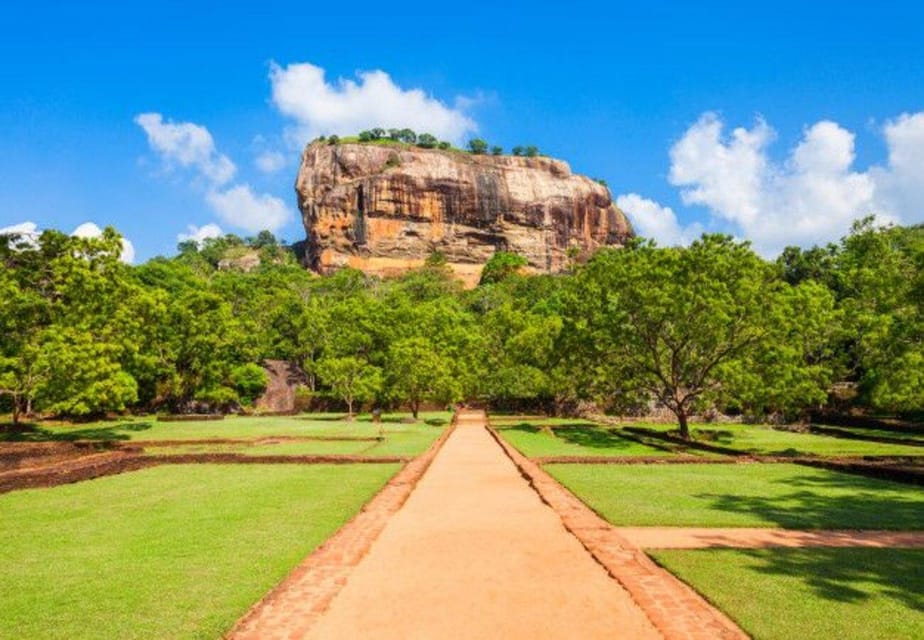
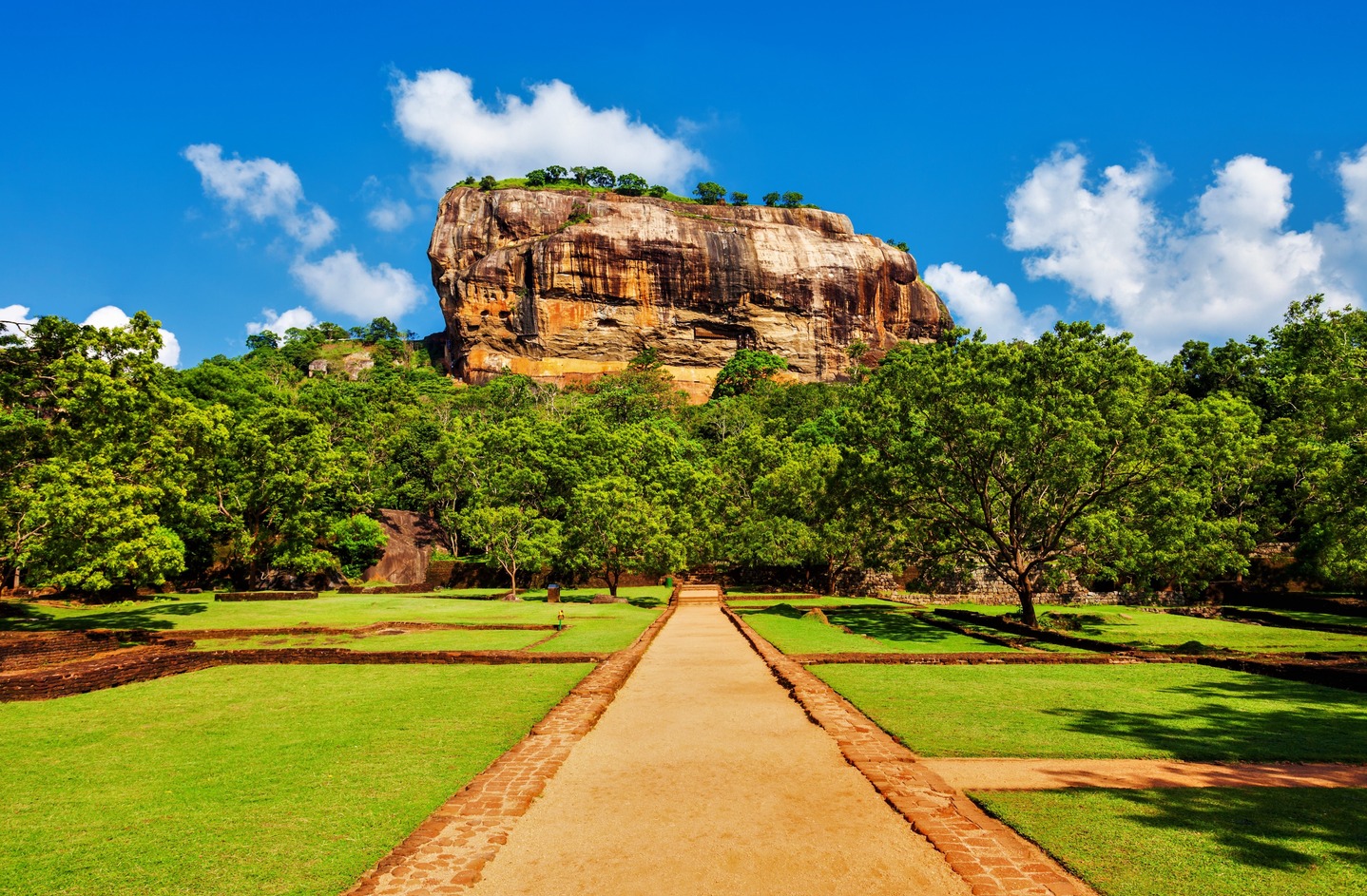
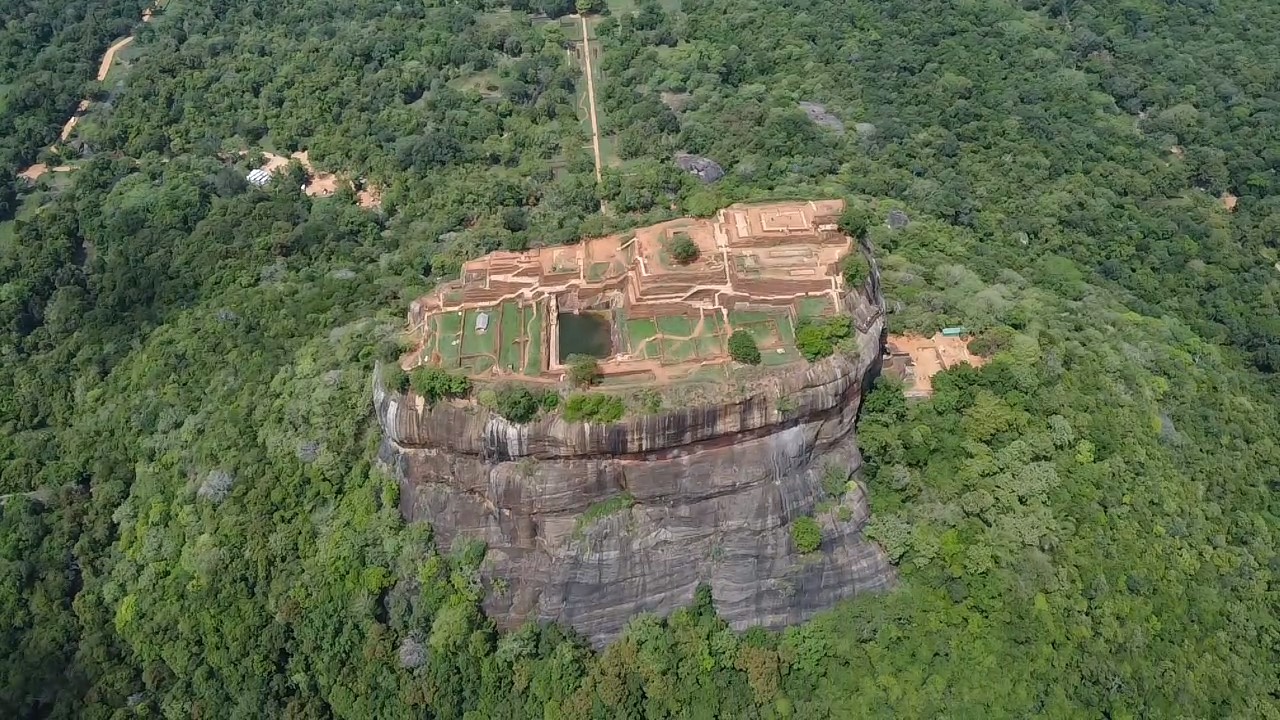
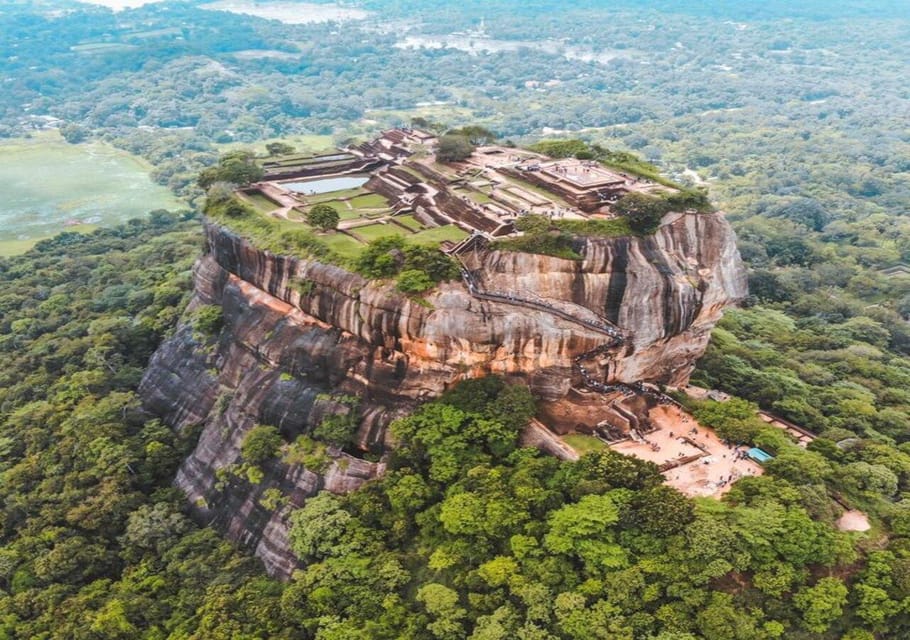
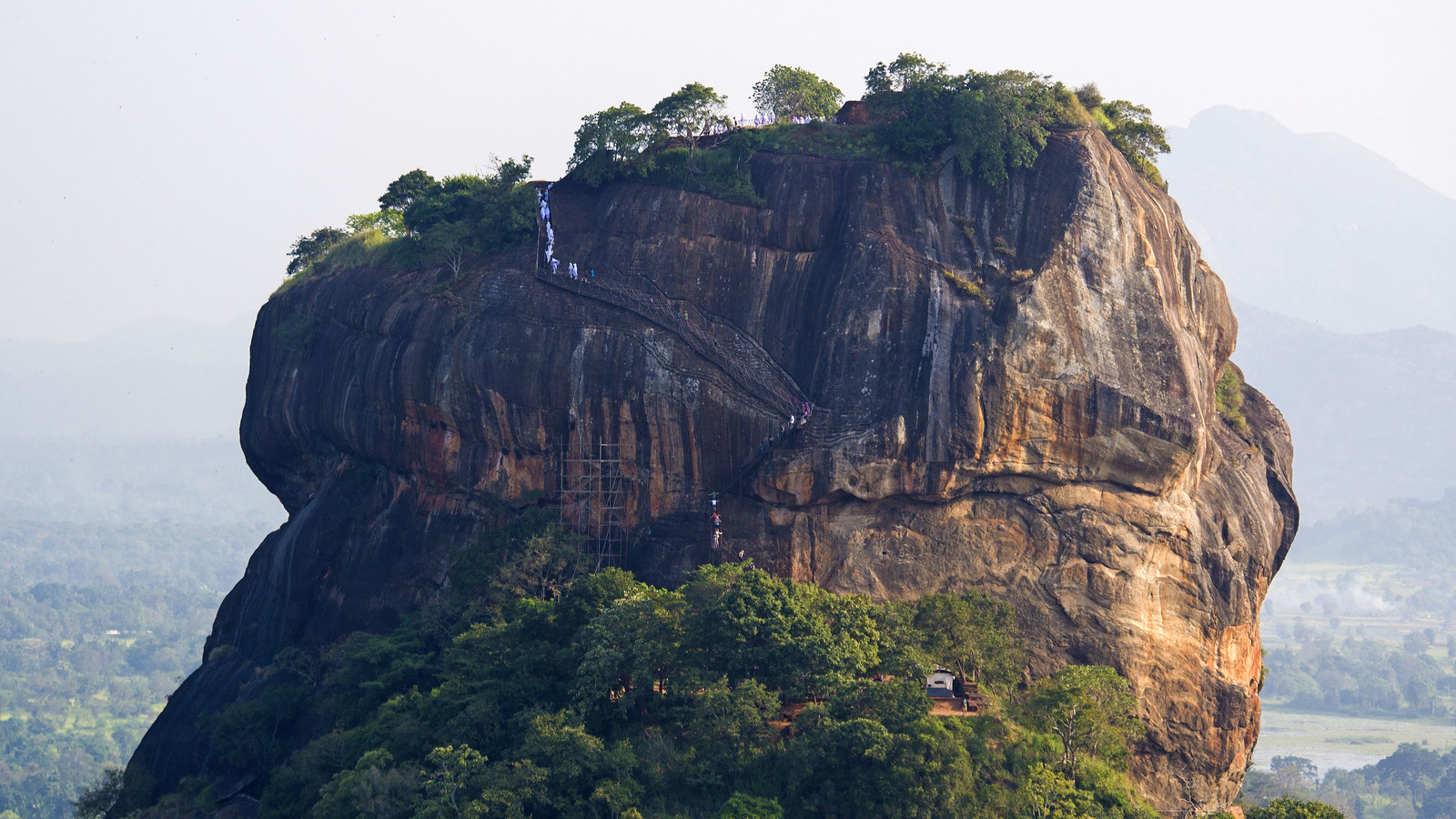
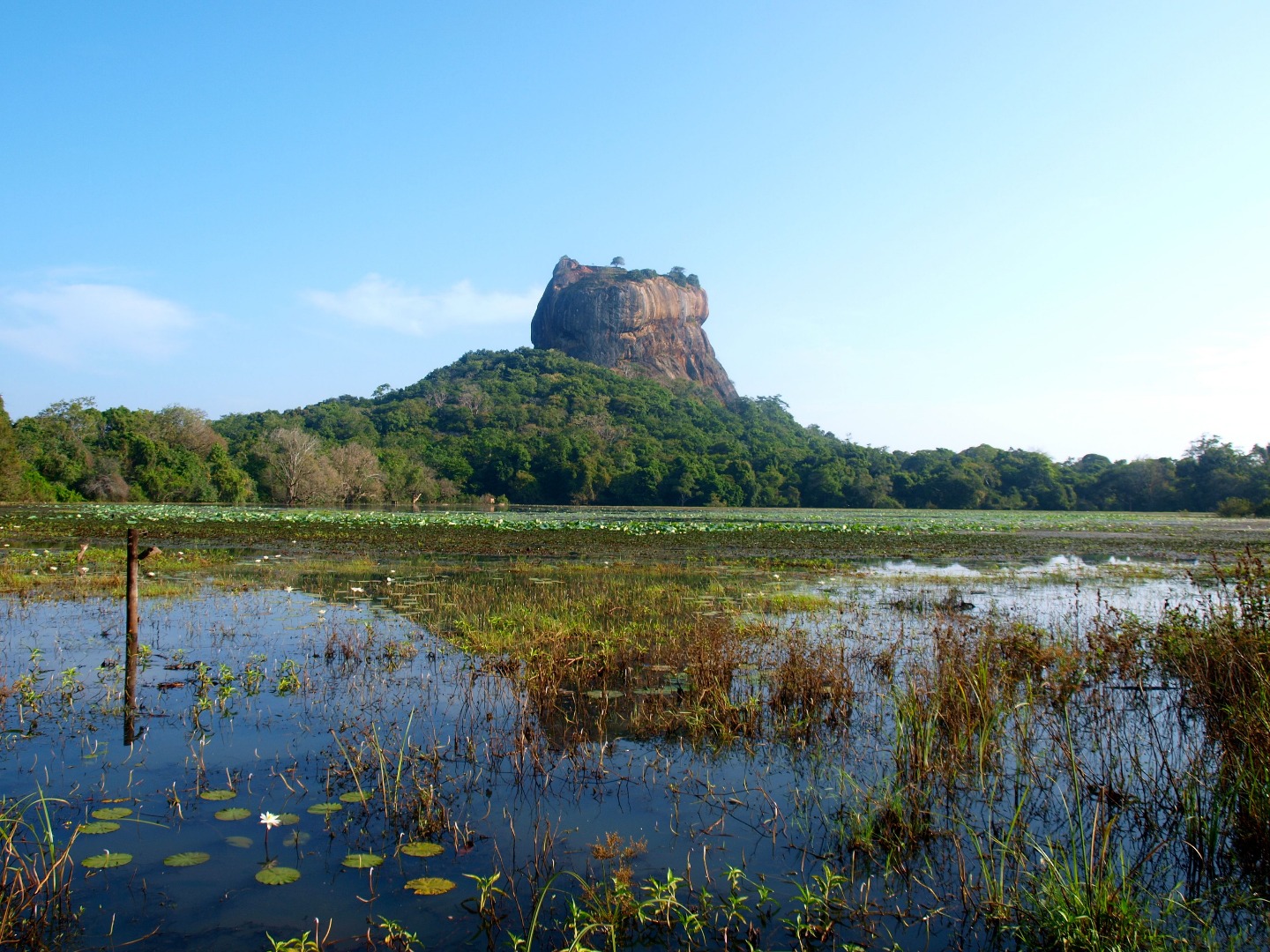
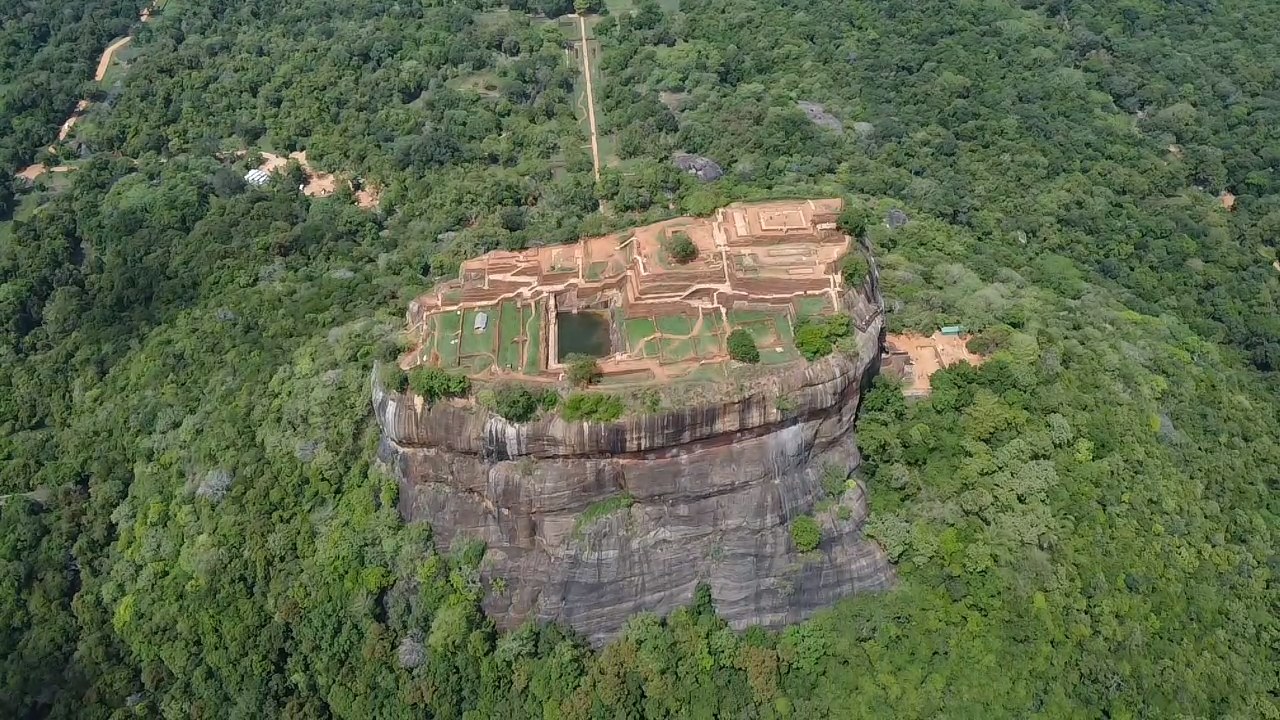
Sigiriya, also known as Lion Rock, is a UNESCO World Heritage Site renowned for its ancient palace ruins and stunning frescoes. This 5th-century rock fortress offers breathtaking views and a fascinating glimpse into Sri Lanka's rich history and culture.
Top Attractions
Sigiriya Rock Fortress
The iconic Sigiriya Rock Fortress is a 5th-century palace and fortress complex built by King Kasyapa. The climb to the top offers stunning views and a glimpse into ancient Sri Lankan history.
Historical/Architecture
2-3 hours
USD 30 (foreign tourists)
Pidurangala Rock
Pidurangala Rock offers an alternative climb with breathtaking views of Sigiriya and the surrounding landscape. It's less crowded and more affordable than Sigiriya Rock.
Nature/Adventure
1-2 hours
USD 5 (entry fee)
Sigiriya Museum
The Sigiriya Museum provides a comprehensive overview of the history and significance of the Sigiriya Rock Fortress. It houses artifacts and exhibits related to the ancient site.
Historical/Museum
1 hour
USD 10 (foreign tourists)
Must-Try Local Dishes
Rice and Curry
A traditional Sri Lankan meal consisting of rice served with a variety of curries, including vegetable, meat, and fish curries.
Lunch/Dinner
Can be vegetarian or non-vegetarian
Hoppers (Appa)
Bowl-shaped pancakes made from fermented rice flour and coconut milk, often served with an egg in the center.
Breakfast/Dinner
Vegetarian (unless served with egg or meat)
Kottu Roti
A popular street food made from chopped flatbread, vegetables, and meat, cooked on a hot plate with spices.
Lunch/Dinner
Can be vegetarian or non-vegetarian
Fish Ambul Thiyal
A sour and spicy fish curry made with goraka (a type of sour fruit) and a blend of spices.
Lunch/Dinner
Non-vegetarian, contains seafood
Popular Activities
Rock climbing (Sigiriya and Pidurangala)
Jeep safaris (Minneriya National Park)
Tea tasting
Spa treatments
Visiting ancient temples and ruins
Watching cultural shows
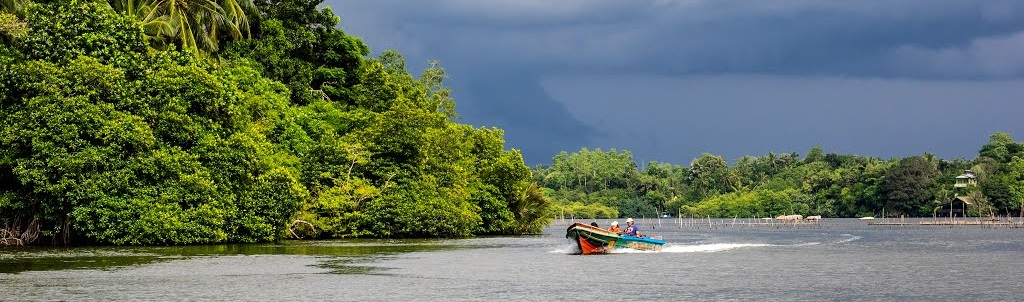
Boat rides on Habarana Lake
Elephant rides
Best Time to Visit
January to April
This is the best time to visit Sigiriya due to pleasant weather and minimal rainfall. The clear skies offer the best views of the rock and surrounding landscapes.
25-32°C (77-90°F)
77-90°F
Practical Information
Language
- Official: Sinhala, Tamil
- Widely spoken: English
- English: Moderately spoken in tourist areas, limited elsewhere
Currency
Sri Lankan Rupee (LKR)
Time Zone
GMT+5:30
Electricity
230VV, 50HzHz
Safety Information
Overall Safety Rating: Generally safe
Sigiriya is generally safe for tourists, but common sense and precautions should be taken to ensure a smooth trip.
Important Precautions:
- • Use reputable tour operators and guides.
- • Negotiate prices before starting a journey or purchasing items.
- • Keep valuables secure and be cautious of pickpockets in crowded areas.
Getting there
By air
- Bandaranayake International Airport • 160 km (100 miles)
- Mattala Rajapaksa International Airport • 100 km (62 miles)
By train
Habarana Railway Station
By bus
Habarana Bus Station
Getting around
Public transport
Buses are the most common form of public transport. They are affordable but can be crowded.
Taxis
Available • Apps: PickMe
Rentals
Car, Bike, Scooter
Neighborhoods
Sigiriya Village
Habarana
Day trips
Dambulla Cave Temple
30 km (18.6 miles) • Half day
The Dambulla Cave Temple is a UNESCO World Heritage Site featuring five intricately decorated caves with statues and frescoes of the Lord Buddha and various deities.
Minneriya National Park
20 km (12.4 miles) • Full day
Minneriya National Park is famous for its elephant gathering, especially during the dry season. The park offers excellent opportunities for wildlife safaris.
Polonnaruwa Ancient City
50 km (31 miles) • Full day
Polonnaruwa is a UNESCO World Heritage Site and the second ancient capital of Sri Lanka. It features well-preserved ruins of royal palaces, temples, and monuments.
Festivals
Esala Perahera • August
Sigiriya Festival • August/September
Pro tips
- Start your climb to Sigiriya Rock early in the morning to avoid the heat and crowds.
- Hire a local guide for a more detailed and engaging experience at Sigiriya.
- Try local street food for an authentic and affordable culinary experience.
- Carry plenty of water and wear sun protection when exploring the rock fortress.
- Visit the Sigiriya Museum before climbing the rock to gain context and historical insights.
From $25
per person
Price varies by option
Secure booking
Free cancellation available
Instant confirmation