Sigiriya Village Tour and Lunch with Hotel Pick up from Sigiriya
Active
3h
For a full refund, cancel at least 24 hours before the scheduled departure time.
Instant confirmation
Mobile or paper ticket accepted
About this experience
This 3-hour private village tour gives you a chance to experience traditional Sri Lanka with all its authenticity. Spend time with the villagers and engage in many village activities that form everyday life; such as an oxen cart ride, a catamaran ride, and a walk through the fields. Learn to cook traditional Sri Lankan food. You will finish off with an exceptionally delicious buffet lunch, served in classic Sri Lankan style. This is your truly Sri Lankan holiday experience.
Available options
Sigiriya Village Tour and Lunch with Hotel Pick up from Sigiriya
What's included
Oxen cart ride.
Traditional catamaran safari.
Authentic Sri Lankan village lunch.
Local guide.
Complimentary hotel pick up and drop off by Tuk Tuk from a hotel in Sigiriya.
Detailed itinerary
1
You will be starting your Village Tour at 10:30 am. You will be provided with directions to the village, where you will be met by your tour guide at the time of starting. You will have a quick walk around the village while your guide tells you more about village life.
You will begin the first of your activities at approximately 10:45 am. The oxen cart is commonly used as the primary mode of transport in Sri Lankan villages. You will have a 15-minute oxen cart ride, ending at the banks of an artificial reservoir.
From this point, you will continue on to a 15-minute traditional catamaran ride. The area has many types of aquatic and plant life. You may be able to catch sight of an occasional crocodile or water monitor as you glide along. Another possible sighting are cormorants and other waterbirds. After you enjoy your time with nature, you will be deposited on a bank adjoining some paddy fields.
2
These seasonal paddy cultivations, also called ‘Chena’ cultivations, are dependent on the two major monsoon rain periods that take the place of winter in Sri Lanka. The walk through the fields will allow you to see the paddy cultivation first-hand.
You will then move back to the village and be introduced to a local, who will give you a half-hour cooking demonstration on traditional Sri Lankan cooking. The demonstration will also allow you to make your own attempt at cooking a Sri Lankan dish.
You will be having lunch right after at 12:15 pm. Lunch will be a buffet of perfectly cooked rice with 6 traditionally cooked Sri Lankan curries and fresh fried fish. You will also have a green salad and crunchy papadum, practically an essential addition for meals in most Sri Lankan and Indian homes. You will be eating on woven trays with clean lotus leaves on top. Your food which will be cooked in the traditional way, in clay pots over wood fires.
What's not included
Food and drinks, unless specified.
Gratuities.
Available languages
Guide guide
EN
Reviews breakdown
Viator
5.0
1 reviews
5★
1
4★
0
3★
0
2★
0
1★
0
Tripadvisor
5.0
9 reviews
5★
9
4★
0
3★
0
2★
0
1★
0
Important information
Public transportation options are available nearby
Suitable for all physical fitness levels
Meeting point
Your Hotel in Sigiriya
About Sigiriya
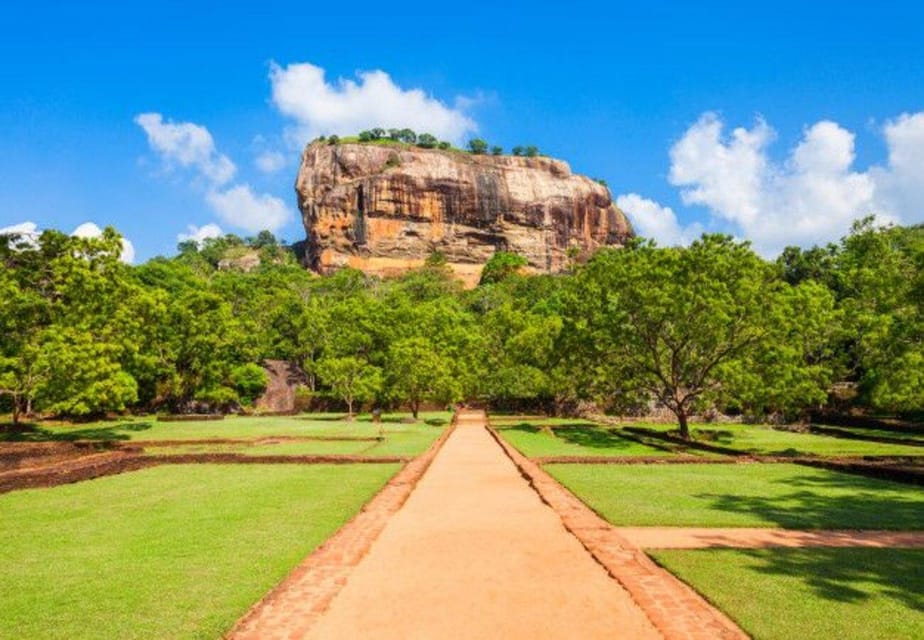
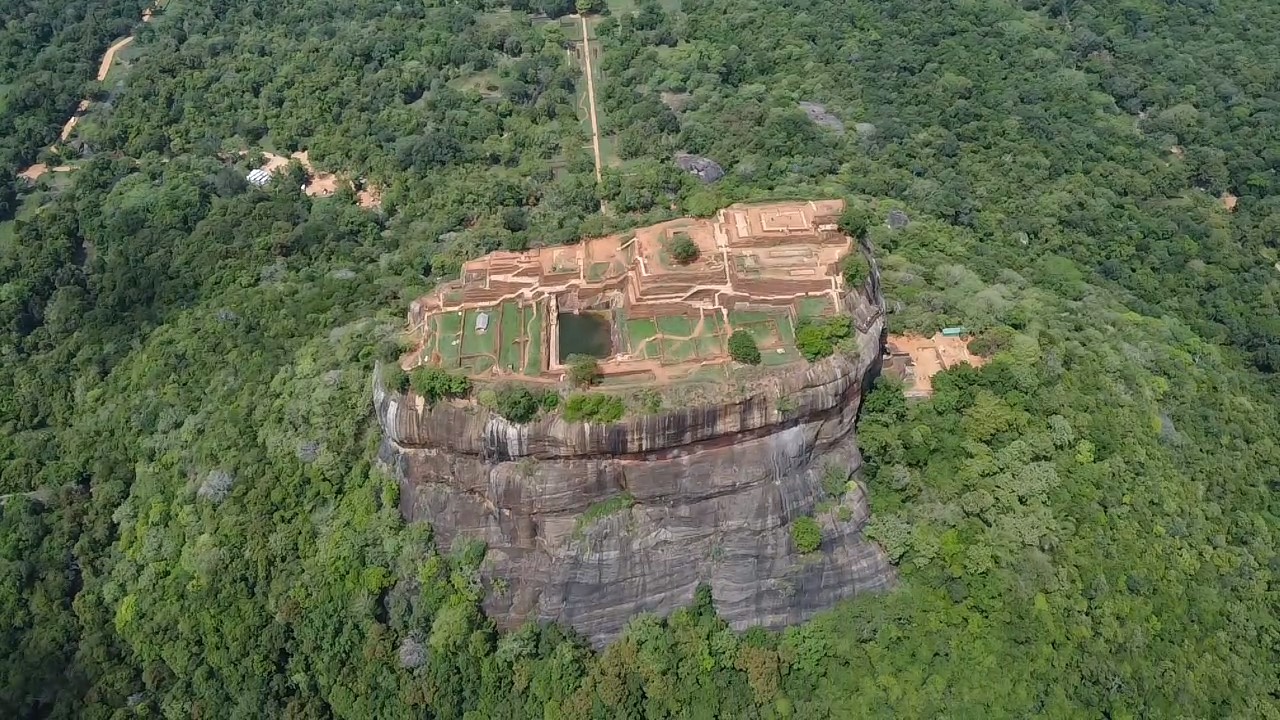
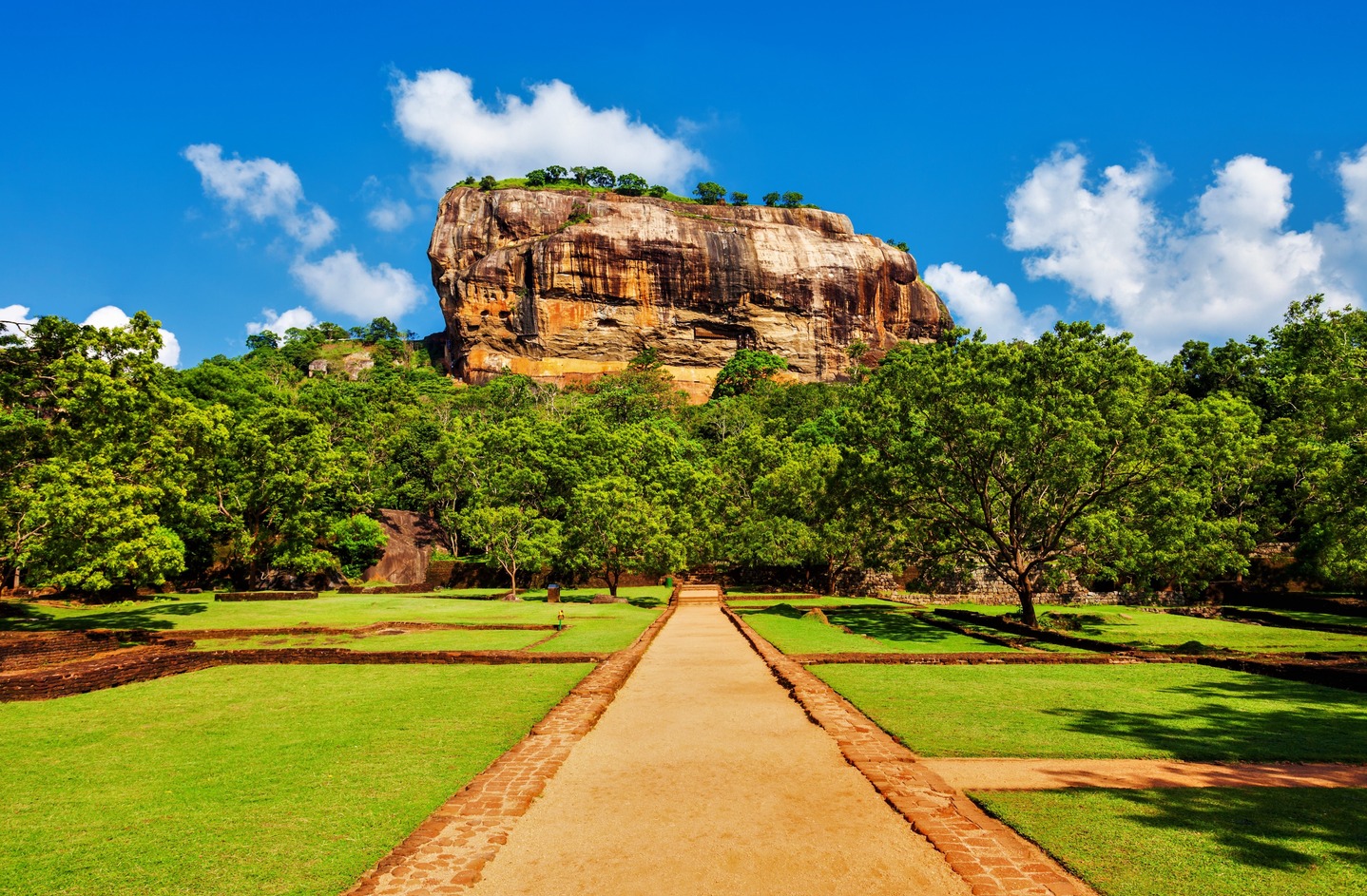
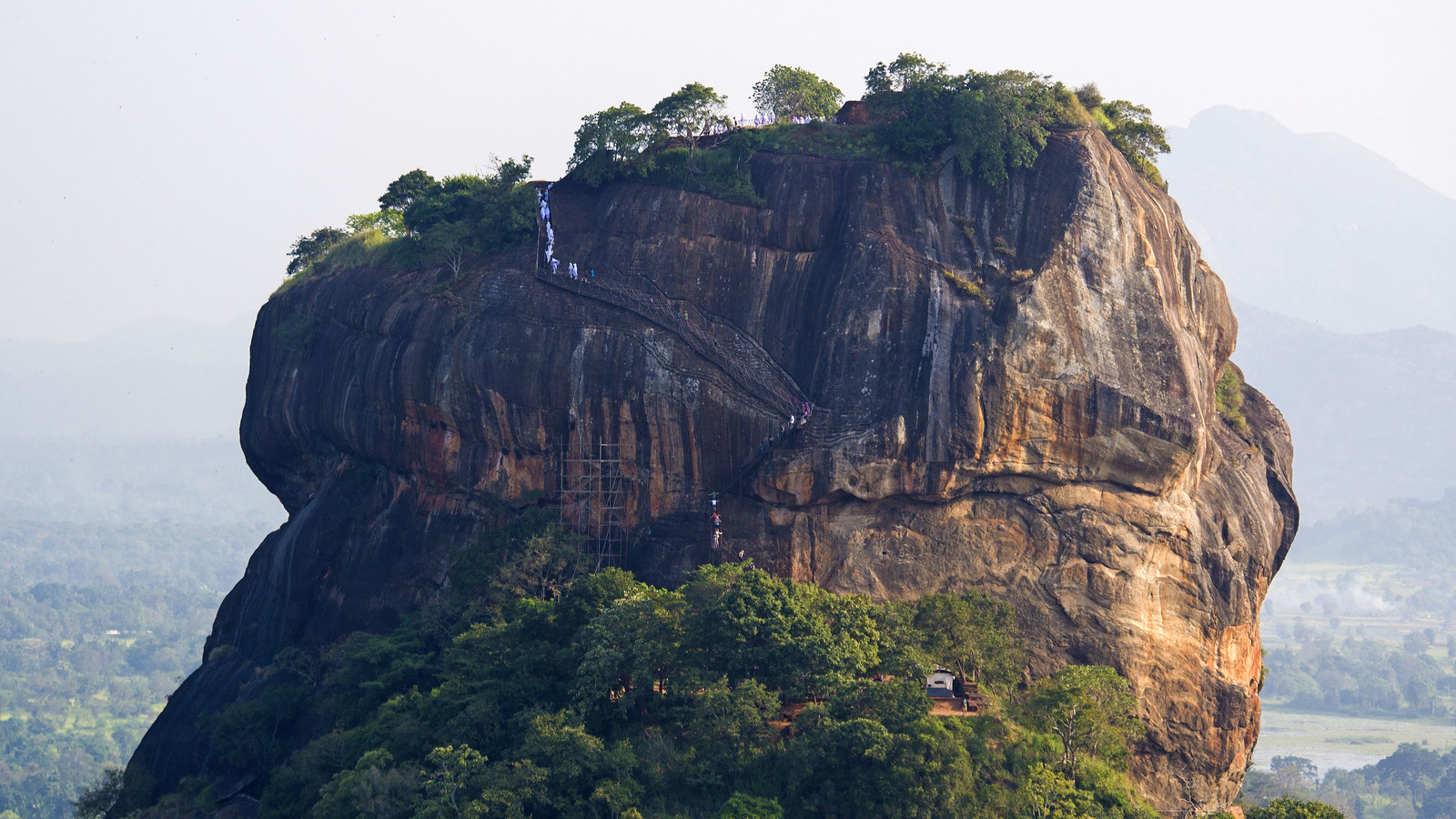
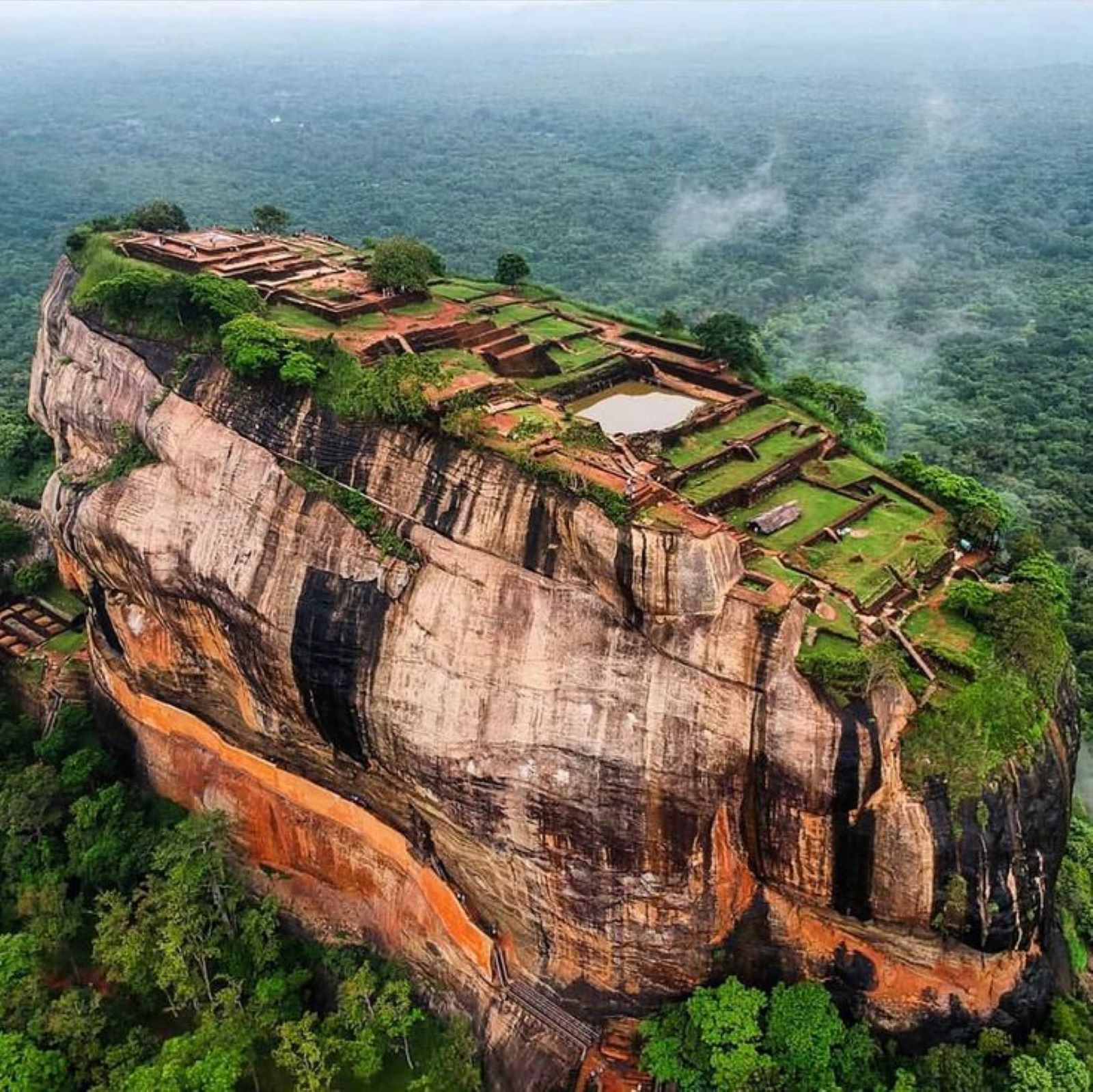
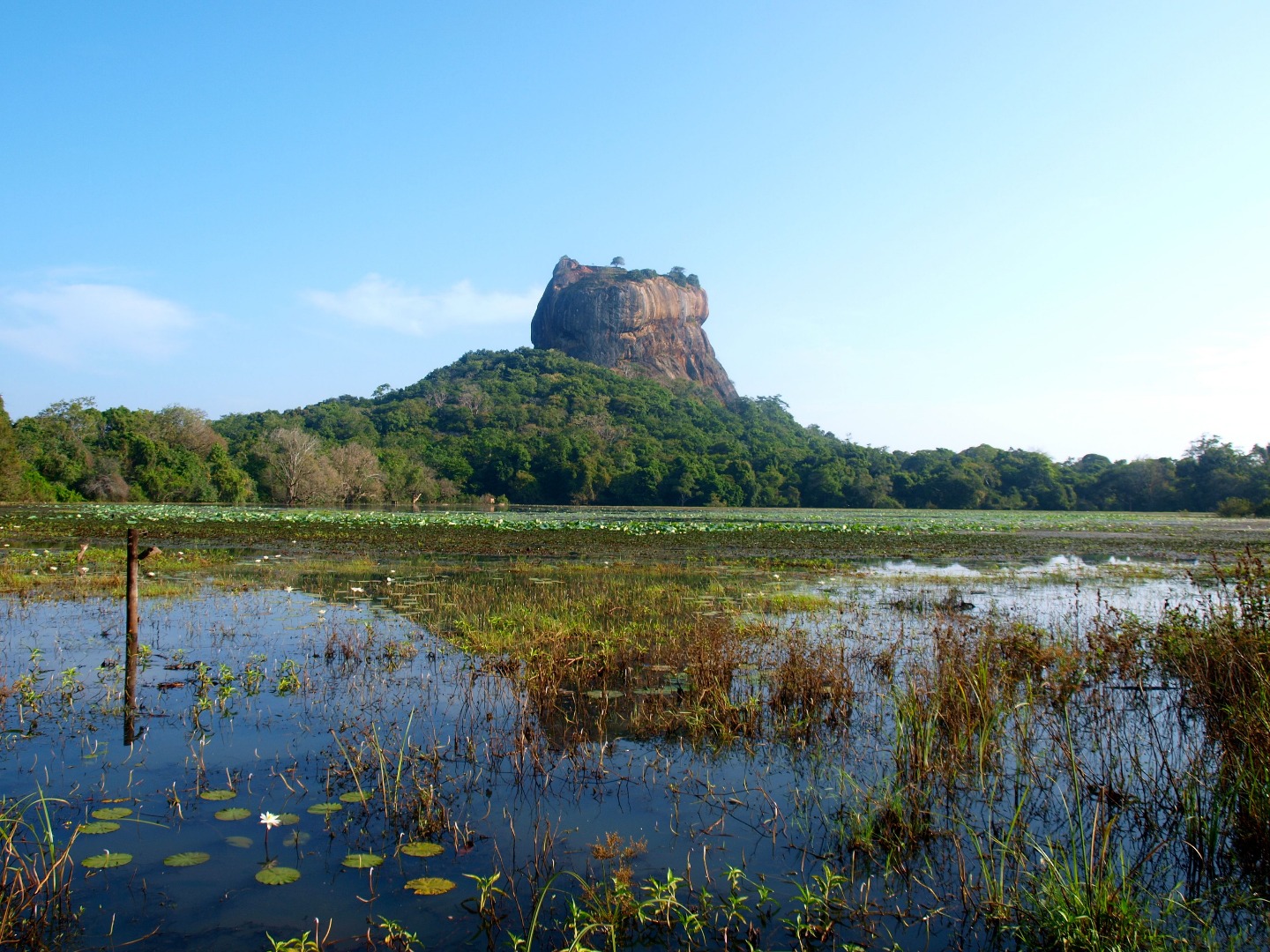
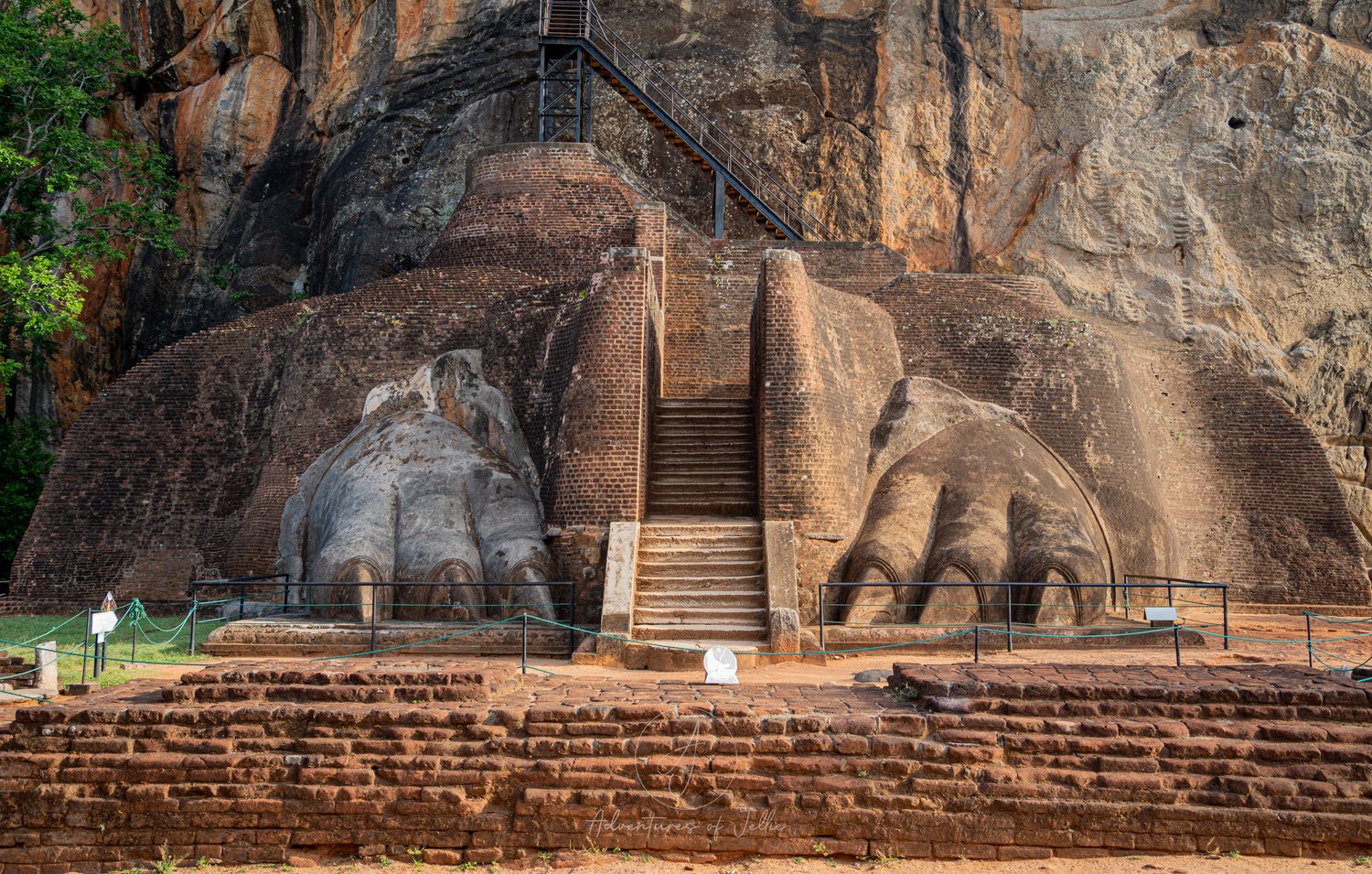
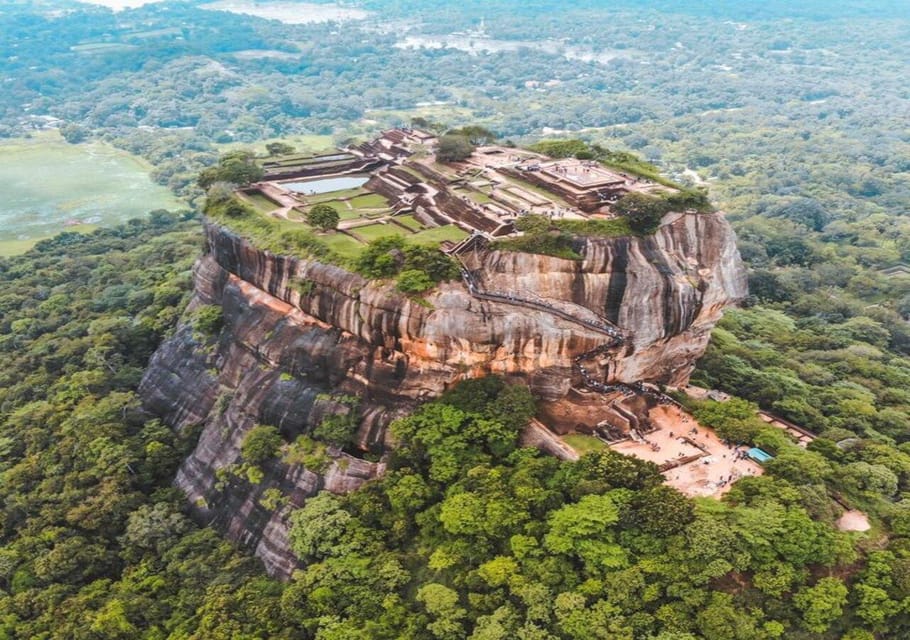
Sigiriya, also known as Lion Rock, is a UNESCO World Heritage Site renowned for its ancient palace ruins and stunning frescoes. This 5th-century rock fortress offers breathtaking views and a fascinating glimpse into Sri Lanka's rich history and culture.
Top Attractions
Sigiriya Rock Fortress
The iconic Sigiriya Rock Fortress is a 5th-century palace and fortress complex built by King Kasyapa. The climb to the top offers stunning views and a glimpse into ancient Sri Lankan history.
Historical/Architecture
2-3 hours
USD 30 (foreign tourists)
Pidurangala Rock
Pidurangala Rock offers an alternative climb with breathtaking views of Sigiriya and the surrounding landscape. It's less crowded and more affordable than Sigiriya Rock.
Nature/Adventure
1-2 hours
USD 5 (entry fee)
Sigiriya Museum
The Sigiriya Museum provides a comprehensive overview of the history and significance of the Sigiriya Rock Fortress. It houses artifacts and exhibits related to the ancient site.
Historical/Museum
1 hour
USD 10 (foreign tourists)
Must-Try Local Dishes
Rice and Curry
A traditional Sri Lankan meal consisting of rice served with a variety of curries, including vegetable, meat, and fish curries.
Lunch/Dinner
Can be vegetarian or non-vegetarian
Hoppers (Appa)
Bowl-shaped pancakes made from fermented rice flour and coconut milk, often served with an egg in the center.
Breakfast/Dinner
Vegetarian (unless served with egg or meat)
Kottu Roti
A popular street food made from chopped flatbread, vegetables, and meat, cooked on a hot plate with spices.
Lunch/Dinner
Can be vegetarian or non-vegetarian
Fish Ambul Thiyal
A sour and spicy fish curry made with goraka (a type of sour fruit) and a blend of spices.
Lunch/Dinner
Non-vegetarian, contains seafood
Popular Activities
Rock climbing (Sigiriya and Pidurangala)
Jeep safaris (Minneriya National Park)
Tea tasting
Spa treatments
Visiting ancient temples and ruins
Watching cultural shows
Boat rides on Habarana Lake
Elephant rides
Best Time to Visit
January to April
This is the best time to visit Sigiriya due to pleasant weather and minimal rainfall. The clear skies offer the best views of the rock and surrounding landscapes.
25-32°C (77-90°F)
77-90°F
Practical Information
Language
- Official: Sinhala, Tamil
- Widely spoken: English
- English: Moderately spoken in tourist areas, limited elsewhere
Currency
Sri Lankan Rupee (LKR)
Time Zone
GMT+5:30
Electricity
230VV, 50HzHz
Safety Information
Overall Safety Rating: Generally safe
Sigiriya is generally safe for tourists, but common sense and precautions should be taken to ensure a smooth trip.
Important Precautions:
- • Use reputable tour operators and guides.
- • Negotiate prices before starting a journey or purchasing items.
- • Keep valuables secure and be cautious of pickpockets in crowded areas.
Getting there
By air
- Bandaranayake International Airport • 160 km (100 miles)
- Mattala Rajapaksa International Airport • 100 km (62 miles)
By train
Habarana Railway Station
By bus
Habarana Bus Station
Getting around
Public transport
Buses are the most common form of public transport. They are affordable but can be crowded.
Taxis
Available • Apps: PickMe
Rentals
Car, Bike, Scooter
Neighborhoods
Sigiriya Village
Habarana
Day trips
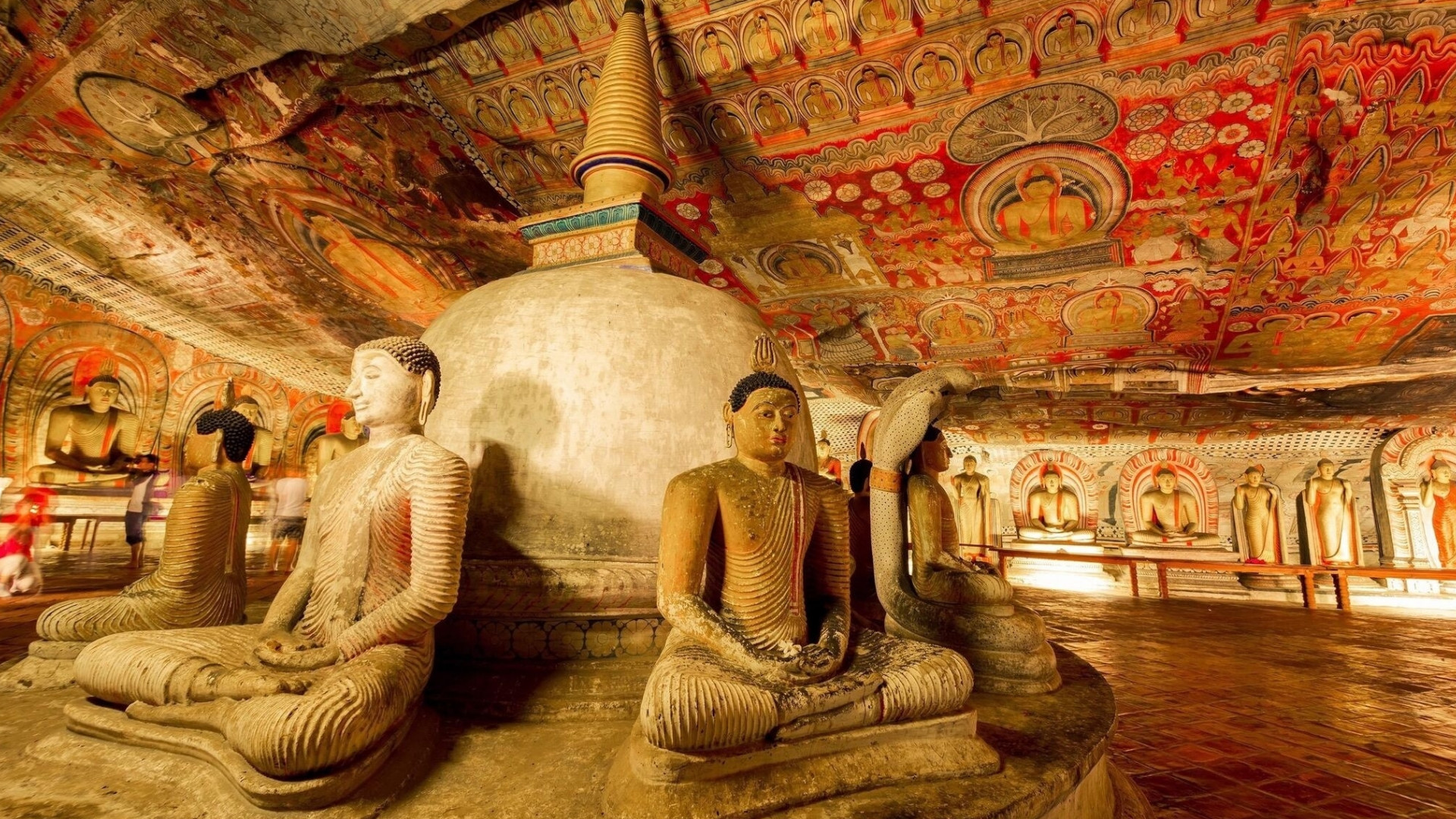
Dambulla Cave Temple
30 km (18.6 miles) • Half day
The Dambulla Cave Temple is a UNESCO World Heritage Site featuring five intricately decorated caves with statues and frescoes of the Lord Buddha and various deities.
Minneriya National Park
20 km (12.4 miles) • Full day
Minneriya National Park is famous for its elephant gathering, especially during the dry season. The park offers excellent opportunities for wildlife safaris.
Polonnaruwa Ancient City
50 km (31 miles) • Full day
Polonnaruwa is a UNESCO World Heritage Site and the second ancient capital of Sri Lanka. It features well-preserved ruins of royal palaces, temples, and monuments.
Festivals
Esala Perahera • August
Sigiriya Festival • August/September
Pro tips
- Start your climb to Sigiriya Rock early in the morning to avoid the heat and crowds.
- Hire a local guide for a more detailed and engaging experience at Sigiriya.
- Try local street food for an authentic and affordable culinary experience.
- Carry plenty of water and wear sun protection when exploring the rock fortress.
- Visit the Sigiriya Museum before climbing the rock to gain context and historical insights.
From $25
per person
Price varies by option
Secure booking
Free cancellation available
Instant confirmation