Walking Tour about Golden Age Architecture, private local guide
Active
1h
For a full refund, cancel at least 24 hours before the scheduled departure time.
Instant confirmation
Mobile or paper ticket accepted
About this experience
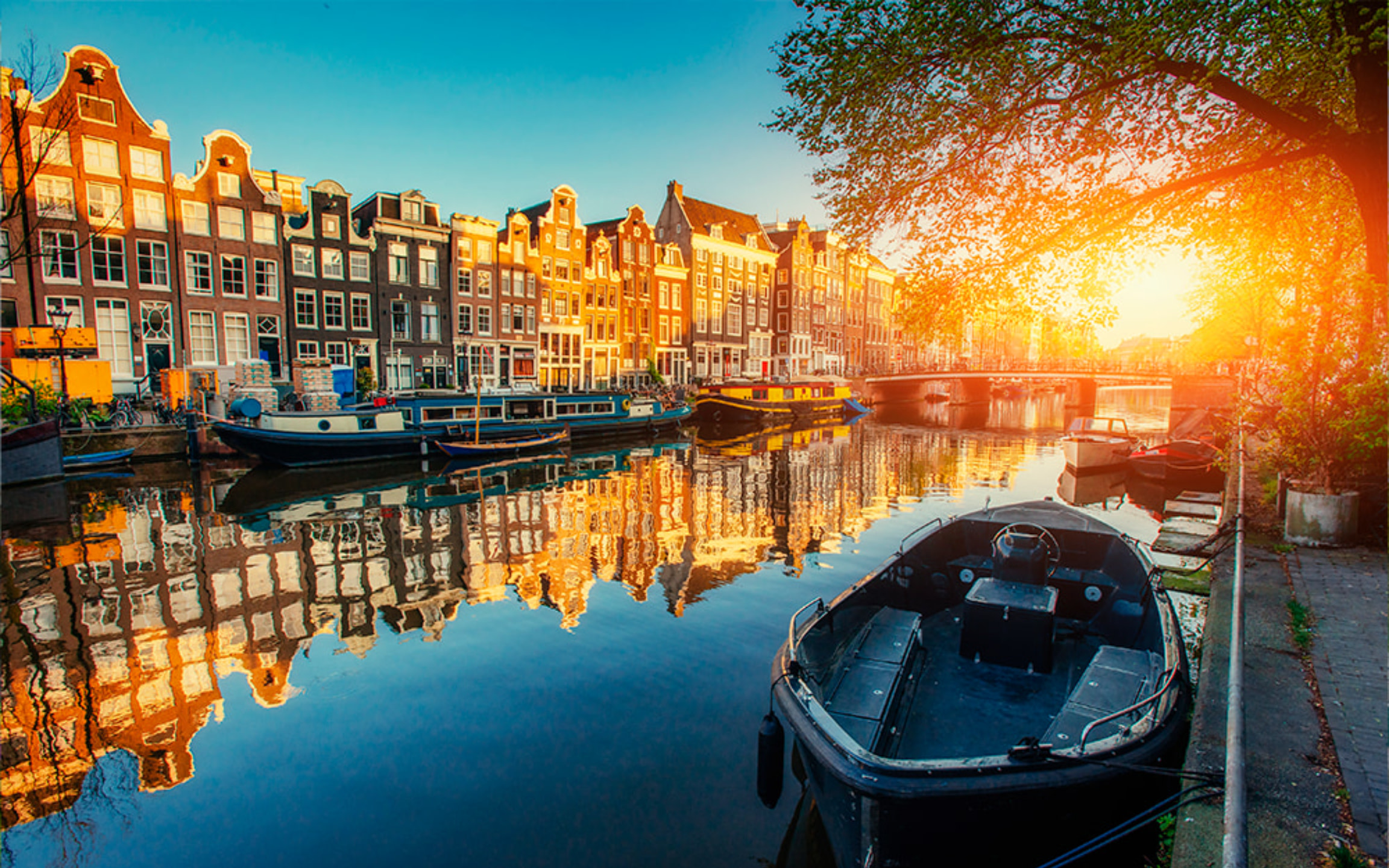
Step back in time and explore the architectural brilliance of Amsterdam’s Golden Age on this immersive private tour. Wander through the city’s most iconic landmarks, from the majestic Royal Palace to the elegant canal houses that define Amsterdam’s charm. Learn how the city’s 17th-century rise as a global trade hub influenced its distinctive architectural styles, from grand gabled facades to innovative urban planning.
Your guide Anna - the same that is mentioned in the reviews - also lives in the neighborhood. Therefore you’ll gain not only historical insights but also a firsthand perspective on how these monumental buildings are used today. You'll learn fascinating details about the design, engineering, and cultural significance of each building, and hear stories that go beyond what’s found in guidebooks.
It's the perfect tour for architecture enthusiasts, history lovers, and curious travelers alike.
Available options
Walking Tour about Golden Age Architecture, private local guide
What's included
Private guide
Detailed itinerary
1
Stop 1
The tour starts with an engaging introduction to Amsterdam’s rich history, the significance of Dam Square, and the city’s remarkable Golden Age. You’ll learn how Amsterdam rose to prominence during the 17th century as a global trade hub, shaping the city’s architecture and cultural legacy. We’ll explore the circumstances and key events that defined this prosperous era, setting the stage for the architectural masterpieces you’ll encounter on the tour.
2
Stop 2
During our discussion of the Royal Palace of Amsterdam, we'll dive into the fascinating history of this iconic building, originally constructed as the city’s town hall during the Dutch Golden Age. Learn how it symbolized Amsterdam’s power and prosperity in the 17th century before being transformed into the royal residence it is today. You’ll also explore the Dutch Neoclassical architectural style that defines the palace, with insights into the building materials and techniques used to create its grandiose structure. You’ll also discover the engineering marvel behind its construction on challenging clay and marshy ground, showcasing the ingenuity required to build on such difficult terrain. From its historical significance to its architectural beauty, you’ll gain a deeper appreciation for this masterpiece of Dutch design.
3
Stop 3
House Bartolotti, located along one of Amsterdam’s scenic canals, is a beautiful example of 17th-century Dutch baroque architecture. The luxurious house, made of striking red brick, boasts an elegant façade with large windows, and intricate sculptural details made of sandstone. The building’s ornate design reflects the wealth and status of its original owner, as well as his strong trading ties with Italy.
4
Stop 4
On this wide bridge you'll have a perfect view of the four unique façade designs that were popular with the mercantile class of the Golden Age. Marvel at these stunning examples of how the Baroque style was adapted in the Netherlands, with its intricate details and dramatic contrasts. You'll also encounter charming examples of "crooked houses" – a fascinating feature of Amsterdam’s urban landscape, where the buildings lean in unique, often whimsical ways due to the city's soft, marshy ground. This is an excellent spot to appreciate the creativity and resilience of Amsterdam’s Golden Age architecture.
5
Stop 5
The house’s name, "De Dolphijn," references the dolphin symbol of wealth, reflecting the prosperity of Amsterdam’s maritime trade during the Dutch Golden Age. It was originally owned by Frans Banning Cocq, the captain immortalized in Rembrandt’s famous painting The Night Watch. Its elegant design and rich history makes it a key part of the architectural heritage of the canal belt.
6
Domes were the hight of architectural achievement during the renaissance period.
7
The warehouses along Amsterdam’s Prinsengracht are iconic examples of the city’s Golden Age architecture, reflecting the thriving trade and commerce that defined 17th-century Amsterdam. These buildings were designed with functionality in mind featuring tall, steeply pitched gables, large windows, and wooden hoisting beams on the roof, which were used to lift heavy cargo from ships docked along the canal.
The architectural simplicity of the exteriors, with their clean lines and minimal ornamentation, reflects the utilitarian purpose of the buildings, while the grand scale speaks to the wealth and power of the Amsterdam merchants who once used them.
8
Stop 8
In the 17th century, the Jordaan neighborhood in Amsterdam was a vibrant mix of both residential and commercial life, reflecting the city’s booming economy during the Dutch Golden Age. Originally developed as a lower- and middle class district for craftsmen and laborers, the Jordaan became a hub of activity with narrow, picturesque canals lined by tight rows of houses, many with small shops or workshops on the ground floors. During this part of the tour the focus will be on the "gevelstenen" or "facade stones". These are small, decorative plaques often found embedded in the façades of Amsterdam’s Golden Age buildings. These stones serve both functional and decorative purposes, often communicating how the building was used, the profession of the building's owner or other significant facts about the people living and working there. Many "facade stones" feature intricate carvings, adding a layer of creativity and storytelling to Amsterdam's streetscapes.
9
Stop 9
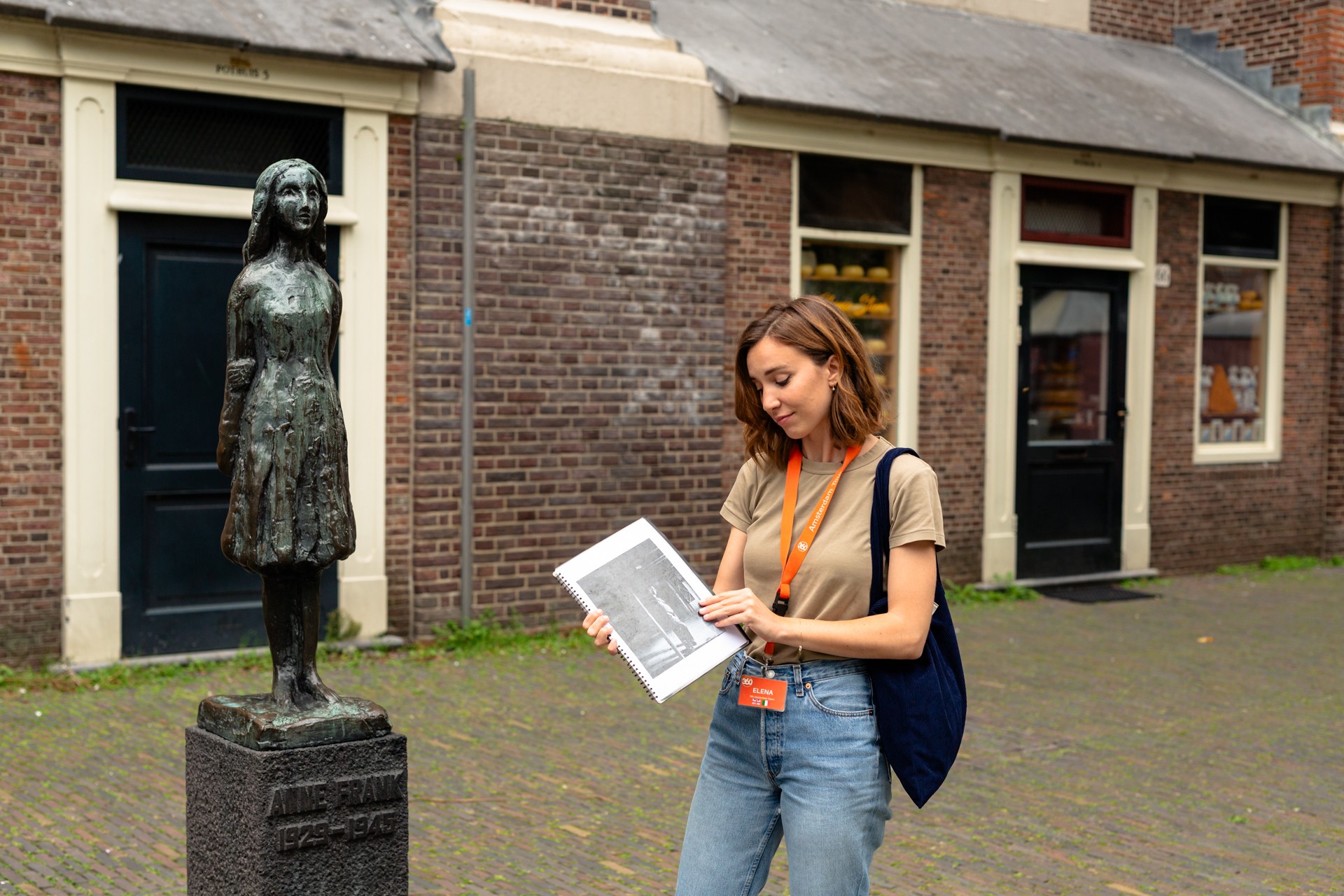
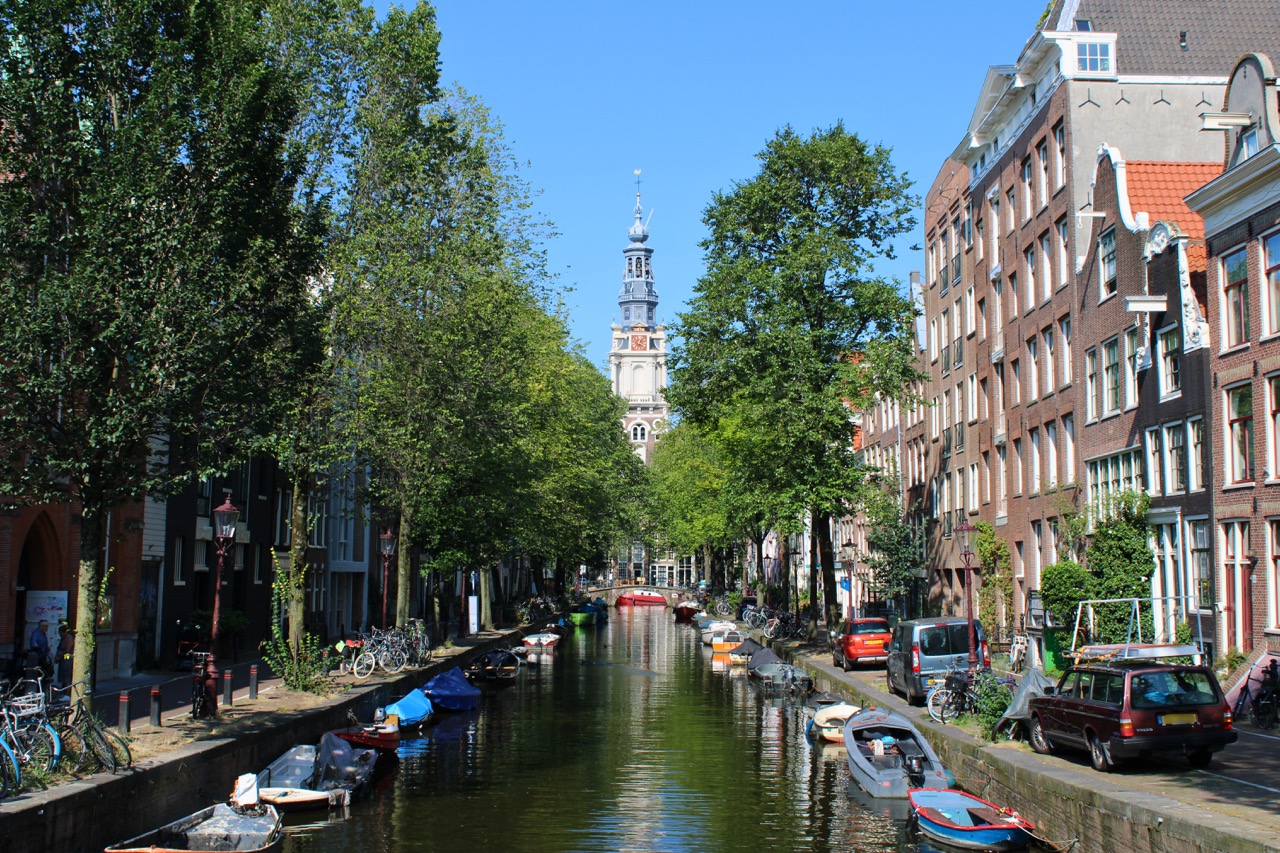
The Westerkerk is one of Amsterdam's most important landmarks. It was originally constructed as a Calvinist church to serve the growing population of the city. The church's large, airy interior and simple, elegant design are typical of Calvinist worship spaces. The Westerkerk is also historically significant as the final resting place of Rembrandt van Rijn. The church's towering spire, completed in 1638, rises 85 meters (280 feet) above the Jordaan district, and is crowned with the imperial crown, a symbol of Amsterdam's status since the 15th century. The tower’s clock, with its distinctive chimes - which Anne Frank described in het diary - has marked the passing hours for centuries. Loved by residents for its beauty and historical significance, the Westerkerk stands as a cherished symbol of Amsterdam’s rich heritage.
What's not included
Bottled water
Available languages
Guide guide
EN
NL
Reviews breakdown
Viator
5.0
9 reviews
5★
9
4★
0
3★
0
2★
0
1★
0
Tripadvisor
4.8
6 reviews
5★
5
4★
1
3★
0
2★
0
1★
0
Important information
Service animals allowed
Public transportation options are available nearby
Suitable for all physical fitness levels
Not recommended for participants who use a walker
Not recommended for participants who have trouble walking and standing for 1.5 hours
Mobility aids are not available
Meeting point
Walk towards the Royal Palace entrance on the Dam Square. The meeting point is underneath the golden balcony of the Royal Palace.
About Amsterdam
Amsterdam, the capital of the Netherlands, is renowned for its picturesque canals, historic architecture, and vibrant cultural scene. Known as the 'Venice of the North,' the city offers a rich blend of art, history, and modern innovation, making it a captivating destination for travelers.
Top Attractions
Rijksmuseum
The Rijksmuseum is the Dutch national museum dedicated to arts and history. It houses an extensive collection of paintings, including works by Rembrandt and Vermeer.
Museum
2-3 hours
€20
Van Gogh Museum
The Van Gogh Museum is dedicated to the works of Vincent van Gogh and his contemporaries. It houses the largest collection of Van Gogh paintings and drawings in the world.
Museum
1.5-2 hours
€20
Anne Frank House
The Anne Frank House is a biographical museum dedicated to Jewish wartime diarist Anne Frank. The building is where Anne Frank and her family hid from Nazi persecution during World War II.
Historical
1 hour
€16
Dam Square
Dam Square is the central square of Amsterdam and a historic site. It is home to the Royal Palace, the National Monument, and various other landmarks.
Historical
1 hour
Free
Jordaan
Jordaan is a picturesque and lively neighborhood known for its narrow streets, canals, and vibrant atmosphere. It is a great place to explore, shop, and dine.
Neighborhood
A few hours to explore
Free to explore, varies for shopping and dining
Must-Try Local Dishes
Stroopwafel
A thin, round waffle made from two layers of baked dough joined by a caramel-like syrup filling
Dessert
Vegetarian, contains wheat and sugar
Bitterballen
Deep-fried, crispy balls filled with a creamy, spiced ragout, typically made from beef or veal
Snack
Contains meat, gluten, and dairy
Haring
Raw herring fish, traditionally served with onions and pickles, eaten by holding the fish by its tail and lowering it into your mouth
Dish
Contains fish, not suitable for vegetarians
Poffertjes
Miniature pancakes made from a batter of flour, eggs, milk, and yeast, served with powdered sugar and butter
Dessert
Vegetarian, contains wheat, eggs, and dairy
Popular Activities
Canal kayaking
Bike tours
Escape rooms
Canal cruises
Visiting parks and gardens
Spa and wellness treatments
Museum visits
Art galleries
Best Time to Visit
June to August
The peak tourist season in Amsterdam is during the summer months when the weather is warm and sunny. This is the best time to enjoy outdoor activities and festivals, but it's also the busiest and most expensive period.
15°C to 22°C
59°F to 72°F
Practical Information
Language
- Official: Dutch
- Widely spoken: English, German, French
- English: Widely spoken, especially in tourist areas
Currency
Euro (EUR)
Time Zone
GMT+1 (CET), GMT+2 (CEST) during daylight saving time
Electricity
230VV, 50HzHz
Safety Information
Overall Safety Rating: Generally safe, with some areas requiring caution
Amsterdam is generally a safe city for travelers, with low violent crime rates and a welcoming atmosphere. However, petty crime, such as pickpocketing and bike theft, can occur, particularly in tourist areas and on public transport. Exercise caution and be aware of your surroundings, especially at night.
Important Precautions:
- • Keep valuables secure and out of sight
- • Be cautious of your surroundings, particularly in crowded areas and on public transport
- • Use licensed taxis and agree on the fare before starting your journey
Getting there
By air
- Amsterdam Airport Schiphol • 17.5 km from city center
By train
Amsterdam Centraal
By bus
Amsterdam Sloterdijk, Amsterdam Airport Schiphol
Getting around
Public transport
Amsterdam's tram system is efficient and user-friendly, with 14 day and night tram lines. A single ticket costs €3.20, and day passes are available.
Taxis
Available • Apps: Uber, Taxi Amsterdam
Rentals
Car, Bike, Scooter
Neighborhoods
Jordaan
De Pijp
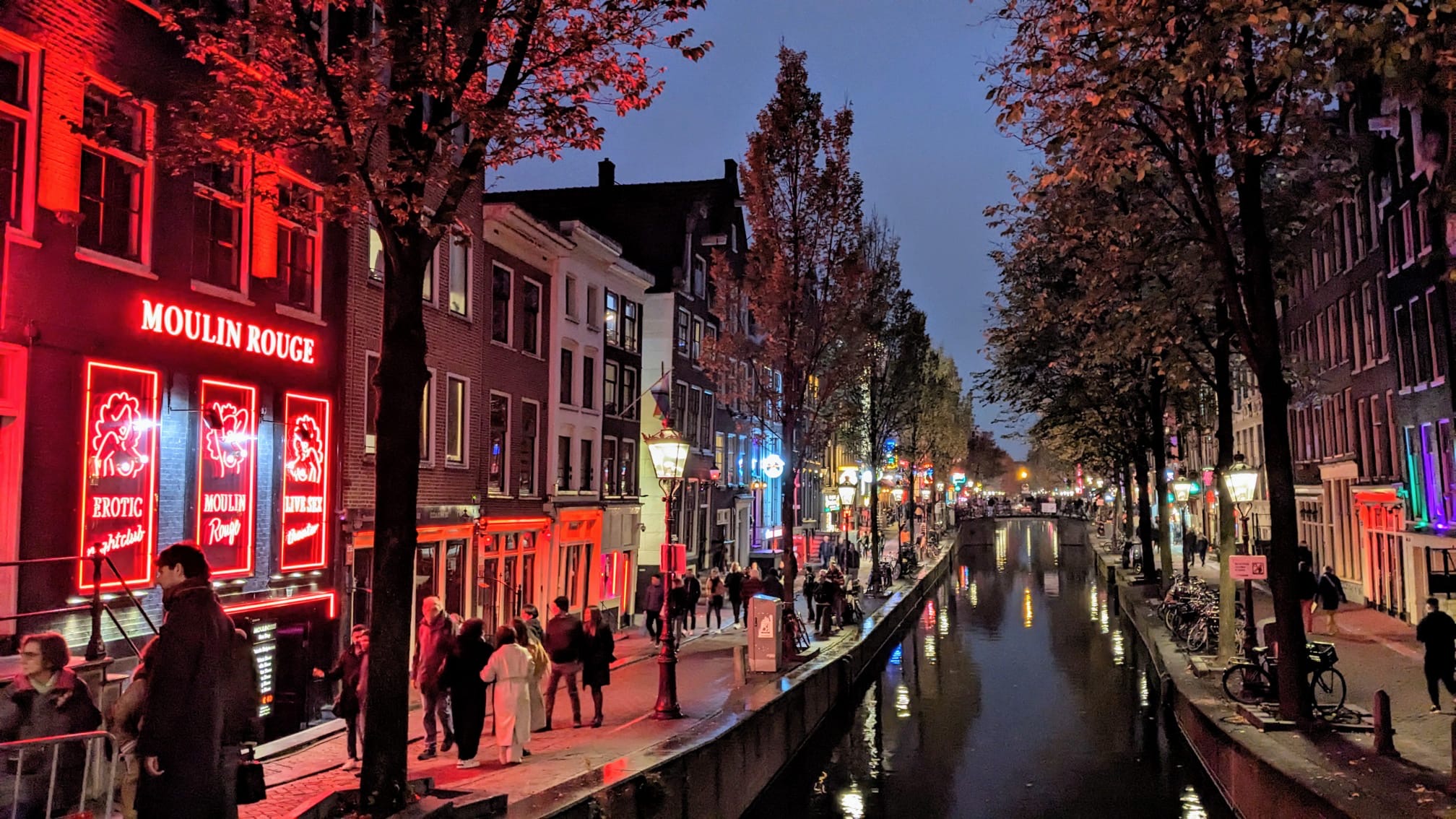
De Wallen (Red Light District)
Museumplein
Amsterdam-Noord
Day trips
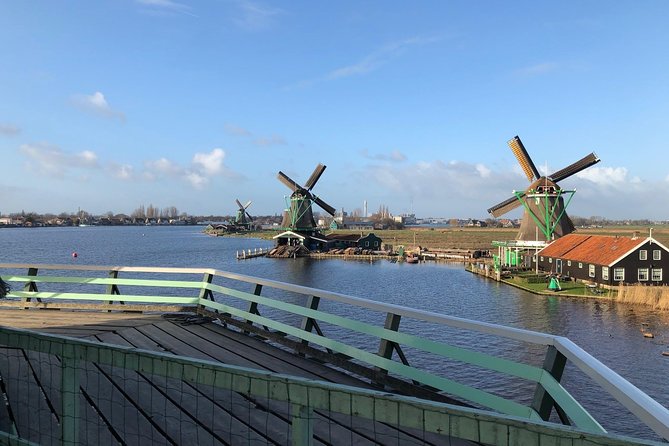
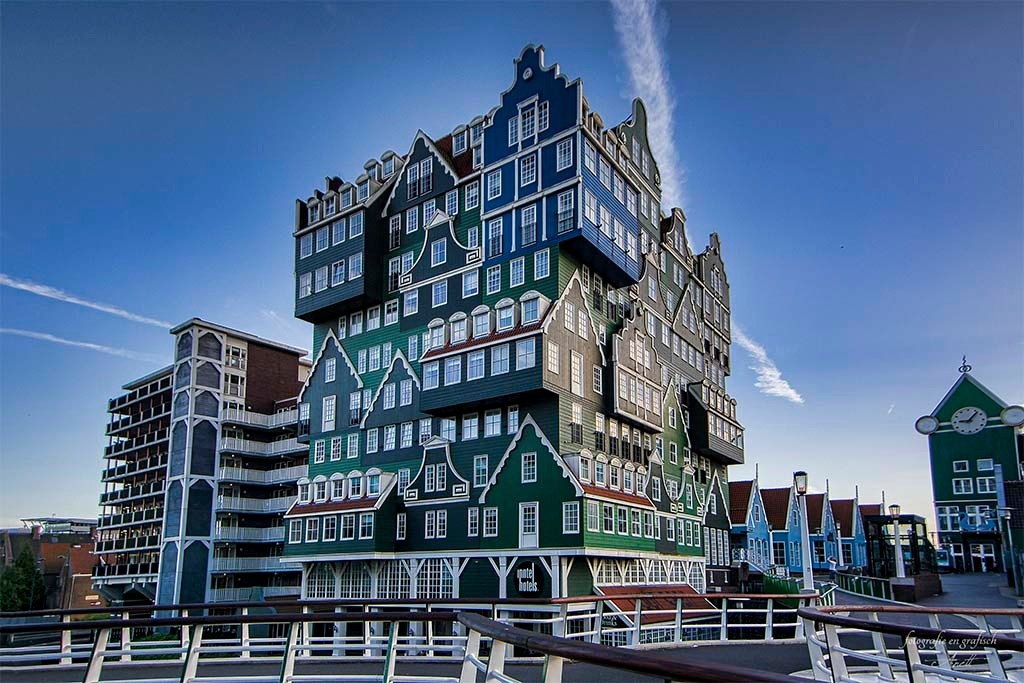
Zaanse Schans
20 km from Amsterdam • Half day to full day
A picturesque and open-air museum featuring traditional Dutch houses, windmills, and workshops, showcasing the history and craftsmanship of the region.
Haarlem
20 km from Amsterdam • Half day to full day
A charming and historic city known for its beautiful architecture, museums, and vibrant cultural scene, often considered a smaller and more relaxed version of Amsterdam.
Utrecht
50 km from Amsterdam • Full day
A vibrant and historic city known for its beautiful canals, medieval architecture, and lively cultural scene, with a unique and charming atmosphere.
Festivals
King's Day (Koningsdag) • April 27 (or April 26 if the 27th is a Sunday)
Amsterdam Pride • Late July to early August
Amsterdam Dance Event (ADE) • Mid-October
Pro tips
- Use the OV-chipkaart for seamless and convenient public transport
- Rent a bike to explore the city like a local, but be aware of cycling rules and etiquette
- Visit major attractions early in the morning or late in the afternoon to avoid crowds
- Explore the city's neighborhoods, each with its own unique character and charm
- Try local specialties, such as stroopwafels, bitterballen, and Dutch pancakes
From $25
per person
Price varies by option
Secure booking
Free cancellation available
Instant confirmation