Amsterdam Architecture Walking: Self-Guided GPS and Adio Tour
Active
2h - 3h
For a full refund, cancel at least 24 hours before the scheduled departure time.
Instant confirmation
Mobile or paper ticket accepted
About this experience
On this tour, we will visit the historic points of Amsterdam and give you their background information.
You will always feel comfortable because using GPS I know exactly where you are and will give you the right directions and information on time, spoken in your language. You can never get lost.
The route information is also on the screen and you can see the route displayed on the map.
You can walk at your own pace, alone or with your group, and can stop and pause any time you like.
Available options
Amsterdam Architecture Walking: Self-Guided GPS and Adio Tour
What's included
Onze WebApp
Detailed itinerary
1
Stop 1
Until 1997, a twenty-meter wide cobblestone road crossed Museumplein. Popularly, this road was also called 'the shortest highway in the Netherlands'. The Swedish-Danish landscape architect Sven-Ingvar Andersson was chosen as the designer of the current square. He made a design with two underground parking garages. At the place where the 'shortest highway' split, Andersson designed a rectangular pond.
2
Stop 2
Lizzy Cottage was built in 1902 by A.W. Weismann and named after the second wife of the owner Engelbertus van Essen. Look at the gold frieze above the bay window. Putti's can be found here. A putti is a chubby child and is mainly found in Renaissance, Baroque and Rococo art.
3
Stop 3
Since the 16th century, Amsterdam has experienced a flourishing diamond industry. At the end of 1900, more than 700 polishing wheels were in use in Amsterdam. These polishing wheels have been used for famous diamonds such as the Cullinan, the largest diamond ever found, and the Koh-i-Noor. This history of diamonds in Amsterdam makes this city the perfect place for the diamond museum.
4
Stop 4
We pass the van Gogh museum. The main building was designed by Gerrit Rietveld and opened in 1973. Gerrit Rietveld was an important member of the art group De Stijl. De Stijl was a Dutch art group founded by Theo van Doesburg.
5
Stop 5
The Municipal Museum opened its doors in 1895. The building is designed by A.W. Weissmann on behalf of the Amsterdam municipal council. The museum is built in a Dutch Renaissance style. In the early 17th century, Hendrick de Keyser played an important role in the development of the "Dutch Renaissance". Characteristics are the tall, narrow townhouses, stepped gables and the use of decorative triangular pediments above doors and windows.
6
Stop 6
During our walk we pass the Crystal houses. This building is partly made of glass bricks! The building was designed by architectural firms Gietermans and van Dijk and MVRDV in an elegant and modern style. The building is monumental, which means that certain classical elements had to be preserved, such as the terracotta stones.
7
Stop 7
In 1865 it was immediately clear that the arrival of the Vondelpark was an asset to the city, but stood in the way of further developments in the city. The park made a connection between Nieuw-West and Nieuw-Zuid almost impossible. No one wanted traffic to have to go through the park, so plans were made for a bridge. In 1936, architect Piet Kramer came up with a design for this bridge.
8
Stop 8
In front of house number 37 you see two gold-colored stones in the sidewalk. These stones were invented by the German artist Gunter Demnig. Gunter Demnig personally lays every stone in front of the houses where the victims lived. Isidor and Renée Drievoet lived in this house. The stones show their names, date of birth, date of deportation, place and date of death.
9
Stop 9
We walk past the beautiful Zevenlanden houses. The seven different houses represent a journey through the architectural styles of Europe. This is one of the best-known works by architect Tjeerd Kuipers. The houses were built on behalf of Amsterdam's Sam van Eegen in 1894.
10
We pass the Max Euweplein. This square is named after chess master Max Euwen. Max was the first Dutchman ever to win the world chess title. At the corner of the square you will see a large chessboard. It is certainly not to be missed and is a well-known concept in Amsterdam
Available languages
Audio guide
DE
PT
EN
IT
FR
NL
ES
Written guide
DE
PT
EN
IT
FR
NL
ES
Important information
Service animals allowed
Public transportation options are available nearby
Infants and small children can ride in a pram or stroller
All areas and surfaces are wheelchair accessible
Transportation options are wheelchair accessible
Wheelchair accessible
Travelers should have a high level of physical fitness
Total tour duration includes travel time
Meeting point
We start at the Museumplein near the museum shop. Check the screen in the App to see if you are almost there. Once you are within 10 meters of the starting point, the tour will start automatically.
Important notes
Use our WebApp https://myniki.app and redeem your code. You can use the Booking reference number.
About Amsterdam
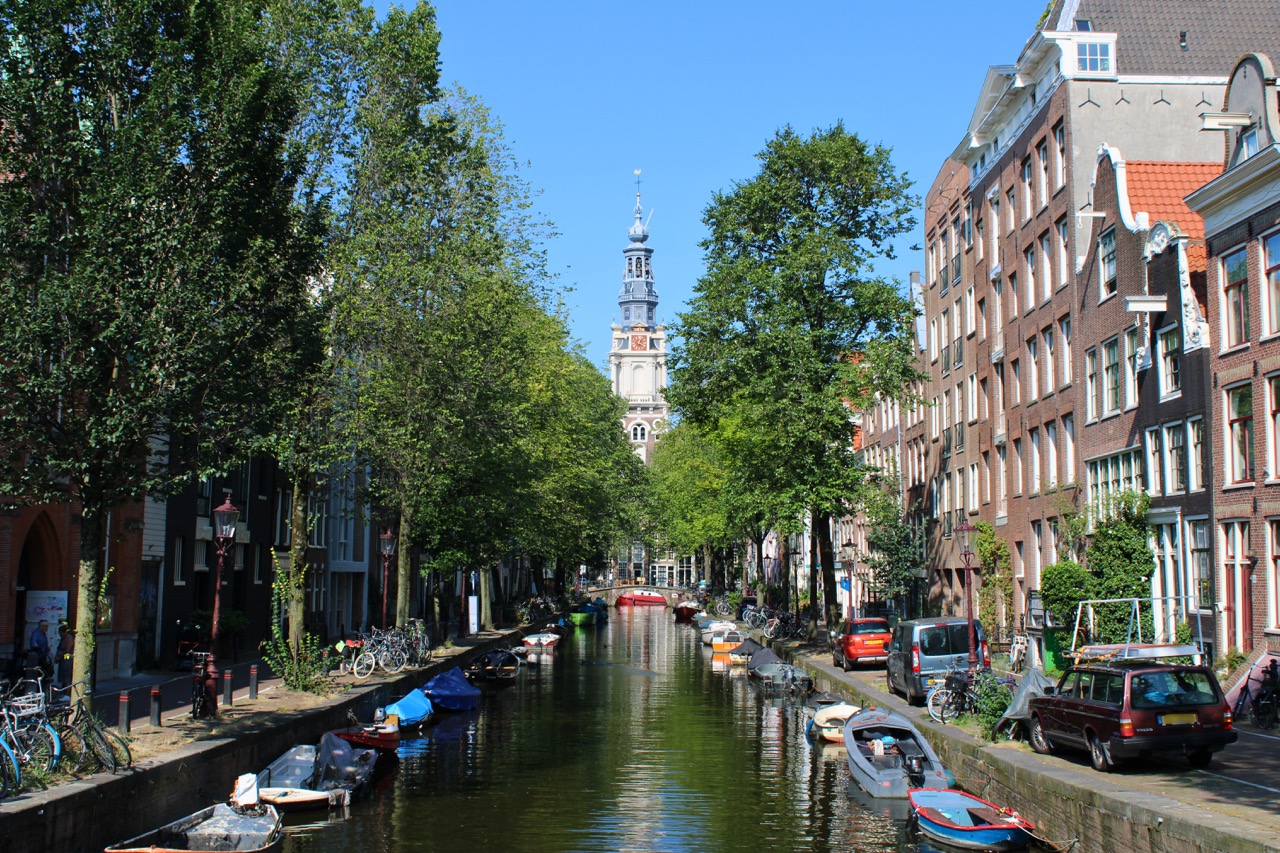
Amsterdam, the capital of the Netherlands, is renowned for its picturesque canals, historic architecture, and vibrant cultural scene. Known as the 'Venice of the North,' the city offers a rich blend of art, history, and modern innovation, making it a captivating destination for travelers.
Top Attractions
Rijksmuseum
The Rijksmuseum is the Dutch national museum dedicated to arts and history. It houses an extensive collection of paintings, including works by Rembrandt and Vermeer.
Museum
2-3 hours
€20
Van Gogh Museum
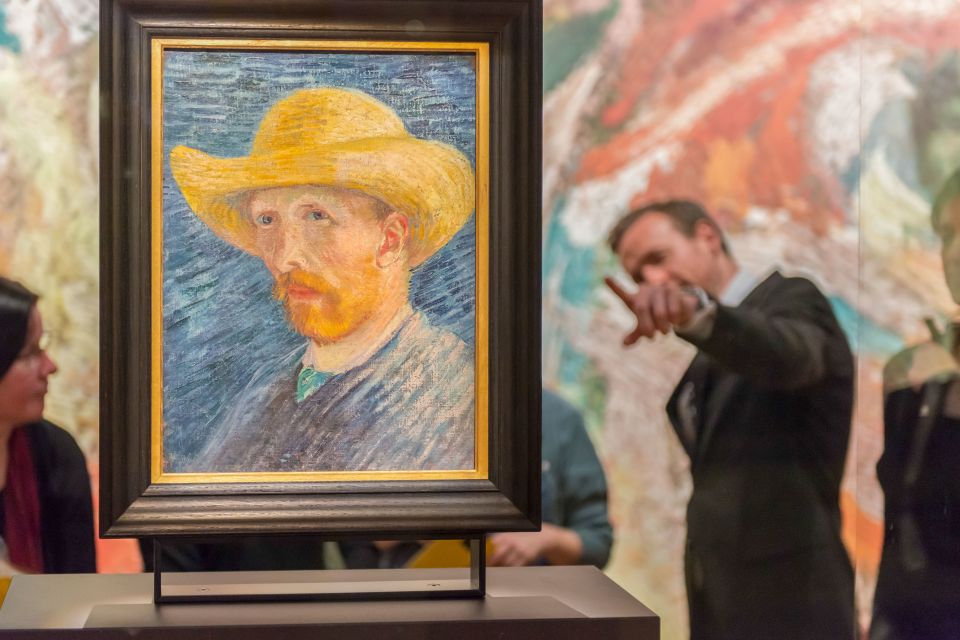
The Van Gogh Museum is dedicated to the works of Vincent van Gogh and his contemporaries. It houses the largest collection of Van Gogh paintings and drawings in the world.
Museum
1.5-2 hours
€20
Anne Frank House
The Anne Frank House is a biographical museum dedicated to Jewish wartime diarist Anne Frank. The building is where Anne Frank and her family hid from Nazi persecution during World War II.
Historical
1 hour
€16
Dam Square
Dam Square is the central square of Amsterdam and a historic site. It is home to the Royal Palace, the National Monument, and various other landmarks.
Historical
1 hour
Free
Jordaan
Jordaan is a picturesque and lively neighborhood known for its narrow streets, canals, and vibrant atmosphere. It is a great place to explore, shop, and dine.
Neighborhood
A few hours to explore
Free to explore, varies for shopping and dining
Must-Try Local Dishes
Stroopwafel
A thin, round waffle made from two layers of baked dough joined by a caramel-like syrup filling
Dessert
Vegetarian, contains wheat and sugar
Bitterballen
Deep-fried, crispy balls filled with a creamy, spiced ragout, typically made from beef or veal
Snack
Contains meat, gluten, and dairy
Haring
Raw herring fish, traditionally served with onions and pickles, eaten by holding the fish by its tail and lowering it into your mouth
Dish
Contains fish, not suitable for vegetarians
Poffertjes
Miniature pancakes made from a batter of flour, eggs, milk, and yeast, served with powdered sugar and butter
Dessert
Vegetarian, contains wheat, eggs, and dairy
Popular Activities
Canal kayaking
Bike tours
Escape rooms
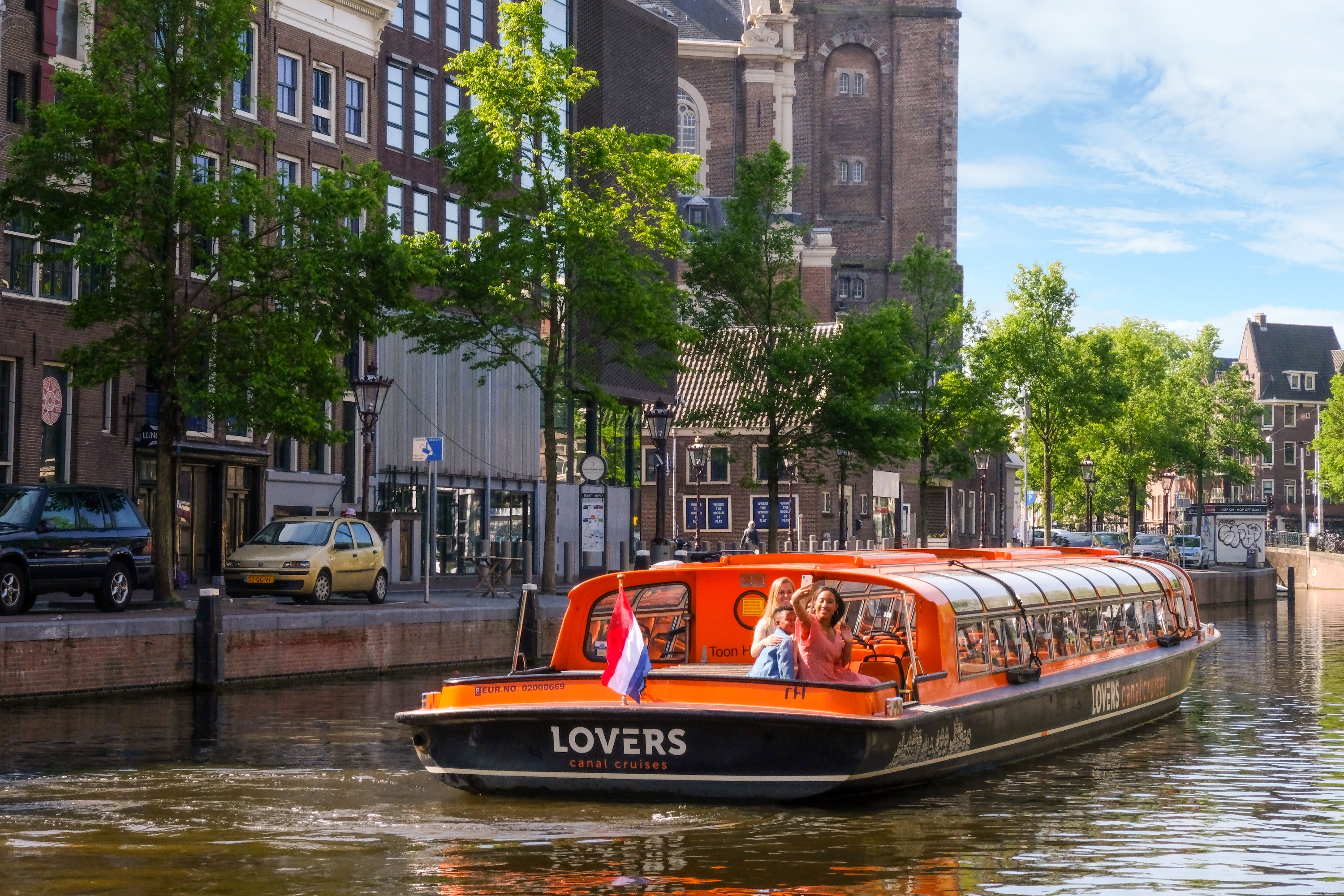
Canal cruises
Visiting parks and gardens
Spa and wellness treatments
Museum visits
Art galleries
Best Time to Visit
June to August
The peak tourist season in Amsterdam is during the summer months when the weather is warm and sunny. This is the best time to enjoy outdoor activities and festivals, but it's also the busiest and most expensive period.
15°C to 22°C
59°F to 72°F
Practical Information
Language
- Official: Dutch
- Widely spoken: English, German, French
- English: Widely spoken, especially in tourist areas
Currency
Euro (EUR)
Time Zone
GMT+1 (CET), GMT+2 (CEST) during daylight saving time
Electricity
230VV, 50HzHz
Safety Information
Overall Safety Rating: Generally safe, with some areas requiring caution
Amsterdam is generally a safe city for travelers, with low violent crime rates and a welcoming atmosphere. However, petty crime, such as pickpocketing and bike theft, can occur, particularly in tourist areas and on public transport. Exercise caution and be aware of your surroundings, especially at night.
Important Precautions:
- • Keep valuables secure and out of sight
- • Be cautious of your surroundings, particularly in crowded areas and on public transport
- • Use licensed taxis and agree on the fare before starting your journey
Getting there
By air
- Amsterdam Airport Schiphol • 17.5 km from city center
By train
Amsterdam Centraal
By bus
Amsterdam Sloterdijk, Amsterdam Airport Schiphol
Getting around
Public transport
Amsterdam's tram system is efficient and user-friendly, with 14 day and night tram lines. A single ticket costs €3.20, and day passes are available.
Taxis
Available • Apps: Uber, Taxi Amsterdam
Rentals
Car, Bike, Scooter
Neighborhoods
Jordaan
De Pijp
De Wallen (Red Light District)
Museumplein
Amsterdam-Noord
Day trips
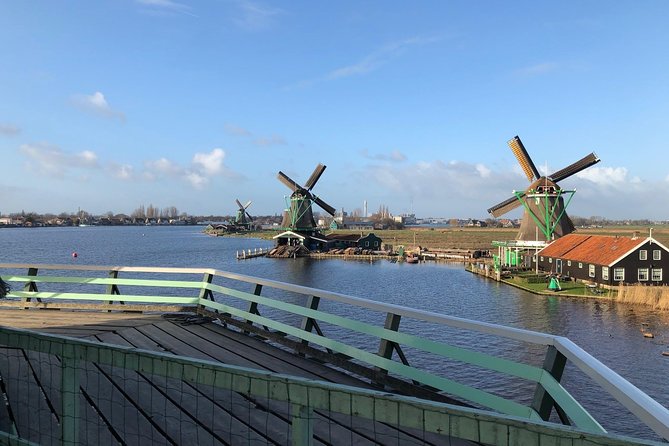
Zaanse Schans
20 km from Amsterdam • Half day to full day
A picturesque and open-air museum featuring traditional Dutch houses, windmills, and workshops, showcasing the history and craftsmanship of the region.
Haarlem
20 km from Amsterdam • Half day to full day
A charming and historic city known for its beautiful architecture, museums, and vibrant cultural scene, often considered a smaller and more relaxed version of Amsterdam.
Utrecht
50 km from Amsterdam • Full day
A vibrant and historic city known for its beautiful canals, medieval architecture, and lively cultural scene, with a unique and charming atmosphere.
Festivals
King's Day (Koningsdag) • April 27 (or April 26 if the 27th is a Sunday)
Amsterdam Pride • Late July to early August
Amsterdam Dance Event (ADE) • Mid-October
Pro tips
- Use the OV-chipkaart for seamless and convenient public transport
- Rent a bike to explore the city like a local, but be aware of cycling rules and etiquette
- Visit major attractions early in the morning or late in the afternoon to avoid crowds
- Explore the city's neighborhoods, each with its own unique character and charm
- Try local specialties, such as stroopwafels, bitterballen, and Dutch pancakes
From $25
per person
Price varies by option
Secure booking
Free cancellation available
Instant confirmation