Highlights walking Tour in Delft with Audio and GPS Guide
Active
2h
For a full refund, cancel at least 24 hours before the scheduled departure time.
Instant confirmation
Mobile or paper ticket accepted
About this experience
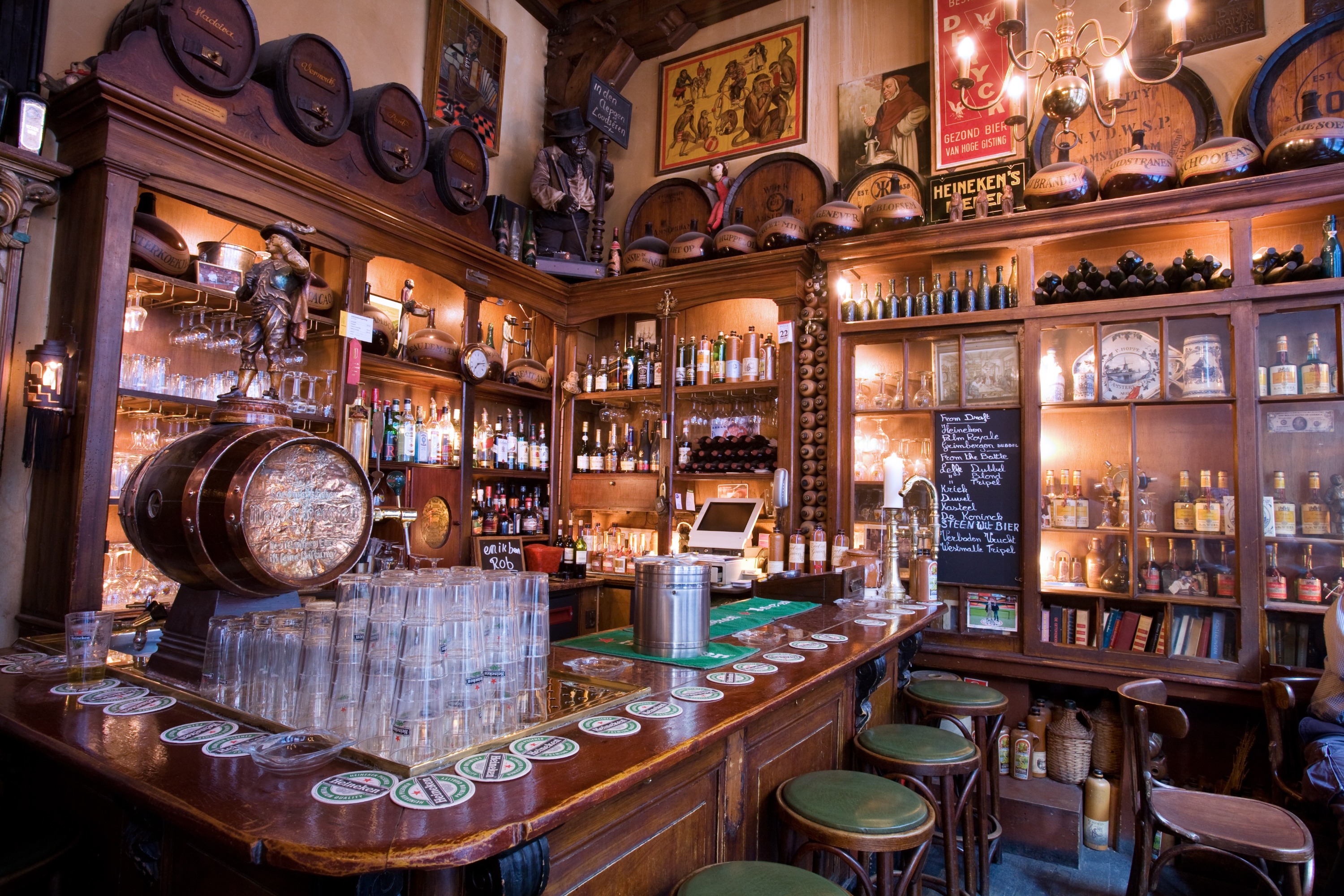
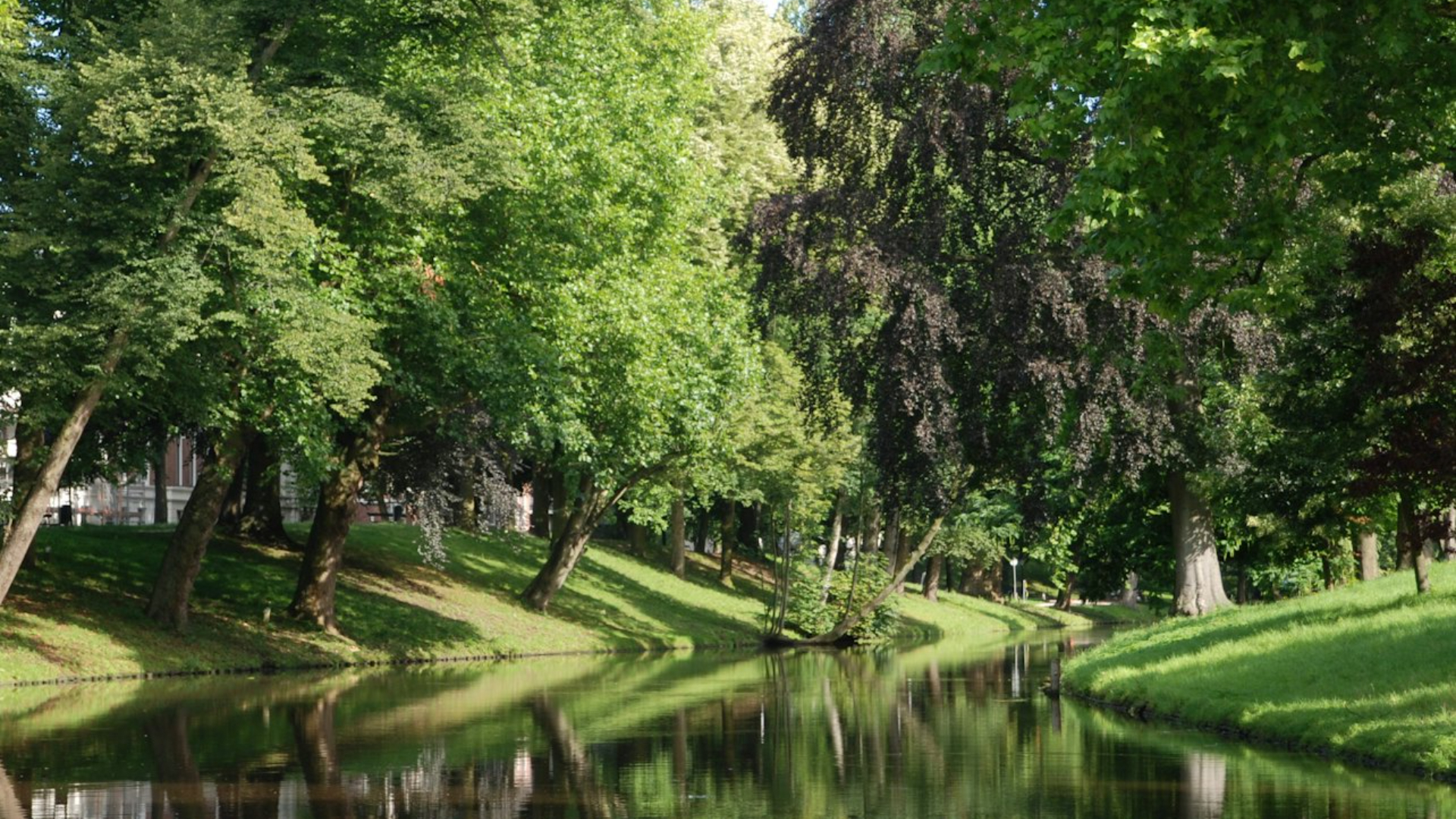
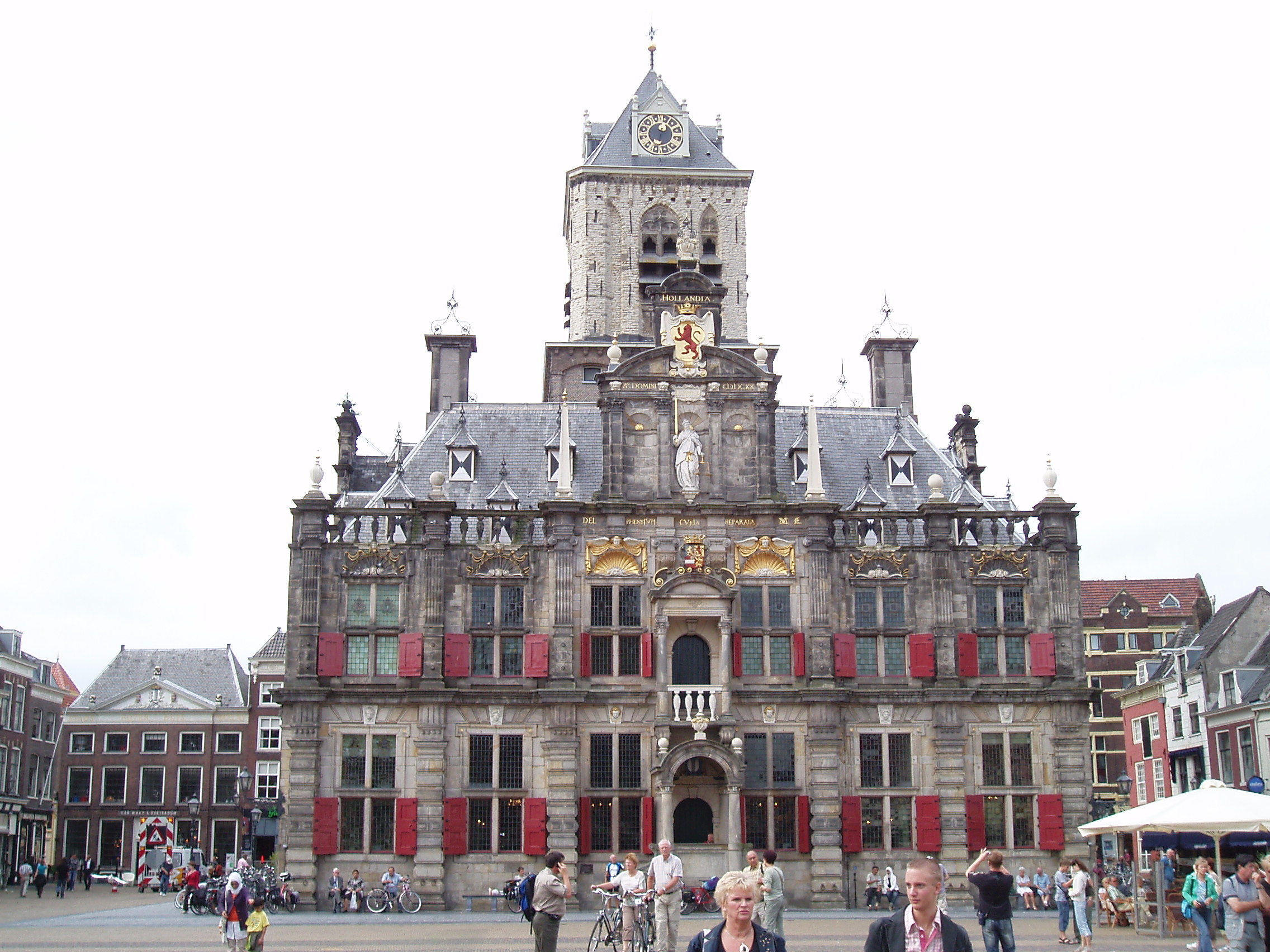
Explore the charming city of Delft on a captivating walking tour! Known for its stunning canals, historic architecture, and iconic blue pottery, Delft offers a perfect blend of Dutch history and beauty. Wander through the medieval Old Town, visit the awe-inspiring Nieuwe Kerk, and discover hidden gems like the peaceful courtyards. Along the way, learn fascinating stories about the city’s royal connections and artistic legacy, including Vermeer. Whether you're a history buff, an art lover, or simply looking for a picturesque adventure, Delft promises an unforgettable experience. Book now for a unique journey through Dutch heritage!
Available options
Highlights walking Tour in Delft with Audio and GPS Guide
What's included
Onze WebApp
Detailed itinerary
1
The Paul Tétar van Elven museum is located in the home of the 19th century painter and passionate collector of art and antiques. In his will he stipulated that his house and its contents should be furnished as a museum after his death. In this way, a unique 19th century artist ensemble in our country has been preserved. The largely authentic interior still breathes the taste of the resident and his time. When you enter the atmospheric, lavishly furnished salon, you would not be surprised if the painter or his wife came to welcome you personally!
2
The Gemeenlandshuis from the early 1500s is the oldest house in Delft. As you will see, the owner must have been quite wealthy. He owed his fortune to the large beer production in the city. The decorations on the building still refer to this.
People used to drink beer like water, because the water was too polluted to drink. Jan de Huyter was a tenant of hops and thus amassed a fortune. With that he was able to build this gigantic house. The hop cones on the house are a reminder of this. Furthermore, the Gothic house was given a high stepped gable that was intended as a lookout tower, an absolute status symbol for De Huyter.
3
Stop 3
Pass by
The Prinsenhof Museum is a historically important place for the Netherlands. On this spot, William of Orange was shot dead by the Frenchman Balthasar Gerards on 10 July 1584.
The former Sint Agatha monastery is among the Top 100 of the National Service for the Preservation of Monuments from 1990. The museum highlights Delft Blue, great Delft scientists such as Hugo de Groot and Antoni van Leeuwenhoek, and Delft masters such as William of Orange and the House of Orange-Nassau. The museum has a collection of paintings, pottery and utensils from the Golden Age.
4
The Hofje van Gratie is a courtyard for elderly men and women. In 1575, 6 houses were built on the Geer. 80 years later, Delft was hit by a major explosion in the gunpowder magazine. The damage to buildings and houses in the city was enormous.
In 1660, a new courtyard was built on the Van der Mastenstraat, where the explosion had created a lot of space.
Since then, the Hofje van Gratie has consisted of 7 houses under a continuous saddle roof. The houses are oriented towards the street, where each house has its own front door. This design was probably chosen because there was originally no room for a courtyard at the rear.
The houses were intended for couples or double occupancy. The living rooms had a fireplace, a cupboard and a box bed. A gallery ran along the rear facades in which kitchens, privies and a washing area were housed.
5
The courtyard was built in 1707 from the estate of Elisabeth Pauw, the daughter of Delft mayor Jacob Pauw. She was the widow of Johan van der Dussen and then of his cousin Dirck van der Dussen, who were both also mayors.
The courtyard was intended for poor people and consists of 8 houses, 2 rows of 4, with a square in between.
The houses are currently used for people with a mental or multiple disability.
6
Stop 6
Pass by
The Vermeercentrum is the largest museum about the painter Johannes Vermeer. You can not only admire his work here, you will also learn which pigments he worked with and how he made his paint.
7
The statue of Hugo de Groot. Hugo de Groot, born in Delft in 1583, was a jurist and writer.
He wrote Latin tragedies and poems, theological treatises and Dutch poems. His most important works are in the field of history and law. His most famous work is on the law of war and peace. This forms the basis for modern international law.
8
Stop 8
Pass by
Statue of William of Orange. William of Orange was a statesman and military leader who played a key role in the unleashing of the Eighty Years' War and the foundation of the Republic of the Seven United Netherlands that emerged from it.
In the Netherlands he is known as the Father of the Fatherland. The name William of Orange arose because he inherited the title Prince of Orange in 1544.
On 10 July 1584, Balthasar Gerards shot William of Orange dead on the steps of the Prinsenhof in Delft. Gerards received a reward for this from King Philip II of Spain, who accused William of Orange of high treason.
9
The Koornbeurs is a national monument that started in 1295. The stone cellars were intended for the storage of meat, which was traded in the wooden halls above. After these wooden halls were lost during the great city fire, they were rebuilt in 1650, but then of stone.
In 1871, the Koornbeurs was established here, which gave its name to the building. It has had all kinds of purposes since then.
10
The Blue Heart, is made by artist Marcel Smink.
The work has a contemporary relationship with its historical surroundings. The striking technical construction of the statue refers to the Technical University, the blue to Delft blue, and the heart stands for the heart of the city.
Available languages
Audio guide
DE
PT
EN
IT
FR
NL
ES
Written guide
DE
PT
EN
IT
FR
NL
ES
Reviews breakdown
Tripadvisor
3.0
1 reviews
5★
0
4★
0
3★
1
2★
0
1★
0
Important information
Service animals allowed
Public transportation options are available nearby
Infants and small children can ride in a pram or stroller
All areas and surfaces are wheelchair accessible
Transportation options are wheelchair accessible
Wheelchair accessible
Suitable for all physical fitness levels
Travel time is already included in the total duration time
Meeting point
We start our tour in the middle of the Koornmarket in Delft, in front of the Museum Paul Tétar van Elven nr 67 . Check the screen in the App to see if you are almost there. Once you are within 10 meters of the starting point, the tour will start automatically.
Important notes
Use our WebApp https://myniki.app and redeem your code. You can use the Booking reference number.
About The Hague
The Hague is the seat of the Dutch government and home to many international organizations, including the International Court of Justice. It offers a mix of political significance, cultural heritage, and coastal charm, with easy access to beaches and dunes.
Top Attractions
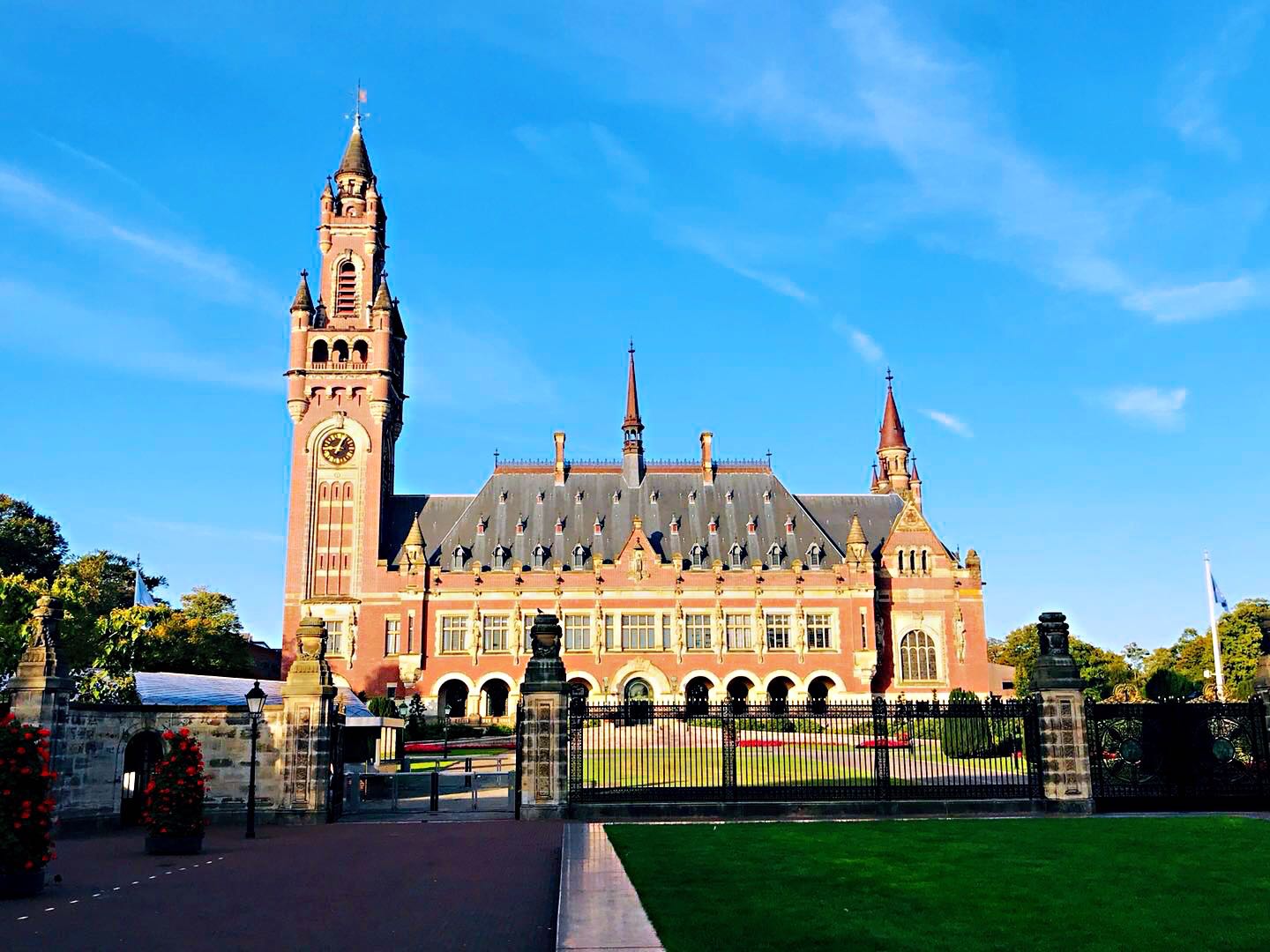
Peace Palace
The Peace Palace is the seat of the International Court of Justice and the Permanent Court of Arbitration. It's a symbol of international peace and justice.
Historical
1-2 hours
€12
Mauritshuis
A renowned art museum housing a collection of Dutch Golden Age paintings, including works by Vermeer and Rembrandt.
Museum
1-2 hours
€17
Scheveningen Beach
A popular beach resort with a long sandy shore, pier, and lively promenade.
Beach
Half day to full day
Free
Binnenhof
The political heart of the Netherlands, housing the Dutch government and parliament buildings.
Historical
30 minutes to 1 hour
Free
Madurodam
A miniature park showcasing detailed replicas of famous Dutch landmarks and scenes.
Entertainment
2-3 hours
€20.50
Must-Try Local Dishes
Haring
Raw herring, typically eaten with onions and pickles. A traditional Dutch street food.
Snack
Not suitable for vegetarians or vegans.
Stamppot
A hearty dish of mashed potatoes mixed with vegetables, usually served with smoked sausage.
Dinner
Can be made vegetarian by omitting the sausage.
Poffertjes
Miniature pancakes, fluffy and slightly sweet, often served with powdered sugar and butter.
Dessert
Vegetarian.
Kibbeling
Fried chunks of cod, usually served with a mayonnaise-based sauce.
Snack
Not suitable for vegetarians or vegans.
Popular Activities
Cycling
Hiking in the nearby dunes
Sunbathing at Scheveningen Beach
Strolling through Clingendael Park
Visiting museums
Attending concerts and performances
Swimming at the beach
Boat tours on the canals
Best Time to Visit
May to September
This is the best time to visit The Hague for pleasant weather and outdoor activities. The city hosts various festivals and events during these months.
15°C to 22°C (59°F to 72°F)
59°F to 72°F
Practical Information
Language
- Official: Dutch
- Widely spoken: English, German, French
- English: Widely spoken
Currency
Euro (EUR)
Time Zone
GMT+1 (CET), GMT+2 (CEST during daylight saving time)
Electricity
230VV, 50HzHz
Safety Information
Overall Safety Rating: Generally safe
The Hague is generally safe, with low crime rates. However, as with any major city, travelers should be aware of their surroundings and take precautions to protect their belongings.
Getting there
By air
- Amsterdam Airport Schiphol • 45 km (28 miles)
- Rotterdam The Hague Airport • 15 km (9 miles)
By train
Den Haag Centraal, Den Haag HS
By bus
Den Haag Centraal Station, Den Haag Laan van NOI
Getting around
Public transport
The Hague's tram system is efficient and user-friendly, with frequent services and clear signage.
Taxis
Available • Apps: Uber, Bolt
Rentals
Car, Bike, Scooter
Neighborhoods
City Center
Scheveningen
Zeeheldenkwartier
Stadshagen
Day trips
Delft
15 km (9 miles) • Half day
A charming town known for its historic architecture, Delftware pottery, and the burial site of William of Orange.
Rotterdam
25 km (16 miles) • Full day
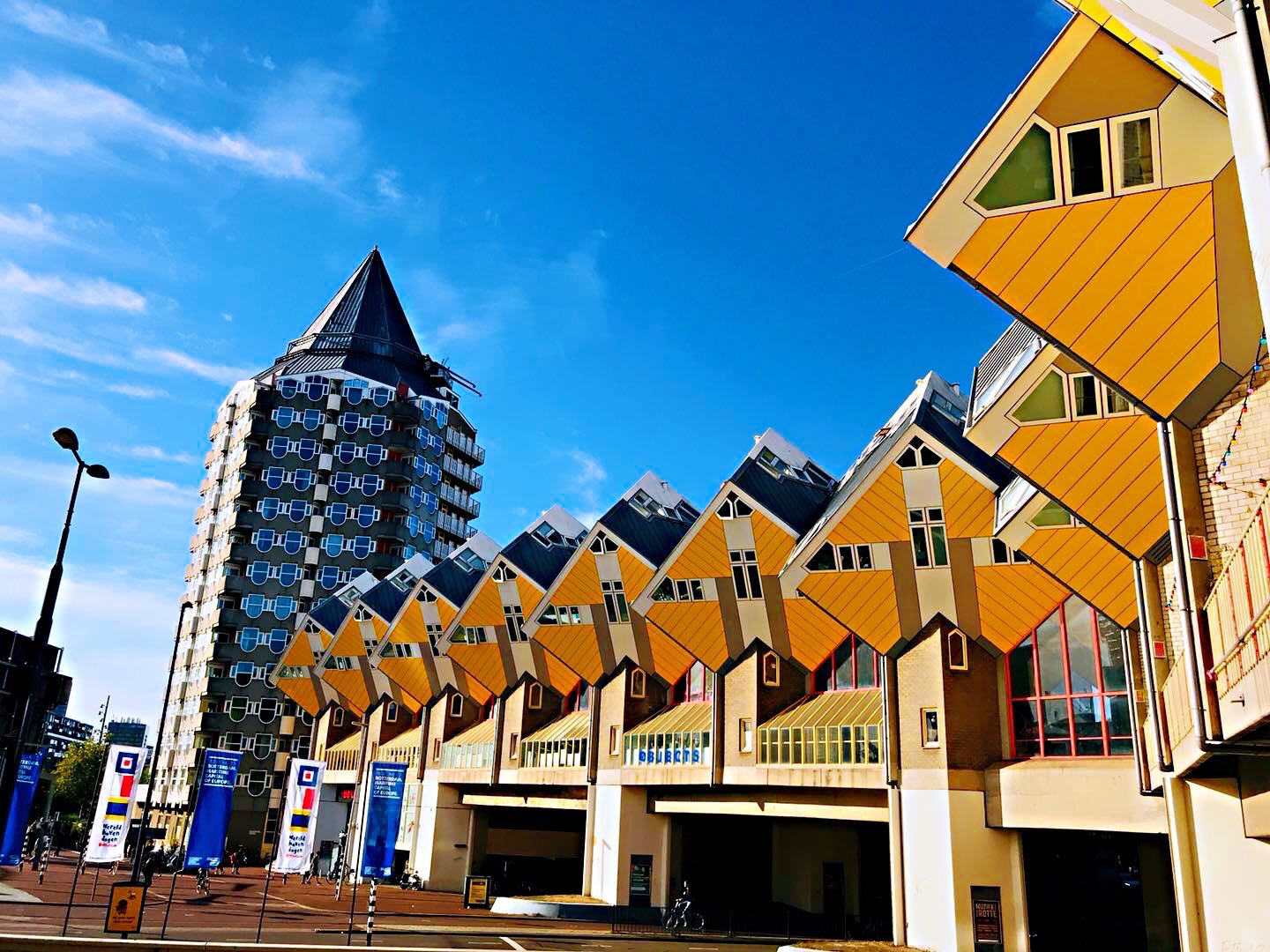
A modern city known for its innovative architecture, vibrant cultural scene, and maritime heritage.
Leiden
35 km (22 miles) • Half day
A picturesque university town with a rich history, beautiful canals, and historic buildings.
Festivals
King's Day • April 27 (or April 26 if the 27th is a Sunday)
Scheveningen International Fireworks Festival • Mid-August
The Hague Jazz • Late September to early October
Pro tips
- Use the OV-chipkaart for easy and convenient public transport payments.
- Visit the Peace Palace for a unique insight into international justice and diplomacy.
- Explore the city's historic center and hidden courtyards, such as the Hofjes, for a glimpse into The Hague's rich history.
- Try local seafood dishes, such as herring and kibbeling, at the beachfront restaurants in Scheveningen.
- Take a day trip to nearby cities and towns, such as Delft, Rotterdam, and Leiden, for a well-rounded Dutch experience.
From $25
per person
Price varies by option
Secure booking
Free cancellation available
Instant confirmation