Private Tour of Vermeer's Delft + Tickets to Vermeer Museum
Active
4h - 5h
For a full refund, cancel at least 24 hours before the scheduled departure time.
Instant confirmation
Mobile or paper ticket accepted
About this experience
Discover Delft and visit the places that played a role in Vermeer's life, as you literally walk in his footsteps during this private walking tour. From the place where Vermeer was born, to where he lived and from the location of the 'Little Street' to his grave tomb. It's all there. You won't look at Vermeer's work in the same way again.
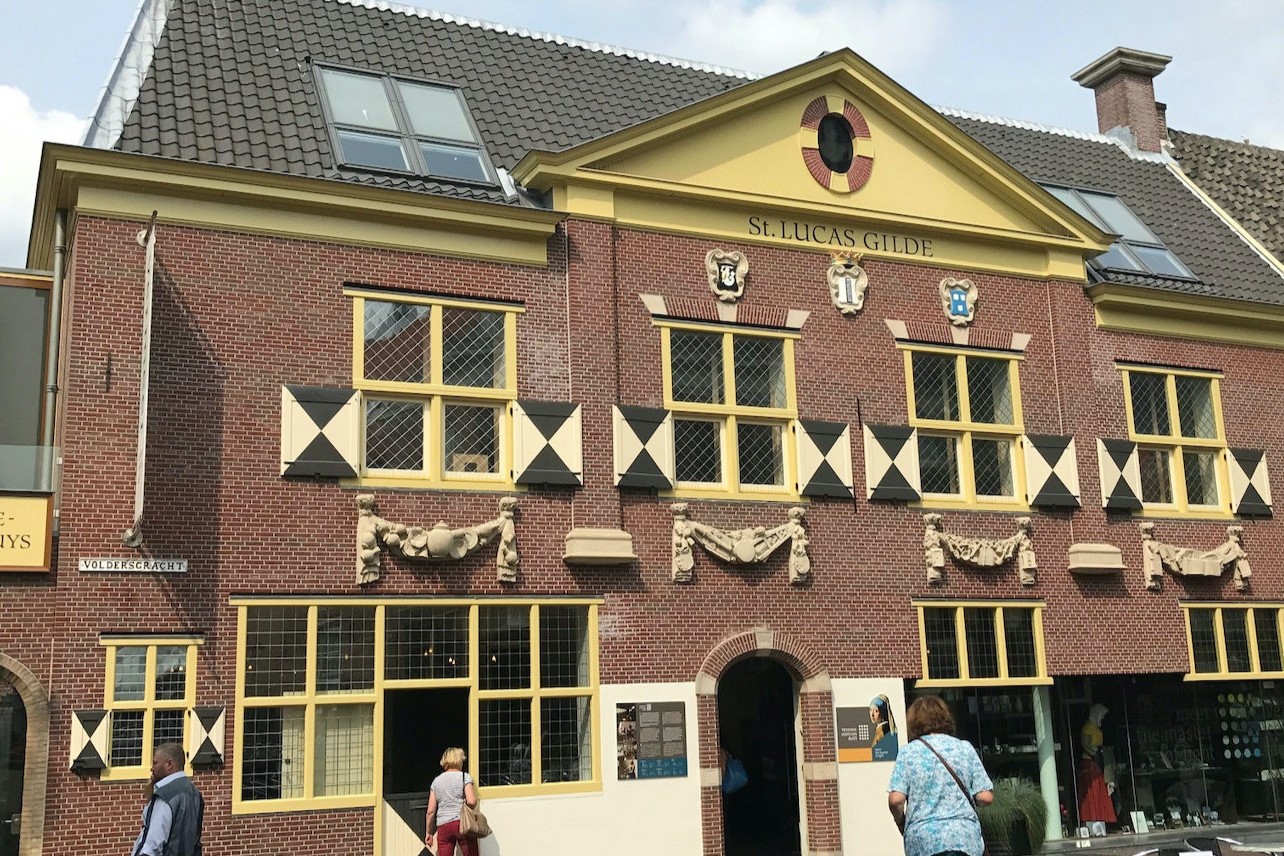
After the walking tour, you have the chance to visit the Vermeer Centre, a museum dedicated to the life and work of the painter. It is located in the restored former St. Lucas Guilde in Delft. You'll see a chronological overview of all his work (photocopies) and learn about the symbolism and techniques he used.
The tour takes about 3 hours (excluding the self-guided museum visit after) and it starts and ends in the city center. You can also choose to be picked up and dropped off at a location of your choice, like in Amsterdam.
Available options
French. Start in Delft
Dutch. Start in Delft
French. With pick-up/drop-off
Including pick-up and drop-off: Up to 1 hour before the start time, you will be picked up from the location you select. You are dropped off again afterwards.<br/>Pickup included
Spanish. Start in Delft
English. Start in Delft
Italian. Start in Delft
Dutch. With pick-up/drop-off
Including pick-up and drop-off: Up to 1 hour before the start time, you will be picked up from the location you select. You are dropped off again afterwards.<br/>Pickup included
English. With pick-up/drop-off
Including pick-up and drop-off: Up to 1 hour before the start time, you will be picked up from the location you select. You are dropped off again afterwards.<br/>Pickup included
Italian. With pick-up/drop-off
Including pick-up and drop-off: Up to 1 hour before the start time, you will be picked up from the location you select. You are dropped off again afterwards.<br/>Pickup included
German. Start in Delft
Spanish. With pick-up/drop-off
Including pick-up and drop-off: Up to 1 hour before the start time, you will be picked up from the location you select. You are dropped off again afterwards.<br/>Pickup included
German. With pick-up/drop-off
Including pick-up and drop-off: Up to 1 hour before the start time, you will be picked up from the location you select. You are dropped off again afterwards.<br/>Pickup included
What's included
Entrance tickets to Vermeer Museum (with audio guide)
Hotel Pick-Up and Drop-Off by car (if the option is booked)
All Fees and Taxes
Entrance tickets to Old Church and New Church
Private City Tour
Detailed itinerary
1
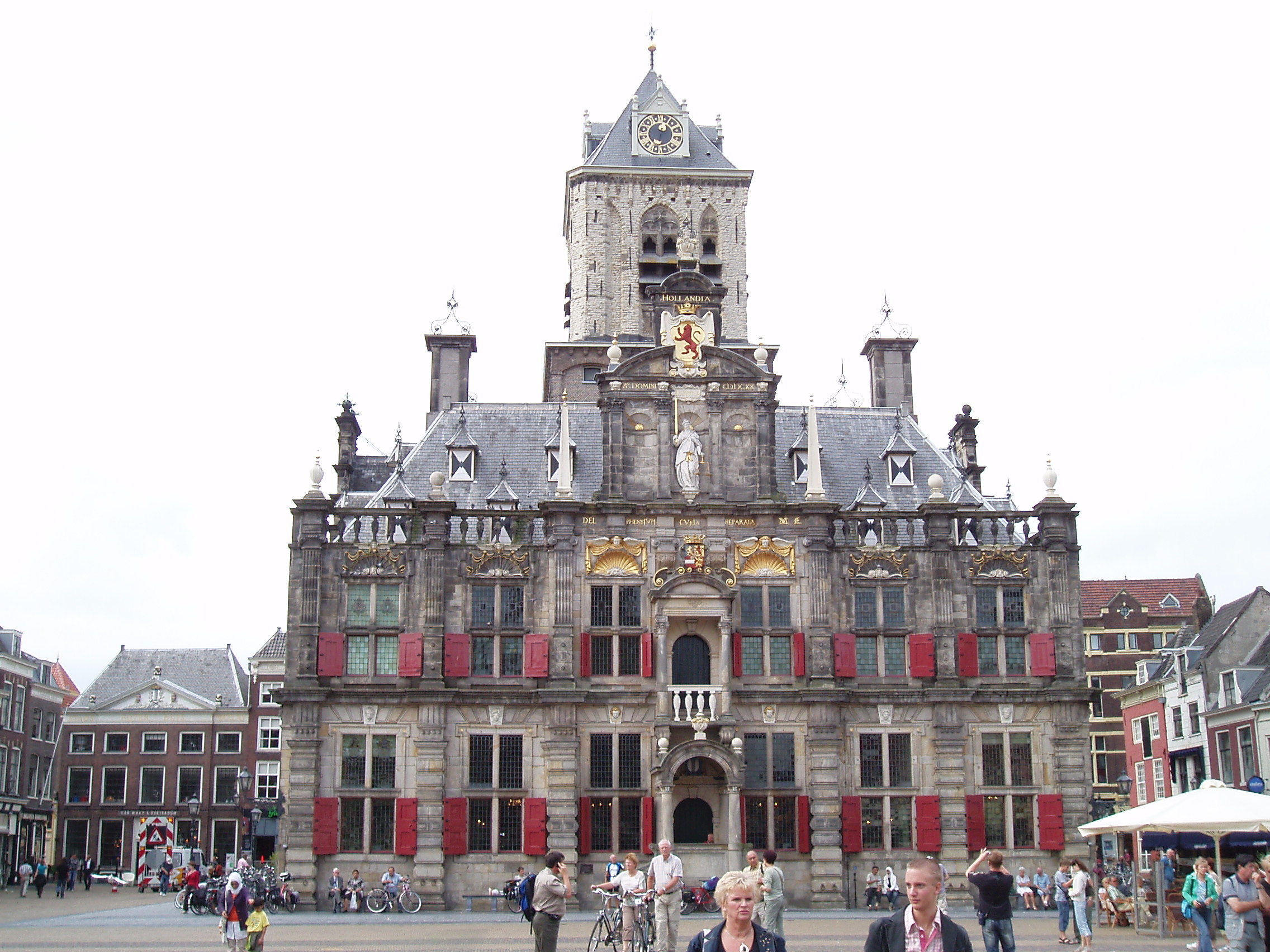
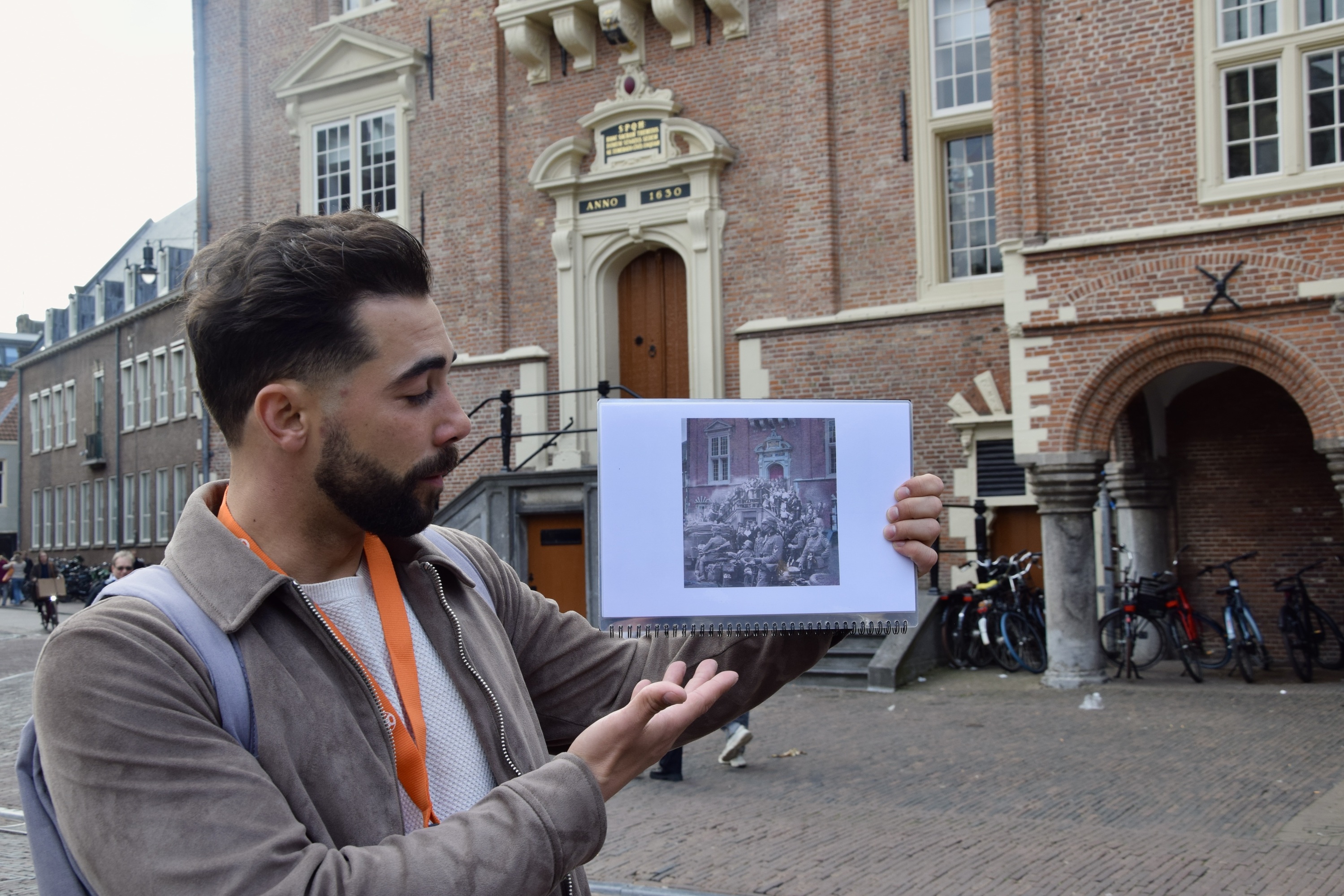
Your tour starts on the Markt square of Delft. This is where most of Vermeer's life has happened. There are many things to see here: The New Church, Hugo Grotius' statue, Vermeer's father's old house, Vermeer's later own house, the town hall, the oldest shop of Delft, the butter house, the weighing house and more! Your guide will tell you all about it.
2
Stop 2
After the Markt square, we will make our way towards the Old Church. Next to many other famous Dutch people, this is also the church where Johannes Vermeer has been buried. We will also enter the church and visit his grave.
3
Stop 3
When you visit Delft, you also have to visit the Prinsenhof, the place where the Father of the Fatherland has been killed. This happened almost 50 years before Vermeer was born, but it has played a decisive role in the city's history.
4
As we make our way to the south of Delft, from where 'The View of Delft' has been made, we first pass by a quite impressive facade from the year 1500: that of the water board. Your guide will tell you all about it.
5
Stop 5
When we are almost at the south end of the city, we will pass by a building of the Dutch East India Company, its Delft chamber. It is the Dutch East India Company that made exotic materials and pigments available and indirectly facilitated Vermeer's carreer.
6
Stop 6
Pass by
Opposite of the Dutch East India Company building, we can see a former weapon's arsenal belonging to the state of Holland. An early version of this building can be seen on Vermeer's View of Delft.
7
Stop 7
From here, we can look at Delft from exactly the same angle as Vermeer, when he made the sketches for his famous painting of the city. Let's see what we can still recognize today.
8
As we have made our way back north again, we will see the Maria van Jessekerk, a catholic church. In Vermeer's time, this was the location where catholics used to live and organise hidden church services. That is why this is also where Vermeer's house (that of his mother in law, where he lived) used to stand, where he made all his paintings. New information from 2023 seems to suggest that the house is not demolished however.. Let's see if the curtains are finally open.
9
Stop 9
Before we go to the Vermeer Museum, we should visit the Vlamingstraat. It is now believed that number 42 on this street is depicted on Vermeer's other painting of a little street in Delft. Let's see what it looks like now.
10
Stop 10
You will now enter the Vermeer Centrum, a museum dedicated to the work and live of Vermeer, housed in the former artists' guild of Delft. Vermeer has been here a lot and even became the president of the painters within the guilde.
What's not included
Gratuities (optional)
Available languages
Guide guide
DE
EN
IT
FR
NL
ES
Reviews breakdown
Tripadvisor
5.0
3 reviews
5★
3
4★
0
3★
0
2★
0
1★
0
Important information
Wheelchair accessible
Infants and small children can ride in a pram or stroller
Service animals allowed
Public transportation options are available nearby
Transportation options are wheelchair accessible
All areas and surfaces are wheelchair accessible
Suitable for all physical fitness levels
Meeting point
You will meet your guide next to the statue of Hugo Grotius, on Markt 80, in front of the New Church.
About The Hague
The Hague is the seat of the Dutch government and home to many international organizations, including the International Court of Justice. It offers a mix of political significance, cultural heritage, and coastal charm, with easy access to beaches and dunes.
Top Attractions
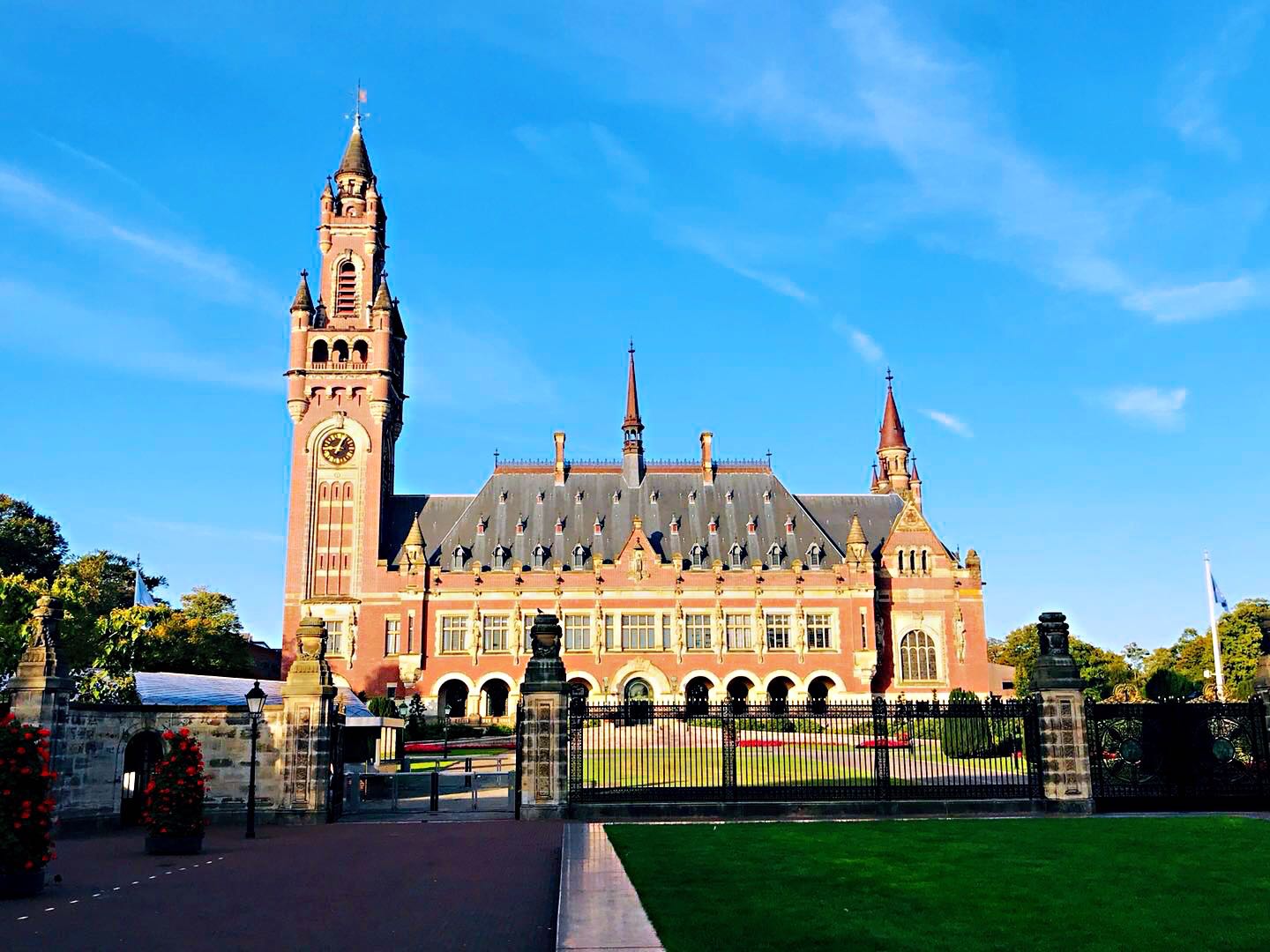
Peace Palace
The Peace Palace is the seat of the International Court of Justice and the Permanent Court of Arbitration. It's a symbol of international peace and justice.
Historical
1-2 hours
€12
Mauritshuis
A renowned art museum housing a collection of Dutch Golden Age paintings, including works by Vermeer and Rembrandt.
Museum
1-2 hours
€17
Scheveningen Beach
A popular beach resort with a long sandy shore, pier, and lively promenade.
Beach
Half day to full day
Free
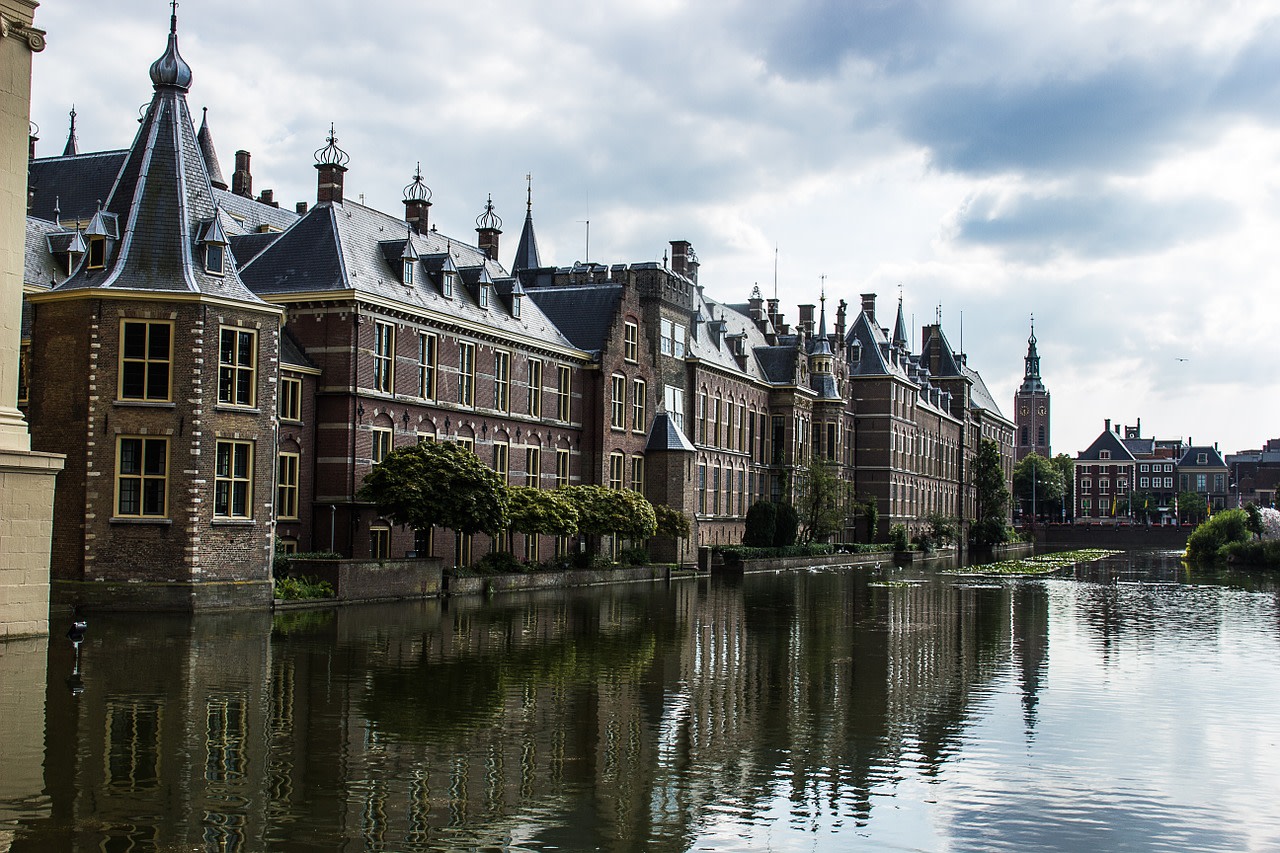
Binnenhof
The political heart of the Netherlands, housing the Dutch government and parliament buildings.
Historical
30 minutes to 1 hour
Free
Madurodam
A miniature park showcasing detailed replicas of famous Dutch landmarks and scenes.
Entertainment
2-3 hours
€20.50
Must-Try Local Dishes
Haring
Raw herring, typically eaten with onions and pickles. A traditional Dutch street food.
Snack
Not suitable for vegetarians or vegans.
Stamppot
A hearty dish of mashed potatoes mixed with vegetables, usually served with smoked sausage.
Dinner
Can be made vegetarian by omitting the sausage.
Poffertjes
Miniature pancakes, fluffy and slightly sweet, often served with powdered sugar and butter.
Dessert
Vegetarian.
Kibbeling
Fried chunks of cod, usually served with a mayonnaise-based sauce.
Snack
Not suitable for vegetarians or vegans.
Popular Activities
Cycling
Hiking in the nearby dunes
Sunbathing at Scheveningen Beach
Strolling through Clingendael Park
Visiting museums
Attending concerts and performances
Swimming at the beach
Boat tours on the canals
Best Time to Visit
May to September
This is the best time to visit The Hague for pleasant weather and outdoor activities. The city hosts various festivals and events during these months.
15°C to 22°C (59°F to 72°F)
59°F to 72°F
Practical Information
Language
- Official: Dutch
- Widely spoken: English, German, French
- English: Widely spoken
Currency
Euro (EUR)
Time Zone
GMT+1 (CET), GMT+2 (CEST during daylight saving time)
Electricity
230VV, 50HzHz
Safety Information
Overall Safety Rating: Generally safe
The Hague is generally safe, with low crime rates. However, as with any major city, travelers should be aware of their surroundings and take precautions to protect their belongings.
Getting there
By air
- Amsterdam Airport Schiphol • 45 km (28 miles)
- Rotterdam The Hague Airport • 15 km (9 miles)
By train
Den Haag Centraal, Den Haag HS
By bus
Den Haag Centraal Station, Den Haag Laan van NOI
Getting around
Public transport
The Hague's tram system is efficient and user-friendly, with frequent services and clear signage.
Taxis
Available • Apps: Uber, Bolt
Rentals
Car, Bike, Scooter
Neighborhoods
City Center
Scheveningen
Zeeheldenkwartier
Stadshagen
Day trips
Delft
15 km (9 miles) • Half day
A charming town known for its historic architecture, Delftware pottery, and the burial site of William of Orange.
Rotterdam
25 km (16 miles) • Full day
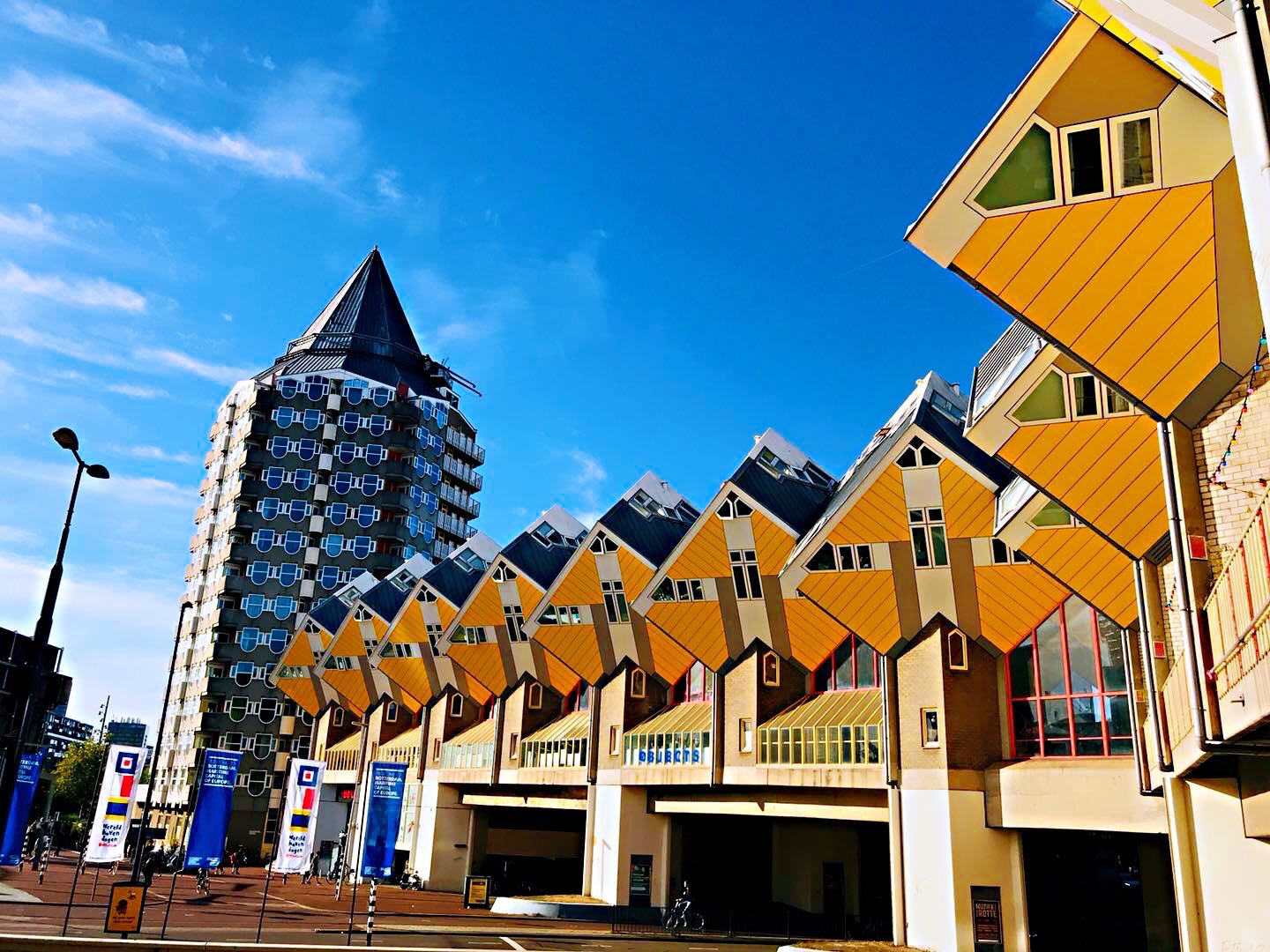
A modern city known for its innovative architecture, vibrant cultural scene, and maritime heritage.
Leiden
35 km (22 miles) • Half day
A picturesque university town with a rich history, beautiful canals, and historic buildings.
Festivals
King's Day • April 27 (or April 26 if the 27th is a Sunday)
Scheveningen International Fireworks Festival • Mid-August
The Hague Jazz • Late September to early October
Pro tips
- Use the OV-chipkaart for easy and convenient public transport payments.
- Visit the Peace Palace for a unique insight into international justice and diplomacy.
- Explore the city's historic center and hidden courtyards, such as the Hofjes, for a glimpse into The Hague's rich history.
- Try local seafood dishes, such as herring and kibbeling, at the beachfront restaurants in Scheveningen.
- Take a day trip to nearby cities and towns, such as Delft, Rotterdam, and Leiden, for a well-rounded Dutch experience.
From $25
per person
Price varies by option
Secure booking
Free cancellation available
Instant confirmation