Kawagoe Sightseeing and Experience Tour to Harvest Local Foods
Active
10h
For a full refund, cancel at least 24 hours before the scheduled departure time.
Instant_then_manual confirmation
Mobile or paper ticket accepted
About this experience
There are two main highlights of this tour.
One is that this is a hands-on tour where you can harvest and cook local Kawagoe vegetables, and the other is that you can walk around the streets with a guide who is familiar with Kawagoe.
This tour is especially recommended for the people who would like to learn all about the charms of Kawagoe and interested in Japanese agriculture and experience.
You can have an experience of harvesting and cooking with local vegetables.
The harvesting tour, in particular, is organized with the cooperation of Kawagoe City facilities.
You can also communicate with local people.
This tour is sure to be an unforgettable trip where you can feel the charm of Kawagoe all day long!
We are looking forward to your application.
Available options
Kawagoe Sightseeing and Experience Tour to Harvest Local Foods
Pickup included
What's included
Private vehicle
farming activities
BBQ lunch
Hotel pickup
National Licensed English Speaking GuidePlease let us know if you prefer any other languages
Detailed itinerary
1
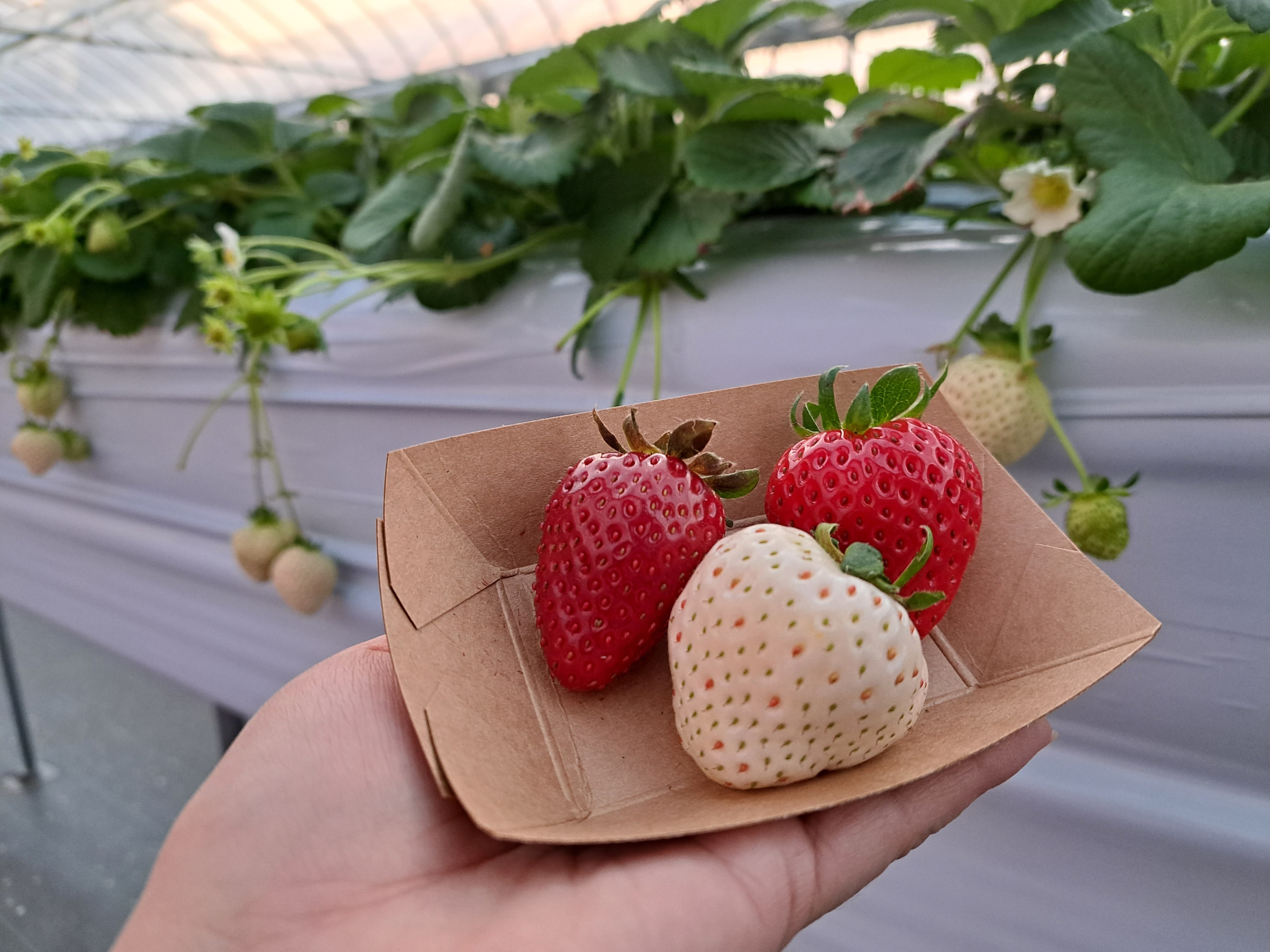
At the green tourism base facility, visitors can experience harvesting more than 50 kinds of crops grown locally in Kawagoe each year.
Harvesting is possible throughout the year, with leeks, spring cabbage, onions, snap peas, etc. available in early spring, and sweet potatoes, potatoes, radishes, Chinese cabbage, etc. available during the fall harvest season.
In addition to vegetables, there is also an orchard where visitors can harvest fruits.
Harvested vegetables can be taken home or cooked in the cooking room attached to the facility.
The best to visit is for a BBQ at the BBQ facility!
There are also showers and changing rooms at the facility, so you can change your clothes if you bring a change of clothes with you. (Showers and baths are not included in the tour fee and are a paid service. Please apply in advance.)
2
After the harvesting experience is over, you can have a BBQ with the harvested vegetables and local meat.
BBQs are available on a self-service basis, and food items can be prepared at the facility in addition to the harvested vegetables.
The tour provides the usual stoves, vegetables, and meat, but there is also a produce stand adjacent to the facility where you can purchase vegetables and meat directly from the production area.
BBQ stoves come in a variety of shapes and sizes.
In winter, kotatsu seating is available so you can warm up and BBQ without getting cold. ( charged ).
Another highly recommended point is that with the BBQ area inside the facility, you can easily use the nursing room and diaper changing facilities while having an outdoor lunch!
3
The Honmaru Palace of Kawagoe Castle was built by the Ogiya-Uesugi clan in the Muromachi period (1336-1573), later occupied by the Hojo clan, and later considered important as a strategic point in the Kanto region during the reign of Tokugawa Ieyasu. The castle's layout was established by Ota Dokan, a master castle builder, and it was later ruled by the Tokugawa family's chief vassals and the shogun's entourage. Today, only a portion of the Honmaru Goten remains, which was reconstructed after the Meiji Restoration, including the entrance, the hall, and the relocated and reconstructed Iebero Tsumesho. Kawagoe Castle was a key military and political site, and its Honmaru Goten is a valuable cultural heritage site that has been designated as an important cultural asset by Saitama Prefecture.
4
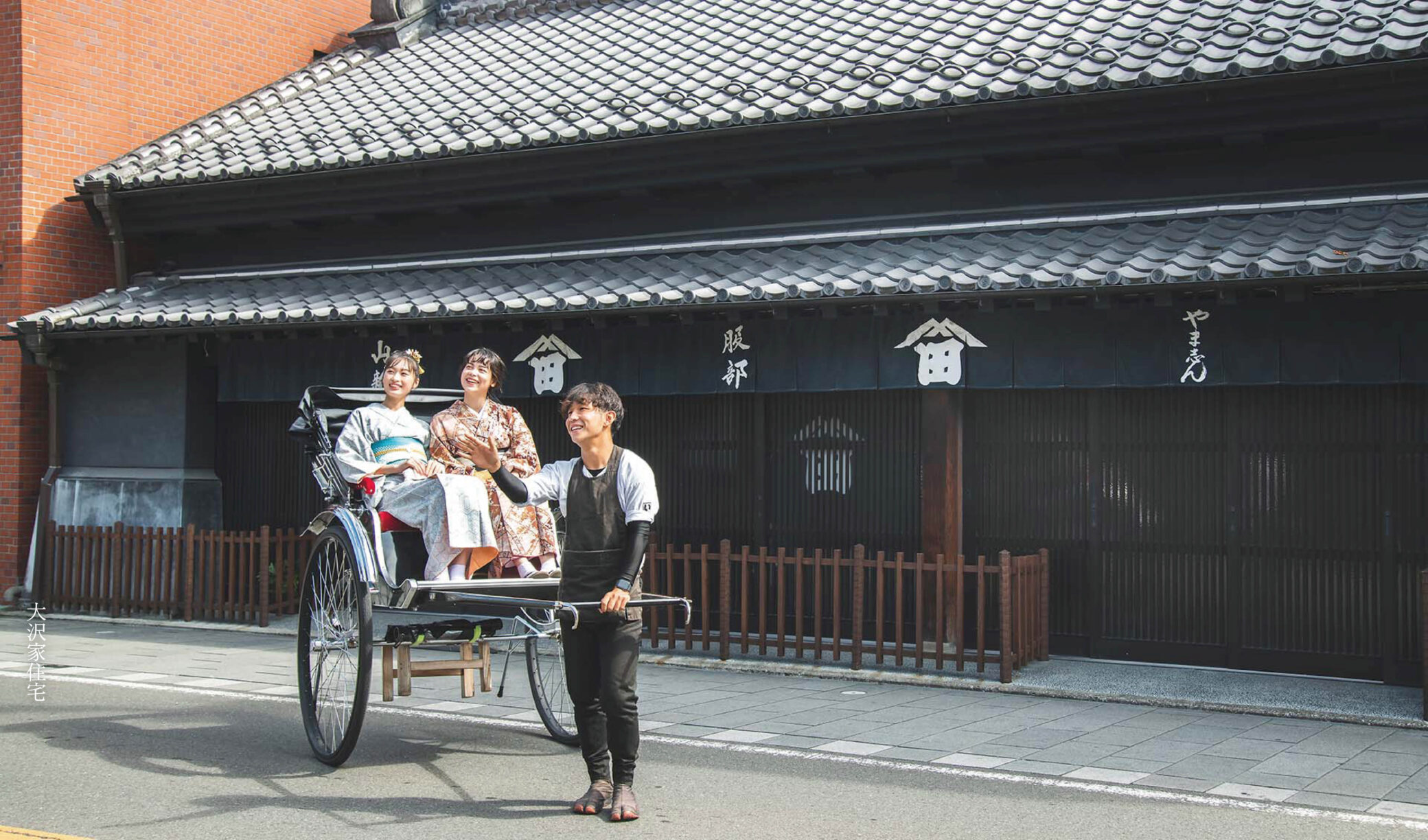
Kawagoe's "Kashiya Yokocho" is a historic street with buildings that have been standing side by side since the Edo period (1603-1868), and retains the atmosphere of the Edo period. Confectioners have long gathered on this street, selling traditional Japanese and Western confections. Visitors can enjoy the traditional taste of the past. The entire street is also an attractive spot for tourists with its quaint atmosphere.
5
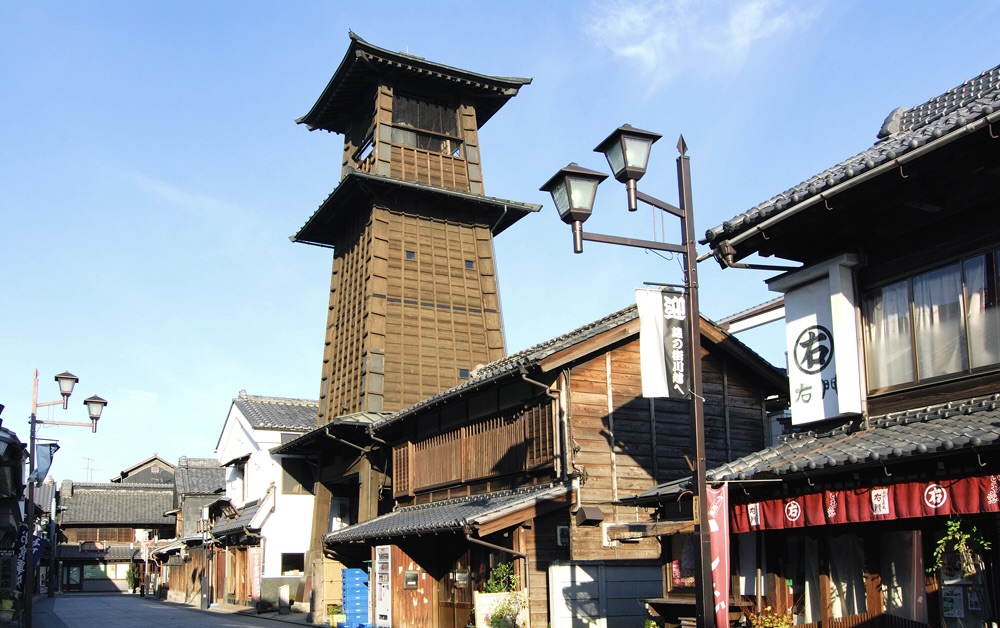
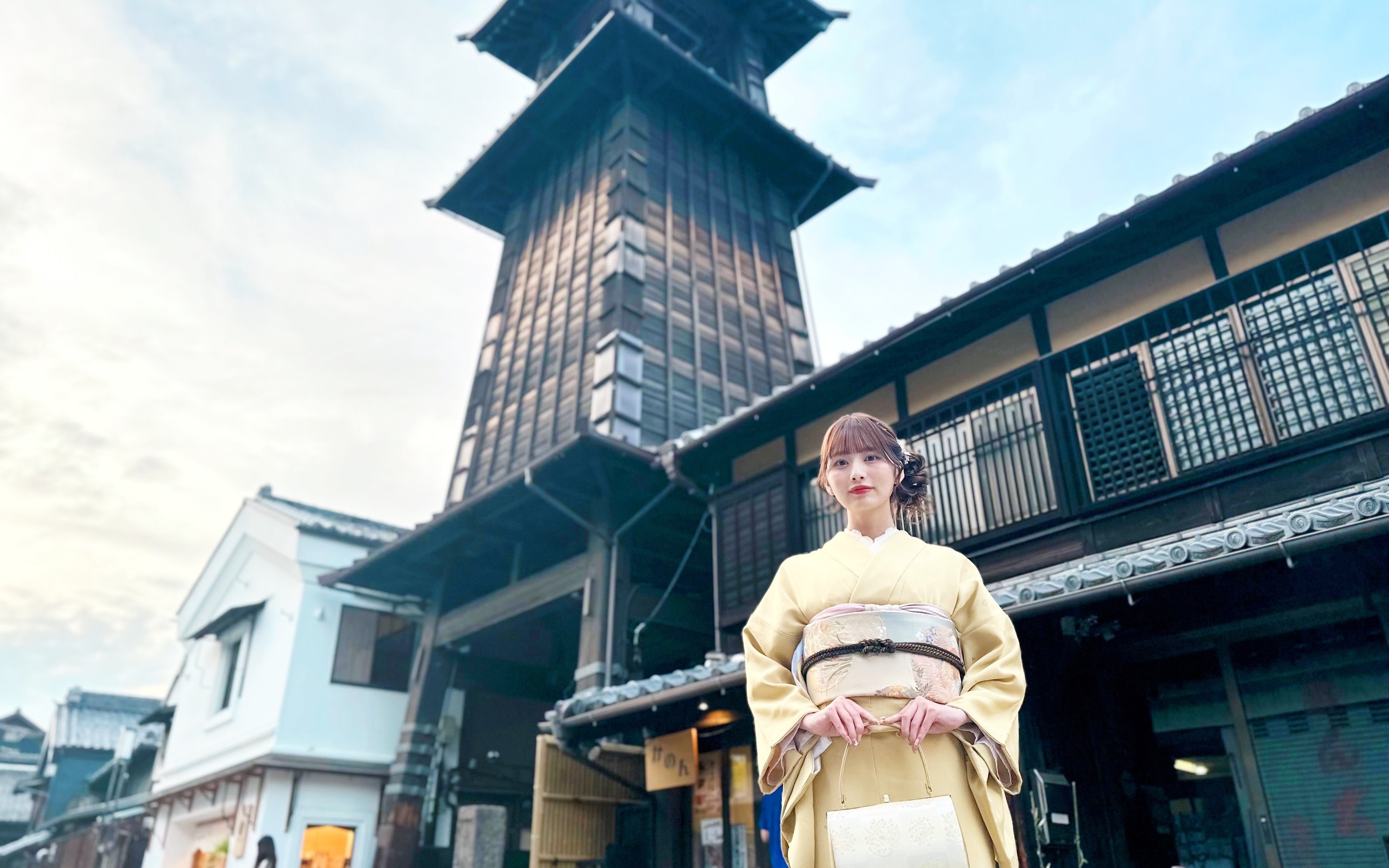
The Bell of Time is a traditional bell tower with a history dating back to the Edo period and is one of the symbols of Kawagoe City. This bell tower was built in the early Edo period and was once used to tell the time in town. Today, it is a popular spot for tourists, and one of the highlights is to see the bells being rung at regular intervals every day. In addition, the old townscape remains in the surrounding area, and visitors can enjoy the historical scenery, including the bell of time.
6
This quaint street takes us back to the Taisho era (1912-1926), a period known for its cultural flourishing and unique fusion of Western and Japanese influences.
As you stroll along this nostalgic avenue, you'll be transported to a bygone era, with its retro cafes, antique shops, and charming architecture. The street is adorned with vintage street lamps, creating a romantic ambiance, especially during the evening when they cast a soft glow over the cobblestone pathways.
Take your time to explore the boutiques offering traditional crafts, clothing, and souvenirs, or perhaps indulge in some nostalgic treats from the old-style sweet shops. Don't forget to capture the essence of Taisho culture with photos of the well-preserved buildings, each telling a story of a vibrant past.
So, immerse yourself in the romance and nostalgia of 'Taisho Roman Yume-dori,' and let its timeless charm capture your heart as you experience the beauty of Kawagoe's history and culture
7
"Koedo Kurari" is a renovated facility of the former Kagamiyama Sake Brewery, which was founded in 1875, while retaining the original appearance of the building. It was opened in October 2010 as a new place of interest for citizens and tourists to interact, revitalize the local community, and enjoy the products of Kawagoe City. The facility was renovated from a sake brewery built in the Meiji, Taisho, and Showa eras, and has three warehouses designated as tangible cultural properties by the Japanese government: the Meiji warehouse for souvenirs, the Taisho warehouse for meals, and the Showa warehouse for sake tasting, as well as the Tsudoi (exhibition) warehouse.
What's not included
Personal Expenses
Souvenirs
Coffee and/or Tea
Available languages
Guide guide
CMN
EN
FR
ES
Important information
Infants and small children can ride in a pram or stroller
Specialized infant seats are available
Not recommended for travelers with spinal injuries
Travelers should have at least a moderate level of physical fitness
We can accommodate dietary restrictions such as vegetarian, vegan, gluten-free, etc. If you have dietary requirements. Please indicate it to the special requirements at the time of booking.
The itinerary might be changed due to weather condition or other reasons.
Important notes
Please show the ticket to the guide when you meet.
About Chiba
Chiba is a vibrant city in Japan's Chiba Prefecture, known for its stunning fireworks displays, beautiful parks, and proximity to Tokyo. It offers a mix of urban attractions and natural beauty, making it a unique destination for travelers.
Top Attractions
Chiba Port Park
A large park with beautiful gardens, a zoo, and a Ferris wheel. It's a great place for families and nature lovers.
Nature
2-3 hours
Free (some attractions may have fees)
Makuhari Messe
A large convention and exhibition center hosting major events, concerts, and trade shows.
Entertainment
Varies by event
Varies by event
Chiba Prefecture Museum of Art
A modern art museum featuring works by local and international artists, as well as special exhibitions.
Museum
1-2 hours
¥300-¥500
Must-Try Local Dishes
Anago Meshi
Grilled conger eel served over rice, a local specialty of Chiba.
Main Dish
Contains fish, not vegetarian or vegan
Kaihin-Makuhari Ramen
A local ramen variant with a rich, soy-based broth and thick noodles.
Main Dish
Contains seafood, not vegetarian or vegan
Popular Activities
Hiking
Cycling
Water sports at Makuhari Beach
Picnicking in Chiba Port Park
Onsen (hot spring) visits
Shopping
Visiting temples and shrines
Attending local festivals
Best Time to Visit
Spring (March to May) and Autumn (September to November)
These seasons offer pleasant weather, making it ideal for outdoor activities and sightseeing. The cherry blossoms in spring and vibrant foliage in autumn are particularly beautiful.
15-25°C
59-77°F
Practical Information
Language
- Official: Japanese
- Widely spoken: English (limited)
- English: Limited
Currency
Japanese Yen (JPY)
Time Zone
GMT+9
Electricity
100VV, 50/60HzHz
Safety Information
Overall Safety Rating: Very safe
Chiba is a very safe city with low crime rates. Violent crime is rare, and petty crime is uncommon. However, travelers should always take basic precautions to protect their belongings.
Important Precautions:
- • Use licensed taxis and insist on using the meter.
- • Keep valuables secure and out of sight in crowded areas.
- • Purchase tickets and tours from official sources.
Getting there
By air
- Narita International Airport • 30 km from city center
- Tokyo International Airport (Haneda) • 40 km from city center
By train
Chiba Station, Kaihin-Makuhari Station
By bus
Chiba Chuo Bus Terminal, Kaihin-Makuhari Bus Terminal
Getting around
Public transport
Trains are the most efficient way to get around Chiba. The JR Sobu Line connects to Tokyo and other major cities, while the Keisei Line serves local destinations.
Taxis
Available • Apps: JapanTaxi, Uber (limited availability)
Rentals
Car, Bike, Scooter
Neighborhoods
Chuo Ward
Mihama Ward
Day trips
Naritasan Shinshoji Temple
30 km from Chiba • Half day
A beautiful Buddhist temple complex with a rich history and stunning architecture. It's a popular destination for pilgrims and tourists alike.
Inubosaki Lighthouse
40 km from Chiba • Half day
A historic lighthouse offering stunning views of the Pacific Ocean and the Boso Peninsula. It's a great spot for photography and enjoying the natural beauty of the area.
Festivals
Chiba International Fireworks Festival • August (specific dates vary)
Chiba Cherry Blossom Festival • Late March to Early April (depending on blossom peak)
Pro tips
- Purchase a Suica or Pasmo IC card for easy and convenient travel on trains and buses.
- Visit Chiba Port Park during the cherry blossom season or autumn foliage for a stunning experience.
- Attend the Chiba International Fireworks Festival if visiting in August for a spectacular display.
- Try local specialties like Anago Meshi and Kaihin-Makuhari Ramen for an authentic culinary experience.
- Use navigation apps like Google Maps or Japan Transit Planner for real-time information on public transportation.
From $25
per person
Price varies by option
Secure booking
Free cancellation available