Kamakura Private Cultural and Historical Hiking Tour
Active
8h
For a full refund, cancel at least 24 hours before the scheduled departure time.
Instant_then_manual confirmation
Mobile or paper ticket accepted
About this experience
This tour is one of the most popular hiking tours around Tokyo.
The guide will pick you up at your hotel in Tokyo and take trains to Kita kamakura station. You will find the entrance of Kuzuharaoka/Great Buddha Hiking Course in 5 or 10 mins. This hiking trail is on Mt. Genji which is 1 km long and offers some attractive spots on it, for example, shrines, statues, etc. You can also enjoy Money laundering at Zeniaraibenzaiten Shrine. It is said that performing a ritual coin washing here will multiply your wealth.
You will see the Great Buddha at the ending point of this trail and go back to your hotel in Tokyo after it.
Available options
Kamakura Private Cultural and Historical Hiking Tour
Pickup included
Non-English Guided Tour
Pickup included
What's included
Hotel pick-up in Tokyo
Admission fee
Public transportation fee
National licensed guide (English, Spanish, Mandarin)
Detailed itinerary
1
Stop 1
Engakuji Temple, or Engaku-ji , is a prominent Zen Buddhist temple located in Kamakura, Japan. It was established in 1282 by Hojo Tokimune, a shogunate regent, as a tribute to those who lost their lives during the Mongol invasions of Japan. The temple is part of the Rinzai school of Zen Buddhism and is one of the Kamakura Five Great Zen Temples.
2
Kuzuharaoka Shrine is a Shinto shrine located in Kamakura, Japan. It is situated on the western edge of the city and is known for its historical and cultural significance. The shrine is dedicated to the deity of the sea, and it has a strong connection with the local community and its maritime heritage.
3
The Minamoto Yoritomo Statue is a prominent bronze statue of Minamoto Yoritomo, a key figure in Japanese history. Minamoto Yoritomo was the founder of the Kamakura shogunate, the first of Japan's military governments, which marked the beginning of the Kamakura period (1185-1333).
The statue is located in Kamakura, Japan, in the park near the Tsurugaoka Hachimangu Shrine, a significant Shinto shrine in the area. The statue depicts Yoritomo in traditional samurai armor, embodying his role as a military leader and shogun. It serves as a tribute to his contributions to Japanese history, particularly his establishment of the shogunate system which had a profound impact on the political landscape of Japan.
The statue is a popular attraction for visitors interested in Japanese history and culture, and it provides a historical context to the area, highlighting the importance of Yoritomo in shaping Kamakura's role as a political and cultural center during the Kamakura period.
4
Zeniaraibenzaiten is a Shinto shrine located in Kamakura, Japan. Its name translates to "Money-Washing Benzaiten," and it is renowned for its unique tradition involving the washing of money. The shrine is dedicated to Benzaiten, a deity of wealth, music, and knowledge in Japanese mythology.
The primary attraction at Zeniaraibenzaiten is the ritual of washing money. Visitors bring coins or bills to the shrine and wash them in a stream of water that flows through the shrine grounds. According to local belief, this practice ensures that the money will be blessed with good fortune and will multiply in the future.
The shrine is set in a serene, forested area, which adds to the mystical and calming atmosphere of the site. It is a popular destination for those seeking financial luck or prosperity. The shrine is also notable for its beautiful natural surroundings and the peaceful, spiritual experience it offers to visitors.
5
Stop 5
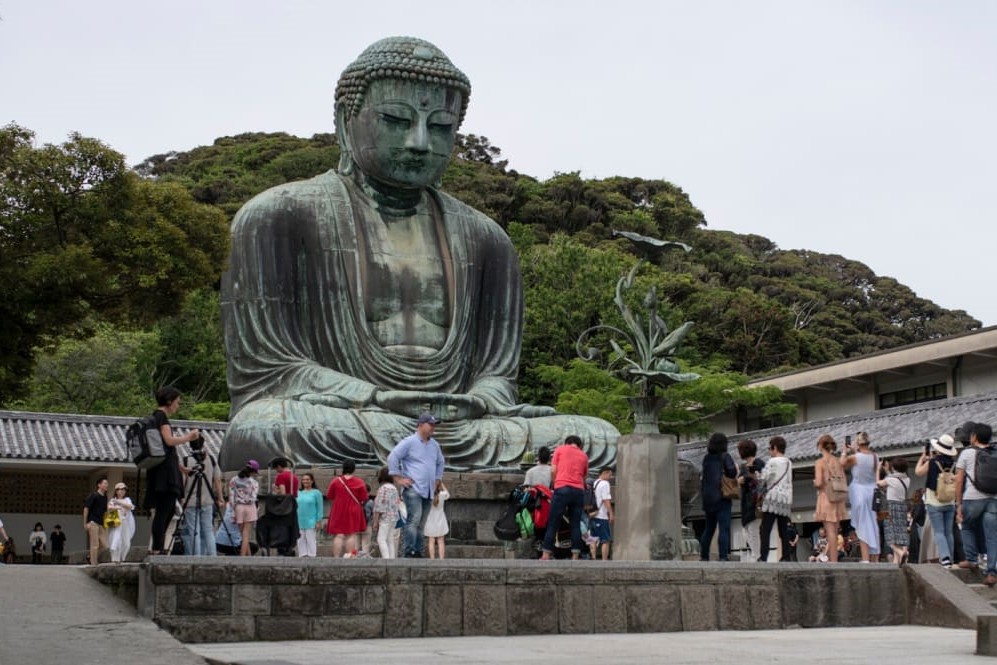
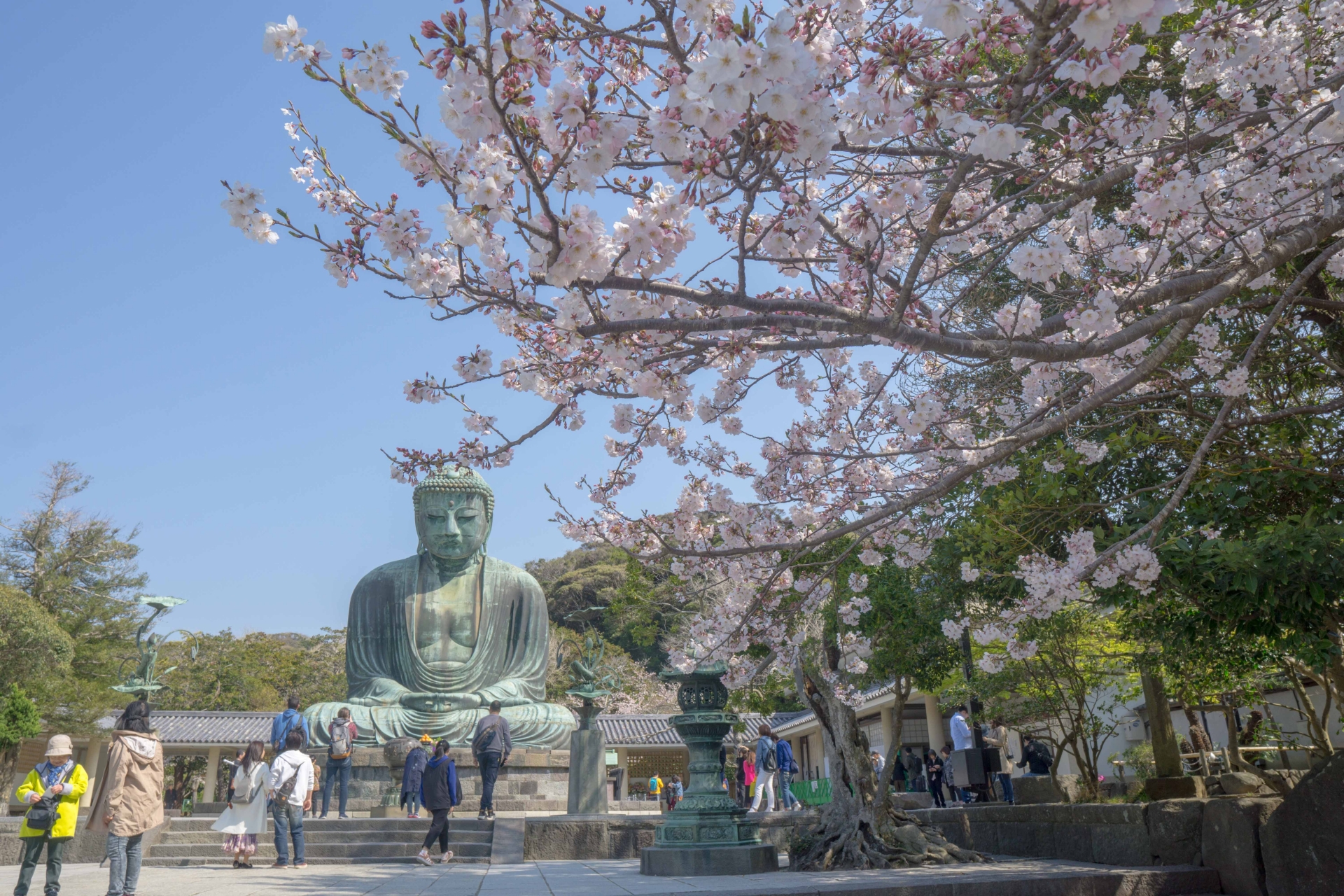
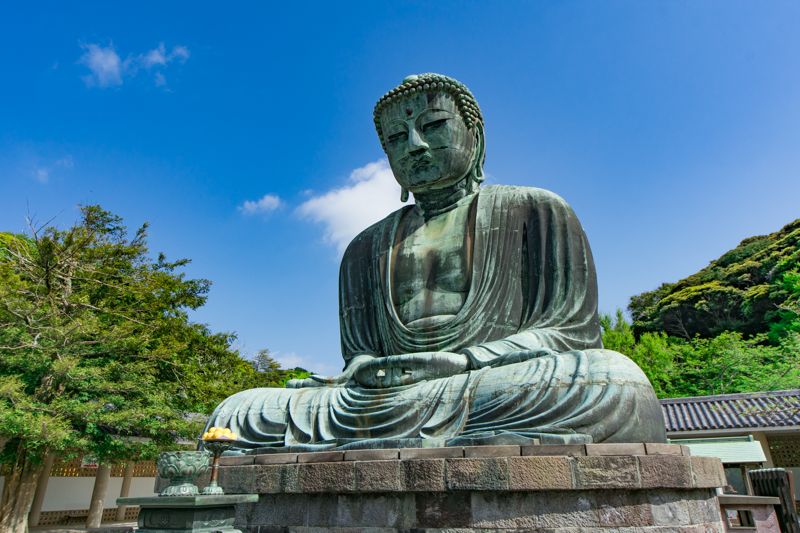
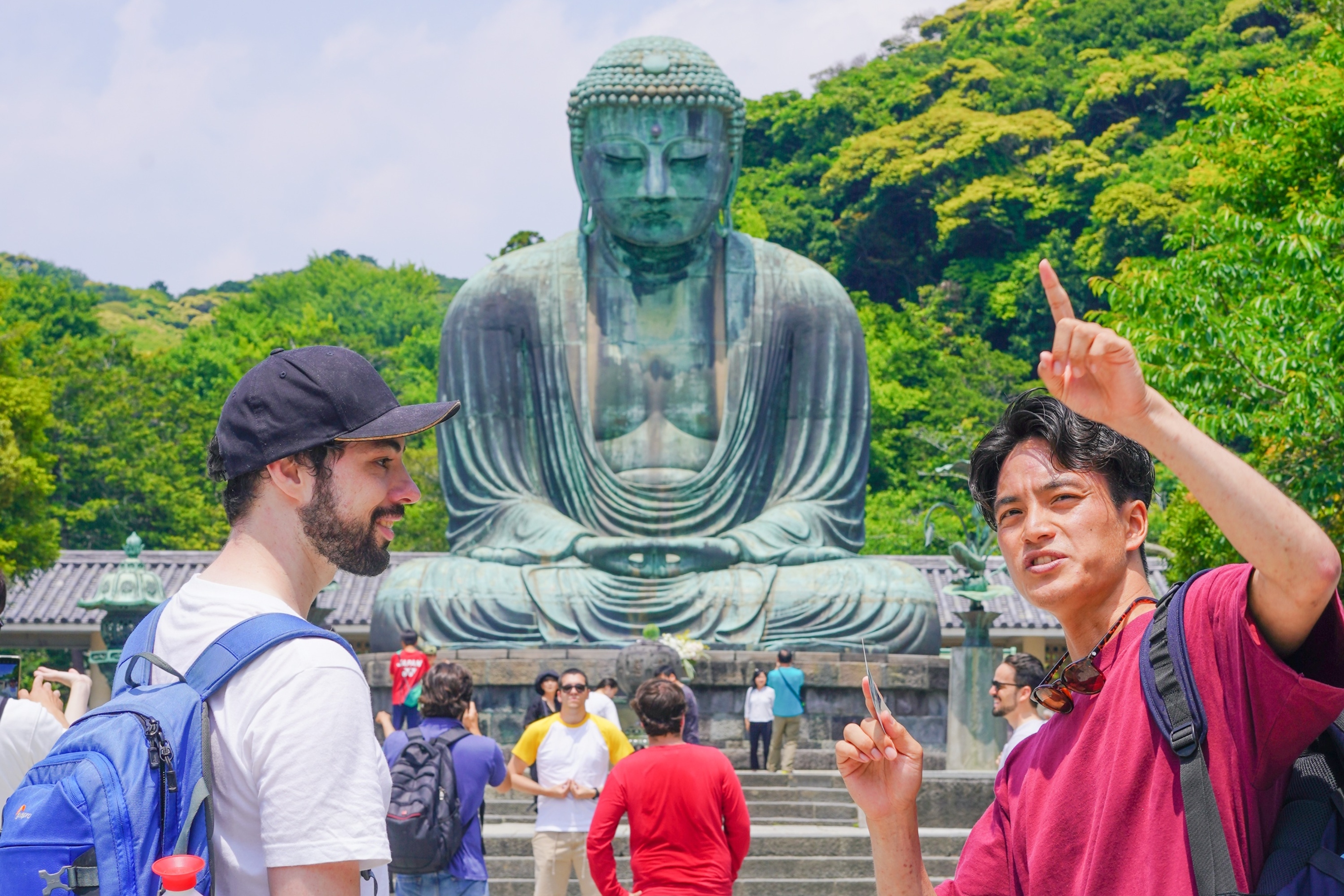
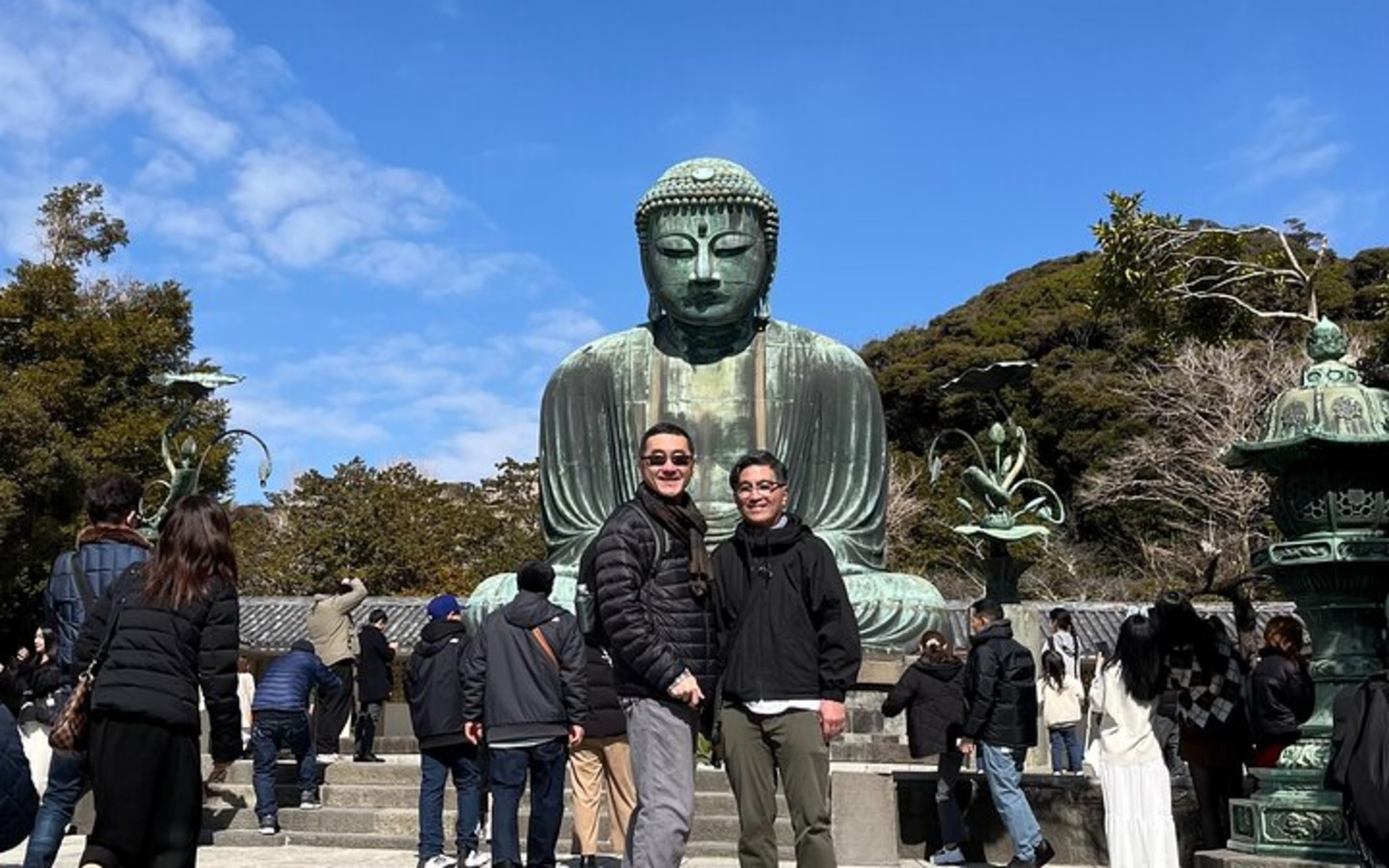
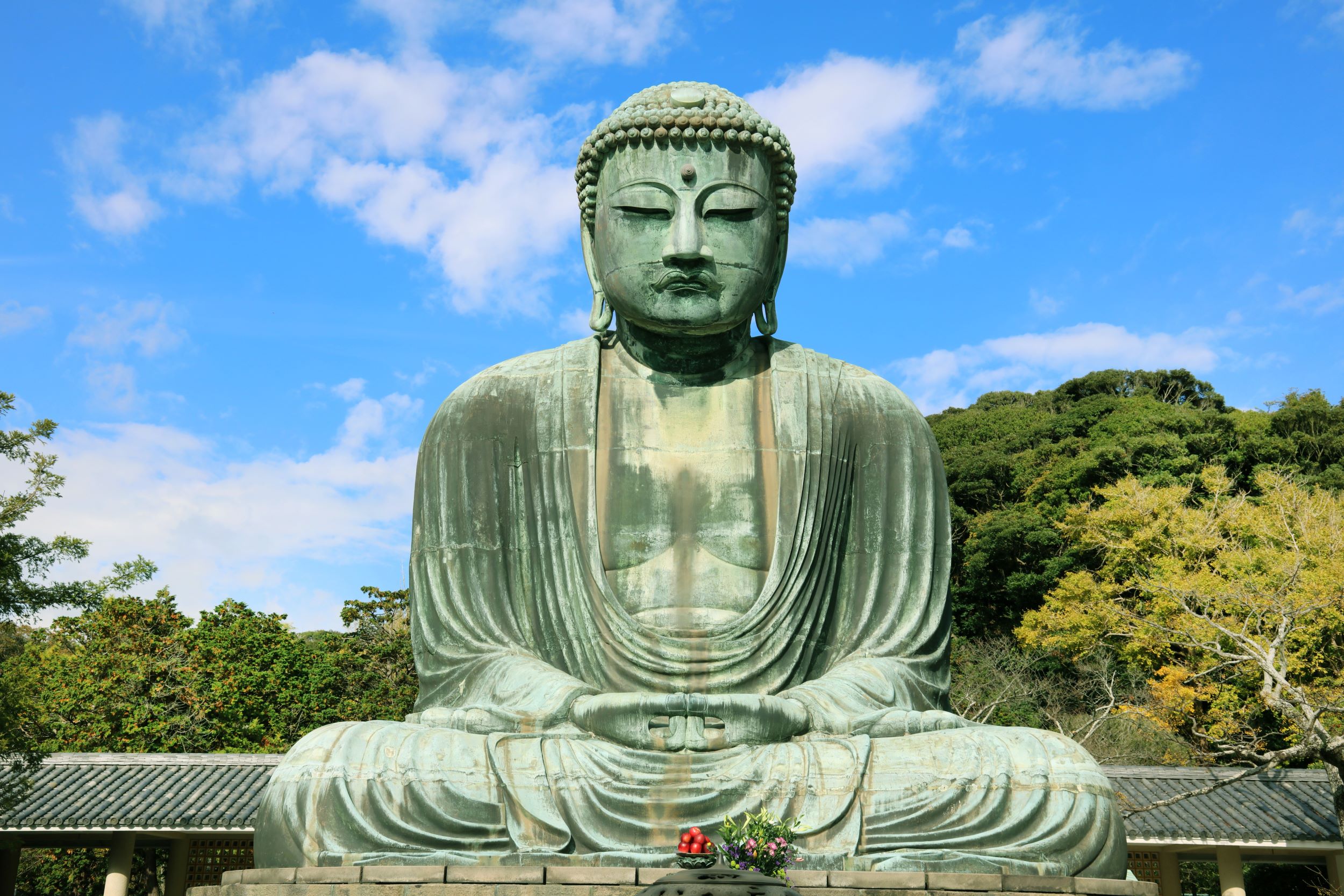
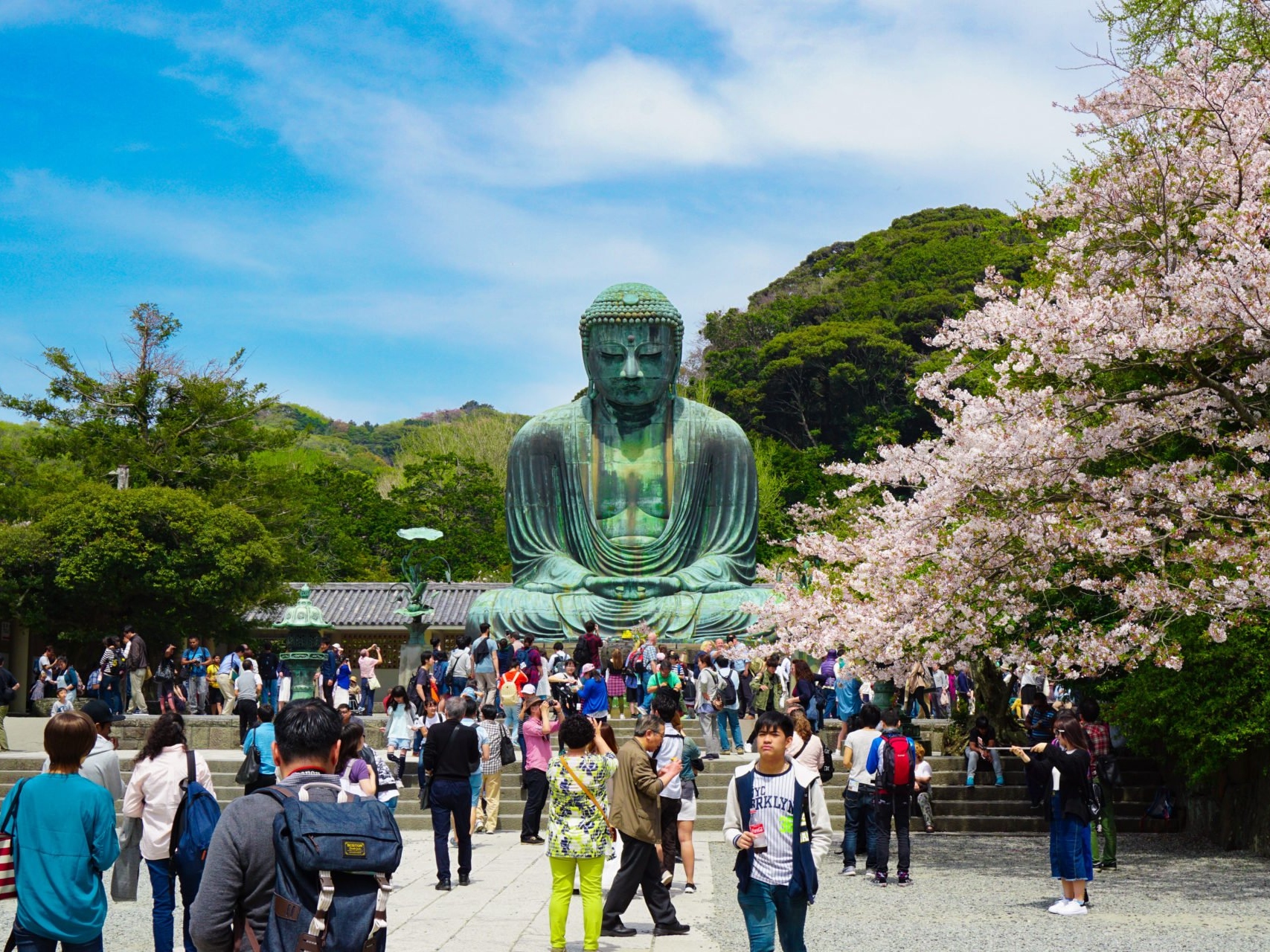
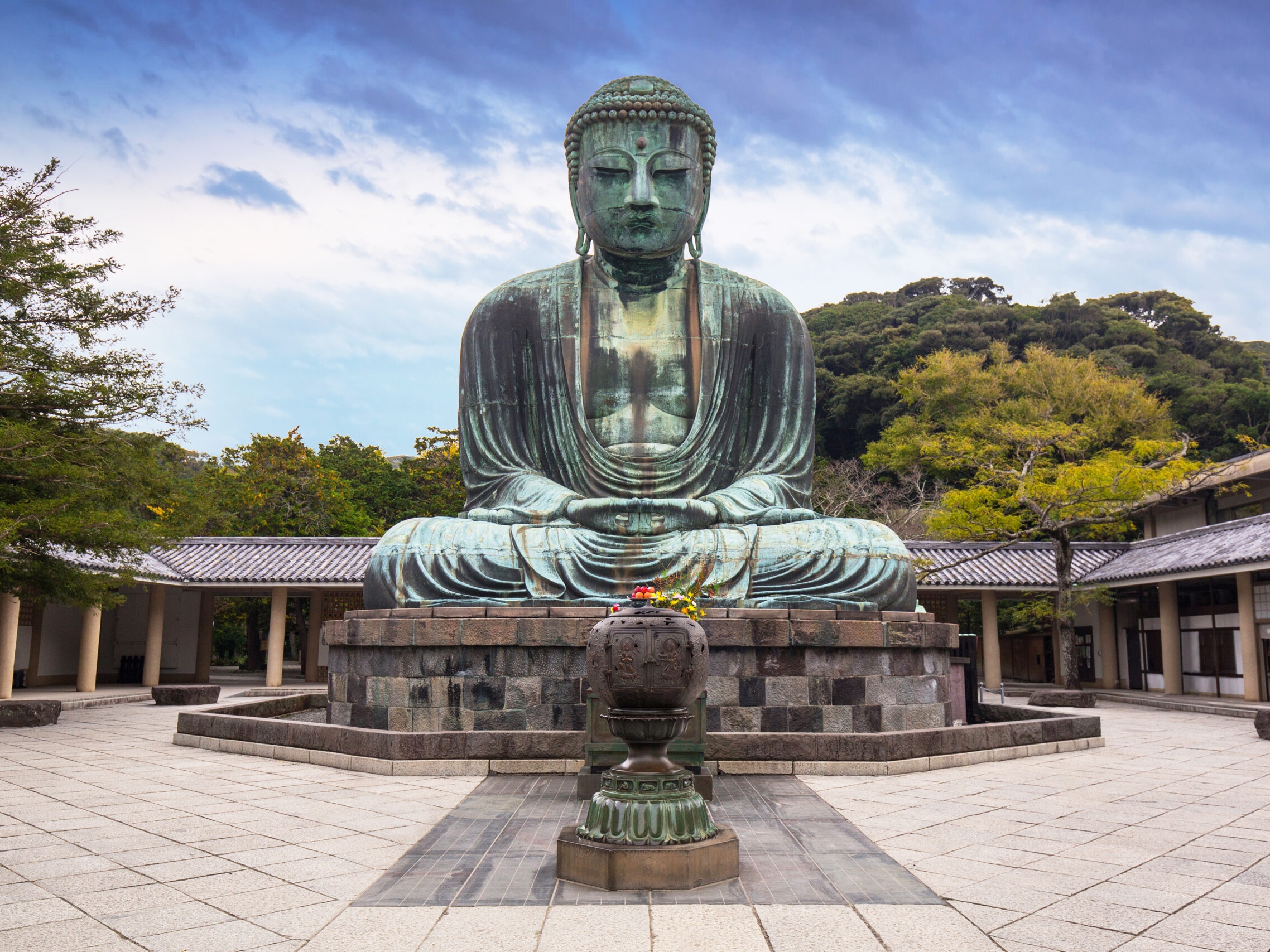
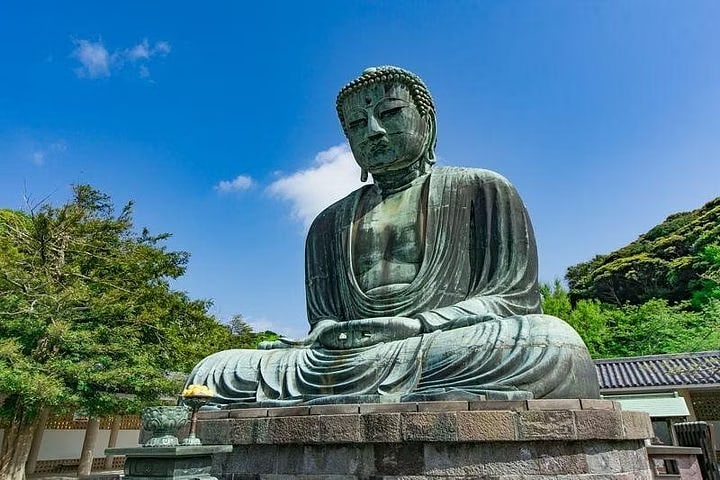
Kotokuin Temple is a significant Buddhist temple located in Kamakura, Japan. It is most famous for housing the Great Buddha of Kamakura , one of Japan's most iconic and revered bronze statues.
Great Buddha (Kamakura Daibutsu),The statue, which stands approximately 13.35 meters (43.8 feet) tall, is a monumental representation of Amida Buddha. It was cast in 1252 and was originally housed in a temple building. However, the building was destroyed by a tsunami in 1498, leaving the statue exposed to the elements.
What's not included
lunch fee about 15 or 20 USD per person
Pesonal expenses
Available languages
Guide guide
CMN
EN
FR
ES
Important information
Service animals allowed
Not recommended for travelers with spinal injuries
Not recommended for pregnant travelers
Not recommended for travelers with poor cardiovascular health
Travelers should have a high level of physical fitness
Please wear comfortable shoes.
We can accommodate dietary restrictions such as vegetarian, vegan, gluten-free, etc. If you have dietary requirements. Please indicate it to the special requirements at the time of booking.
Important notes
Please show the ticket to the guide when you meet.
About Chiba
Chiba is a vibrant city in Japan's Chiba Prefecture, known for its stunning fireworks displays, beautiful parks, and proximity to Tokyo. It offers a mix of urban attractions and natural beauty, making it a unique destination for travelers.
Top Attractions
Chiba Port Park
A large park with beautiful gardens, a zoo, and a Ferris wheel. It's a great place for families and nature lovers.
Nature
2-3 hours
Free (some attractions may have fees)
Makuhari Messe
A large convention and exhibition center hosting major events, concerts, and trade shows.
Entertainment
Varies by event
Varies by event
Chiba Prefecture Museum of Art
A modern art museum featuring works by local and international artists, as well as special exhibitions.
Museum
1-2 hours
¥300-¥500
Must-Try Local Dishes
Anago Meshi
Grilled conger eel served over rice, a local specialty of Chiba.
Main Dish
Contains fish, not vegetarian or vegan
Kaihin-Makuhari Ramen
A local ramen variant with a rich, soy-based broth and thick noodles.
Main Dish
Contains seafood, not vegetarian or vegan
Popular Activities
Hiking
Cycling
Water sports at Makuhari Beach
Picnicking in Chiba Port Park
Onsen (hot spring) visits
Shopping
Visiting temples and shrines
Attending local festivals
Best Time to Visit
Spring (March to May) and Autumn (September to November)
These seasons offer pleasant weather, making it ideal for outdoor activities and sightseeing. The cherry blossoms in spring and vibrant foliage in autumn are particularly beautiful.
15-25°C
59-77°F
Practical Information
Language
- Official: Japanese
- Widely spoken: English (limited)
- English: Limited
Currency
Japanese Yen (JPY)
Time Zone
GMT+9
Electricity
100VV, 50/60HzHz
Safety Information
Overall Safety Rating: Very safe
Chiba is a very safe city with low crime rates. Violent crime is rare, and petty crime is uncommon. However, travelers should always take basic precautions to protect their belongings.
Important Precautions:
- • Use licensed taxis and insist on using the meter.
- • Keep valuables secure and out of sight in crowded areas.
- • Purchase tickets and tours from official sources.
Getting there
By air
- Narita International Airport • 30 km from city center
- Tokyo International Airport (Haneda) • 40 km from city center
By train
Chiba Station, Kaihin-Makuhari Station
By bus
Chiba Chuo Bus Terminal, Kaihin-Makuhari Bus Terminal
Getting around
Public transport
Trains are the most efficient way to get around Chiba. The JR Sobu Line connects to Tokyo and other major cities, while the Keisei Line serves local destinations.
Taxis
Available • Apps: JapanTaxi, Uber (limited availability)
Rentals
Car, Bike, Scooter
Neighborhoods
Chuo Ward
Mihama Ward
Day trips
Naritasan Shinshoji Temple
30 km from Chiba • Half day
A beautiful Buddhist temple complex with a rich history and stunning architecture. It's a popular destination for pilgrims and tourists alike.
Inubosaki Lighthouse
40 km from Chiba • Half day
A historic lighthouse offering stunning views of the Pacific Ocean and the Boso Peninsula. It's a great spot for photography and enjoying the natural beauty of the area.
Festivals
Chiba International Fireworks Festival • August (specific dates vary)
Chiba Cherry Blossom Festival • Late March to Early April (depending on blossom peak)
Pro tips
- Purchase a Suica or Pasmo IC card for easy and convenient travel on trains and buses.
- Visit Chiba Port Park during the cherry blossom season or autumn foliage for a stunning experience.
- Attend the Chiba International Fireworks Festival if visiting in August for a spectacular display.
- Try local specialties like Anago Meshi and Kaihin-Makuhari Ramen for an authentic culinary experience.
- Use navigation apps like Google Maps or Japan Transit Planner for real-time information on public transportation.
From $25
per person
Price varies by option
Secure booking
Free cancellation available


![[Kamakura | Tram Experience] Kamakura Great Buddha & Kamakura Tram Experience & Kamakura High School & Enoshima & Tsurugaoka Hachimangu Shrine & Komachi Street Tokyo-Kamakura Day Trip (From Tokyo)](https://res.klook.com/image/upload/activities/zkjn1owdsbswo6geschc.jpg)