Michinoku Coastal 3 Days Trail Tour a Natori Matsushima Kesennuma
Active
3d
All sales are final. No refund is available for cancellations.
Manual confirmation
Mobile or paper ticket accepted
About this experience
Embark on a transformative 3-day journey through Japan's Tohoku region, exploring its stunning landscapes and rich cultural heritage. Experience the beauty of Aomori, Akita, Iwate, Sendai, Yamagata, and Fukushima, which are known for their breathtaking scenery and fresh seafood.
Witness the resilience of Tohoku since the 2011 Great East Japan Earthquake and see how the natural beauty and vibrant local life have emerged stronger. Traverse over 1,000 km of Japan's newest hiking trail by foot, bike, and sea, engaging with the community and gaining a fresh perspective on life and sustainability.
Highlights include:
➤ Hiking along the Michinoku Coastal Trail Southern route: Natori - Matshishima - Kesennuma area
➤ Reflecting on the impact and recovery from the disaster
➤ Connecting with resilient locals
➤ Immersing in the region's natural and cultural richness
This course is most recommended for those who want to experience the trails in a casual setting and is open to ages 13 and up.
Available options
Standard 3 Days Plan
What's included
Guided support with English translation provided throughout the tour.
Lunch
Dinner
Twin-share accommodation each night
Breakfast
Local experienced guide for hiking
Round-trip transportation from Sendai Station at the start of the tour to the finish.
What's not included
Expense not mentioned
Available languages
Guide guide
EN
Important information
Not recommended for travelers with spinal injuries
Not recommended for pregnant travelers
Not recommended for travelers with poor cardiovascular health
Travelers should have at least a moderate level of physical fitness
The minimum number of participants required is 5, with a maximum of 15 per group.
Participants must be at least 13 years old.
Our accommodation is generally rated 2 to 3 stars and may include traditional Japanese-style rooms.
We kindly request that you arrive at least 5 minutes before the scheduled meeting time.
Please bring appropriate trail-ready clothing and a small backpack for your valuables.
It is advisable to bring a drink bottle and insect repellent for your comfort.
Meeting point
At the JR Ticket Counter (Midori no Madoguchi) on the 2nd floor of Sendai Station.
About Sendai
Sendai, the largest city in the Tohoku region of Japan, is known for its lush greenery, rich history, and vibrant culture. As the capital of Miyagi Prefecture, it offers a blend of modern urban life and traditional charm, with numerous temples, shrines, and natural attractions.
Top Attractions
Osaki Hachimangu Shrine
One of the most important Shinto shrines in the Tohoku region, Osaki Hachimangu is known for its beautiful architecture and rich history. It's a popular spot for traditional festivals and ceremonies.
Historical/Religious
1-2 hours
Free (donations welcome)
Miyagi Museum of Art
This museum showcases a diverse collection of art, including traditional Japanese art, modern works, and international exhibits. It's a great place to immerse yourself in the local art scene.
Museum
1-3 hours
¥300-¥1,000
Zuihoden Mausoleum
This mausoleum is the final resting place of Date Masamune, the famous samurai lord who founded the city of Sendai. The site features beautiful gardens and intricate architecture.
Historical
1-2 hours
¥500
Jozenji-dori Avenue
Known as one of the most beautiful tree-lined streets in Japan, Jozenji-dori Avenue is famous for its double row of zelkova trees that create a stunning canopy. It's a great spot for a leisurely stroll.
Architecture/Cultural
30 minutes to 1 hour
Free
Sendai Castle Ruins
Also known as Aobajo Castle, these ruins offer a glimpse into Sendai's samurai history. The site includes a museum and a reconstructed tower with panoramic views of the city.
Historical
1-2 hours
¥200
Must-Try Local Dishes
Gyutan (Grilled Beef Tongue)
A specialty of Sendai, gyutan is grilled beef tongue often served with rice and various toppings. It's known for its tender texture and rich flavor.
Main Dish
Contains beef, not suitable for vegetarians or vegans
Zundamochi (Mugwort Rice Cake)
A traditional Japanese sweet made from rice flour and filled with zunda, a paste made from mashed edamame beans. It has a unique, slightly bitter taste.
Dessert
Vegetarian, contains gluten
Sendai Tanmen (Noodle Soup)
A local noodle soup dish featuring a rich, miso-based broth with various toppings such as seafood, vegetables, and meat. It's a hearty and comforting meal.
Main Dish
Can be made vegetarian or vegan with modifications
Ishigaki (Grilled Fish)
A traditional Sendai dish featuring fish grilled over an open flame, often served with rice and vegetables. The fish is typically a local variety such as mackerel or salmon.
Main Dish
Contains fish, not suitable for vegetarians or vegans
Popular Activities
Hiking in the nearby mountains
Snow sports in Zao Onsen (winter)
Boat tours in Matsushima Bay
Onsen (hot spring) baths in Zao Onsen
Strolling through Jozenji-dori Avenue
Visiting local cafes and tea houses
Visiting temples and shrines
Exploring museums and art galleries
Best Time to Visit
Spring (March to May) and Autumn (September to November)
These seasons offer comfortable weather for outdoor activities and sightseeing. Spring is particularly famous for cherry blossoms, while autumn brings beautiful fall foliage.
10°C to 25°C
50°F to 77°F
Practical Information
Language
- Official: Japanese
- Widely spoken: English (limited)
- English: Limited
Currency
Japanese Yen (JPY)
Time Zone
JST (GMT+9)
Electricity
100VV, 50/60HzHz
Safety Information
Overall Safety Rating: Generally safe
Sendai is generally a safe city with low crime rates. However, as with any destination, it's important to be aware of your surroundings and take precautions to protect yourself and your belongings.
Important Precautions:
- • Keep valuables secure and out of sight
- • Be cautious when using ATMs, especially at night
- • Use licensed taxis and tour services
Getting there
By air
- Sendai Airport • 13 km from city center
By train
Sendai Station
By bus
Sendai Station Bus Terminal, Other regional terminals
Getting around
Public transport
The Sendai Subway system is efficient and easy to use, with two lines: the Nanboku Line and the Tozai Line.
Taxis
Available • Apps: JapanTaxi, DiDi
Rentals
Car, Bike, Scooter
Neighborhoods
Aoba Ward
Nakano Ward
Izumi Ward
Day trips
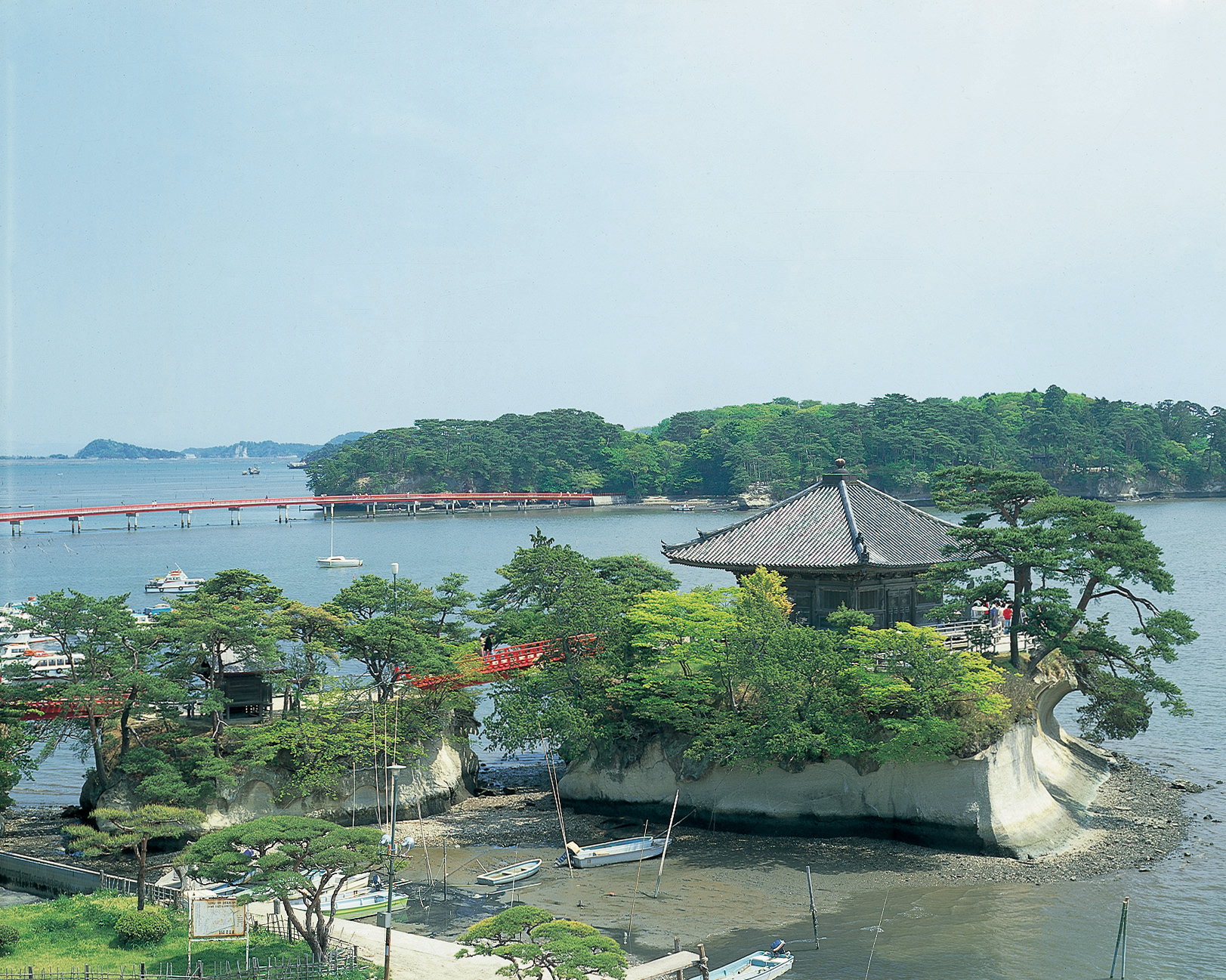
Matsushima
40 km from Sendai • Full day
Matsushima is a picturesque bay known for its beautiful islands, temples, and shrines. It's one of the Three Most Scenic Views of Japan.
Yamadera
30 km from Sendai • Half day to full day
Yamadera is a mountain temple complex known for its beautiful gardens, historic buildings, and panoramic views. It's a great spot for hiking and enjoying nature.
Zao Onsen
50 km from Sendai • Full day or overnight
Zao Onsen is a famous hot spring resort nestled in the mountains. It's known for its relaxing onsen (hot spring) baths and beautiful natural surroundings.
Festivals
Sendai Tanabata Festival • August 6-8 (main days), with related events throughout the month
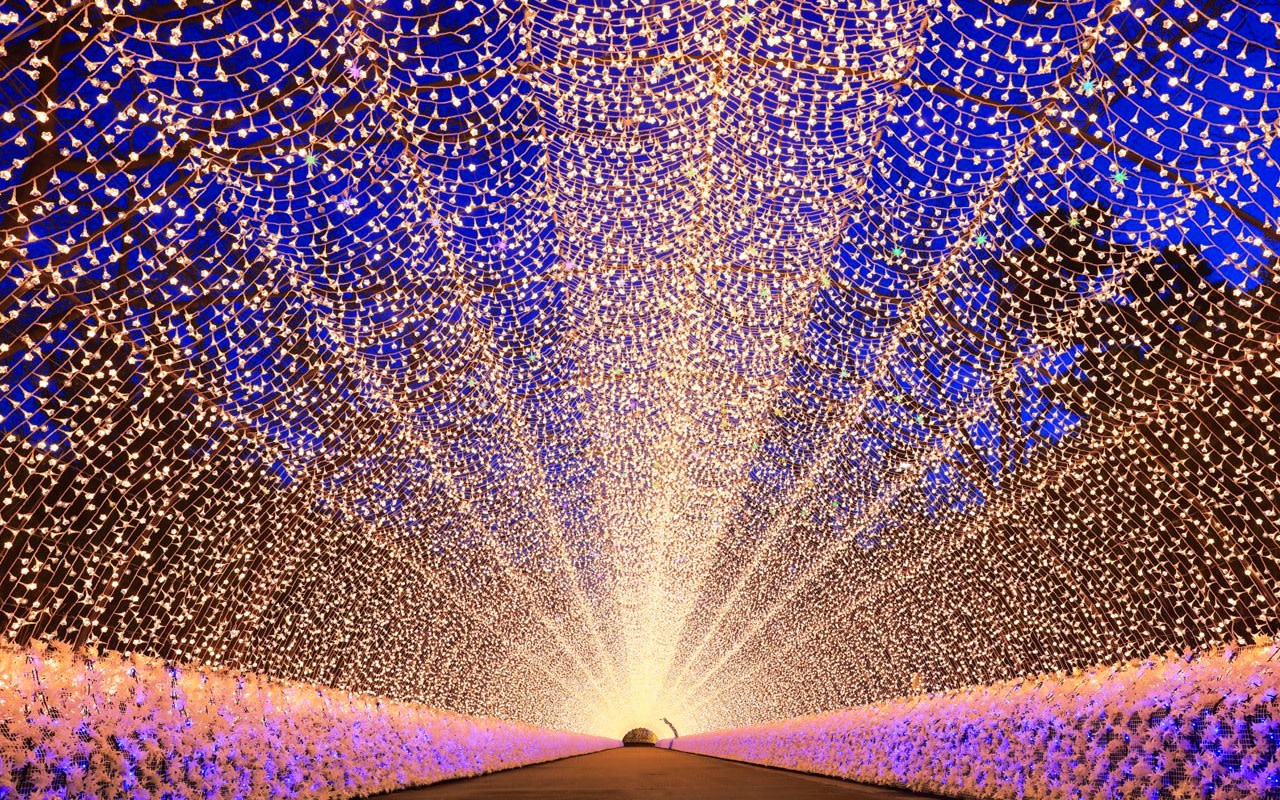
Sendai Pageant of Starlight • Late November to early December
Sendai Sansa Odori • August 3-6 (main days), with related events throughout the month
Pro tips
- Purchase a Suica or Pasmo IC card for convenient and discounted public transportation
- Learn a few basic Japanese phrases to enhance your experience and show respect for the local culture
- Try local specialties, such as gyutan (grilled beef tongue) and zundamochi (mugwort rice cake)
- Visit during the spring or autumn for pleasant weather and beautiful foliage, but be prepared for crowds during peak travel seasons and festivals
- Explore the city's green spaces, such as Jozenji-dori Avenue and nearby parks, for a relaxing and scenic experience
From $25
per person
Price varies by option
Secure booking
Free cancellation available


![[All checked-in Kagoshima Kirishima Line] Boutique small group one-day tour/Myth Park + Shrine Blessing + Maruo Waterfall + Takachiho Ranch Healing Tour](https://res.klook.com/image/upload/activities/zhcsk16pyjq0fkdzax6b.jpg)