Okinawa World Limestone Cave and War Memorial Sites Day Tour
Active
7h
All sales are final. No refund is available for cancellations.
Instant confirmation
Mobile or paper ticket accepted
About this experience
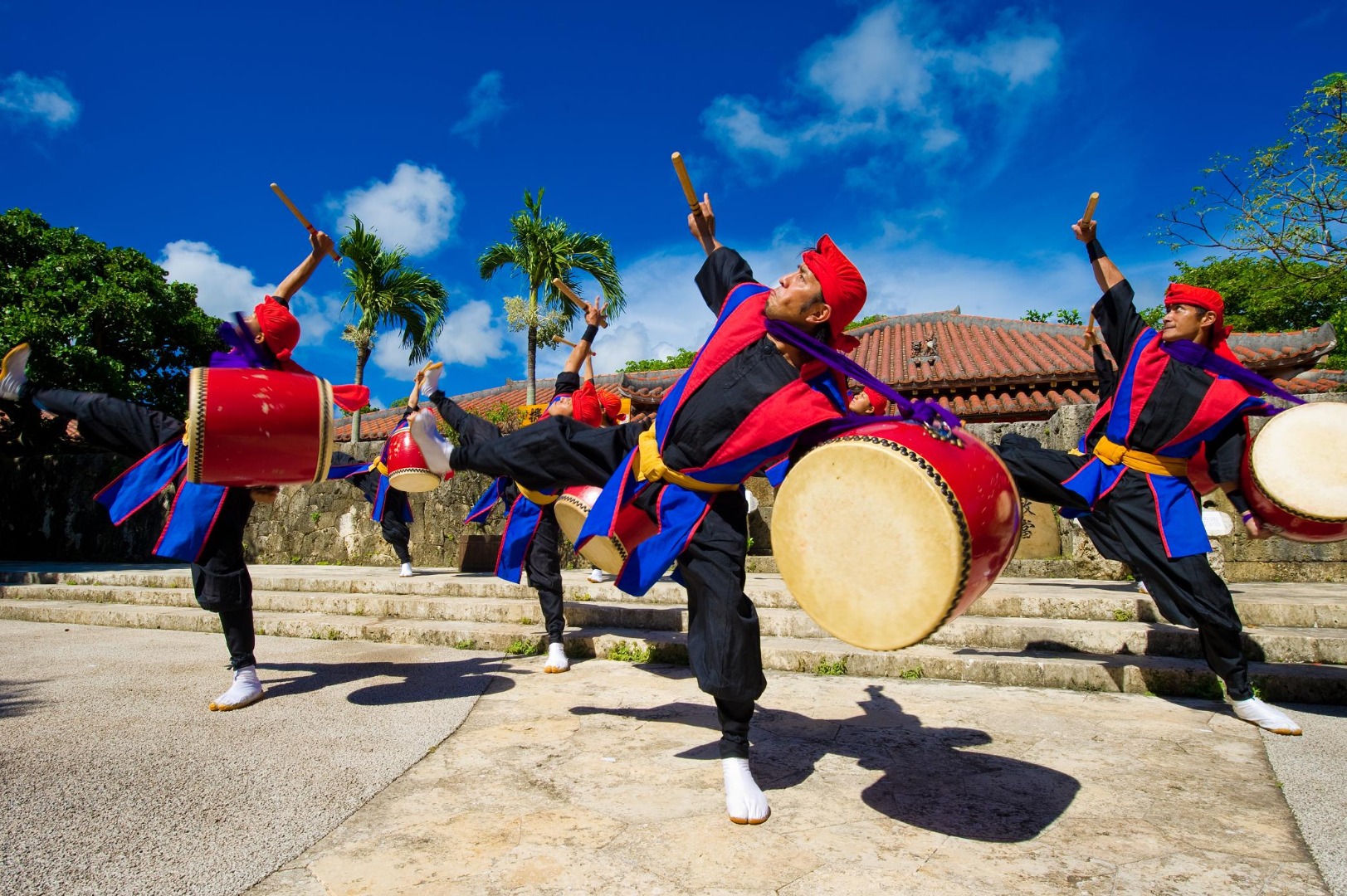
Join us for an unforgettable journey through the enchanting southern region of Okinawa's main island! Immerse yourself in the breathtaking beauty of Gyokusendo Cave, acclaimed as the most stunning in all of Asia. Feel the adrenaline rush as you witness a captivating Eisa show, showcasing the bold spirit of Okinawan culture.
Next, pay homage to history at the Okinawa Peace Memorial Park, where poignant inscriptions honor the brave souls who perished in the Battle of Okinawa. Stand in reverence at the solemn Himeyuri Monument, erected on the grounds where the Third Department of Surgery, Okinawa Army Hospital once stood. This poignant memorial commemorates the sacrifices of the Himeyuri students who served during the war.
Conclude your day with a leisurely shopping spree at the illustrious Iias Okinawa Toyosaki, Japan's largest shopping haven. Embark on this enriching journey filled with natural wonders, cultural delights, and poignant historical landmarks!
Available options
Okinawa World Limestone Cave and War Memorial Sites Day Tour
What's included
Japanese guide
Meals (Rice and Fish)
Admission ticket to Okinawa World
Detailed itinerary
1
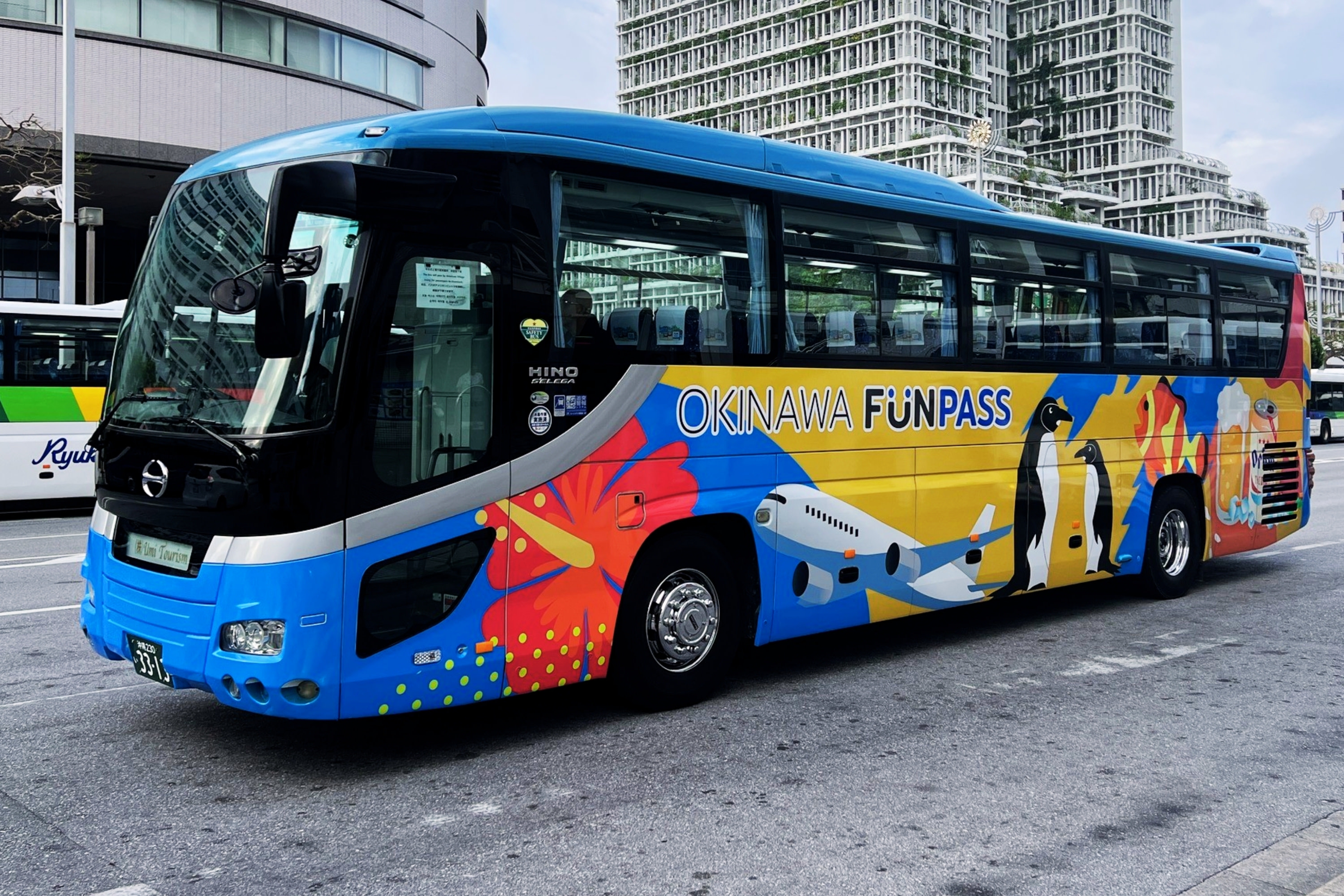
Depart from the regular sightseeing bus stop at 8:30 am.
2
Discover Okinawa's rich tapestry of nature, entertainment, and culture with our immersive tourist facility. Delve into the ancient mysteries of Gyokusendo, a breathtaking limestone cave sculpted over 300,000 years ago from a vibrant coral reef. Wander through the enchanting streets of "Ryukyu Kingdom Castle Town," a living testament to history adorned with the title of National Tangible Cultural Property.
Immerse yourself in Okinawa's vibrant culture and natural wonders, where every corner reveals a new facet of this captivating island. Please note that guided lectures are not available at "Gyokusendo," "Tropical Fruit Garden," and "Ryukyu Kingdom Castle Town," allowing you to explore at your own pace and uncover the secrets of Okinawa at your leisure.
3
Okinawa Peace Memorial Park stands as a poignant tribute to the turbulent history and enduring spirit of Okinawa. As travelers step into this solemn yet serene sanctuary, they are greeted by a landscape that honors the memory of those who lost their lives during one of the fiercest battles of World War II.
The centerpiece of the park is the Peace Memorial Museum, a solemn repository of history that recounts the harrowing events of the Battle of Okinawa. Through interactive exhibits, personal artifacts, and poignant testimonials, visitors gain a profound understanding of the human cost of war and the resilience of the Okinawan people.
Throughout their visit, travelers may also encounter various events and ceremonies that further underscore the park's mission of reconciliation and healing. From solemn commemorations to cultural performances celebrating the spirit of unity, Okinawa Peace Memorial Park offers a profound and transformative experience for all who walk its hallowed grounds.
4
It was completed on Mabuni Hill in 1995, a memorial to the 50th anniversary of the end of the Battle of Okinawa to convey Okinawa's "spirit of peace" to the world. A row of stone monuments bears the names of all those who died in the Battle of Okinawa, regardless of nationality, military or non-military. However, it is not limited to those who died in Okinawa only but is dedicated to all those who have died in the war.
5
Upon arriving at the Himeyuri Monument, travelers will first encounter the serene and beautifully landscaped grounds surrounding the monument. The setting provides a tranquil atmosphere that serves as a poignant backdrop to the solemnity of the site.
Travelers will then have the opportunity to explore the monument itself, which consists of various memorial structures, including a museum and a memorial hall. One of the most impactful aspects of the Himeyuri Monument is the underground cave complex, which served as a makeshift field hospital during the battle. Travelers will have the opportunity to reflect on the courage and resilience of the Himeyuri students and teachers, whose sacrifices continue to be honored and remembered at this sacred site. The Himeyuri Monument serves as a powerful reminder of the human cost of war and the importance of preserving the memories of those who lived through it.
6
At IIAS Okinawa Toyosaki, travelers will embark on an unforgettable journey through the essence of Okinawan culture, nature, and entertainment.
Browse through an array of shops offering unique souvenirs, handicrafts, and local products. From traditional textiles and ceramics to specialty foods and beverages, you'll find the perfect memento to commemorate your visit to Okinawa. IIAS Okinawa Toyosaki invites travelers to immerse themselves in the beauty, traditions, and hospitality of Okinawa, creating unforgettable memories that will last a lifetime.
What's not included
The admission fee to DMM Kariyushi Aquarium is not included( about USD 12)
The admission fees to the Okinawa Peace Memorial Museum ( about USD 3)
The admission Fee to Himeyuri Peace Museum ( about USD 3)
Other personal Expenses
Available languages
Guide guide
JA
Reviews breakdown
Tripadvisor
3.0
1 reviews
5★
0
4★
0
3★
1
2★
0
1★
0
Important information
Wheelchair accessible
Infants and small children can ride in a pram or stroller
Public transportation options are available nearby
Infants are required to sit on an adult’s lap
Transportation options are wheelchair accessible
All areas and surfaces are wheelchair accessible
Suitable for all physical fitness levels
One child (under 5 years old) can travel for free. The second child (under 5 years) needs to purchase a child ticket.
Please collect your bus ticket at the regular sightseeing bus stop 15 minutes before departure.
Please participate in light and comfortable clothes and bring rain gear depending on the weather.
Please note that the duration of the tour may vary depending on traffic conditions.
Customers using wheelchairs should be accompanied by a caretaker.
The reception staffs speak Japanese and English only.
The total tour duration also includes the travel time.
Meeting point
Departure Time: 08:30
Okinawa regular sightseeing bus stop
Address: 1-10-16 Izumizaki, Naha City, Okinawa 900-0021
Go to the bus stop and look at a Picture (A baby girl cartoon with a Bus) on the Wall at the bus stop. The tour guide will meet you there.
About Naha
Naha is the capital of Okinawa Prefecture, offering a vibrant blend of traditional Ryukyu culture and modern urban life. Known for its historic sites, bustling markets, and beautiful beaches, Naha is a gateway to the rich heritage and natural beauty of Okinawa.
Top Attractions
Shuri Castle
Shuri Castle is a UNESCO World Heritage Site and a former royal palace of the Ryukyu Kingdom. It offers a glimpse into Okinawa's rich history and culture.
Historical
2-3 hours
¥820
Makishi Public Market
A bustling market offering fresh seafood, local produce, and traditional Okinawan snacks. It's a great place to experience the local culture and cuisine.
Market
1-2 hours
Free entry, food and souvenirs vary
Kokusai Street
A vibrant street lined with shops, restaurants, and bars. It's a popular spot for shopping, dining, and nightlife.
Shopping
2-3 hours
Varies by shop and restaurant
Peace Memorial Park
A park dedicated to the memory of the Battle of Okinawa in World War II. It features museums, monuments, and gardens.
Historical
2-3 hours
Free (museums may have entry fees)
Tsuboya Pottery District
A historic district known for its traditional pottery and ceramics. Visitors can watch artisans at work and purchase unique souvenirs.
Cultural
1-2 hours
Free to explore, purchases vary
Must-Try Local Dishes
Goya Champuru
A stir-fry dish made with bitter melon (goya), tofu, and various ingredients like pork, eggs, and vegetables.
Dish
Vegetarian options available (without pork).
Okinawa Soba
A noodle dish made with wheat noodles in a rich pork broth, topped with pork and pickled ginger.
Dish
Contains pork, vegetarian options may be limited.
Rafute
Slow-cooked pork belly, tender and flavorful, often served in a sweet soy-based sauce.
Dish
Contains pork.
Sata Andagi
Deep-fried dough balls, similar to donuts, often served with tea or coffee.
Dessert
Vegetarian (check for animal fat in frying oil).
Popular Activities
Hiking
Scuba diving
Snorkeling
Surfing
Beach lounging
Spa treatments
Yoga
Meditation
Best Time to Visit
November to April
The best time to visit Naha is during the cooler, drier months. The weather is pleasant, and there are fewer tourists, making it ideal for exploring the city's attractions and enjoying outdoor activities.
15-25°C
59-77°F
Practical Information
Language
- Official: Japanese
- Widely spoken: English (limited), Okinawan (limited)
- English: Limited
Currency
Japanese Yen (JPY)
Time Zone
GMT+9
Electricity
100VV, 50/60HzHz
Safety Information
Overall Safety Rating: Generally safe
Naha is generally safe for travelers, with low crime rates and a welcoming atmosphere. However, as with any destination, it's important to be aware of your surroundings and take necessary precautions.
Important Precautions:
- • Keep valuables secure and be aware of your surroundings in crowded areas.
- • Use licensed taxis and agree on the fare before starting your journey.
- • Be cautious of strangers offering unsolicited help or services.
Getting there
By air
- Naha Airport • 3.5 km from city center
By bus
Naha Bus Terminal, Makishi Public Market Bus Stop
Getting around
Public transport
The monorail is efficient, clean, and easy to use, with stations located throughout the city.
Taxis
Available • Apps: JapanTaxi, DiDi
Rentals
Car, Bike, Scooter
Neighborhoods
Kokusai Street
Makishi
Shuri
Tomari
Day trips
Okinawa World
15 km from Naha • Half day to full day
A cultural theme park featuring the Gyokusendo Cave, a traditional Ryukyu village, and a museum showcasing Okinawan history and culture.
Churaumi Aquarium
60 km from Naha • Full day
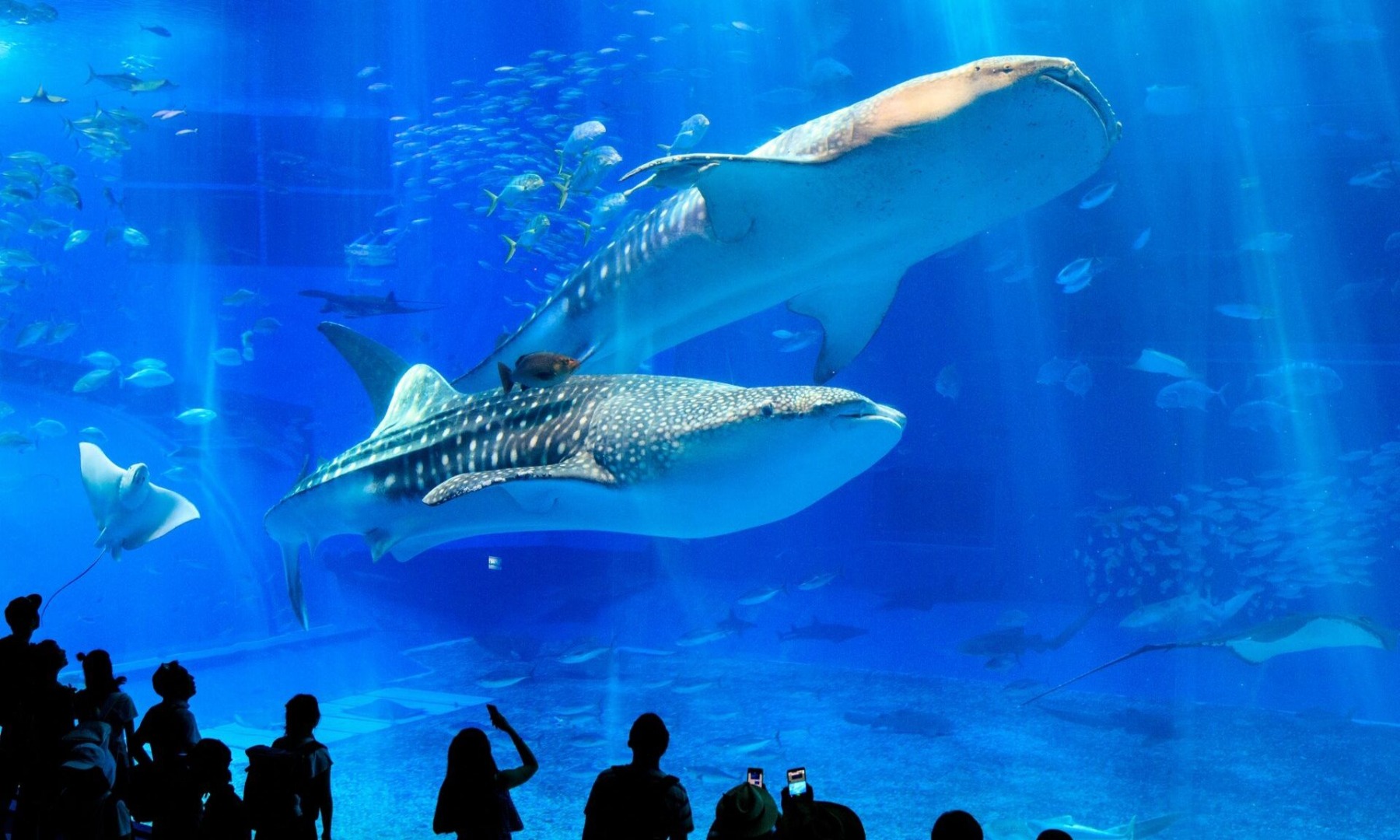
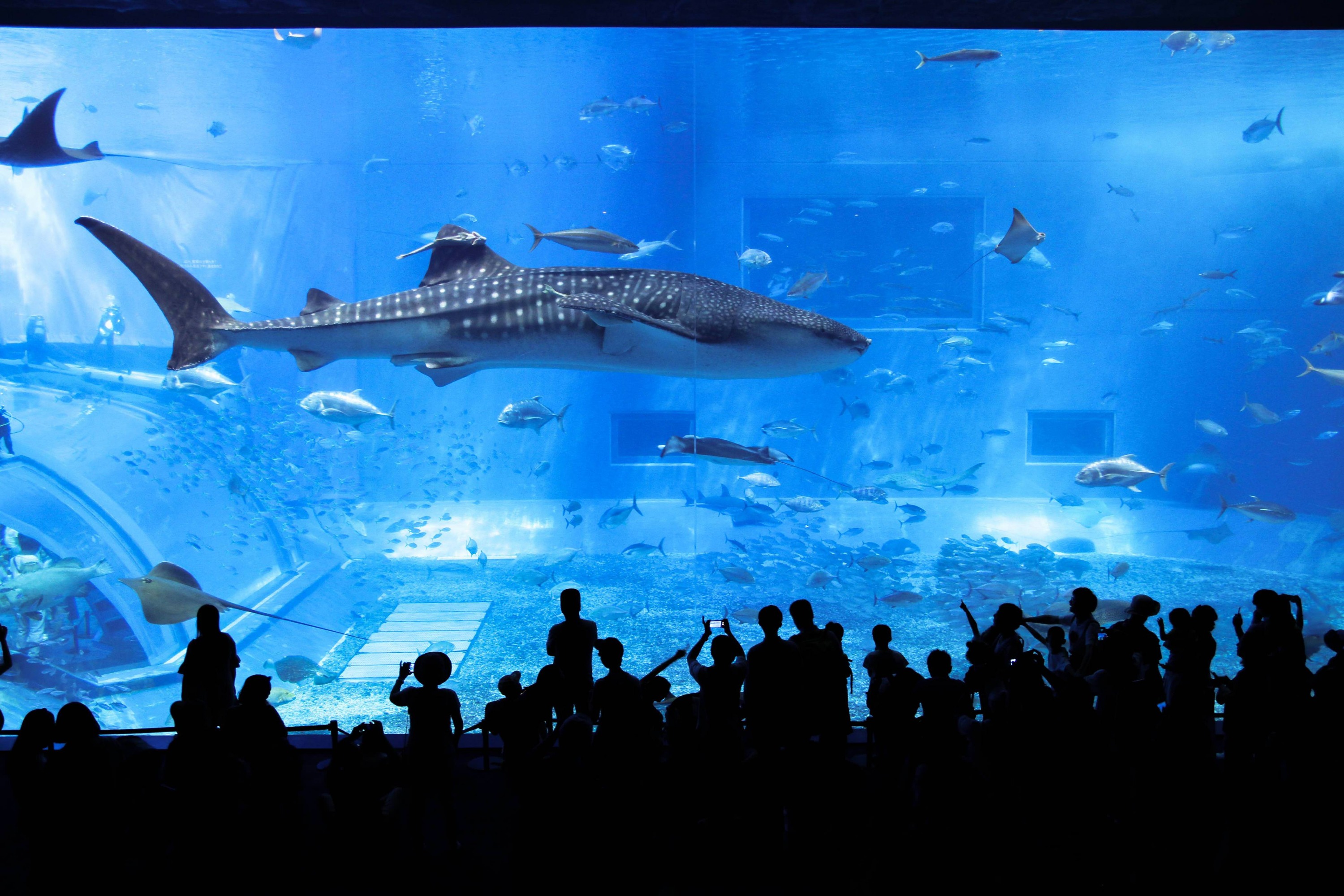
One of the largest aquariums in the world, featuring a massive Kuroshio Tank with whale sharks, dolphins, and a variety of marine life.
Shurijo Castle Park
2 km from Naha • Half day
A UNESCO World Heritage Site and the former royal palace of the Ryukyu Kingdom. The park features restored castle buildings, historical exhibits, and panoramic views of Naha.
Festivals
Naha Great Tug-of-War • Third Sunday of October
Shurijo Castle Festival • Late October to early November
Naha Matsuri • Late September to early October
Pro tips
- Learn a few basic Japanese phrases to enhance your travel experience and show respect for the local culture.
- Use IC cards for convenient and discounted public transport fares.
- Visit local markets and street food vendors for an authentic and affordable dining experience.
- Explore the city on foot or by bicycle to discover hidden gems and local neighborhoods.
- Check for seasonal events and festivals to make the most of your visit to Naha.
From $25
per person
Price varies by option
Secure booking
Free cancellation available
Instant confirmation





![[Okinawa North Tour] Okinawa Churaumi Aquarium, Kouri Island, Cape Manza, American Village Day Trip from Naha | Popular Spots in One Trip](https://res.klook.com/image/upload/activities/jbuxqn2yfj8dfi2eorlm.jpg)