Private Full Day Tour Évora and Vila Viçosa
Active
8h
For a full refund, cancel at least 24 hours before the scheduled departure time.
Instant confirmation
Mobile or paper ticket accepted
About this experience
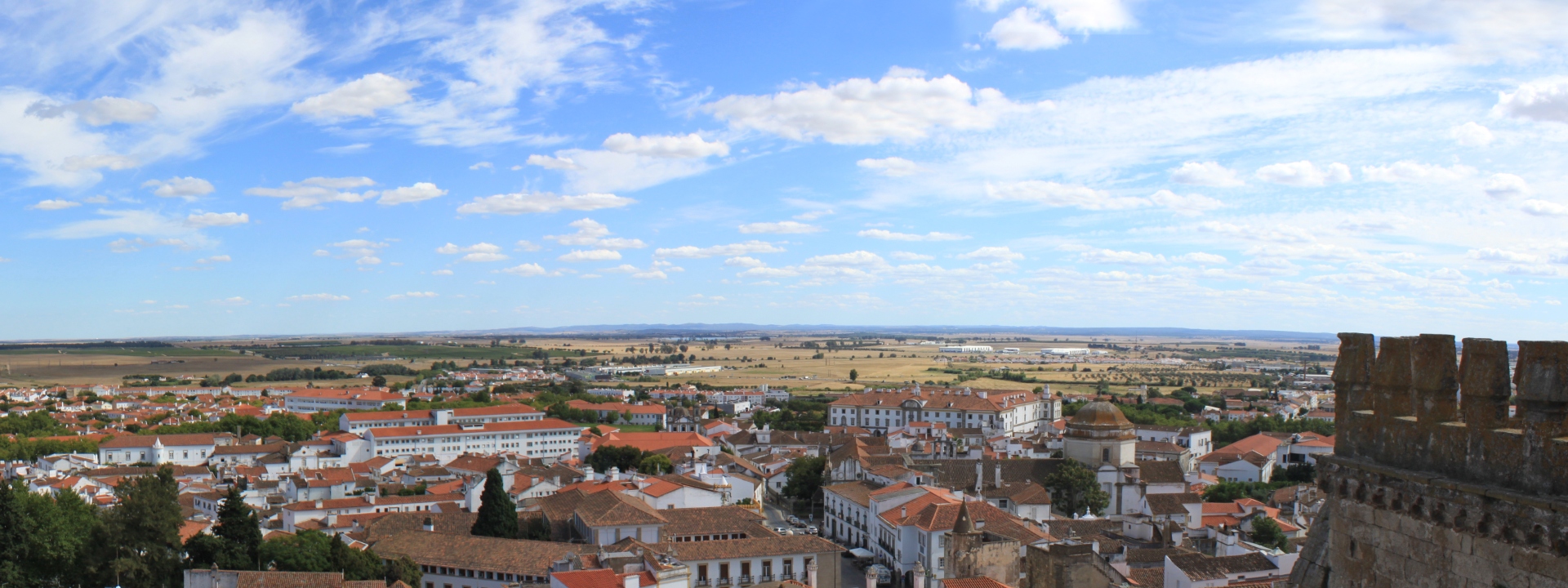
Discover the "Museum City", listed as a World Heritage Site by UNESCO. Unique in the network of Europe’s oldest cities, Évora invites you on a fascinating journey from the Roman Empire to the Arab and medieval presence.
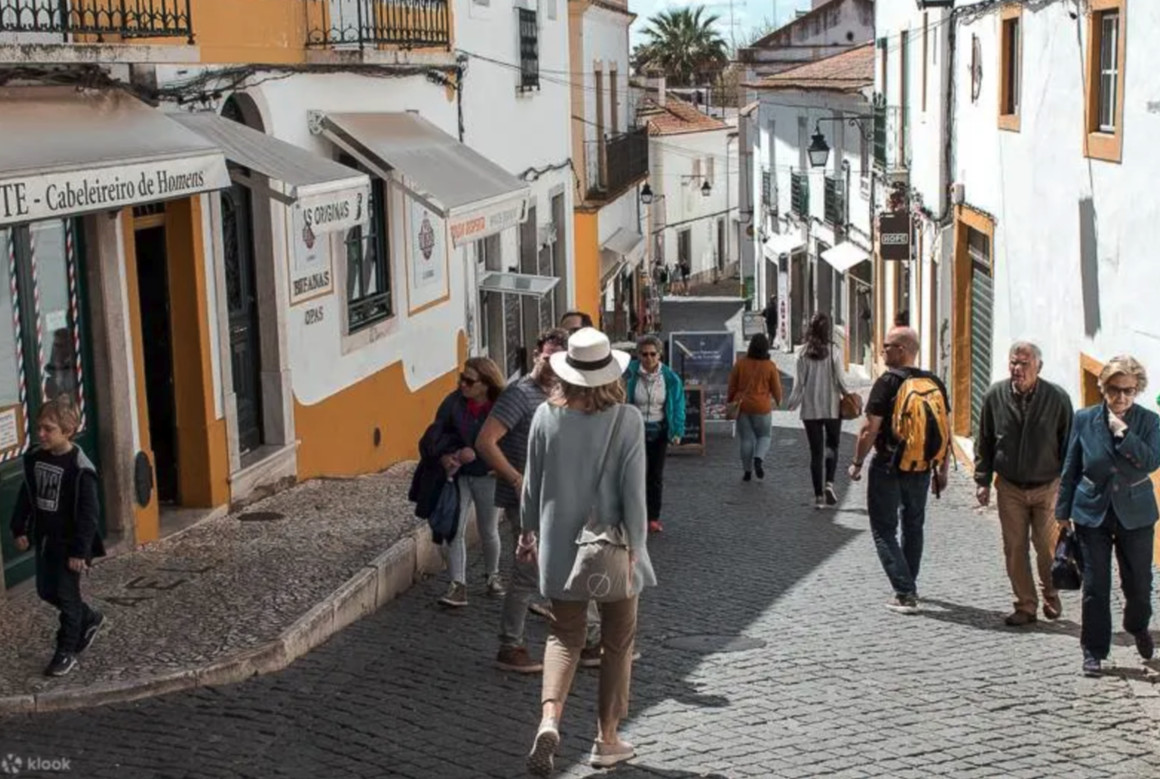
What to expect: We walk through streets that have stopped in time, protected by historic walls. We will visit the imposing Roman Temple (Diana), the enigmatic Chapel of the Bones in the Church of St. Francis and the Sé d'Évora. From Giraldo Square to the Aqueduct, each corner reveals traditional houses and centuries of history. The experience completes with Alentejo gastronomy in family restaurants is a mandatory stop.
Why choose TalentedStreet? We differ by total flexibility. We are not just drivers; we are storytellers who adapt the pace to your preferences. Escape the rigid tours and discover the soul of Alentejo with the exclusivity and comfort of a dedicated Guide, focused on creating authentic memories.
Available options
Full Day with Meal
Lunch<br/>Pickup included
Full-Day Private Tour of Évora and Vila Viçosa
Pickup included
What's included
Private transportation
Typical sweet of the region
Bottled water
WiFi on board
Air-conditioned vehicle
Detailed itinerary
1
A 17th century building that aims to convey the message of the transience of life. With a more earthly purpose, the placement of the bones in the chapel was intended to eliminate some cemeteries surrounding Évora, allowing new constructions in the city. Dedicated to Senhor dos Passos, it has purposely dim lighting.
Free entry and visit.
2
Stop 2
It is one of the largest and best preserved Roman temples in the Iberian Peninsula. Along with the Chapel of Bones, it is the postcard presentation of Évora. It is over 2,000 years old and was built as a tribute to Emperor Augustus, forming part of what would later become the Roman Forum.
Appreciation of the site and photographs.
3
Stop 3
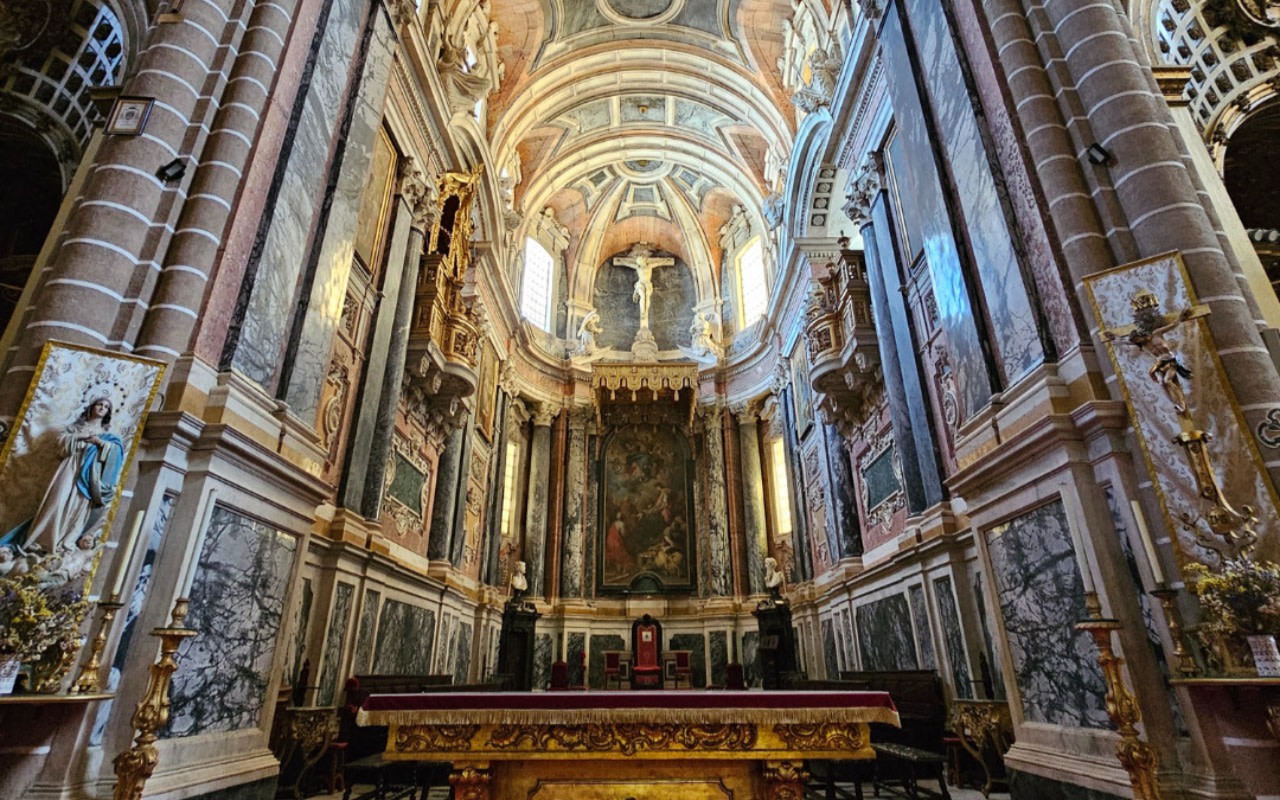
This is a 12th century church, a transition from the Romanesque to the Gothic period. Like the Lisbon and Porto Cathedrals, its façade is dominated by two towers that flank the entrance to the central nave, where the main altarpiece is located. It contains a series of works of sacred art in its treasury.
Visit the site.
4
Passage through the place
5
Occupied since Roman times, it also had an Arab presence. It has a castle and in the 14th century it became the seat of the Duchy of Braganza, which eventually gave rise to the Braganza Dynasty. As a result, the town lost its splendor and ended up becoming a holiday resort for the royal family.
Tour through the most attractive places of interest and stop at these points to tell stories and discover interesting facts.
6
Stop 6
Pass by
Built between 1571 and 1573, Praça do Giraldo is an icon of the city of Évora. Here you will find the Church of Santo Antão, as well as several restaurants and local shops and the famous Fountain, classified as a National Monument since 1910, which has eight spouts that, according to tradition, correspond to the eight streets that lead into the square.
A stop to rest and tell stories about the place.
7
This 14th century Renaissance monument became a military barracks in the 19th century, and much of its contents were lost at this time. It was restored in the second half of the 20th century, but unfortunately important parts of the building's architecture have already been lost.
Visit the site and enjoy the view.
What's not included
Tips
Unless described in the title of the selected option
Unless described in the title of the selected option
Available languages
Guide guide
DE
PT
EN
IT
FR
ES
Important information
Wheelchair accessible
Infants and small children can ride in a pram or stroller
Service animals allowed
Public transportation options are available nearby
Specialized infant seats are available
Transportation options are wheelchair accessible
All areas and surfaces are wheelchair accessible
Suitable for all physical fitness levels
About Sintra
Sintra is a picturesque town on the Portuguese Riviera, known for its 19th-century Romanticist castles, palaces, and lush gardens. This UNESCO World Heritage site offers a fairytale-like atmosphere with its unique blend of history, architecture, and natural beauty.
Top Attractions
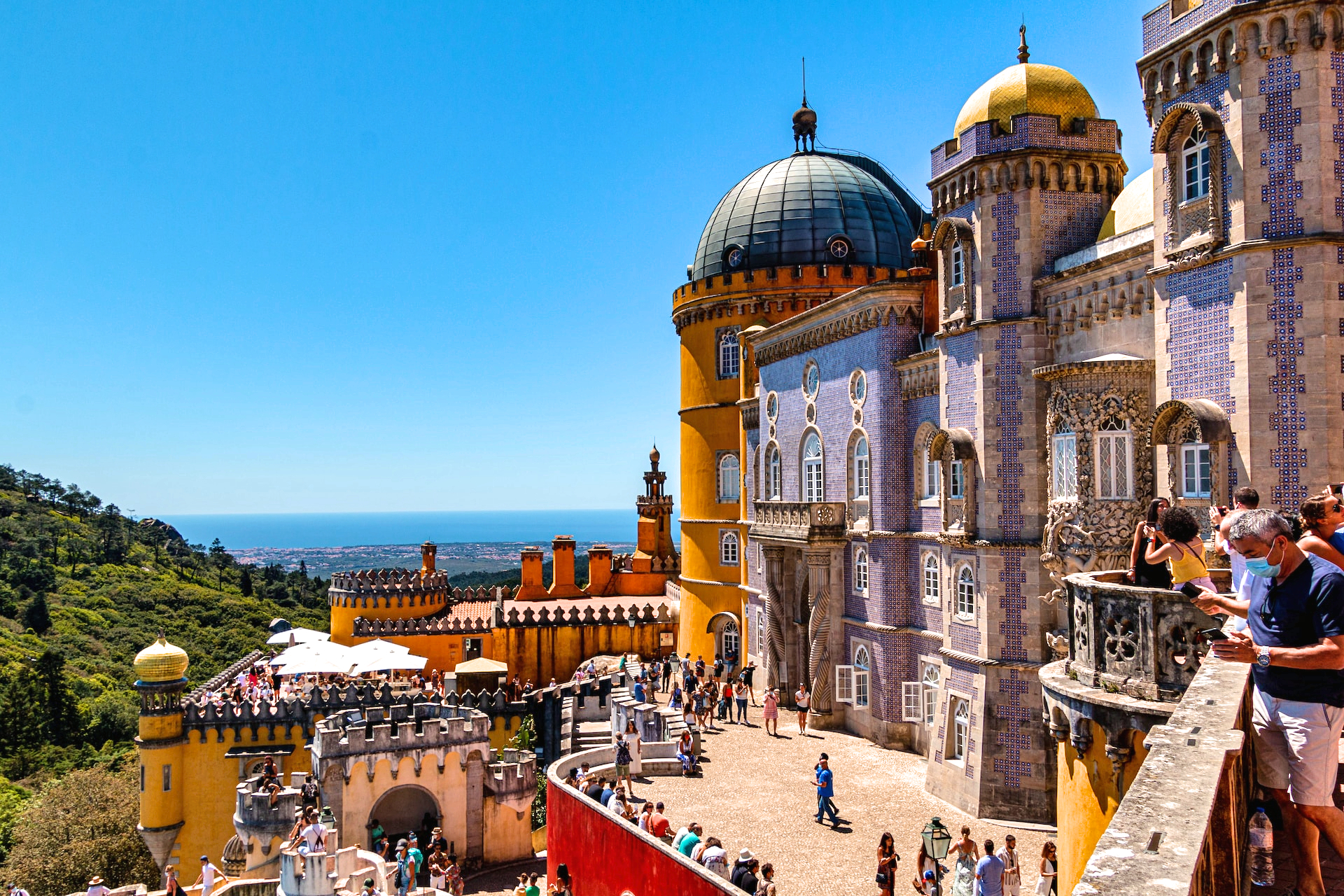
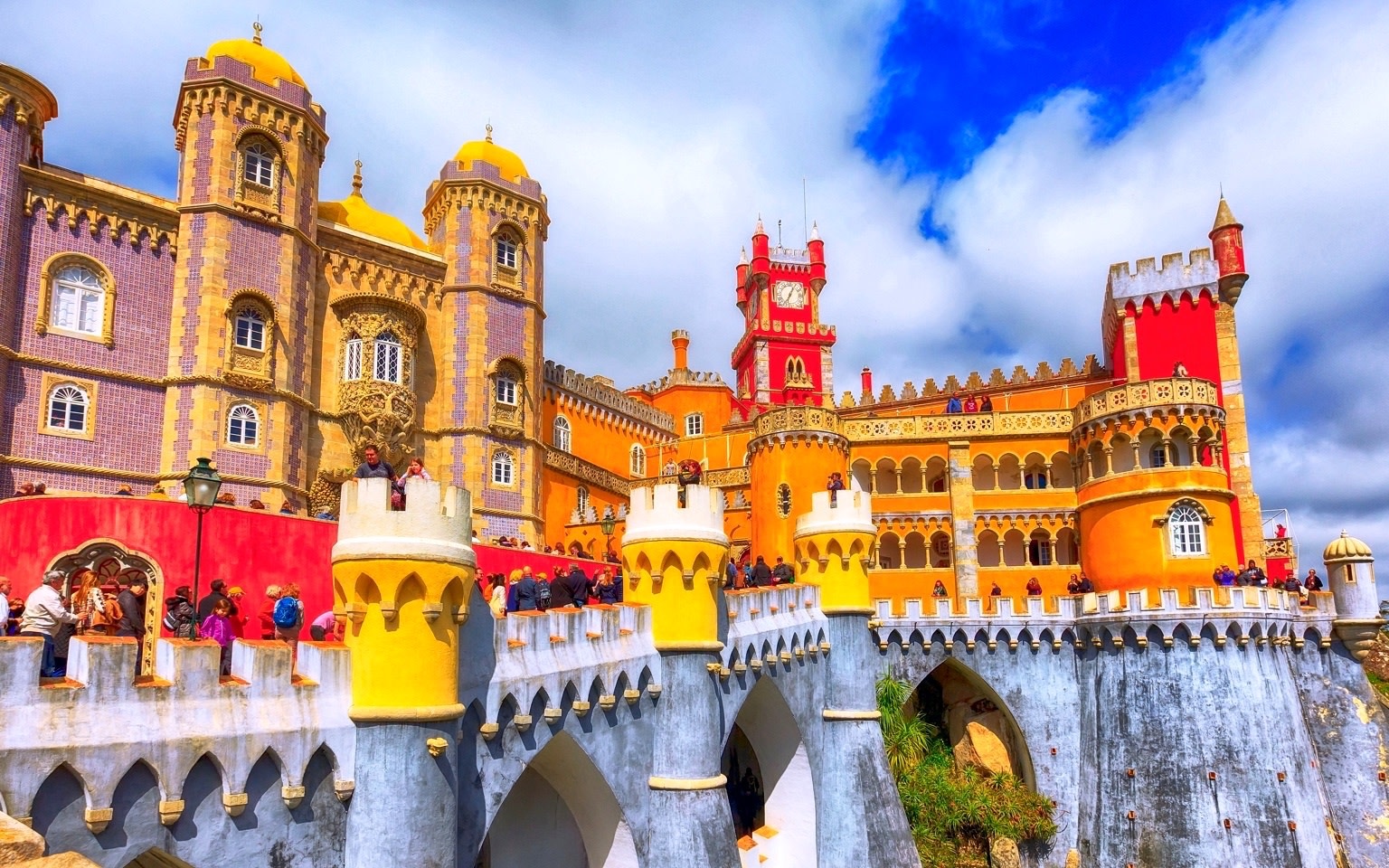
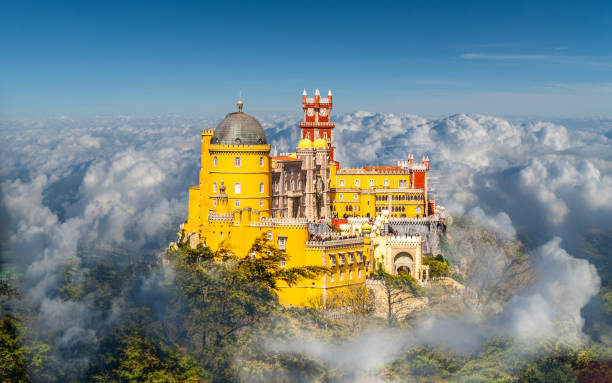
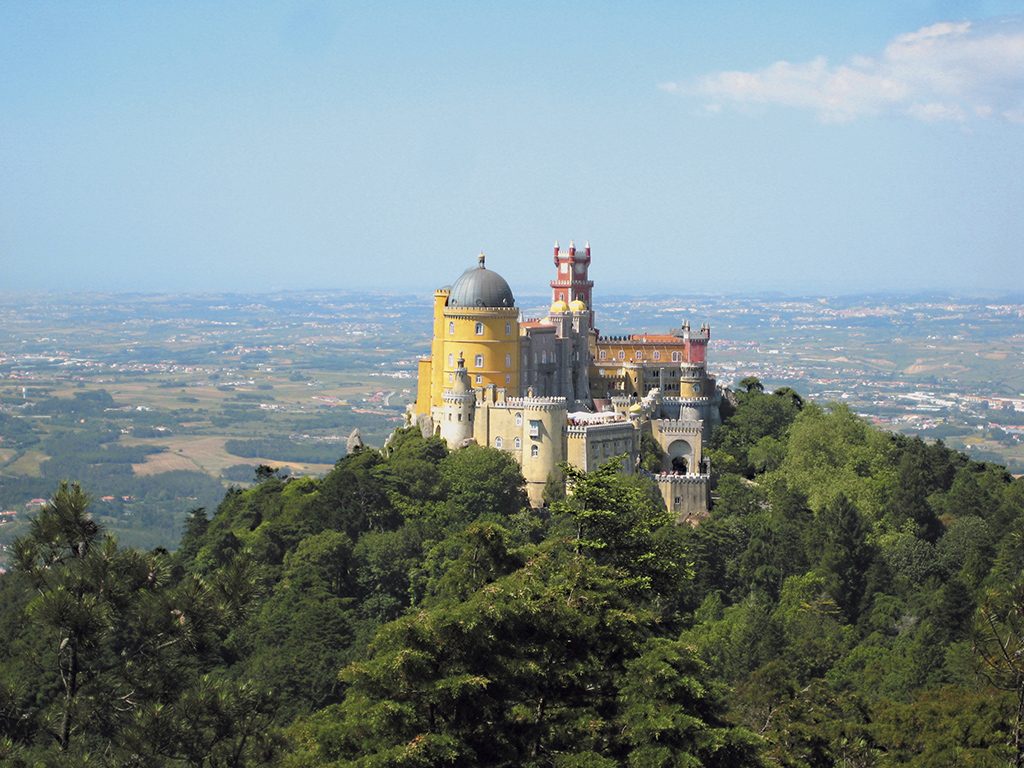
Pena Palace
A 19th-century Romanticist palace perched on a hilltop, known for its vibrant colors and eclectic architectural styles.
Historical/Architecture
2-3 hours
€14 (adult ticket)
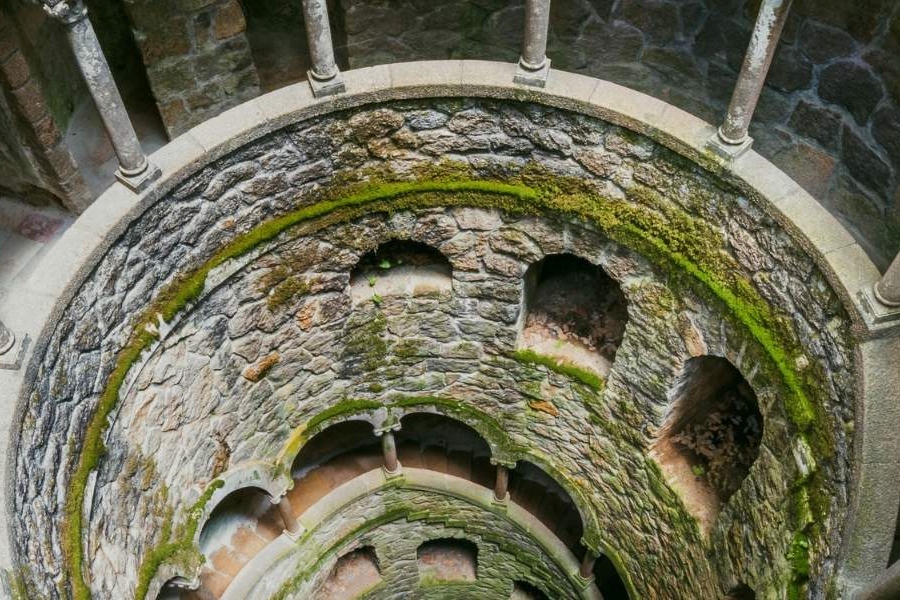
Quinta da Regaleira
A mystical estate with lush gardens, hidden tunnels, and the famous Initiation Well.
Historical/Architecture
1-2 hours
€10 (adult ticket)
Moorish Castle
A medieval castle with origins dating back to the 8th century, offering stunning views and a glimpse into Sintra's past.
Historical
1-2 hours
€8 (adult ticket)
Praia da Adraga
A beautiful beach with golden sand and dramatic cliffs, perfect for a relaxing day by the sea.
Beach
Half-day
Free
Monserrate Palace
A stunning 19th-century palace set in a lush, romantic garden, showcasing a blend of Gothic, Moorish, and Indian architectural styles.
Historical/Architecture
1-2 hours
€8 (adult ticket)
Must-Try Local Dishes
Trajana
A traditional pastry filled with various ingredients like meat, cheese, or sweets.
Snack
Can be vegetarian or vegan depending on filling.
Bacalhau à Brás
A classic Portuguese dish made with shredded cod, eggs, and thinly fried potatoes.
Main course
Contains fish and eggs.
Pastel de Nata
A famous Portuguese custard tart with a flaky pastry crust.
Dessert
Contains dairy and eggs.
Sardinhas Assadas
Grilled sardines, a popular dish in coastal regions.
Main course
Contains fish.
Popular Activities
Hiking in the Sintra-Cascais Natural Park
Surfing at Praia da Adraga
Beach relaxation
Wine tasting
Visiting historic palaces and castles
Exploring local markets
Swimming and sunbathing at local beaches
Visiting museums and indoor attractions
Best Time to Visit
April to June, September to October
These months offer the best weather with pleasant temperatures and fewer tourists compared to the summer peak.
15°C to 25°C
59°F to 77°F
Practical Information
Language
- Official: Portuguese
- Widely spoken: English, Spanish, French
- English: Moderately spoken in tourist areas, limited elsewhere
Currency
Euro (EUR)
Time Zone
GMT+1 (WET), GMT+2 (WEST during daylight saving time)
Electricity
230VV, 50HzHz
Safety Information
Overall Safety Rating: Generally safe
Sintra is a safe destination for travelers, with low crime rates and a welcoming atmosphere.
Important Precautions:
- • Keep valuables secure in crowded areas
- • Use licensed taxis or ride-sharing apps
- • Be cautious when using ATMs at night
Getting there
By air
- Lisbon Portela Airport • 28 km
By train
Sintra Station
By bus
Lisbon Sete Rios Bus Station
Getting around
Public transport
Trains are the most efficient way to get around Sintra and its attractions.
Taxis
Available • Apps: Uber, Bolt
Rentals
Car, Bike, Scooter
Neighborhoods
Town Center
Park of Pena
Colares
Day trips
Cascais
20 km • Half day
A charming coastal town known for its beaches, historic center, and vibrant atmosphere.
Lisbon
30 km • Full day
Portugal's capital city offers a rich history, vibrant culture, and diverse attractions.
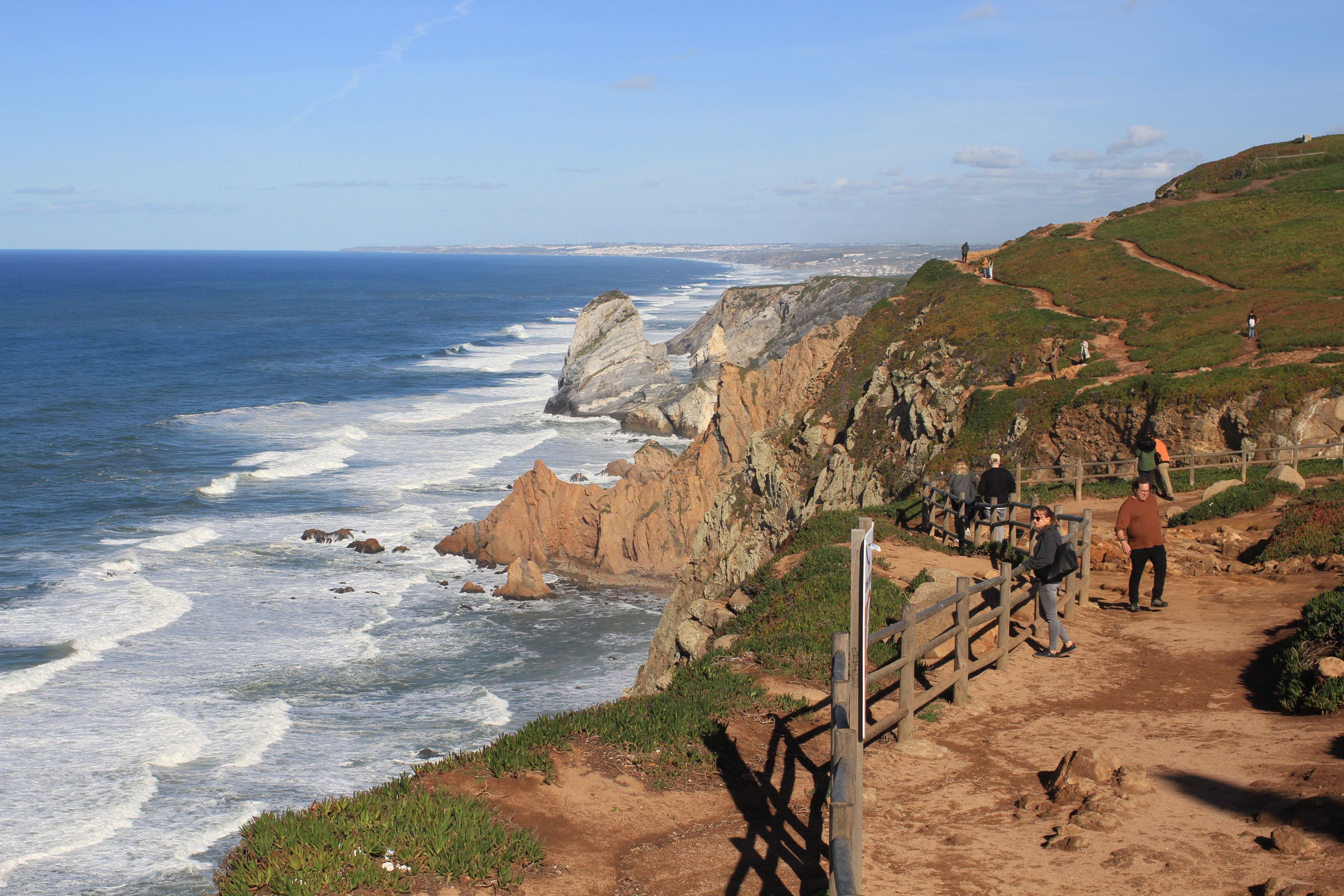
Cabo da Roca
25 km • Half day
The westernmost point of mainland Europe, offering stunning coastal views and dramatic cliffs.
Festivals
Sintra Music Festival • June to September
Sintra Halloween • October
Sintra Christmas Market • December
Pro tips
- Visit Pena Palace early in the morning to avoid crowds.
- Explore the town on foot to discover hidden gems and charming streets.
- Try local pastries like Pastel de Nata and Trajана for an authentic taste of Sintra.
- Use the Viva Viagem card for convenient and discounted public transportation.
- Book tickets for popular attractions in advance to avoid long queues.
From $25
per person
Price varies by option
Secure booking
Free cancellation available
Instant confirmation