Echoes of the Samurai 1-Day Tour: Tsuruga Castle & Ouchi-juku
Active
11h
For a full refund, cancel at least 24 hours before the scheduled departure time.
Manual confirmation
Mobile or paper ticket accepted
About this experience
Experience the Tohoku region's Fukushima Prefecture with a visit to Tsuruga-jo Castle, the symbol of Aizuwakamatsu; and Ouchi-juku, a post town which still retains the townscape of thatched roof houses lining the road from the Edo period (1603-1868) on this 1-day tour in Fukushima. This tour is a special private tour exclusively for you, departs from and returns to Sendai by bullet train to Fukushima. With customers' comfort in mind, a hired car will be used to visit each destination. Feel free to relax while relishing the scenery from the windows while traveling. There will be an accompanying English-speaking guide throughout the entire itinerary for customers to be able to appreciate all the beautiful sights and culture. Revel in a rich experience while getting to know the deep significance of the local region's climate, culture, and tradition. You can also enjoy a painting experience of “Akabeko,” a traditional toy from Aizu known as a good luck charm and talisman to ward off evil.
Available options
7:30 Sendai
8:30 Koriyama
What's included
English-speaking guide
Savor a delicious meal of Aizu's traditional regional cuisine.
Other admission fees and transportation costs included in the tour
Detailed itinerary
1
The historical theme park Aizu Bukeyashiki, where
visitors can experience what the life of samurai was like
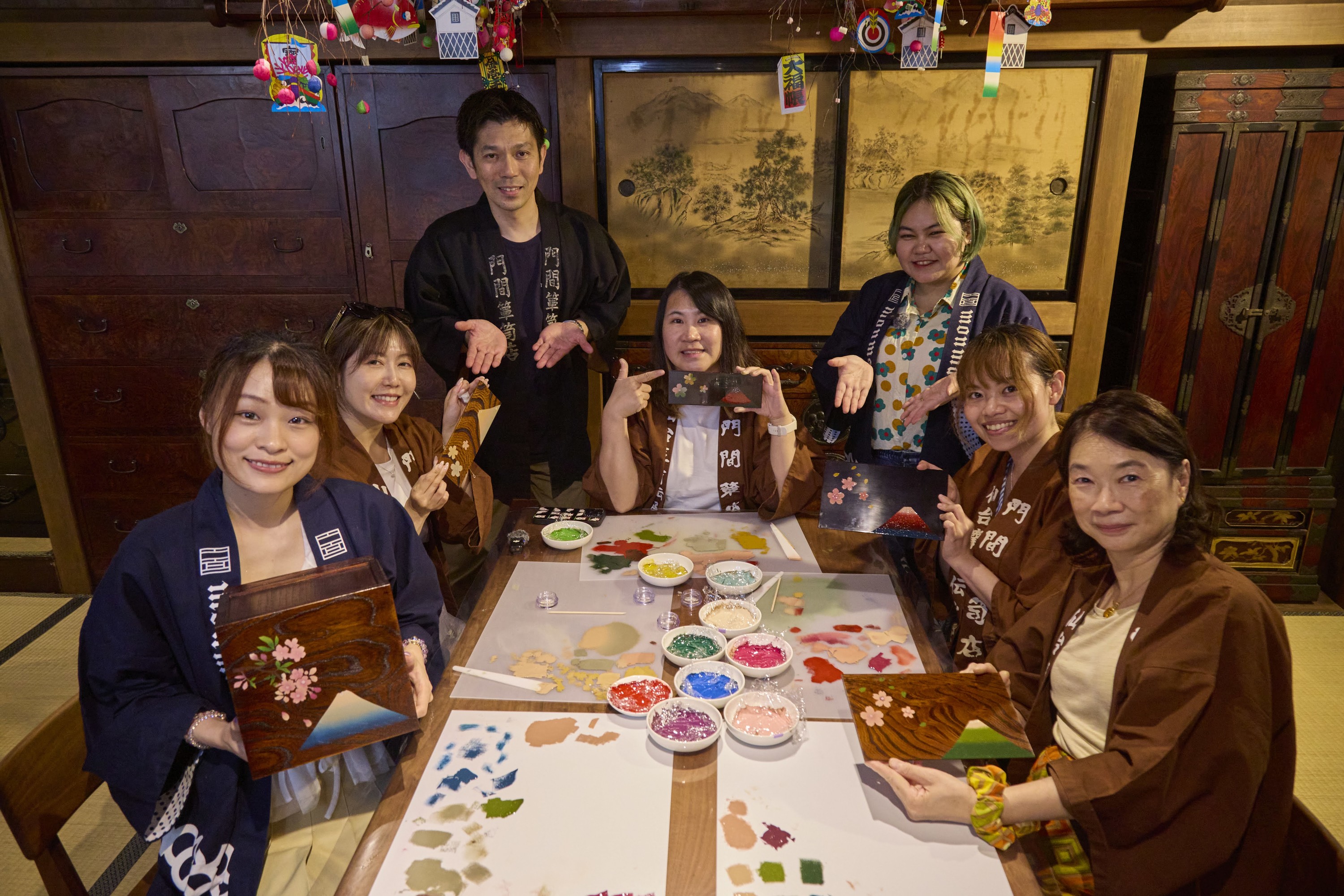
during the Edo period, look forward to painting akabeko,
a traditional Aizu craft. Akabeko is a traditional toy loved
as a talisman for warding off evil. Customers on this tour
can create their own original Akabeko. Experience
Japan's traditional culture while simultaneously gaining
wonderful memories and a handmade souvenir.
2
Tsuruga-jo Castle was built in 1384. In 2011, its red roof tiles have been restored as they were during the final years of the Edo period. It is Japan's only castle with an extant castle tower with red roof tiles. Inside the castle tower is a local museum where visitors can learn the history of Aizu through displays of important cultural heritage left in the Aizu region. A panorama of the castle town and Aizuwakamatsu City can be enjoyed from the top floor.
3
Ouchi-juku flourished as an important post town connecting Aizuwakamatsu and Imaichi in Nikko during the Edo period (1603-1868). Traditional houses with thatched roofs still line the road to this day, maintaining an appearance seemingly unchanged from the Edo period. Visitors can experience the feeling of being a
traveler in the Edo period at the teahouses and inns
where samurai likely took a break.
What's not included
Fees other than those listed
Additional food and drink charges
Available languages
Guide guide
EN
Important information
Public transportation options are available nearby
Infants are required to sit on an adult’s lap
Suitable for all physical fitness levels
The order of activities and arrival times may differ on the day depending on reasons such as road conditions and congestion at destinations.
Depending on the number of tour participants, transportation to be used may be changed to a hired car, taxi, etc.
Seats may not be designated.
Children up to 5 years old may join free of charge, but will not be provided with Shinkansen seats. Furthermore, if there are many participants, children 0-5 years old may have to sit on the lap of a parent or guardian on board the hired car. If guaranteed seats on the Shinkansen and hired car are required for such children, please book them under the child rate.
Lunch is included. Vegetarian meals are available and must be requested at the time of booking.
Allergy-friendly meals, gluten-free meals, etc. are not available.
As large luggage such as suitcases cannot be brought during the tour, please leave them in a locker or at your hotel before participating.
Snowfall is expected in winter. Wearing snow boots or other shoes that protect against snow is recommended.
Parental permission in writing is necessary for all tour participants under the age of eighteen. Any participant under the age of fifteen or not yet enrolled in middle school must be joined by a parent or guardian on the tour.
Meeting point
Meet your guide holding a JTB Sunrise Tours sign in front of Sendai City Tourist Information Center [JR Sendai Station 3F]. Access: Head straight after exiting the JR Sendai Station 3F Shinkansen Central ticket gate.
Important notes
• If you have arrived at the pickup location but have trouble finding the meeting point, you can call the local operator JTB Sunrise Tours on +81 3 5796 5454 (Operated between 7:00 a.m. - 8:00 p.m. Japan time) for assistance.
• You can join the tour with this voucher.
• In case bookings have been made separately, you may be assigned to be on separate tour buses.
About Sendai
Sendai, the largest city in the Tohoku region of Japan, is known for its lush greenery, rich history, and vibrant culture. As the capital of Miyagi Prefecture, it offers a blend of modern urban life and traditional charm, with numerous temples, shrines, and natural attractions.
Top Attractions
Osaki Hachimangu Shrine
One of the most important Shinto shrines in the Tohoku region, Osaki Hachimangu is known for its beautiful architecture and rich history. It's a popular spot for traditional festivals and ceremonies.
Historical/Religious
1-2 hours
Free (donations welcome)
Miyagi Museum of Art
This museum showcases a diverse collection of art, including traditional Japanese art, modern works, and international exhibits. It's a great place to immerse yourself in the local art scene.
Museum
1-3 hours
¥300-¥1,000
Zuihoden Mausoleum
This mausoleum is the final resting place of Date Masamune, the famous samurai lord who founded the city of Sendai. The site features beautiful gardens and intricate architecture.
Historical
1-2 hours
¥500
Jozenji-dori Avenue
Known as one of the most beautiful tree-lined streets in Japan, Jozenji-dori Avenue is famous for its double row of zelkova trees that create a stunning canopy. It's a great spot for a leisurely stroll.
Architecture/Cultural
30 minutes to 1 hour
Free
Sendai Castle Ruins
Also known as Aobajo Castle, these ruins offer a glimpse into Sendai's samurai history. The site includes a museum and a reconstructed tower with panoramic views of the city.
Historical
1-2 hours
¥200
Must-Try Local Dishes
Gyutan (Grilled Beef Tongue)
A specialty of Sendai, gyutan is grilled beef tongue often served with rice and various toppings. It's known for its tender texture and rich flavor.
Main Dish
Contains beef, not suitable for vegetarians or vegans
Zundamochi (Mugwort Rice Cake)
A traditional Japanese sweet made from rice flour and filled with zunda, a paste made from mashed edamame beans. It has a unique, slightly bitter taste.
Dessert
Vegetarian, contains gluten
Sendai Tanmen (Noodle Soup)
A local noodle soup dish featuring a rich, miso-based broth with various toppings such as seafood, vegetables, and meat. It's a hearty and comforting meal.
Main Dish
Can be made vegetarian or vegan with modifications
Ishigaki (Grilled Fish)
A traditional Sendai dish featuring fish grilled over an open flame, often served with rice and vegetables. The fish is typically a local variety such as mackerel or salmon.
Main Dish
Contains fish, not suitable for vegetarians or vegans
Popular Activities
Hiking in the nearby mountains
Snow sports in Zao Onsen (winter)
Boat tours in Matsushima Bay
Onsen (hot spring) baths in Zao Onsen
Strolling through Jozenji-dori Avenue
Visiting local cafes and tea houses
Visiting temples and shrines
Exploring museums and art galleries
Best Time to Visit
Spring (March to May) and Autumn (September to November)
These seasons offer comfortable weather for outdoor activities and sightseeing. Spring is particularly famous for cherry blossoms, while autumn brings beautiful fall foliage.
10°C to 25°C
50°F to 77°F
Practical Information
Language
- Official: Japanese
- Widely spoken: English (limited)
- English: Limited
Currency
Japanese Yen (JPY)
Time Zone
JST (GMT+9)
Electricity
100VV, 50/60HzHz
Safety Information
Overall Safety Rating: Generally safe
Sendai is generally a safe city with low crime rates. However, as with any destination, it's important to be aware of your surroundings and take precautions to protect yourself and your belongings.
Important Precautions:
- • Keep valuables secure and out of sight
- • Be cautious when using ATMs, especially at night
- • Use licensed taxis and tour services
Getting there
By air
- Sendai Airport • 13 km from city center
By train
Sendai Station
By bus
Sendai Station Bus Terminal, Other regional terminals
Getting around
Public transport
The Sendai Subway system is efficient and easy to use, with two lines: the Nanboku Line and the Tozai Line.
Taxis
Available • Apps: JapanTaxi, DiDi
Rentals
Car, Bike, Scooter
Neighborhoods
Aoba Ward
Nakano Ward
Izumi Ward
Day trips
Matsushima
40 km from Sendai • Full day
Matsushima is a picturesque bay known for its beautiful islands, temples, and shrines. It's one of the Three Most Scenic Views of Japan.
Yamadera
30 km from Sendai • Half day to full day
Yamadera is a mountain temple complex known for its beautiful gardens, historic buildings, and panoramic views. It's a great spot for hiking and enjoying nature.
Zao Onsen
50 km from Sendai • Full day or overnight
Zao Onsen is a famous hot spring resort nestled in the mountains. It's known for its relaxing onsen (hot spring) baths and beautiful natural surroundings.
Festivals
Sendai Tanabata Festival • August 6-8 (main days), with related events throughout the month
Sendai Pageant of Starlight • Late November to early December
Sendai Sansa Odori • August 3-6 (main days), with related events throughout the month
Pro tips
- Purchase a Suica or Pasmo IC card for convenient and discounted public transportation
- Learn a few basic Japanese phrases to enhance your experience and show respect for the local culture
- Try local specialties, such as gyutan (grilled beef tongue) and zundamochi (mugwort rice cake)
- Visit during the spring or autumn for pleasant weather and beautiful foliage, but be prepared for crowds during peak travel seasons and festivals
- Explore the city's green spaces, such as Jozenji-dori Avenue and nearby parks, for a relaxing and scenic experience
From $25
per person
Price varies by option
Secure booking
Free cancellation available