Day tour sigiriya to anuradhapura
Active
8h - 10h
For a full refund, cancel at least 24 hours before the scheduled departure time.
Instant confirmation
Mobile or paper ticket accepted
About this experience
Anuradhapura (Sinhala: අනුරාධපුරය, romanized: Anurādhapuraya; Tamil: அனுராதபுரம், romanized: Aṉurātapuram) is a major city in Sri Lanka. It is the capital city of North Central Province, Sri Lanka and the capital of Anuradhapura District. Anuradhapura is one of the ancient capitals of Sri Lanka, famous for its well-preserved ruins of an ancient Sinhala civilization. It was the third capital of the kingdom of Rajarata, following the kingdoms of Tambapanni and Upatissa Nuwara.
Available options
Day tour sigiriya to anuradhapura
What's included
We provide 2 bottles for travellers
Detailed itinerary
1
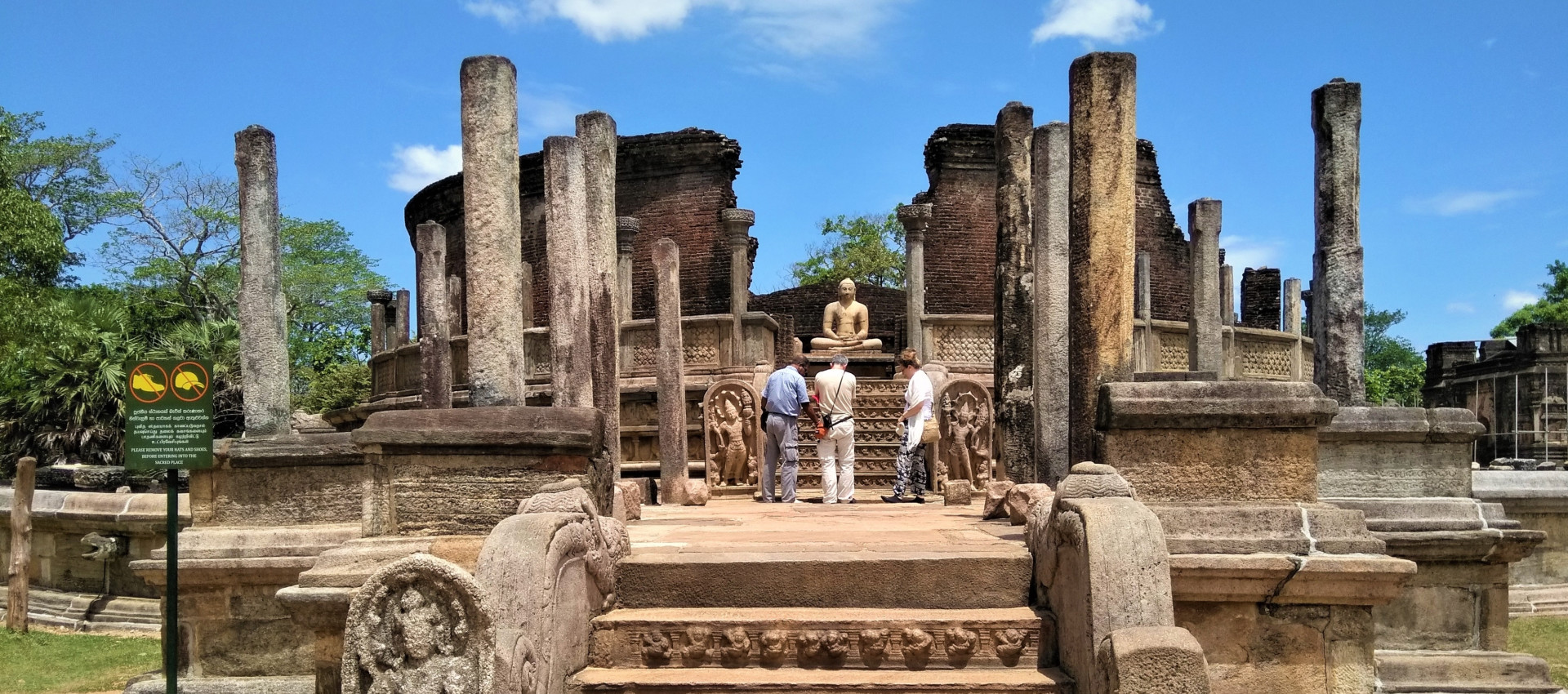
Thuparamaya is the first Buddhist temple in Sri Lanka. Located in the sacred area of Mahamewna park, the Thuparamaya Stupa is the earliest Dagoba to be constructed in the island, dating back to the reign of King Devanampiya Tissa (247-207 BC).[1] The temple has been formally recognised by the Government as an archaeological site in Sri Lanka.[2]
2
The Ruwanwelisaya is a stupa and a hemispherical structure containing relics, in Sri Lanka, considered sacred to many Buddhists all over the world.[1] It was built by King Dutugemunu[2] c. 140 B.C., who became King of all Sri Lanka after a war in which the Chola King Elāra (Ellalan) was defeated. It is also known as "Mahathupa", "Swarnamali Chaitya", "Suvarnamali Mahaceti" (in Pali) and "Rathnamali Dagaba". Two quarts or one Drona of the Gothama Buddha's relics are enshrined in the stupa, which is the largest collection of his relics anywhere.
3
Jaya Sri Maha Bodhi (Sinhala: ජය ශ්රී මහා බොධිය) is a sacred fig tree in the Mahamewna Gardens, Anuradhapura, Sri Lanka. It is said to be the southern branch from the historical Sri Maha Bodhi at Buddha Gaya in India under which Lord Buddha attained Enlightenment. It was planted in 288 BC,[1][2][3] and is the oldest living human-planted tree in the world with a known planting date.[4] Today it is one of the most sacred relics of the Buddhists in Sri Lanka and respected by Buddhists all over the world.
4
The Jetavanaramaya is a stupa, or Buddhist reliquary monument, located in the ruins of Jetavana monastery in the world heritage city of Anuradhapura, Sri Lanka. At 122 metres (400 ft) it was the world's tallest stupa[1] and the third tallest structure in the world[2] when it was built by King Mahasena of Anuradhapura (273–301). He initiated the construction of the stupa following the destruction of the Mahavihara. His son Maghavanna I completed the construction of the stupa.[3] A part of a sash or belt tied by the Buddha is believed to be the relic that is enshrined here.
The structure is significant in the island's history as it represents the tensions within the Theravada and Mahayana sects of Buddhism; it is also significant in recorded history as one of the tallest structures in the ancient world;[4] and the second tallest non-pyramidal buildings after Pharos (lighthouse) of Alexandria; the height of the stupa was 400 feet (122 m),[5] making it the tallest stupa in the ancient world. With the destruction and abandonment of Anuradhapura kingdom in the 11th century, the stupa with others was covered by jungle. King Parakramabahu in 12th century tried to renovate this stupa and it was rebuilt to the current height, a reduction from the original height. Today it stands at 232 feet (71 meters).[2]
The structure is no longer the tallest, but it is still the largest, with a base-area of 233,000 m2 (2,508,000 sq ft).[6] Approximately 93.3 million baked bricks were used in its construction; the engineering ingenuity behind the construction of the structure is a significant development in the history of the island. The sectarian differences between the Buddhist monks also are represented by the stupa as it was built on the premises of the destroyed mahavihara, which led to a rebellion by a minister of King Mahasena.
This stupa belongs to the Sagalika sect. The compound covers approximately 5.6 hectares and is estimated to have housed 10,000 Buddhist monks. One side of the stupa is 576 ft (176 m) long, and the flights of stairs at each of the four sides of it are 28 ft (9 m) wide. The doorpost to the shrine, which is situated in the courtyard, is 27 ft (8 m) high. The stupa has a 8.5 m (28 ft) deep foundation, and sits on bedrock. Stone inscriptions in the courtyard give the names of people who donated to the building effort
5
This is the place where Pulasthi Rishi was live and the place of which King Ravana was born. This place has written history of about 5000 years. Further this place is one of 3 star gates in the world. The temple was built by King Devanampiya Tissa (307 BC to 267 BC) who ruled in the ancient Sri Lankan capital of Anuradhapura. After 500 children of high-caste were ordained, Isurumuniya was built for them to reside. King Kasyapa I (473-491 AD) again renovated this viharaya[citation needed] and named it as "Boupulvan, Kasubgiri Radmaha Vehera".[citation needed] This name is derived from names of his 2 daughters and his name. There is a viharaya connected to a cave and above is a cliff. A small stupa is built on it. It can be seen that the constructional work of this stupa belong to the present period. Lower down on both sides of a cleft, in a rock that appears to rise out of a pool, have been carved the figures of elephants. On the rock is carved the figure of a horse. The carving of Isurumuniya lovers on the slab has been brought from another place and placed it there. A few yards away from this vihara is the Ranmasu Uyana.
6
One of the best specimen of bathing tanks or pools in ancient Sri Lanka is the pair of pools known as Kuttam Pokuna (Twin Ponds/Pools). The said pair of pools were built by the Sinhalese in the ancient kingdom of Anuradhapura. These are considered one of the significant achievements in the field of hydrological engineering and outstanding architectural and artistic creations of the ancient Sinhalese.
7
Sandakada pahana, also known as Moon-stone, is a unique feature of the Sinhalese architecture of ancient Sri Lanka.[1][2][3] It is an elaborately carved semi-circular stone slab, usually placed at the bottom of staircases and entrances. First seen in the latter stage of the Anuradhapura period, the sandakada pahana evolved through the Polonnaruwa, Gampola and Kandy period. According to historians, the sandakada pahana symbolises the cycle of Saṃsāra in Buddhism.
8
Abhayagiri Vihāra was a major monastery site of Mahayana, Theravada and Vajrayana Buddhism that was situated in Anuradhapura, Sri Lanka. It is one of the most extensive ruins in the world and one of the most sacred Buddhist pilgrimage cities in the nation. Historically it was a great monastic centre as well as a royal capital, with magnificent monasteries rising to many stories, roofed with gilt bronze or tiles of burnt clay glazed in brilliant colors. To the north of the city, encircled by great walls and containing elaborate bathing ponds, carved balustrades and moonstones, stood "Abhayagiri", one of seventeen such religious units in Anuradhapura and the largest of its five major viharas. One of the focal points of the complex is an ancient stupa, the Abhayagiri Dagaba. Surrounding the humped dagaba, Abhayagiri Vihara was a seat of the Northern Monastery, or Uttara Vihara and the original custodian of the Tooth relic in the island.
The term "Abhayagiri Vihara" means not only a complex of monastic buildings, but also a fraternity of Buddhist monks, or Sangha, which maintains its own historical records, traditions and way of life. Founded in the 2nd century BC, it had grown into an international institution by the 1st century AD, attracting scholars from all over the world and encompassing all shades of Buddhist philosophy. Its influence can be traced to other parts of the world, through branches established elsewhere. Thus, the Abhayagiri Vihara developed as a great institution vis‑a‑vis the Mahavihara and the Jetavana Buddhist monastic sects in the ancient Sri Lankan capital of Anuradhapura.
9
Stop 9
Eight miles (12.875 km) east of Anuradhapura, close to the Anuradhapura - Trincomalee Road is situated the "Missaka Pabbata" which is 1,000 feet (300 m) in height and is one of the peaks of a mountainous range.
According to Dipavamsa and Mahavamsa, Thera Mahinda came to Sri Lanka from India on the full moon day of the month of Poson (June) and met King Devanampiyatissa and the people, and preached the doctrine. The traditional spot where this meeting took place is revered by the Buddhists of Sri Lanka. Therefore, in the month of Poson, Buddhists make their pilgrimage to Anuradhapura and Mihintale.
“Mahinda” was the son of Emperor Ashoka of India. King Ashoka embraced Buddhism after he was inspired by a very small monk named “Nigrodha.” The King who was in great misery after seeing the loss of life caused by his waging wars to expand his empire, was struck by the peaceful countenance of such a young monk. Meeting this young monk made a turning point in his life and he thereafter, renounced wars. He was determined to spread the message of peace, to neutralize the effects from the damages caused by him through his warfare. As a result, both his son and daughter were ordained as Buddha disciples, and became enlightened as Arahats. In his quest to spread the message of peace instead of war, he sent his son Mahinda, to the island of Lanka, which was also known as “Sinhalé”. This island was being ruled by his pen friend King Devanampiyatissa. Thus, “Mahinda” was the exclusive Indian name which in Sinhalé, became commonly known as “Mihindu” in the local vernacular “Sinhala”.
In Sinhala Mihin-Thalé literally means the “plateau of Mihindu”. This plateau is the flat terrain on top of a hill from where Arahat Mihindu was supposed to have called King Devanampiyatissa, by the King's first name to stop him shooting a deer in flight. Hence, “Mihin Thalé” is a specifically Sinhala term. This is how the place has been called and still is, in the local vernacular “Sinhala”. A study of the local vernacular will give ample proof for this.
This is said have been called Cetiyagiri or Sagiri, even though it was more popularly known as Mihintale - the cradle of Buddhism in Sri Lanka.
From ancient times a large number of large steps were constructed to climb Mihintale. It is stated that King Devanampiyatissa constructed a vihara and 68 caves for the bhikkhus to reside in. At Mihintale there gradually grew a number of Buddhist viharas with all the dependent buildings characteristic of monasteries of that period.
What's not included
All Fees and Taxes
Available languages
Guide guide
EN
Reviews breakdown
Tripadvisor
4.7
45 reviews
5★
37
4★
5
3★
2
2★
1
1★
0
Important information
Public transportation options are available nearby
Not recommended for travelers with poor cardiovascular health
Suitable for all physical fitness levels
Meeting point
We will meet and pick up travellers from any place as per their request
Important notes
One you confirmed
About Sigiriya
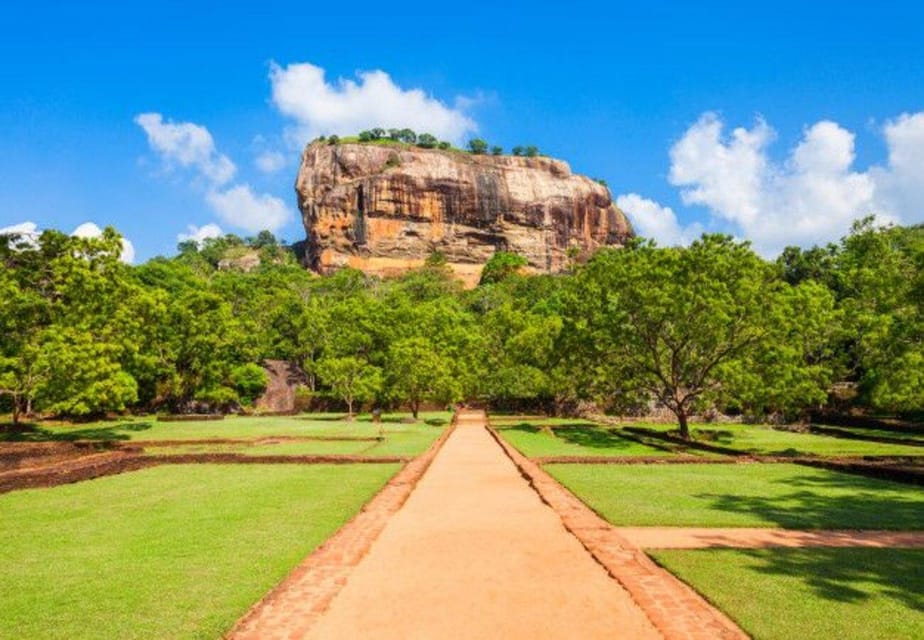
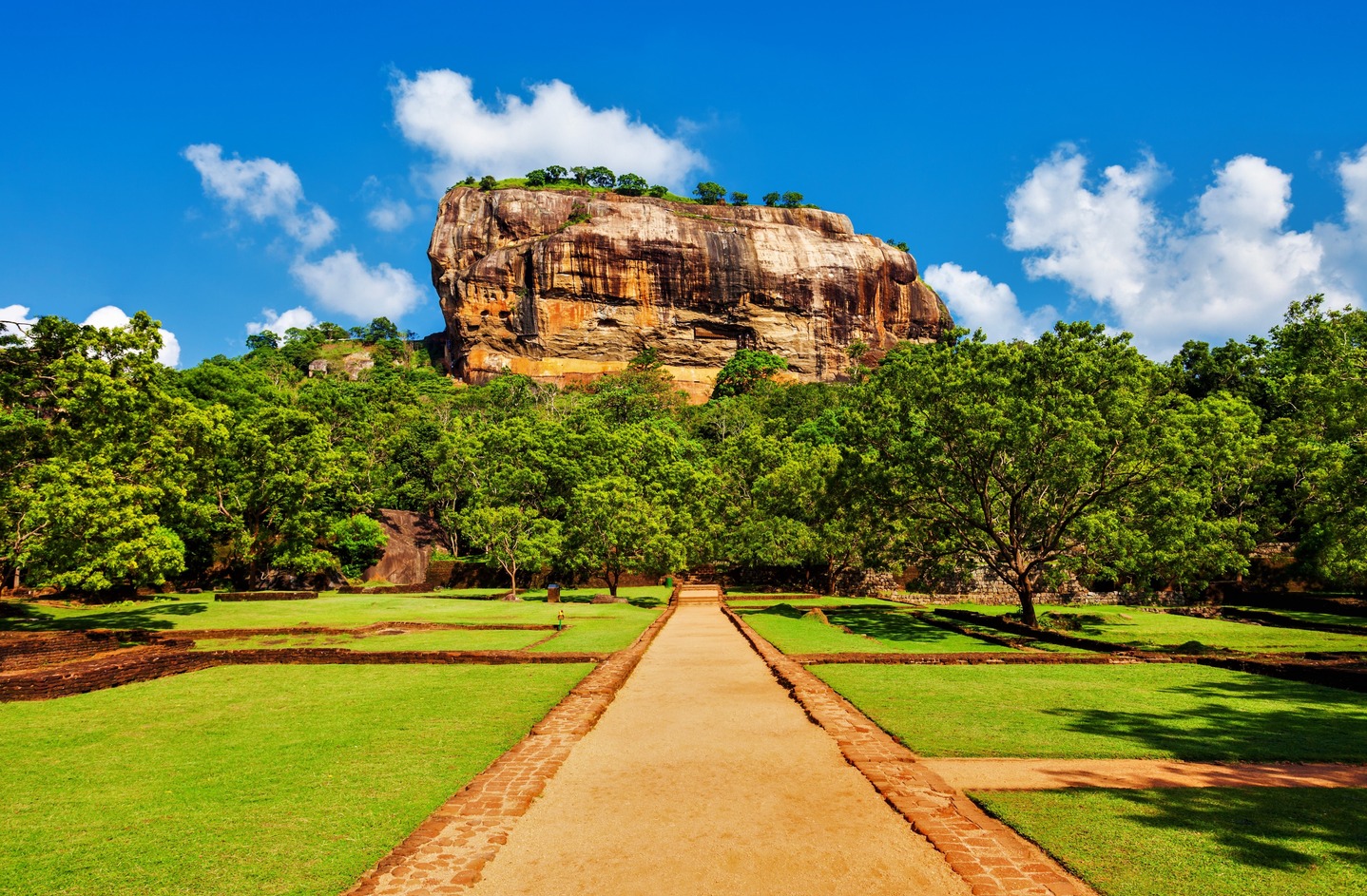
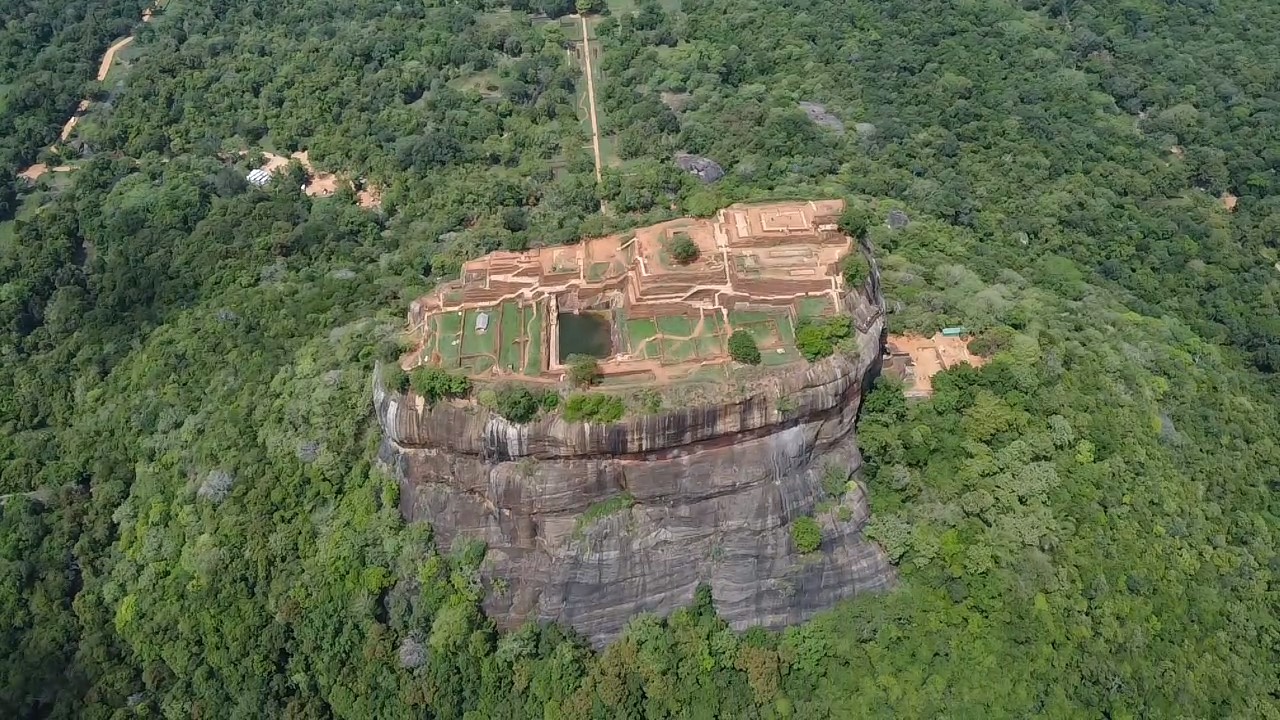
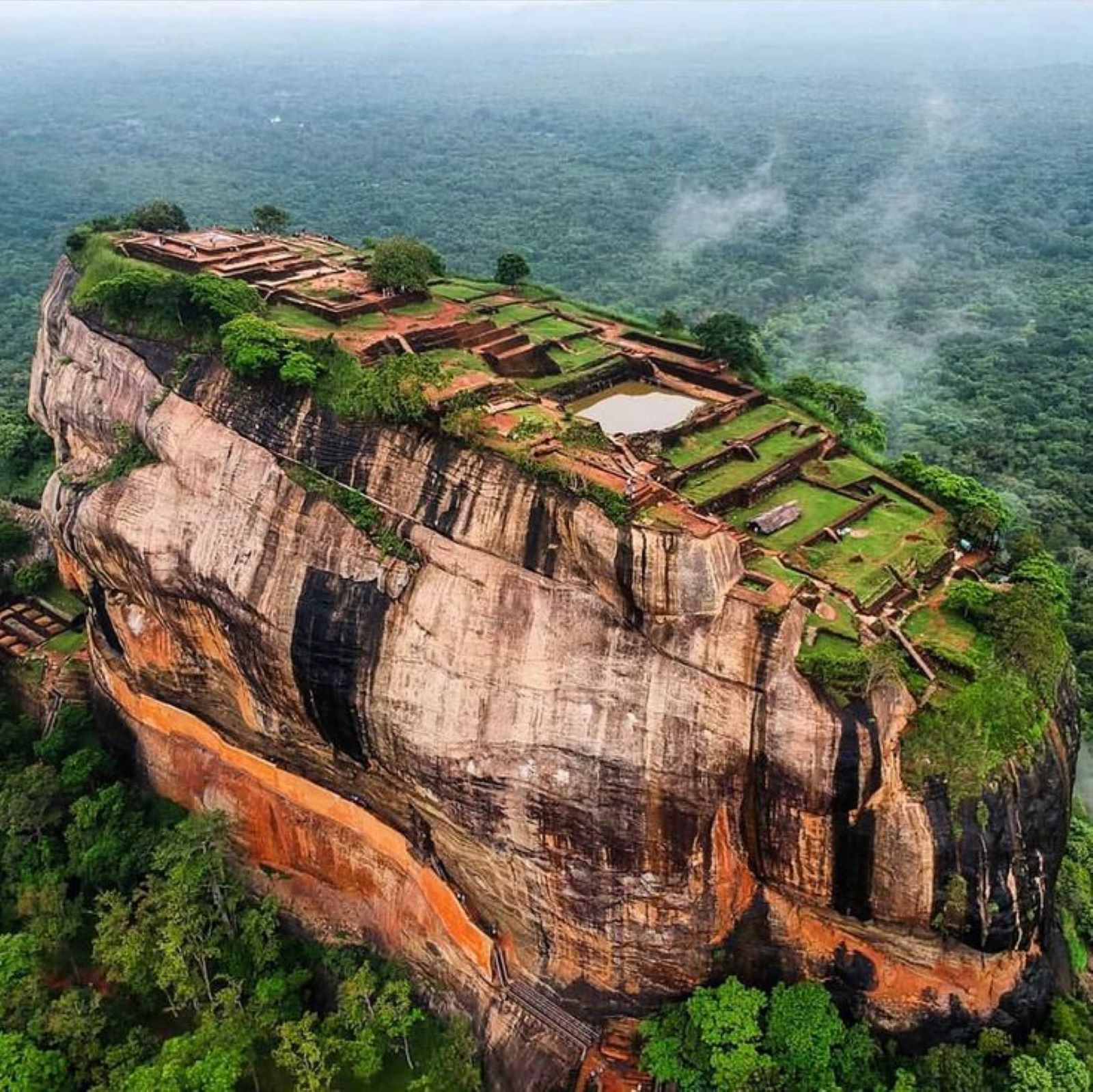
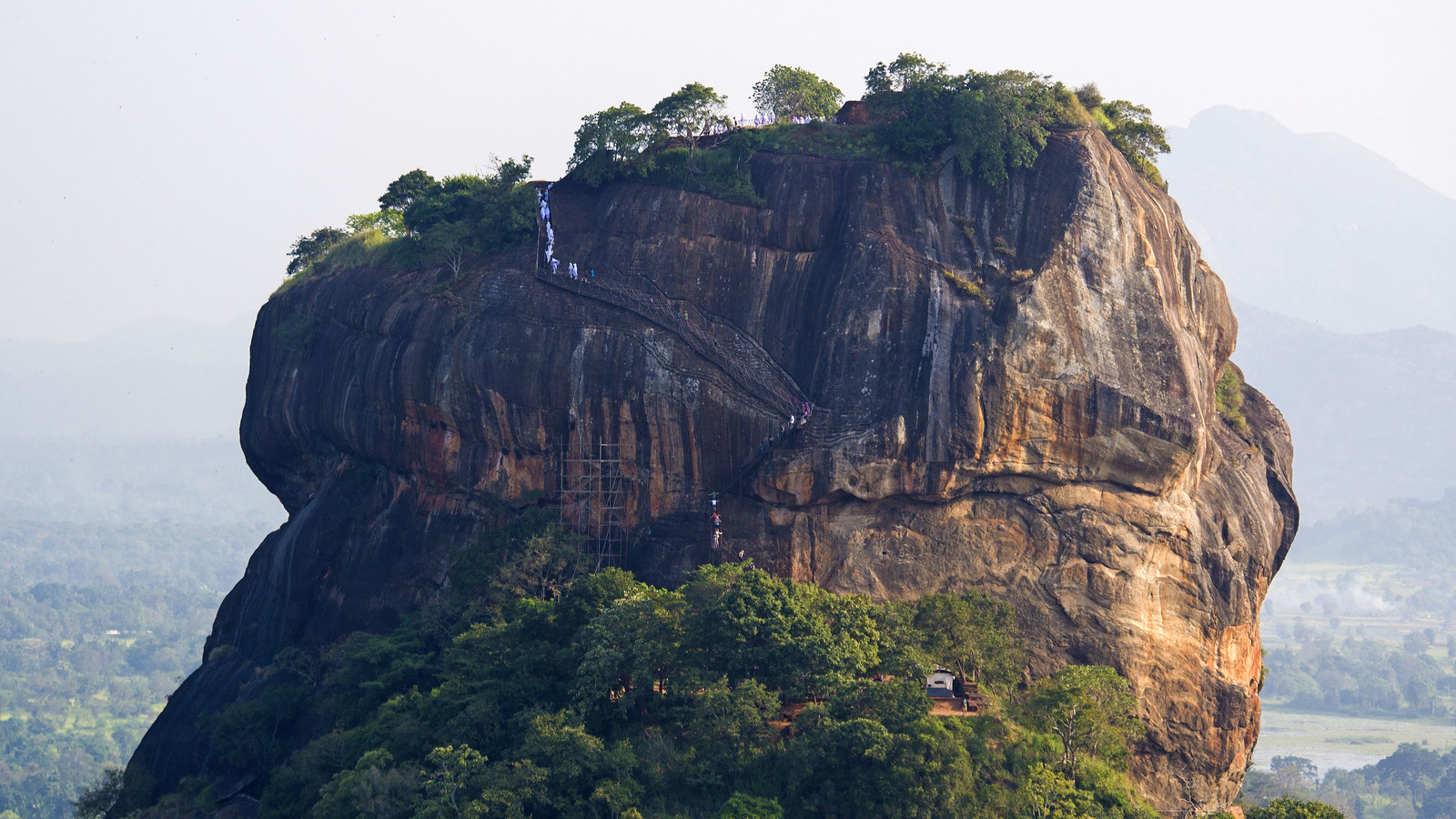
Sigiriya, also known as Lion Rock, is a UNESCO World Heritage Site renowned for its ancient palace ruins and stunning frescoes. This 5th-century rock fortress offers breathtaking views and a fascinating glimpse into Sri Lanka's rich history and culture.
Top Attractions
Sigiriya Rock Fortress
The iconic Sigiriya Rock Fortress is a 5th-century palace and fortress complex built by King Kasyapa. The climb to the top offers stunning views and a glimpse into ancient Sri Lankan history.
Historical/Architecture
2-3 hours
USD 30 (foreign tourists)
Pidurangala Rock
Pidurangala Rock offers an alternative climb with breathtaking views of Sigiriya and the surrounding landscape. It's less crowded and more affordable than Sigiriya Rock.
Nature/Adventure
1-2 hours
USD 5 (entry fee)
Sigiriya Museum
The Sigiriya Museum provides a comprehensive overview of the history and significance of the Sigiriya Rock Fortress. It houses artifacts and exhibits related to the ancient site.
Historical/Museum
1 hour
USD 10 (foreign tourists)
Must-Try Local Dishes
Rice and Curry
A traditional Sri Lankan meal consisting of rice served with a variety of curries, including vegetable, meat, and fish curries.
Lunch/Dinner
Can be vegetarian or non-vegetarian
Hoppers (Appa)
Bowl-shaped pancakes made from fermented rice flour and coconut milk, often served with an egg in the center.
Breakfast/Dinner
Vegetarian (unless served with egg or meat)
Kottu Roti
A popular street food made from chopped flatbread, vegetables, and meat, cooked on a hot plate with spices.
Lunch/Dinner
Can be vegetarian or non-vegetarian
Fish Ambul Thiyal
A sour and spicy fish curry made with goraka (a type of sour fruit) and a blend of spices.
Lunch/Dinner
Non-vegetarian, contains seafood
Popular Activities
Rock climbing (Sigiriya and Pidurangala)
Jeep safaris (Minneriya National Park)
Tea tasting
Spa treatments
Visiting ancient temples and ruins
Watching cultural shows
Boat rides on Habarana Lake
Elephant rides
Best Time to Visit
January to April
This is the best time to visit Sigiriya due to pleasant weather and minimal rainfall. The clear skies offer the best views of the rock and surrounding landscapes.
25-32°C (77-90°F)
77-90°F
Practical Information
Language
- Official: Sinhala, Tamil
- Widely spoken: English
- English: Moderately spoken in tourist areas, limited elsewhere
Currency
Sri Lankan Rupee (LKR)
Time Zone
GMT+5:30
Electricity
230VV, 50HzHz
Safety Information
Overall Safety Rating: Generally safe
Sigiriya is generally safe for tourists, but common sense and precautions should be taken to ensure a smooth trip.
Important Precautions:
- • Use reputable tour operators and guides.
- • Negotiate prices before starting a journey or purchasing items.
- • Keep valuables secure and be cautious of pickpockets in crowded areas.
Getting there
By air
- Bandaranayake International Airport • 160 km (100 miles)
- Mattala Rajapaksa International Airport • 100 km (62 miles)
By train
Habarana Railway Station
By bus
Habarana Bus Station
Getting around
Public transport
Buses are the most common form of public transport. They are affordable but can be crowded.
Taxis
Available • Apps: PickMe
Rentals
Car, Bike, Scooter
Neighborhoods
Sigiriya Village
Habarana
Day trips
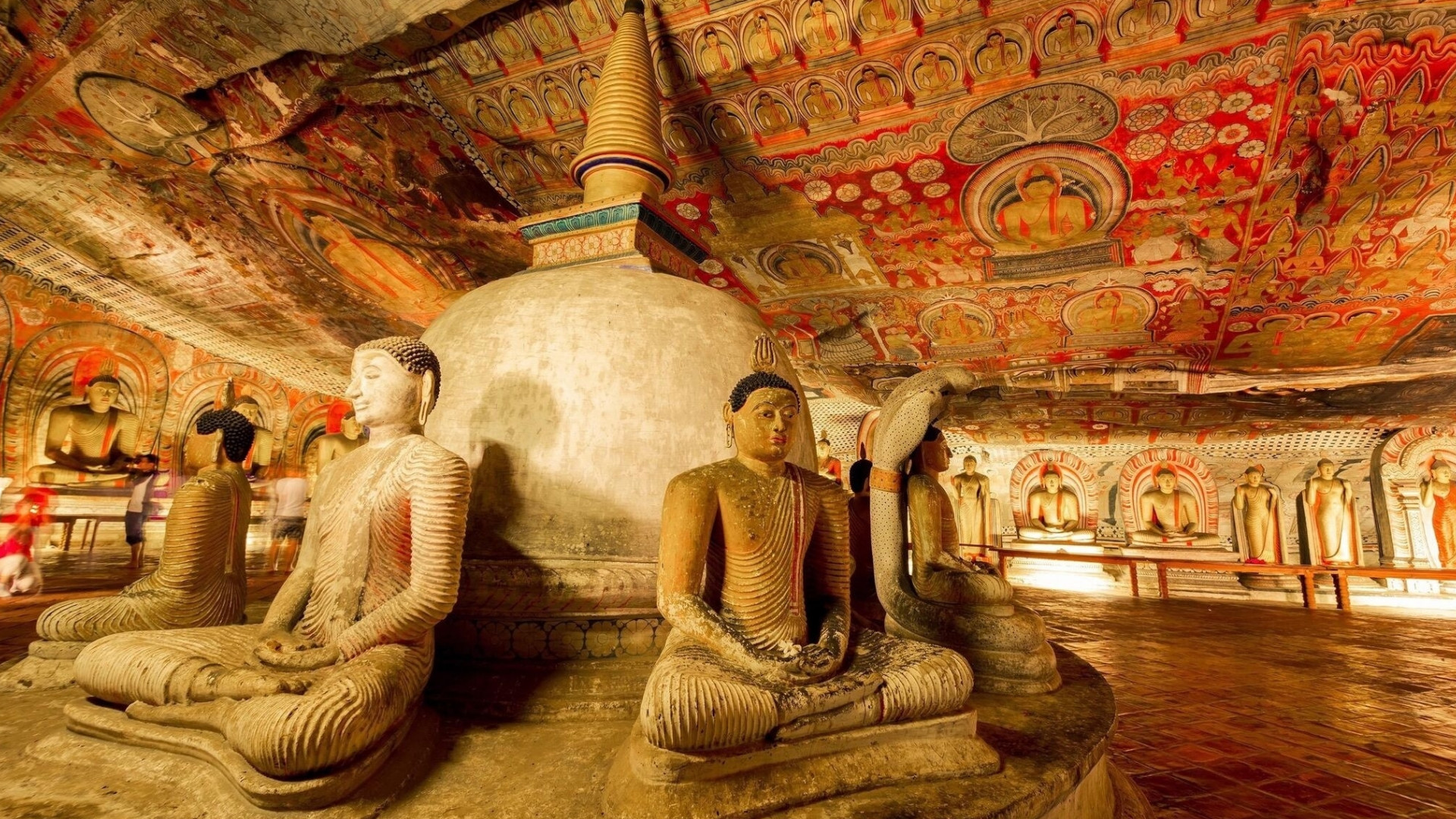
Dambulla Cave Temple
30 km (18.6 miles) • Half day
The Dambulla Cave Temple is a UNESCO World Heritage Site featuring five intricately decorated caves with statues and frescoes of the Lord Buddha and various deities.
Minneriya National Park
20 km (12.4 miles) • Full day
Minneriya National Park is famous for its elephant gathering, especially during the dry season. The park offers excellent opportunities for wildlife safaris.
Polonnaruwa Ancient City
50 km (31 miles) • Full day
Polonnaruwa is a UNESCO World Heritage Site and the second ancient capital of Sri Lanka. It features well-preserved ruins of royal palaces, temples, and monuments.
Festivals
Esala Perahera • August
Sigiriya Festival • August/September
Pro tips
- Start your climb to Sigiriya Rock early in the morning to avoid the heat and crowds.
- Hire a local guide for a more detailed and engaging experience at Sigiriya.
- Try local street food for an authentic and affordable culinary experience.
- Carry plenty of water and wear sun protection when exploring the rock fortress.
- Visit the Sigiriya Museum before climbing the rock to gain context and historical insights.
From $25
per person
Price varies by option
Secure booking
Free cancellation available
Instant confirmation