Anuradhapura Buddhist Icons Tour from Sigiriya
Active
9h
For a full refund, cancel at least 24 hours before the scheduled departure time.
Instant confirmation
Mobile or paper ticket accepted
About this experience
Anuradhapura is on of the largest and most ancient cities of Sri Lanka. The location of the capital of the first major kingdom of the island.It was a very religious city.Its temples and dagobas stand to this day, a crumbling testament to religious fervor.This one-day tour gives you the chance to walk amongst the haunting landscape of Anuradhapura filled with the aura of spirituality. Visit key monuments and lesser known marvels. Learn the history of these structures, and their early Buddhist connotations. Explore the hidden meditation caves of the monks from centuries ago. Find your own inner spirituality and peace as you discover this city of spiritual marvels.
Available options
Per person.
LK60211800: Anuradhapura Buddhist Icons Tour from Sigiriya.
<br/>Pickup included
What's included
1-Liter Water Bottle Per Person.
Service of an English speaking chauffeur guide.
Transport in an air-conditioned vehicle.
Hotel pickup and drop-off.
Detailed itinerary
1
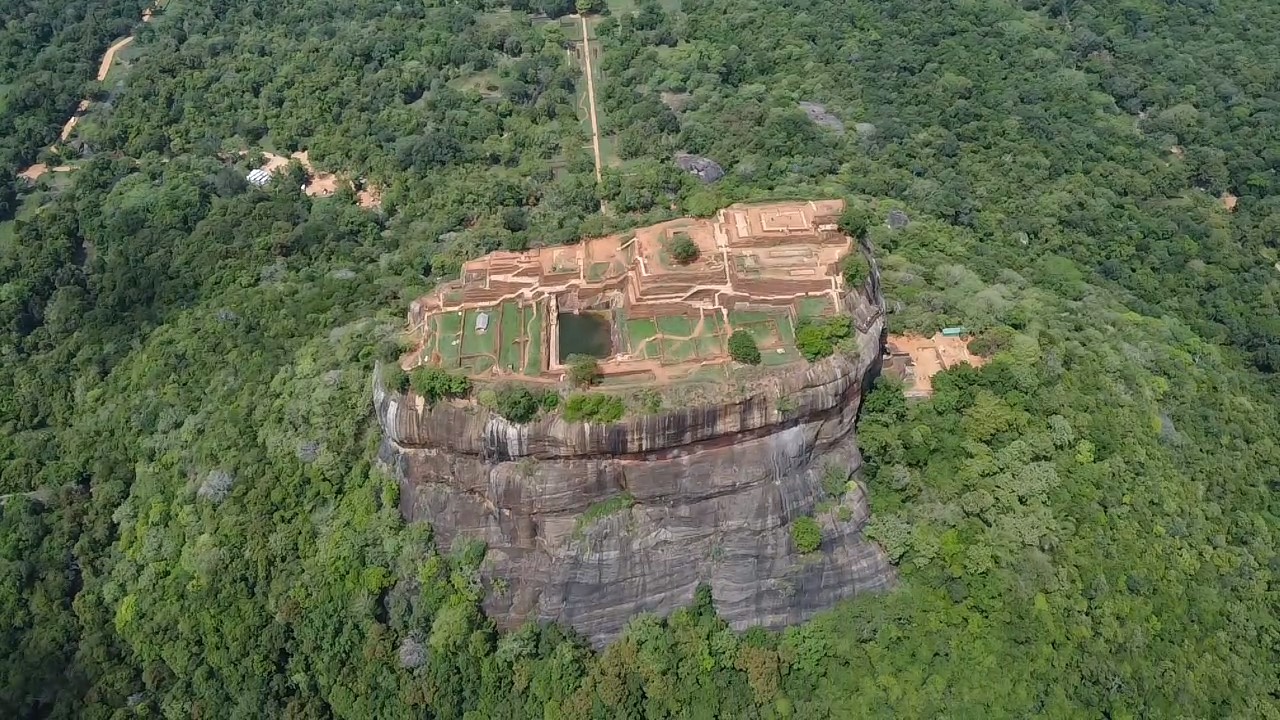
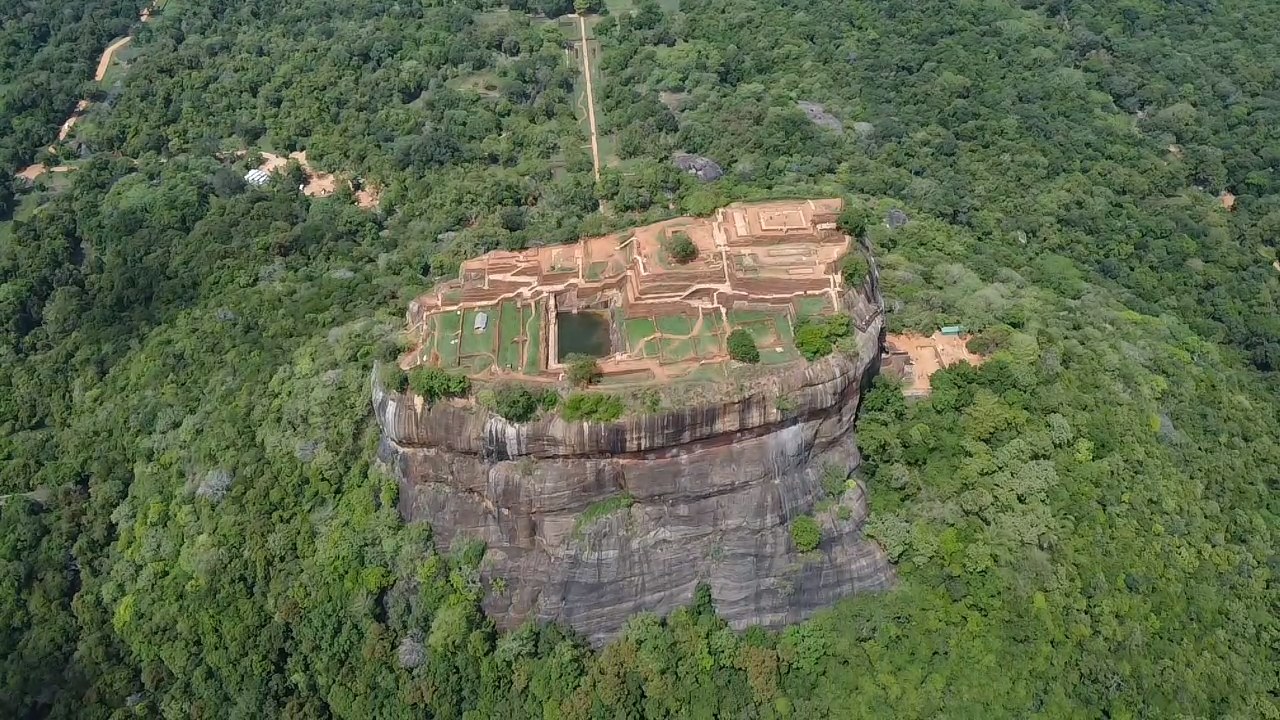
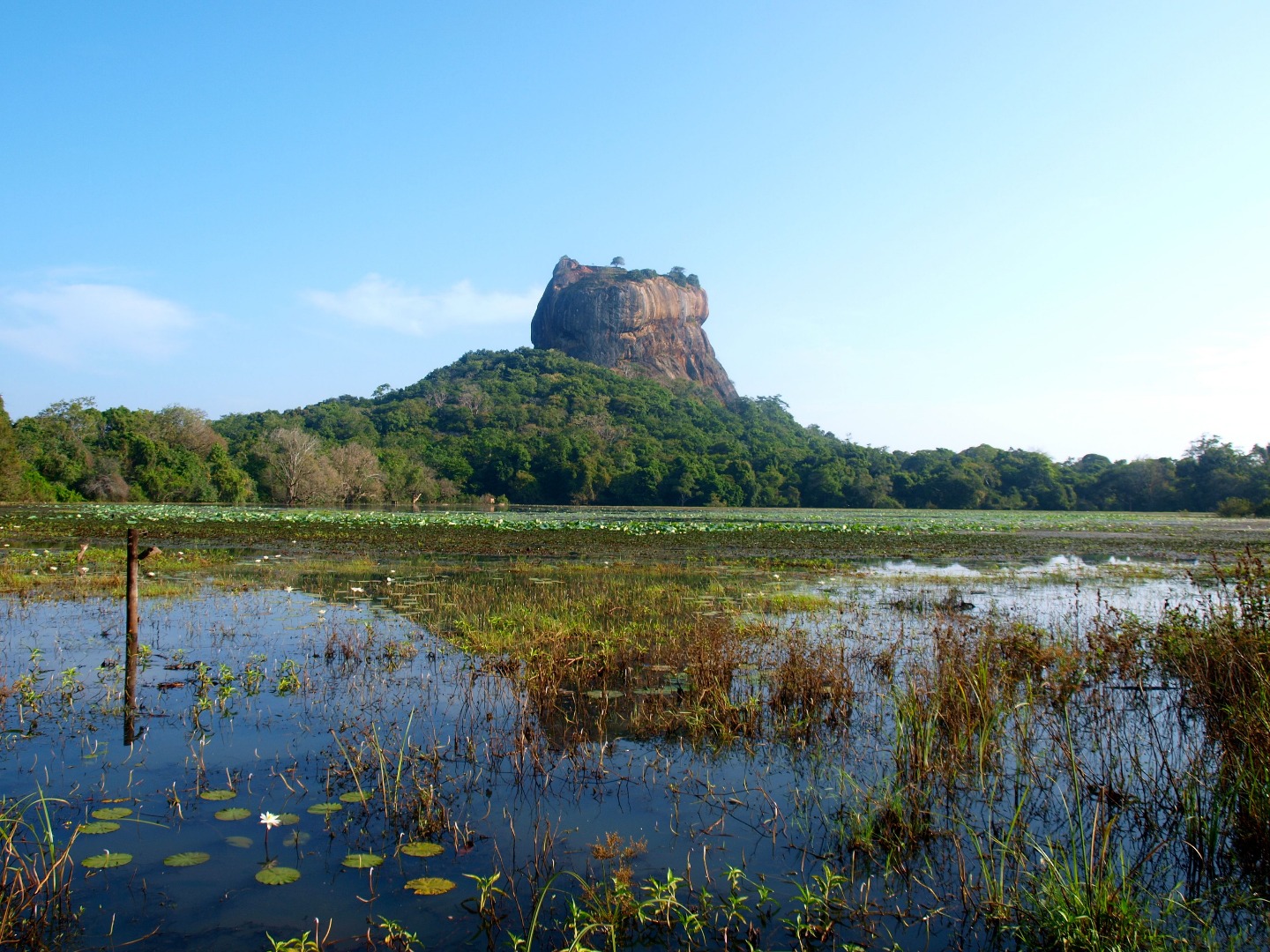
Sigiriya, an ancient rock fortress located in Sri Lanka, is a UNESCO World Heritage Site renowned for its archaeological significance and stunning natural beauty. Rising dramatically from the surrounding jungle, Sigiriya offers visitors a glimpse into the island's rich history and mesmerizing landscapes.
2
It is hard to believe – but there is no shadow of doubt at all – that this small tree with limbs so slender that they must be supported on iron crutches, is the oldest historically authenticated tree in the world (2,250 years).
It has never since been without its hereditary attendants and care, to the very end, of the country’s kings. As lately as the reign of King Keerti Sri Rajasingha, a wall was built around the tree. In 1966 it was enclosed with a golden railing.
The great ancient Sinhalese Buddhist monuments of Anuradhapura are clustered around this Peepal tree (ficus religiosa) called Sri Maha Bodhi, a sapling of the Peepal Tree at Buddha Gaya, Northern India in whose shelter Gautama Buddha attained supreme enlightenment.
The sapling was brought to Sri Lanka by Buddhist nun Sanghamitta, the daughter of King Asoka of India during the 3rd Century B.C.
3
The Jetavanarama Dagoba’s massive dome rises above the entire eastern part of Anuradhapura. Built in the 3rd century by Mahasena, it may have originally topped 120m, but today is about 70m – similar to the Abhayagiri. When it was built it was almost certainly the third-tallest monument in the world, the first two being Egyptian pyramids.
Its vast, bulbous form is unplastered and said to consist of more than 90 million bricks.
4
Abhayagiri Dagaba, located in Anuradhapura, Sri Lanka, is a significant Buddhist stupa that holds profound historical and religious significance. Constructed during the reign of King Valagamba in the 1st century BCE, this imposing structure stands as a testament to ancient Sri Lankan craftsmanship and architectural prowess. Rising majestically to a height of over 370 feet, the dagaba is adorned with intricate carvings and sculptures, showcasing the rich cultural heritage of the region. Abhayagiri Dagaba served not only as a place of worship but also as a center for Buddhist learning and monastic life. It was a focal point for pilgrimage and religious activities, drawing devotees from far and wide. Today, it remains a revered site, attracting visitors seeking spiritual enlightenment and a glimpse into Sri Lanka's illustrious past.
5
Ruwanweliseya, also known as the Ruwanwelisaya Stupa, is a sacred Buddhist monument located in Anuradhapura, Sri Lanka. Constructed during the reign of King Dutugemunu in the 2nd century BCE, it stands as one of the tallest stupas in the ancient world, reaching a height of over 100 meters. The stupa is revered by Buddhists worldwide for housing relics of Gautama Buddha, making it a significant pilgrimage site. Its architectural grandeur reflects the rich heritage and religious devotion of ancient Sri Lanka. The stupa's hemispherical dome, adorned with intricate carvings and surrounded by elaborate stone railings, presents a striking sight against the backdrop of Anuradhapura's landscape. The surrounding complex includes various other monuments and structures, contributing to its status as a UNESCO World Heritage Site. Ruwanweliseya remains not only a symbol of Buddhist faith but also a testament to Sri Lanka's cultural and historical richness.
6
Mirisawati Dagoba was built by King Dutugamunu (161-137 BC), “The Hero of the Nation”, following the water festival held on the seventh day of the victory of the Great War that rescued the nation from the Southern Indian Kingdom of Chola. Mirisawati Dagoba was the first monument built by the king following his consecration.
The location of the great stupa, according the great historical narrative, Mahavamsa, is of exceptional significance.
On the seventh day of the water festival at the Tissa rainwater reservoir, the King planted his spear, the royal standard containing a Relic of the Buddha, on the shore and laid his clothes. On his return from the bath at the reservoir, the king couldn’t pull out the spear off the bank. In spite of the repeated attempts the spear couldn’t be retrieved. Having read the miracle as an omen, on the location enshrining the spear containing the relic of Buddha, was built the Mirisavati Dagoba and monastery.
7
Aukana Buddha Statue in Asisa Mudra or the “posture of blessing” is carved out of a rock boulder. The statue is carved in the round connected to the back to the rock boulder. The delicate and skillful carving of the Buddha’s robe humanizes and chastely reveals the underlying form of his body, while the face’s impassive expression projects an aura of spiritual supremacy.
It is said that the degree of alignment of the statue is such that raindrop on the nose would drop straight down to small depression carved between the toes. Aukana Buddha Statue is a masterpiece of a colossal Buddha Statue by an unknown sculptor: the serene expression of the statue, the gracefully carved robe with neat pleats brings in delicateness that could hardly be moulded into a rock. The impassive expression of the face reflects the supreme spirituality.
What's not included
Gratuities
Entrance tickets.
Food and beverages.
Available languages
Guide guide
EN
Important information
Public transportation options are available nearby
Suitable for all physical fitness levels
About Sigiriya
Sigiriya, also known as Lion Rock, is a UNESCO World Heritage Site renowned for its ancient palace ruins and stunning frescoes. This 5th-century rock fortress offers breathtaking views and a fascinating glimpse into Sri Lanka's rich history and culture.
Top Attractions
Sigiriya Rock Fortress
The iconic Sigiriya Rock Fortress is a 5th-century palace and fortress complex built by King Kasyapa. The climb to the top offers stunning views and a glimpse into ancient Sri Lankan history.
Historical/Architecture
2-3 hours
USD 30 (foreign tourists)
Pidurangala Rock
Pidurangala Rock offers an alternative climb with breathtaking views of Sigiriya and the surrounding landscape. It's less crowded and more affordable than Sigiriya Rock.
Nature/Adventure
1-2 hours
USD 5 (entry fee)
Sigiriya Museum
The Sigiriya Museum provides a comprehensive overview of the history and significance of the Sigiriya Rock Fortress. It houses artifacts and exhibits related to the ancient site.
Historical/Museum
1 hour
USD 10 (foreign tourists)
Must-Try Local Dishes
Rice and Curry
A traditional Sri Lankan meal consisting of rice served with a variety of curries, including vegetable, meat, and fish curries.
Lunch/Dinner
Can be vegetarian or non-vegetarian
Hoppers (Appa)
Bowl-shaped pancakes made from fermented rice flour and coconut milk, often served with an egg in the center.
Breakfast/Dinner
Vegetarian (unless served with egg or meat)
Kottu Roti
A popular street food made from chopped flatbread, vegetables, and meat, cooked on a hot plate with spices.
Lunch/Dinner
Can be vegetarian or non-vegetarian
Fish Ambul Thiyal
A sour and spicy fish curry made with goraka (a type of sour fruit) and a blend of spices.
Lunch/Dinner
Non-vegetarian, contains seafood
Popular Activities
Rock climbing (Sigiriya and Pidurangala)
Jeep safaris (Minneriya National Park)
Tea tasting
Spa treatments
Visiting ancient temples and ruins
Watching cultural shows
Boat rides on Habarana Lake
Elephant rides
Best Time to Visit
January to April
This is the best time to visit Sigiriya due to pleasant weather and minimal rainfall. The clear skies offer the best views of the rock and surrounding landscapes.
25-32°C (77-90°F)
77-90°F
Practical Information
Language
- Official: Sinhala, Tamil
- Widely spoken: English
- English: Moderately spoken in tourist areas, limited elsewhere
Currency
Sri Lankan Rupee (LKR)
Time Zone
GMT+5:30
Electricity
230VV, 50HzHz
Safety Information
Overall Safety Rating: Generally safe
Sigiriya is generally safe for tourists, but common sense and precautions should be taken to ensure a smooth trip.
Important Precautions:
- • Use reputable tour operators and guides.
- • Negotiate prices before starting a journey or purchasing items.
- • Keep valuables secure and be cautious of pickpockets in crowded areas.
Getting there
By air
- Bandaranayake International Airport • 160 km (100 miles)
- Mattala Rajapaksa International Airport • 100 km (62 miles)
By train
Habarana Railway Station
By bus
Habarana Bus Station
Getting around
Public transport
Buses are the most common form of public transport. They are affordable but can be crowded.
Taxis
Available • Apps: PickMe
Rentals
Car, Bike, Scooter
Neighborhoods
Sigiriya Village
Habarana
Day trips
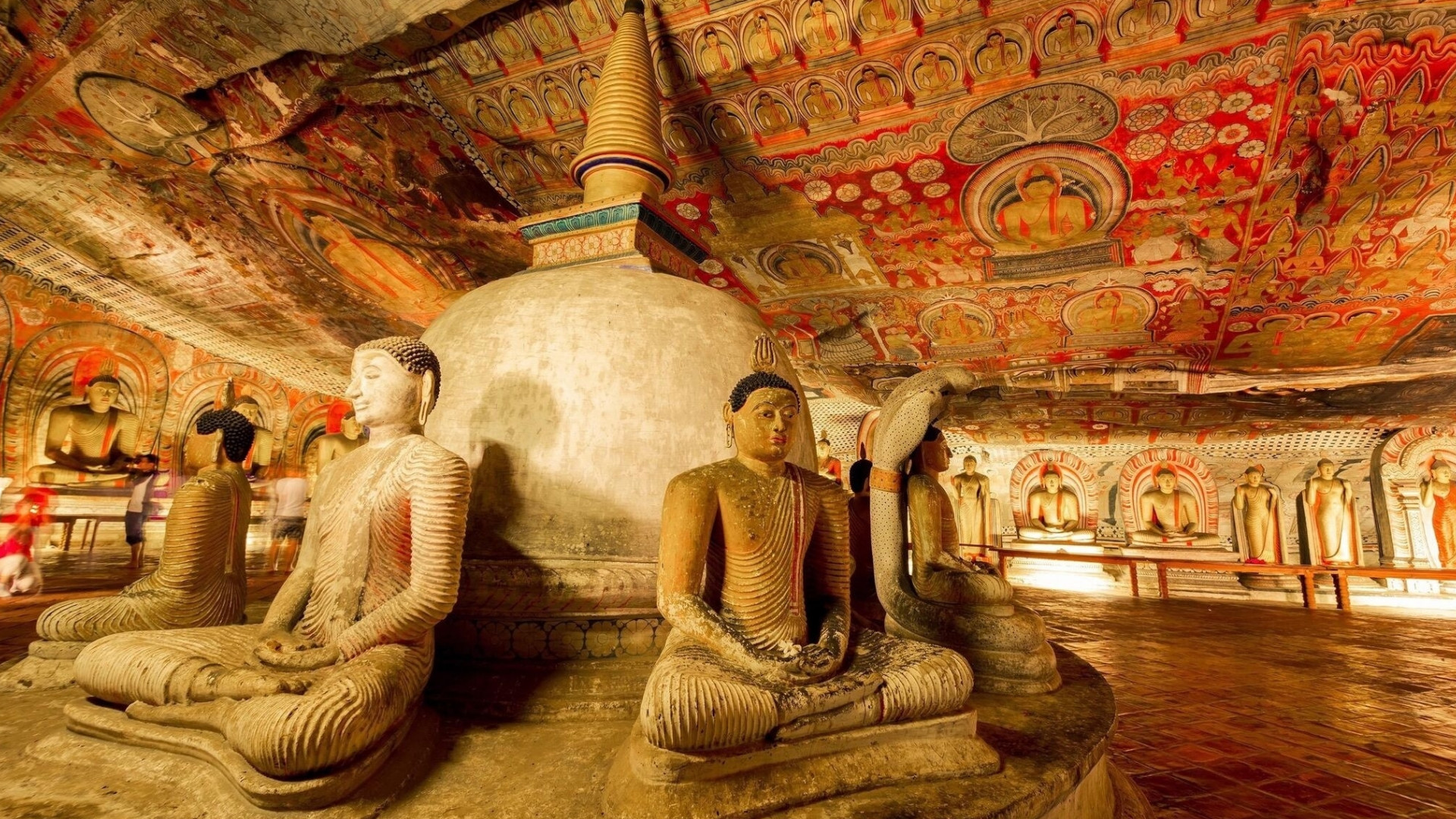
Dambulla Cave Temple
30 km (18.6 miles) • Half day
The Dambulla Cave Temple is a UNESCO World Heritage Site featuring five intricately decorated caves with statues and frescoes of the Lord Buddha and various deities.
Minneriya National Park
20 km (12.4 miles) • Full day
Minneriya National Park is famous for its elephant gathering, especially during the dry season. The park offers excellent opportunities for wildlife safaris.
Polonnaruwa Ancient City
50 km (31 miles) • Full day
Polonnaruwa is a UNESCO World Heritage Site and the second ancient capital of Sri Lanka. It features well-preserved ruins of royal palaces, temples, and monuments.
Festivals
Esala Perahera • August
Sigiriya Festival • August/September
Pro tips
- Start your climb to Sigiriya Rock early in the morning to avoid the heat and crowds.
- Hire a local guide for a more detailed and engaging experience at Sigiriya.
- Try local street food for an authentic and affordable culinary experience.
- Carry plenty of water and wear sun protection when exploring the rock fortress.
- Visit the Sigiriya Museum before climbing the rock to gain context and historical insights.
From $25
per person
Price varies by option
Secure booking
Free cancellation available
Instant confirmation