Anuradhapura Day Tour From Sigiriya
Active
10h - 14h
For a full refund, cancel at least 24 hours before the scheduled departure time.
Instant confirmation
Mobile or paper ticket accepted
About this experience
Discover the remarkable ancient city of Anuradhapura, the first kingdom of Sri Lanka, located near Sigiriya.
This excursion presents an opportunity to explore the ruins of Anuradhapura, which are among the most captivating landmarks in South Asia. The extensive site is home to a rich array of archaeological and architectural marvels. The tour will commence at approximately 6:00 am from Sigiriya, allowing us to traverse significant portions of Anuradhapura. Visitors will encounter numerous ancient reservoirs, dilapidated temples, and monumental dagobas (brick stupas) throughout the region.
You will take a brief break for lunch, and after refreshing yourself, we will have the opportunity to explore the Mihinthala Buddhist site. This site is one of the most significant locations for Buddhism in Sri Lanka and is renowned for its trekking and cultural experiences.
At the conclusion of the tour, we will provide transportation back to your residence in Sigiriya.
Available options
Anuradhapura Day Tour From Sigiriya
Pickup included
What's included
All Govt. Taxes and Surcharges
Transportation in a A/C Vehicle
English speaking guide for the entire tour
Mineral Water Bottle
Detailed itinerary
1
Jaya Sri Maha Bodhi, a sacred Bo tree or Ficus religiosa that is located in Anuradhapura's Mahamewna Gardens, Sri Lanka, is the Jaya Sri Maha Bodhi. It is the closest living connection to Gautama Buddha and also the oldest tree that has been planted by humans.
Lord Gautama Buddha, a 2,600-year-old Indian saint, sat down against an Esathu tree, on the banks the Neranjana River, Bodhgaya. The Buddha is believed to have reached enlightenment at this time, when he was seated against the tree. The tree was also given a revered status for his actions. It was dubbed the Bodhi tree and pilgrims were able to see it even during the Buddha's lifetime.
2
Ruvanveli seya, the first stupa built in Sri Lanka, is revered with great respect. It is also known as Mahaseya, Ratnamali and Swarnamali seya in different literary works. The foundation of this stupa was laid by King Dutugemunu (161 to 137 BC). It is bubble-shaped. It measures 150 feet in height. The relic chamber was used for paintings. Most of the Anuradhapura rulers, as well as the whole country's rulers, contributed to its restoration after King Saddhatissa.
The unique feature of this stupa is its elephant-faced wall that runs between the stone-paved terraces and the flight stairs. In the same way, there are also four vahalkadas. The stupa now stands at 350 feet in height and has a circumference of 300 feet.
Ruvanveli Maha Seya, an important monument, has been venerated by both local and international Buddhists. Each July, a special offering with one hundred thousand jasmine blooms is made to mark reverence.
3
Mirisawetiya Dagoba was said to have been the first dagoba constructed by King Dutugemunu, the Great, who ruled Ceylon from 161 to 137 BC. It measured sixty feet high by five hundred and sixty inches in circumference. Later, it was rebuilt and expanded by the various Ceylon kings. Historical legends mention this dagoba as one of the most important dagobas at that time.
This dagoba can be found in the Anuradhapura District, North Central Province of Sri Lanka. It is believed that it was built by Gautama Buddha at his feet in a sacred location. According to history, one hundred ninety thousand Arahants visited this area to offer and build this dagoba. Anuradhapura, Ceylon's capital during 161 to 137 BC was when this dagoba construction was completed.
4
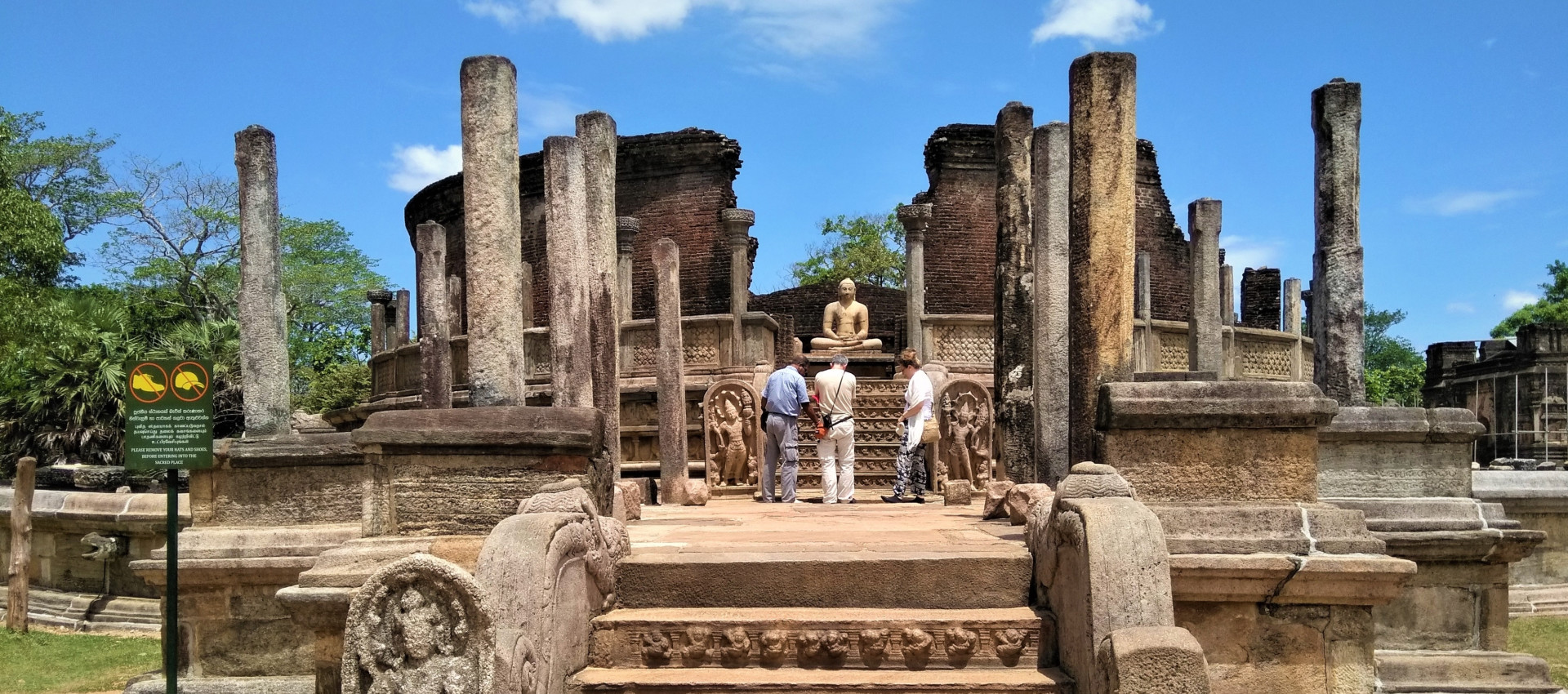
Thuparama was the first stupa to be built in Nepal after Buddhism's introduction in the third century BC. Mahavansa says it was named Thuparama due to the fact that the stupa (arama) and monastery complex are situated together. King Devanampiyatissa built the stupa to enshrine the right collar bone. King Devanampiyatissa and Polonnaruva have since renovated the stupa. The vatadage, a round relic chamber built around the stupa by King Vasabha (65–109 AC), is a unique architectural feature. The current height of the stupa stands at 63 feet and its diameter is 59 feet. The surrounding buildings include a hospital, image house and a bhikkhuni-arama (chapter house) building.
5
Abhayagiri Stupa is the second-largest stupa in Sri Lanka. It was built by King Vattagamini, alias Valagamba (89–77 BC). It covers an area of almost 200 hectares. Bhikkhu Fahsein, who visited Sri Lanka in fifth century, stated that there were three thousand bhikkhus living in the Mahavihara and five hundred in the Abhayagiri.
Abhayagiri, which was central to Mahayana Buddhism, reached its peak during the reign of King Mahasen. The presence of Buddhist buildings in Abhayagri's environs indicates that this complex was an important educational institution locally as well as internationally.
6
King Mahasen's Jetavana Stupa is approximately 400 feet high. It is also the third-largest monument and tallest brick-built monument. Nine gold folios, containing the Mahayana Sutra, The Pragnaparamita Sutra were found during a recent excavation. Four vahalkadas (frontispieces), face the four cardinal directions. The mound that was higher than the ground level is where the stupa was built. Archaeological excavations revealed remnants of an elephant wall surrounding the terrace. Other special artifacts have been discovered in excavations, including coins and Chinese ceramicware. The Central Cultural Fund has restored the entire stupa.
7
In Sri Lanka, Lovamahapaya, which is also known as the Brazen Palace or Lohaprasada, is a place of worship. The stupa Ruvanvelisaya and the Great Bodhi Tree of Anuradhapura are located in ruins that have hundreds of stone pillars. A monastic structure with nine stories built by King Dutugemmunu during the 2nd century BC can be found here.
8
The legend surrounding the temple Lankaramaya in Sri Lanka is well-known. Invaders from the kingdom attacked him as the rightful king. That year, he hid out in a location called Silasobha Khandaka and made plans. Due to his successful plans, the invaders were destroyed in the same year, which allowed him to become king after the unsuccessful invasion.
9
Stop 9
Sri Lanka is a stunning island that boasts a wealth of religious and cultural monuments due to its rich historical past, making it a popular tourist destination.
Four mountains are known as Mihinthale, and the highest of them stands at around 1,000 feet. The mountains of Rajagiri Lena, Anaikutti, Ath Vehera, and Mihinthalawa are found in this area. At the summit of the prominent mountain Mihinthalawa are the Aradhana gala (Invitation Rock) and the famous Mahaseya stupa.
What's not included
Entrance Fees
Any other Tours or Services not mentioned above
Available languages
Guide guide
EN
Reviews breakdown
Viator
3.0
1 reviews
5★
0
4★
0
3★
1
2★
0
1★
0
Important information
Suitable for all physical fitness levels
About Sigiriya
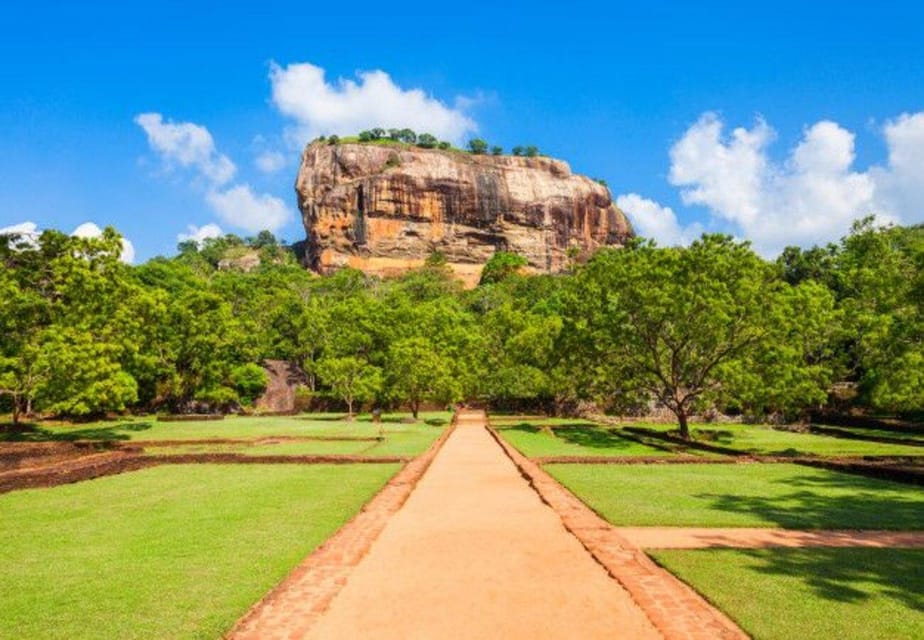
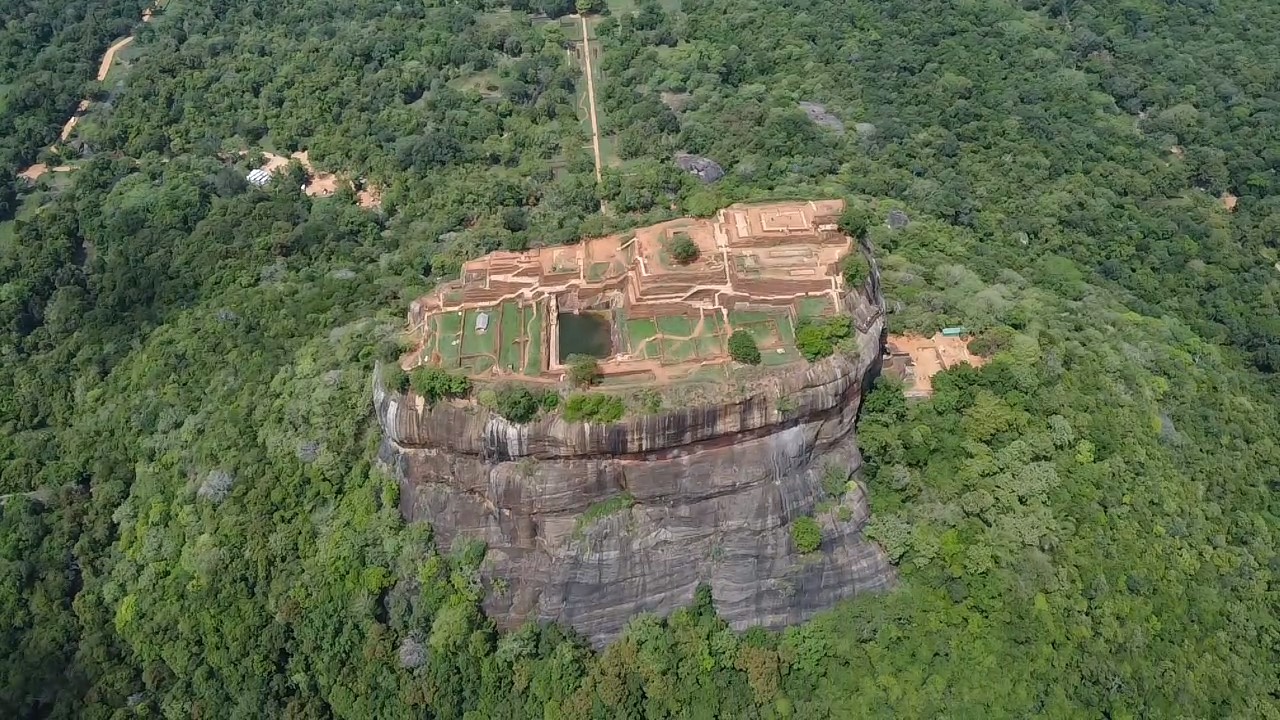
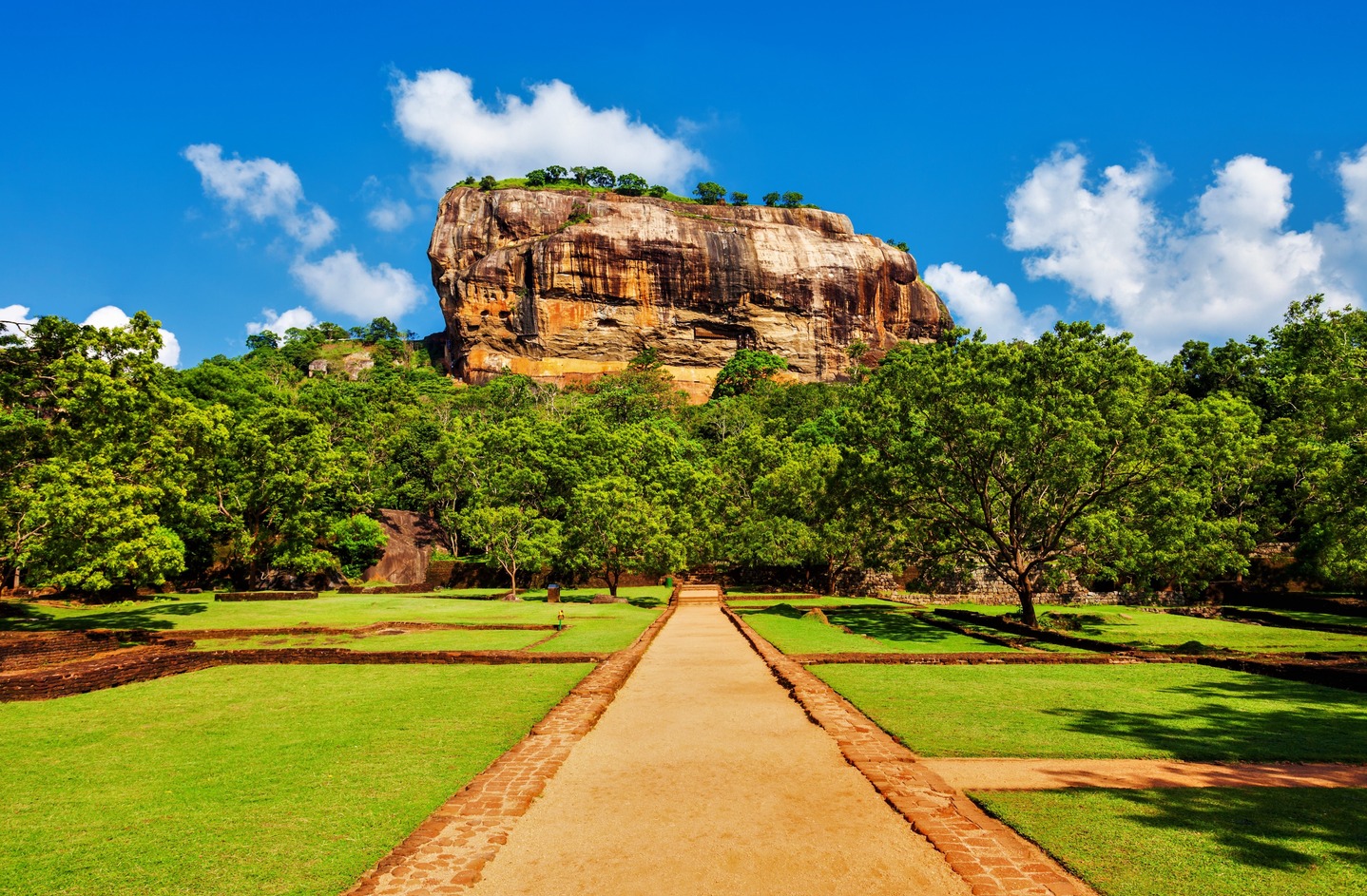
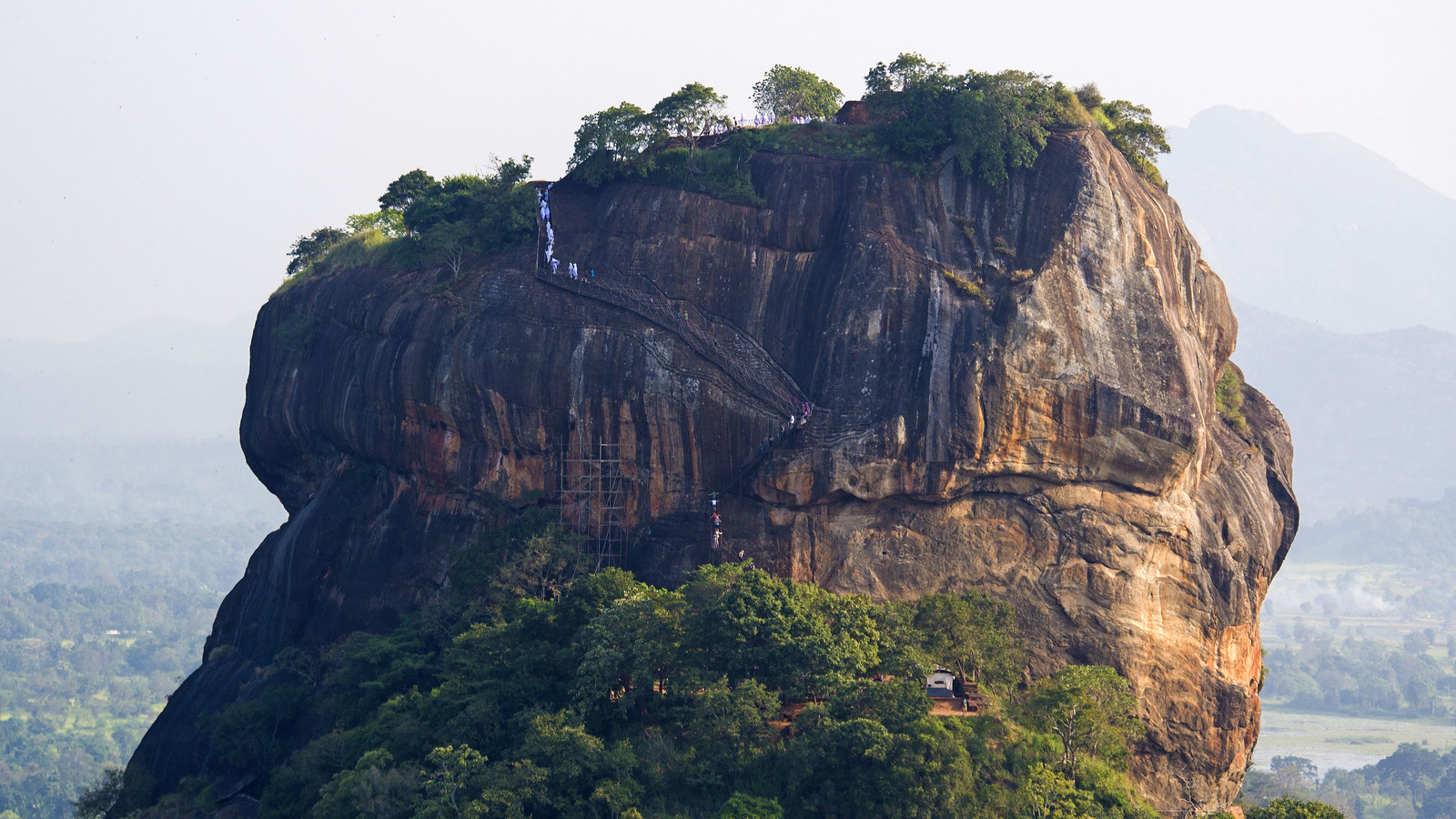
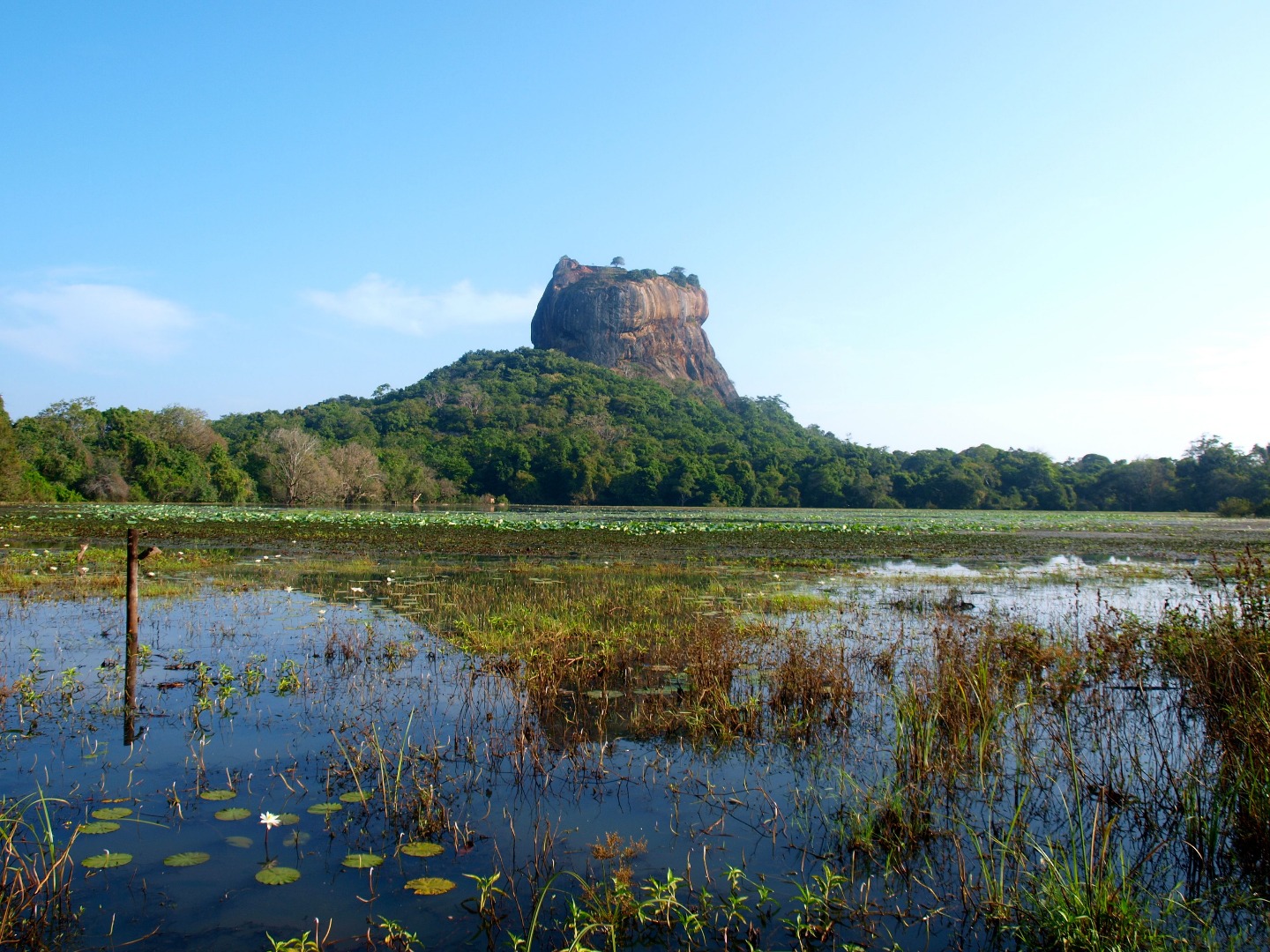
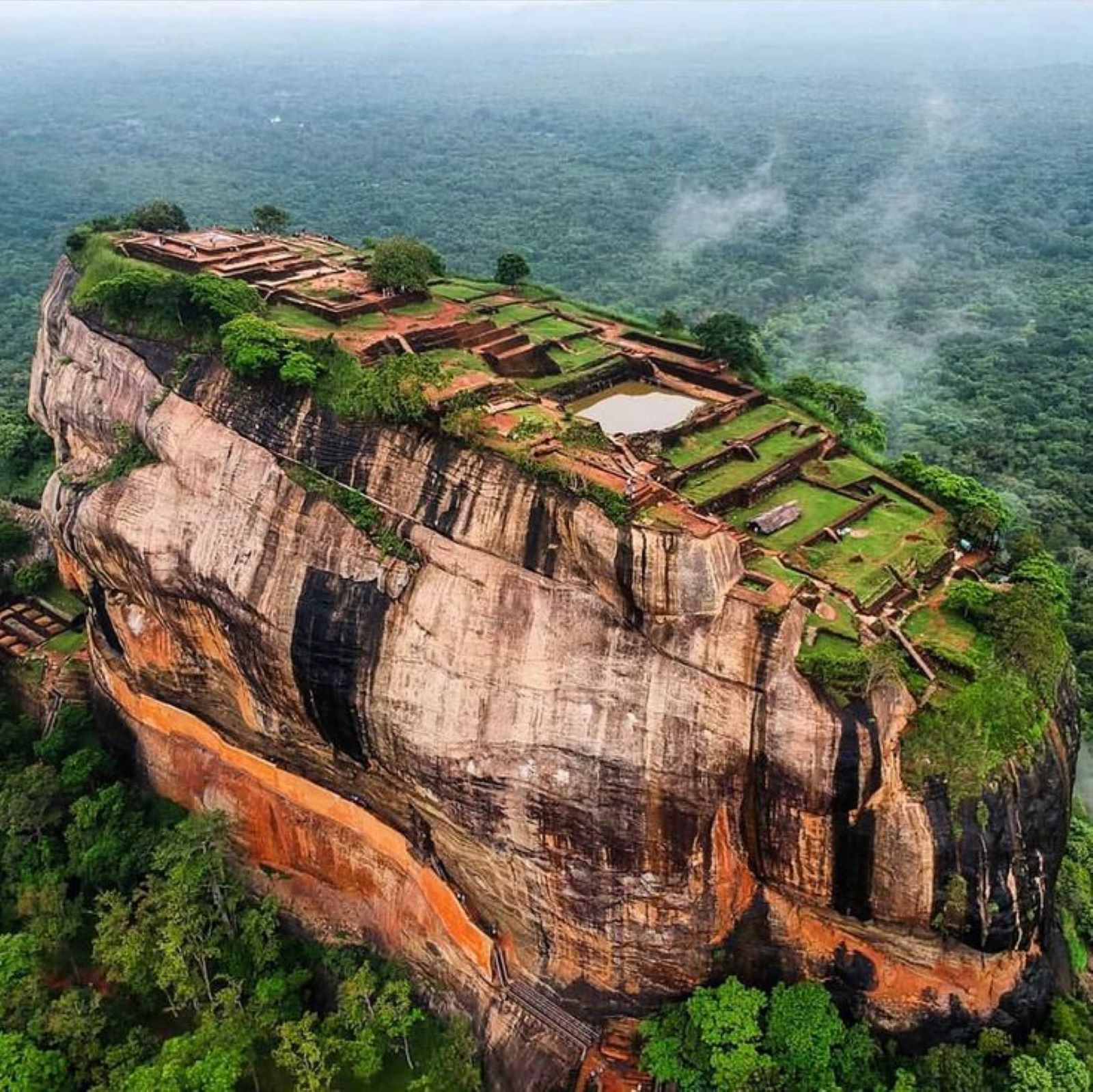
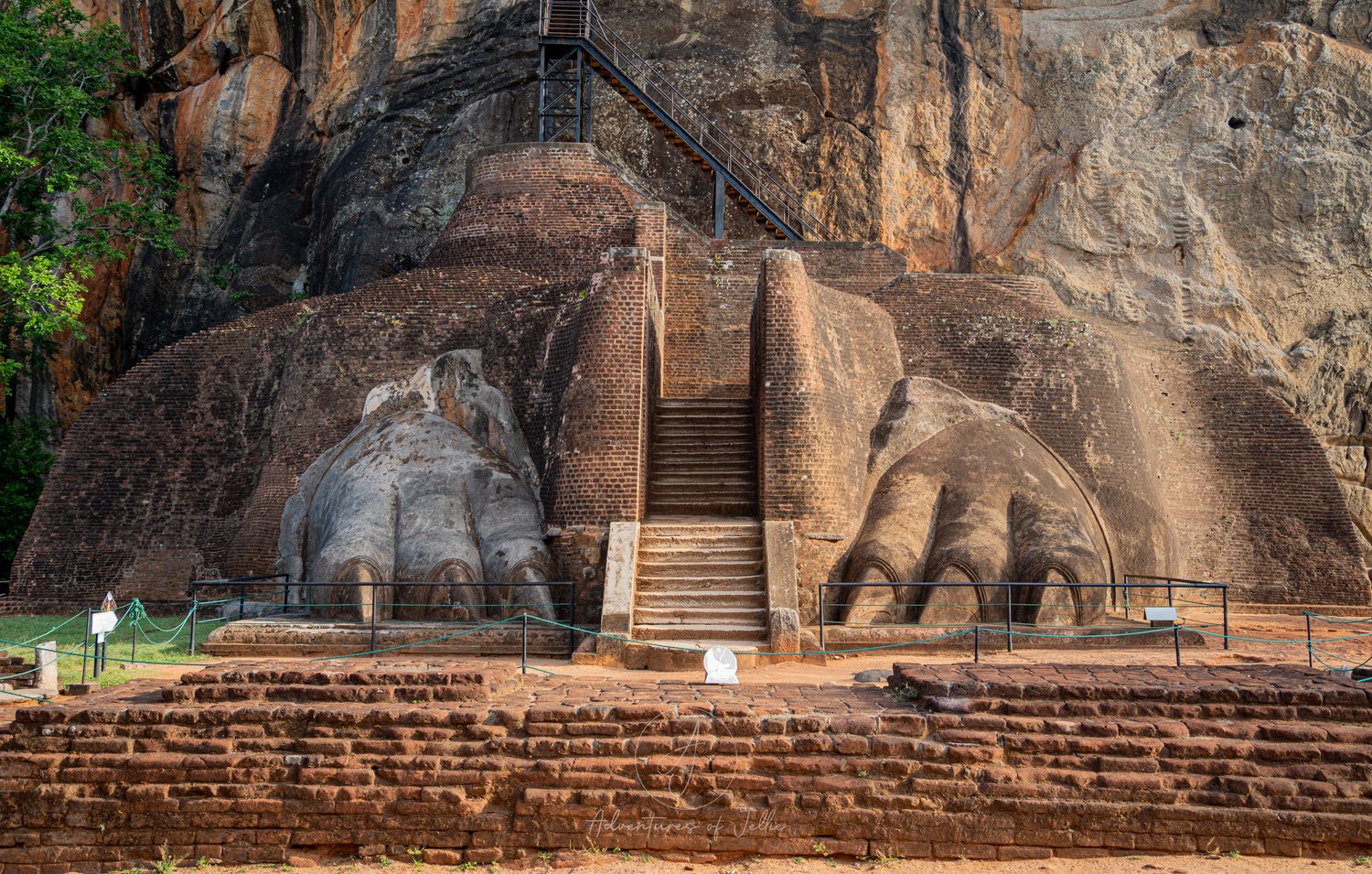
Sigiriya, also known as Lion Rock, is a UNESCO World Heritage Site renowned for its ancient palace ruins and stunning frescoes. This 5th-century rock fortress offers breathtaking views and a fascinating glimpse into Sri Lanka's rich history and culture.
Top Attractions
Sigiriya Rock Fortress
The iconic Sigiriya Rock Fortress is a 5th-century palace and fortress complex built by King Kasyapa. The climb to the top offers stunning views and a glimpse into ancient Sri Lankan history.
Historical/Architecture
2-3 hours
USD 30 (foreign tourists)
Pidurangala Rock
Pidurangala Rock offers an alternative climb with breathtaking views of Sigiriya and the surrounding landscape. It's less crowded and more affordable than Sigiriya Rock.
Nature/Adventure
1-2 hours
USD 5 (entry fee)
Sigiriya Museum
The Sigiriya Museum provides a comprehensive overview of the history and significance of the Sigiriya Rock Fortress. It houses artifacts and exhibits related to the ancient site.
Historical/Museum
1 hour
USD 10 (foreign tourists)
Must-Try Local Dishes
Rice and Curry
A traditional Sri Lankan meal consisting of rice served with a variety of curries, including vegetable, meat, and fish curries.
Lunch/Dinner
Can be vegetarian or non-vegetarian
Hoppers (Appa)
Bowl-shaped pancakes made from fermented rice flour and coconut milk, often served with an egg in the center.
Breakfast/Dinner
Vegetarian (unless served with egg or meat)
Kottu Roti
A popular street food made from chopped flatbread, vegetables, and meat, cooked on a hot plate with spices.
Lunch/Dinner
Can be vegetarian or non-vegetarian
Fish Ambul Thiyal
A sour and spicy fish curry made with goraka (a type of sour fruit) and a blend of spices.
Lunch/Dinner
Non-vegetarian, contains seafood
Popular Activities
Rock climbing (Sigiriya and Pidurangala)
Jeep safaris (Minneriya National Park)
Tea tasting
Spa treatments
Visiting ancient temples and ruins
Watching cultural shows
Boat rides on Habarana Lake
Elephant rides
Best Time to Visit
January to April
This is the best time to visit Sigiriya due to pleasant weather and minimal rainfall. The clear skies offer the best views of the rock and surrounding landscapes.
25-32°C (77-90°F)
77-90°F
Practical Information
Language
- Official: Sinhala, Tamil
- Widely spoken: English
- English: Moderately spoken in tourist areas, limited elsewhere
Currency
Sri Lankan Rupee (LKR)
Time Zone
GMT+5:30
Electricity
230VV, 50HzHz
Safety Information
Overall Safety Rating: Generally safe
Sigiriya is generally safe for tourists, but common sense and precautions should be taken to ensure a smooth trip.
Important Precautions:
- • Use reputable tour operators and guides.
- • Negotiate prices before starting a journey or purchasing items.
- • Keep valuables secure and be cautious of pickpockets in crowded areas.
Getting there
By air
- Bandaranayake International Airport • 160 km (100 miles)
- Mattala Rajapaksa International Airport • 100 km (62 miles)
By train
Habarana Railway Station
By bus
Habarana Bus Station
Getting around
Public transport
Buses are the most common form of public transport. They are affordable but can be crowded.
Taxis
Available • Apps: PickMe
Rentals
Car, Bike, Scooter
Neighborhoods
Sigiriya Village
Habarana
Day trips
Dambulla Cave Temple
30 km (18.6 miles) • Half day
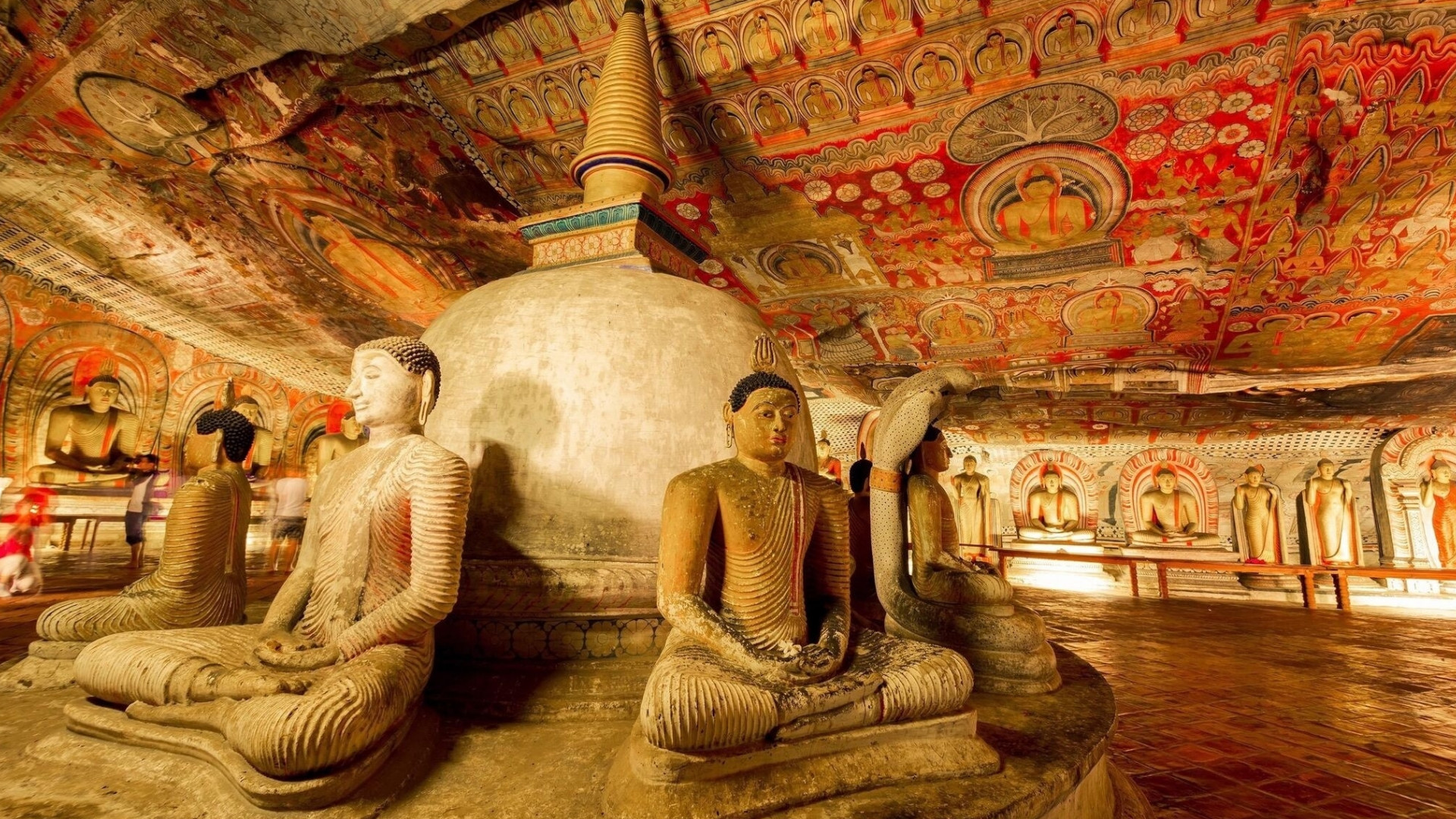
The Dambulla Cave Temple is a UNESCO World Heritage Site featuring five intricately decorated caves with statues and frescoes of the Lord Buddha and various deities.
Minneriya National Park
20 km (12.4 miles) • Full day
Minneriya National Park is famous for its elephant gathering, especially during the dry season. The park offers excellent opportunities for wildlife safaris.
Polonnaruwa Ancient City
50 km (31 miles) • Full day
Polonnaruwa is a UNESCO World Heritage Site and the second ancient capital of Sri Lanka. It features well-preserved ruins of royal palaces, temples, and monuments.
Festivals
Esala Perahera • August
Sigiriya Festival • August/September
Pro tips
- Start your climb to Sigiriya Rock early in the morning to avoid the heat and crowds.
- Hire a local guide for a more detailed and engaging experience at Sigiriya.
- Try local street food for an authentic and affordable culinary experience.
- Carry plenty of water and wear sun protection when exploring the rock fortress.
- Visit the Sigiriya Museum before climbing the rock to gain context and historical insights.
From $25
per person
Price varies by option
Secure booking
Free cancellation available
Instant confirmation