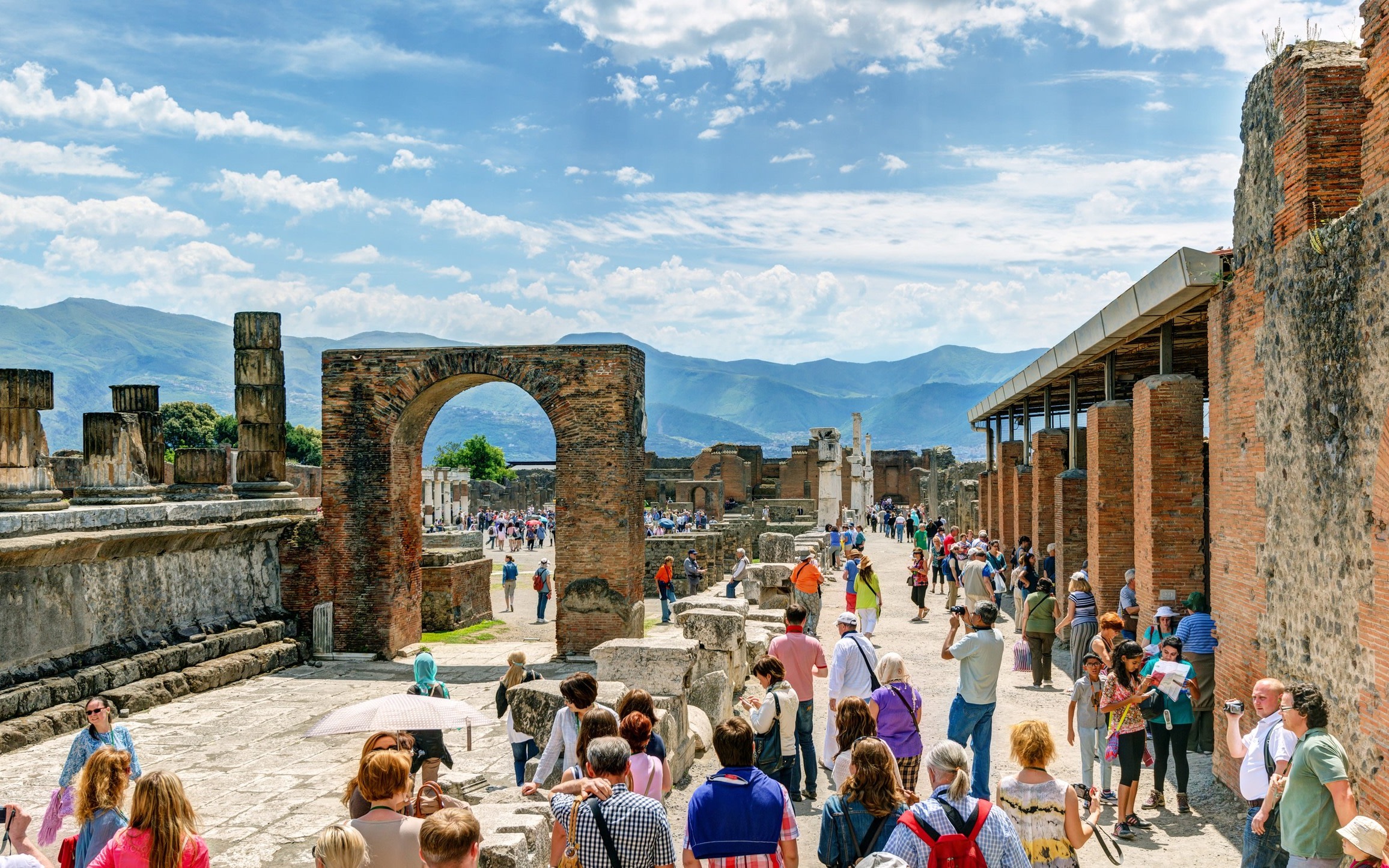
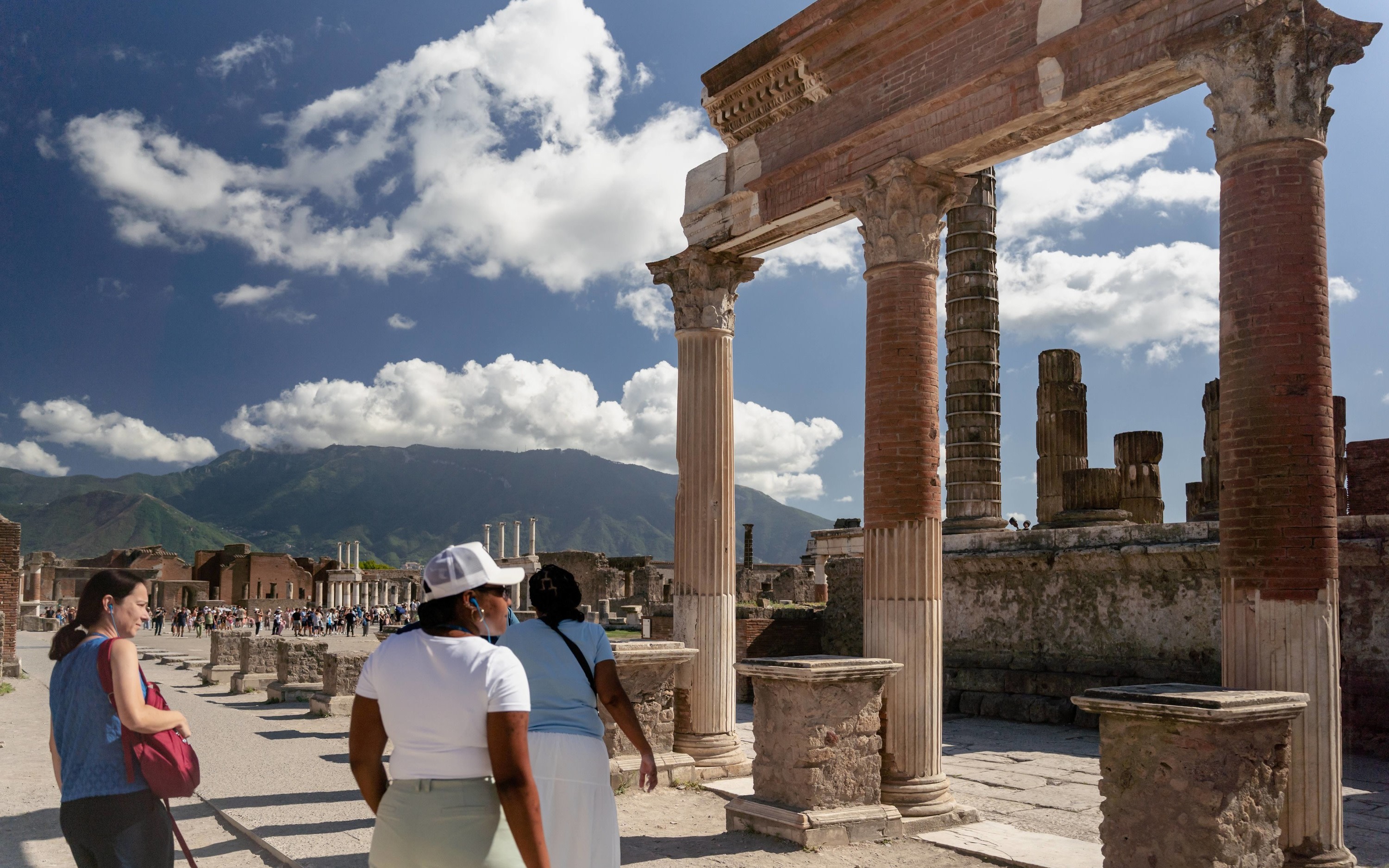
Visit Pompeii and Sorrento
Active
8h
For a full refund, cancel at least 24 hours before the scheduled departure time.
Instant confirmation
Mobile or paper ticket accepted
About this experience
Where is Pompeii?
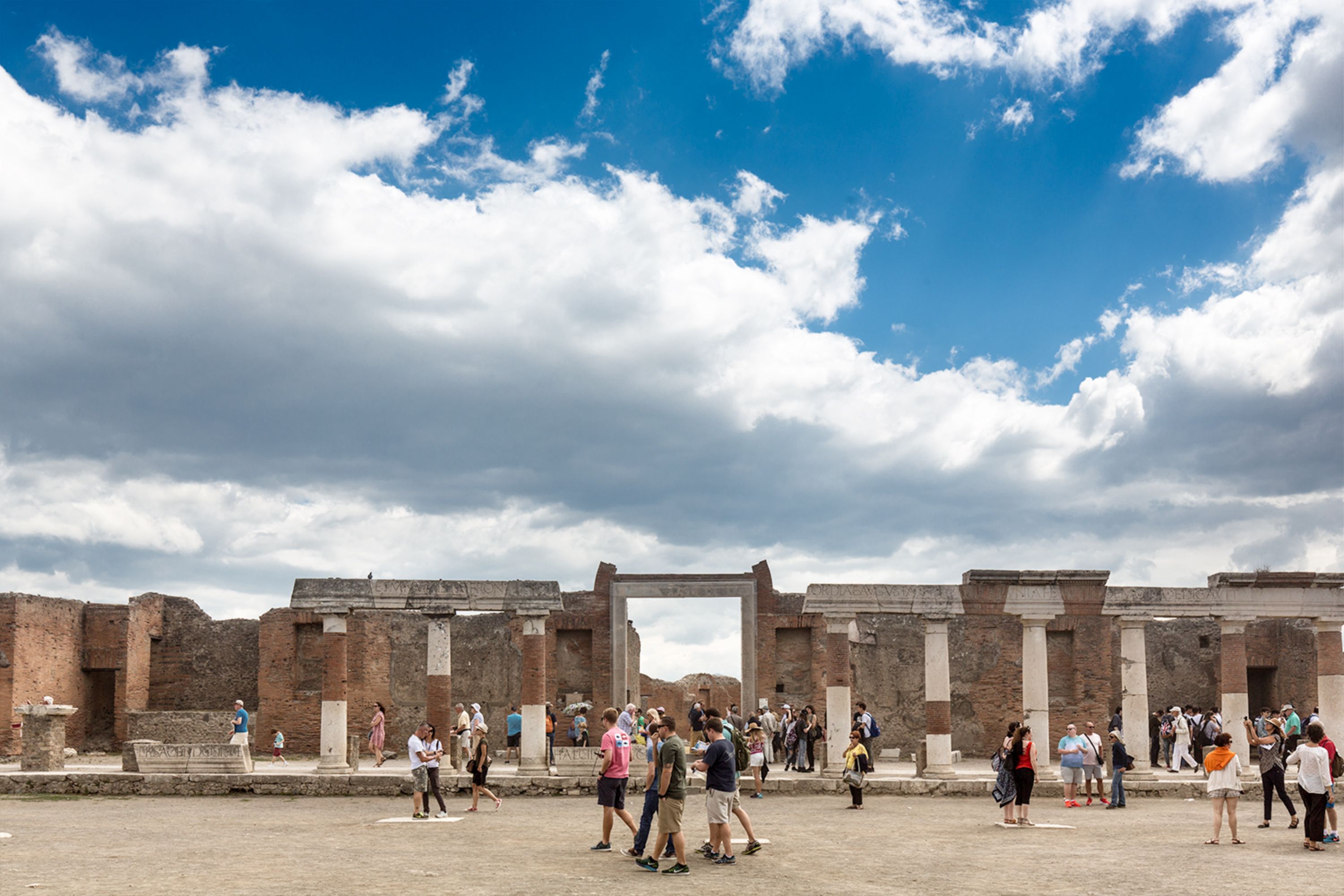
The world famous Pompeii is 150 miles south of Rome, fairly close to Naples. It is a long day from.
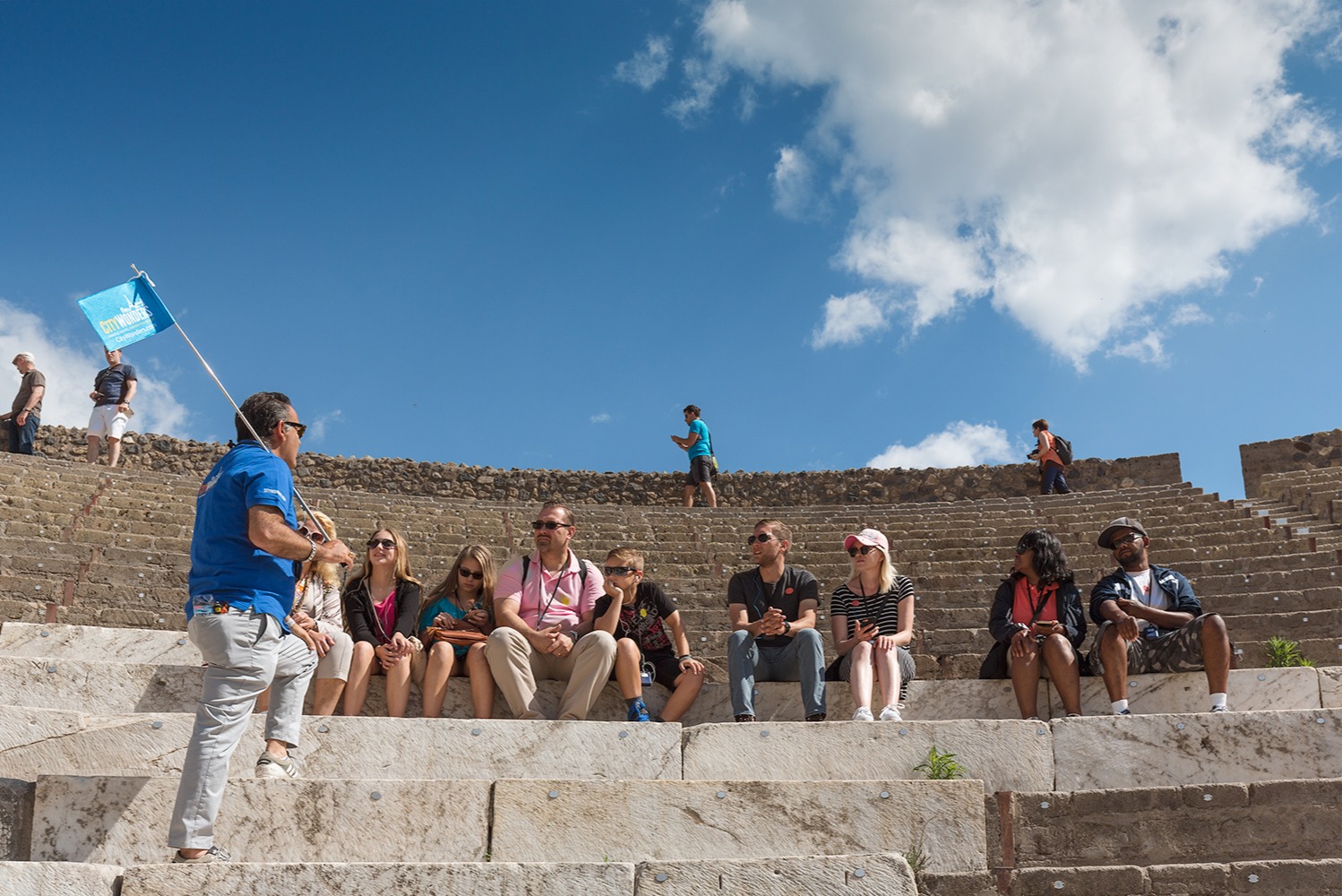
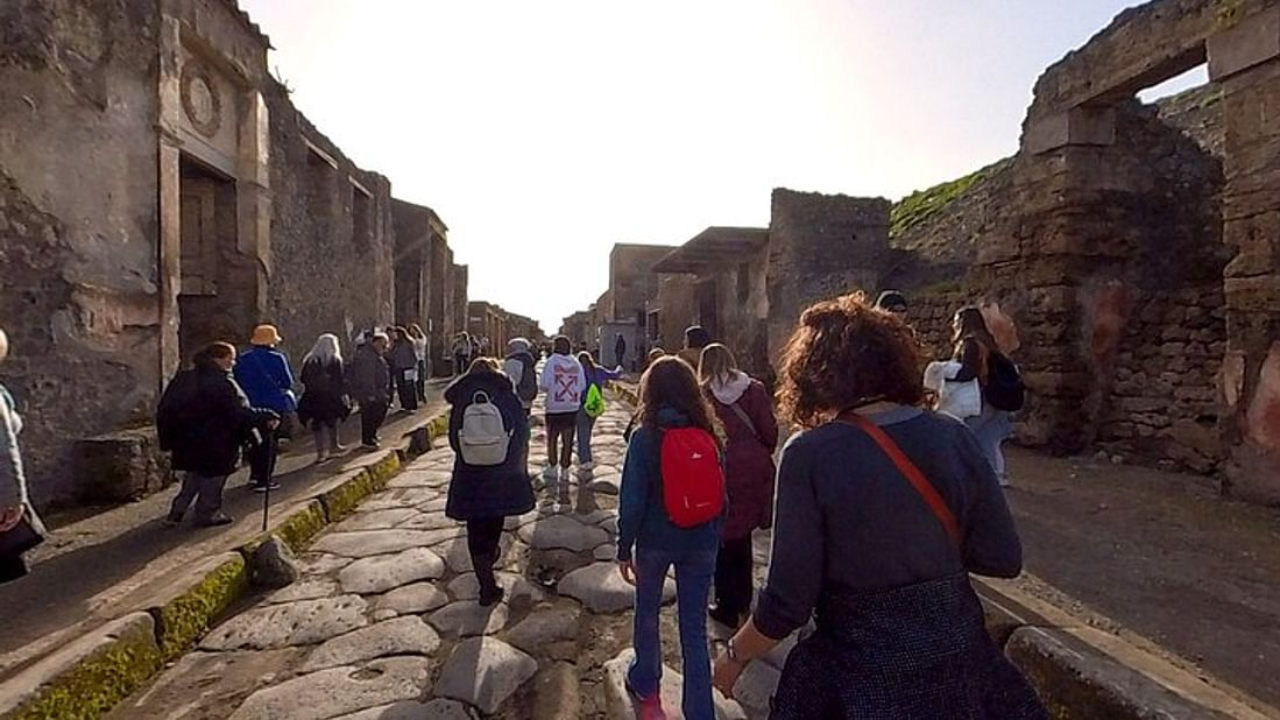
Pick up from Hotel/port/airport/train station 1st stop at Pompeii- up to 2 hours to explore the ancient city Not included Pompeii ticket, it is an extra cost of E18pp. Under 18 is free.
If you are interested, we are able to arrange for you a private guided tour in Pompeii for 2hr, the cost is extra and it is €120 for your group from 1 up to 3ppl, €130 from 4 up to 6ppl, €140 from 7 up to 8ppl, to be paid in Euros cash directly to the guide on the spot.
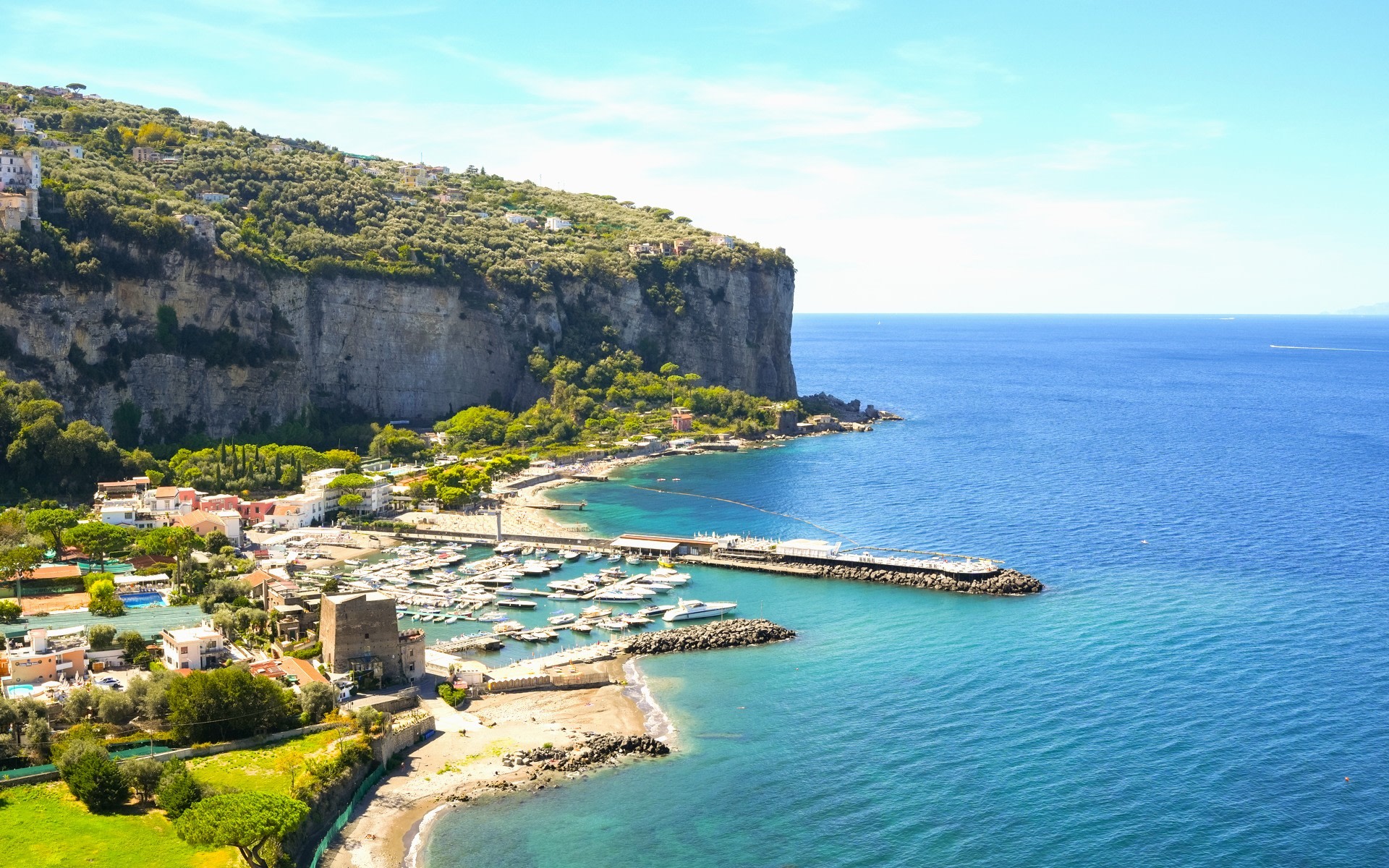
Then you will visit Sorrento where you can have your lunch
Available options
POMPEII & SORRENTO
Pickup included
What's included
fuel, parking, English speaking driver, highway
Detailed itinerary
1
Stop 1
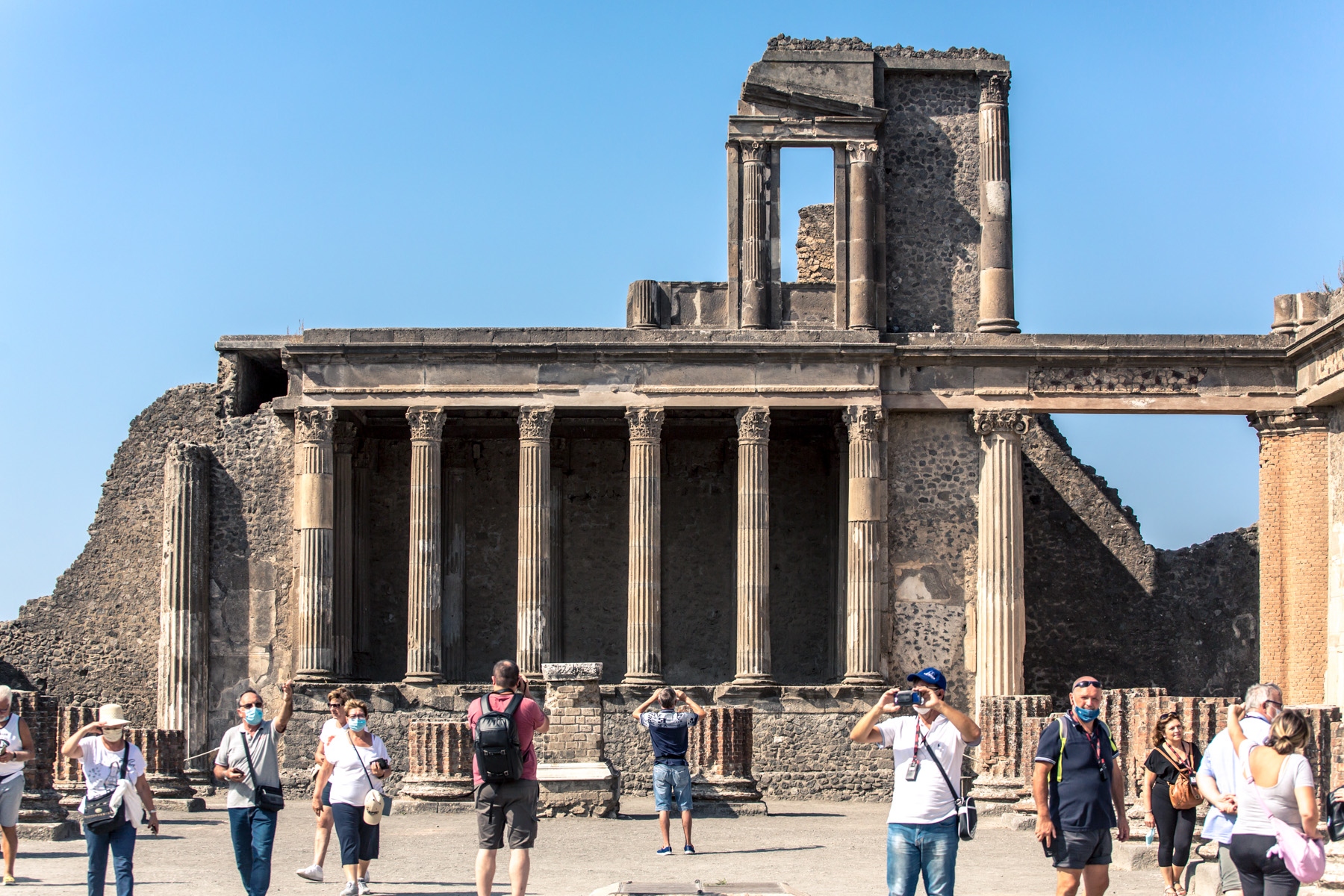
The ruins at Pompeii were first discovered late in the 16th century by the architect Domenico Fontana. Herculaneum was discovered in 1709, and systematic excavation began there in 1738. Work did not begin at Pompeii until 1748, and in 1763 an inscription (“Rei publicae Pompeianorum”) was found that identified the site as Pompeii. The work at these towns in the mid-18th century marked the start of the modern science of archaeology.
Then stop for Lunch in one of the best restaurant with local food on the way. One of our drivers can recommend it.
2
The Roman name for Sorrento was Surrentum. Legends indicate a close connection between Lipara and Surrentum, as though the latter had been a colony of the former; and even through the Imperial period Surrentum remained largely Greek.
The oldest ruins are Oscan, dating from about 600 BC. Before its control by the Roman Republic, Surrentum was one of the towns subject to Nuceria, and shared its fortunes up to the Social War; it seems to have joined in the revolt of 90 BC like Stabiae; and was reduced to obedience in the following year, when it seems to have received a colony.
What's not included
lunch, Pompeii entrance fees, tips
Licensed guide in Pompeii, on request. Please contact us
Pompeii entrance fees
Available languages
Guide guide
EN
IT
ES
Reviews breakdown
Viator
5.0
1 reviews
5★
1
4★
0
3★
0
2★
0
1★
0
Important information
Infants and small children can ride in a pram or stroller
Infants are required to sit on an adult’s lap
Specialized infant seats are available
Travelers should have at least a moderate level of physical fitness
About Pompeii
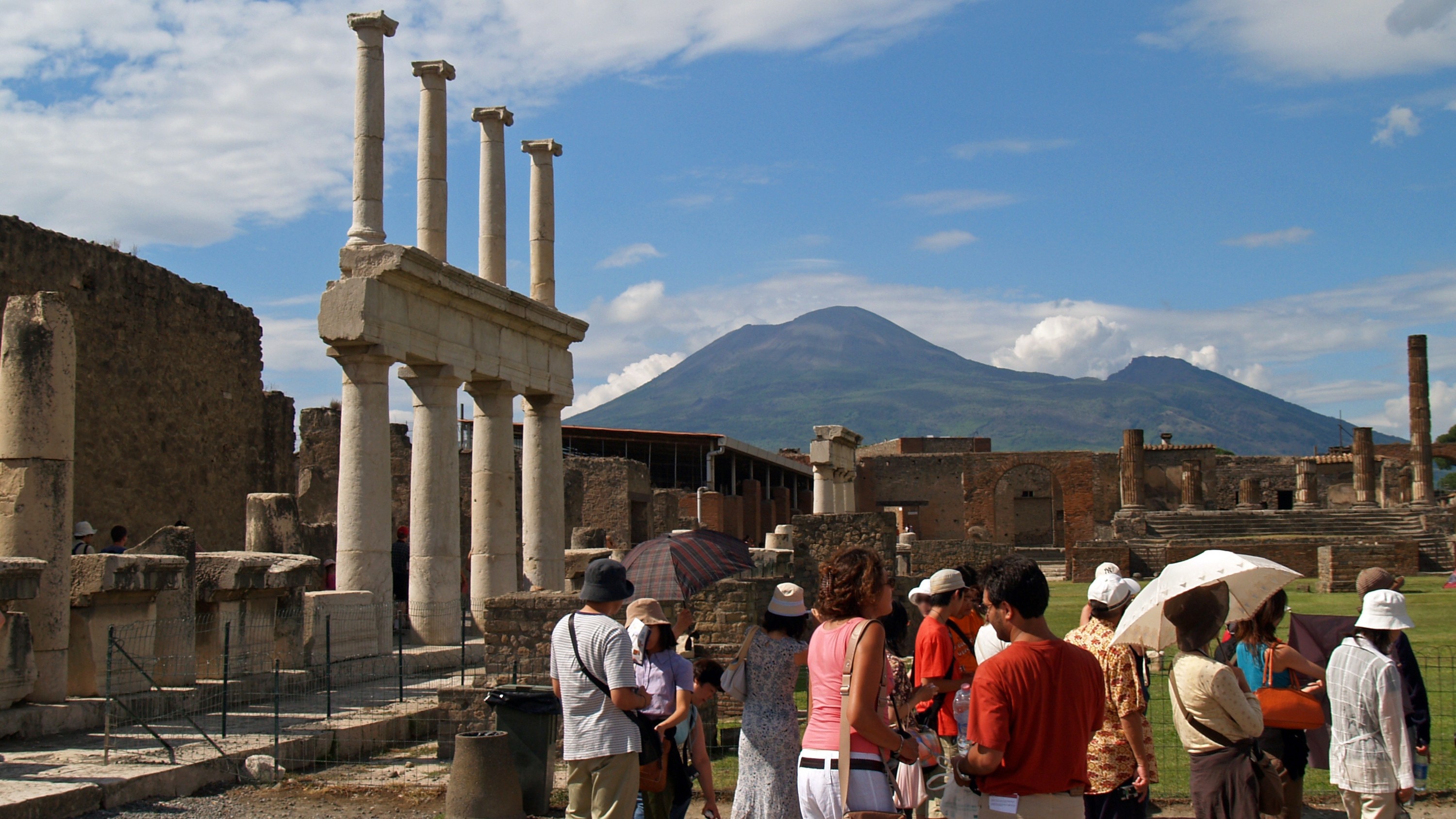
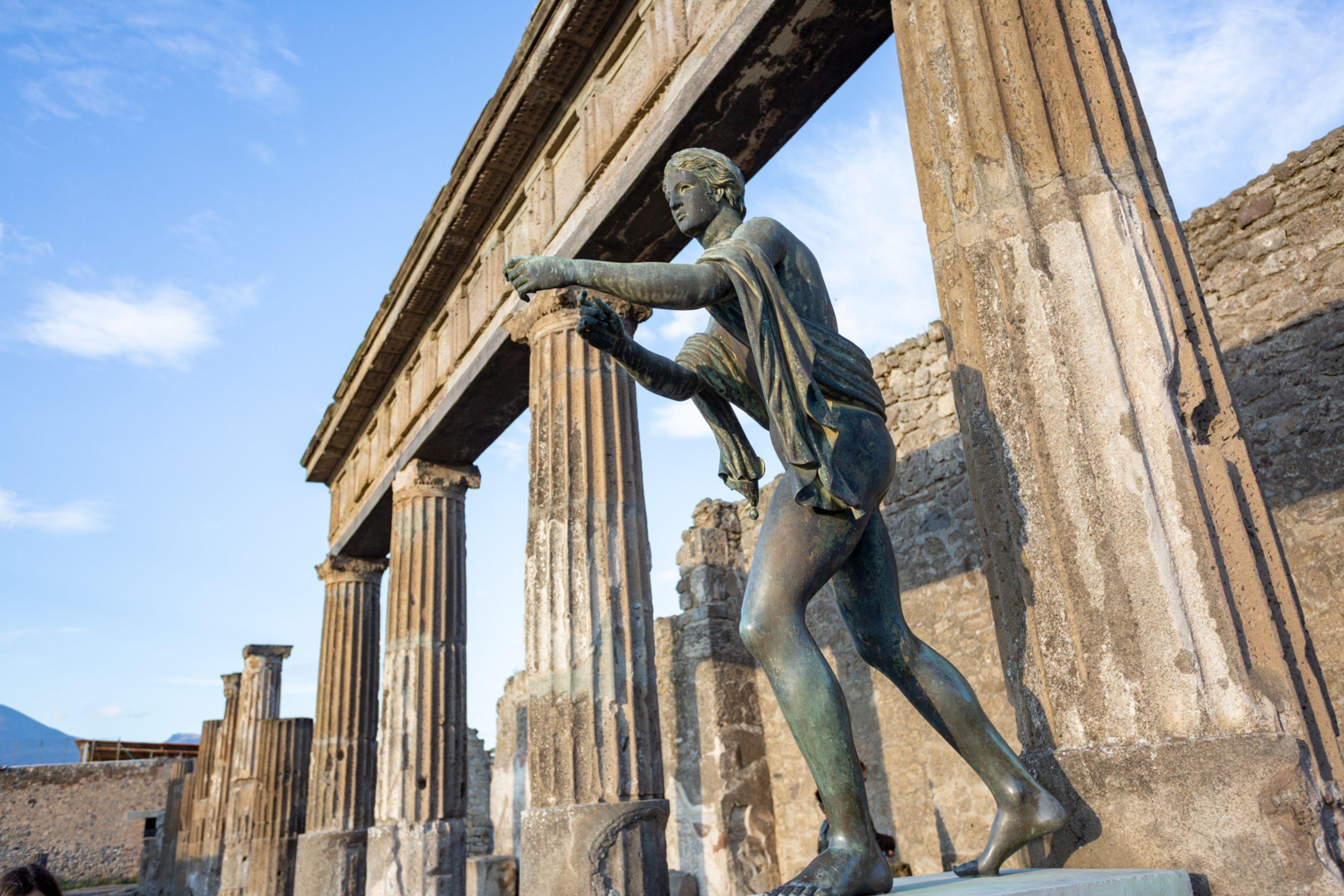
Pompeii is an ancient Roman city near modern-day Naples, famously preserved by volcanic ash from the eruption of Mount Vesuvius in 79 AD. It offers a unique glimpse into Roman life, with remarkably well-preserved ruins and artifacts. The site is a UNESCO World Heritage Site and one of the most visited archaeological sites in the world.
Top Attractions
Pompeii Archaeological Park
The main attraction in Pompeii, this vast archaeological site preserves the ruins of the ancient Roman city buried by the eruption of Mount Vesuvius in 79 AD. It offers a unique glimpse into Roman life and architecture.
Historical
3-5 hours
€18 (full price ticket)
Mount Vesuvius
The volcano that famously destroyed Pompeii offers a scenic hike with panoramic views of the Bay of Naples. The crater is accessible via a short walk from the summit.
Nature
2-3 hours
€10 (entry fee)
Villa of the Mysteries
One of the most famous villas in Pompeii, known for its well-preserved frescoes depicting mysterious rituals. The villa offers insight into the daily life and beliefs of the ancient Romans.
Historical
30-45 minutes
Included in the general admission ticket
Must-Try Local Dishes
Pizza Margherita
A classic Neapolitan pizza topped with tomato sauce, mozzarella cheese, and fresh basil. It is a must-try in the region.
Lunch/Dinner
Contains dairy and gluten
Spaghetti alle Vongole
A traditional Italian dish made with spaghetti, clams, garlic, white wine, and parsley. It is a popular seafood dish in the region.
Lunch/Dinner
Contains seafood and gluten
Sfogliatella
A traditional Neapolitan pastry filled with sweet ricotta cheese and candied fruit. It is a popular dessert in the region.
Dessert
Contains dairy and gluten
Popular Activities
Hiking Mount Vesuvius
Biking in the surrounding countryside
Beach visits in nearby coastal towns
Wine tasting in local vineyards
Visiting museums and historic sites
Attending local festivals and events
Boat tours in the Bay of Naples
Visiting nearby ski resorts
Best Time to Visit
April to June, September to October
The peak season offers comfortable temperatures and fewer crowds compared to the summer months. The weather is ideal for exploring the ruins.
15°C to 28°C
59°F to 82°F
Practical Information
Language
- Official: Italian
- Widely spoken: English, Neapolitan
- English: Moderately spoken
Currency
Euro (EUR)
Time Zone
GMT+1 (Central European Time)
Electricity
230VV, 50HzHz
Safety Information
Overall Safety Rating: Generally safe
Pompeii is generally safe for tourists, but pickpocketing and petty theft can occur in crowded areas. It is important to be aware of your surroundings and take precautions to protect your belongings.
Important Precautions:
- • Keep valuables secure and out of sight
- • Use licensed taxis or ride-sharing services
- • Be cautious of strangers approaching you with petitions or requests for money
Getting there
By air
- Naples International Airport • 20 km (12 miles)
By train
Pompeii Scavi - Villa dei Misteri Station
By bus
Naples, Sorrento, Salerno
Getting around
Public transport
Buses are available in the modern town of Pompeii, but the archaeological site is best explored on foot.
Taxis
Available • Apps: Uber, FreeNow
Rentals
Car, Bike, Scooter
Neighborhoods
Pompeii Town
Ancient Pompeii
Day trips
Naples
25 km (15 miles) • Full day
Naples is a vibrant city known for its rich history, art, and culture. It offers a variety of attractions, including museums, churches, and historic sites.
Sorrento
20 km (12 miles) • Full day
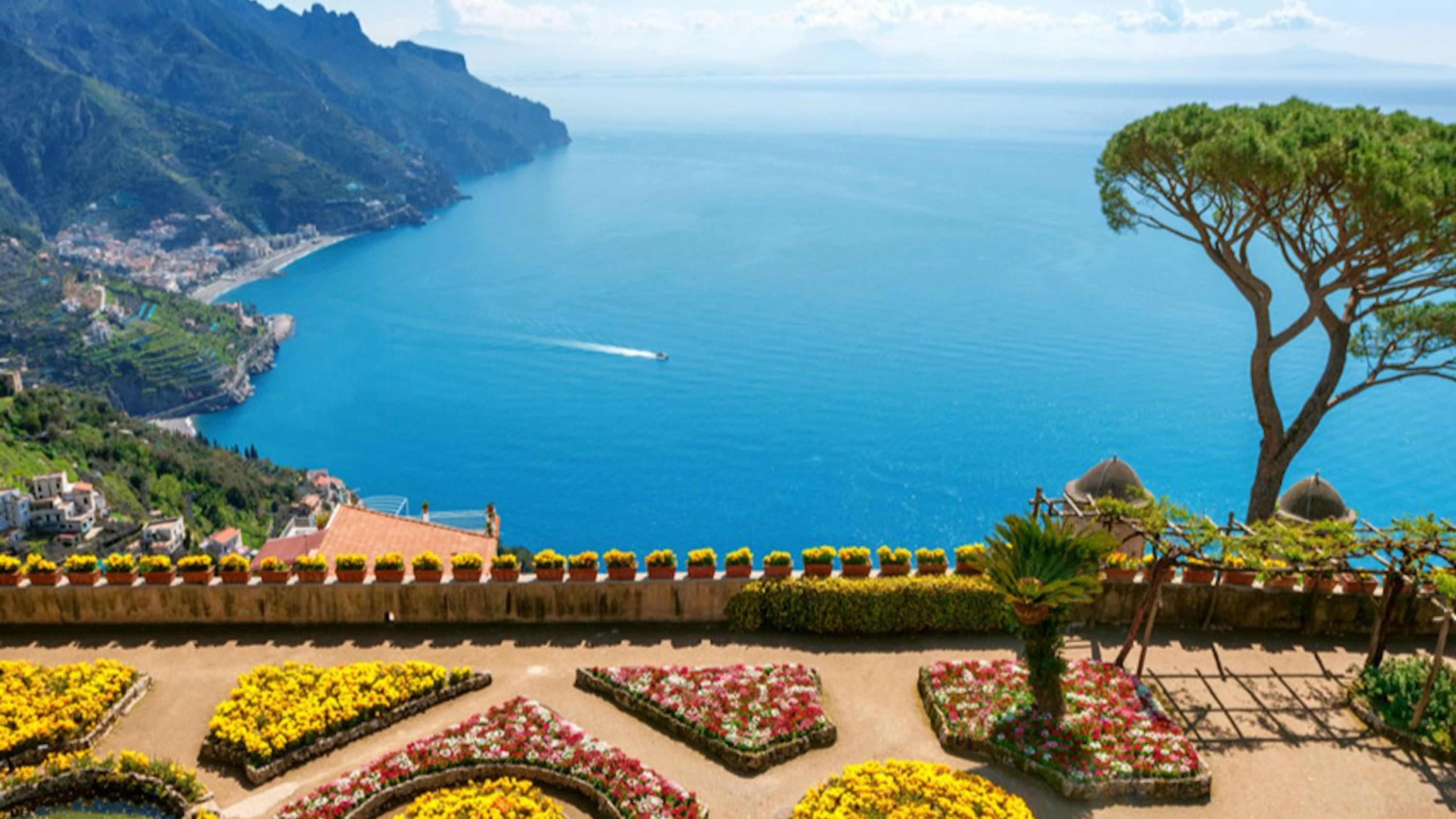
Sorrento is a charming coastal town known for its beautiful views, lemon groves, and traditional crafts. It offers a variety of attractions, including beaches, shops, and restaurants.
Herculaneum
15 km (9 miles) • Half day
Herculaneum is an ancient Roman town that was also buried by the eruption of Mount Vesuvius in 79 AD. It offers a unique glimpse into Roman life and architecture.
Festivals
Festa di San Gennaro • September 19
Pompeii Wine Festival • May
Napoli Teatro Festival • June to July
Pro tips
- Arrive early to the archaeological site to beat the crowds and the heat
- Wear comfortable shoes and bring water and sun protection
- Consider hiring a guide or using an audio guide for a deeper understanding of the site
- Try traditional Neapolitan pizza and other local dishes in Pompeii and the surrounding region
- Visit nearby attractions, such as Naples, Sorrento, and Herculaneum, for a more comprehensive experience
From $25
per person
Price varies by option
Secure booking
Free cancellation available
Instant confirmation