Sintra Private Tour
Active
8h - 9h
For a full refund, cancel at least 24 hours before the scheduled departure time.
Instant confirmation
Mobile or paper ticket accepted
About this experience
A UNESCO World Heritage Site, Sintra is a treasure trove of history, where you can find Bronze Age remains at stations that are off-kilter with Portugal’s history.
Explore Sintra at your own pace.
Photograph the airy Moorish Castle from Pena Palace.
Built-in Wi-Fi keeps you connected with no roaming charges.
Hassle-free round-trip transfers from addresses in Lisbon, Sintra and Cascais.
Available options
PRIVATE TOUR SINTRA
Pickup included
What's included
Water bottle
WiFi on board
Hotel pickup and drop-off
All taxes, fees and handling charges
Private tour
Transport by air-conditioned minivan
All insurance included
Transport by private vehicle
Detailed itinerary
1
Stop 1
Moorish Castle – Sintra
Monuments
Skirting two Sintra mountain ranges, the Moorish Castle dates back to the early days of the Moorish occupation of the Peninsula - the eighth century.
After many attempts, was finally taken by Dom Afonso Henriques first king of Portugal in 1147, and was built the first Christian Chapel of the city, dedicated to St. Peter of Penaferrim.
In the romantic period, in 1860, the walls were restored under the supervision of Dom Fernando II, husband of Dona Maria II, who wooded the surrounding areas, and gave a new dignity to the ancient medieval ruins. Noteworthy is the Moorish Cistern inside and the so-called Royal Tower.
Located about 3.5 km from the historic center of Sintra.
2
Stop 2
Park and National Palace of Pena
Museums and Palaces
Pena National Palace
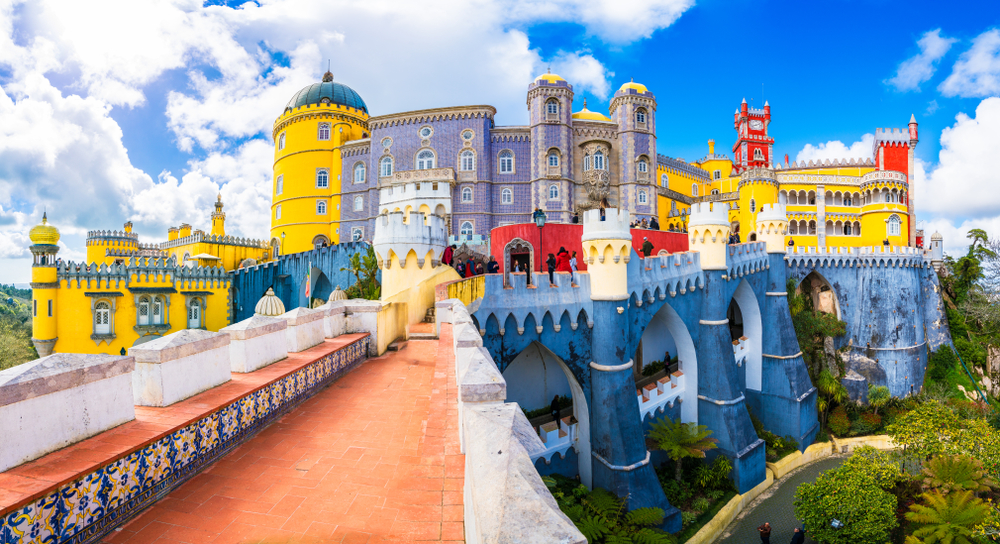
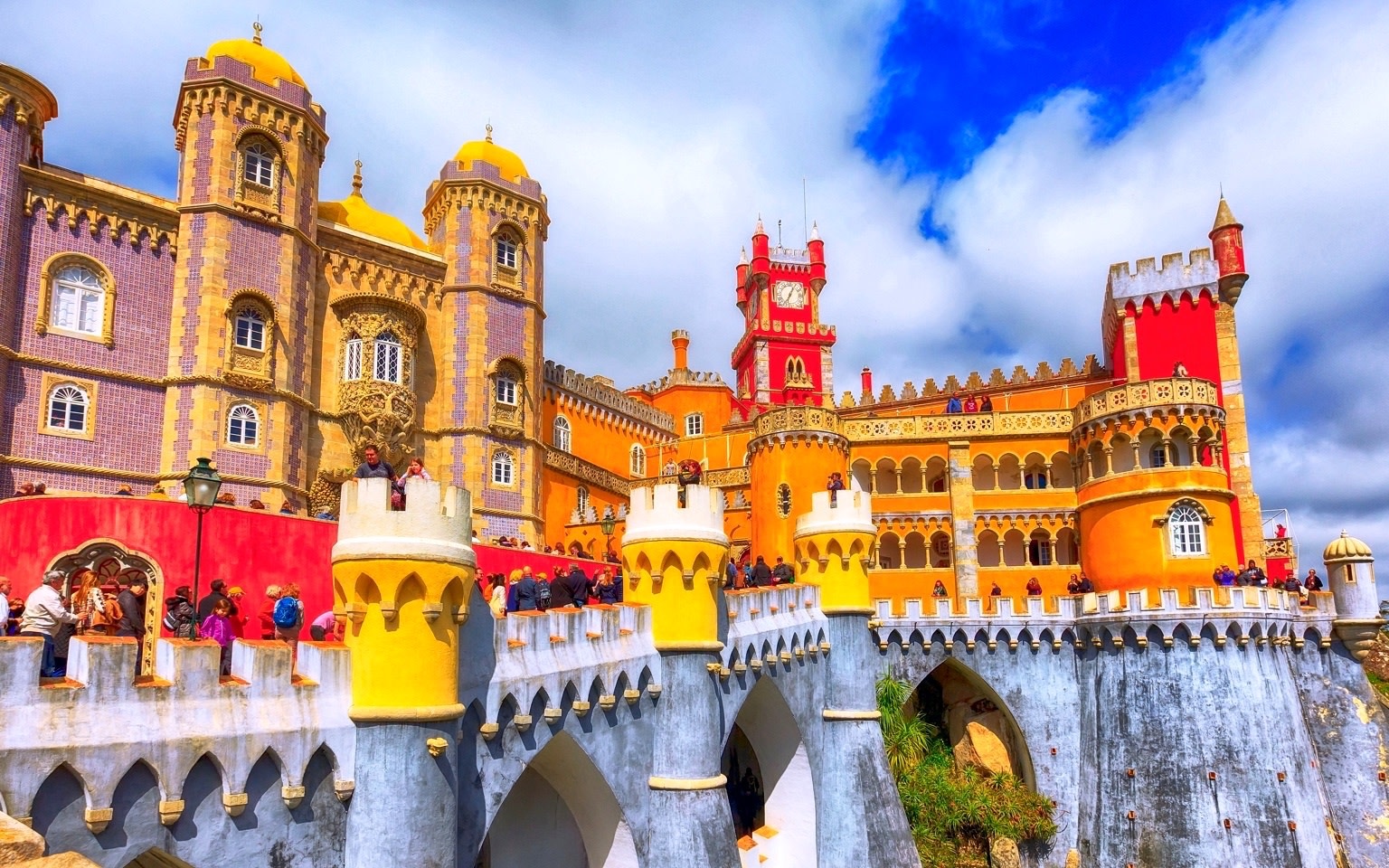
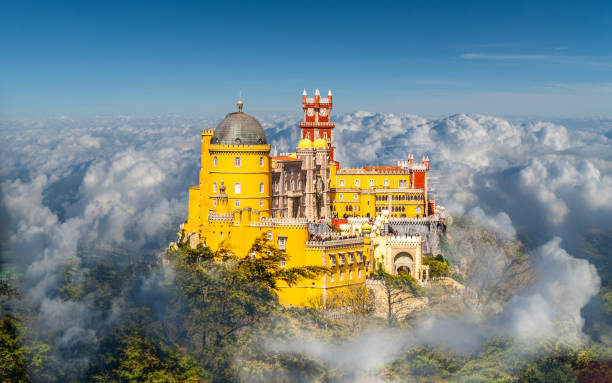
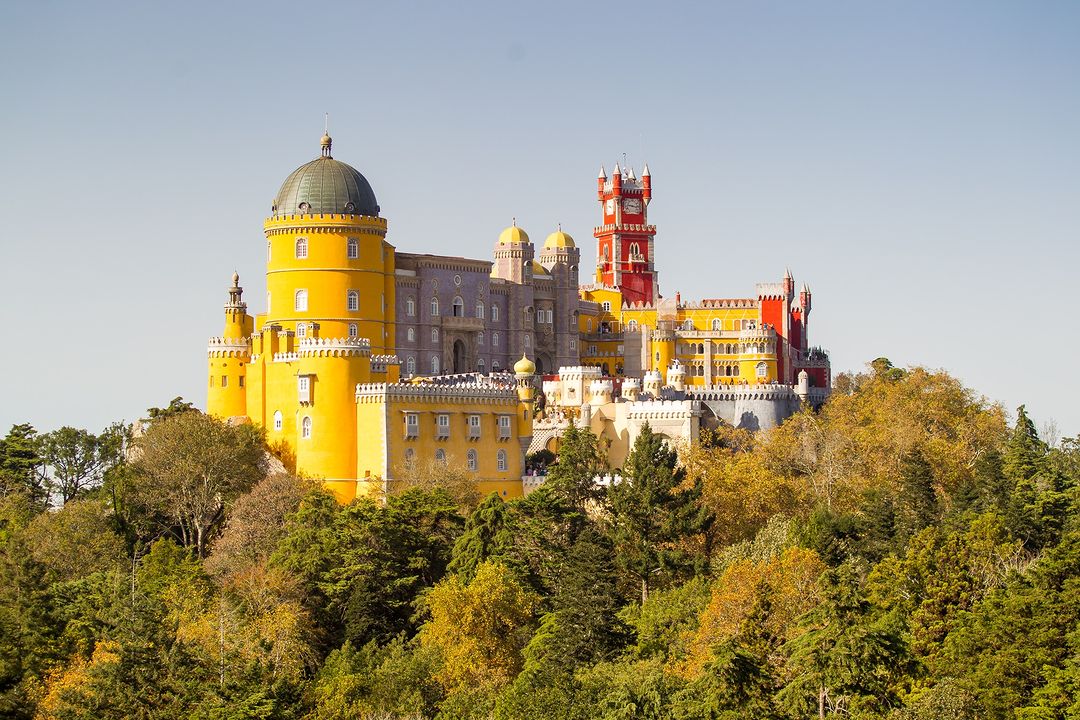
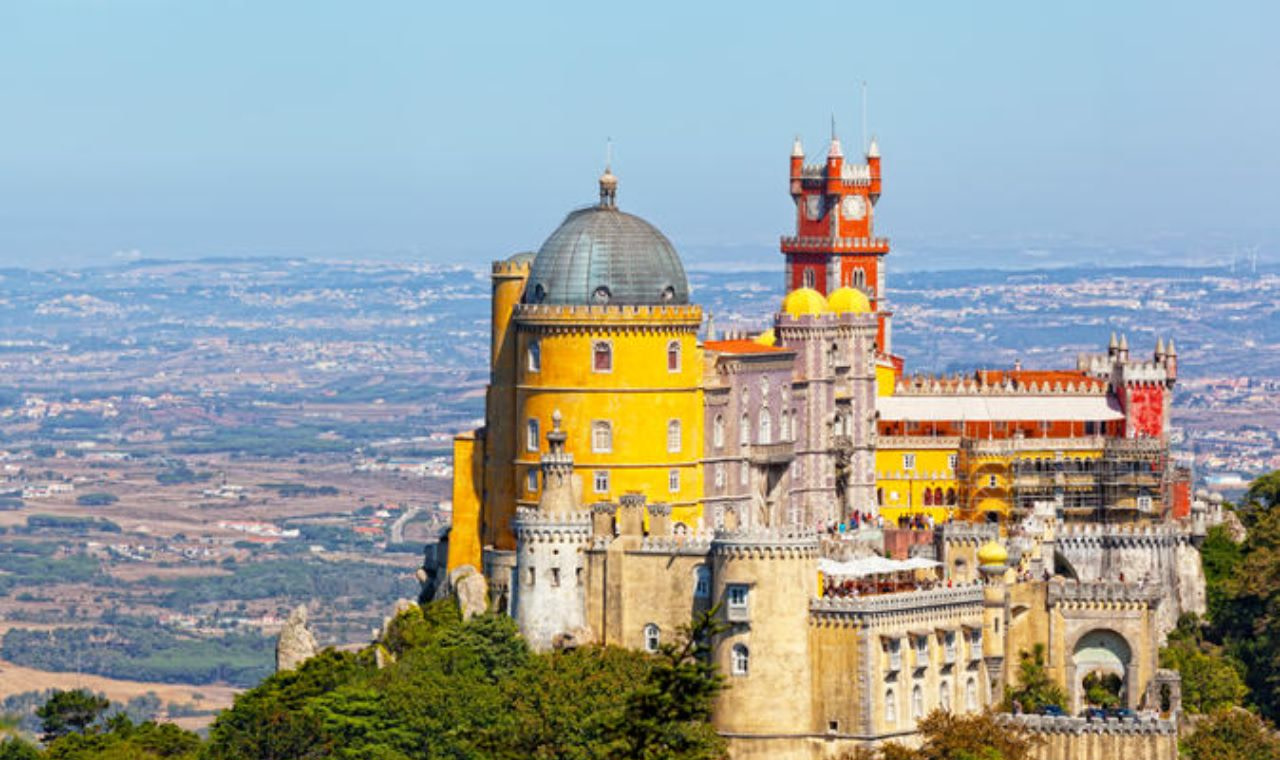
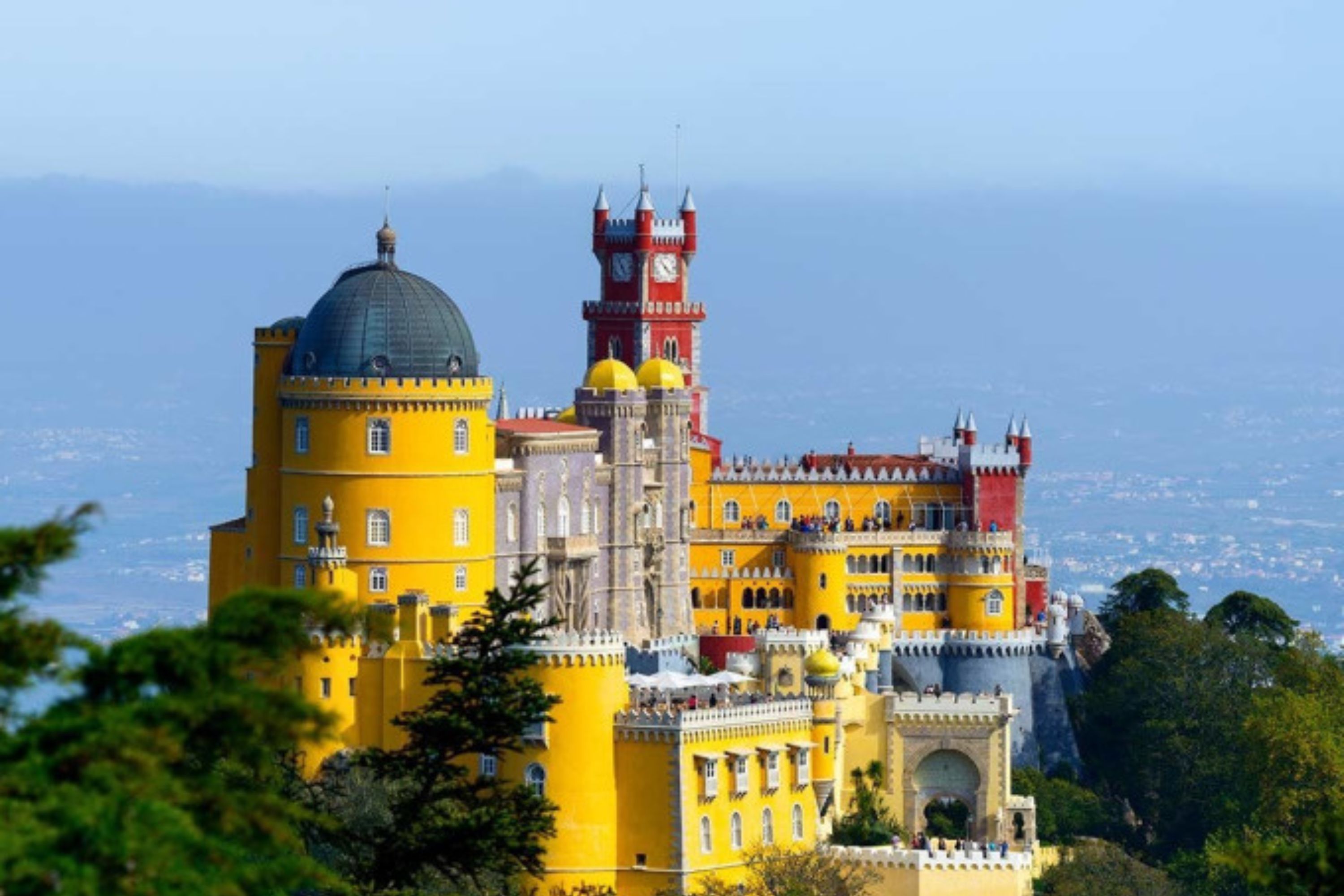
Visit the fantastic Pena Palace exponent of 19th century Romanticism in Portugal. Set on the top of Monte da Pena, the palace was built on the site of a former monastery. Built by D. Fernando de Saxe Coburg-Gotha, who married Queen Dona Maria II in 1836. After falling in love with Sintra, he decided to buy the convent and surrounding lands to build a summer palace for the royal family.
A restaurant has been installed in one of the palace wings, with a terrace offering a beautiful panoramic view over the Sintra Mountains and the coast.
3
Stop 3
Historic Center
Sintra village from the municipal heritage to the world heritage, properly classified by UNESCO, visit the historical center of the romantic village of Sintra, many buildings and remains of various periods and cultural movements remain.
4
Stop 4
Sintra National Palace
Museums and Palaces
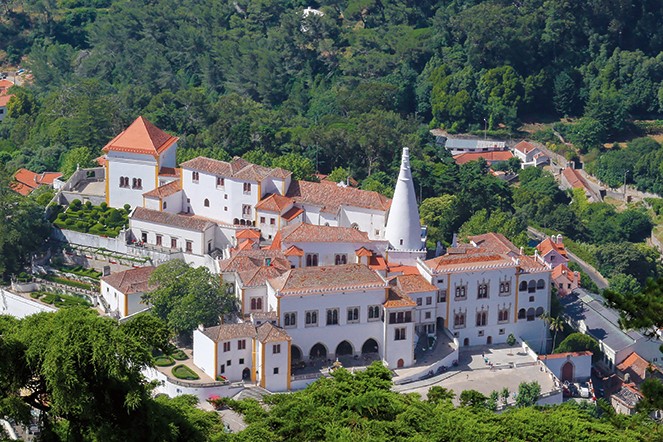
The Sintra National Palace is unique among the royal medieval palaces in Portugal and the most distinguished building in the village of Sintra.
From the first dynasties of the country, Sintra was one of the favorite places of Portuguese kings and queens, although the palace we can see today was an initiative of Dom João I, who rebuilt it, and Dom Manuel I, which enriched the building's decorative character. and added a new wing.
Visit the interior of the palace, where you will surely discover a little more about the history of Portugal. The decoration is quite remarkable, being a combination of various artistic styles that depended on the respective tastes of the kings who lived here, and designed to give the various rooms different names. In particular, it draws visitors' attention to the Swan Room, the Armory Room, the Magpie or the Reading Room and the chapel.
Outside, the palace's most striking and distinctive feature is the kitchen's two large conical chimneys, each measuring 33 meters in height, now adopted as the symbol of Sintra.
5
Stop 5
Palace and Quinta da Regaleira
Museums and Palaces
Very close to the historic center of Sintra is Quinta da Regaleira, one of the most enigmatic sights of Sintra.
Quinta da Regaleira was built in the early twentieth century by millionaire Antonio Augusto Carvalho Monteiro (1848-1920), who managed to realize one of his dreams here with the help of scenographic architect Luigi Manini (1848-1936). Surrounded by lush greenery, Palácio da Regaleira is a fascinating discovery.
The palace was built in a romantic revivalist style, imitating Gothic, Manueline and Renaissance architectural and decorative forms, mixed with mythical and esoteric symbolism.
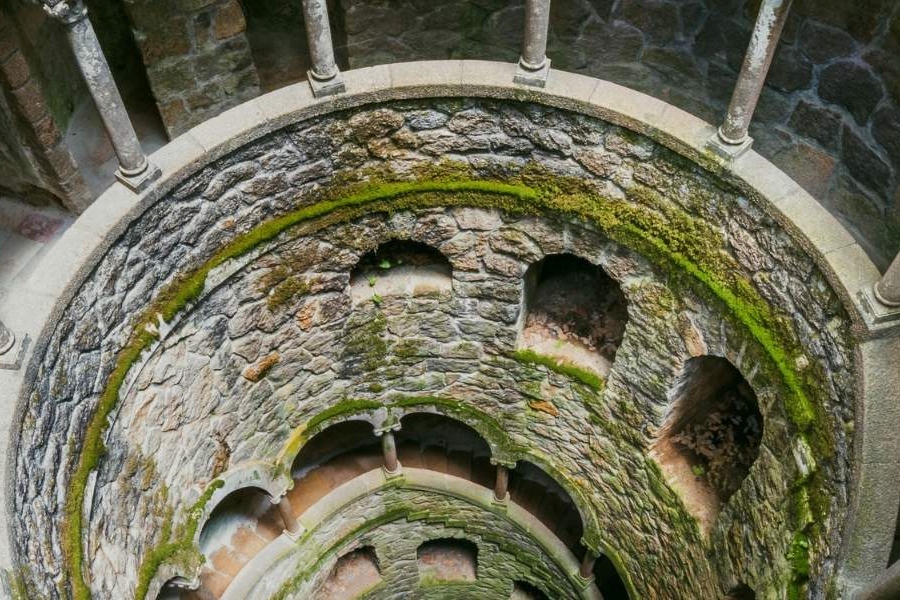
A special mention is reserved for the Holy Trinity Chapel, where visitors can take a spiral staircase down to the crypt to discover the monumental initiation pit that, deep down, leads through a cave to an amazing lake hidden in the middle of the gardens. .
6
Stop 6
Museums and Palaces
Park and Palace of Monserrate
This fantastic Romantic park was created by William Beckford, who fell in love with the Sintra Mountain.
What's not included
Tickets
Food and drinks
Available languages
Guide guide
PT
EN
FR
ES
Reviews breakdown
Viator
4.5
27 reviews
5★
20
4★
2
3★
4
2★
1
1★
0
Tripadvisor
5.0
1 reviews
5★
1
4★
0
3★
0
2★
0
1★
0
Important information
Infants and small children can ride in a pram or stroller
Public transportation options are available nearby
Infants are required to sit on an adult’s lap
Specialized infant seats are available
Suitable for all physical fitness levels
Children must be accompanied by an adult
Important notes
• Dress code is smart casual
• Comfortable walking shoes are recommended
About Sintra
Sintra is a picturesque town on the Portuguese Riviera, known for its 19th-century Romanticist castles, palaces, and lush gardens. This UNESCO World Heritage site offers a fairytale-like atmosphere with its unique blend of history, architecture, and natural beauty.
Top Attractions
Pena Palace
A 19th-century Romanticist palace perched on a hilltop, known for its vibrant colors and eclectic architectural styles.
Historical/Architecture
2-3 hours
€14 (adult ticket)
Quinta da Regaleira
A mystical estate with lush gardens, hidden tunnels, and the famous Initiation Well.
Historical/Architecture
1-2 hours
€10 (adult ticket)
Moorish Castle
A medieval castle with origins dating back to the 8th century, offering stunning views and a glimpse into Sintra's past.
Historical
1-2 hours
€8 (adult ticket)
Praia da Adraga
A beautiful beach with golden sand and dramatic cliffs, perfect for a relaxing day by the sea.
Beach
Half-day
Free
Monserrate Palace
A stunning 19th-century palace set in a lush, romantic garden, showcasing a blend of Gothic, Moorish, and Indian architectural styles.
Historical/Architecture
1-2 hours
€8 (adult ticket)
Must-Try Local Dishes
Trajana
A traditional pastry filled with various ingredients like meat, cheese, or sweets.
Snack
Can be vegetarian or vegan depending on filling.
Bacalhau à Brás
A classic Portuguese dish made with shredded cod, eggs, and thinly fried potatoes.
Main course
Contains fish and eggs.
Pastel de Nata
A famous Portuguese custard tart with a flaky pastry crust.
Dessert
Contains dairy and eggs.
Sardinhas Assadas
Grilled sardines, a popular dish in coastal regions.
Main course
Contains fish.
Popular Activities
Hiking in the Sintra-Cascais Natural Park
Surfing at Praia da Adraga
Beach relaxation
Wine tasting
Visiting historic palaces and castles
Exploring local markets
Swimming and sunbathing at local beaches
Visiting museums and indoor attractions
Best Time to Visit
April to June, September to October
These months offer the best weather with pleasant temperatures and fewer tourists compared to the summer peak.
15°C to 25°C
59°F to 77°F
Practical Information
Language
- Official: Portuguese
- Widely spoken: English, Spanish, French
- English: Moderately spoken in tourist areas, limited elsewhere
Currency
Euro (EUR)
Time Zone
GMT+1 (WET), GMT+2 (WEST during daylight saving time)
Electricity
230VV, 50HzHz
Safety Information
Overall Safety Rating: Generally safe
Sintra is a safe destination for travelers, with low crime rates and a welcoming atmosphere.
Important Precautions:
- • Keep valuables secure in crowded areas
- • Use licensed taxis or ride-sharing apps
- • Be cautious when using ATMs at night
Getting there
By air
- Lisbon Portela Airport • 28 km
By train
Sintra Station
By bus
Lisbon Sete Rios Bus Station
Getting around
Public transport
Trains are the most efficient way to get around Sintra and its attractions.
Taxis
Available • Apps: Uber, Bolt
Rentals
Car, Bike, Scooter
Neighborhoods
Town Center
Park of Pena
Colares
Day trips
Cascais
20 km • Half day
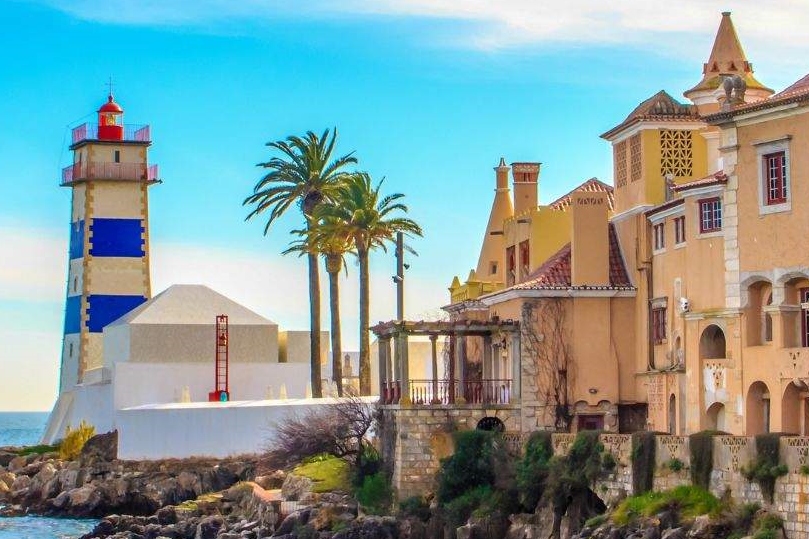
A charming coastal town known for its beaches, historic center, and vibrant atmosphere.
Lisbon
30 km • Full day
Portugal's capital city offers a rich history, vibrant culture, and diverse attractions.
Cabo da Roca
25 km • Half day
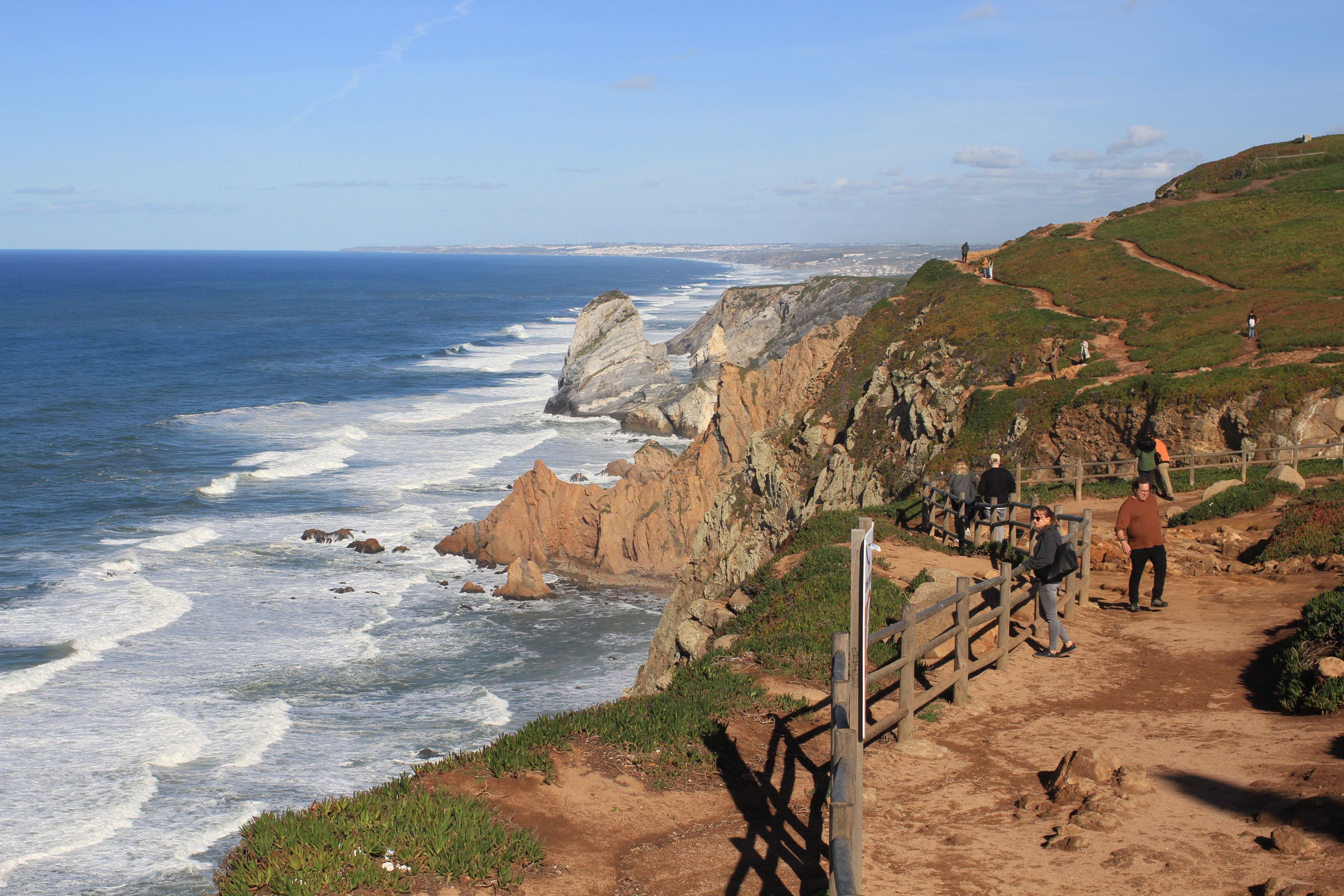
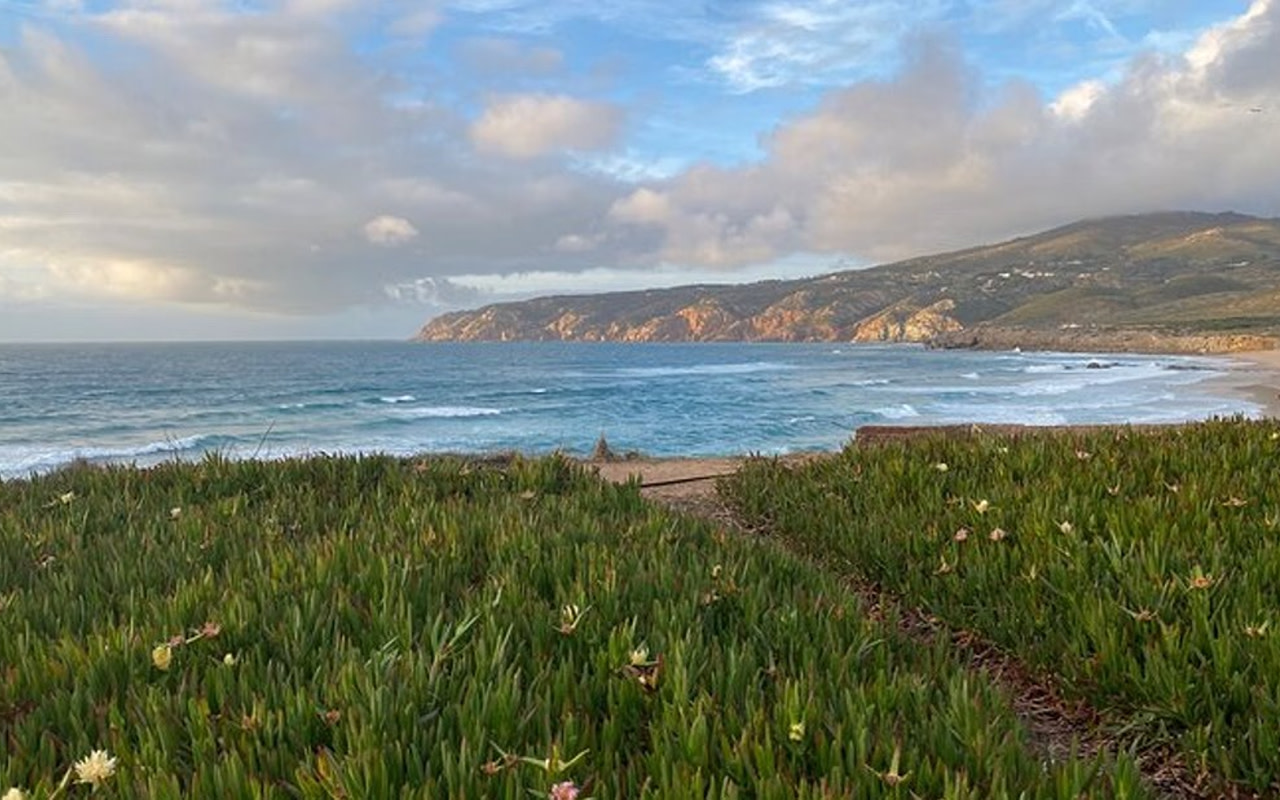
The westernmost point of mainland Europe, offering stunning coastal views and dramatic cliffs.
Festivals
Sintra Music Festival • June to September
Sintra Halloween • October
Sintra Christmas Market • December
Pro tips
- Visit Pena Palace early in the morning to avoid crowds.
- Explore the town on foot to discover hidden gems and charming streets.
- Try local pastries like Pastel de Nata and Trajана for an authentic taste of Sintra.
- Use the Viva Viagem card for convenient and discounted public transportation.
- Book tickets for popular attractions in advance to avoid long queues.
From $25
per person
Price varies by option
Secure booking
Free cancellation available
Instant confirmation