Private Tour Lisboa
Active
8h - 9h
For a full refund, cancel at least 24 hours before the scheduled departure time.
Instant confirmation
Mobile or paper ticket accepted
About this experience
This is the capital of Portugal, we, Portuguese, love our history and culture, so come with us and discover: 'The city of the seven hills'.
Available options
Private Tour Lisboa
Pickup included
What's included
WiFi on board
Hotel pickup and drop-off
All taxes, fees and handling charges
Private tour
Bottled water
All insurance included
Transport by private vehicle
Detailed itinerary
1
Stop 1
Mosteiro dos Jerónimos
Monuments
On the banks of the Tagus is an apogee of Manueline architecture.
In the spot where the Jerónimos Monastery stands today, next to the old Belém beach, was originally a small hermitage dedicated to Santa Maria that had been built by the Infante D. Henrique, in 1452. At the start of the 16th century King Manuel I’s intention to have a large monastery erected there was acknowledged by the Holy See, and which was donated to the Order of the Friars of St. Jerome. The epitome of Manueline architecture and intrinsically linked to the Discoveries, this monastery is the most remarkable Portuguese monastic ensemble of its time and one of the main European churches.
2
Stop 2
Pastéis de Belém
At the beginning of the Nineteenth Century, in Belém, next to Mosteiro dos Jerónimos (the Heironymite Monastery) there was a sugar cane refinery attached to a small general store. As a result of the 1820 liberal revolution, all convents and monasteries in Portugal were shut down in 1834, the clergy and labourers expelled.
In an attempt at survival, someone from the monastery offered sweet pastries for sale in the shop; pastries that rapidly became known as ‘Pastéis de Belém’.
At that period the area of Belém was considered far from the city of Lisbon and mainly accessed by steam-boats. At the same time, the grandeur of the monastery and the Torre de Belém (the Belém Tower) attracted visitors who soon grew used to savouring the delicious pastries originated in the monastery.
3
Stop 3
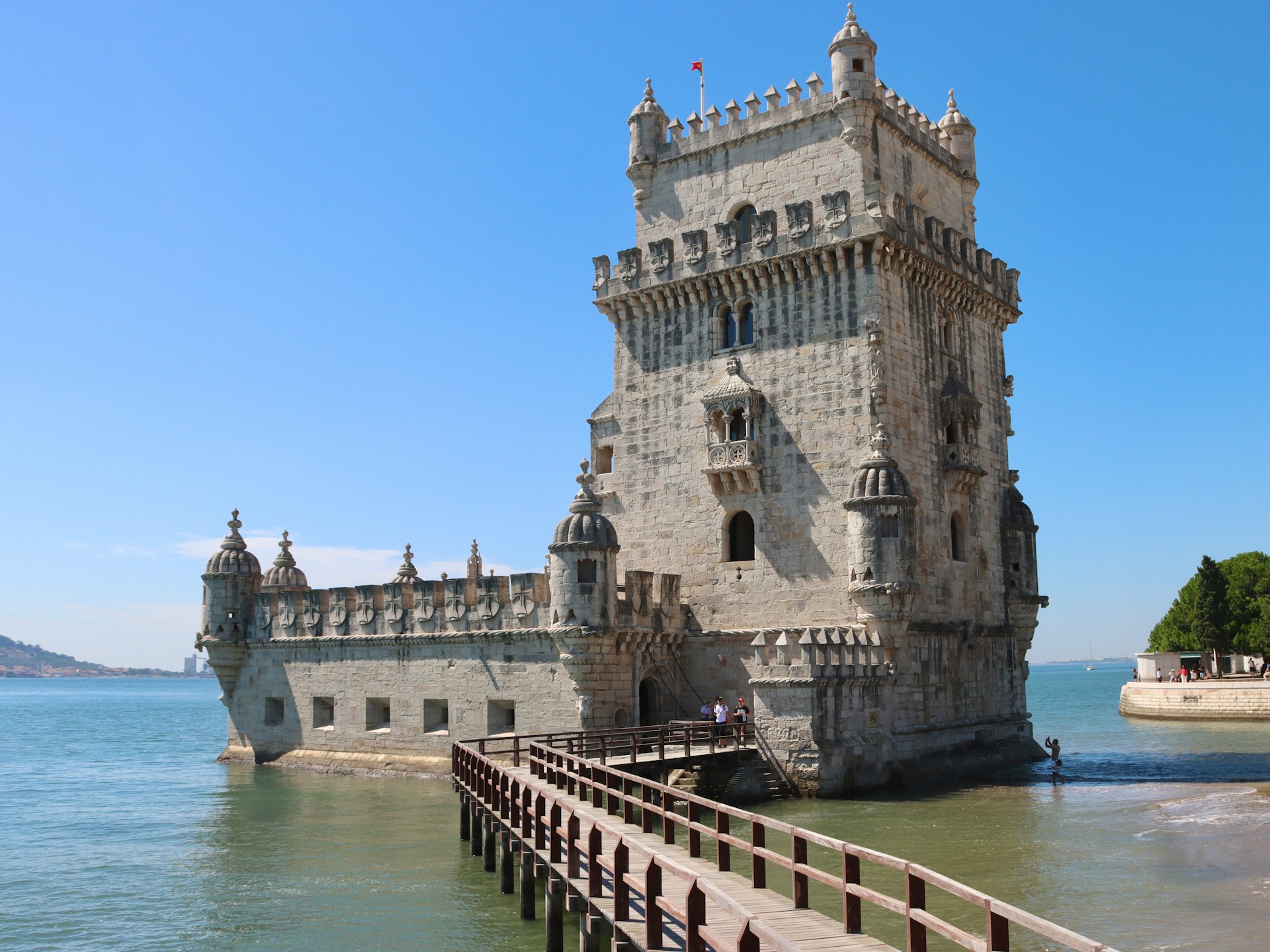
Torre de Belém
Monuments
The harmony and delicate ornamentation of the Tower of Belém suggests a finely cut jewel to all laying eyes on her. a formidable and imposing bastion defending the entrance to the Tagus and capable of combining firepower with the St Sebastian tower on the other bank of the river. Its construction was ordered by king Manuel I (1495-1521) and it was built by Francisco de Arruda between 1514 and 1521. The tower was built on a basalt island that was close to the right bank of the Tagus in front of Restelo beach. However, with the gradual change in the course of the river, the tower has ended practically swallowed up by the bank.
In 1983, the Tower of Belém was classified World Heritage by UNESCO.
4
Stop 4
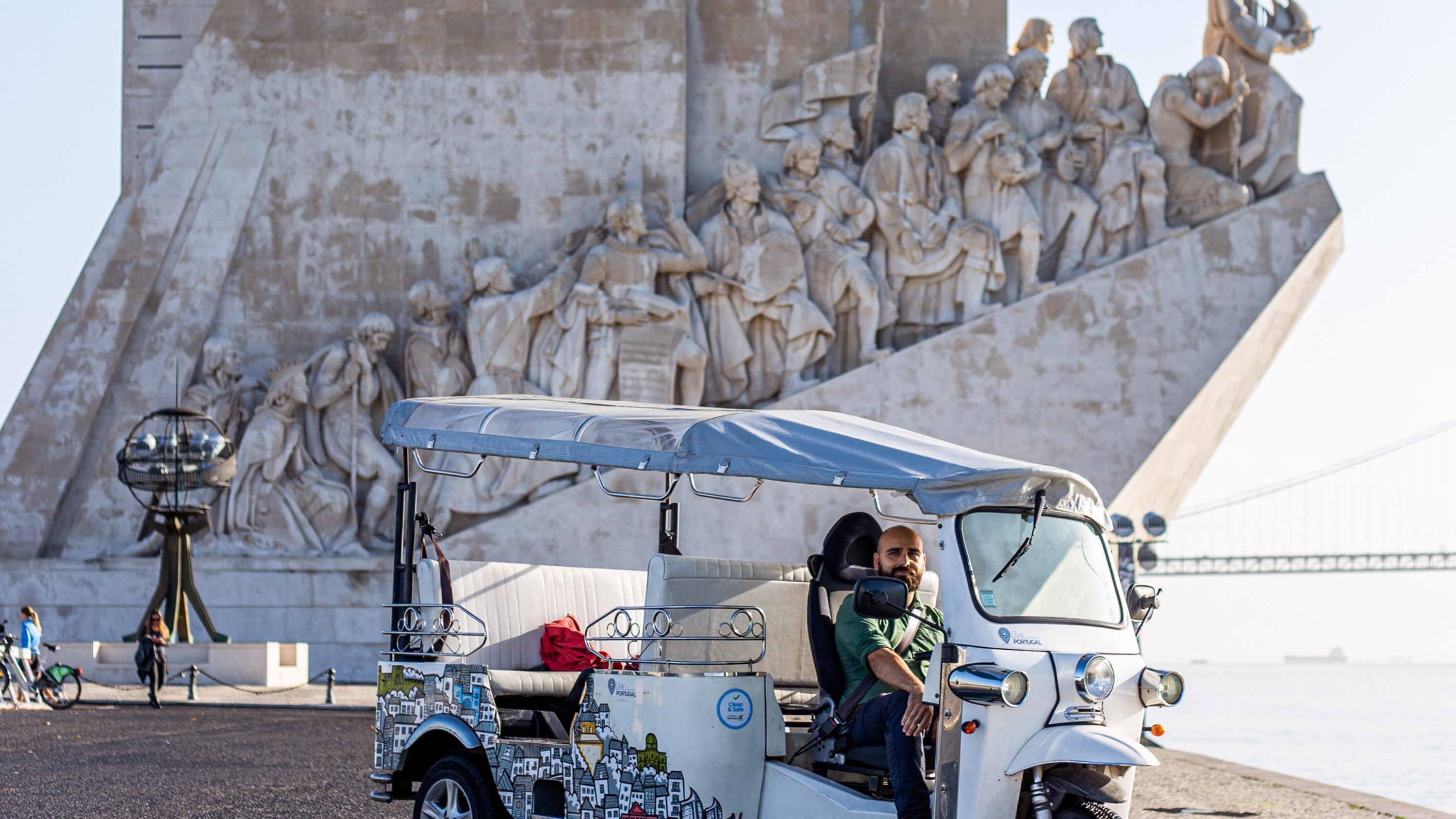
Padrão dos Descobrimentos
Monuments
The imposing Monument to the Discoveries stamps its mark on the riverside at Belém. It was designed in 1940 to commemorate the "Exposition of the Portuguese World", promoted by the Salazar government to celebrate the eighth and third centenaries of the founding and restoration of the Portuguese nation (1140 and 1640 respectively). However, it was only built in 1960 for commemorations marking 500 years since the death of Prince Henry the Navigator.
5
Stop 5
Parque Eduardo VII
Gardens, Parks and Forests
The Eduardo VII Park lies in the north from Avenida da Liberdade, and offers panoramic views over the city. Originally known as Parque da Liberdade, the gardens were rechristened with the name of the British King Edward VII on his visit to Lisbon in 1903.
6
Stop 6
Rossio Square
Reborn out of the wreckage of the 1755 earthquake, this lovely Lisbon square marks the northern reach of the Pombaline Downtown. It stretches out in a quadrilateral form dominated by the neo-classical harmony of the D. Maria II Theatre, built on the site of the former House of the Inquisition.
7
Stop 7
Praça do Comércio
This is one of the most beautiful squares in all Europe, opening southwards onto the huge Tagus estuary.
Until the era of mass aviation, this was Lisbon´s great reception hall for visitors arriving by sea even better able to enjoy its beauty from their vantage points on slowly docking vessels.
It was at the dock here that the Kings and Heads of State would disembark when visiting Portugal.
8
Stop 8
Pass by
Sé Catedral de Lisboa
Monuments
Dedicated to the Mother of God since 1147.
Dedicated to the Mother of God, Lisbon Cathedral is one of the city's gems and one of the most significant monuments in the country, due to its historical, religious and artistic value. Its construction began in 1147, when the first king of Portugal, D. Afonso Henriques, reconquered the city from the Moors. It was built on a Muslim mosque - which in turn, as the archaeological excavations confirmed, had been built on a previous Visigothic Christian temple.
9
Stop 9
Pass by
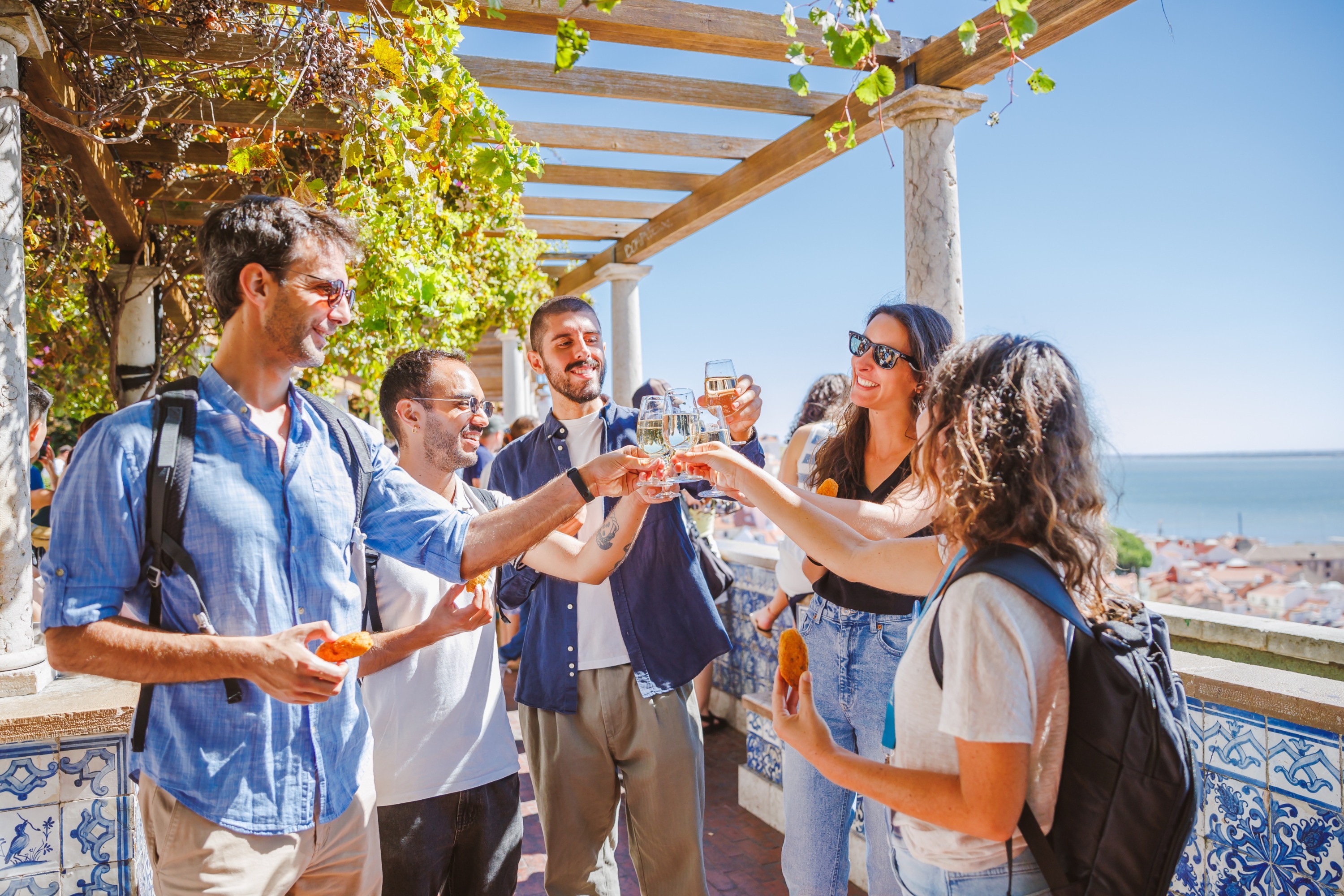
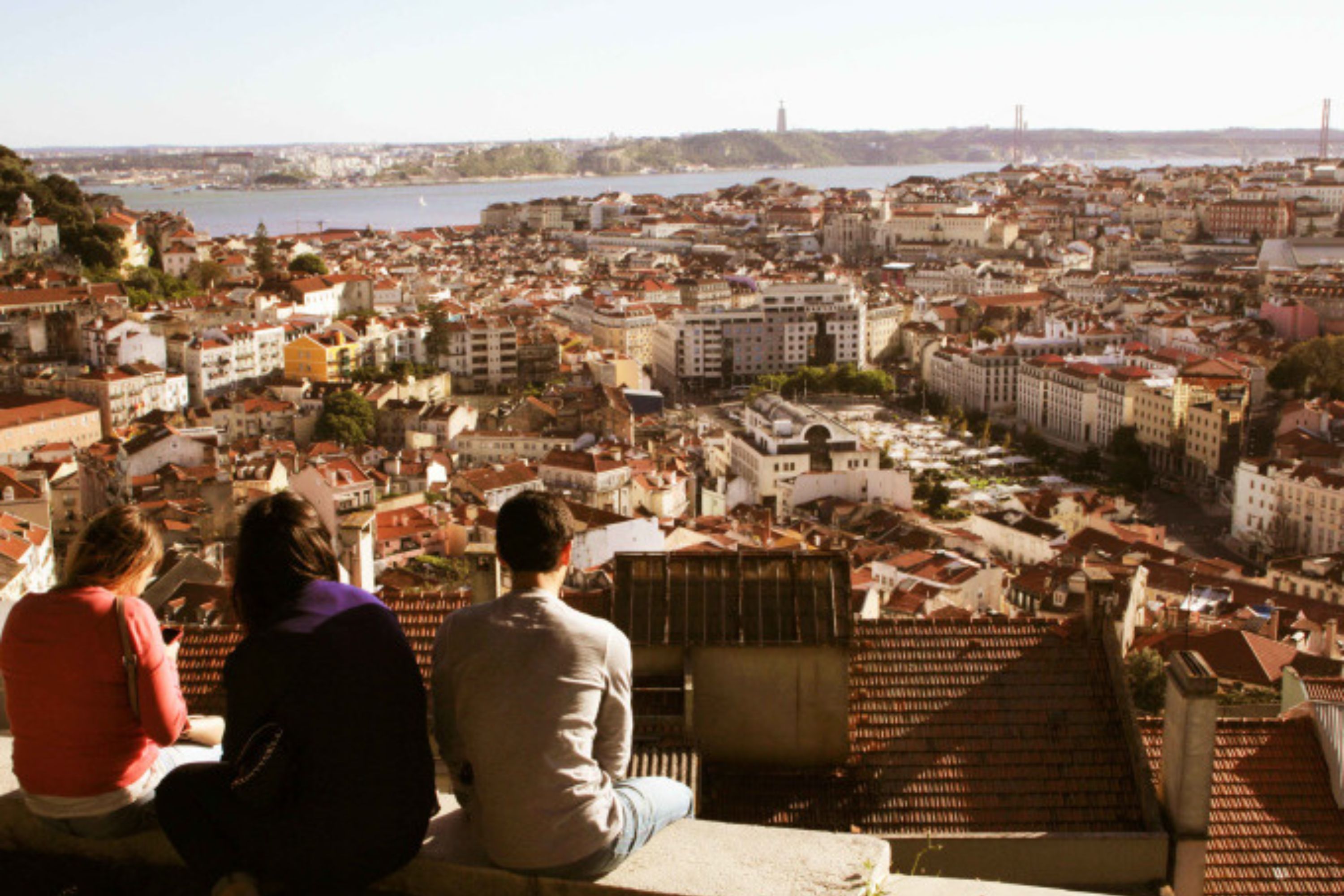
The Mirador de Santa Luzia has a wide view over Alfama and the Tagus River. The characteristic points, from left to right, are the dome of Santa Engrácia, the Church of Santo Estêvão and the two white towers of the Church of São Miguel.
The south wall of Santa Luzia has two modern panels of tiles, one of the Praça do Comércio before the earthquake and another with the Christians attacking the castle of St. George by António Quaresma and manufactured at the Lamego Widow Factory.
Here is the Church of Santa Luzia and São Brás, head of the old commendation of St. Brás of the Lisbon term and current national seat of the Assembly of Portuguese Knights of the Sovereign Military Order of Malta.
10
Stop 10
Mirador de Senhora do Monte is located in the parish of São Vicente (Graça), in Lisbon.
The belvedere develops in front of the Chapel of Our Lady of the Mount. From it you can see, to the south, the sea of the Straw, the Castle of São Jorge, part of the Baixa of Lisbon and the estuary of the Tagus river, to the west, from the Bairro Alto to the Forestry Park of Monsanto and to the north , the valley of Avenida Almirante Reis.
Next to this belvedere is the small old Hermitage of Our Lady of Monte (classified as Property of Public Interest), founded in 1147 and consecrated to St. Gens, bishop who second the tradition here was martyred. It was in this ancient Monte de São Gens that D. Afonso Henriques installed the camp to conquer the city.
The belvedere is in the churchyard of the small hermitage and was twice refurbished in the twentieth century. Being located in the highest point of the Graça Quarter, it is one of the places with the best panoramic view of the city, especially on the Mouraria and the Castle of São Jorge
What's not included
Food and drinks
Tickets
Available languages
Guide guide
PT
EN
FR
ES
Reviews breakdown
Tripadvisor
3.5
2 reviews
5★
1
4★
0
3★
0
2★
1
1★
0
Important information
Wheelchair accessible
Infants and small children can ride in a pram or stroller
Public transportation options are available nearby
Specialized infant seats are available
Transportation options are wheelchair accessible
Not recommended for travelers with poor cardiovascular health
Suitable for all physical fitness levels
Dress code is smart casual
May be operated by a multi-lingual guide
A current valid passport is required on the day of travel
Children must be accompanied by an adult
Important notes
Dress code is smart casual
Comfortable walking shoes are recommended
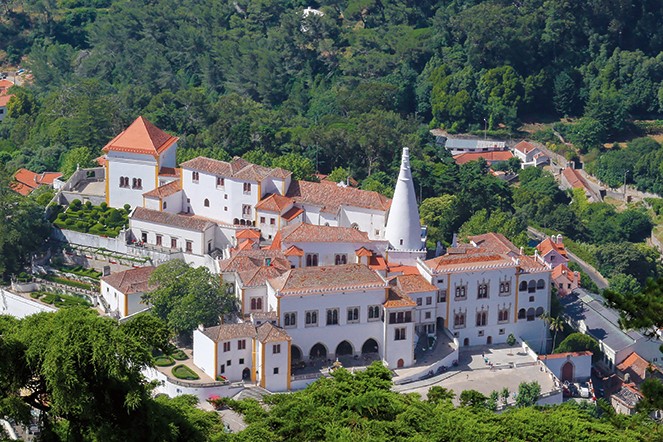
About Sintra
Sintra is a picturesque town on the Portuguese Riviera, known for its 19th-century Romanticist castles, palaces, and lush gardens. This UNESCO World Heritage site offers a fairytale-like atmosphere with its unique blend of history, architecture, and natural beauty.
Top Attractions
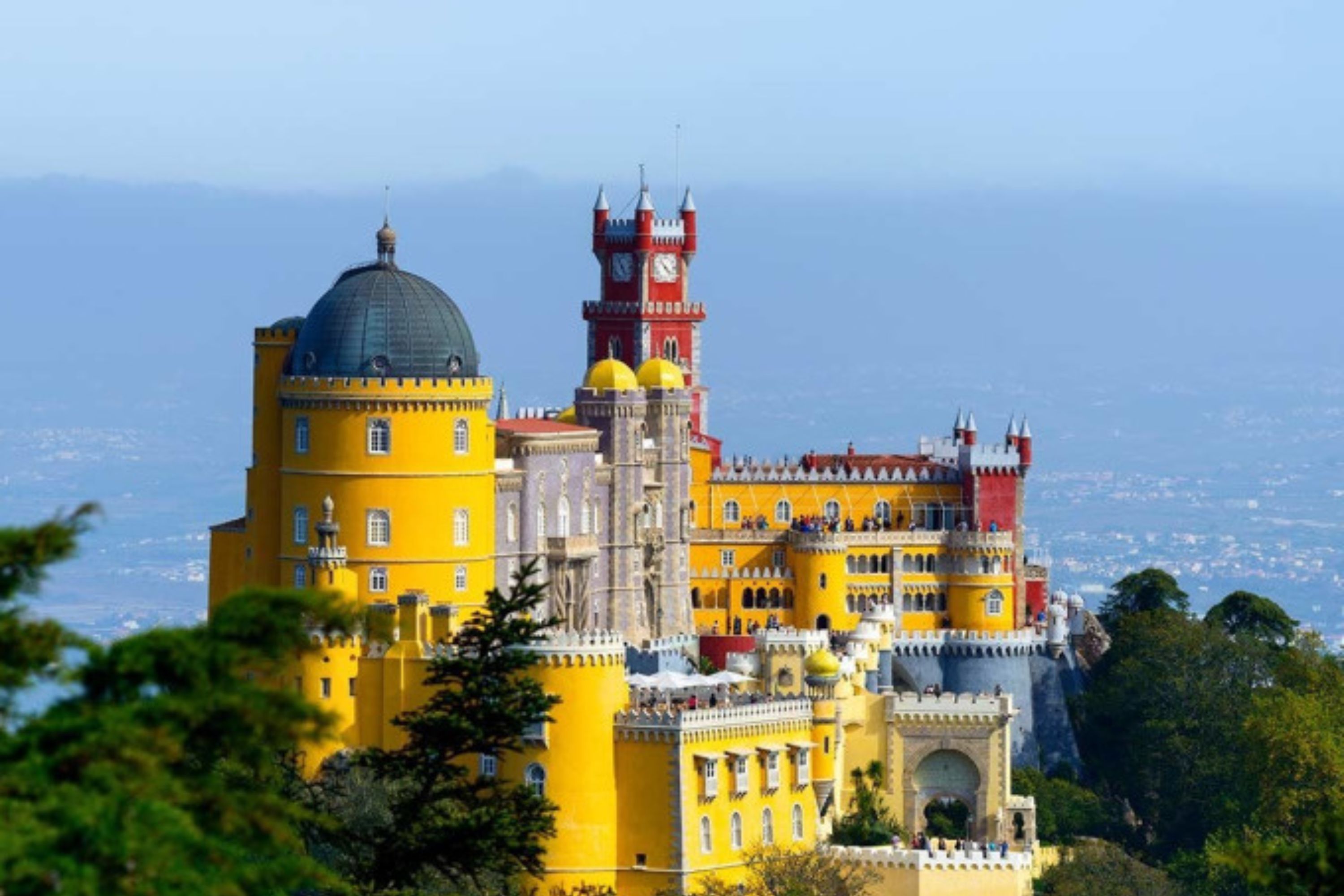
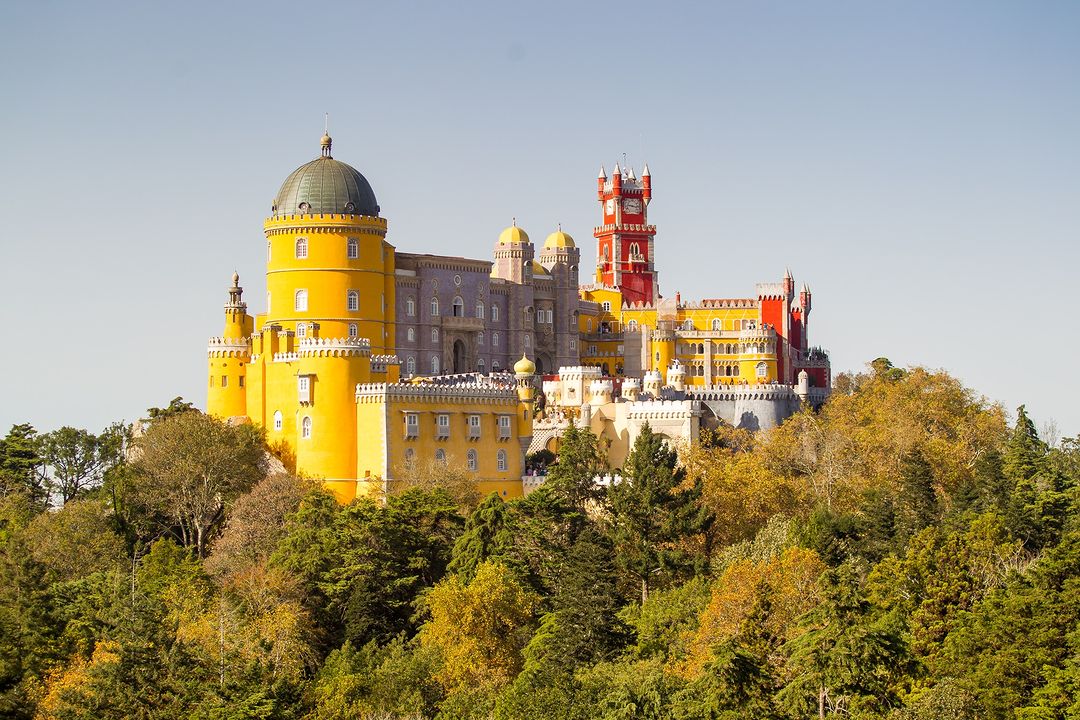
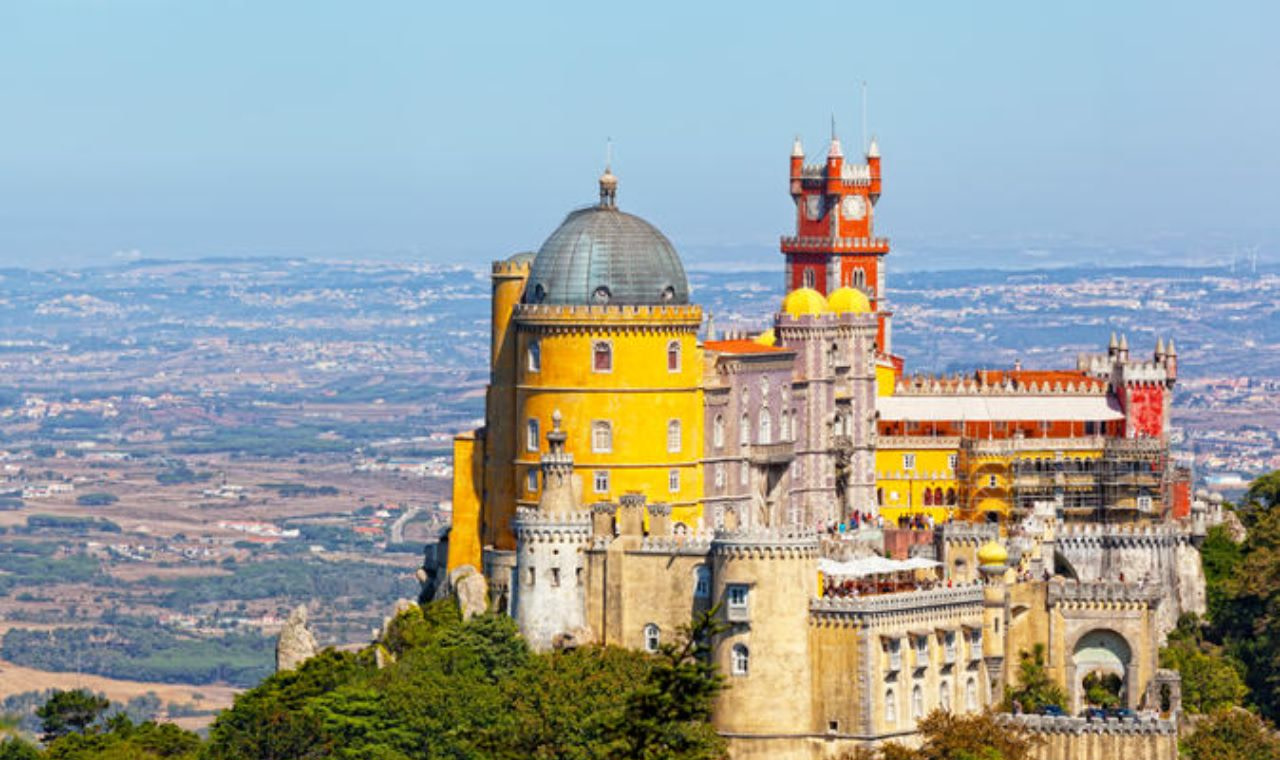
Pena Palace
A 19th-century Romanticist palace perched on a hilltop, known for its vibrant colors and eclectic architectural styles.
Historical/Architecture
2-3 hours
€14 (adult ticket)
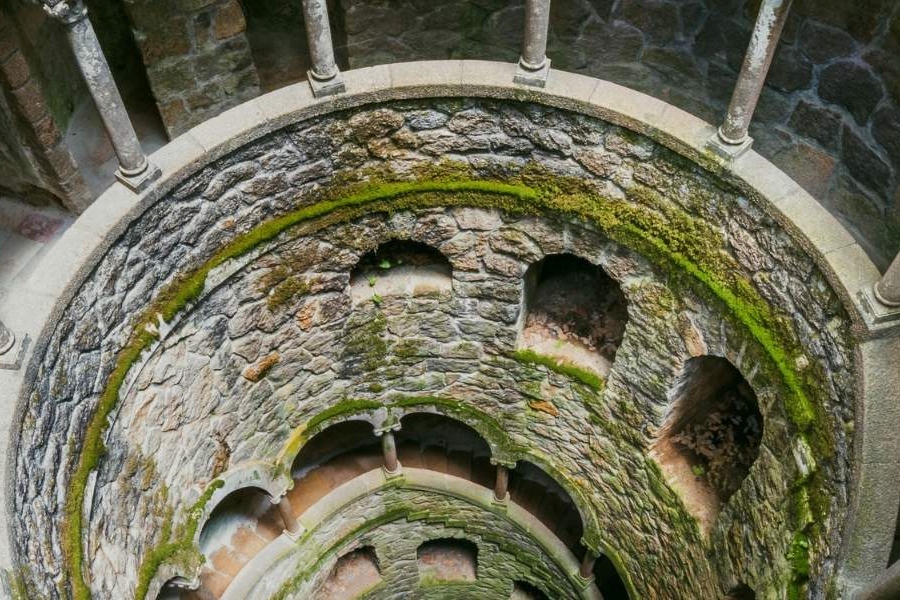
Quinta da Regaleira
A mystical estate with lush gardens, hidden tunnels, and the famous Initiation Well.
Historical/Architecture
1-2 hours
€10 (adult ticket)
Moorish Castle
A medieval castle with origins dating back to the 8th century, offering stunning views and a glimpse into Sintra's past.
Historical
1-2 hours
€8 (adult ticket)
Praia da Adraga
A beautiful beach with golden sand and dramatic cliffs, perfect for a relaxing day by the sea.
Beach
Half-day
Free
Monserrate Palace
A stunning 19th-century palace set in a lush, romantic garden, showcasing a blend of Gothic, Moorish, and Indian architectural styles.
Historical/Architecture
1-2 hours
€8 (adult ticket)
Must-Try Local Dishes
Trajana
A traditional pastry filled with various ingredients like meat, cheese, or sweets.
Snack
Can be vegetarian or vegan depending on filling.
Bacalhau à Brás
A classic Portuguese dish made with shredded cod, eggs, and thinly fried potatoes.
Main course
Contains fish and eggs.
Pastel de Nata
A famous Portuguese custard tart with a flaky pastry crust.
Dessert
Contains dairy and eggs.
Sardinhas Assadas
Grilled sardines, a popular dish in coastal regions.
Main course
Contains fish.
Popular Activities
Hiking in the Sintra-Cascais Natural Park
Surfing at Praia da Adraga
Beach relaxation
Wine tasting
Visiting historic palaces and castles
Exploring local markets
Swimming and sunbathing at local beaches
Visiting museums and indoor attractions
Best Time to Visit
April to June, September to October
These months offer the best weather with pleasant temperatures and fewer tourists compared to the summer peak.
15°C to 25°C
59°F to 77°F
Practical Information
Language
- Official: Portuguese
- Widely spoken: English, Spanish, French
- English: Moderately spoken in tourist areas, limited elsewhere
Currency
Euro (EUR)
Time Zone
GMT+1 (WET), GMT+2 (WEST during daylight saving time)
Electricity
230VV, 50HzHz
Safety Information
Overall Safety Rating: Generally safe
Sintra is a safe destination for travelers, with low crime rates and a welcoming atmosphere.
Important Precautions:
- • Keep valuables secure in crowded areas
- • Use licensed taxis or ride-sharing apps
- • Be cautious when using ATMs at night
Getting there
By air
- Lisbon Portela Airport • 28 km
By train
Sintra Station
By bus
Lisbon Sete Rios Bus Station
Getting around
Public transport
Trains are the most efficient way to get around Sintra and its attractions.
Taxis
Available • Apps: Uber, Bolt
Rentals
Car, Bike, Scooter
Neighborhoods
Town Center
Park of Pena
Colares
Day trips
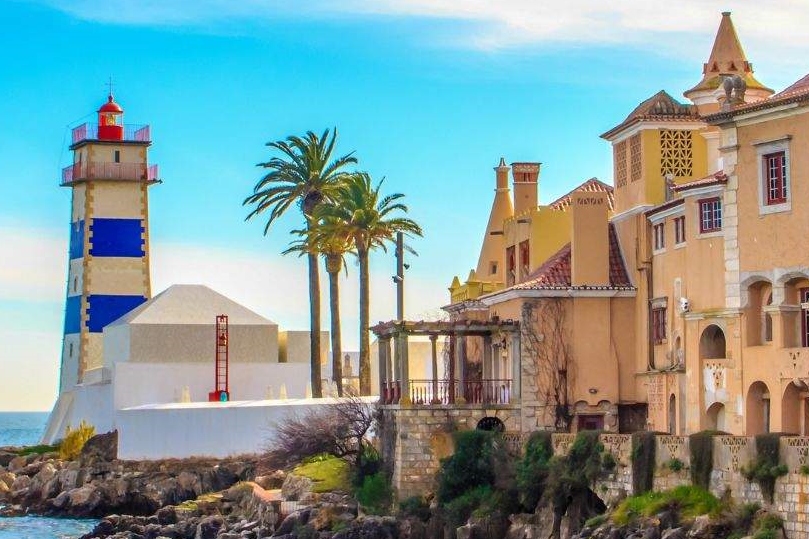
Cascais
20 km • Half day
A charming coastal town known for its beaches, historic center, and vibrant atmosphere.
Lisbon
30 km • Full day
Portugal's capital city offers a rich history, vibrant culture, and diverse attractions.
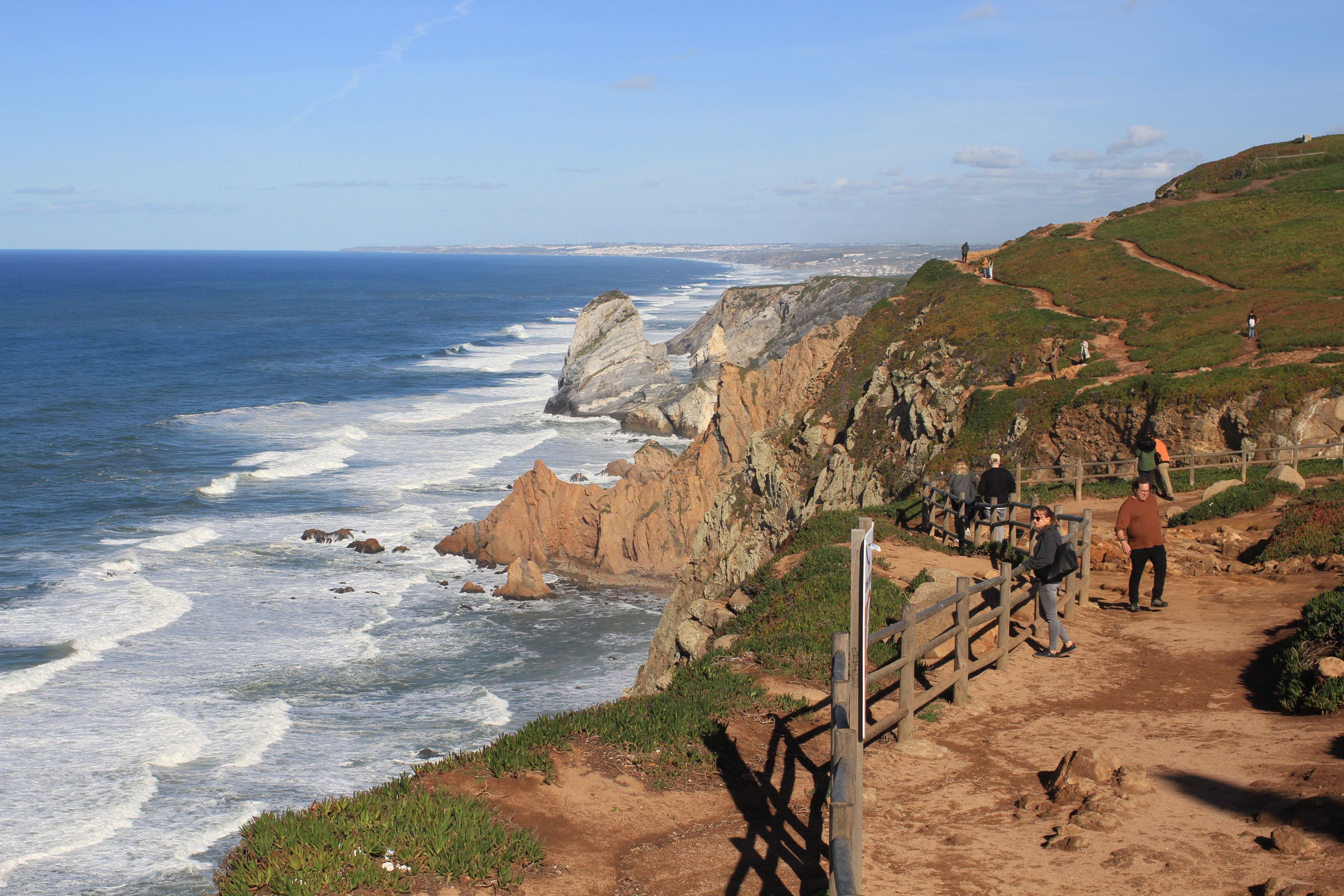
Cabo da Roca
25 km • Half day
The westernmost point of mainland Europe, offering stunning coastal views and dramatic cliffs.
Festivals
Sintra Music Festival • June to September
Sintra Halloween • October
Sintra Christmas Market • December
Pro tips
- Visit Pena Palace early in the morning to avoid crowds.
- Explore the town on foot to discover hidden gems and charming streets.
- Try local pastries like Pastel de Nata and Trajана for an authentic taste of Sintra.
- Use the Viva Viagem card for convenient and discounted public transportation.
- Book tickets for popular attractions in advance to avoid long queues.
From $25
per person
Price varies by option
Secure booking
Free cancellation available
Instant confirmation