Private Tour Coimbra E Aveiro
Active
8h - 9h
For a full refund, cancel at least 24 hours before the scheduled departure time.
Instant confirmation
Mobile or paper ticket accepted
About this experience
This Tour is a beautiful trip to Coimbra, where the first University of Portugal was born, following the direction of North where we arrived in Aveiro, also known as "Veneza Portuguesa" ...
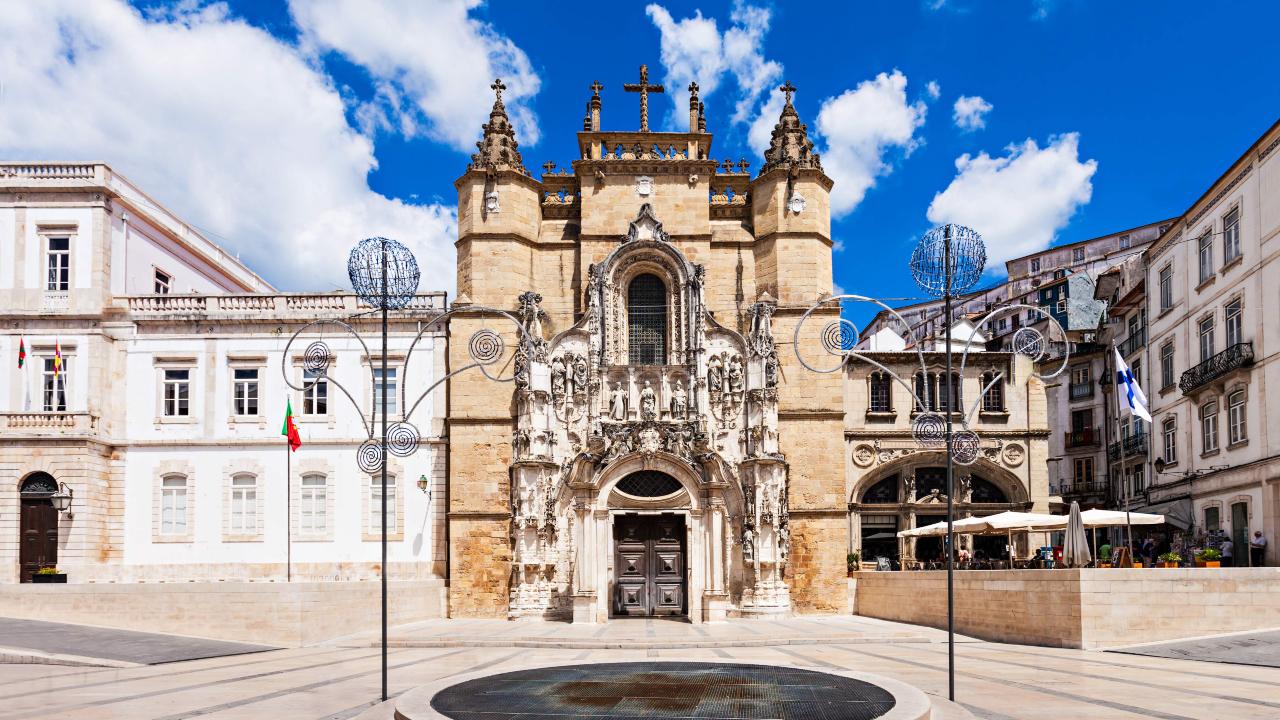
Coimbra is the city of narrow streets, courtyards, stairways and medieval arches, it is here that was born the first University of the Country and one of the oldest in Europe. Its name derived from the Roman city of Conímbriga.
Aveiro is a city on the Portuguese west coast, founded next to a lagoon known as Ria de Aveiro. Famous for its canals navigated by colorful boats (moliceiros boats), used for the harvest of algae, also known by the buildings of art nouveau style, is the Cathedral of Aveiro, with its prominent steeple.
Available options
Private Tour Coimbra E Aveiro
Pickup included
What's included
Private transportation
Hotel pickup and drop-off
All taxes, fees and handling charges
WiFi on board
Bottled water
Air-conditioned vehicle
Detailed itinerary
1
Coimbra city of narrow streets, courtyards, stairways and medieval arches, it is here that was born the first University of the Country and one of the oldest in Europe. Its name derived from the Roman city of Conímbriga.
2
Stop 2
On the banks of the river Mondego, Coimbra is famous for its University, the oldest in Portugal and one of the oldest in Europe, which over time has shaped its image to become "the city of students".
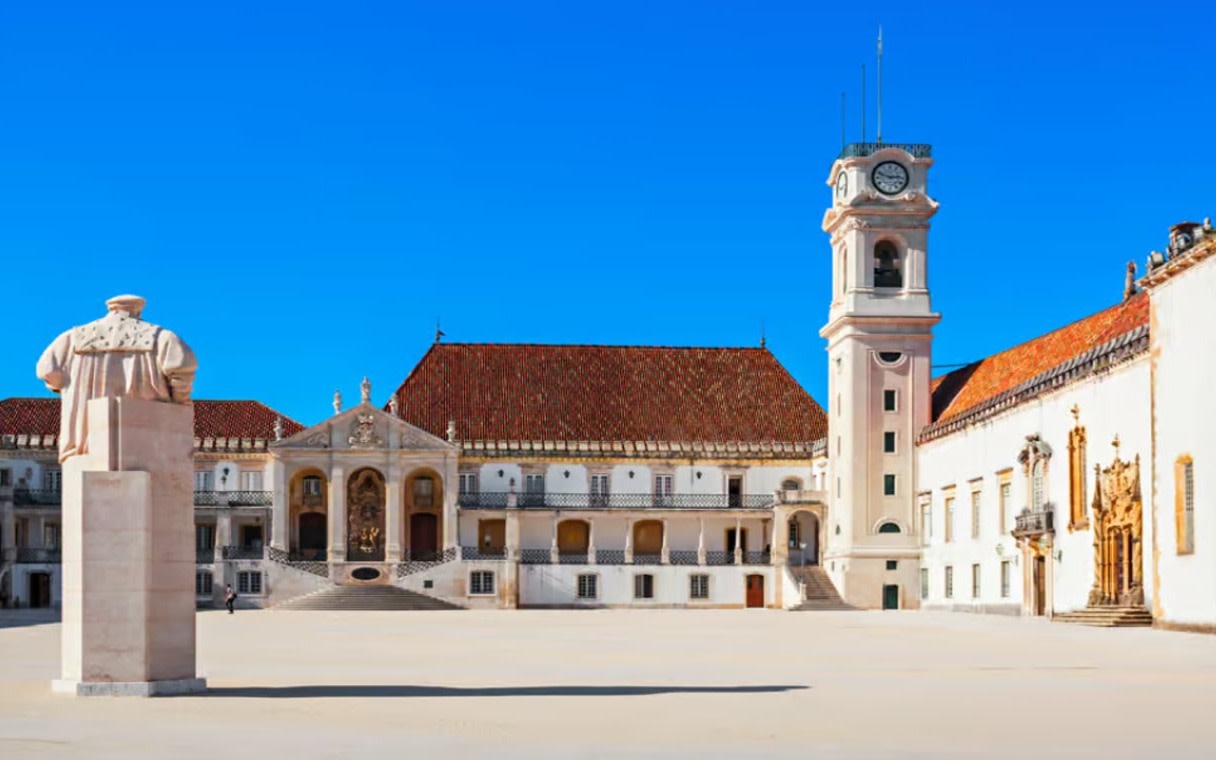
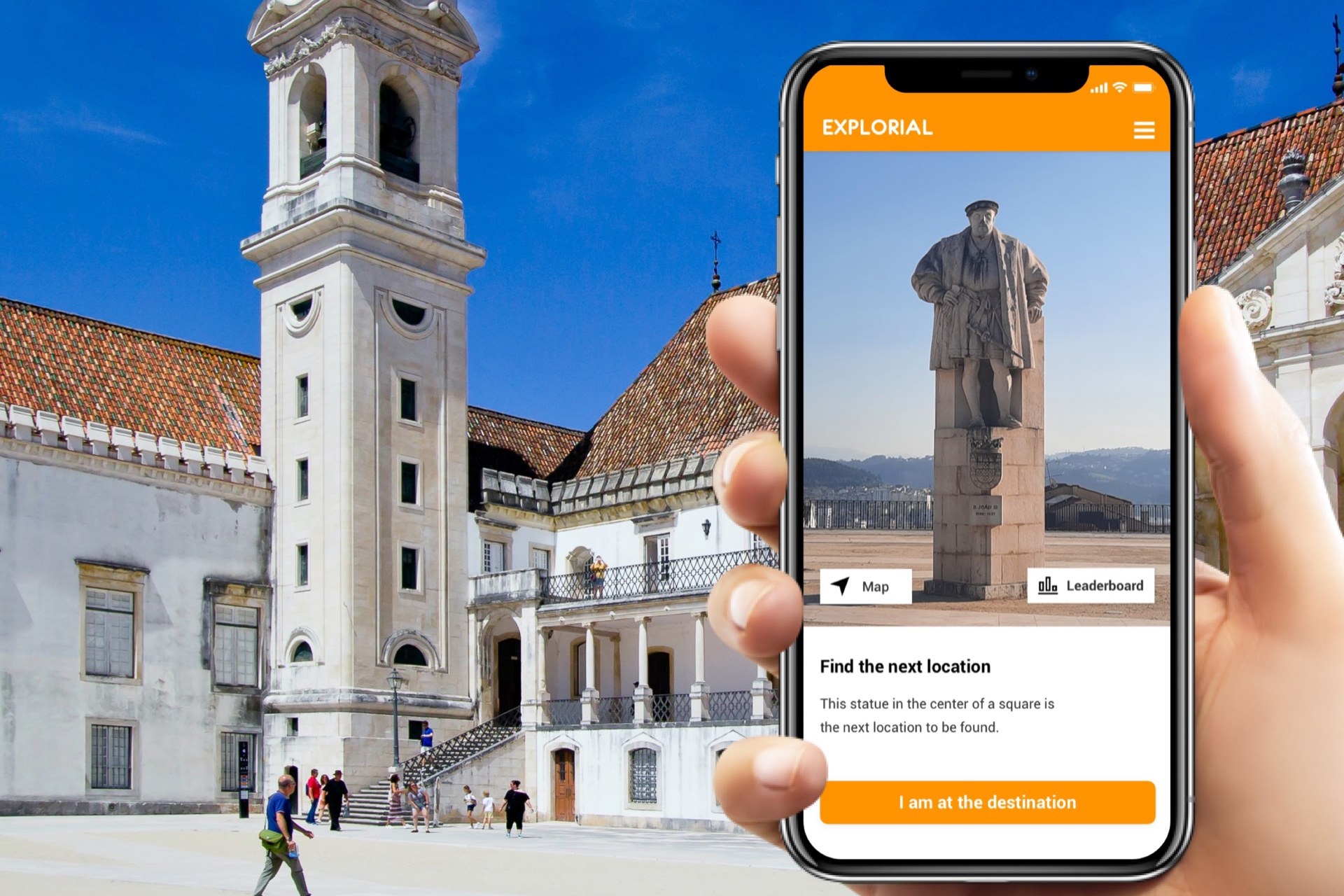
We begin this visit, precisely at the university founded in the XIIIth Century and which UNESCO has placed on its list of World Heritage sites, in a classification that also includes Rua da Sofia and the upper part of the city.
It's well worth climbing its tower, which houses the bells that signal the start and end of classes, in order to appreciate the superb 360º view of Coimbra. But there is much to see at ground level, too.
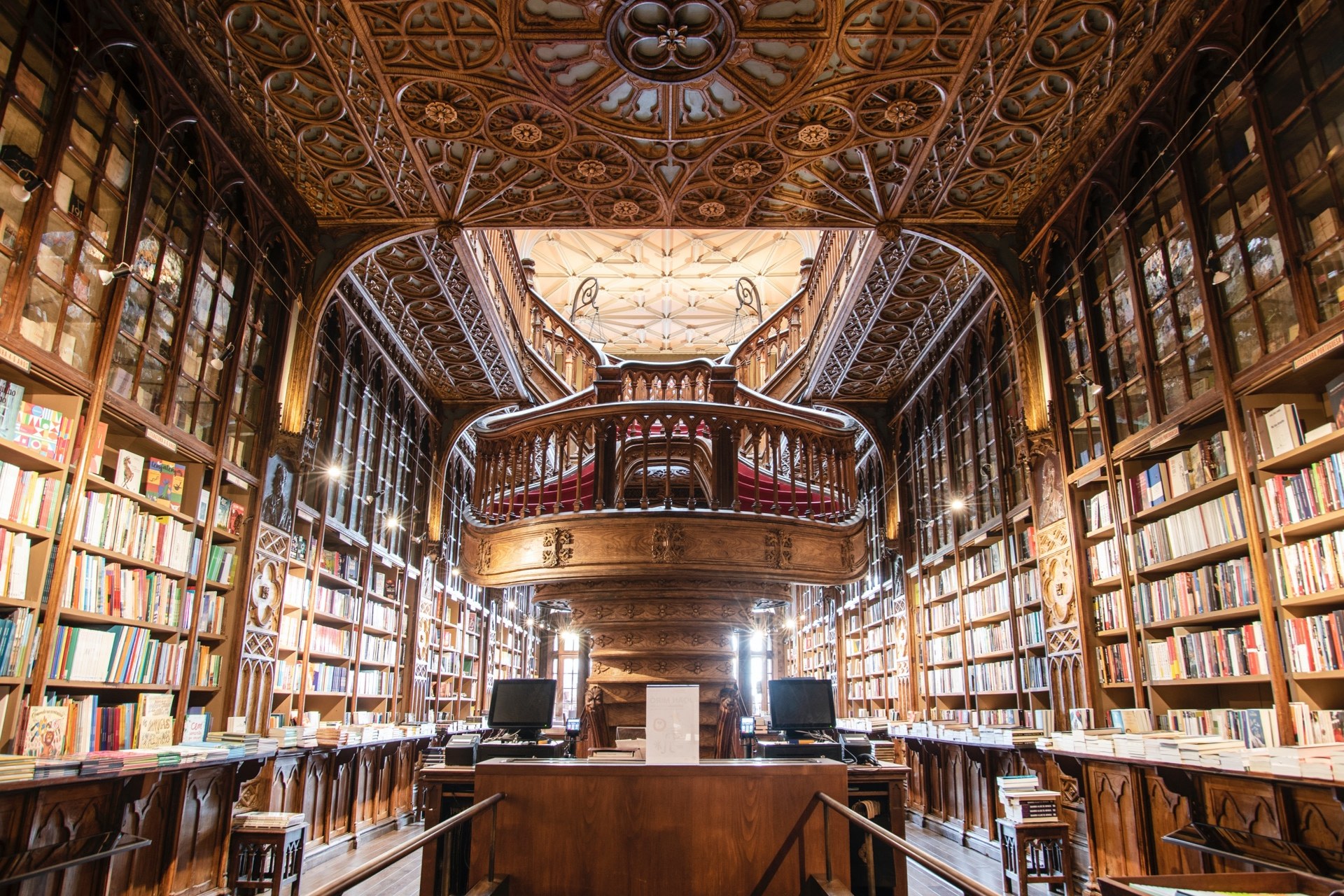
The Pátio das Escolas courtyard, the Sala dos Capelos hall where the most important ceremonies are held, the Chapel of São Miguel with an imposing Baroque organ and the Joanine.
Library, which has more than 300,000 works dating from the 16th to the 18th centuries arranged in beautiful gilt-covered bookcases.
3
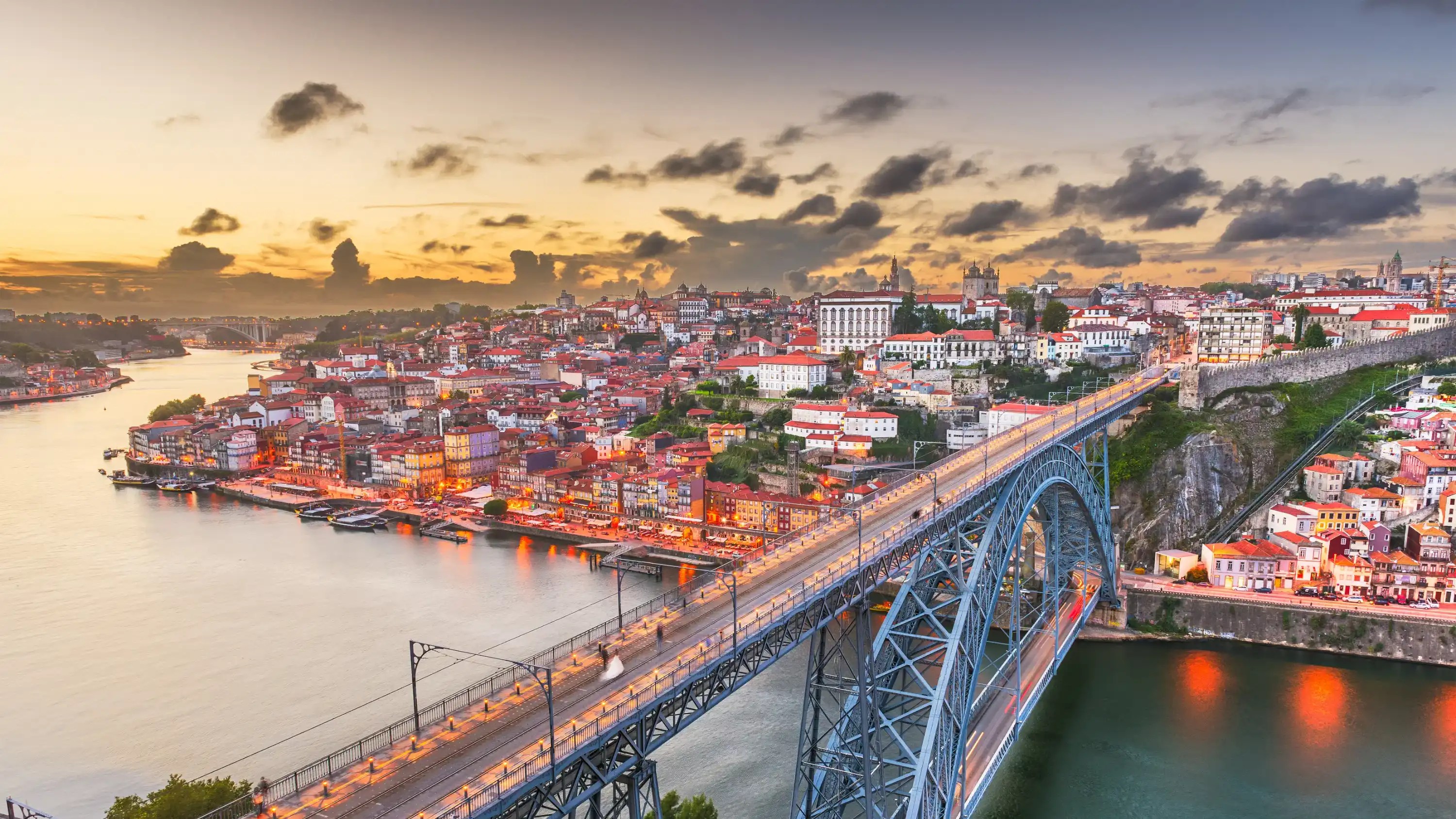
Aveiro is a city on the Portuguese west coast, founded next to a lagoon known as Ria de Aveiro.
Famous for its canals navigated by colorful boats (moliceiros boats), used for the harvest of algae, also known by the buildings of art nouveau style, is the Cathedral of Aveiro, with its prominent steeple.
What's not included
Tickets;
Meals
Available languages
Guide guide
PT
EN
FR
ES
Reviews breakdown
Viator
5.0
1 reviews
5★
1
4★
0
3★
0
2★
0
1★
0
Important information
Wheelchair accessible
Public transportation options are available nearby
Specialized infant seats are available
Transportation options are wheelchair accessible
Not recommended for travelers with poor cardiovascular health
Suitable for all physical fitness levels
About Sintra
Sintra is a picturesque town on the Portuguese Riviera, known for its 19th-century Romanticist castles, palaces, and lush gardens. This UNESCO World Heritage site offers a fairytale-like atmosphere with its unique blend of history, architecture, and natural beauty.
Top Attractions
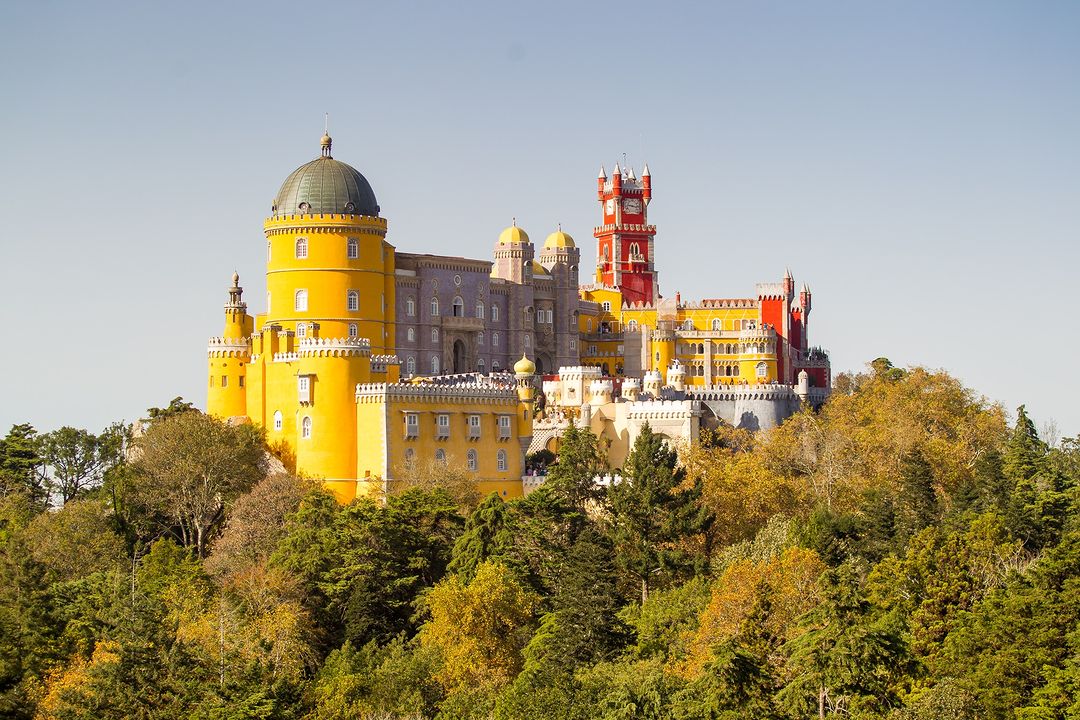
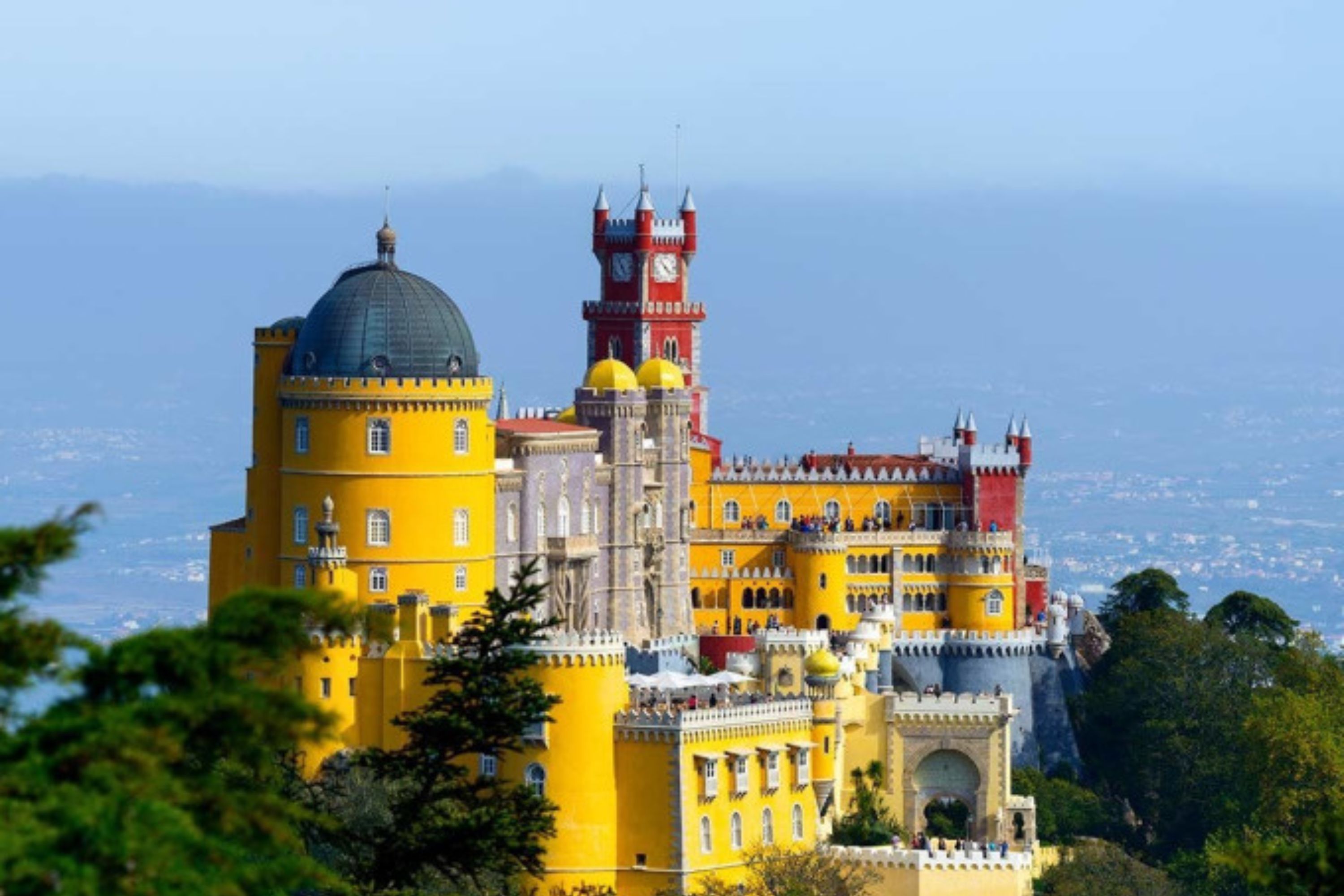
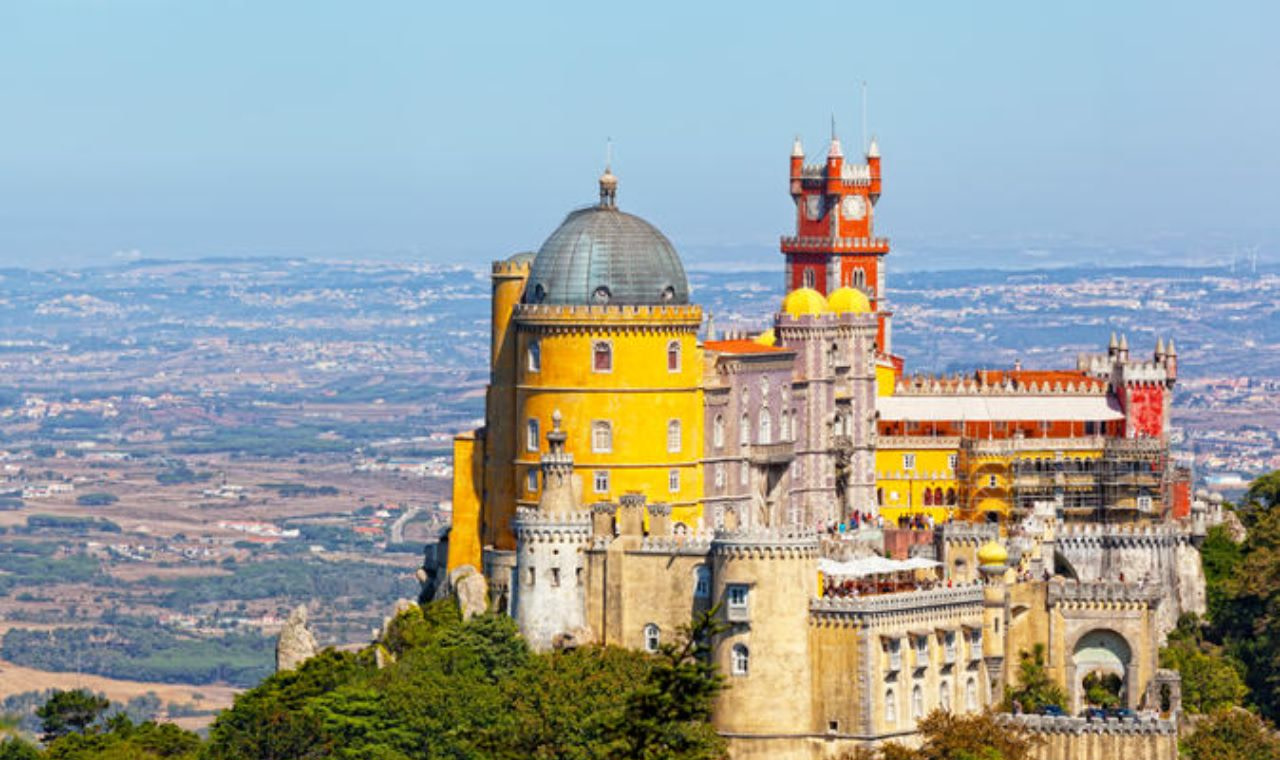
Pena Palace
A 19th-century Romanticist palace perched on a hilltop, known for its vibrant colors and eclectic architectural styles.
Historical/Architecture
2-3 hours
€14 (adult ticket)
Quinta da Regaleira
A mystical estate with lush gardens, hidden tunnels, and the famous Initiation Well.
Historical/Architecture
1-2 hours
€10 (adult ticket)
Moorish Castle
A medieval castle with origins dating back to the 8th century, offering stunning views and a glimpse into Sintra's past.
Historical
1-2 hours
€8 (adult ticket)
Praia da Adraga
A beautiful beach with golden sand and dramatic cliffs, perfect for a relaxing day by the sea.
Beach
Half-day
Free
Monserrate Palace
A stunning 19th-century palace set in a lush, romantic garden, showcasing a blend of Gothic, Moorish, and Indian architectural styles.
Historical/Architecture
1-2 hours
€8 (adult ticket)
Must-Try Local Dishes
Trajana
A traditional pastry filled with various ingredients like meat, cheese, or sweets.
Snack
Can be vegetarian or vegan depending on filling.
Bacalhau à Brás
A classic Portuguese dish made with shredded cod, eggs, and thinly fried potatoes.
Main course
Contains fish and eggs.
Pastel de Nata
A famous Portuguese custard tart with a flaky pastry crust.
Dessert
Contains dairy and eggs.
Sardinhas Assadas
Grilled sardines, a popular dish in coastal regions.
Main course
Contains fish.
Popular Activities
Hiking in the Sintra-Cascais Natural Park
Surfing at Praia da Adraga
Beach relaxation
Wine tasting
Visiting historic palaces and castles
Exploring local markets
Swimming and sunbathing at local beaches
Visiting museums and indoor attractions
Best Time to Visit
April to June, September to October
These months offer the best weather with pleasant temperatures and fewer tourists compared to the summer peak.
15°C to 25°C
59°F to 77°F
Practical Information
Language
- Official: Portuguese
- Widely spoken: English, Spanish, French
- English: Moderately spoken in tourist areas, limited elsewhere
Currency
Euro (EUR)
Time Zone
GMT+1 (WET), GMT+2 (WEST during daylight saving time)
Electricity
230VV, 50HzHz
Safety Information
Overall Safety Rating: Generally safe
Sintra is a safe destination for travelers, with low crime rates and a welcoming atmosphere.
Important Precautions:
- • Keep valuables secure in crowded areas
- • Use licensed taxis or ride-sharing apps
- • Be cautious when using ATMs at night
Getting there
By air
- Lisbon Portela Airport • 28 km
By train
Sintra Station
By bus
Lisbon Sete Rios Bus Station
Getting around
Public transport
Trains are the most efficient way to get around Sintra and its attractions.
Taxis
Available • Apps: Uber, Bolt
Rentals
Car, Bike, Scooter
Neighborhoods
Town Center
Park of Pena
Colares
Day trips
Cascais
20 km • Half day
A charming coastal town known for its beaches, historic center, and vibrant atmosphere.
Lisbon
30 km • Full day
Portugal's capital city offers a rich history, vibrant culture, and diverse attractions.
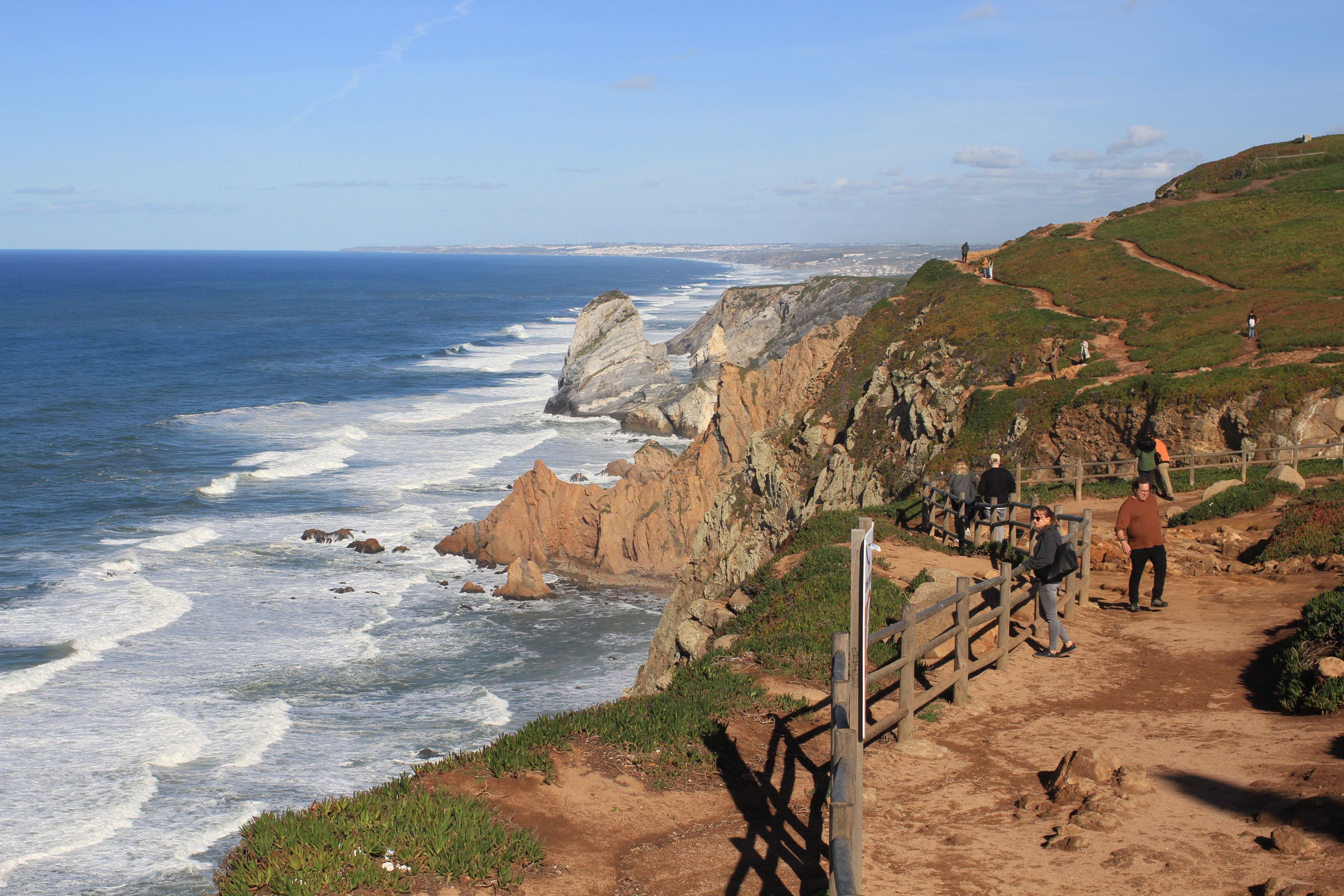
Cabo da Roca
25 km • Half day
The westernmost point of mainland Europe, offering stunning coastal views and dramatic cliffs.
Festivals
Sintra Music Festival • June to September
Sintra Halloween • October
Sintra Christmas Market • December
Pro tips
- Visit Pena Palace early in the morning to avoid crowds.
- Explore the town on foot to discover hidden gems and charming streets.
- Try local pastries like Pastel de Nata and Trajана for an authentic taste of Sintra.
- Use the Viva Viagem card for convenient and discounted public transportation.
- Book tickets for popular attractions in advance to avoid long queues.
From $25
per person
Price varies by option
Secure booking
Free cancellation available
Instant confirmation