Private Tour Arrábida, Sesimbra
Active
8h - 9h
For a full refund, cancel at least 24 hours before the scheduled departure time.
Instant confirmation
Mobile or paper ticket accepted
About this experience
Start by visiting the famous Monument in honor of Cristo Rei where you can enjoy an unparalleled view of the city of Lisbon and the Tagus River, from here you will continue to the Natural Park of Arrábida and Sesimbra from Cape Espichel, located in the Atlantic Ocean.
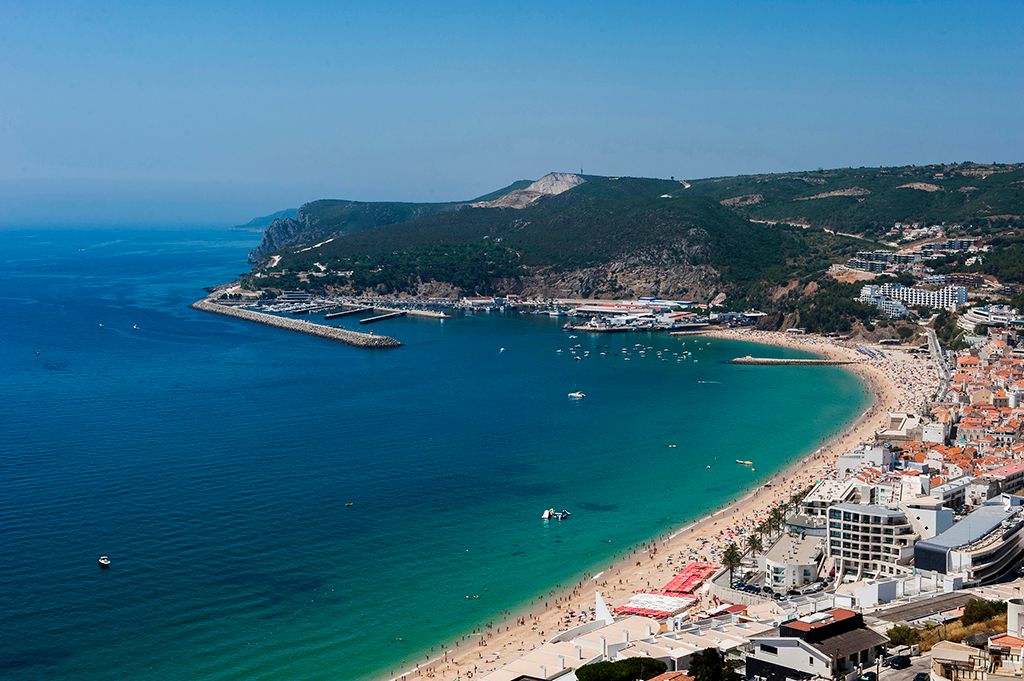
We start the visit of the Church of the XV century and the Sanctuary of Our Lady of the Cape, and its steep cliffs, then you will find the fishing village of Sesimbra with the beaches, the fishing port and the castle.
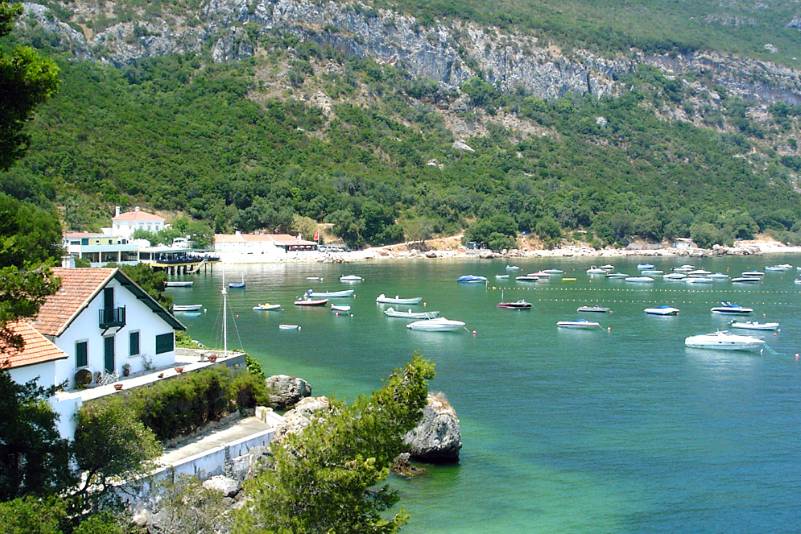
Continuing our walk towards the Natural Park of Arrábida, with its Mediterranean climate, you can visit the convent of Our Lady of Arrábida of the XVI century, and the Oceanographic Museum, located in the Fort of Santa Maria, Portinho of the Arrábida is also a of the beaches in this area
Available options
Private Tour Arrábida, Sesimbra
Pickup included
What's included
Private transportation
Hotel pickup and drop-off
All taxes, fees and handling charges
Private tour
WiFi on board
Bottled water
Air-conditioned vehicle
Detailed itinerary
1
Stop 1
Start by visiting the famous Monument in honor of Cristo Rei where you can enjoy an unparalleled view of the city of Lisbon and the Tagus River.
2
Stop 2
Santuário de Nossa Senhora do Cabo Espichel
Monuments
Worship Mary in a monumental natural setting.
The Sanctuary of Our Lady of Cape Espichel, also known as Nossa Senhora da Pedra Mua, is one of the most impressive sites in this region for its location and its remarkable natural architectural complex. Its worship dates back to 1410, when the venerated image of Our Lady of the Cape was discovered at the tip of Cape Espichel by two old men from Caparica and Alcabideche, who were given signs from Heaven in coinciding dreams. Until the start of the 18th century, the grounds around the primitive temple were encased by houses for the pilgrims who travelled there in pilgrimage to venerate the image.
Built facing away from the sea, the current church was built by royal order between 1701 and 1707, its design by architect João Antunes. As of 1715, the heavy influx of pilgrims to the Cape forced the construction of two wings of inns with housing and shops, which were enlarged between 1745 and 1760. Later, a supply system including the aqueduct and the water house were built, and, after that, the Opera House, of which only ruins remain.
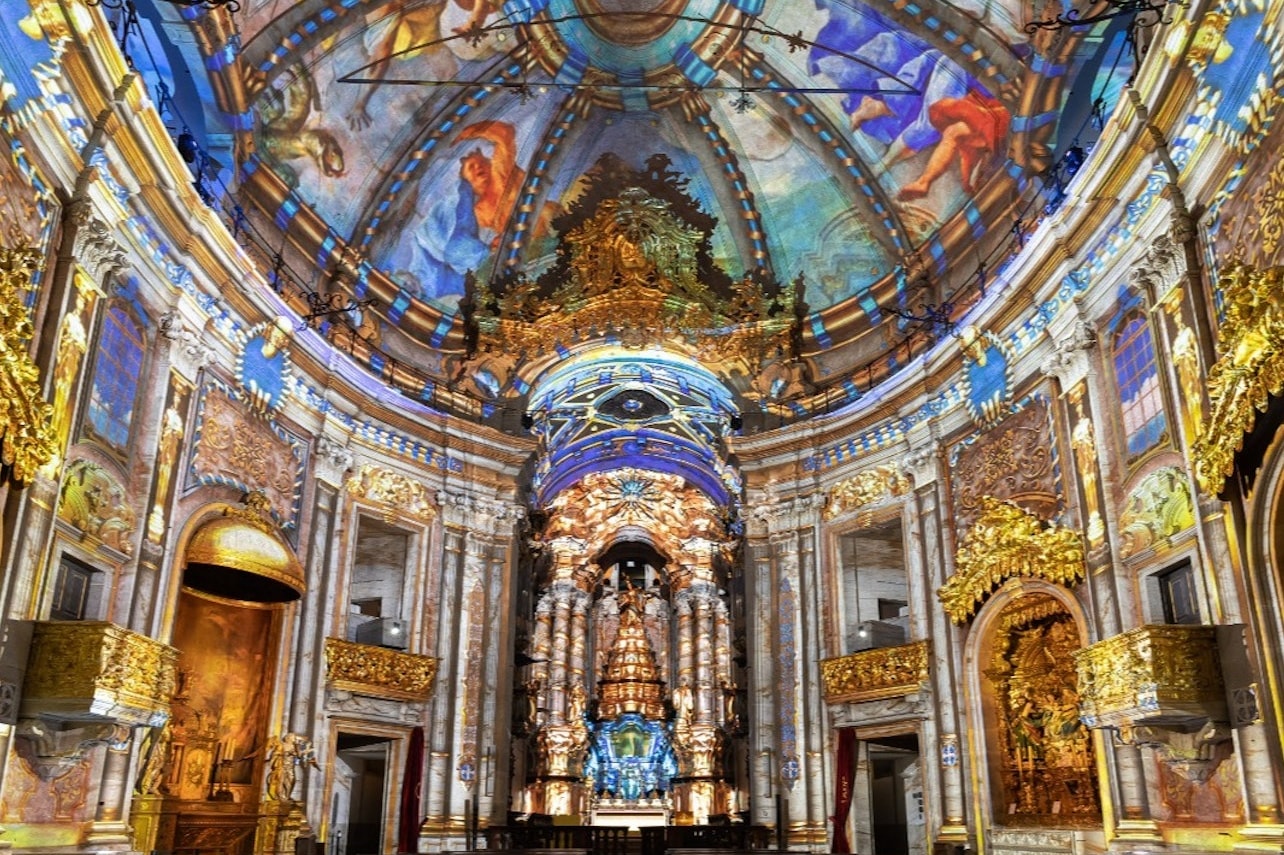
Inside, you will find a number of valuable artistic relics, namely the altarpiece of the high altar in the national baroque style, which guards the image of the Lady of the Cape; the painted ceilings (done in 1740 by Lourenço da Cunha) and the 16th century paintings by the Master of Lourinhã, representing Saint James and Saint Anthony and which can be seen in the sacristy. Also deserving attention is the gallery located on the high altar, which was intended for royal visits.
A few metres from the Sanctuary, on the cliffs, remains the little Hermitage of Memory, dating from the 15th century and built on the exact spot of the apparition. Its interior is lined with 18th century tile panels that depict the legend of the Lady of the Cape.
3
There are vestiges of the human presence in Sesimbra since the Chalcolithic period (3000 BC). From this, this place was important for activities related to the sea due to the position of its port, facing south, protected from the strong winds and storms that usually fall into Portuguese territory.
4
Stop 4
This natural park is an incredible place where you can find breathtaking experiences with a panoramic view over the Atlantic Ocean!
5
Setúbal
Towns and Villages
Setúbal was inhabited in ancient times by the Phoenicians, and by the Romans who settled on the south bank of the River Sado (in Tróia, opposite the present town), who called it Cetobriga, from which the name Setúbal is derived.
It was the Romans who started one of the region's most traditional activities - gathering salt and preserving food in salting tanks whose remains still exist on the Tróia Peninsula.
The development of Setúbal has always been linked to the seafaring activities facilitated by its location at the mouth of the River Sado, and it was already one of the country's main ports in the 14th century.
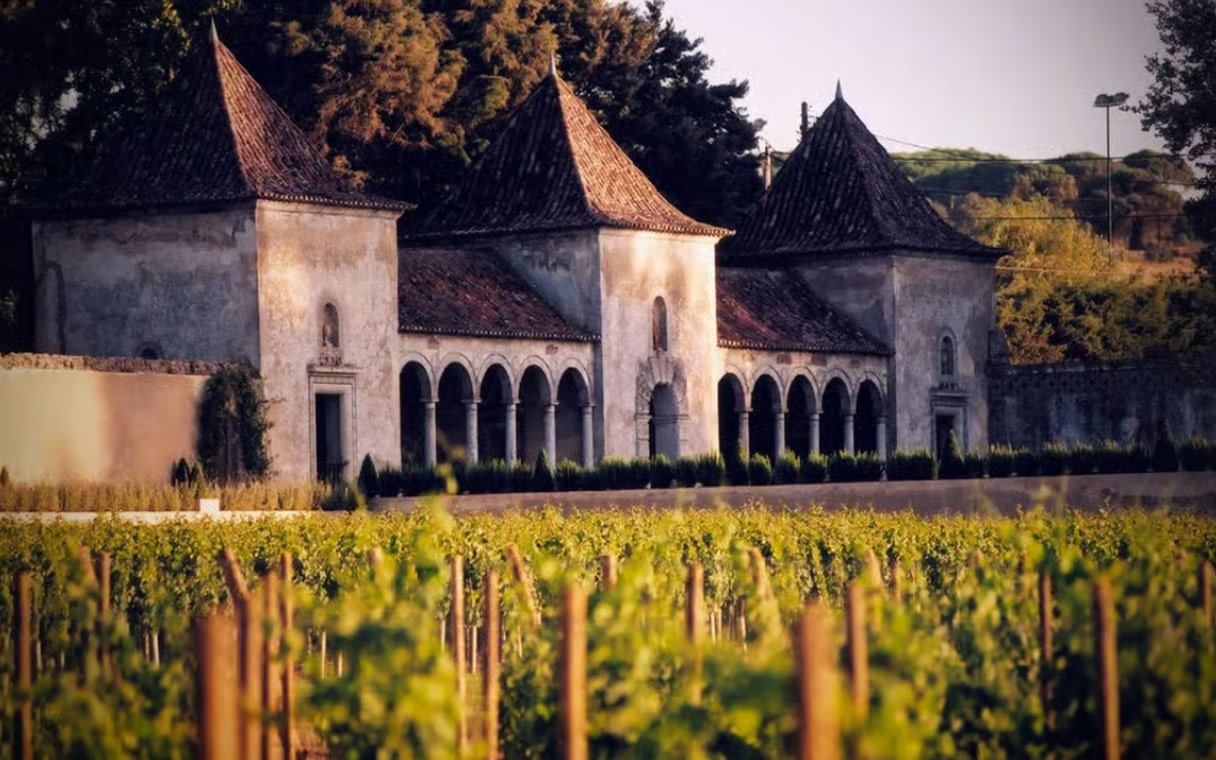
Its agricultural produce is also important, some of which is mentioned in documents dating back to the 14th century, in particular grapes, wine, oranges and fish. The wines produced in the surrounding area are still famous today, especially table wines and the moscatel called Setúbal, which can be tasted in the cellars in nearby Azeitão, which also produces excellent cheeses and delicious tarts.
The city was the birthplace of outstanding Portuguese cultural figures, particularly Bocage (a 19th century poet, famous for the ironic tone and social criticism that he put into everything he wrote), and Luísa Todi (an important lyric singer). The Convent of Jesus, which houses the Municipal Museum, is in the Gothic-Manueline style, and the Fort of São Filipe, now converted into a "Pousada" (country-house hotel) from which one can enjoy a fantastic view of the city, the River Sado, Tróia and the Arrábida mountain range, also deserve special mention.
Around Setúbal there are nature conservation areas, in particular the Sado Estuary Nature Reserve, where it is still possible to watch dolphins in the wild, and the Arrábida Natural Park, which has unique characteristics and contains species that can only be found in areas near the Mediterranean.
There are also excellent beaches, especially Figueirinha, Galapos and Portinho da Arrábida (a magnificent sheltered bay), and on the other side of the River Sado, within easy reach by ferry, there is the Tróia peninsula with about 18 kms of beaches and a golf course.
What's not included
TICKETS NOT INCLUDED
Food and drinks
Available languages
Guide guide
PT
EN
FR
ES
Reviews breakdown
Tripadvisor
5.0
1 reviews
5★
1
4★
0
3★
0
2★
0
1★
0
Important information
Public transportation options are available nearby
Specialized infant seats are available
Not recommended for travelers with poor cardiovascular health
Suitable for all physical fitness levels
About Sintra
Sintra is a picturesque town on the Portuguese Riviera, known for its 19th-century Romanticist castles, palaces, and lush gardens. This UNESCO World Heritage site offers a fairytale-like atmosphere with its unique blend of history, architecture, and natural beauty.
Top Attractions
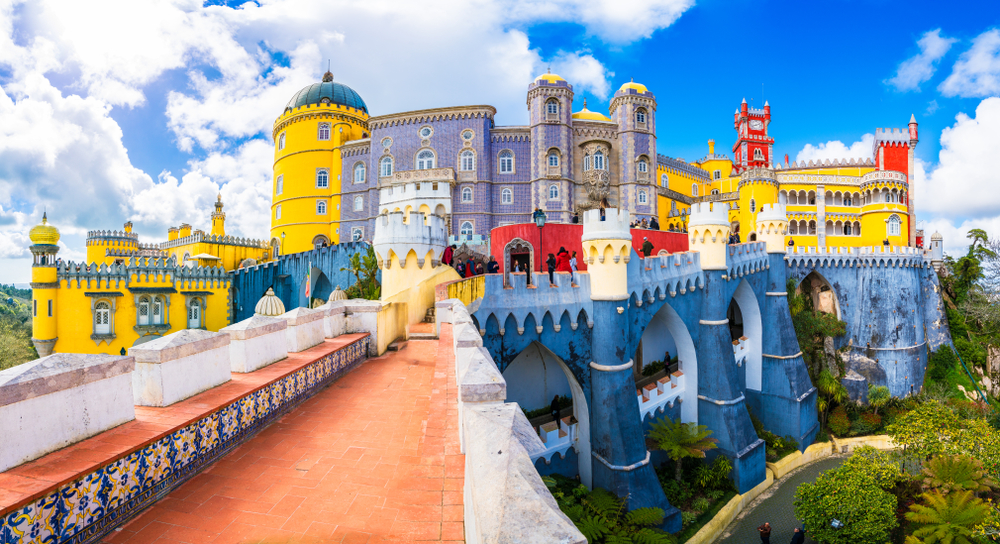
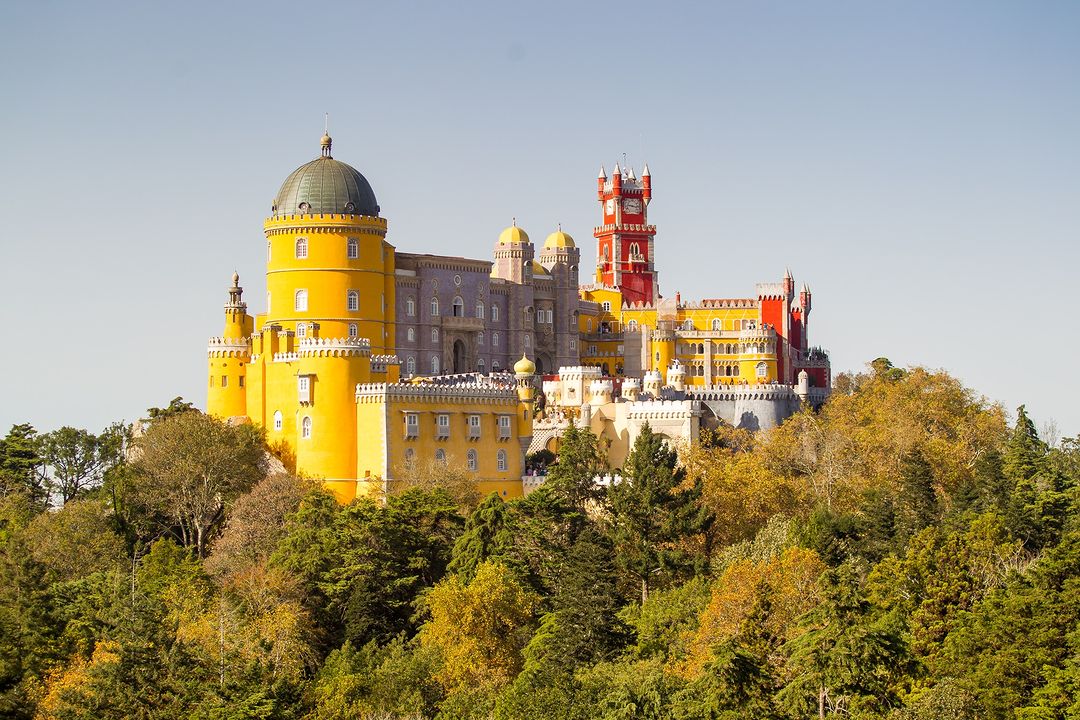
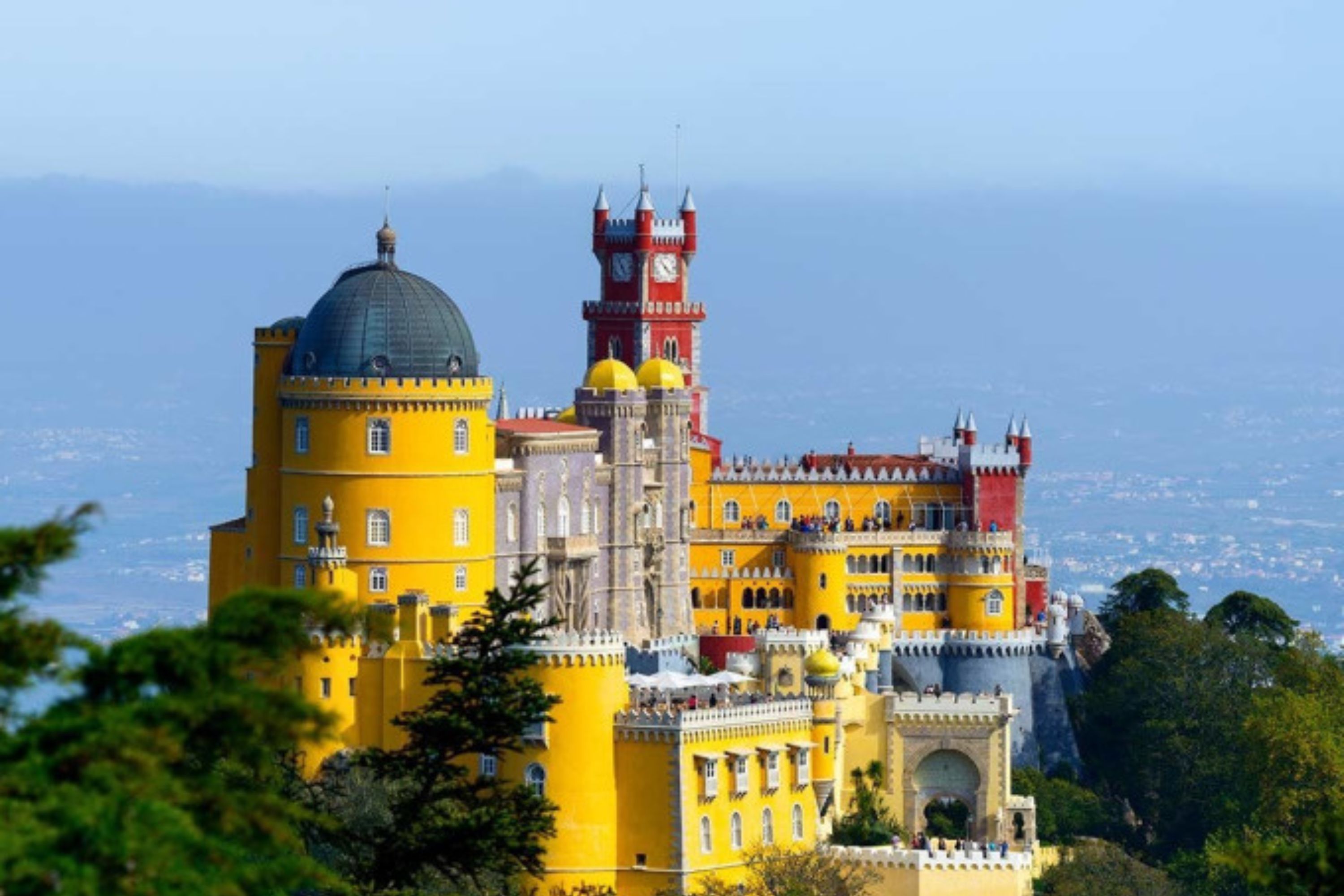
Pena Palace
A 19th-century Romanticist palace perched on a hilltop, known for its vibrant colors and eclectic architectural styles.
Historical/Architecture
2-3 hours
€14 (adult ticket)
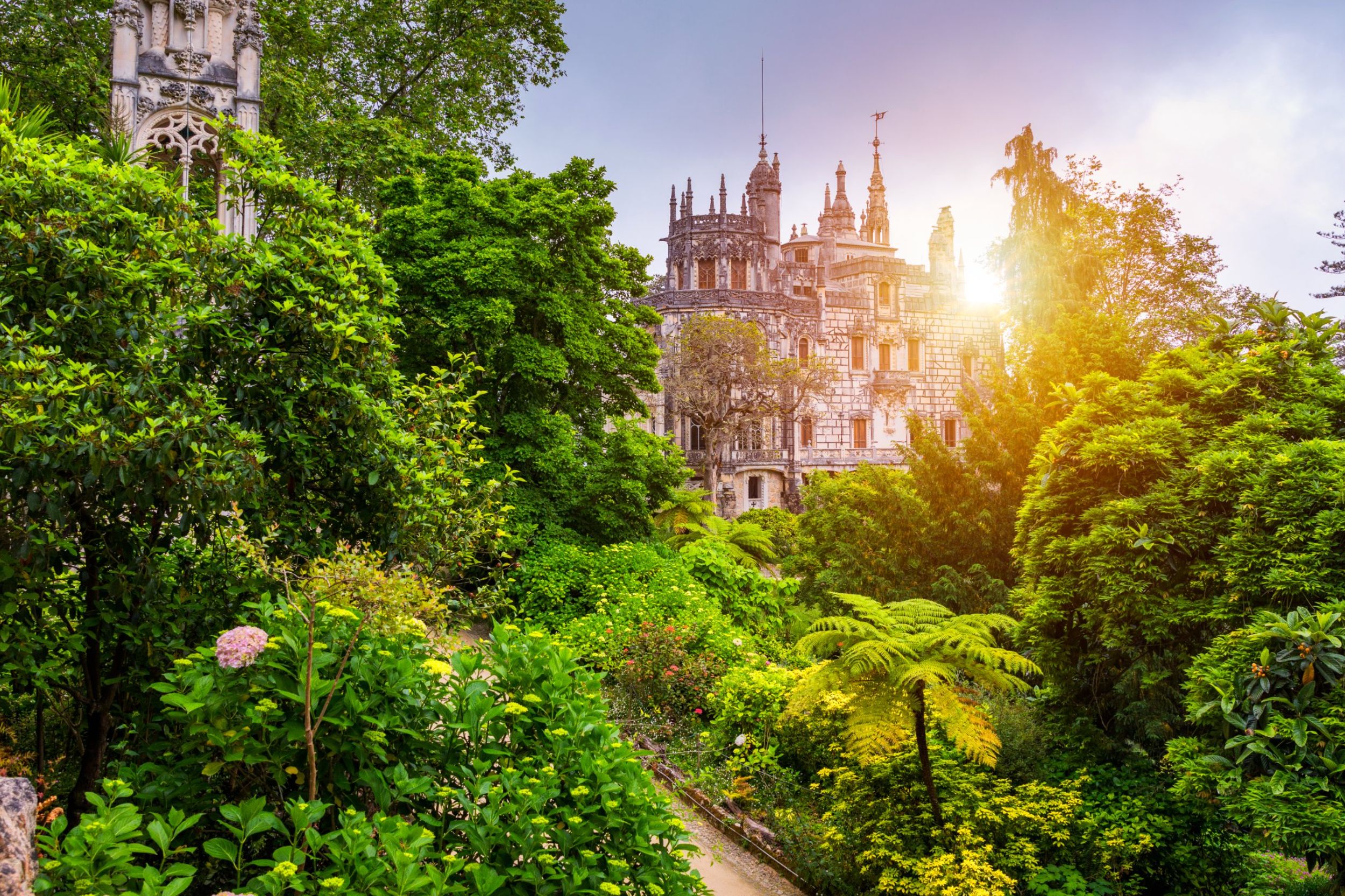
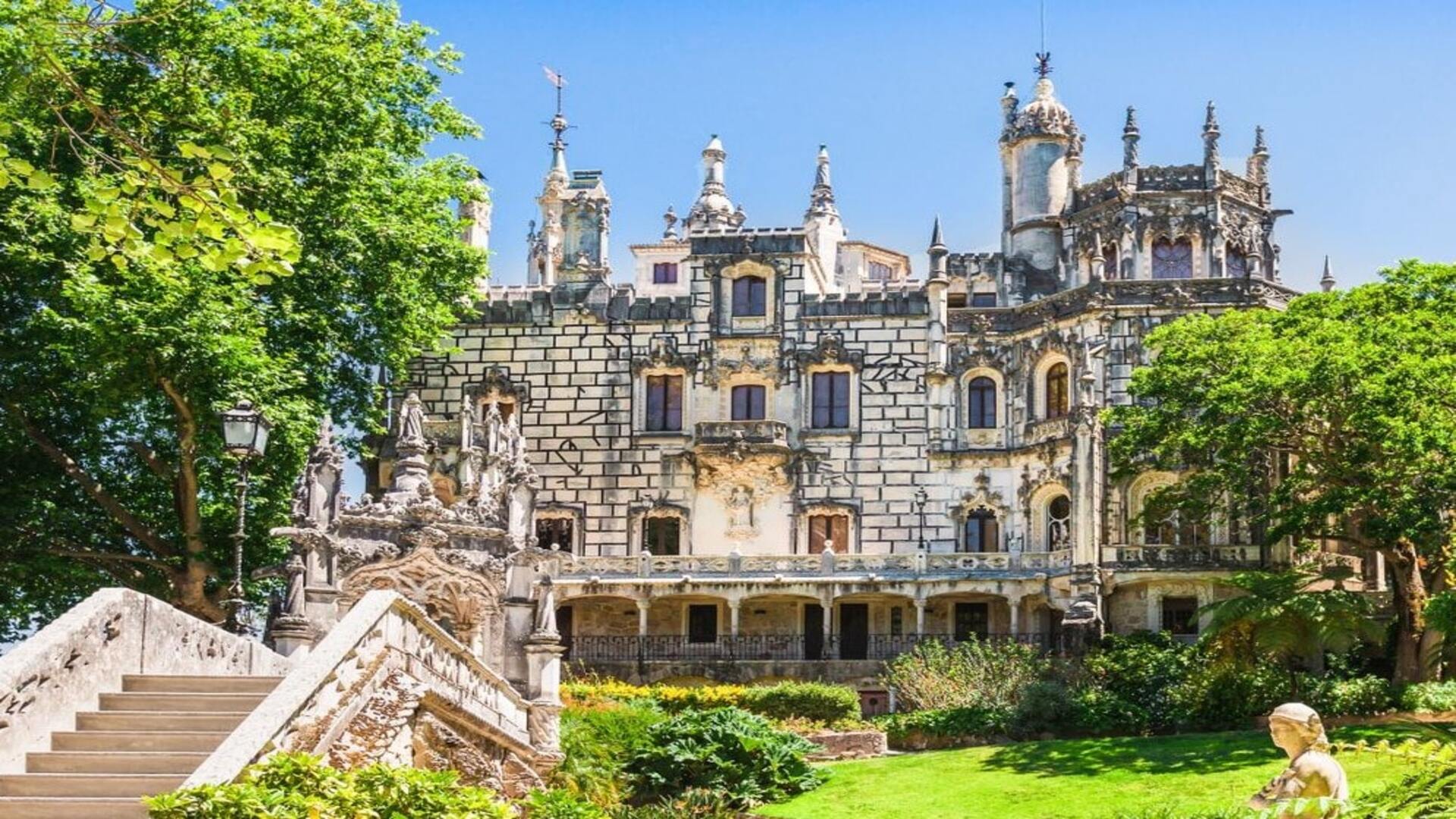
Quinta da Regaleira
A mystical estate with lush gardens, hidden tunnels, and the famous Initiation Well.
Historical/Architecture
1-2 hours
€10 (adult ticket)
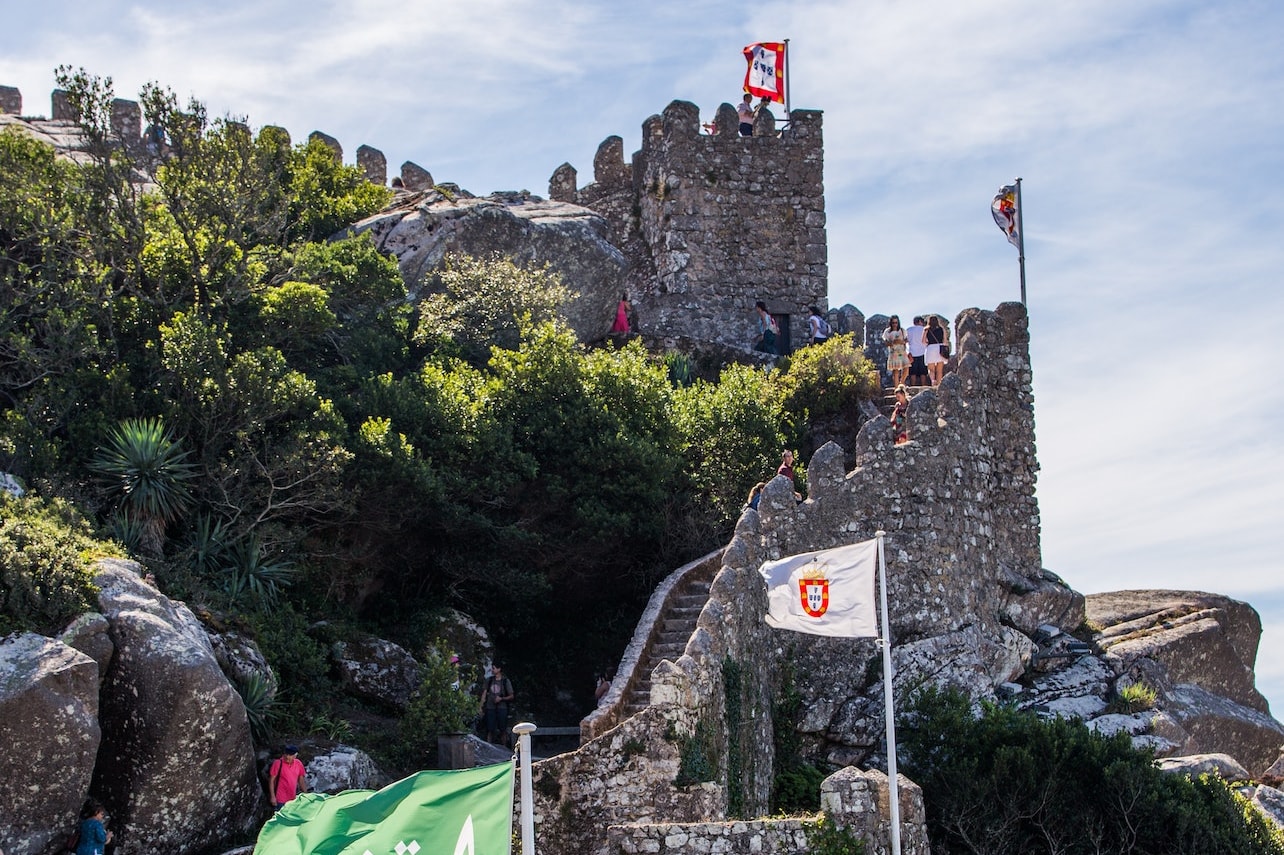
Moorish Castle
A medieval castle with origins dating back to the 8th century, offering stunning views and a glimpse into Sintra's past.
Historical
1-2 hours
€8 (adult ticket)
Praia da Adraga
A beautiful beach with golden sand and dramatic cliffs, perfect for a relaxing day by the sea.
Beach
Half-day
Free
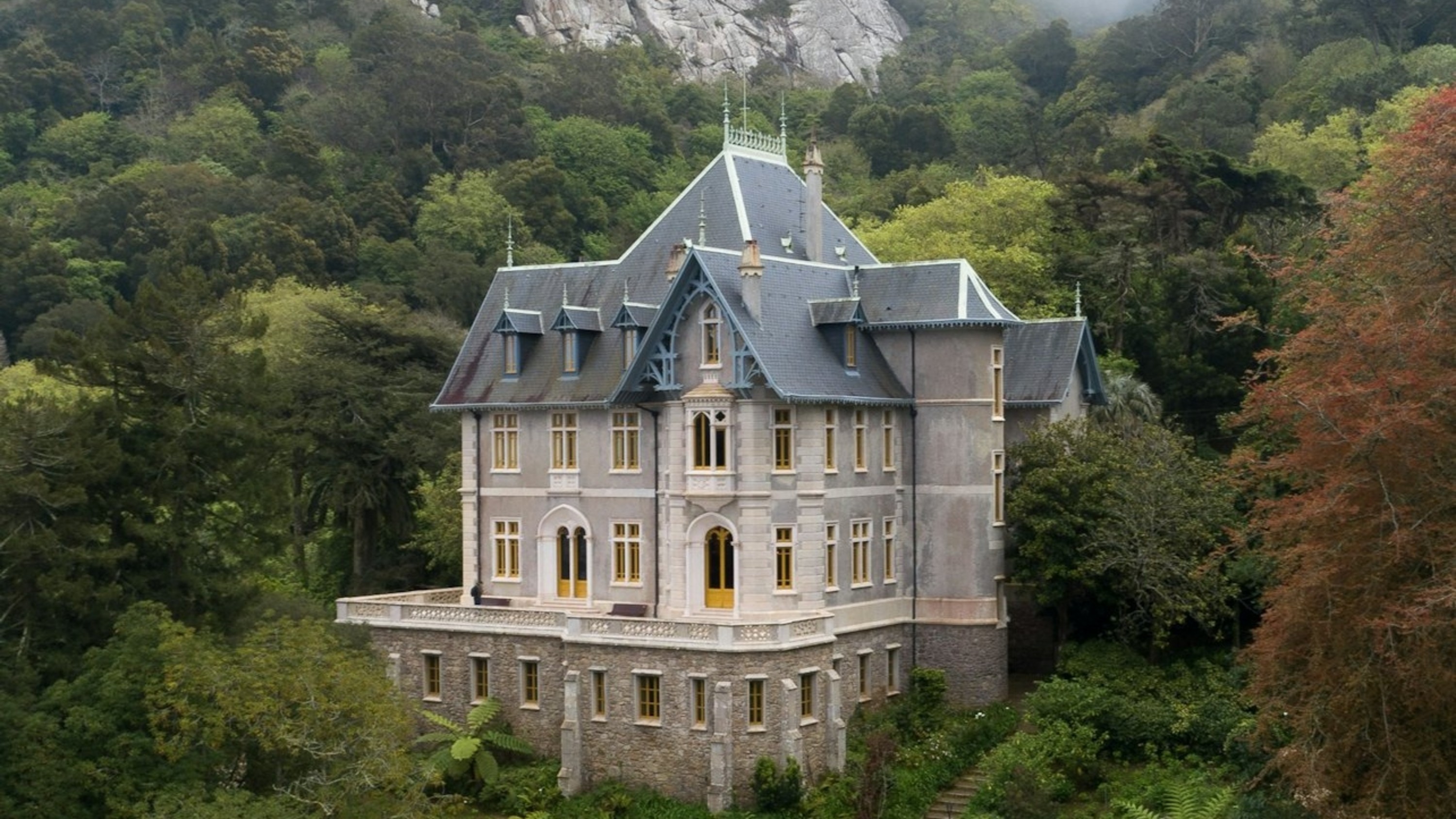
Monserrate Palace
A stunning 19th-century palace set in a lush, romantic garden, showcasing a blend of Gothic, Moorish, and Indian architectural styles.
Historical/Architecture
1-2 hours
€8 (adult ticket)
Must-Try Local Dishes
Trajana
A traditional pastry filled with various ingredients like meat, cheese, or sweets.
Snack
Can be vegetarian or vegan depending on filling.
Bacalhau à Brás
A classic Portuguese dish made with shredded cod, eggs, and thinly fried potatoes.
Main course
Contains fish and eggs.
Pastel de Nata
A famous Portuguese custard tart with a flaky pastry crust.
Dessert
Contains dairy and eggs.
Sardinhas Assadas
Grilled sardines, a popular dish in coastal regions.
Main course
Contains fish.
Popular Activities
Hiking in the Sintra-Cascais Natural Park
Surfing at Praia da Adraga
Beach relaxation
Wine tasting
Visiting historic palaces and castles
Exploring local markets
Swimming and sunbathing at local beaches
Visiting museums and indoor attractions
Best Time to Visit
April to June, September to October
These months offer the best weather with pleasant temperatures and fewer tourists compared to the summer peak.
15°C to 25°C
59°F to 77°F
Practical Information
Language
- Official: Portuguese
- Widely spoken: English, Spanish, French
- English: Moderately spoken in tourist areas, limited elsewhere
Currency
Euro (EUR)
Time Zone
GMT+1 (WET), GMT+2 (WEST during daylight saving time)
Electricity
230VV, 50HzHz
Safety Information
Overall Safety Rating: Generally safe
Sintra is a safe destination for travelers, with low crime rates and a welcoming atmosphere.
Important Precautions:
- • Keep valuables secure in crowded areas
- • Use licensed taxis or ride-sharing apps
- • Be cautious when using ATMs at night
Getting there
By air
- Lisbon Portela Airport • 28 km
By train
Sintra Station
By bus
Lisbon Sete Rios Bus Station
Getting around
Public transport
Trains are the most efficient way to get around Sintra and its attractions.
Taxis
Available • Apps: Uber, Bolt
Rentals
Car, Bike, Scooter
Neighborhoods
Town Center
Park of Pena
Colares
Day trips
Cascais
20 km • Half day
A charming coastal town known for its beaches, historic center, and vibrant atmosphere.
Lisbon
30 km • Full day
Portugal's capital city offers a rich history, vibrant culture, and diverse attractions.
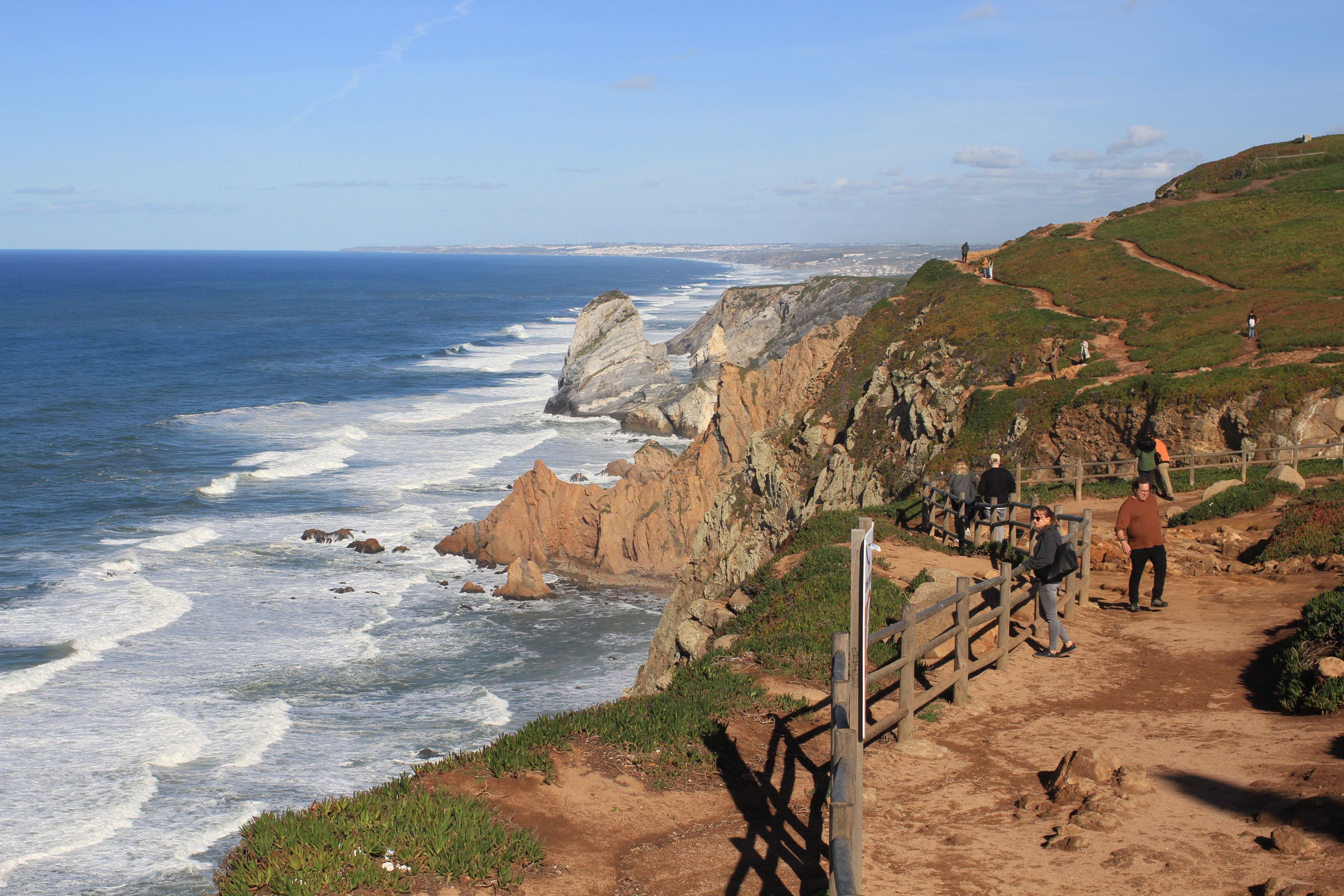
Cabo da Roca
25 km • Half day
The westernmost point of mainland Europe, offering stunning coastal views and dramatic cliffs.
Festivals
Sintra Music Festival • June to September
Sintra Halloween • October
Sintra Christmas Market • December
Pro tips
- Visit Pena Palace early in the morning to avoid crowds.
- Explore the town on foot to discover hidden gems and charming streets.
- Try local pastries like Pastel de Nata and Trajана for an authentic taste of Sintra.
- Use the Viva Viagem card for convenient and discounted public transportation.
- Book tickets for popular attractions in advance to avoid long queues.
From $25
per person
Price varies by option
Secure booking
Free cancellation available
Instant confirmation