Private Tour Queluz, Mafra E Ericeira
Active
8h - 9h
For a full refund, cancel at least 24 hours before the scheduled departure time.
Instant confirmation
Mobile or paper ticket accepted
About this experience
We start this romantic tour through the Queluz Palace and continue to Mafra where we will visit the Convent / Palace of Mafra, pass through the miniature village of José Franco and end in the wonderful village of Ericeira.
Available options
Private Tour Queluz, Mafra E Ericeira
Pickup included
What's included
Hotel pickup and drop-off
Private tour
All taxes, fees and handling charges
WiFi on board
Bottled water
Air-conditioned vehicle
Detailed itinerary
1
Stop 1
Palácio Nacional de Queluz
Museums and Palaces
The Palace of Queluz and its gardens, represents one of the finest examples of late 18th-century Portuguese architecture.
Built at the orders of Pedro III, the husband of D. Maria I (1734-1816), and used as a royal residence, this palace is one of the finest examples of Portuguese architecture in the late 18C.
It has been further enriched by an important museum of decorative art, whose collections mostly belonged to the royal family and are exhibited in an appropriate setting. Many of the rooms are decorated in the rocaille style, such as the superb Throne Room, its walls lined with mirrors and magnificent carved gilded woodwork.
The surrounding gardens are embellished with fountains and ornamental ponds, where sparkling water spouts forth from mythological figures. Particularly impressive is the group of sculptures around the Neptune Basin.
2
Stop 2
Palácio Nacional e Convento de Mafra
Museums and Palaces
The sheer magnificence of the monumental architectural design of the palace, convent and basilica of Mafra bears witness to the opulence of the court of king João V (1707-1750). It was king João V who ordered the building of what proved to be the defining landmark of the Portuguese Baroque era. The design was by Frederico Ludovice who incorporated an architectural language and style Italian in inspiration.
The summer residence of the royal family, the Palace includes various collections featuring works by mainly Portuguese, Italian and French artists working to royal order including Baroque painting and sculpture, religious vestments and ornaments and mural paintings by leading Portuguese artists including Cirilo Volkmar Machado and Domingos Sequeira.
The Basilica houses a set of six organs, unique worldwide and they come in addition to two carillons totalling 114 bells - 57 in each tower. Made in Antwerp in the 18th century, they are also the largest of their kind worldwide.
The Rocaille Library must be seen. On the eastern wing of the Convent of Mafra, the library is housed in an 83-metre main room, the longest in the complex. It is by far the most important monastic-royal library of the 18th century in Portugal. The Monks from the Convent of Arrábida organised the some 40,000 18th and 19th century volumes into a system that has survived to this day. They drew up a catalogue featuring the titles of all books acquired through to 1819. This valuable collection includes, 16th, 17th and 18th century books, many of them highly rare, such as the 22 foreign incunabula and 41 maps.
3
The José Franco Museum Village, José Franco Typical Village, Typical Village of the Sobreiro region or simply Saloia Village. All of these names point to the small region of Sobreiro, between Ericeira and Mafra, home to one of the country’s best-known museum villages.
The history of the small village dates back to the birth of the potter José Franco, in 1920. His father was a shoemaker and his mother, a vendor of chinaware, who would sell clayware from door to door, as well as at many fairs and local markets. As Sobreiro was an important centre for pottery, José Franco was familiar with the trade from an early age, and while still a child, he left primary school, learnt the trade with two local master potters, before working independently at 17 years of age. At the time, he restored the pottery studio that belonged to his grandfather, which had fallen into disuse.
At the start of the 1960s, José Franco gave wings to a dream, that of recreating an ethnographic village, in which his childhood memories would crystallise, in witness to the lifestyle of the locals, as a homage to his native land. His village would have two components: it would be a replica of the ancient workshops and stores, the lived spaces, adorned and fitted with real objects, where the customs and work activities that were an intrinsic part of his childhood and the country life of the Mafra region would be reproduced. Simultaneously, the village would include a play area, aimed at children, full of miniature houses and inhabitants which would portray the activities carried out at that time: farm work, carpentry, windmills, chapels, grocery stores, wineries, peasantry and even a reproduction of the fishing village of Ericeira and the trades connected to the sea. In later years, the Village Museum was improved by the construction of a third area, walled like a castle, with a children’s park, incorporating some agricultural implements, which the children could move freely.
Today, this little world, moulded by José Franco’s hands (he passed away in 2009), is visited by thousands of people every year. And, in addition to the exhibition of the figures in the museum that was dedicated to him, visitors can find life-size replicas of castle walls, windmills, a children’s park, a small winery in which one can try the region’s wines and even a bakery, where one can buy the famous bread with chouriço, and other products. The José Franco Village is the fruit of a lifetime dedication to the refined traditional activity of pottery, further demonstrating the rich artisanal culture of Mafra Municipality.
4
Ericeira
Towns and Villages
A traditional fishing village, Ericeira has developed enormously during the 20th century due to the growing interest in it as a summer resort. It has, however, maintained its original characteristics and its own individual atmosphere.
Fifty kilometres from Lisbon, in an easily accessible area, its beaches are very crowded during the summer, and are considered among the best in Europe for surfing. Ribeira d`Ilhas Beach, where one of the World Surfing Championship contests is held every year, is worth a special mention.
A visit to Ericeira is also an excellent opportunity to try the shellfish and fresh fish dishes, the speciality of the regional cuisine.
What's not included
TICKETS NOT INCLUDED
Meals
Available languages
Guide guide
PT
EN
FR
ES
Reviews breakdown
Viator
4.5
2 reviews
5★
1
4★
1
3★
0
2★
0
1★
0
Important information
Public transportation options are available nearby
Specialized infant seats are available
Not recommended for travelers with poor cardiovascular health
Suitable for all physical fitness levels
About Sintra
Sintra is a picturesque town on the Portuguese Riviera, known for its 19th-century Romanticist castles, palaces, and lush gardens. This UNESCO World Heritage site offers a fairytale-like atmosphere with its unique blend of history, architecture, and natural beauty.
Top Attractions
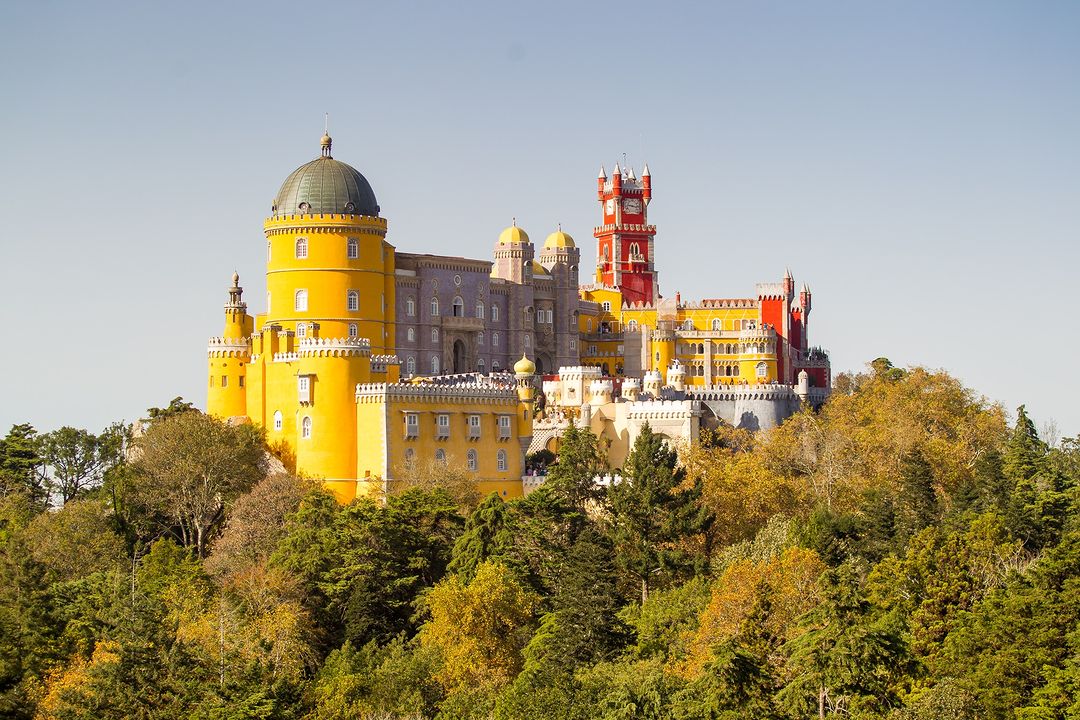
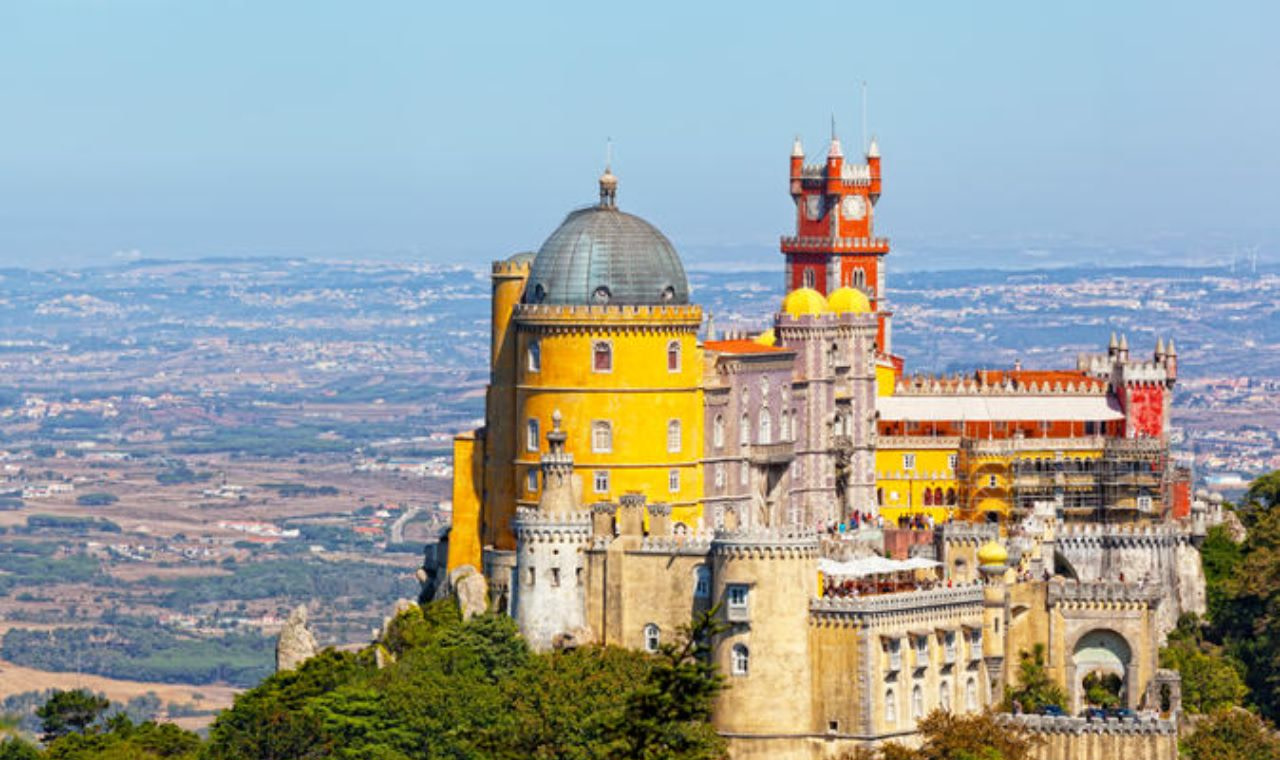
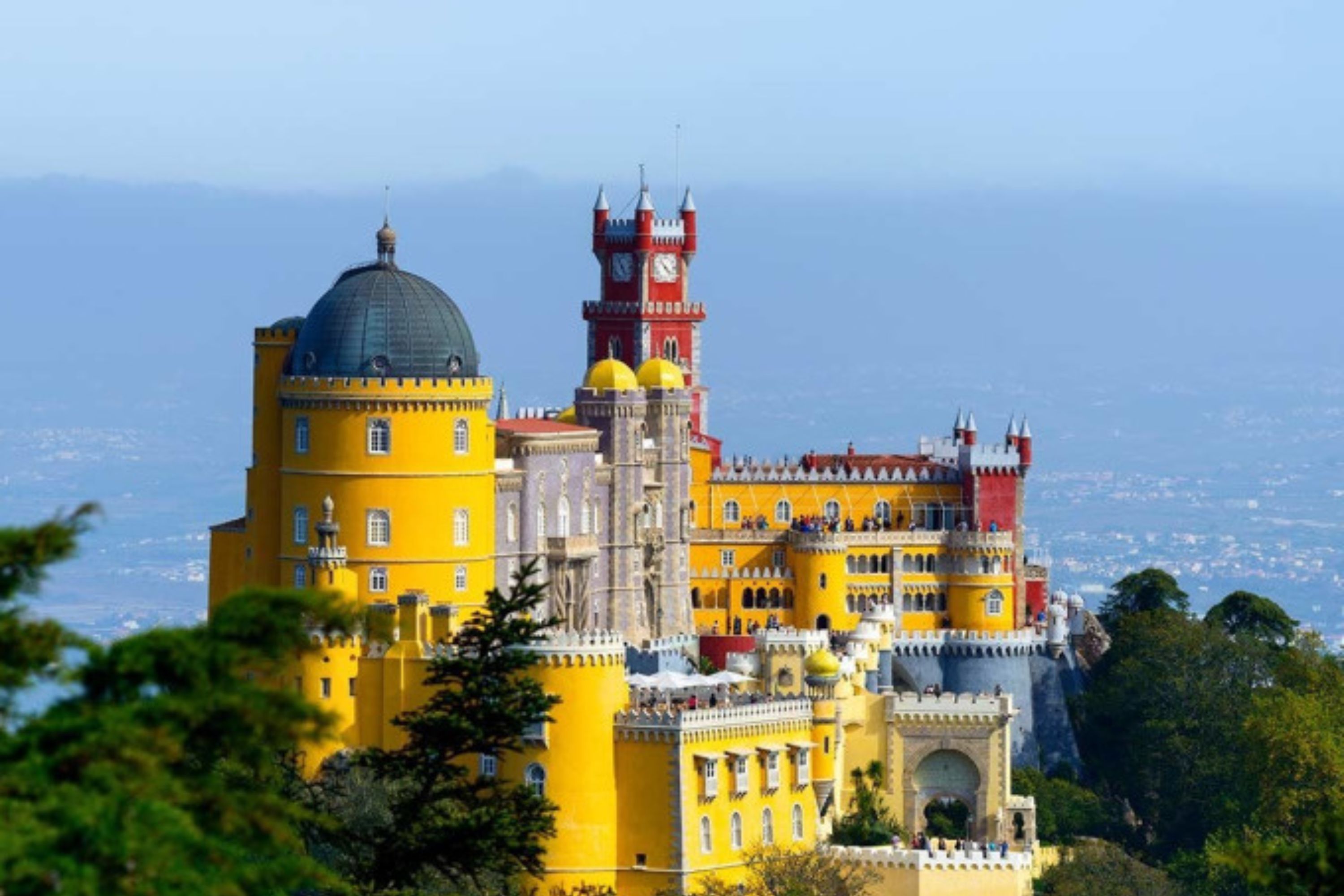
Pena Palace
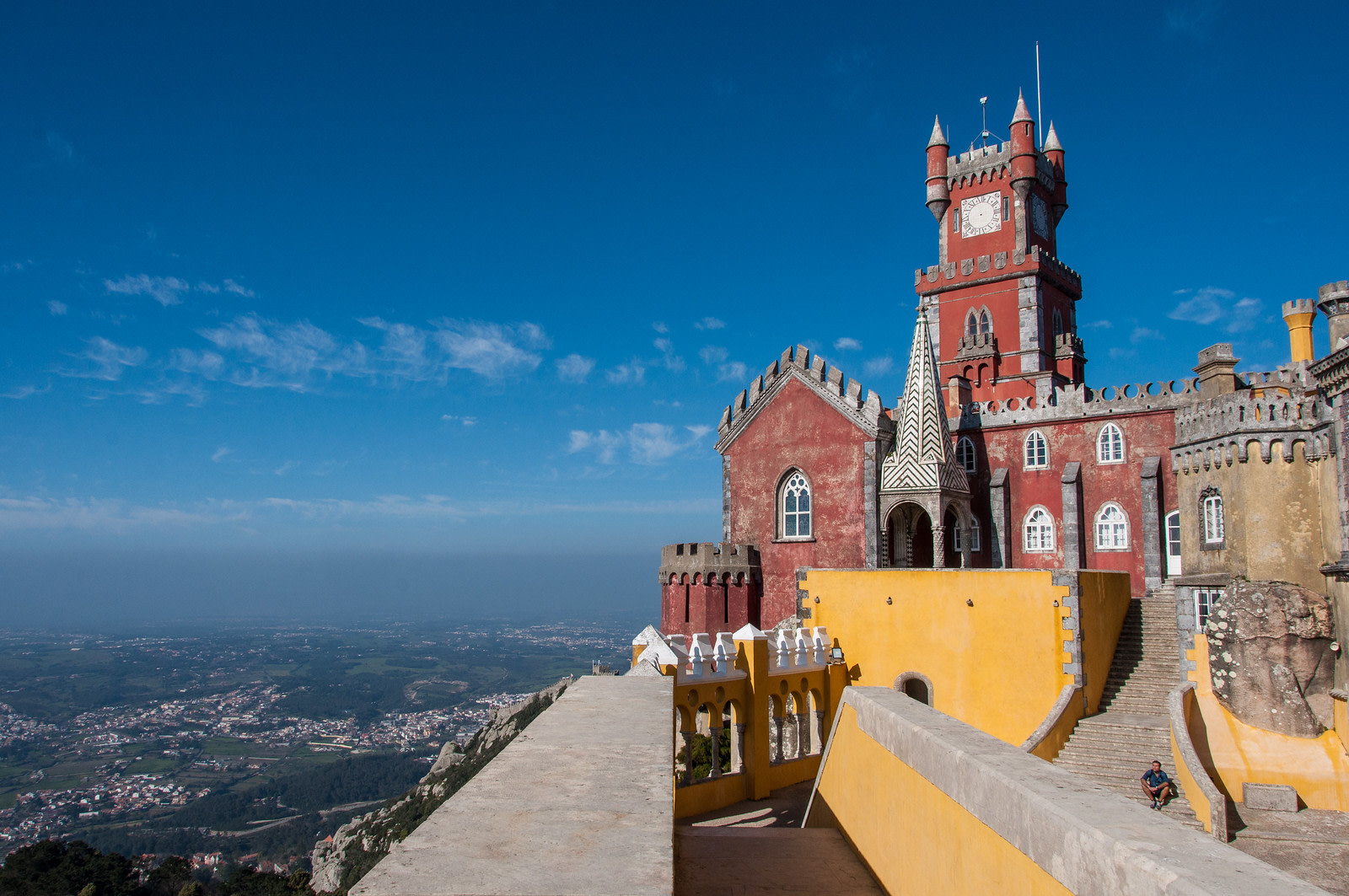
A 19th-century Romanticist palace perched on a hilltop, known for its vibrant colors and eclectic architectural styles.
Historical/Architecture
2-3 hours
€14 (adult ticket)
Quinta da Regaleira
A mystical estate with lush gardens, hidden tunnels, and the famous Initiation Well.
Historical/Architecture
1-2 hours
€10 (adult ticket)
Moorish Castle
A medieval castle with origins dating back to the 8th century, offering stunning views and a glimpse into Sintra's past.
Historical
1-2 hours
€8 (adult ticket)
Praia da Adraga
A beautiful beach with golden sand and dramatic cliffs, perfect for a relaxing day by the sea.
Beach
Half-day
Free
Monserrate Palace
A stunning 19th-century palace set in a lush, romantic garden, showcasing a blend of Gothic, Moorish, and Indian architectural styles.
Historical/Architecture
1-2 hours
€8 (adult ticket)
Must-Try Local Dishes
Trajana
A traditional pastry filled with various ingredients like meat, cheese, or sweets.
Snack
Can be vegetarian or vegan depending on filling.
Bacalhau à Brás
A classic Portuguese dish made with shredded cod, eggs, and thinly fried potatoes.
Main course
Contains fish and eggs.
Pastel de Nata
A famous Portuguese custard tart with a flaky pastry crust.
Dessert
Contains dairy and eggs.
Sardinhas Assadas
Grilled sardines, a popular dish in coastal regions.
Main course
Contains fish.
Popular Activities
Hiking in the Sintra-Cascais Natural Park
Surfing at Praia da Adraga
Beach relaxation
Wine tasting
Visiting historic palaces and castles
Exploring local markets
Swimming and sunbathing at local beaches
Visiting museums and indoor attractions
Best Time to Visit
April to June, September to October
These months offer the best weather with pleasant temperatures and fewer tourists compared to the summer peak.
15°C to 25°C
59°F to 77°F
Practical Information
Language
- Official: Portuguese
- Widely spoken: English, Spanish, French
- English: Moderately spoken in tourist areas, limited elsewhere
Currency
Euro (EUR)
Time Zone
GMT+1 (WET), GMT+2 (WEST during daylight saving time)
Electricity
230VV, 50HzHz
Safety Information
Overall Safety Rating: Generally safe
Sintra is a safe destination for travelers, with low crime rates and a welcoming atmosphere.
Important Precautions:
- • Keep valuables secure in crowded areas
- • Use licensed taxis or ride-sharing apps
- • Be cautious when using ATMs at night
Getting there
By air
- Lisbon Portela Airport • 28 km
By train
Sintra Station
By bus
Lisbon Sete Rios Bus Station
Getting around
Public transport
Trains are the most efficient way to get around Sintra and its attractions.
Taxis
Available • Apps: Uber, Bolt
Rentals
Car, Bike, Scooter
Neighborhoods
Town Center
Park of Pena
Colares
Day trips
Cascais
20 km • Half day
A charming coastal town known for its beaches, historic center, and vibrant atmosphere.
Lisbon
30 km • Full day
Portugal's capital city offers a rich history, vibrant culture, and diverse attractions.
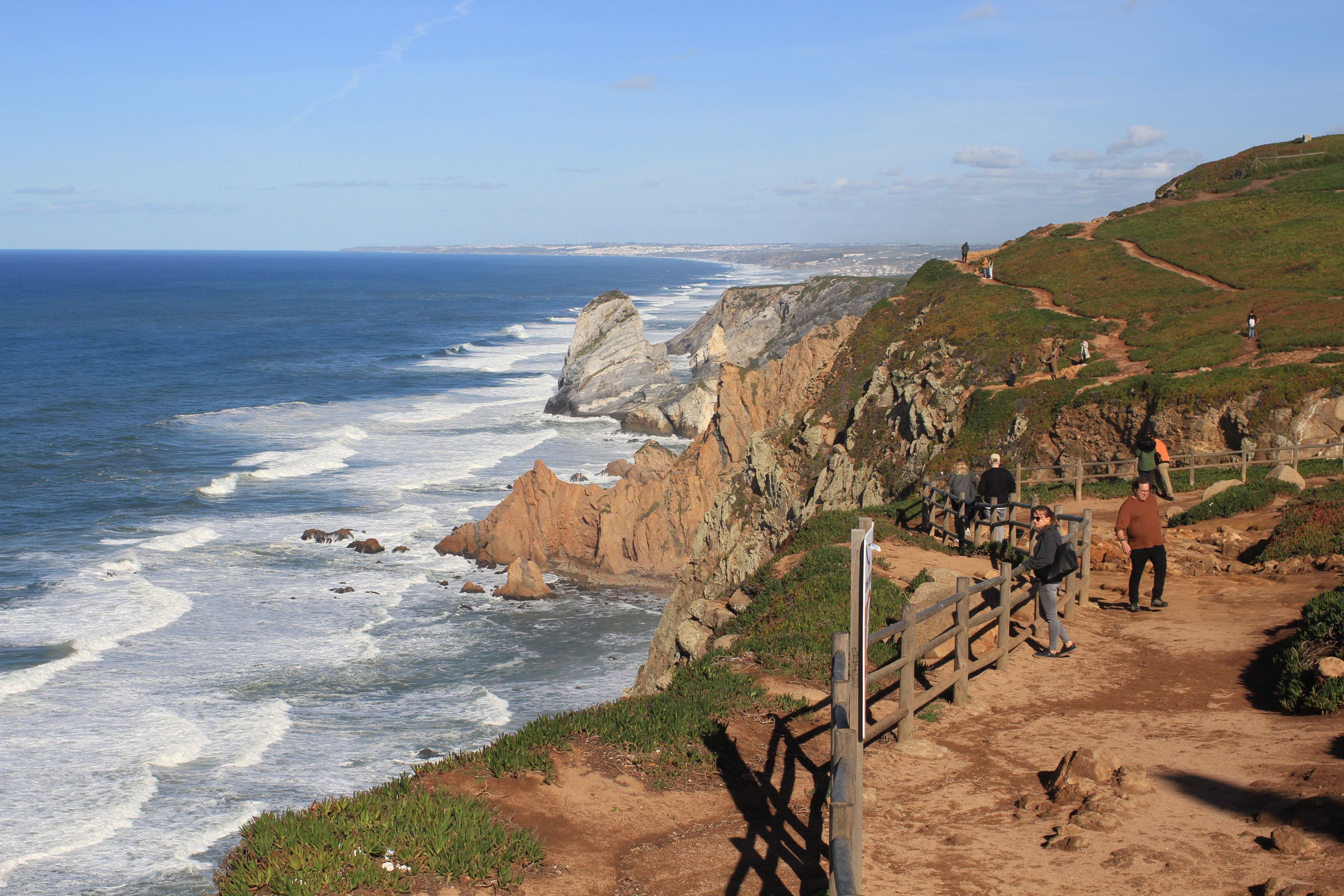
Cabo da Roca
25 km • Half day
The westernmost point of mainland Europe, offering stunning coastal views and dramatic cliffs.
Festivals
Sintra Music Festival • June to September
Sintra Halloween • October
Sintra Christmas Market • December
Pro tips
- Visit Pena Palace early in the morning to avoid crowds.
- Explore the town on foot to discover hidden gems and charming streets.
- Try local pastries like Pastel de Nata and Trajана for an authentic taste of Sintra.
- Use the Viva Viagem card for convenient and discounted public transportation.
- Book tickets for popular attractions in advance to avoid long queues.
From $25
per person
Price varies by option
Secure booking
Free cancellation available
Instant confirmation