San Lorenzo Fort and Agua Clara-Gatun Locks Panama Canal Tour
Active
6h
For a full refund, cancel at least 24 hours before the scheduled departure time.
Instant confirmation
Mobile or paper ticket accepted
About this experience
Join us on a 7-hour tour of the less-visited Fort San Lorenzo and the Agua Clara Locks of the Panama Canal. Your English-speaking guide will pick you up at 7:00 a.m. from your accommodation in Panama City. Travel across the impressive Third Bridge over the Panama Canal to the Caribbean side. Our first stop is the Agua Clara Locks, where you can watch enormous ships pass by, explore the visitor center, and learn how engineers expanded the canal for the new Panamax vessels. Afterward, we'll head to the new Gatun Locks Observation Deck for panoramic views of the canal in operation. Around 10:00 a.m., we'll continue to Fort San Lorenzo, arriving at 11:00 a.m. Discover the ruins and rich history of this UNESCO World Heritage Site. At noon, we'll begin the return trip to Panama City, arriving at your hotel around 2:00 p.m.
Available options
San Lorenzo Fort and Agua Clara-Gatun Locks Panama Canal Tour
Pickup included
What's included
Certified guide
Bottled water
Detailed itinerary
1
Start this adventure with the pick up at your hotel where we will travel by car along the Panama-Colon highway where the adventure of this great tour begins (the train will not be available for a good period due to traffic issues, that is why we decided to do the tour by car).
2
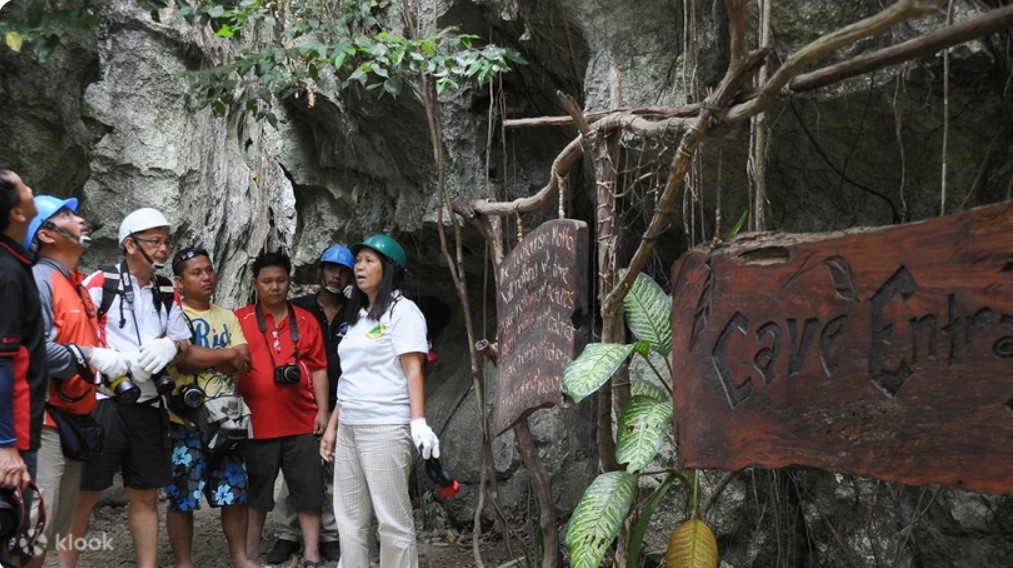
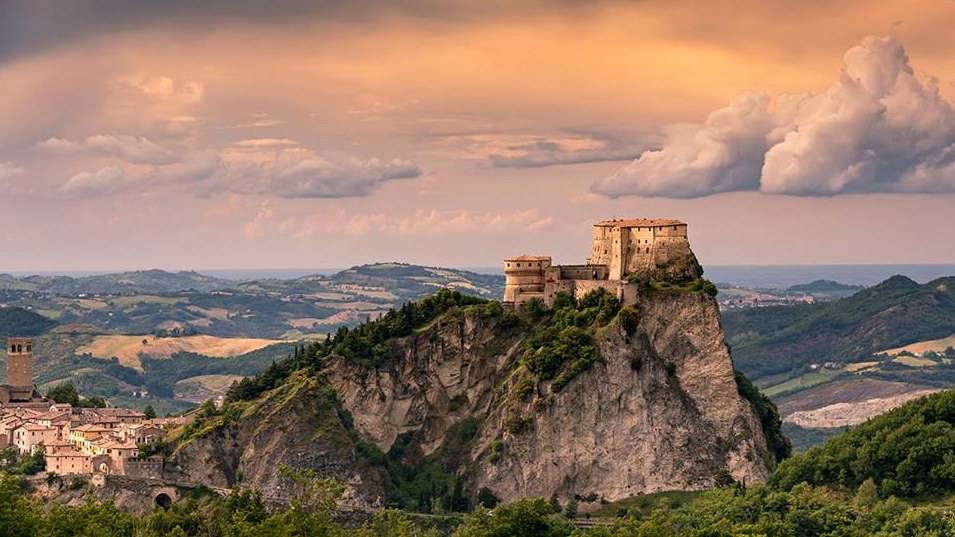
The Fort of San Lorenzo, located at the entrance of the Chagres River in the province of Colón, Panama. It was declared a World Heritage Site by UNESCO in 1980 under the name of the Fortifications of the Caribbean coast of Panama, with the fortifications of the city of Portobelo. They formed the defensive system for the transatlantic trade of the Crown of Spain and are a magnificent example of the military architecture of the seventeenth and eighteenth centuries. This place has a cost of 5 per person.
3
Declared a UNESCO World Heritage Site in 1980, the Fort of San Lorenzo is located at the mouth of the Chagres River on a promontory west of the Panama Canal. Despite its violent history, much of the original San Lorenzo fort is well preserved, including its moat, cannons and vaulted chambers. The fort also commands impressive views of the river and bay far below, which was one of the strategic reasons the Spanish chose to settle here.
What's not included
Lunch
Alcoholic Beverages
Coffee and/or Tea
Entrance to San Lorenzo
Entrance fees to the Agua Clara Locks
Available languages
Guide guide
EN
ES
Written guide
EN
Reviews breakdown
Viator
5.0
4 reviews
5★
4
4★
0
3★
0
2★
0
1★
0
Tripadvisor
4.0
1 reviews
5★
0
4★
1
3★
0
2★
0
1★
0
Important information
Infants and small children can ride in a pram or stroller
Service animals allowed
Infants are required to sit on an adult’s lap
Suitable for all physical fitness levels
About Panama City
Panama City, the capital and largest city of Panama, is a vibrant metropolis where modern skyscrapers meet historic colonial architecture. Situated at the Pacific entrance of the Panama Canal, it offers a unique blend of urban sophistication and tropical charm, making it a compelling destination for travelers.
Top Attractions
Panama Canal
One of the most significant engineering feats in history, the Panama Canal connects the Atlantic and Pacific Oceans.
Historical
Half-day to full day
Free to visit locks, tours vary
Casco Viejo
The historic district of Panama City, Casco Viejo is a UNESCO World Heritage site with colonial architecture, vibrant nightlife, and cultural landmarks.
Historical
Half-day to full day
Free to explore, entry fees for museums
Biomuseo
Designed by Frank Gehry, the Biomuseo explores the biodiversity and natural history of Panama.
Museum
2-3 hours
Moderate
Ancon Hill
A popular hiking spot offering panoramic views of the city and the Panama Canal.
Nature
1-2 hours
Free
Panama Viejo
The ruins of the original Panama City, founded in 1519, offering a glimpse into the city's colonial past.
Historical
1-2 hours
Free to explore, entry fee for museum
Must-Try Local Dishes
Sancocho
A hearty chicken and root vegetable soup, often served with rice and corn.
Soup
Contains meat, can be made vegetarian
Ceviche
Fresh raw fish marinated in lime juice, mixed with onions, peppers, and cilantro.
Appetizer
Contains seafood, can be made with various types of fish
Ropa Vieja
Shredded beef stew with vegetables, served with rice and beans.
Main Course
Contains meat
Hojaldres
Fried dough pastries, often served with cheese or jam.
Snack
Vegetarian
Popular Activities
Hiking in Soberanía National Park
Kayaking in the San Blas Islands
Beach day at Playa Blanca
Spa day in a luxury hotel
Exploring Casco Viejo
Visiting the Biomuseo
Snorkeling in the San Blas Islands
Boat tours through the Panama Canal
Best Time to Visit
December to April
This is the dry season with sunny days and minimal rainfall, ideal for outdoor activities and sightseeing.
24°C to 32°C
75°F to 90°F
Practical Information
Language
- Official: Spanish
- Widely spoken: English
- English: Moderately spoken
Currency
Panamanian Balboa (PAB)
Time Zone
GMT-5
Electricity
110VV, 60HzHz
Safety Information
Overall Safety Rating: Generally safe
Panama City is generally safe for tourists, but petty crime and pickpocketing can occur in crowded areas. Exercise caution and be aware of your surroundings.
Important Precautions:
- • Keep valuables secure
- • Use official taxis or ride-sharing apps
- • Be cautious in crowded areas
Getting there
By air
- Tocumen International Airport • 24 km (15 miles) from city center
By bus
Albrook Terminal, Panama Viejo Terminal
Getting around
Public transport
Modern, efficient, and air-conditioned. A convenient way to travel within the city.
Taxis
Available • Apps: Uber, Didi
Rentals
Car, Bike, Scooter
Neighborhoods
Casco Viejo
El Cangrejo
Bella Vista
San Francisco
Day trips
San Blas Islands
300 km (186 miles) from Panama City • Full day to overnight
A group of islands known for their pristine beaches, crystal-clear waters, and Guna Yala culture.
El Valle de Antón
80 km (50 miles) from Panama City • Full day
A picturesque mountain town surrounded by lush forests and waterfalls.
Soberanía National Park
30 km (19 miles) from Panama City • Half day to full day
A lush rainforest offering a variety of wildlife and hiking trails.
Festivals
Panama Carnival • February (4 days before Ash Wednesday)
Panama Jazz Festival • January
Festival de las Mil Polleras • July
Pro tips
- Visit the Panama Canal early in the morning to see ships pass through the locks
- Explore Casco Viejo on foot to discover its hidden gems and vibrant street life
- Try local street food for an authentic culinary experience
- Use the metro for efficient and affordable travel within the city
- Book tours and activities in advance to secure your spot and avoid disappointment
From $25
per person
Price varies by option
Secure booking
Free cancellation available
Instant confirmation