1-Day Tour from Matsumoto: Walk the Nakasendo Trail
Active
8h
For a full refund, cancel at least 24 hours before the scheduled departure time.
Instant confirmation
Mobile or paper ticket accepted
About this experience
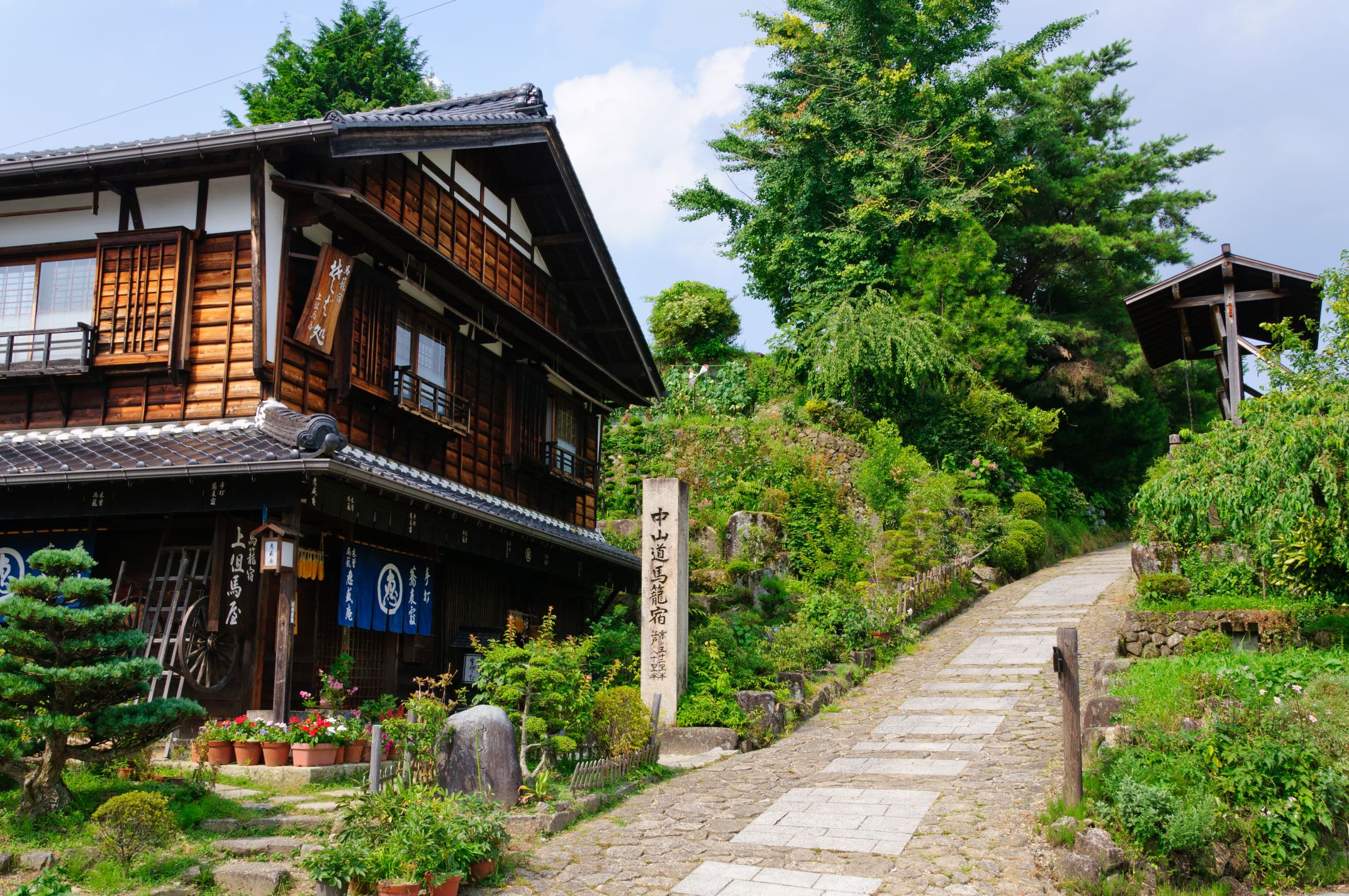
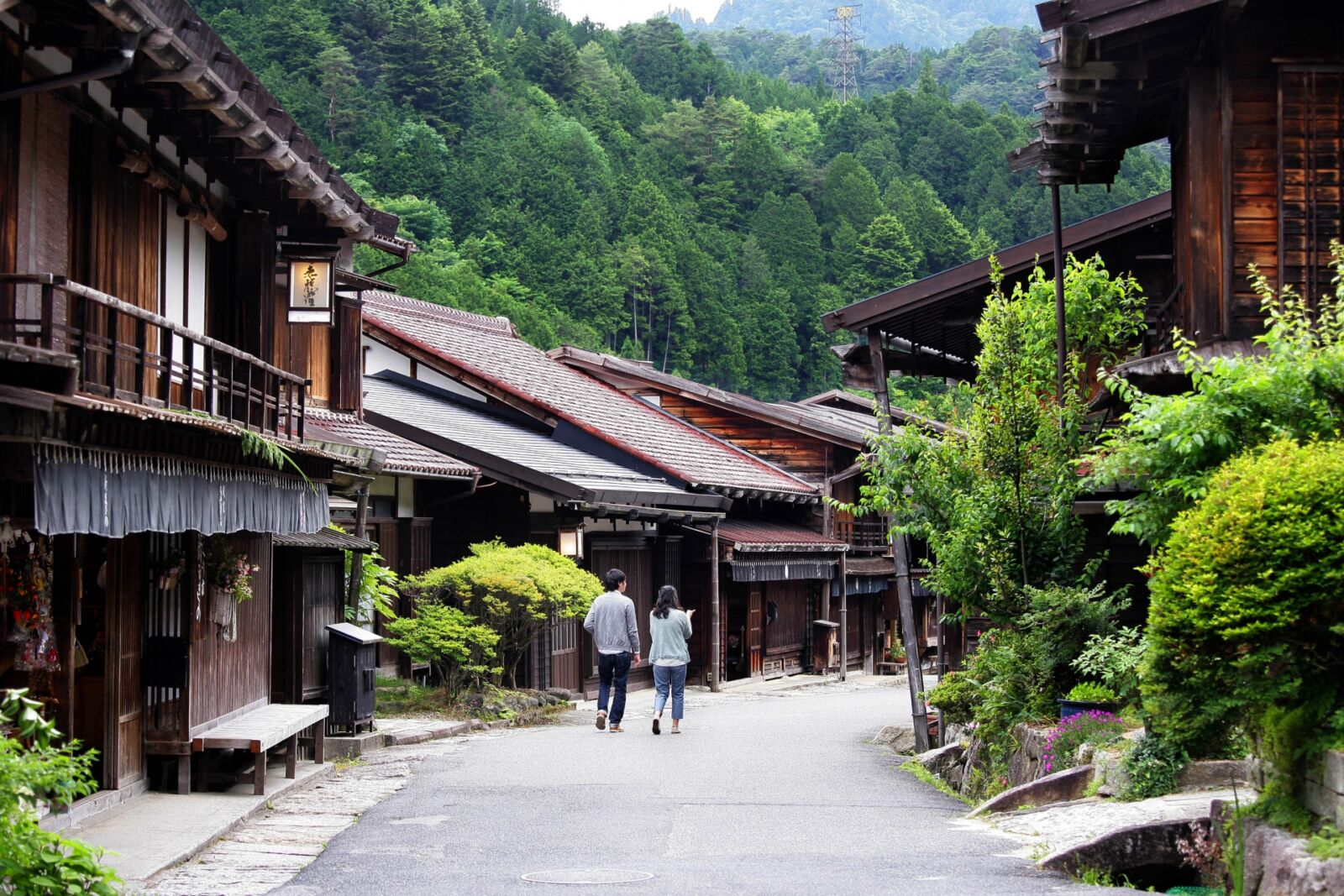
Prepare to experience Old Japan on foot with this exciting hike through traditional post towns, ancient forests, and dramatic mountain passes. Starting in Tsumago-juku post town, your guide will explain a bit about what kinds of people traveled the roads in Old Japan, where they were going, and how they lived. You will get a chance to enter some buildings including an old Inn and a horse-stable that perfectly illustrate what your guide has mentioned.
Leaving Tsumago-juku post town, you will start out on an 8km trek to the next post town, passing by roaring waterfalls and quiet hamlets along the way. Keep an eye open for wildlife and wildflowers while you are led by your guide along what was once one of the main avenues of travel in Japan.
Arriving at Magome-juku post town, you will be treated to far off views of fields and mountains as you descend to the bottom of this very vertical village. After having a little time for shopping, you will board the tour vehicle and head back.
Available options
Join from Nagano station
Pickup included
Join from Matsumoto Station
Pickup included
What's included
Transport to and from All Locations in a Dedicated Tour Vehicle
English Speaking Guide
Detailed itinerary
1
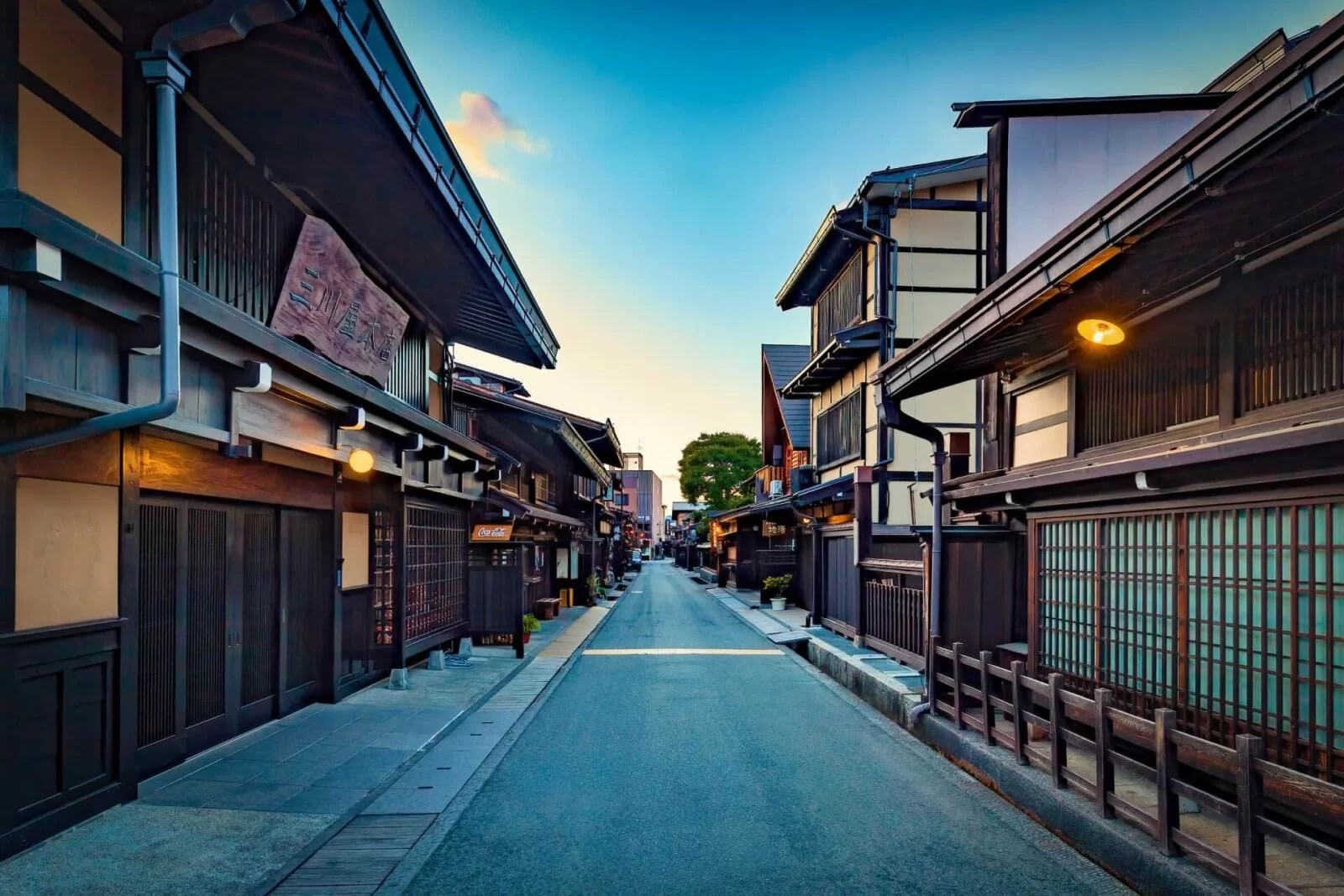
Our tour will begin in earnest when you and your guide step off the bus at Tsumago-juku Post Town. Once a vital station on a road connecting Tokyo (then called Edo) and Kyoto, the town's appearance has not changed since its heyday. Here you can find streets lined with traditional wooden buildings that have been meticulously preserved by their residents. Some buildings are open to enter, and allow you a look into how people used to travel in Old Japan.
2
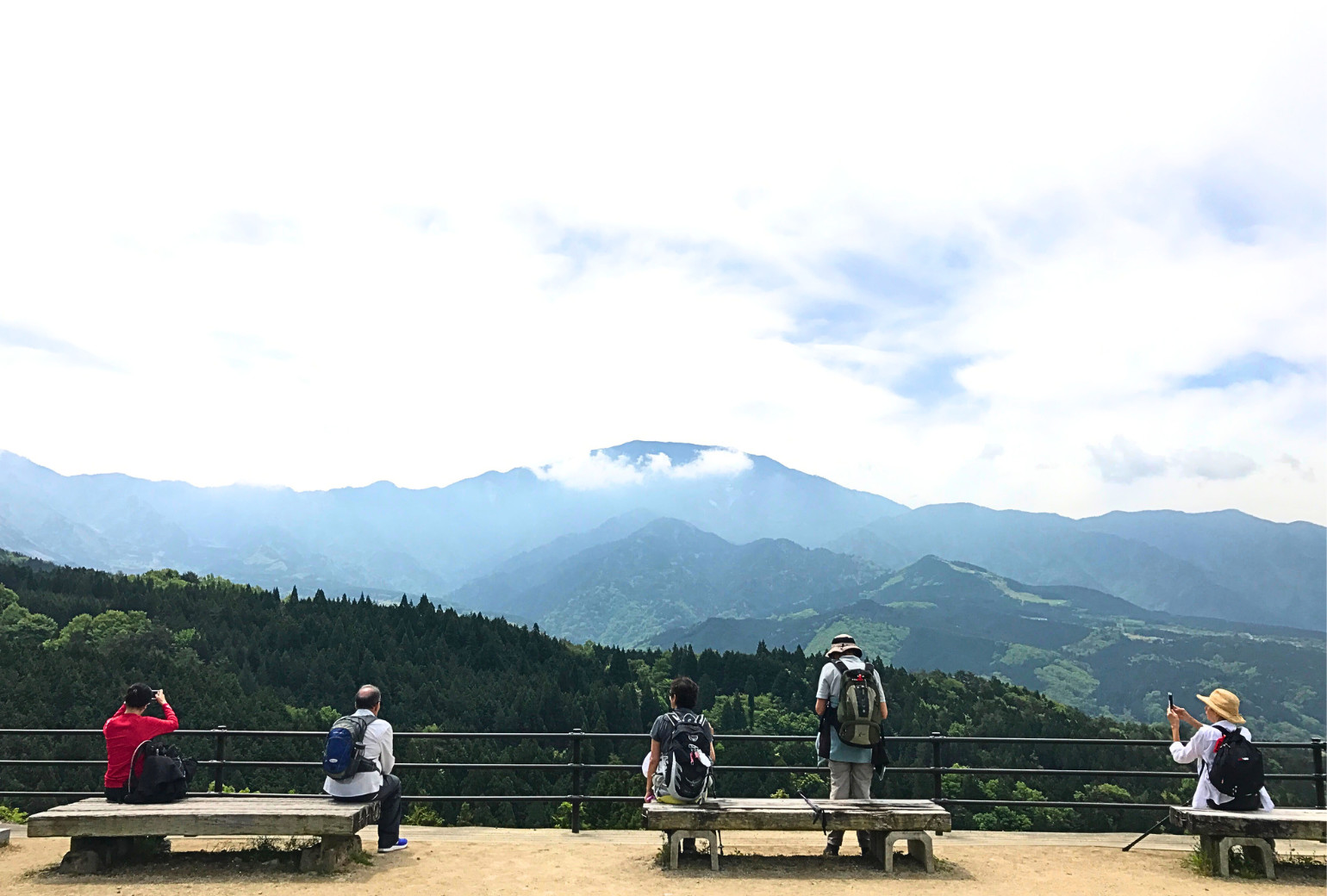
Departing Tsumago, the Nakasendo Trail trek will begin. Totaling around 8km, this trail is a must-see for people looking to combine an outdoor experience with a cultural experience. Along the way you will be treated to breathtaking waterfalls, quaint hamlets, and dramatic mountain views. The trail covers a wide range of elevations, so prepare to use your legs and get your blood flowing. Your guide will be there to make sure you don't get lost, and to help enhance the experience with timely anecdotes and knowledgeable trivia about the sights you will see along the way.
3
Stop 3
With the 8km Nakasendo trek complete, you will arrive at Magome-juku, another amazing town on the Nakasendo Trail. More vertical than Tsumago-juku, this town is located on a steep hill providing views over the roofs of buildings below you and out onto the plain that lies at the bottom of the village. There are some gift shops and places to have a quick snack here, and your guide will give you a chance to peruse these establishments at your own pace.
What's not included
Lunch
Available languages
Guide guide
EN
Reviews breakdown
Viator
5.0
1 reviews
5★
1
4★
0
3★
0
2★
0
1★
0
Tripadvisor
4.8
38 reviews
5★
33
4★
3
3★
1
2★
1
1★
0
Important information
Service animals allowed
Public transportation options are available nearby
Not recommended for travelers with spinal injuries
Not recommended for pregnant travelers
Not recommended for travelers with poor cardiovascular health
Travelers should have at least a moderate level of physical fitness
Travel time is already included in the total duration of travel
All listed events, activities, and experiences are subject to availability. Please note that while certain tour options may appear bookable through our platforms, this does not guarantee that every experience can be carried out as scheduled in the tour itinerary. Many activities require direct confirmation with our partner venues, and availability may vary based on the date and other factors. Should any part of your ordered itinerary require adjustment or deviation from the original schedule, or if a specific experience is unavailable, we will contact you promptly to discuss suitable alternatives or amendments.
About Nagano
Nagano, the capital of Nagano Prefecture, is a city rich in history and natural beauty. Known for its role in the 1998 Winter Olympics, Nagano offers a blend of traditional Japanese culture, stunning mountain landscapes, and world-class ski resorts. The city is a gateway to some of Japan's most famous hot springs and ancient temples.
Top Attractions
Zenko-ji Temple
Zenko-ji is one of Japan's most important Buddhist temples, dating back to the 7th century. It is a significant pilgrimage site and a symbol of Nagano's spiritual heritage.
Religious
1-2 hours
Free (donations appreciated)
Snow Monkeys of Jigokudani
The Snow Monkeys of Jigokudani are a famous attraction, known for their unique behavior of bathing in hot springs during the winter months.
Nature
Half day to full day
¥800 (adults) or ¥400 (children)
Nagano Olympic Museum
This museum commemorates the 1998 Winter Olympics held in Nagano. It features exhibits on the history of the Olympics, the events held in Nagano, and the athletes who participated.
Historical
1-2 hours
¥500 (adults) or ¥200 (children)
Togakushi Shrine
Togakushi Shrine is a complex of three shrines dedicated to the Shinto goddess of archery. It is a popular destination for both spiritual and cultural tourism.
Religious
Half day
Free (donations appreciated)
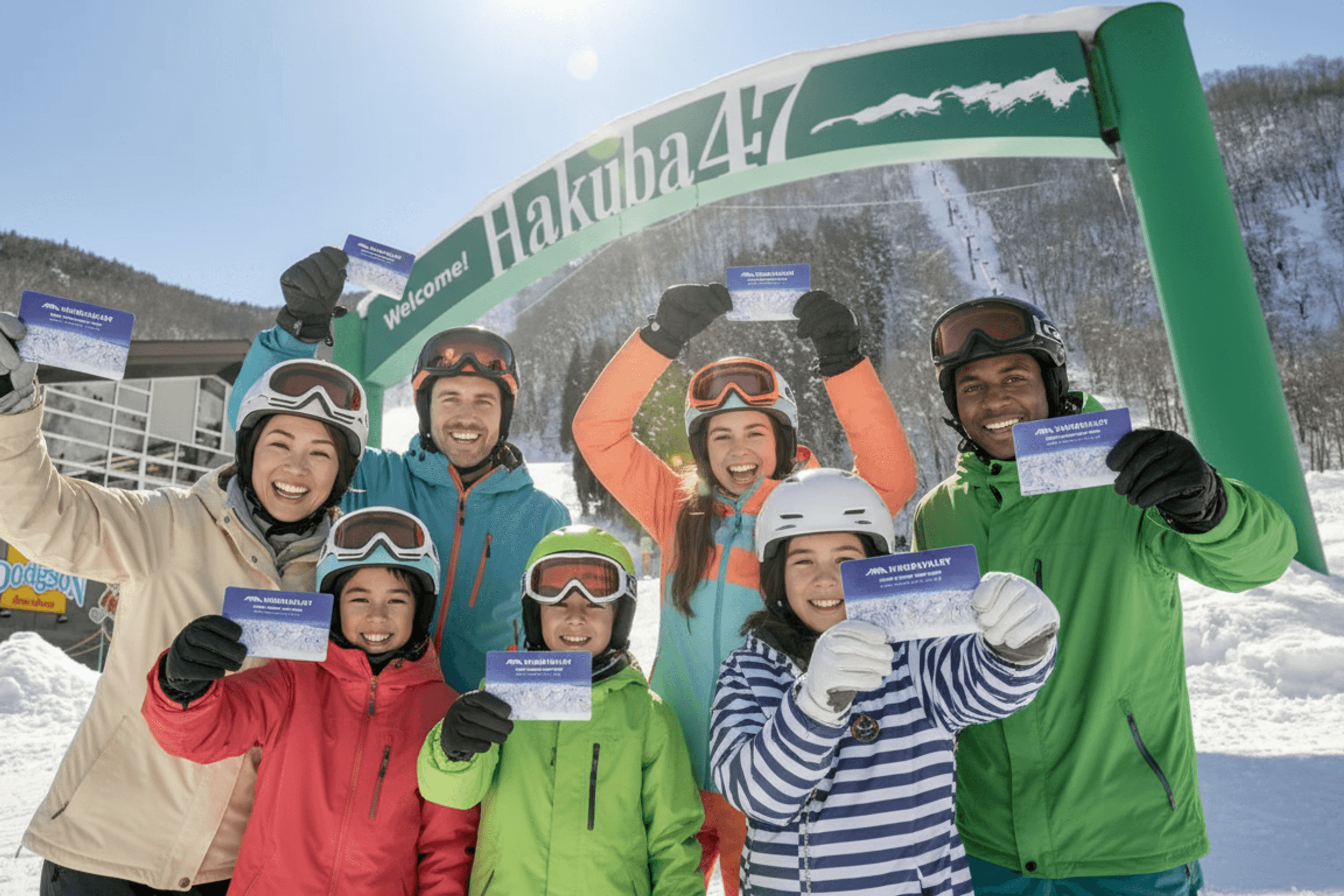
Shiga Kogen
Shiga Kogen is one of Japan's largest and most popular ski resorts, known for its extensive ski runs, modern facilities, and beautiful mountain scenery.
Adventure
Full day or overnight
¥4,000 - ¥6,000 (lift tickets)
Must-Try Local Dishes
Soba Noodles
Soba noodles are made from buckwheat flour and are a staple of Nagano's cuisine. They can be served hot or cold, with various toppings and dipping sauces.
Dish
Vegetarian (if no meat or fish toppings are added)
Oyaki
Oyaki are dumplings filled with various ingredients, such as vegetables, meat, or cheese. They are a popular snack in Nagano and are often served with meals.
Dish
Vegetarian options available
Sake
Nagano is known for its high-quality sake, made from locally grown rice. The region has numerous sake breweries, offering a variety of flavors and styles.
Drink
Contains alcohol
Onsen Ryori
Onsen Ryori is a type of cuisine served in hot spring resorts. It typically consists of dishes made with local ingredients, such as vegetables, fish, and tofu, cooked in the hot spring water.
Dish
Vegetarian options available
Popular Activities
Skiing
Snowboarding
Hiking
Mountain biking
Hot air ballooning
Hot spring bathing
Temple visiting
Shopping
Best Time to Visit
Winter (December to February)
Winter is the peak season for skiing, snowboarding, and other winter sports. The city hosts numerous winter festivals and events. Expect heavy snowfall and cold temperatures.
-2°C to 5°C (28°F to 41°F)
28°F to 41°F
Practical Information
Language
- Official: Japanese
- Widely spoken: English (limited)
- English: Limited
Currency
Japanese Yen (JPY)
Time Zone
GMT+9
Electricity
100VV, 50/60HzHz
Safety Information
Overall Safety Rating: Generally safe
Nagano is a generally safe destination for travelers. Violent crime is rare, and petty crime, such as pickpocketing, is uncommon. However, travelers should still take precautions to protect their belongings and be aware of their surroundings.
Important Precautions:
- • Keep valuables secure and out of sight.
- • Be cautious of your surroundings, especially at night.
- • Use reputable taxis and tour services.
Getting there
By air
- Nagano Airport • 10 km (6 miles) from the city center
- Chubu Centrair International Airport • 200 km (124 miles) from the city center
By train
Nagano Station
By bus
Nagano Station Bus Terminal, Zenko-ji Temple Bus Stop
Getting around
Public transport
The city bus system is the primary mode of public transport in Nagano, covering most areas of the city and connecting to major attractions. Buses are frequent and affordable.
Taxis
Available • Apps: JapanTaxi, DiDi
Rentals
Car, Bike, Scooter
Neighborhoods
Central Nagano
Togakushi
Shiga Kogen
Day trips
Shiga Kogen
50 km (31 miles) from Nagano • Full day or overnight
Shiga Kogen is one of Japan's largest and most popular ski resorts, offering a wide range of winter and summer activities. It is a great destination for outdoor enthusiasts and nature lovers.
Togakushi
20 km (12 miles) from Nagano • Half day
Togakushi is a rural area known for its ancient shrines, soba noodles, and hiking trails. It is a popular destination for both spiritual and cultural tourism.
Jigokudani Monkey Park
60 km (37 miles) from Nagano • Half day to full day
Jigokudani Monkey Park is a popular destination for observing wild Japanese macaques, known as snow monkeys, in their natural habitat. The park is especially famous for the monkeys' unique behavior of bathing in hot springs during the winter months.
Festivals
Nagano Winter Festival • February
Nagano Summer Festival • August
Togakushi Fire Festival • February 3rd
Pro tips
- Visit Zenko-ji Temple early in the morning to avoid crowds and experience the temple's serene atmosphere.
- Try Togakushi's famous soba noodles at a local restaurant, such as Soba Koenji or Soba Nagano.
- Take a day trip to Shiga Kogen for skiing, snowboarding, or hiking, depending on the season.
- Experience the Nagano Winter Festival in February for a unique and memorable cultural event.
- Visit the Snow Monkeys of Jigokudani in winter to see the monkeys bathing in the hot springs.
From $25
per person
Price varies by option
Secure booking
Free cancellation available
Instant confirmation


![[Kamikochi Light Hiking Day Trip] Highland Valley Route: Taisho Pond, Kappa Bridge | Departure from Nagoya](https://res.klook.com/image/upload/activities/enzzeu1vfxjzqkonut2q.jpg)