Nagano Snow Monkey and Obuse Tour: English Speaking Driver Only
Active
8h
For a full refund, cancel at least 24 hours before the scheduled departure time.
Instant confirmation
Mobile or paper ticket accepted
About this experience
This 8-hour self-guided tour is perfect for travelers who want to visit the world-famous Snow Monkey Park and the charming town of Obuse at their own pace.
Your journey begins at JR Nagano Station, where you'll meet your English-speaking driver.
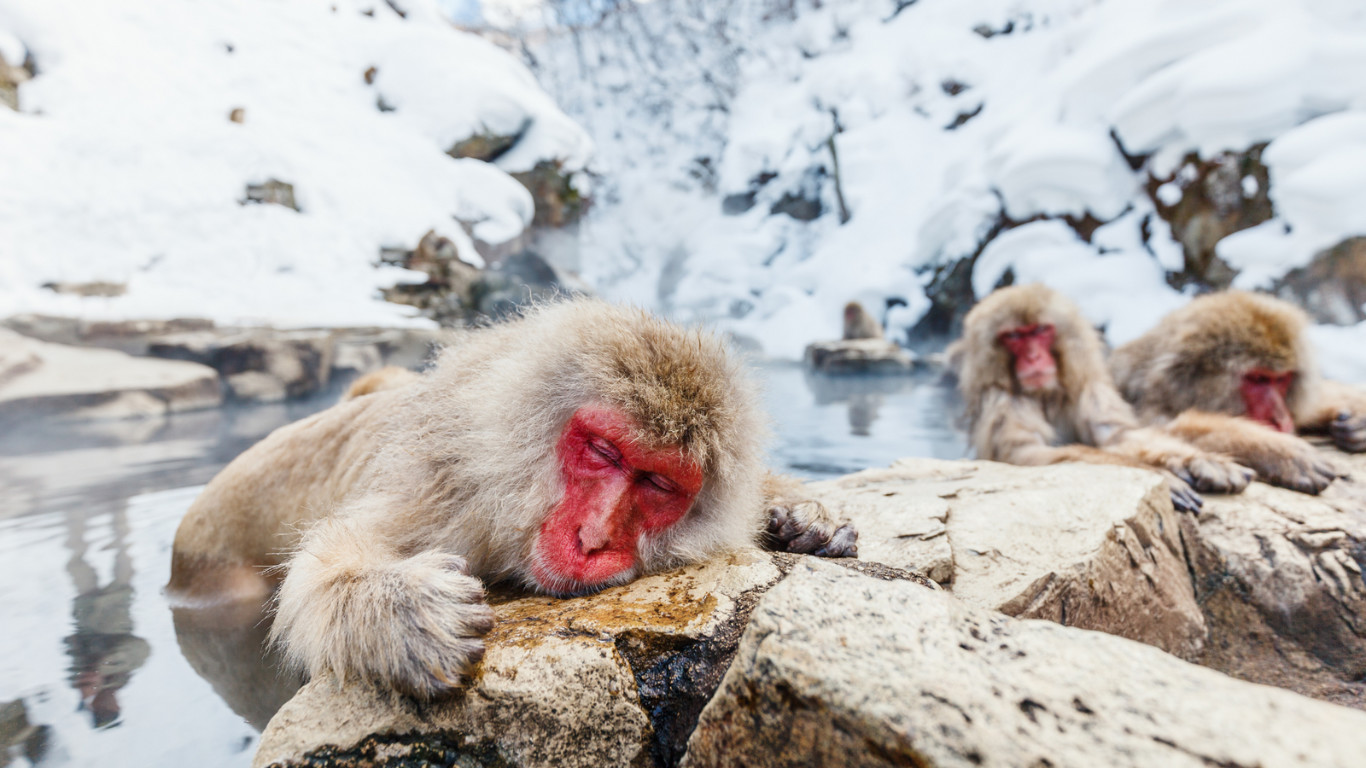
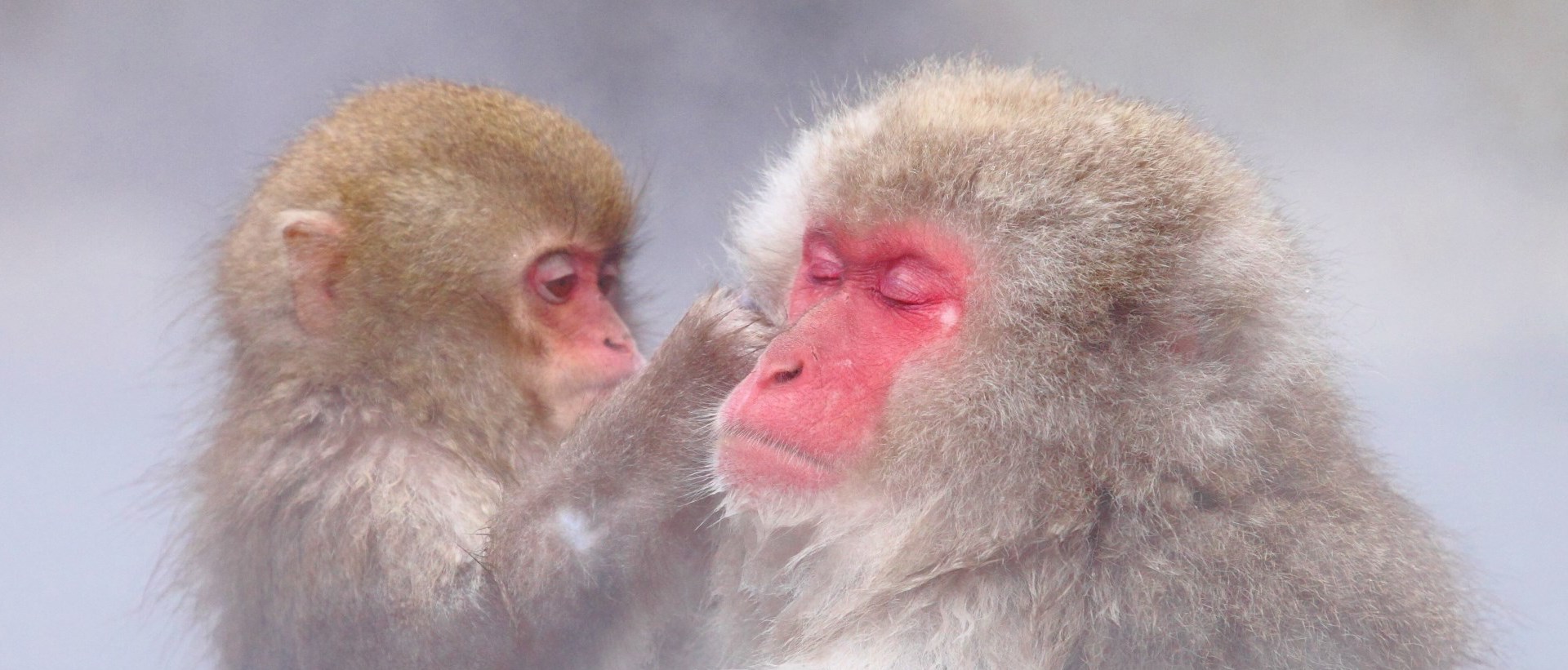
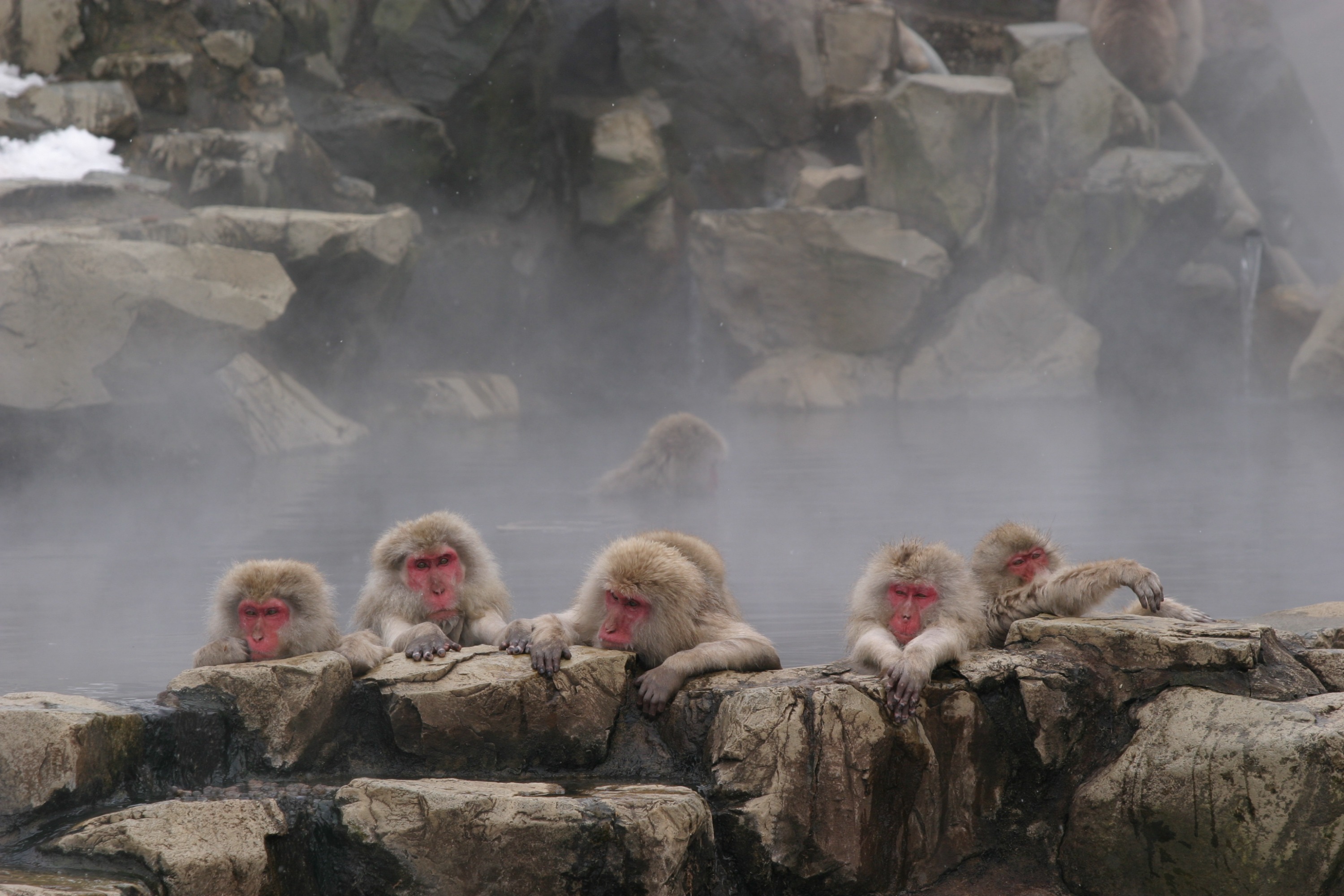
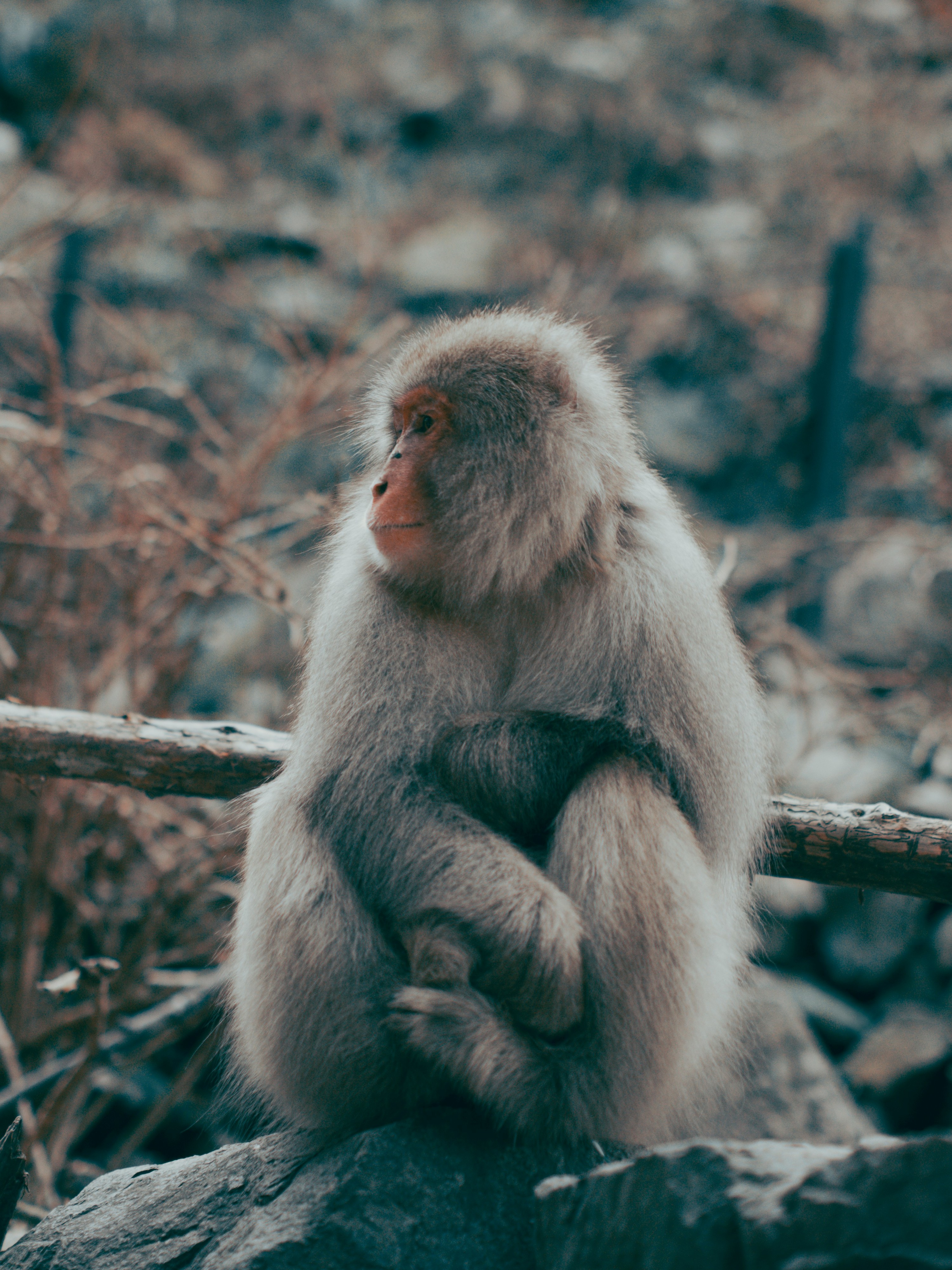
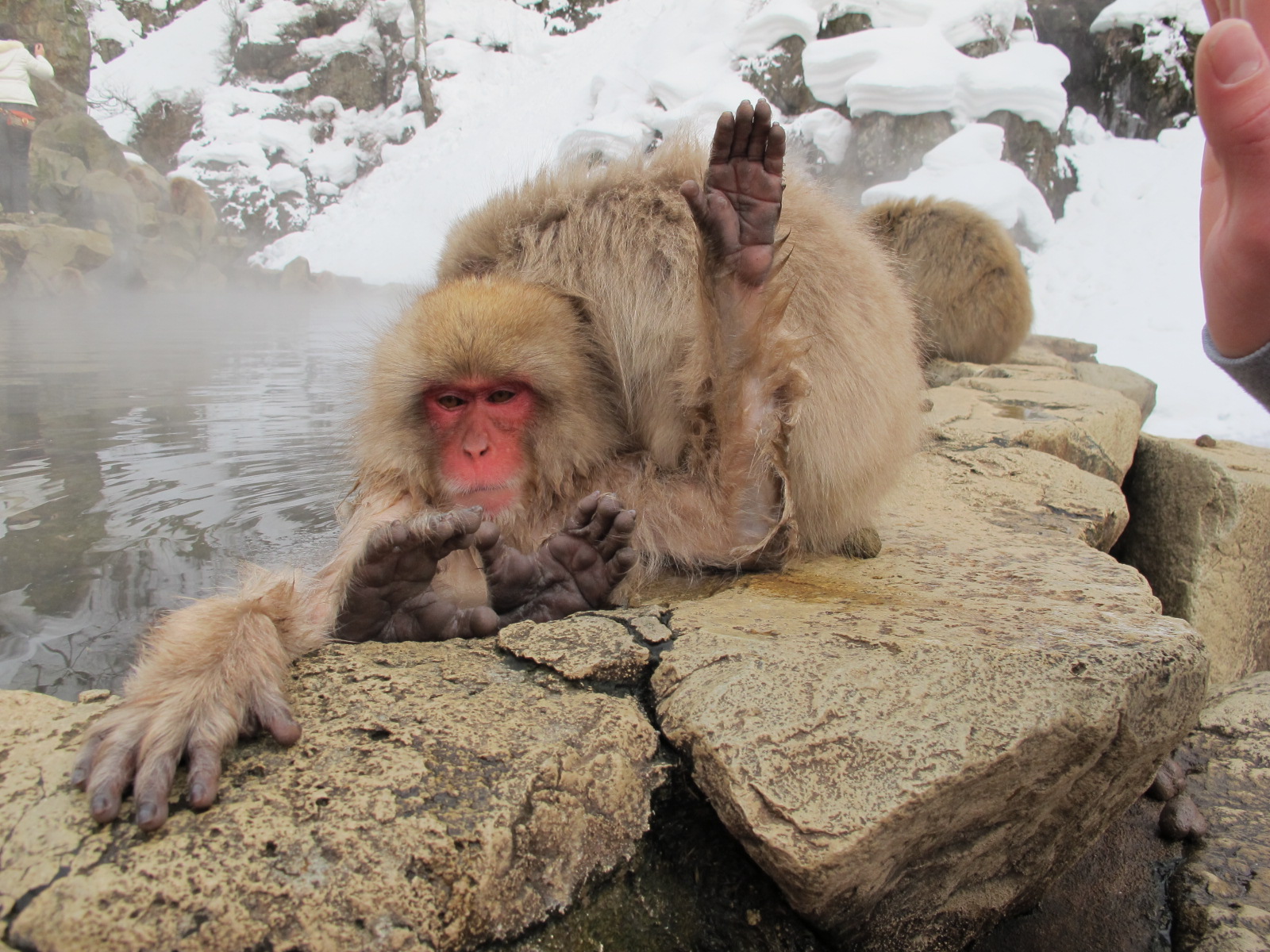
Your driver will take you to Jigokudani Snow Monkey Park, where you can witness Japanese macaques soaking in natural hot springs
After your visit to the Snow Monkey Park, you may choose 3 to 4 sites to visit from the itinerary/what to expect list to visit.
After spending a few hours, your driver will take you back to JR Nagano Station.
Experience two of Nagano’s must-see destinations in one convenient day trip!
1: The driver can understand basic English, but communication may be limited. They will use a translation app if needed. Plan your itinerary in advance to ensure a smooth experience.
2: Monkeys don't soak in the hot spring in warm weather. They bathe in winter to prevent from the severe coldness.
Available options
Minivan (up to 5 pax)
Minivan (up to 5 pax)<br/>Pickup included
Regular Car (up to 3 pax)
Regular Car (up to 3 pax)<br/>Pickup included
Van (up to 8 pax)
Van (up to 8 pax)<br/>Pickup included
What's included
Visit to 3 to 4 sites other than Jigokudani Snow Monkey Park
Private vehicle
English speaking driver: The driver can understand basic English, but communication may be limited
Detailed itinerary
1
Your driver will meet you at JR Nagano Station and drive you to Kanbayashi Onsen, the starting point of the trail to the Snow Monkey Park. The journey takes approximately one hour.
2
The world-famous “Snow Monkey Park” is located in the Valley of Yokoyu River in northern Nagano where the troops of wild Japanese monkeys inhabit naturally through the ages.
To access the monkey park, you must walk along a forest trail located at the top of Kanbayashi Onsen. Kanbayashi is small and the trail entrance is located next to the Snow Monkey Resort Information and Gift Shop. Pease note that entry tickets for the monkey park are not sold and there are no toilets. Tickets for the park are purchased at the park itself, at the end of the trail.
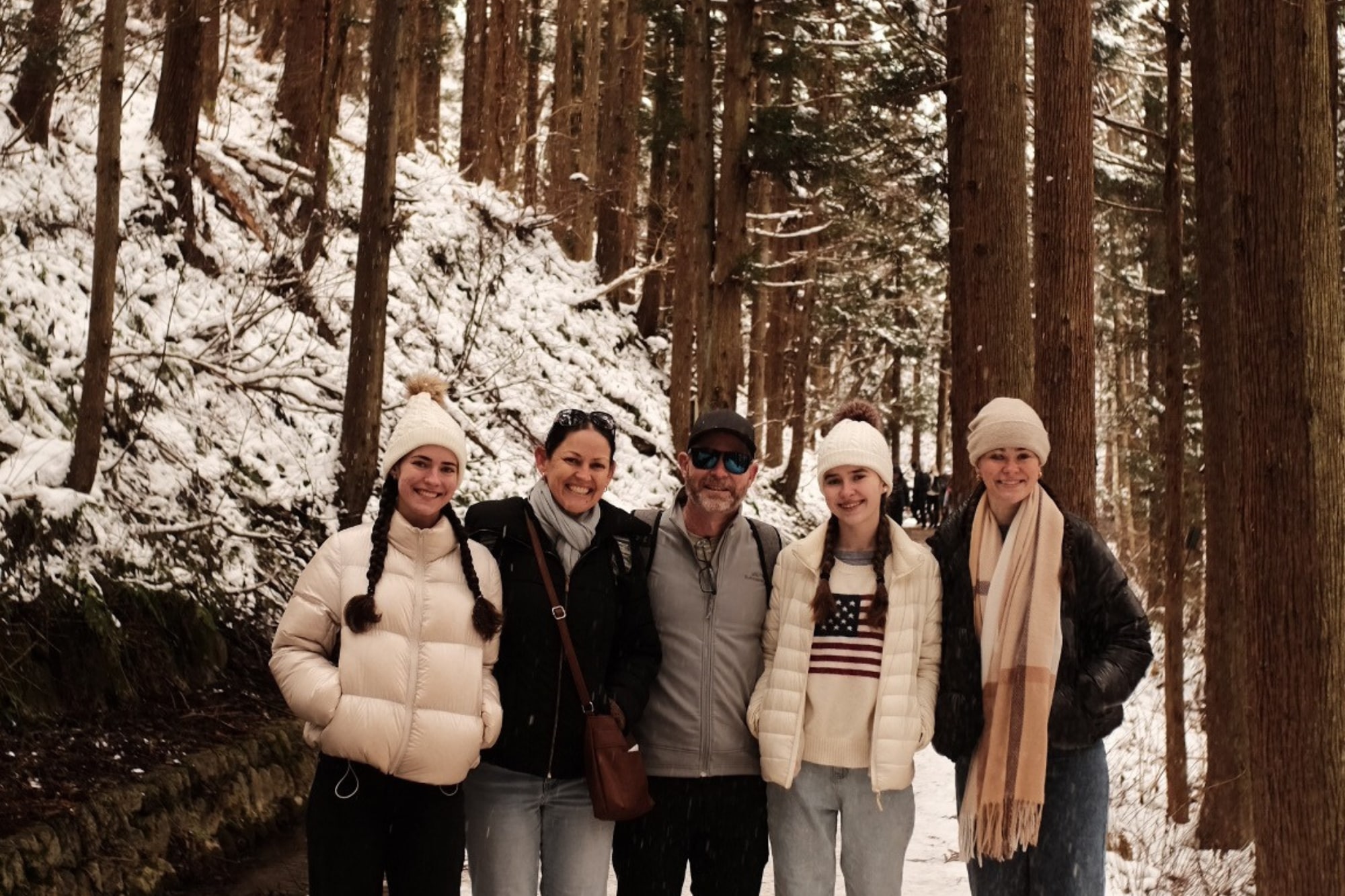
When the weather is fine, this is an easy walk and it takes about 20 to 25 minutes.
The trail to the park is 1.6 km / 1 mile in both directions. It is unsealed but well-maintained and other than a short staircase at the trail entrance and a final steep staircase and sloped path at the end of the trail / entrance to the park itself, the trail is completely level and easy to walk.
3
After visitint the Show Monkey Park, your driver will take you to Obuse Town. It takes about 30 minutes from Kanbayashi Onsen to Obuse.
4
Katsushika Hokusai painted “Phoenix Glaring in All Directions” on the ceiling in 1848 at the age of 89. The mythical bird’s eyes seem to follow you no matter where you stand.
5
Hokusai Katsushika was a master of Ukiyo-e, a Japanese genre of painting and woodblock printing that flourished between the late 17th and late 19th centuries. The Hokusai Museum is a diverse tribute to the renowned Japanese artist Hokusai Katsushika who visited several times near the end of his life in the charming town of Obuse.
6
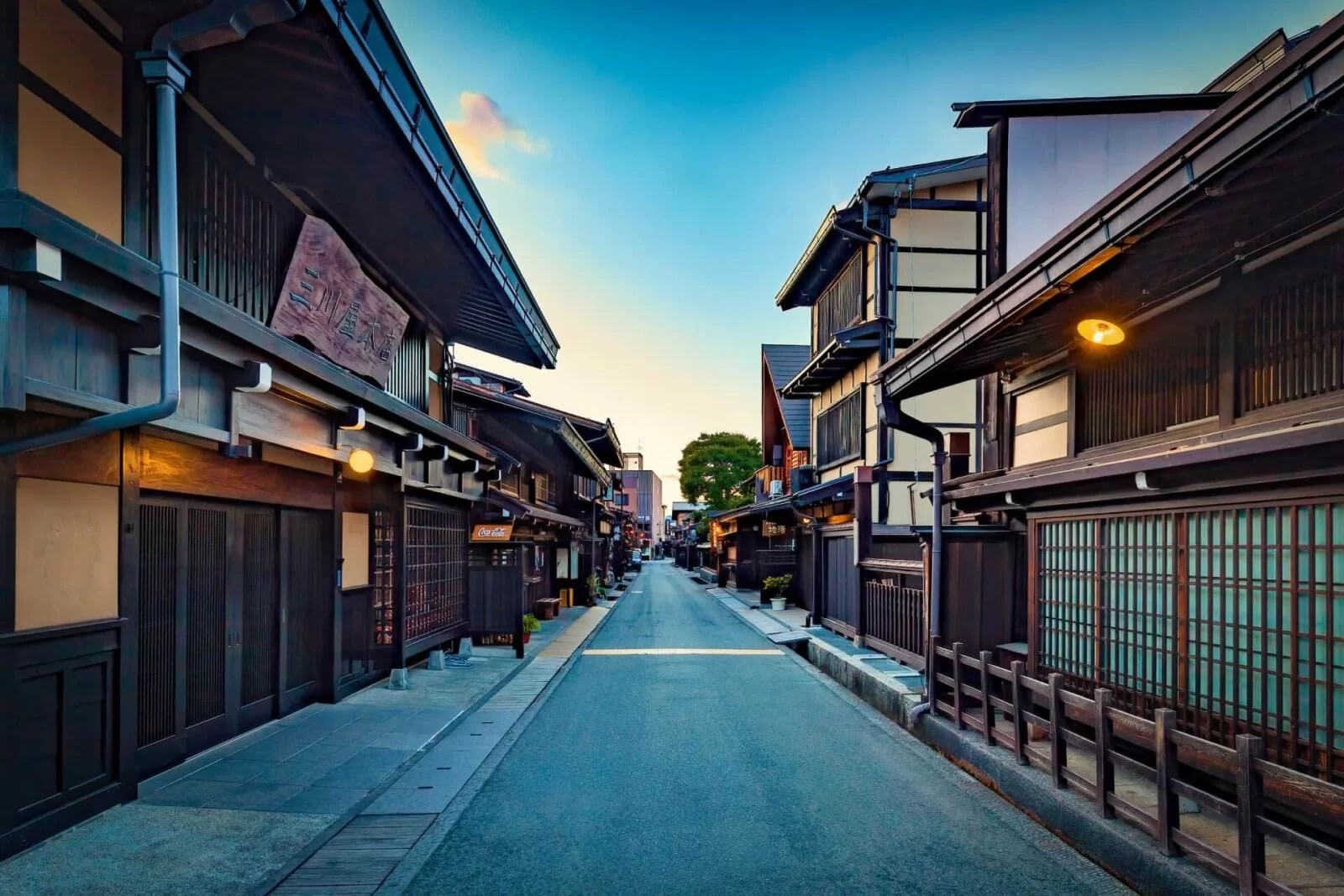
Obuse’s townscape manages to satisfy the desire of residents for convenience while providing a soothing atmosphere for visitors.
Kuri no Komichi is paved with blocks of chestnuts wood, this path linking the Hokusai Museum and the Takai Kozan Museum is one of Obuse’s best-loved spots and a perfect place for a stroll.
To walk along paths and enjoy the contrast of earth-colored walls and tiled roofs in almost like stepping back in time.
7
Paintings and calligraphic works by Takai Kozan, the prosperous farmer and merchant who both invited Hokusai to Obuse and studied under the master, are on display in his former salon and study.
8
Chestnuts have been cultivated in Obuse—long celebrated as one of the three top spots for chestnuts in Japan—since the fourteenth century and were presented to the shogunate as tribute during the Edo Period. It was only during the early twentieth century, though, that canning technology transformed chestnut sweets from a seasonal delicacy to a year-round product. With a history dating back to 1923, Obusedo produces a wide range of traditional chestnut sweets (like yokan, kuri kanoko, and rakugan) as well as dorayaki, pound cakes, and other delights.
9
Established during the middle of the Edo period,
our brewery relocated to Obuse in 1889 at the beginning of the Meiji period.
The current brewery building dates back more than 200 years.
With its eye-catching red brick chimney,
this is where our master brewer creates a range of sakes both vigorous and delicate.
Sake made from rice steamed in our giant wagama boiler has exceptional flavor. This Japanese sake brewery offers tastings and brewery tours (with reservations, Japanese only).
10
After Obuse sightseeing, your driver will take you back to JR Nagano Station. From Obuse to Nagano Station, it takes about 40 minutes.
What's not included
Licensed Local English Speaking Guide
The entrance fee to Jigokudani Monkey Park: Adults 800 JPY, Children 400JPY JPY
Admission fee to Ganshoin Temple: Adults 500 JPY, Students (6-18) 200 JPY
Admission fee to Hokusai Kan Museum: Adults 1200 JPY, Students (Junior high and high school students) 500 JPY, Children 300 JPY
Admission fee to Takai Kozan Memorial Museum: Adults 300 JPY, Children 150 JPY
Guide Entry fees are only covered for sights listed under What to Expect.
Important information
Service animals allowed
Public transportation options are available nearby
Specialized infant seats are available
Not recommended for travelers with spinal injuries
Suitable for all physical fitness levels
Monkeys don't soak in the hot spring in the warm season because they bathe in order to prevent from the severe coldness in winter.
You cannot combine multiple tour groups.
About Nagano
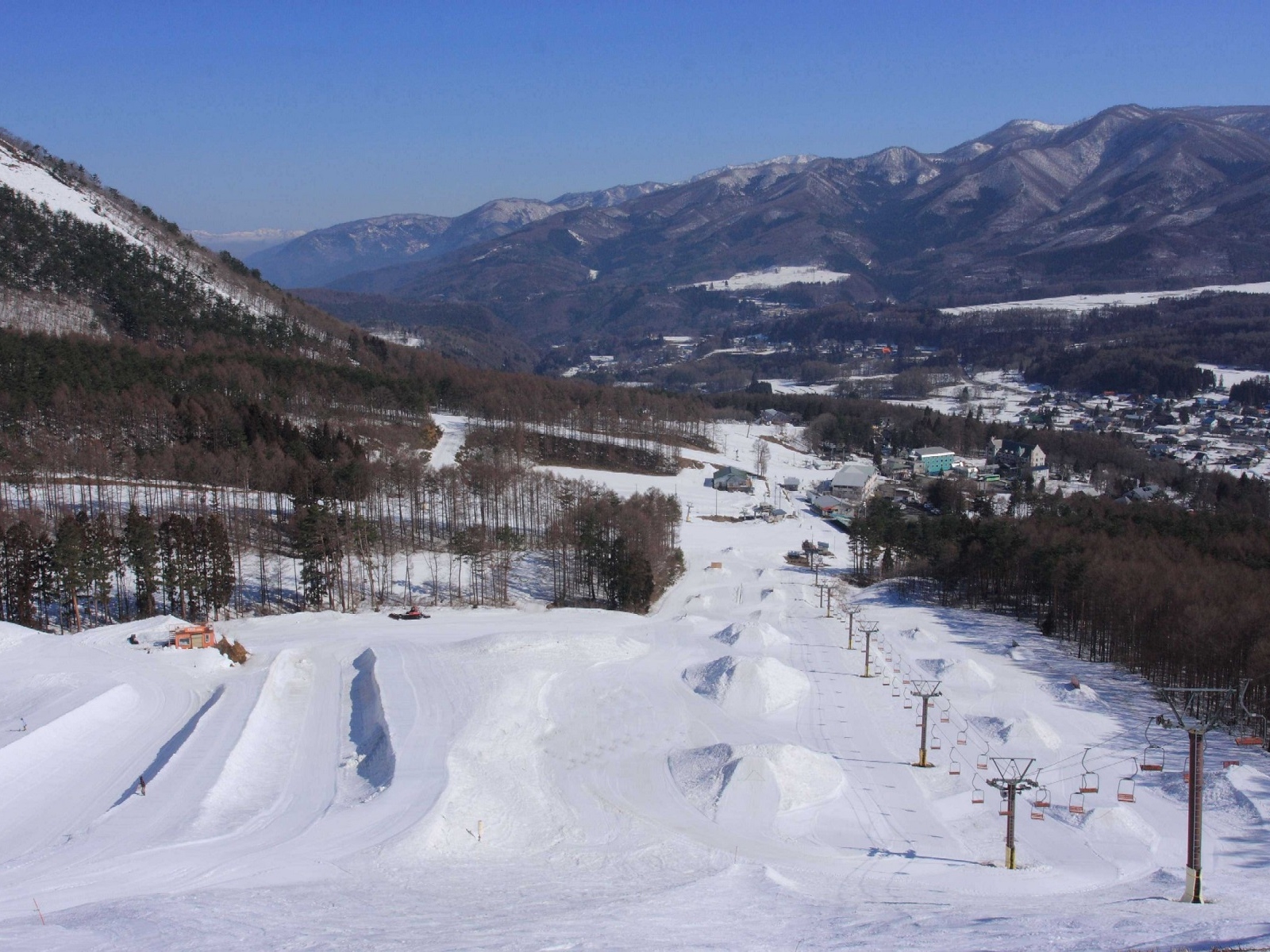
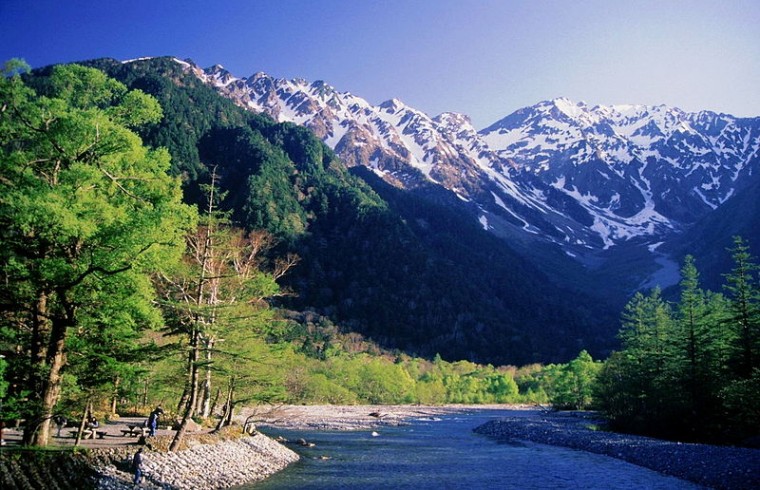
Nagano, the capital of Nagano Prefecture, is a city rich in history and natural beauty. Known for its role in the 1998 Winter Olympics, Nagano offers a blend of traditional Japanese culture, stunning mountain landscapes, and world-class ski resorts. The city is a gateway to some of Japan's most famous hot springs and ancient temples.
Top Attractions
Zenko-ji Temple
Zenko-ji is one of Japan's most important Buddhist temples, dating back to the 7th century. It is a significant pilgrimage site and a symbol of Nagano's spiritual heritage.
Religious
1-2 hours
Free (donations appreciated)
Snow Monkeys of Jigokudani
The Snow Monkeys of Jigokudani are a famous attraction, known for their unique behavior of bathing in hot springs during the winter months.
Nature
Half day to full day
¥800 (adults) or ¥400 (children)
Nagano Olympic Museum
This museum commemorates the 1998 Winter Olympics held in Nagano. It features exhibits on the history of the Olympics, the events held in Nagano, and the athletes who participated.
Historical
1-2 hours
¥500 (adults) or ¥200 (children)
Togakushi Shrine
Togakushi Shrine is a complex of three shrines dedicated to the Shinto goddess of archery. It is a popular destination for both spiritual and cultural tourism.
Religious
Half day
Free (donations appreciated)
Shiga Kogen
Shiga Kogen is one of Japan's largest and most popular ski resorts, known for its extensive ski runs, modern facilities, and beautiful mountain scenery.
Adventure
Full day or overnight
¥4,000 - ¥6,000 (lift tickets)
Must-Try Local Dishes
Soba Noodles
Soba noodles are made from buckwheat flour and are a staple of Nagano's cuisine. They can be served hot or cold, with various toppings and dipping sauces.
Dish
Vegetarian (if no meat or fish toppings are added)
Oyaki
Oyaki are dumplings filled with various ingredients, such as vegetables, meat, or cheese. They are a popular snack in Nagano and are often served with meals.
Dish
Vegetarian options available
Sake
Nagano is known for its high-quality sake, made from locally grown rice. The region has numerous sake breweries, offering a variety of flavors and styles.
Drink
Contains alcohol
Onsen Ryori
Onsen Ryori is a type of cuisine served in hot spring resorts. It typically consists of dishes made with local ingredients, such as vegetables, fish, and tofu, cooked in the hot spring water.
Dish
Vegetarian options available
Popular Activities
Skiing
Snowboarding
Hiking
Mountain biking
Hot air ballooning
Hot spring bathing
Temple visiting
Shopping
Best Time to Visit
Winter (December to February)
Winter is the peak season for skiing, snowboarding, and other winter sports. The city hosts numerous winter festivals and events. Expect heavy snowfall and cold temperatures.
-2°C to 5°C (28°F to 41°F)
28°F to 41°F
Practical Information
Language
- Official: Japanese
- Widely spoken: English (limited)
- English: Limited
Currency
Japanese Yen (JPY)
Time Zone
GMT+9
Electricity
100VV, 50/60HzHz
Safety Information
Overall Safety Rating: Generally safe
Nagano is a generally safe destination for travelers. Violent crime is rare, and petty crime, such as pickpocketing, is uncommon. However, travelers should still take precautions to protect their belongings and be aware of their surroundings.
Important Precautions:
- • Keep valuables secure and out of sight.
- • Be cautious of your surroundings, especially at night.
- • Use reputable taxis and tour services.
Getting there
By air
- Nagano Airport • 10 km (6 miles) from the city center
- Chubu Centrair International Airport • 200 km (124 miles) from the city center
By train
Nagano Station
By bus
Nagano Station Bus Terminal, Zenko-ji Temple Bus Stop
Getting around
Public transport
The city bus system is the primary mode of public transport in Nagano, covering most areas of the city and connecting to major attractions. Buses are frequent and affordable.
Taxis
Available • Apps: JapanTaxi, DiDi
Rentals
Car, Bike, Scooter
Neighborhoods
Central Nagano
Togakushi
Shiga Kogen
Day trips
Shiga Kogen
50 km (31 miles) from Nagano • Full day or overnight
Shiga Kogen is one of Japan's largest and most popular ski resorts, offering a wide range of winter and summer activities. It is a great destination for outdoor enthusiasts and nature lovers.
Togakushi
20 km (12 miles) from Nagano • Half day
Togakushi is a rural area known for its ancient shrines, soba noodles, and hiking trails. It is a popular destination for both spiritual and cultural tourism.
Jigokudani Monkey Park
60 km (37 miles) from Nagano • Half day to full day
Jigokudani Monkey Park is a popular destination for observing wild Japanese macaques, known as snow monkeys, in their natural habitat. The park is especially famous for the monkeys' unique behavior of bathing in hot springs during the winter months.
Festivals
Nagano Winter Festival • February
Nagano Summer Festival • August
Togakushi Fire Festival • February 3rd
Pro tips
- Visit Zenko-ji Temple early in the morning to avoid crowds and experience the temple's serene atmosphere.
- Try Togakushi's famous soba noodles at a local restaurant, such as Soba Koenji or Soba Nagano.
- Take a day trip to Shiga Kogen for skiing, snowboarding, or hiking, depending on the season.
- Experience the Nagano Winter Festival in February for a unique and memorable cultural event.
- Visit the Snow Monkeys of Jigokudani in winter to see the monkeys bathing in the hot springs.
From $25
per person
Price varies by option
Secure booking
Free cancellation available
Instant confirmation