Mt. Koya Sacred Full-Day Private Tour (Osaka departure) with Licensed Guide
Active
9h
For a full refund, cancel at least 24 hours before the scheduled departure time.
Instant confirmation
Mobile or paper ticket accepted
About this experience
Our government-licensed and experienced multilingual guides will help you efficiently enjoy a one-day tour of UNESCO-designated World Heritage Site, Mt. Koya. Go on a full-day guided walking tour of Mt. Koya and learn about the modern and traditional aspects of one of the world’s most sacred mountains!
If you are staying in Osaka but would like to take some time out to enjoy some sights outside the big city, then this tour of Mount Koya in Wakayama Prefecture is for you! Meet your guide at your hotel (in Osaka, Kyoto, Wakayama, or around the Kansai area), then head to Mount Koya. Your guide will customize your full-day tour in detail according to your interests.
Note*1: Please select your must-see spots from a list in the tour information to create your customized itinerary.
Note*2: The National Government Licensed Guide Interpreter certification is issued by the Japanese government requires a good knowledge and understanding of Japanese culture and history.
Available options
Mt. Koya Sacred Full-Day Private Tour (Osaka departure) with Licensed Guide
Pickup included
What's included
Meet up with guide on foot within designated area of Osaka
Licensed Local English Speaking Guide
Customizable Tour of your choice of 3-4 sites from 'What to expect' list
Detailed itinerary
1
Departure from Osaka on train to Koyasan with you guide!
2
The main headquarters for the Shingon Sect, which has 4,000 temples throughout Japan and more than 10 million followers worldwide. Visitors can see religious artifact, fusuma sliding door paintings, as well as a beautiful rock garden representing two dragons flying amongst the clouds.
3
Stop 3
The heart of Mt. Koya. Kobo Daishi (Kukai), the founder of Shingon Buddhism and one of the most revered persons in the religious history of Japan, rests here. Also, many prominent personalities' graves line by the approach to Okunoin for several hundred meters through the forest. Your guide will explain interesting stories about those historical characters.
4
Stop 4
One of the two most sacred sites in Mt. Koya. In the 9th century, Mt. Koya was founded on this very ground. At that time, Kobo Daishi held a groundbreaking ceremony and then dedicated his life to the construction of Danjo Garan. This sacred area consists of nearly twenty different structures including the magnificent Konpon Daito. Your guide will tell you the meaning of these structures.
5
The Reihokan Museum (霊宝館, Reihōkan) was built to house and preserve the religious and cultural treasures of Koyasan. The museum's entrance hall is styled after Byodoin Temple in Uji, and it has three exhibition halls for both permanent and temporary exhibitions.
The museum's collection consists of thousands of religious works of art. The permanent exhibition displays statues, mandala (paintings representing metaphysical maps of the cosmos), and various other religious tools and paintings, the most notable of which is the scroll depicting the "Reclining Image of Sakyamuni Buddha on His Last Day". Additionally, a rotating temporary exhibition displays a seasonal selection chosen from the museum's collection.
6
Daishi Kyokai (大師教会, Daishi Kyōkai) is the administrative center of Shingon Buddhism, and is responsible for spreading the teachings of Kobo Daishi, the sect's founder. The complex consists of two buildings: Henjoden, a traditional temple hall, that was built in 1915 and is dedicated to Kobo Daishi, and a modern building for administration, lectures and training.
Visitors can participate in a few activities at Daishi Kyokai, such as receiving Buddhist precepts (jukai) or copying Buddhist scriptures (shakyo). No advance reservations are required.
7
The Tokugawa Mausoleum (徳川家霊台, Tokugawa-ke Reidai) on Koyasan was built in 1643 by the third Tokugawa shogun Iemitsu in order for his family to have a mausoleum close to Kobo Daishi's mausoleum. It consists of two buildings which enshrine Iemitsu's grandfather Ieyasu and father Hidetada, the first two Tokugawa shogun.
The mausoleum's two identical buildings took twenty years to be completed and were built in the extravagant style of the early Edo Period with graceful sloping roofs, rich ornamentation, intricate carvings, lacquer and gold leaf. The two buildings stand side by side. The one on the right enshrines Ieyasu and the one on the left Hidetada.
8
Return to Osaka with your guide via train
What's not included
Transportation fees, Entrance fees, Lunch, and Other personal expenses
Private Vehicle
You cannot combine multiple tour groups.
Guide Entry fees are only covered for sights listed under What to Expect.
Available languages
Guide guide
JA
EN
Reviews breakdown
Viator
5.0
20 reviews
5★
19
4★
1
3★
0
2★
0
1★
0
Tripadvisor
5.0
17 reviews
5★
17
4★
0
3★
0
2★
0
1★
0
Important information
Wheelchair accessible
Infants and small children can ride in a pram or stroller
Service animals allowed
Public transportation options are available nearby
Transportation options are wheelchair accessible
All areas and surfaces are wheelchair accessible
Not recommended for travelers with spinal injuries
Not recommended for pregnant travelers
Not recommended for travelers with poor cardiovascular health
Suitable for all physical fitness levels
This is a walking tour. Pick up is on foot.
About Okayama Prefecture
Okayama Prefecture, located in the Chūgoku region of Japan, is known for its rich history, beautiful gardens, and delicious cuisine. It offers a mix of urban attractions and natural beauty, making it a unique destination for travelers.
Top Attractions
Korakuen Garden
One of Japan's Three Great Gardens, Korakuen is a stunning landscape garden with ponds, bridges, and seasonal flora. It offers a peaceful retreat in the heart of the city.
Historical/Garden
1-2 hours
¥310
Okayama Castle
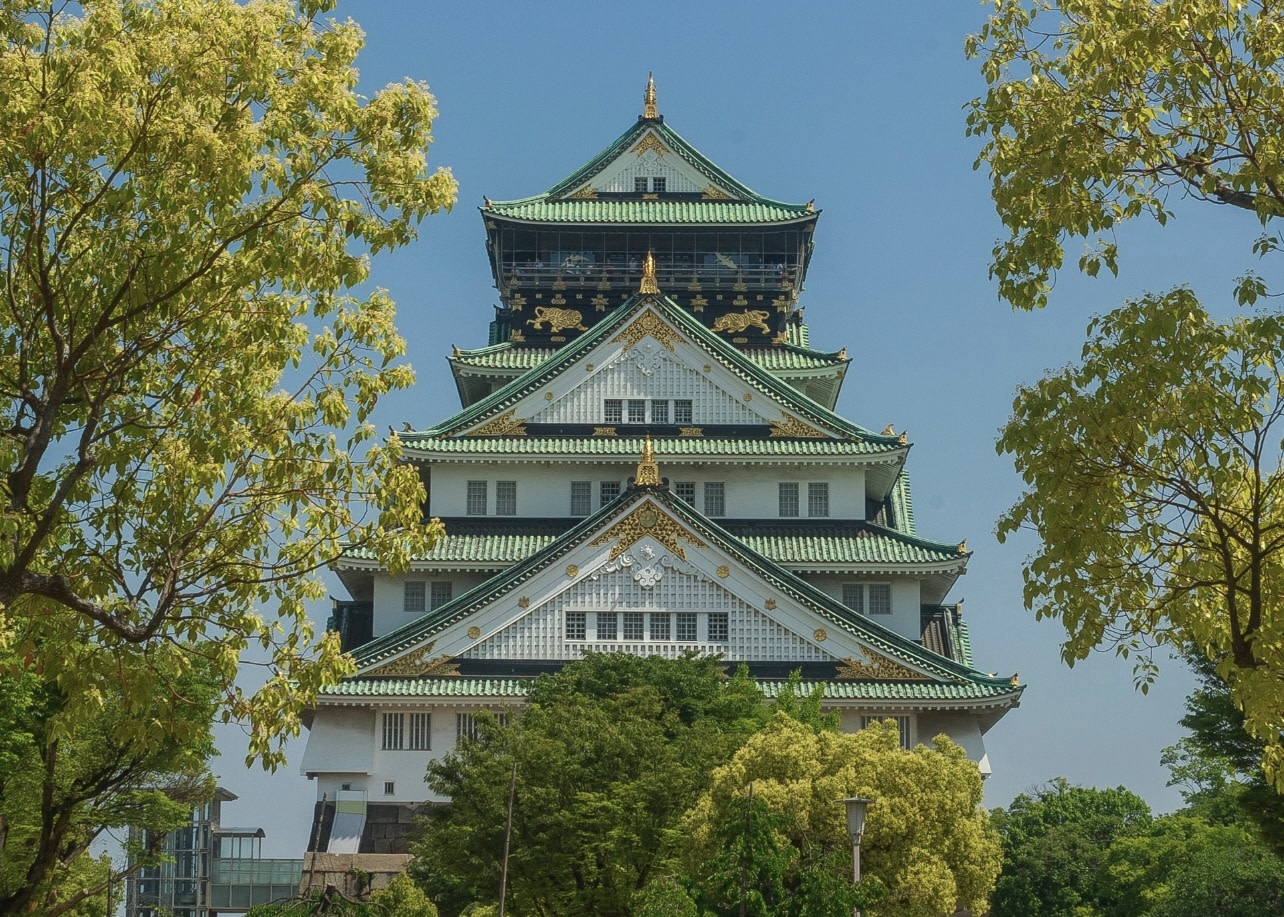
Known as the 'Crow Castle' due to its black exterior, this castle offers a glimpse into Japan's feudal history. The museum inside provides insights into the castle's past.
Historical
1 hour
¥400
Kibitsu Shrine
A historic shrine known for its beautiful architecture and serene atmosphere. It is a popular spot for traditional weddings and cultural events.
Religious
1 hour
Free
Kojima Beach
A popular beach destination known for its white sand and clear waters. It is a great spot for swimming, sunbathing, and water sports.
Beach
Half day
Free
Must-Try Local Dishes
Kibi Dango
Sweet rice dumplings skewered on bamboo sticks, often coated in kinako (roasted soybean flour) or mitarashi (sweet soy glaze).
Dessert
Vegetarian
Okayama Ramen
A local ramen variant with a soy-based broth, often topped with chicken, green onions, and menma (bamboo shoots).
Main Course
Contains meat
Hiroshima-style Okonomiyaki
A savory pancake made with cabbage, batter, and various toppings, often served with a tangy sauce and mayo.
Main Course
Can be vegetarian if requested
Popular Activities
Hiking
Mountain biking
Kayaking
Onsen (hot spring) visits
Tea ceremonies
Garden strolls
Traditional crafts
Historical tours
Best Time to Visit
Spring (March to May) and Autumn (September to November)
Spring offers pleasant weather and cherry blossoms, while autumn provides comfortable temperatures and beautiful fall foliage. These seasons are ideal for sightseeing and outdoor activities.
15-25°C
59-77°F
Practical Information
Language
- Official: Japanese
- Widely spoken: English, Chinese, Korean
- English: Limited
Currency
Japanese Yen (JPY)
Time Zone
GMT+9
Electricity
100VV, 50/60HzHz
Safety Information
Overall Safety Rating: Very safe
Okayama is generally very safe, with low crime rates and a welcoming atmosphere. However, travelers should still exercise common sense and take basic precautions.
Important Precautions:
- • Keep valuables secure
- • Use reputable taxi companies and tour operators
- • Be cautious of strangers offering unsolicited help or services
Getting there
By air
- Okayama Airport • 17 km from Okayama city center
By train
Okayama Station
By bus
Okayama Station
Getting around
Public transport
The train network is efficient and covers most of the prefecture. The JR Pass can be cost-effective for tourists.
Taxis
Available • Apps: JapanTaxi, DiDi
Rentals
Car, Bike, Scooter
Neighborhoods
Kita-ku
Naka-ku
Minami-ku
Day trips
Kurashiki
25 km from Okayama • Half day
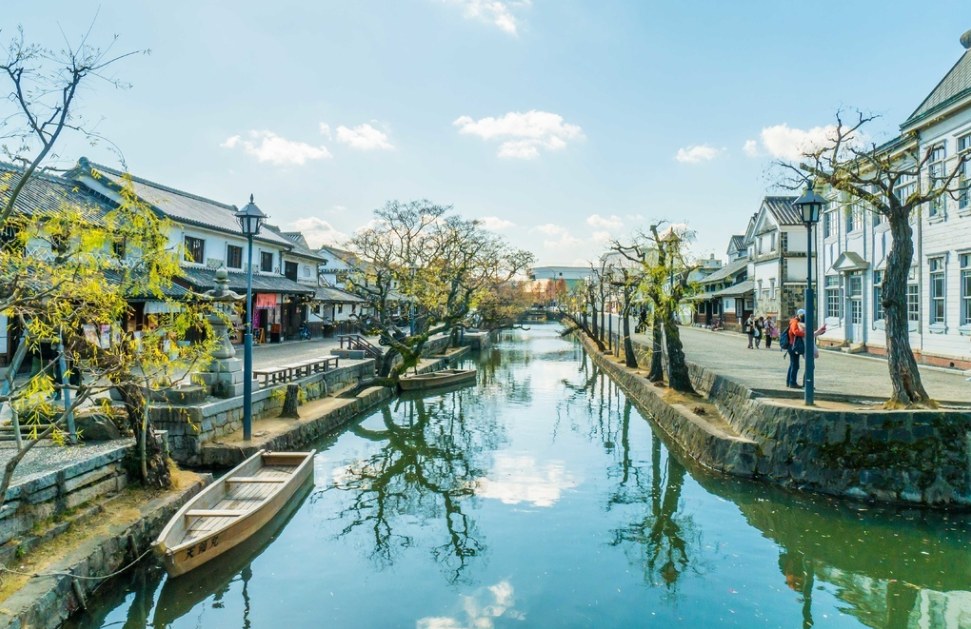
A charming town known for its well-preserved Edo-era warehouses and beautiful canals. It offers a glimpse into Japan's past with its historic architecture and museums.
Mimasaka
60 km from Okayama • Full day
A mountainous area known for its hot springs, hiking trails, and scenic views. It is a great destination for nature lovers and outdoor enthusiasts.
Tsuyama
50 km from Okayama • Half day
A historic city known for its castle, temples, and traditional crafts. It offers a mix of cultural attractions and scenic beauty.
Festivals
Okayama Jazz Street • Autumn (October)
Korakuen Garden Illumination • Winter (December to February)
Kurashiki Bikan Festival • Spring (April)
Pro tips
- Visit Korakuen Garden early in the morning to avoid crowds and enjoy the peaceful atmosphere.
- Try Okayama's local specialties, such as Kibi dango and Okayama ramen, at local restaurants and street food stalls.
- Explore the historic Bikan Quarter in Kurashiki for a charming and picturesque experience.
- Use the Okayama Loop Bus for easy and affordable access to the city's main attractions.
- Visit Okayama Castle for panoramic views of the city and surrounding mountains.
From $25
per person
Price varies by option
Secure booking
Free cancellation available
Instant confirmation


![[Kyoto Classic Deep Dive] Kinkaku-ji & Kiyomizu-dera Temple & Ninenzaka & Gion/Hanamikoji Street & Yasaka Shrine & Fushimi Inari-taisha Shrine In-Depth Slow Travel Day Tour (Departure from Osaka/Kyoto)](https://res.klook.com/image/upload/activities/spqfe6yhv087ha5pj8vr.jpg)