Osaka Off the Beaten Path 6hr Private Tour with Licensed Guide
Active
6h
For a full refund, cancel at least 24 hours before the scheduled departure time.
Instant confirmation
Mobile or paper ticket accepted
About this experience
This value-packed trip with a government-licensed and experienced multilingual tour guide is a fantastic and efficient way to explore off the beaten areas in Osaka!
We would like to introduce some of the best nostalgic neighborhood locations. If you want to experience the local life and enjoy the nostalgic warm feelings, these backstreets of Shinsekai, Tenjimbashi-suji, Ameyoko and Koreantown are totally recommended to visit while your stay in Osaka.
You can walk with English speaking guide and enjoy some foods and drinks on the way! Let us know what you would like to experience, and your guide will arrange a six-hour tour that's best for you!
Note*1: Please select your must-see spots from a list in the tour information to create your customized itinerary.
Note*2: The National Government Licensed Guide Interpreter certification is issued by the Japanese government requires a good knowledge and understanding of Japanese culture and history.
Available options
Osaka Off the Beaten Path 6hr Private Tour with Licensed Guide
Pickup included
What's included
Meet up with guide on foot within designated area of Osaka
Licensed Local English Speaking Guide
Customizable Tour of your choice of 3-4 sites from 'What to expect' list
Detailed itinerary
1
Stop 1
We will take a walk through Dotonbori street with its huge billboards, hundreds of restaurants and food stalls selling local foods including the famous Takoyaki and Okonomiyaki.
2
Stop 2
Shinsaibashi-suji Shopping Street is a must-visit in Osaka. This giant shopping arcade of cosmetics stores, apparel shops, and restaurants extends 600 meters. Read this detailed guide to learn about this lively Osaka neighborhood and how to get to the area!
3
Stop 3
The most famous fish at Kuromon Market are the conger pike in summer and Fugu in winter. At least 10% of the seafood shop in Kuromon specialize in Fugu and Hamo.
A lively and roofed market which stretches about 580m, there are about 150 shops and is always bustling with people.
This market has everything you want. From fresh seafood, blow fish and soft shelled turtle specialty shops, to restaurants, fruit and vegetables shops, butchers, pickled goods, dried food, Japanese sweets and Western cakes.
4
Koreatown at Ikuno. I knew about this place from watching a Korean Variety Show (Superman Returns). This place sells many Korean food items ranging from (at least) 10 different kinds of fermented vegetables (kimchi, radish, cucumbers etc), Korean mochi (ddok, ddok cake, ddokboki), seaweed (gim), sushi roll (kimbab), pancakes, potato chips, red pepper paste, etc.
5
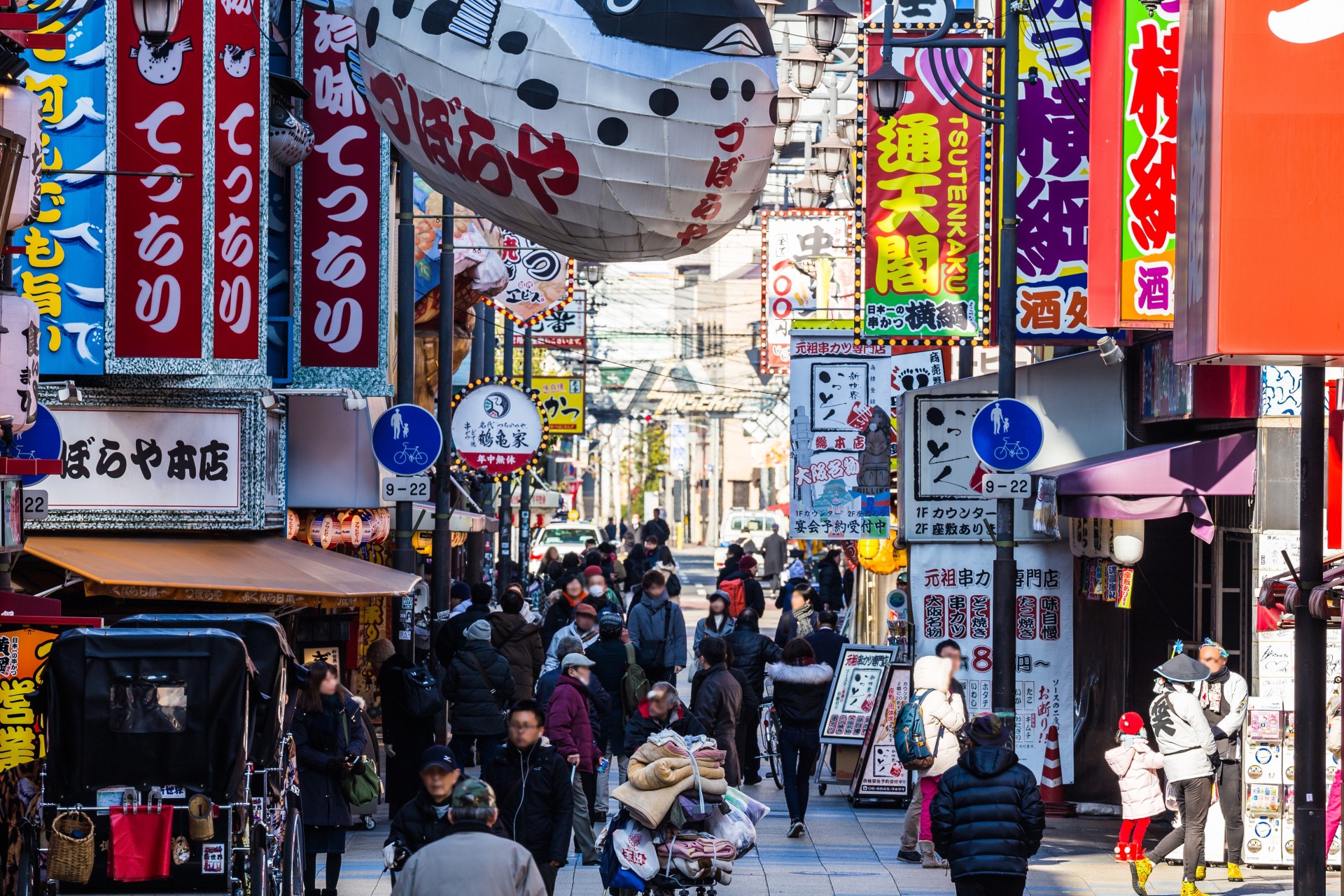
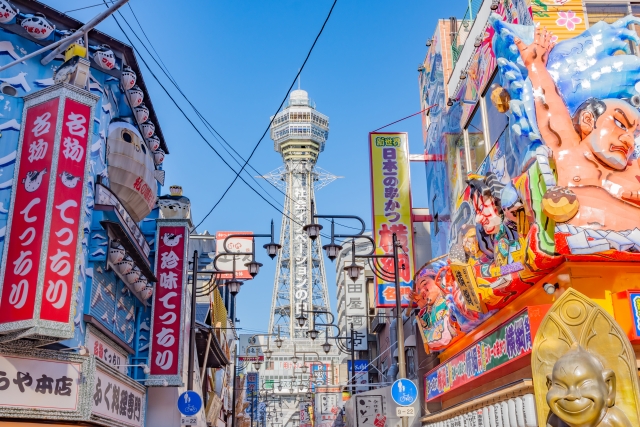
Shinsekai (新世界, lit. "New World") is a district in Osaka that was developed before the war and then neglected in the decades afterwards. At the district's center stands Tsutenkaku Tower, the nostalgia-evoking symbol of Shinsekai.
The area was developed into its current layout following the success of the 1903 National Industrial Exposition, which brought over five million people to the neighborhood within just five months. Shortly after the expo closed its doors, work began to improve and update Shinsekai.
6
Stop 6
Pass by
Osaka has been the capital for bunraku, traditional Japanese puppet theater, for many centuries. The popularity of the theater form had grown in the city during the Edo Period when bunraku (like kabuki) was a rare kind of art entertainment for the common public rather than the nobility.
The National Bunraku Theater (国立文楽劇場, Kokuritsu Bunraku Gekijō) in Osaka is one of the few places to view the fascinating art form today. English programs and earphones are available. Performances are usually held in three week runs in January, April, June, July/August and November.
7
Stop 7
A 150 meter long shopping street lined with specialty stores with every cooking utensil and kitchen item available. The Doguyasuji Festival on October 9 (Tool Day) is an event where various tools are on sale, and where the Garapon Lottery will also be held. In addition, you can take part in hands-on food sample making and glass-etching experiences, as well as an ever-increasing number of artisanal restaurants.
8
Stop 8
Behind Hozenji Temple is a group of small, traditional alleyways that has been popular with locals since the 17th century. Despite being just a few minutes’ walk from Dotonbori and Namba, it is often overlooked by tourists. Hozenji Yokocho is ideal to visit in the evening, not long before it gets dark. You can start with a quick visit to Hozenji Temple before finding a local izakaya (traditional pub) to enjoy a drink. If you have time, be sure to check out the statue of Fudō Myō-ō, the god of fury. Locals pour water over the statue, symbolic of purification, and say a prayer. There is a lot to do in this labyrinth of alleyways, so if you’re feeling adventurous, be sure to give this lesser-known area a try.
9
If you are looking for a quiet, less crowded place to go to or to date, I think this is the place to go to. It was almost deserted around 6pm when I went on a weekday. Tenjimbashi-suji seems to be a relic of an old shopping area that may not be as popular as before, or maybe it was due to the evening hour. I went alone and I felt nice and unrushed, but also unsafe. It may also be possible that one end of this extremely long suji closes earlier than the other end, and I just happened onto the end that became deserted early.
10
I’m not sure how to translate this name, it literally means ‘America Village (mura)’, but if you apply Japanese grammar, it might be ‘Village America’ instead. Now I’m confused. Anyway, if you are looking for high-end shopping, it’s all here: Prada, Louis Vuitton, you name it. With endless fashionable shops lining the streets, you’d definitely be spoilt for choice. There is even a Big Bang (Korean boyband) Café. Beware though, people tend to dress-up in this area.
11
Stop 11
Osaka's Sumiyoshi Taisha (住吉大社, "Sumiyoshi Grand Shrine") is one of Japan's oldest shrines. Founded in the 3rd century before the introduction of Buddhism, it displays a unique style of shrine architecture, called Sumiyoshi-zukuri, that is free of influence from the Asian mainland. Only two other shrine architecture styles are also considered purely Japanese: Shinmei-zukuri as seen at the Ise Shrines and Taisha-zukuri as seen at Izumo Taisha.
What's not included
Transportation fees, Entrance fees, Lunch, and Other personal expenses
Private transportation
You cannot combine multiple tour groups.
Guide Entry fees are only covered for sights listed under What to Expect.
Available languages
Guide guide
JA
EN
Reviews breakdown
Viator
5.0
2 reviews
5★
2
4★
0
3★
0
2★
0
1★
0
Tripadvisor
5.0
2 reviews
5★
2
4★
0
3★
0
2★
0
1★
0
Important information
Service animals allowed
Public transportation options are available nearby
Infants and small children can ride in a pram or stroller
All areas and surfaces are wheelchair accessible
Transportation options are wheelchair accessible
Wheelchair accessible
Suitable for all physical fitness levels
This is a walking tour. Pick up is on foot.
About Okayama Prefecture
Okayama Prefecture, located in the Chūgoku region of Japan, is known for its rich history, beautiful gardens, and delicious cuisine. It offers a mix of urban attractions and natural beauty, making it a unique destination for travelers.
Top Attractions
Korakuen Garden
One of Japan's Three Great Gardens, Korakuen is a stunning landscape garden with ponds, bridges, and seasonal flora. It offers a peaceful retreat in the heart of the city.
Historical/Garden
1-2 hours
¥310
Okayama Castle
Known as the 'Crow Castle' due to its black exterior, this castle offers a glimpse into Japan's feudal history. The museum inside provides insights into the castle's past.
Historical
1 hour
¥400
Kibitsu Shrine
A historic shrine known for its beautiful architecture and serene atmosphere. It is a popular spot for traditional weddings and cultural events.
Religious
1 hour
Free
Kojima Beach
A popular beach destination known for its white sand and clear waters. It is a great spot for swimming, sunbathing, and water sports.
Beach
Half day
Free
Must-Try Local Dishes
Kibi Dango
Sweet rice dumplings skewered on bamboo sticks, often coated in kinako (roasted soybean flour) or mitarashi (sweet soy glaze).
Dessert
Vegetarian
Okayama Ramen
A local ramen variant with a soy-based broth, often topped with chicken, green onions, and menma (bamboo shoots).
Main Course
Contains meat
Hiroshima-style Okonomiyaki
A savory pancake made with cabbage, batter, and various toppings, often served with a tangy sauce and mayo.
Main Course
Can be vegetarian if requested
Popular Activities
Hiking
Mountain biking
Kayaking
Onsen (hot spring) visits
Tea ceremonies
Garden strolls
Traditional crafts
Historical tours
Best Time to Visit
Spring (March to May) and Autumn (September to November)
Spring offers pleasant weather and cherry blossoms, while autumn provides comfortable temperatures and beautiful fall foliage. These seasons are ideal for sightseeing and outdoor activities.
15-25°C
59-77°F
Practical Information
Language
- Official: Japanese
- Widely spoken: English, Chinese, Korean
- English: Limited
Currency
Japanese Yen (JPY)
Time Zone
GMT+9
Electricity
100VV, 50/60HzHz
Safety Information
Overall Safety Rating: Very safe
Okayama is generally very safe, with low crime rates and a welcoming atmosphere. However, travelers should still exercise common sense and take basic precautions.
Important Precautions:
- • Keep valuables secure
- • Use reputable taxi companies and tour operators
- • Be cautious of strangers offering unsolicited help or services
Getting there
By air
- Okayama Airport • 17 km from Okayama city center
By train
Okayama Station
By bus
Okayama Station
Getting around
Public transport
The train network is efficient and covers most of the prefecture. The JR Pass can be cost-effective for tourists.
Taxis
Available • Apps: JapanTaxi, DiDi
Rentals
Car, Bike, Scooter
Neighborhoods
Kita-ku
Naka-ku
Minami-ku
Day trips
Kurashiki
25 km from Okayama • Half day
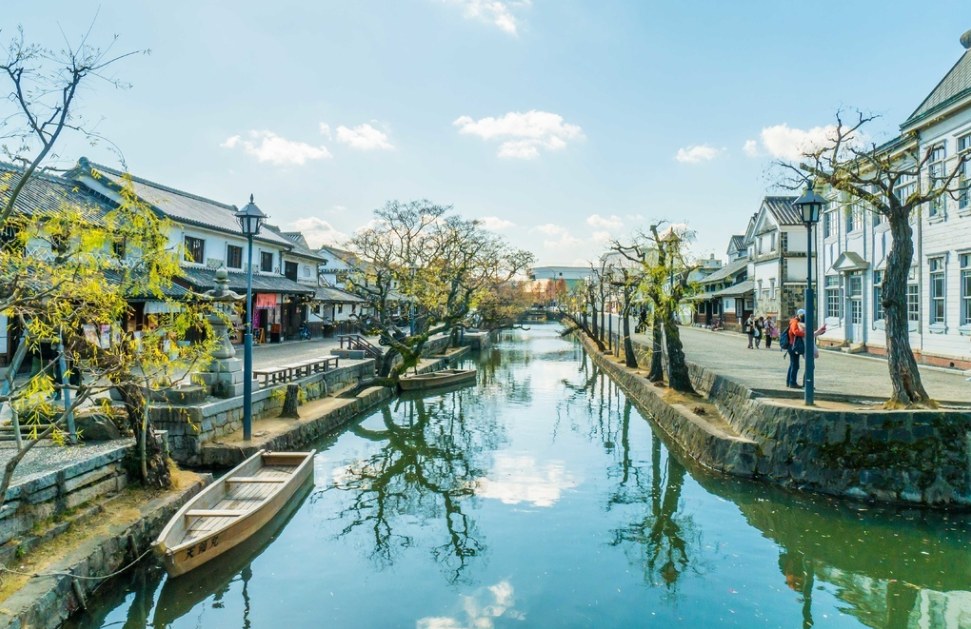
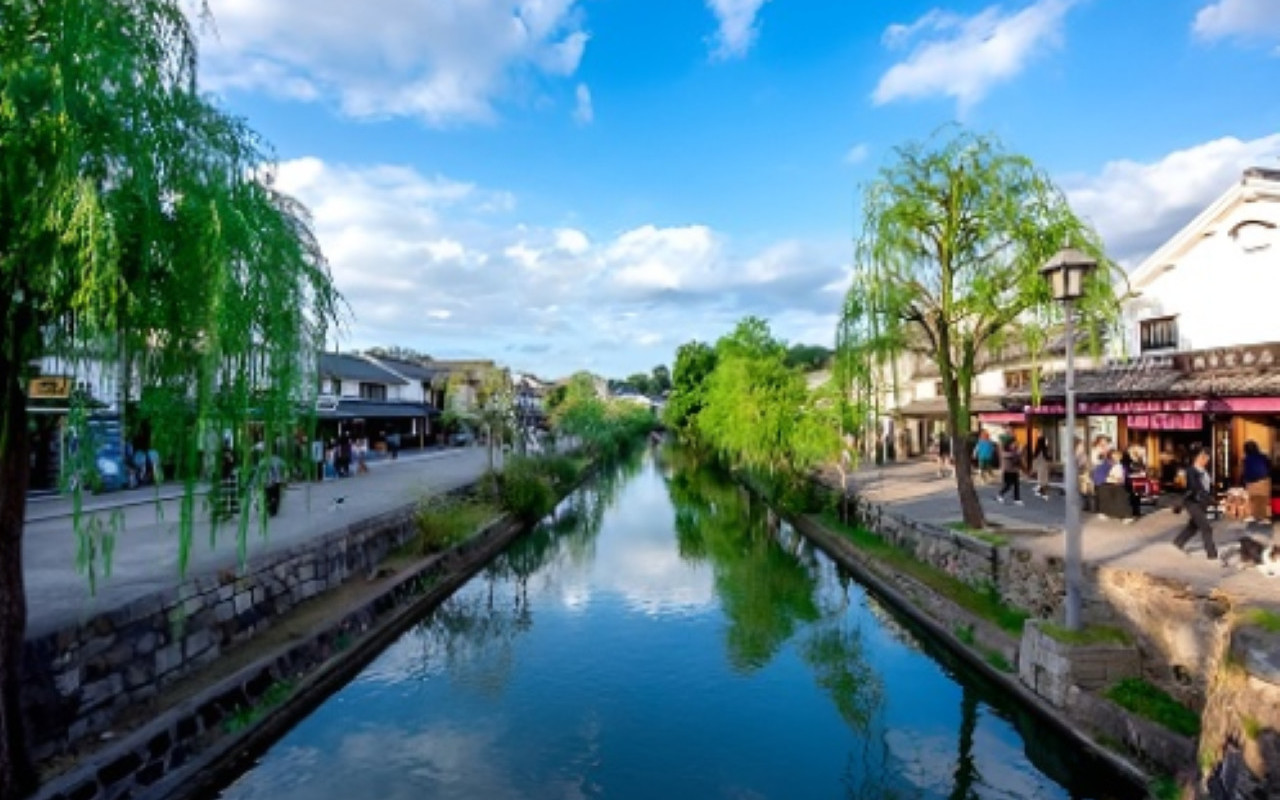
A charming town known for its well-preserved Edo-era warehouses and beautiful canals. It offers a glimpse into Japan's past with its historic architecture and museums.
Mimasaka
60 km from Okayama • Full day
A mountainous area known for its hot springs, hiking trails, and scenic views. It is a great destination for nature lovers and outdoor enthusiasts.
Tsuyama
50 km from Okayama • Half day
A historic city known for its castle, temples, and traditional crafts. It offers a mix of cultural attractions and scenic beauty.
Festivals
Okayama Jazz Street • Autumn (October)
Korakuen Garden Illumination • Winter (December to February)
Kurashiki Bikan Festival • Spring (April)
Pro tips
- Visit Korakuen Garden early in the morning to avoid crowds and enjoy the peaceful atmosphere.
- Try Okayama's local specialties, such as Kibi dango and Okayama ramen, at local restaurants and street food stalls.
- Explore the historic Bikan Quarter in Kurashiki for a charming and picturesque experience.
- Use the Okayama Loop Bus for easy and affordable access to the city's main attractions.
- Visit Okayama Castle for panoramic views of the city and surrounding mountains.
From $25
per person
Price varies by option
Secure booking
Free cancellation available
Instant confirmation


![[Kyoto Classic Deep Dive] Kinkaku-ji & Kiyomizu-dera Temple & Ninenzaka & Gion/Hanamikoji Street & Yasaka Shrine & Fushimi Inari-taisha Shrine In-Depth Slow Travel Day Tour (Departure from Osaka/Kyoto)](https://res.klook.com/image/upload/activities/spqfe6yhv087ha5pj8vr.jpg)