Nagano All Must-Sees 6hr Private Tour with Licensed Guide
Active
6h
For a full refund, cancel at least 24 hours before the scheduled departure time.
Instant confirmation
Mobile or paper ticket accepted
About this experience
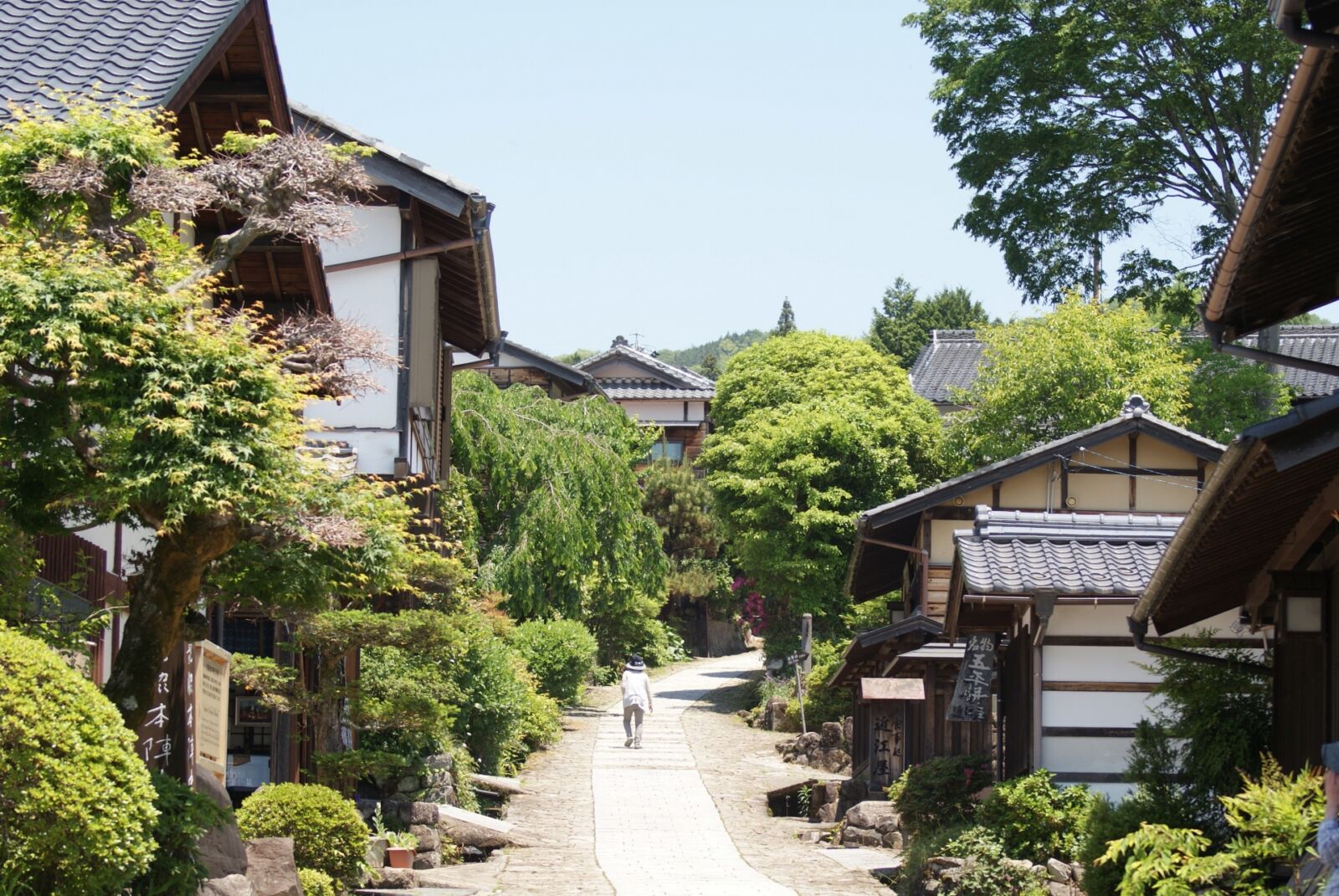
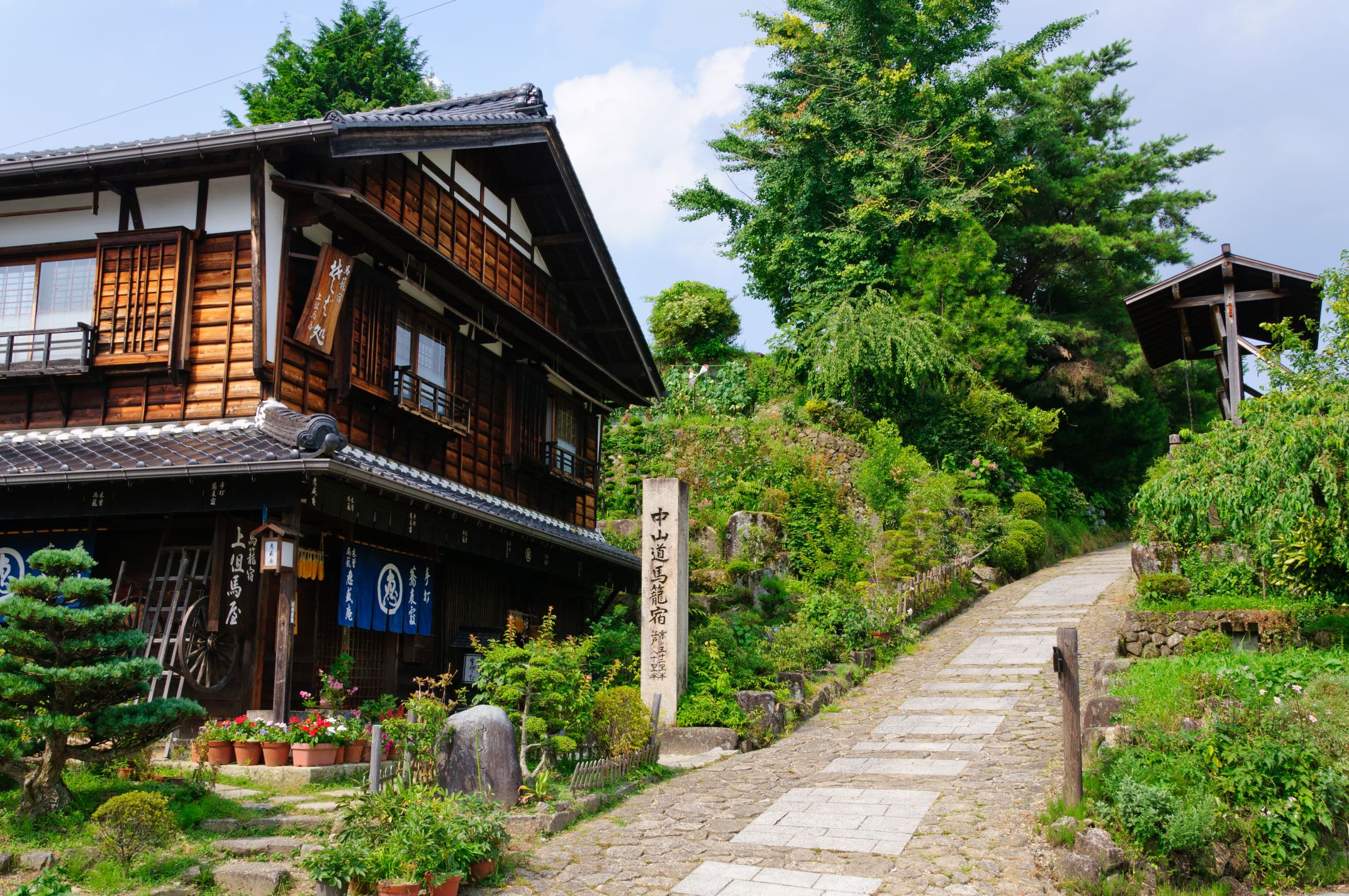
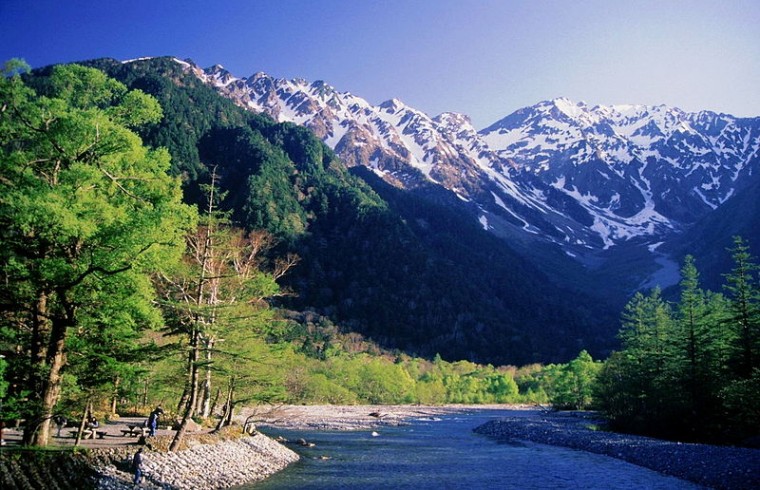
Nagano is a place of incredible Shinto and Buddhist history and home to one of Japan’s most iconic temple and shrine. While many of Japan’s cities lay claim to an identity of nature-meets-human-invention, that atmosphere can be felt in Nagano better than almost anywhere else in Japan.
In this tour, your knowledgeable licensed local guide will accompany you on your journey features an historic districts and even ancient pilgrimages. Let us know what you would like to experience and we will customize your six-hours special tour that's best for you.
Note*1: There are 4 different area[Zenko-ji, Matsushiro,Obuse and Togakushi] You can visit 3-4 site from same area from the list. Choosing sites from different areas may limit the number of locations you can visit because of the travel time required.
Note*2: The National Government Licensed Guide Interpreter certification is issued by the Japanese government requires a good knowledge and understanding of Japanese culture and history.
Available options
Nagano All Must-Sees 6hr Private Tour with Licensed Guide
Pickup included
What's included
Customizable Walking Tour of your choice of 3-4 sites from 'What to expect' list
Meet up with guide on foot within designated area of Nagano
Licensed Local English Speaking Guide
Detailed itinerary
1
Stop 1
[Zenko-ji Area] Founded in 642, Zenko-ji is one of the oldest and most important Buddhist temples in Japan. Less than 20-minutes walk from Nagano Station, follow the city’s historic thoroughfare – the ‘Omotesando’ or ‘Pilgrim’s Way’ all the way to the temple. Arriving at Zenko-ji, visitors discover one of the most welcoming temples in Japan. Housing the oldest known Buddhist statue in Japan, the main temple is a registered National Treasure and the spiritual heart of the region. A morning ceremony takes place every day of the year, with visitors of all faiths and backgrounds welcome, with the temple also hosting several major festivals each year.
*Admission fee will be required for Hondo-Naijin, San-mon and Kyozo
2
[Zenko-ji Area] Zenko-ji Nakamise-dori Street is a stone-paved street spreading out from Nio-mon Gate of the Zenko-ji Temple.
It is said that around 7,777 stones were used to pave the 450 meters approach leading to the temple's main hall.
The street is a bustling shopping area and the shops along the street sell local specialties such as Oyaki, Shinshu Soba noodle, sweet crapes made from Soba and wheat flour, and Miso-flavored ice cream.
3
[Zenko-ji Area] Nishi-no-Mon is the name for a sake brewery which is located in Nagano and also has a gift shop, museum and restaurant attached.
You can tour the brewery and museum where you can see a range of old photographs that tell the story of the brewery and you can also check out some ancient as well as modern brewing equipment on site.
At the end of the tour you can also sample some of the sake which is a kind of Japanese rice wine and buy a few bottles as souvenirs of your trip.
4
[Zenko-ji Area] Nagano Prefectural Art Museum, located near Zenkoji Temple, showcases modern and contemporary art inspired by nature and Nagano’s landscape. Its open, light-filled design harmonizes with the surrounding scenery, offering visitors a serene cultural experience through exhibitions, installations, and outdoor art spaces connecting art with nature.
5
[Zenko-ji Area] Joyama Park, located on a small hill near Zenkoji Temple in Nagano, offers beautiful seasonal scenery, from cherry blossoms in spring to colorful foliage in autumn. The park features walking trails, open lawns, and a peaceful atmosphere, making it a favorite spot for locals and visitors to relax and enjoy nature.
6
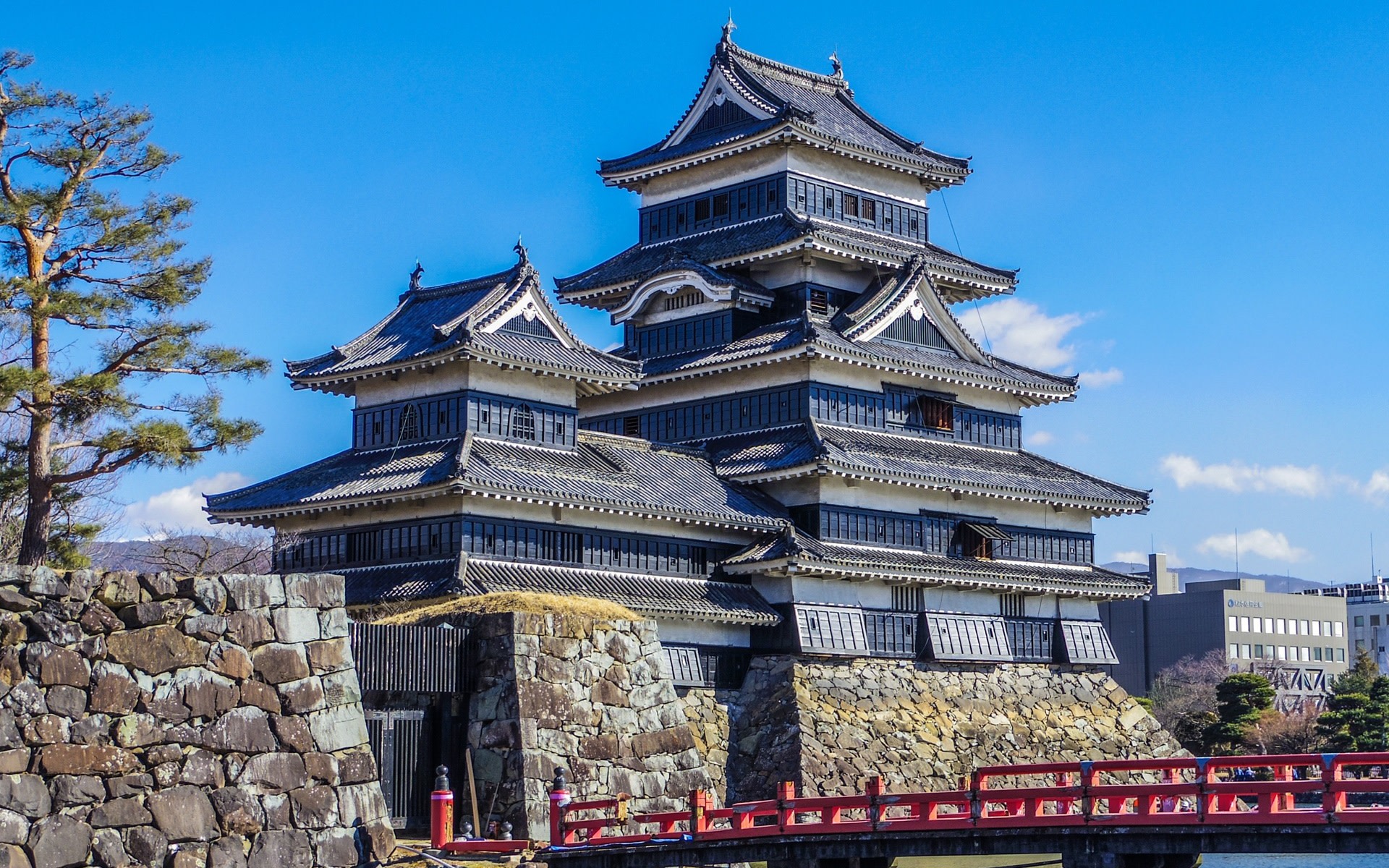
[Matsushiro Area] The Matsushiro Castle Ruins preserve the legacy of the Sanada clan, once rulers of the Matsushiro Domain. Surrounded by moats, stone walls, and reconstructed gates, the site offers a glimpse into Japan’s feudal history. Visitors can stroll through the peaceful grounds and enjoy beautiful views of the surrounding mountains.
7
[Matsushiro Area] Matsushiro Zozan Shrine honors Sakuma Shozan, a visionary scholar from the late Edo period who promoted the fusion of Western science and Japanese spirit. The serene shrine grounds reflect his forward-thinking legacy, and visitors can learn about his life and contributions to Japan’s modernization.
8
[Matsushiro Area] The Sanada Treasure Museum displays artifacts and historical materials from the Sanada clan, including samurai armor, weapons, documents, and artworks. Through these valuable exhibits, visitors can explore the clan’s influential role in Japanese history and the legacy of loyalty, bravery, and culture they left behind.
9
[Matsushiro Area] The Sanada Residence, built in the late Edo period, served as the home of the Sanada clan’s later generations. The traditional wooden architecture, tatami rooms, and elegant gardens showcase the refined lifestyle of a samurai family. It offers a rare opportunity to experience authentic samurai-era culture and design.
10
[Matsushiro Area] The Zozan Underground Bunker, constructed during World War II, was designed as a secret military command center. This vast network of tunnels carved into the mountain remains largely intact, offering a powerful reminder of Japan’s wartime history and the nation’s resilience during challenging times.
11
[Matsushiro Area]The Yokota Residence is a beautifully preserved samurai house that belonged to a high-ranking retainer of the Sanada clan. Its elegant wooden structure, tatami rooms, and gardens reflect the dignity of the Edo-period warrior class and provide an intimate look into traditional samurai life.
12
[Matsushiro Area] The Matsushiro Bunbu School was an educational institution for samurai, founded to teach both literary and martial arts. Visitors can see the original buildings, including classrooms and a dojo, which illustrate the strict yet balanced training philosophy that shaped the samurai spirit in the Edo period.
13
[Matsushiro Area] The Yamadera Jozan Residence was the home of the scholar and strategist Jozan Yamadera, known for his service to the Sanada clan. The well-preserved house and garden reflect his intellectual and cultural refinement, offering visitors a quiet place to appreciate the aesthetics of Edo-period life.
14
[Obuse Area] The Hokusai-kan Museum in Obuse celebrates the life and art of Katsushika Hokusai, Japan’s iconic ukiyo-e master. It displays his dynamic paintings and sketches created during his later years in Obuse. Visitors can appreciate rare works that reveal Hokusai’s deep connection with the town and his enduring creative spirit.
15
[Obuse Area] Matsubaya Honten is a historic sake brewery in Obuse, established in the Edo period and relocated here in 1889. Housed in a 200-year-old building with a red-brick chimney, it produces a range of crafted sakes using traditional steaming and a wagama boiler—inviting visitors to taste regional flavors and brewery heritage.
16
[Obuse Area] Jokoji Temple, located in Obuse, is known for its peaceful atmosphere and historical charm. The temple grounds feature centuries-old trees and traditional architecture. It offers visitors a tranquil space for reflection and a glimpse into Obuse’s spiritual and cultural heritage surrounded by nature.
17
[Obuse Area]Ganshoin Temple is famous for its magnificent ceiling painting of a phoenix by Hokusai, completed when he was in his 80s. The temple combines artistic brilliance with spiritual serenity, allowing visitors to admire Hokusai’s genius while experiencing the peaceful beauty of its natural surroundings.
18
[Obuse Area] The Obuse Museum showcases the town’s artistic and cultural heritage through rotating exhibitions of local and contemporary art. Connected to the Takai Kozan Memorial Museum, it highlights Obuse’s creative spirit. The museum’s modern design and surrounding gardens make it a serene and inspiring cultural destination.
19
[Obuse Area]Kurino Komichi, or “Chestnut Lane,” is a picturesque street in Obuse lined with chestnut trees and traditional buildings. It reflects the town’s warm, nostalgic charm, with cafes, shops, and museums along the way. The path invites visitors to stroll leisurely and enjoy Obuse’s blend of art and nature.
20
[Obuse Area]The Kozan Takai Memorial Museum honors Takai Kozan, a scholar, painter, and close friend of Hokusai. His preserved residence and studio exhibit his artworks, calligraphy, and personal items. The museum offers insight into the cultural exchange between Takai and Hokusai, reflecting Obuse’s rich artistic history.
21
[Togakushi Area]**The slope is steep along the way. You may need a hiking gear such as snowshoes and crampons if you visit Togakure shrine in winter**
Japan’s native religion of Shintoism has its roots in nature worship and a belief that notable natural features are imbued with divinity. This belief is on grand display in Togakushi, where the five shrines making up the Shinto complex are spread through the forest with trails leading from one to the next. Of the five, the ‘Okusha’ (Upper Shrine) is the best known due to the avenue of giant cedars leading to it. Many of the huge trees are between 400 to 800 years old and considered inhabited by ‘kami’ or ‘the divine’, meaning that they have as much importance as the shrine itself.
22
[Togakushi Area]**The slope is steep along the way. You may need a hiking gear such as snowshoes and crampons if you visit Togakushi shrine in winter**
Approaching the Okusha from Nagano, you will pass the largest of the five shrines – the ‘Chuusha’ (Middle Shrine). Accessible via walking trails or directly via car or local bus, the shrine is dedicated to wisdom and famous for several enormous cedars that estimated to be around 800 years old. Surrounding the middle shrine, several ‘soba’ restaurants and bamboo craft shops are within easy walking distance.
23
[Togakushi Area]For more than 800 years, Togakushi has had a strong association with Japan’s fabled ninjas. Established in the 12th century, the Togakure school of ninja was founded in the mountains of Togakushi and though practicing ninja maybe few and far between these days – believe it or not there are still some – the mountains and forests of Togakushi now play host to a ninja museum and kids village. Located directly across from the cedar avenue leading to the Okusha, the Togakure Ninpo Museum showcases the local Togakure school of ninja including exhibits of tools and weapons used. Visitors can try their hand at essential ninja skills such as throwing ‘shuriken’ (ninja stars) while the highlight of the museum lies in wait at the Ninja House. Rigged with secret doors, passages and traps to confuse those who enter, the aim is simple – get yourself back out of the house! The house is a true maze, equally fun for adults as it is children
24
[Togakushi Area]Its name is perfectly fitting. Kagami means "mirror" and Ike means "pond", and that is precisely what you get here. A pond that looks like a mirror. There are basically two ways to get to this hidden spot 2.5 km from Chusha shrine. Which way you go will depend on how you want to get there. Those with a car can drive directly by heading up the Togakushi Birdline and turning left at the sign for Kagami-ike, located just before the steps leading up to Hokosha shrine. This road will wind uphill and come to an end at Kagami-ike, on the side best suited for viewing its wonderful reflection of the mountains.
What's not included
Transportation fees, Entrance fees, Lunch, and Other personal expenses
Private Vehicle
You cannot combine multiple tour groups.
Guide Entry fees are only covered for sights listed under What to Expect.
Available languages
Guide guide
JA
EN
Important information
Service animals allowed
Public transportation options are available nearby
Infants and small children can ride in a pram or stroller
All areas and surfaces are wheelchair accessible
Transportation options are wheelchair accessible
Wheelchair accessible
Suitable for all physical fitness levels
This is a walking tour. Pick up is on foot.
About Nagano
Nagano, the capital of Nagano Prefecture, is a city rich in history and natural beauty. Known for its role in the 1998 Winter Olympics, Nagano offers a blend of traditional Japanese culture, stunning mountain landscapes, and world-class ski resorts. The city is a gateway to some of Japan's most famous hot springs and ancient temples.
Top Attractions
Zenko-ji Temple
Zenko-ji is one of Japan's most important Buddhist temples, dating back to the 7th century. It is a significant pilgrimage site and a symbol of Nagano's spiritual heritage.
Religious
1-2 hours
Free (donations appreciated)
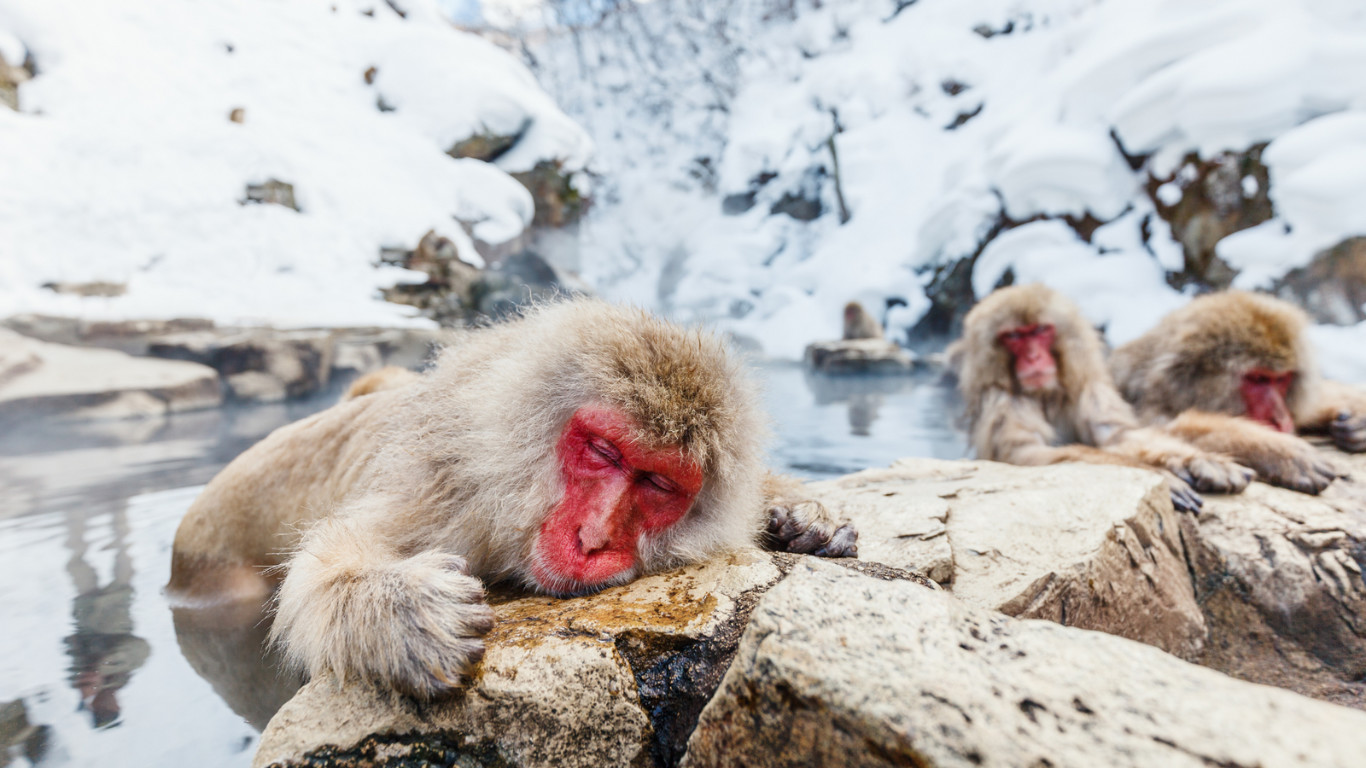
Snow Monkeys of Jigokudani
The Snow Monkeys of Jigokudani are a famous attraction, known for their unique behavior of bathing in hot springs during the winter months.
Nature
Half day to full day
¥800 (adults) or ¥400 (children)
Nagano Olympic Museum
This museum commemorates the 1998 Winter Olympics held in Nagano. It features exhibits on the history of the Olympics, the events held in Nagano, and the athletes who participated.
Historical
1-2 hours
¥500 (adults) or ¥200 (children)
Togakushi Shrine
Togakushi Shrine is a complex of three shrines dedicated to the Shinto goddess of archery. It is a popular destination for both spiritual and cultural tourism.
Religious
Half day
Free (donations appreciated)
Shiga Kogen
Shiga Kogen is one of Japan's largest and most popular ski resorts, known for its extensive ski runs, modern facilities, and beautiful mountain scenery.
Adventure
Full day or overnight
¥4,000 - ¥6,000 (lift tickets)
Must-Try Local Dishes
Soba Noodles
Soba noodles are made from buckwheat flour and are a staple of Nagano's cuisine. They can be served hot or cold, with various toppings and dipping sauces.
Dish
Vegetarian (if no meat or fish toppings are added)
Oyaki
Oyaki are dumplings filled with various ingredients, such as vegetables, meat, or cheese. They are a popular snack in Nagano and are often served with meals.
Dish
Vegetarian options available
Sake
Nagano is known for its high-quality sake, made from locally grown rice. The region has numerous sake breweries, offering a variety of flavors and styles.
Drink
Contains alcohol
Onsen Ryori
Onsen Ryori is a type of cuisine served in hot spring resorts. It typically consists of dishes made with local ingredients, such as vegetables, fish, and tofu, cooked in the hot spring water.
Dish
Vegetarian options available
Popular Activities
Skiing
Snowboarding
Hiking
Mountain biking
Hot air ballooning
Hot spring bathing
Temple visiting
Shopping
Best Time to Visit
Winter (December to February)
Winter is the peak season for skiing, snowboarding, and other winter sports. The city hosts numerous winter festivals and events. Expect heavy snowfall and cold temperatures.
-2°C to 5°C (28°F to 41°F)
28°F to 41°F
Practical Information
Language
- Official: Japanese
- Widely spoken: English (limited)
- English: Limited
Currency
Japanese Yen (JPY)
Time Zone
GMT+9
Electricity
100VV, 50/60HzHz
Safety Information
Overall Safety Rating: Generally safe
Nagano is a generally safe destination for travelers. Violent crime is rare, and petty crime, such as pickpocketing, is uncommon. However, travelers should still take precautions to protect their belongings and be aware of their surroundings.
Important Precautions:
- • Keep valuables secure and out of sight.
- • Be cautious of your surroundings, especially at night.
- • Use reputable taxis and tour services.
Getting there
By air
- Nagano Airport • 10 km (6 miles) from the city center
- Chubu Centrair International Airport • 200 km (124 miles) from the city center
By train
Nagano Station
By bus
Nagano Station Bus Terminal, Zenko-ji Temple Bus Stop
Getting around
Public transport
The city bus system is the primary mode of public transport in Nagano, covering most areas of the city and connecting to major attractions. Buses are frequent and affordable.
Taxis
Available • Apps: JapanTaxi, DiDi
Rentals
Car, Bike, Scooter
Neighborhoods
Central Nagano
Togakushi
Shiga Kogen
Day trips
Shiga Kogen
50 km (31 miles) from Nagano • Full day or overnight
Shiga Kogen is one of Japan's largest and most popular ski resorts, offering a wide range of winter and summer activities. It is a great destination for outdoor enthusiasts and nature lovers.
Togakushi
20 km (12 miles) from Nagano • Half day
Togakushi is a rural area known for its ancient shrines, soba noodles, and hiking trails. It is a popular destination for both spiritual and cultural tourism.
Jigokudani Monkey Park
60 km (37 miles) from Nagano • Half day to full day
Jigokudani Monkey Park is a popular destination for observing wild Japanese macaques, known as snow monkeys, in their natural habitat. The park is especially famous for the monkeys' unique behavior of bathing in hot springs during the winter months.
Festivals
Nagano Winter Festival • February
Nagano Summer Festival • August
Togakushi Fire Festival • February 3rd
Pro tips
- Visit Zenko-ji Temple early in the morning to avoid crowds and experience the temple's serene atmosphere.
- Try Togakushi's famous soba noodles at a local restaurant, such as Soba Koenji or Soba Nagano.
- Take a day trip to Shiga Kogen for skiing, snowboarding, or hiking, depending on the season.
- Experience the Nagano Winter Festival in February for a unique and memorable cultural event.
- Visit the Snow Monkeys of Jigokudani in winter to see the monkeys bathing in the hot springs.
From $25
per person
Price varies by option
Secure booking
Free cancellation available
Instant confirmation