Hakone 6 hour Private Tour with Government-Licensed Guide
Active
6h
For a full refund, cancel at least 24 hours before the scheduled departure time.
Instant confirmation
Mobile or paper ticket accepted
About this experience
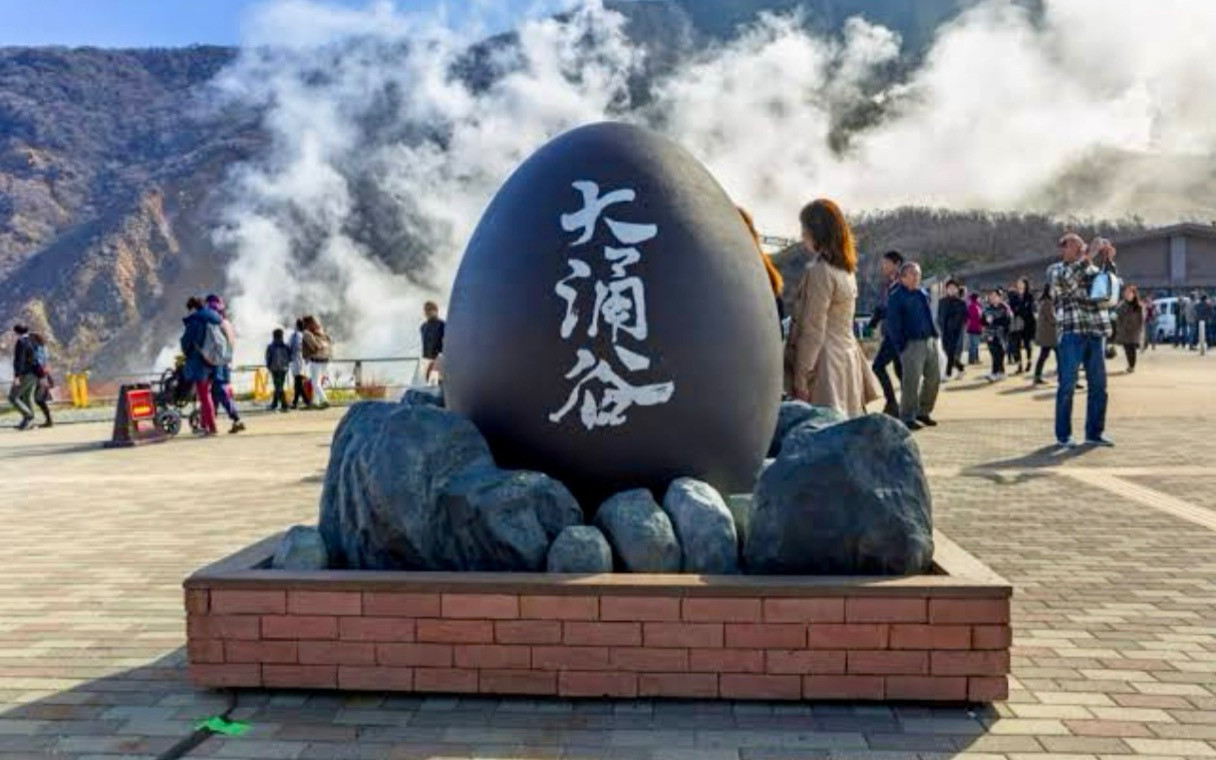
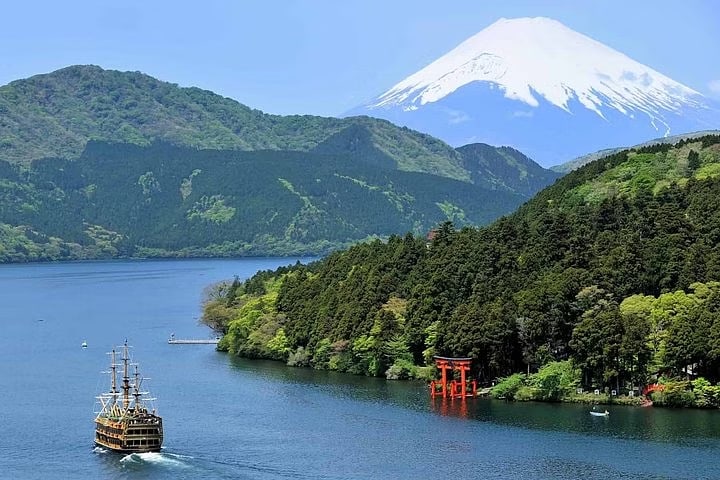
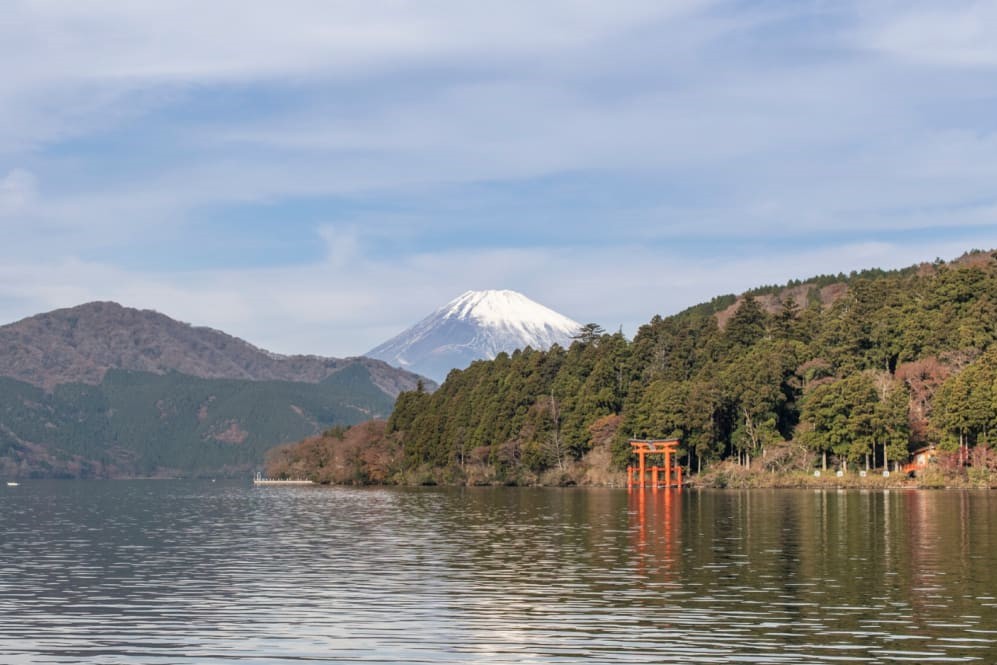
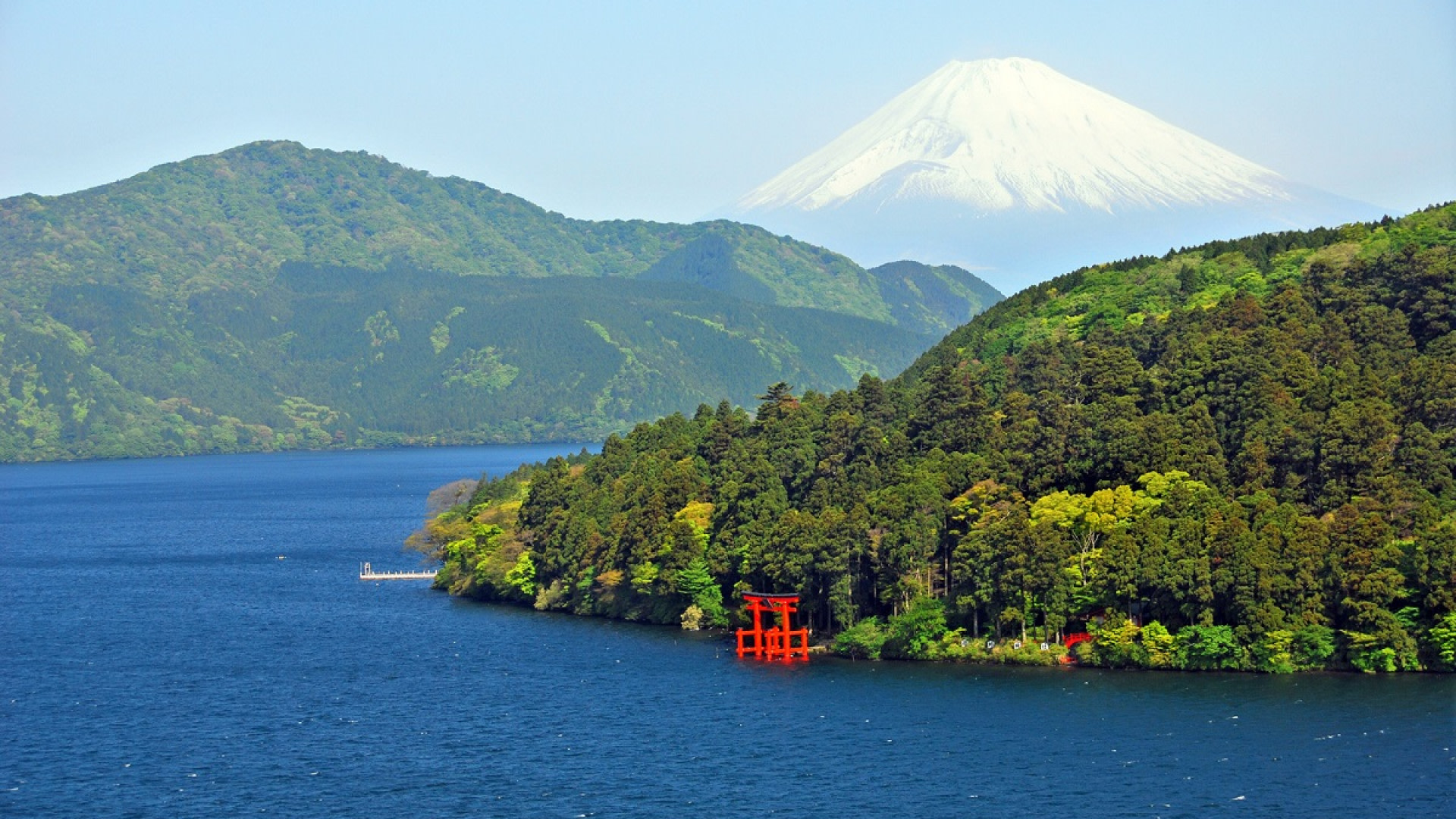
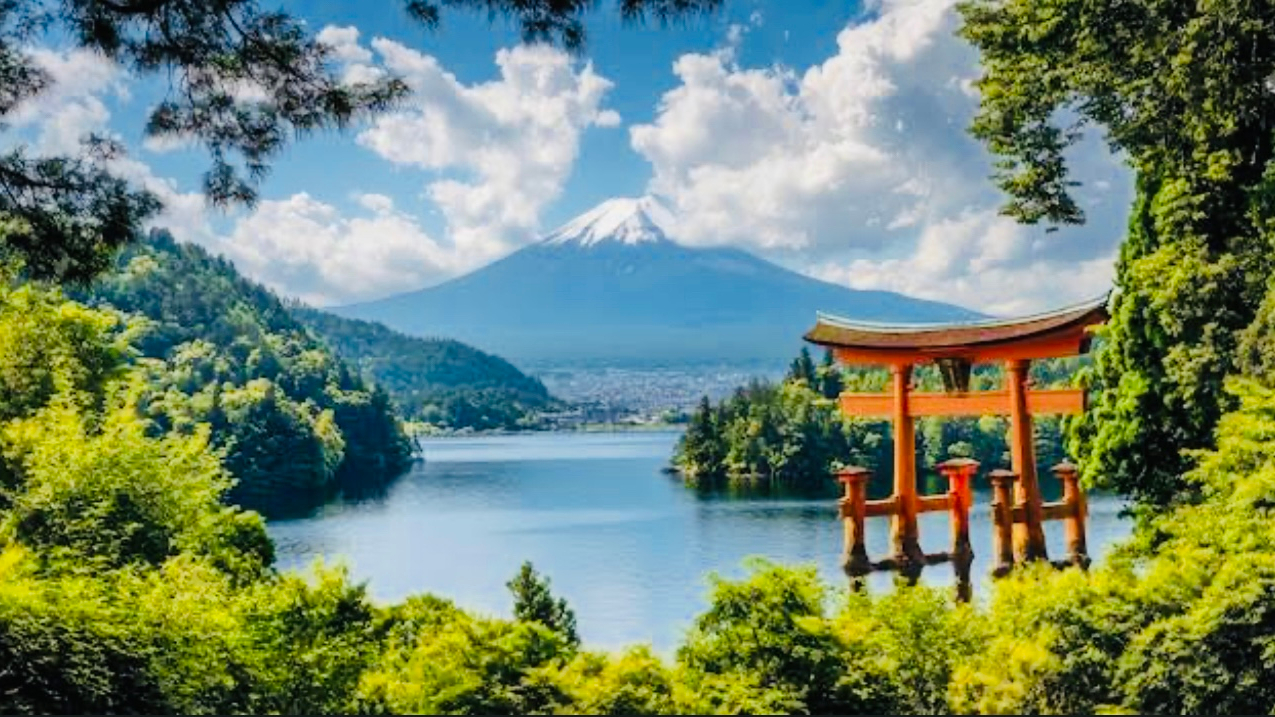
Join us to visit the beautiful mountain resort town of Hakone. Nestled in the mountains, Hakone is a place of natural and artistic wonders. Visit Owakudani to see the ever-rising sulfurous gasses from the active volcano that provides heat to the many hot springs nearby. Try the area’s famous black boiled eggs; turned black and infused with the minerals from the spring. Ride the rope way down the mountain to Lake Ashinoko for a beautiful view of Mount Fuji. Sail across the lake to visit the Torii gate by Kuzuryu shrine to the area’s 9 headed dragon deity. If you are an art fan, try visiting one of the many art museums in Hakone.
Once you have made your reservation, your tour guide will be in touch with you to plan your personalized tour. Please pick between 3 – 4 place to visit. We hope to guide you soon!
Please be aware that Hakone is a mountainous region. If you find walking difficult, please see ‘pick up details’ for private vehicle information.
Available options
Hakone 6 hour Private Tour with Government-Licensed Guide
Pickup included
What's included
Meet up with guide on foot within designated area of Hakone
Customizable Tour of your choice of 3 to 4 sites from 'What to expect' list
Licensed Local English Speaking Guide
Detailed itinerary
1
Stop 1
Lake Ashinoko (芦ノ湖, Ashinoko) was formed in the caldera of Mount Hakone after the volcano's last eruption 3000 years ago. Today, the lake with Mount Fuji in the background is the symbol of Hakone. The lake's shores are mostly undeveloped except for small towns in the east and north and a couple of lakeside resort hotels.
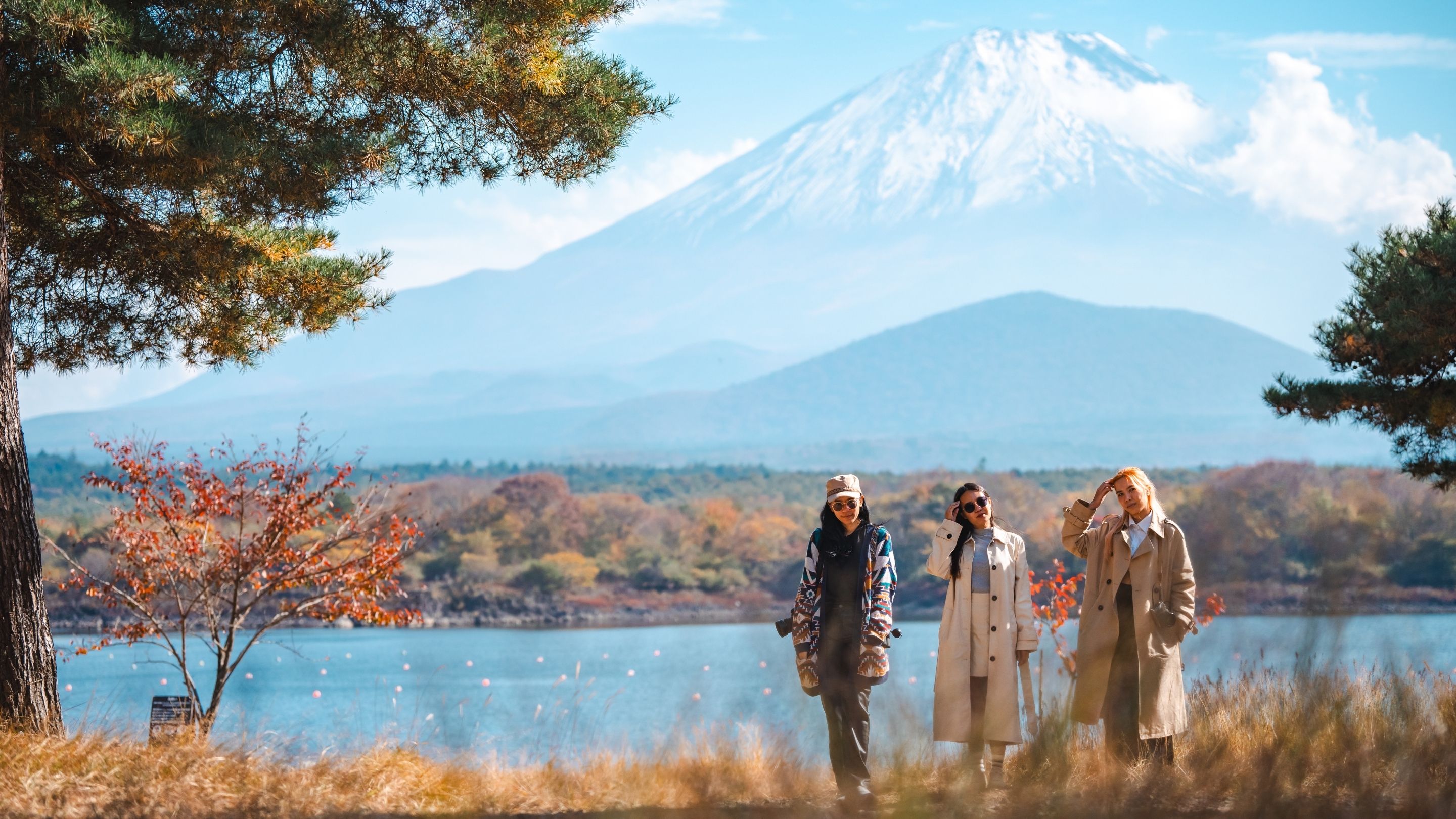
The best views of the lake in combination with Mount Fuji can be enjoyed from Moto-Hakone (a few steps south from the sightseeing boat pier), from the Hakone Detached Palace Garden and from the sightseeing boats cruising the lake.
2
Hakone-jinja Shrine is a tranquil place of worship with a history stretching back more than 12 centuries. Its buildings have been destroyed by fire and rebuilt several times, yet the shrine and surrounding forest retain an atmosphere of both peace and mystery.
3
Stop 3
The Hakone Ropeway (箱根ロ-プウエイ) is part of the Hakone Round Course, a popular way to visit Hakone. It connects Sounzan Station (at the terminus of the Hakone Tozan Cablecar) with Togendai Station (at the shore of Lake Ashinoko) and stops at Owakudani and Ubako stations on the way. The ropeway is fully covered by the Hakone Free Pass.
The ropeway's gondolas depart every minute and fit around ten people each. Traveling the full length of the ropeway takes around 30 minutes. Along the journey, passengers can enjoy views of the active, sulfuric hot spring sources of the Owakudani Valley between Sounzan and Owakudani and of Lake Ashinoko and Mount Fuji between Owakudani and Togendai if visibility allows. A transfer of gondolas is necessary at Owakudani, but no transfer is needed at Ubako.
Admission
1480 yen (one way), covered by the Hakone Free Pass
4
Stop 4
The Hakone Open-Air Museum is the first open-air art museum in Japan, built in Hakone with the aim of harmonizing nature and art. Art works are placed everywhere on the vast site of about 70,000 square meters, surrounded by beautiful trees, grass, and moutains.
It can be enjoyed by a wide range of ages, from families with children to adults traveling alone.
5
Stop 5
Owaku-dani is an active volcano that powers the hot springs in the local area. Take the ropeway over the volcano to the observatory to learn about this important volcano and try one of the black boiled eggs said to bring long life!
6
Stop 6
The POLA group, a skin care and beauty products company, opened the POLA Museum of Art (ポーラ美術館, Pōla Bijutsukan) in 2002 in order to display the extensive private art collection of the company's late owner, Suzuki Tsuneshi.
The museum was built amid a forest of 300 year old beech trees, and although constructed of concrete and glass, it is designed so as not to disrupt the natural environment that surrounds it. To achieve this, the majority of the building is located underground.
The museum features modern and contemporary paintings, sculptures, ceramics and glassware by mostly Japanese and European artists. In addition to temporary exhibits, the museum displays rotating exhibits drawn from its permanent collection which include works by artists such as Cezanne, Monet, Picasso and Renoir.
7
The Okada Museum of Art (岡田美術館, Okada Bijutsukan) is a privately-owned museum showcasing a wide collection of art pieces dating from antiquity to the modern era. Opened in 2013, the museum features a large array of East Asian ceramics, sculptures and paintings, all housed in a very spacious, modern facility surrounded by expansive grounds that feature a Japanese garden, a teahouse and a cafe with hot spring foot bath.
The upper floors focus on Japanese art, with a variety of art forms and time periods represented. Most items on display are labeled with basic information in English, Chinese, Korean and Japanese.
When entering, be aware that the museum's security measures are rather strict, requiring guests to store phones, cameras, bags and even stationary in free lockers at the front.
8
A beautiful slope of Pampas grass that is most beautiful in the fall.
9
The Hakone Glass no Mori (箱根ガラスの森) features Italian styled buildings housing a museum and shops. Outside is a large strolling garden surrounding a canal like pond. The garden has a number of large glass sculptures laid about it, as well as a cafe with an open terrace at one end where live canzoni (Italian ballads) performances are held.
The Glass no Mori's Venetian Glass Museum houses a collection of over 100 pieces of Venetian glassware. It displays both modern and classical works in all forms including vases, goblets, lamps and sculptures.
The Hakone Glass no Mori is run by the Ukai Group, an operator of themed high class restaurants, which also owns the Kawaguchiko Music Forest at Kawaguchiko in the Fuji Five Lakes region.
10
The Hakone Museum of Art (箱根美術館, Hakone Bijutsukan), located in Gora, was founded by Okada Mokichi in 1952. Its sister museum, the MOA Museum of Art was later built in Atami City on the Izu Peninsula.
The museum displays mainly Japanese ceramics from prehistoric times through the Edo Period (1600-1868). These include a number of large earthenware and ceramic vessels such as a haniwa burial statue classified as an Important Cultural Property.
11
Choanji Temple (長安寺, Chōanji) is a temple of the Soto school of Zen Buddhism in the Sengokuhara area of Hakone. Established in 1356 in a quiet area at the base of a hill, the atmospheric temple has a small network of pleasant walking trails which wind through its wooded grounds and cemetery.
What lends Choanji its particular charm, however, are the over two hundred statues of rakan (disciples of Buddha) scattered around the temple grounds. The statues began appearing in the 1980s and have been accruing ever since. Each statue has a unique face and shape, some contemplative and serious, others casual and humorous, and many show a modern edge in their artistic style and expressiveness compared to other collections of rakan statues.
In autumn, the temple grounds are also one of Hakone's nicer spots to enjoy the autumn colors. The many color-changing trees here usually reach their peak color around mid November.
12
The Hakone Botanical Garden of Wetlands (箱根湿生花園, Hakone Shisseikaen) is a botanical garden in the highlands of Fuji Hakone Izu National Park. The park was founded in 1976 as a place to preserve and exhibit over 1700 varieties of marsh and alpine plants native to Japan.
The garden offers a network of boardwalk paths through different types of marshland where you can learn about the plants that populate the wetlands. Information signs are in English and Japanese. The garden is popular during June when its Nikko Kisuge (daylily) are in full bloom, however it is closed during the winter months.
13
Gora Park (強羅公園, Gōra Kōen) is a western style landscape park located on the steep slope above Gora Station. It is a relaxing place to unwind and enjoy the scenery and views of Hakone.
Gora Park is primarily a French styled landscape park featuring a large fountain and a rose garden. The park also has two greenhouses, one housing a tropical botanical garden while the other contains a flower garden. Additionally, there is a restaurant overlooking the main fountain, as well as the Hakuun-do Chaen teahouse.
In the Crafthouse visitors can take part in craft activities such as glass blowing, glass etching, pottery and dried flower arrangement. Activities range in cost from 1000 to 5000 yen and take from 30 minutes to an hour to complete.
14
A quaint museum that keeps a collection of dollhouses from around the world, some over 200 years old.
The museum holds different doll house exhibits year-round, so be sure to check what will be available to see! A great place for lovers of miniatures.
15
Stop 15
The Narukawa Museum of Art (成川美術館, Narukawa Bijutsukan) is a contemporary art museum dedicated to a style of painting known as nihonga. Literally meaning "Japanese-style painting", nihonga are paintings that adhere to traditional Japanese artistic conventions, techniques, tools and materials. The label was originally meant to simply distinguish the art from Western-style paintings, but artists have since expanded the scope of nihonga to also include Western techniques.
Besides the art collection, the museum features an impressive panorama lounge and cafe with large windows overlooking Lake Ashinoko. On a clear day, it affords one of the best views of Mount Fuji, the lake and the floating torii gate of Hakone Shrine.
16
The Owakudani Nature Study Path is a special walking trail through an active volcanic area. It offers close-up views of Hakone’s geothermal activity. Advance reservation is required and the entrance fee is 800 yen.
What's not included
Transportation fees, Entrance fees, Lunch, and Other personal expenses
Private Vehicle
Guide Entry fees are only covered for sights listed under What to Expect.
You cannot combine multiple tour groups.
Hakone Freepass
Available languages
Guide guide
JA
EN
Reviews breakdown
Viator
4.8
91 reviews
5★
76
4★
10
3★
4
2★
0
1★
1
Tripadvisor
4.9
124 reviews
5★
120
4★
3
3★
0
2★
0
1★
1
Important information
Not recommended for travelers with spinal injuries
Not recommended for travelers with poor cardiovascular health
Not recommended for pregnant travelers
Service animals allowed
Public transportation options are available nearby
Infants and small children can ride in a pram or stroller
All areas and surfaces are wheelchair accessible
Transportation options are wheelchair accessible
Wheelchair accessible
Suitable for all physical fitness levels
This is a walking tour. Pick up is on foot.
About Hakone
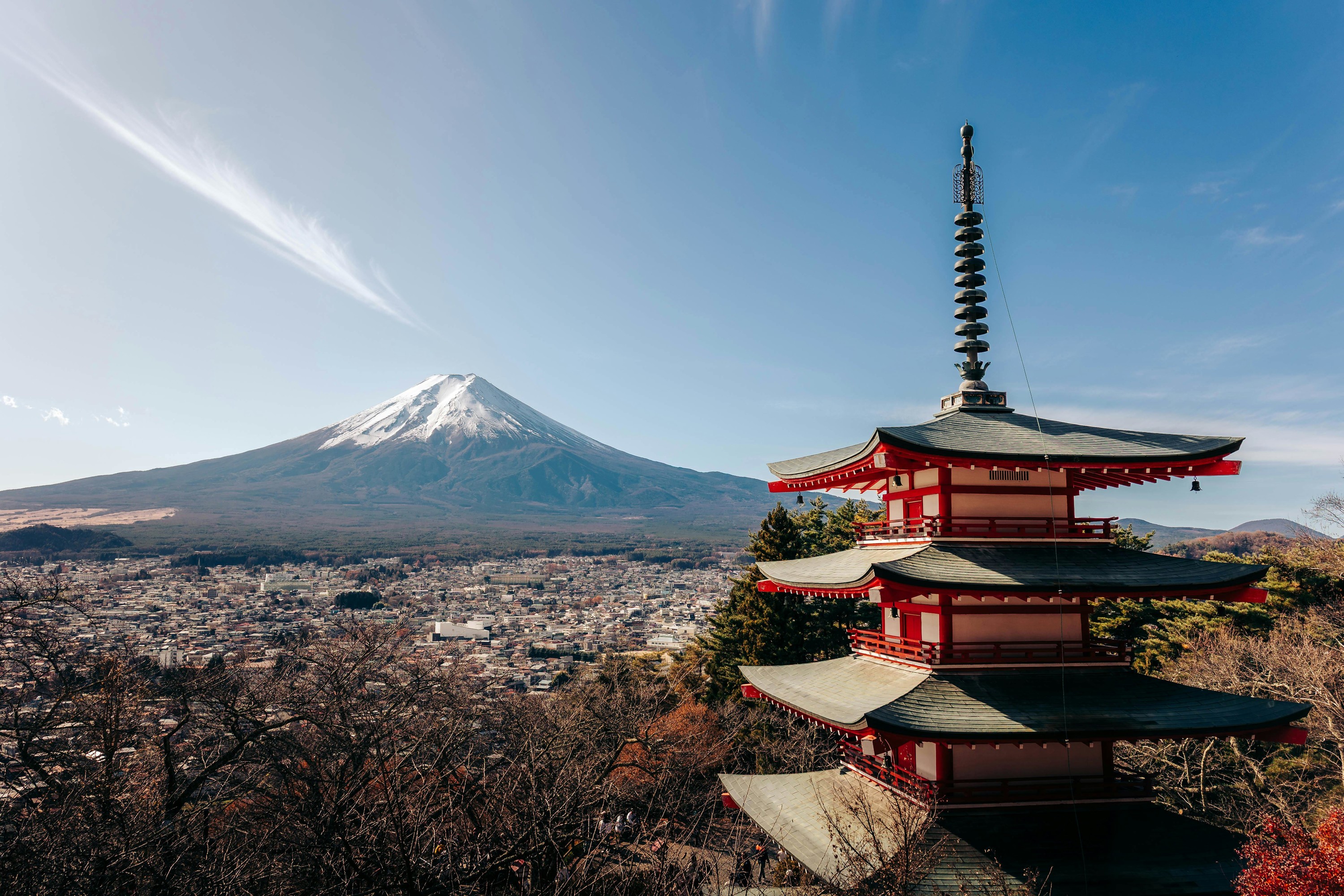
Hakone is a renowned onsen (hot spring) town in Japan, famous for its scenic beauty, historic sites, and relaxing hot baths. Nestled in the mountains of Kanagawa Prefecture, it offers stunning views of Mount Fuji and the surrounding nature, making it a perfect getaway from Tokyo.
Top Attractions
Hakone Open-Air Museum
An outdoor museum featuring a variety of sculptures and art installations in a beautiful natural setting.
Museum
2-3 hours
Moderate (¥1,600)
Lake Ashi
A scenic lake formed in the caldera of a volcano, offering beautiful views of Mount Fuji and the surrounding mountains.
Nature
1-2 hours
Included in the Hakone Free Pass
Owakudani
A volcanic valley known for its sulfur vents, hot springs, and black eggs boiled in the hot springs.
Nature
1-2 hours
Free (eggs cost ¥500)
Hakone Shrine
A Shinto shrine located on the shore of Lake Ashi, known for its beautiful torii gate and traditional architecture.
Historical
30 minutes to 1 hour
Free
Hakone Old Tokaido Road
A historic road that was part of the Tokaido route, featuring traditional buildings, teahouses, and inns.
Historical
1-2 hours
Free
Must-Try Local Dishes
Kurotamago (Black Eggs)
Eggs boiled in the hot springs of Owakudani, turning the shells black and giving the eggs a unique sulfuric flavor.
Snack
Contains eggs
Hakone Soba
Buckwheat noodles served with a variety of toppings, often made with local ingredients.
Main Course
Vegetarian options available
Onsen Tamago
Eggs cooked in the hot springs, giving them a unique flavor and texture.
Main Course
Contains eggs
Popular Activities
Hiking
Mountain biking
Paragliding
Onsen (hot spring) bathing
Spa treatments
Nature walks
Temple and shrine visits
Traditional craft workshops
Best Time to Visit
Autumn (September to November)
Autumn is the best time to visit Hakone for its beautiful fall foliage and comfortable temperatures. The scenery is breathtaking, and the weather is ideal for outdoor activities.
10°C to 20°C
50°F to 68°F
Practical Information
Language
- Official: Japanese
- Widely spoken: English (limited)
- English: Limited
Currency
Japanese Yen (JPY)
Time Zone
GMT+9
Electricity
100VV, 50/60HzHz
Safety Information
Overall Safety Rating: Very safe
Hakone is a very safe destination with low crime rates. However, it's always important to take basic precautions to ensure a safe and enjoyable trip.
Important Precautions:
- • Keep valuables secure
- • Be cautious when using ATMs
- • Be aware of your surroundings, especially at night
Getting there
By air
- Haneda Airport • 70 km from Hakone
- Narita Airport • 150 km from Hakone
By train
Hakone-Yumoto Station, Hakone Station
By bus
Hakone-Yumoto Station
Getting around
Public transport
The train and bus network covers most of Hakone's attractions. The Hakone Tozan Railway is a scenic mountain line.
Taxis
Available • Apps: None widely used
Rentals
Car, Bike, Scooter
Neighborhoods
Hakone-Yumoto
Gora
Togendai
Day trips
Kamakura
50 km from Hakone • Half day to full day
Kamakura is a historic town known for its temples, shrines, and the Great Buddha statue. It's a great day trip from Hakone for those interested in history and culture.
Yokohama
80 km from Hakone • Full day
Yokohama is Japan's second-largest city, offering a mix of urban attractions, cultural sites, and waterfront activities. It's a great day trip for those looking for a change of pace from Hakone's natural beauty.
Fuji Five Lakes
60 km from Hakone • Full day
The Fuji Five Lakes area offers stunning views of Mount Fuji and a variety of outdoor activities, including hiking, boating, and visiting museums.
Festivals
Hakone Daimyo Gyoretsu • November (specific dates vary)
Hakone Kamakura Kaido Torch Festival • January (specific dates vary)
Hakone Ekiden • January 2nd and 3rd
Pro tips
- Purchase the Hakone Free Pass for unlimited train, bus, and boat rides within the Hakone area
- Visit popular attractions early in the morning or late in the afternoon to avoid crowds and enjoy the best views of Mount Fuji
- Try local specialties like kurotamago (black eggs) and Hakone soba
- Respect onsen etiquette and follow proper bathing procedures
- Dress in layers, as temperatures can vary significantly throughout the day and between indoor and outdoor settings
From $25
per person
Price varies by option
Secure booking
Free cancellation available
Instant confirmation