Hike Japan Heritage Hakone Hachiri with certified mountain guide
Active
7h
All sales are final. No refund is available for cancellations.
Instant confirmation
Mobile or paper ticket accepted
About this experience
You will hike around 8km in this trip and visit Lake Ashi, the Hachiri heritage path, Yamanaka Castle Ruins, Genbe River. The transportation between the sites is either on foot or by local bus. The guide will give you background of this historical part of Japan.
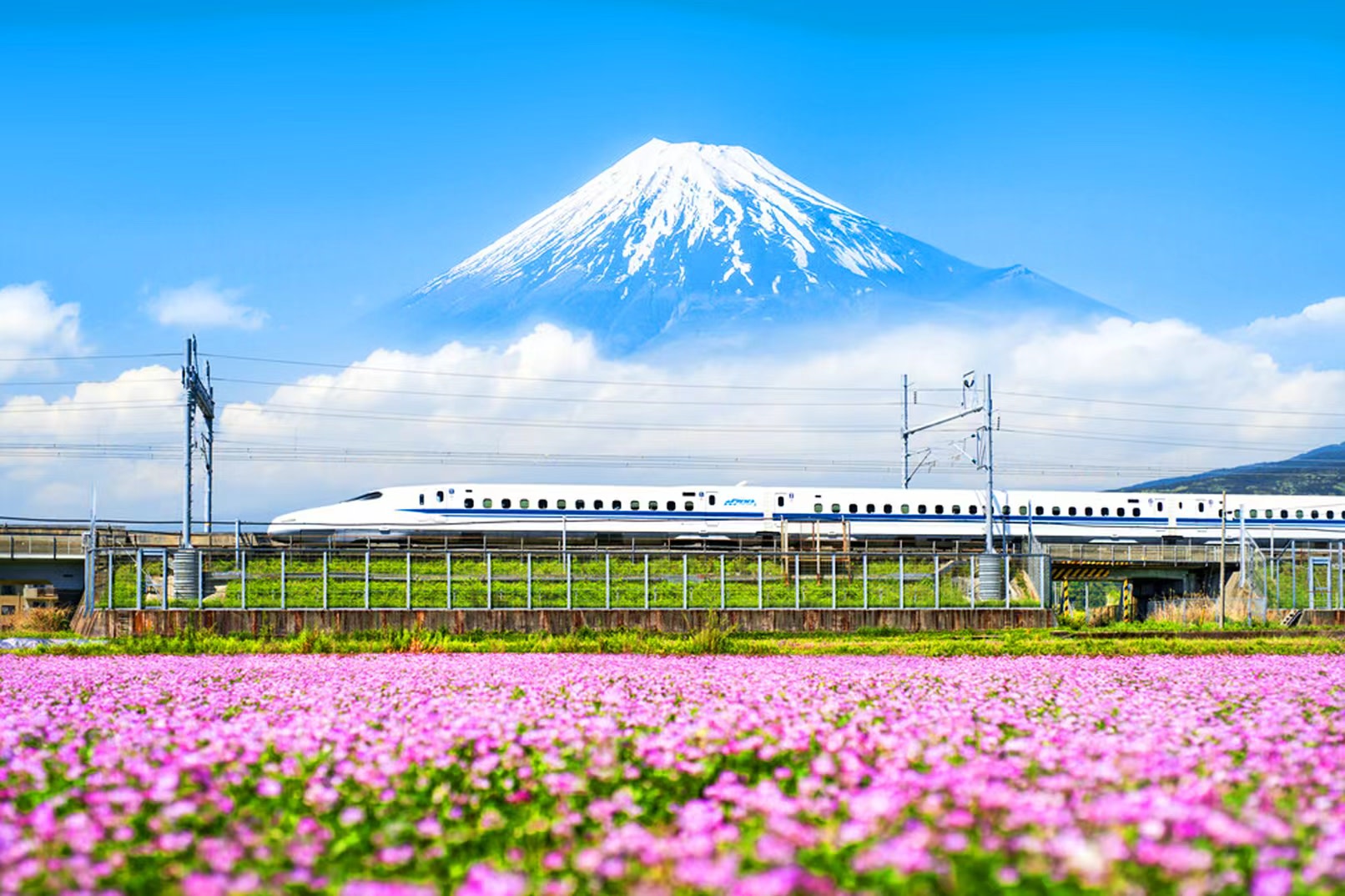
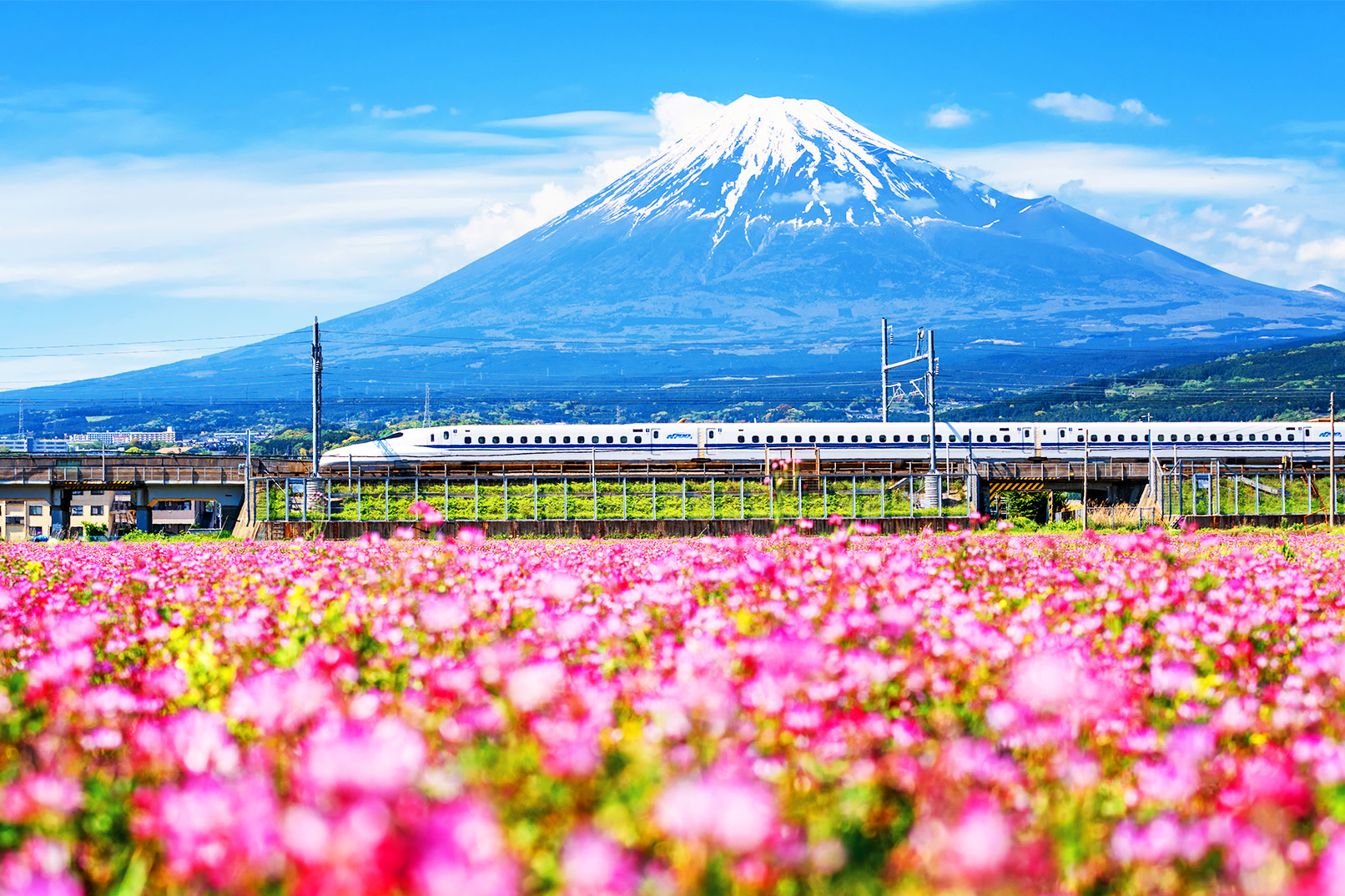
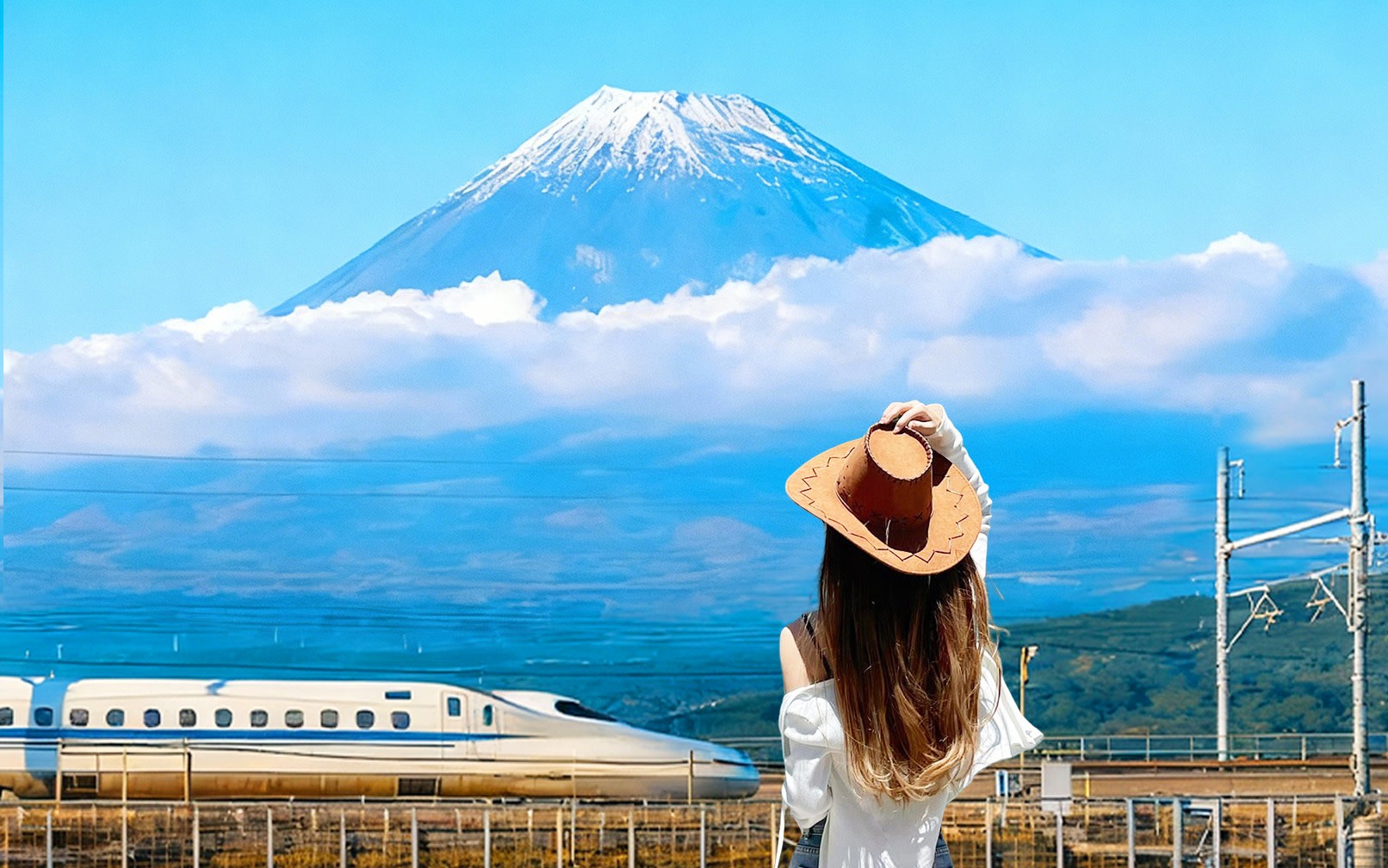
You will traverse the Hakone Mountain like Edo period travellers and see Mt Fuji from different angles while you walk if weather permits.
Hakone Hachiri is a Japan Heritage where you can experience how people traveled during Edo period (17th century). It is a part of the Old Tokaido Highway including the steep slope of Hakone mountains.
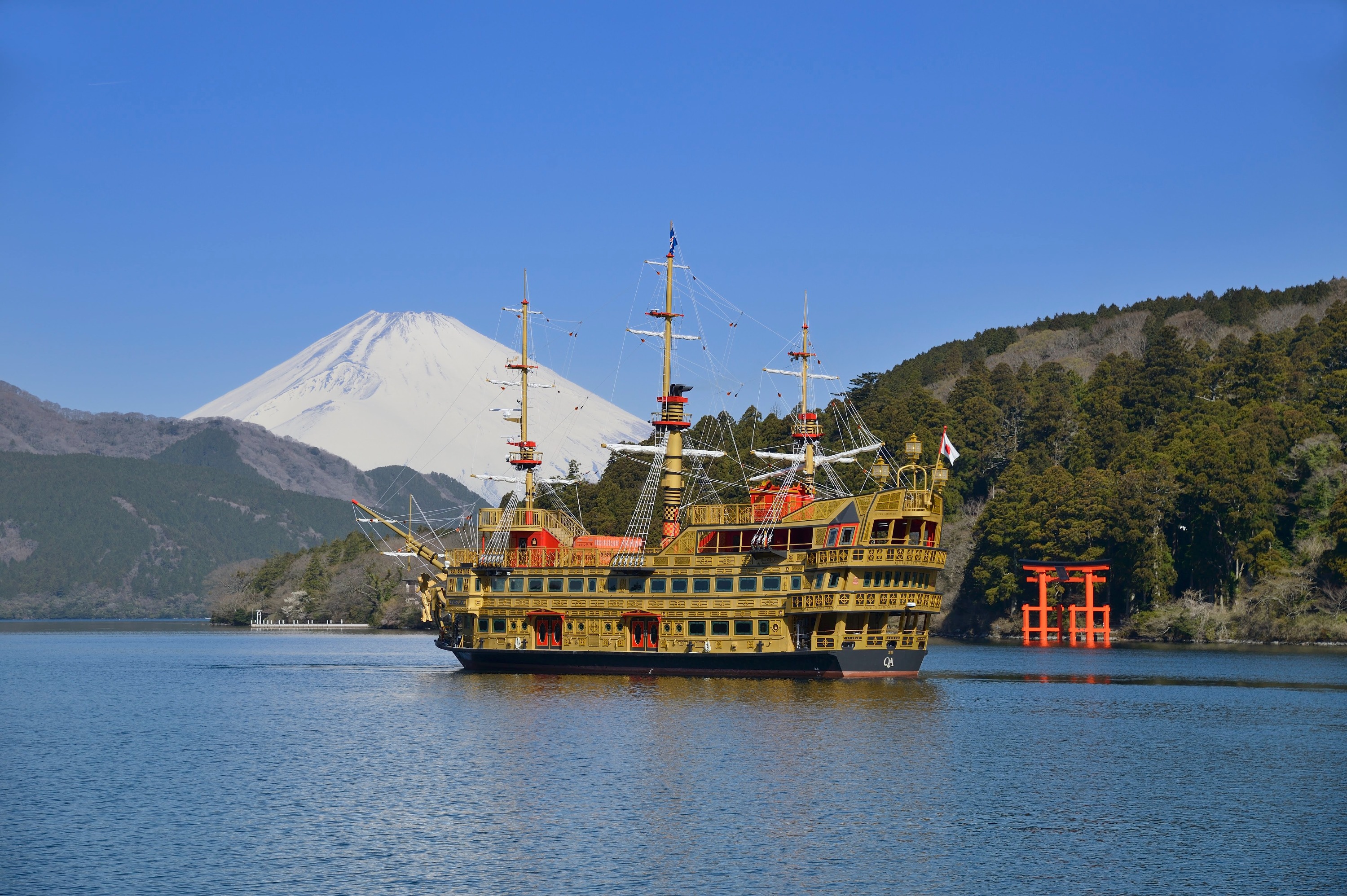
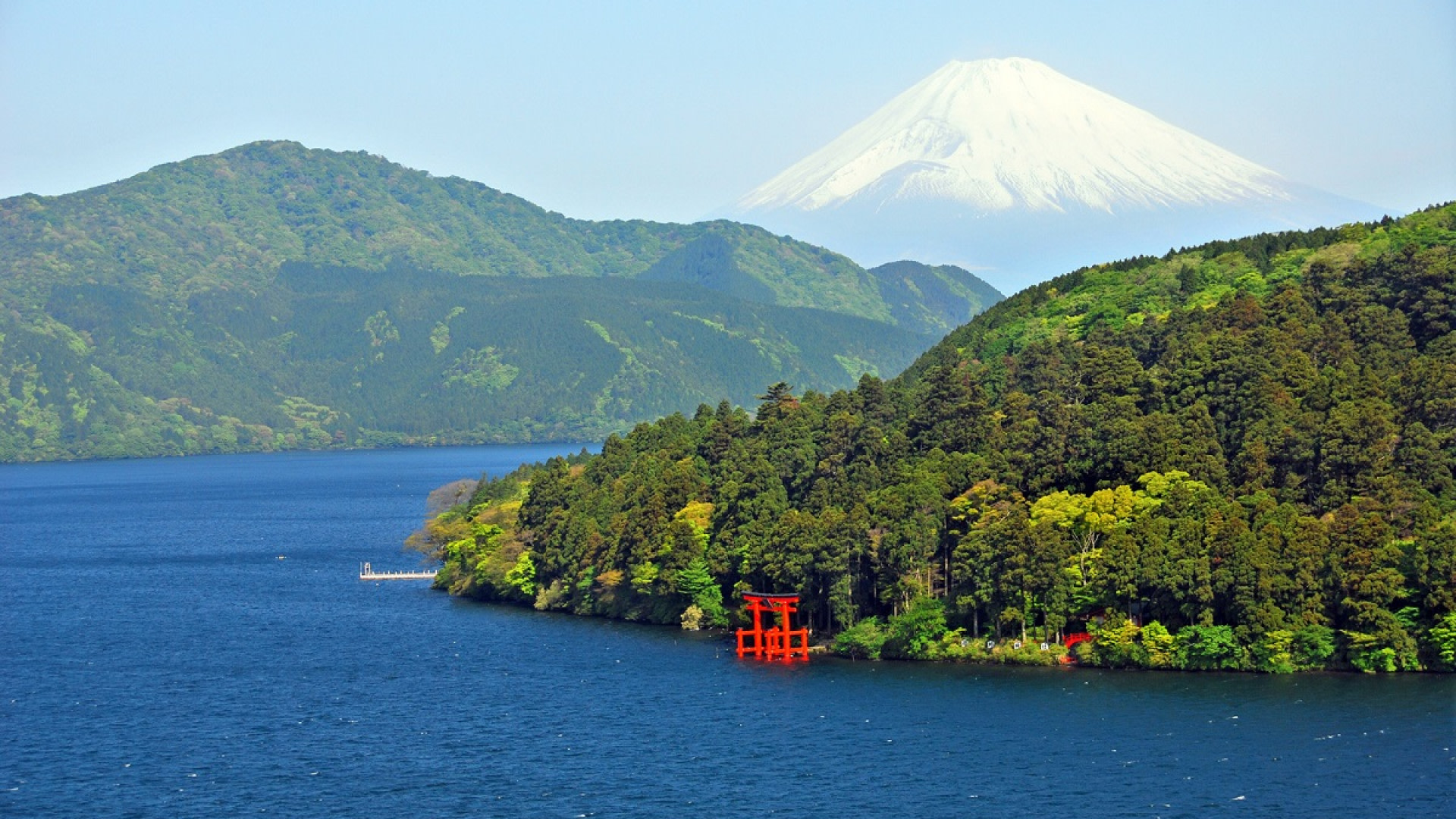
Our Hakone Hachiri tour starts from Hakone Yumoto. We hike and take the bus to visit Amasake Tea House and walk on the cobble stone path to Lake Ashi where we will see the lake, Mt Fuji and the Torii gate of Hakone Shrine.
After lunch near the Hakone Checkpoint, we take a bus to skip the temporally closed part and then resume the walk towards Mishima. Mishima Station is our ending point.
Available options
Hike Japan Heritage Hakone Hachiri with certified mountain guide
What's included
National Certified Pro Guide with wilderness first aid certificate
Detailed itinerary
1
After meeting at Hakone Yumoto Station, we will take a shared taxi to reach the trailhead. After walking about an hour, we will reach the wood crafting village where you can see how the artisans make use of the different types of trees in Hakone to create wooden decorations and furniture. After that, we take a bus to skip the steepest part of the route along the busy bus / car route. When we reach the tea house, we will enjoy amasake and some Japanese snacks in this 400-year-old tea house which is used to serve travellers who travelled between Edo and Kyoto in the old days. Then we start the hike again which takes around 40 minutes to reach Lake Ashi.
2
Once we reach Lake Ashi, we will walk along the shoreline and see the famous Heiwa no Torii and Mt Fuji in the background (weather permits). Then we will go through the cedar avenue in which the huge cedar trees were planted to give the travellers some shade. The Japanese traditional song 'Hachiri' describes this cedar avenue as 'Even during the day, the rows of cedar trees are dark'.
3
After walking past the cedar avenue, we will reach the Hakone Checkpoint which was like the immigration department these days. The guide will explain to you the significance of this checkpoint to you in this area. Entering the check point museum is not included. Lunch will be in this area.
4
After having lunch at a local Japanese restaurant, we will continue our way by bus to reach the trailhead in the Shizuoka side of Hachiri.
5
You will visit this castle ruins along the Hachiri Heritage path, if weather permits, you might be able to see Mt Fuji from this area.
6
We will reach Mishima at the end of this tour. In Mishima, we will visit Mishima Taisha (the biggest shrine in Mishima) and Genba River. The tour will end at Mishima Station where you can continue your way to the next destination.
What's not included
Lunch for your group (around 2000 yen)
Transportation fee to the trailhead and between sites (around 2000 yen by shared taxi or buses)
Shinkansen fee from Mishima to Odawara Station (around 2500 yen)
Amasake and snacks along the way
Available languages
Guide guide
ZH-TW
JA
EN
FR
Reviews breakdown
Viator
5.0
6 reviews
5★
6
4★
0
3★
0
2★
0
1★
0
Tripadvisor
5.0
40 reviews
5★
40
4★
0
3★
0
2★
0
1★
0
Important information
Service animals allowed
Public transportation options are available nearby
Not recommended for travelers with spinal injuries
Not recommended for pregnant travelers
Not recommended for travelers with poor cardiovascular health
Travelers should have at least a moderate level of physical fitness
Meeting point
The guide will be wearing a blue backpack and a white cap with Coconuts Hike Japan logo, waiting for you at the train exit (there is only ticket exit in Hakone Yumoto Station).
About Hakone
Hakone is a renowned onsen (hot spring) town in Japan, famous for its scenic beauty, historic sites, and relaxing hot baths. Nestled in the mountains of Kanagawa Prefecture, it offers stunning views of Mount Fuji and the surrounding nature, making it a perfect getaway from Tokyo.
Top Attractions
Hakone Open-Air Museum
An outdoor museum featuring a variety of sculptures and art installations in a beautiful natural setting.
Museum
2-3 hours
Moderate (¥1,600)
Lake Ashi
A scenic lake formed in the caldera of a volcano, offering beautiful views of Mount Fuji and the surrounding mountains.
Nature
1-2 hours
Included in the Hakone Free Pass
Owakudani
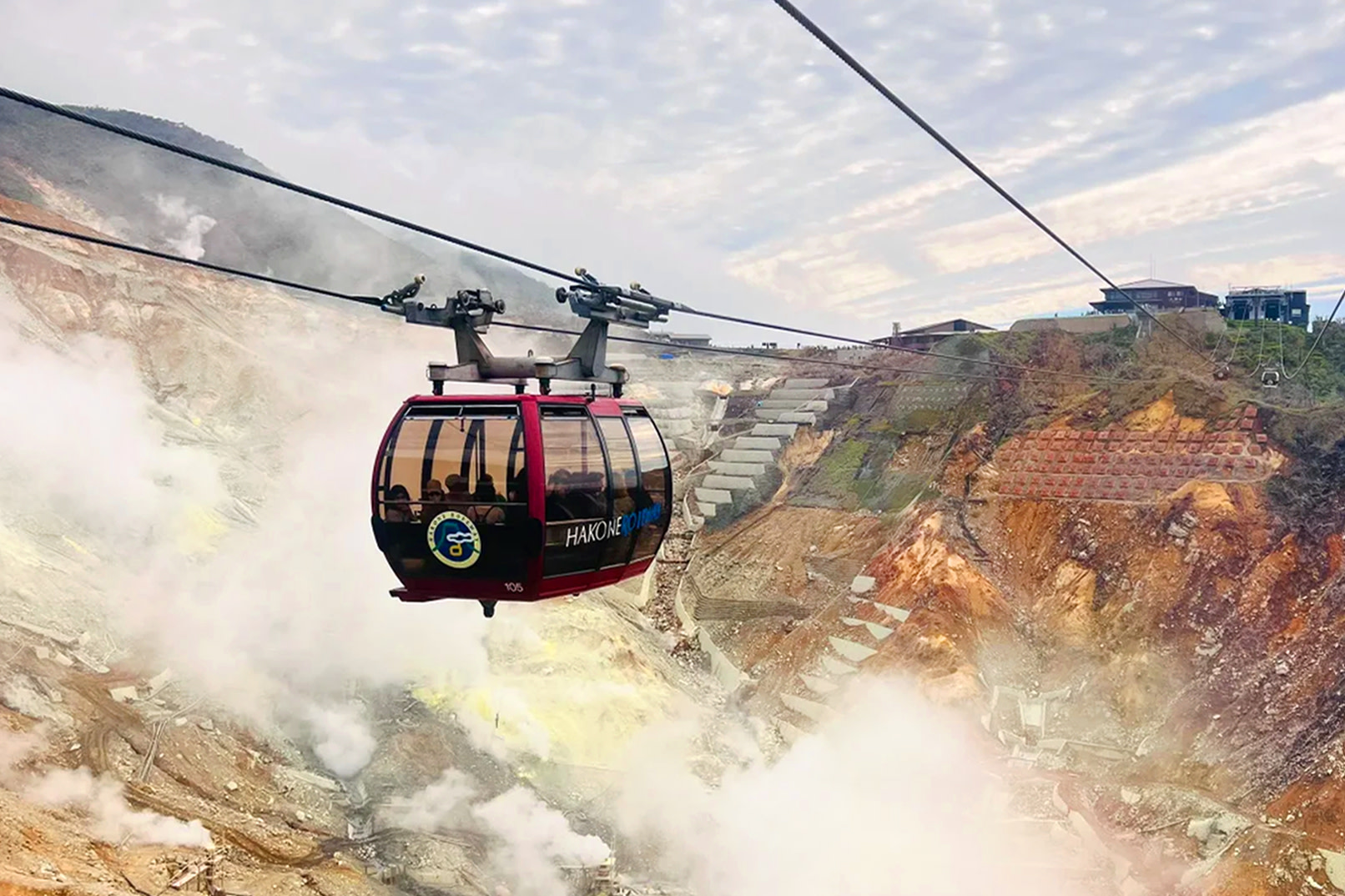
A volcanic valley known for its sulfur vents, hot springs, and black eggs boiled in the hot springs.
Nature
1-2 hours
Free (eggs cost ¥500)
Hakone Shrine
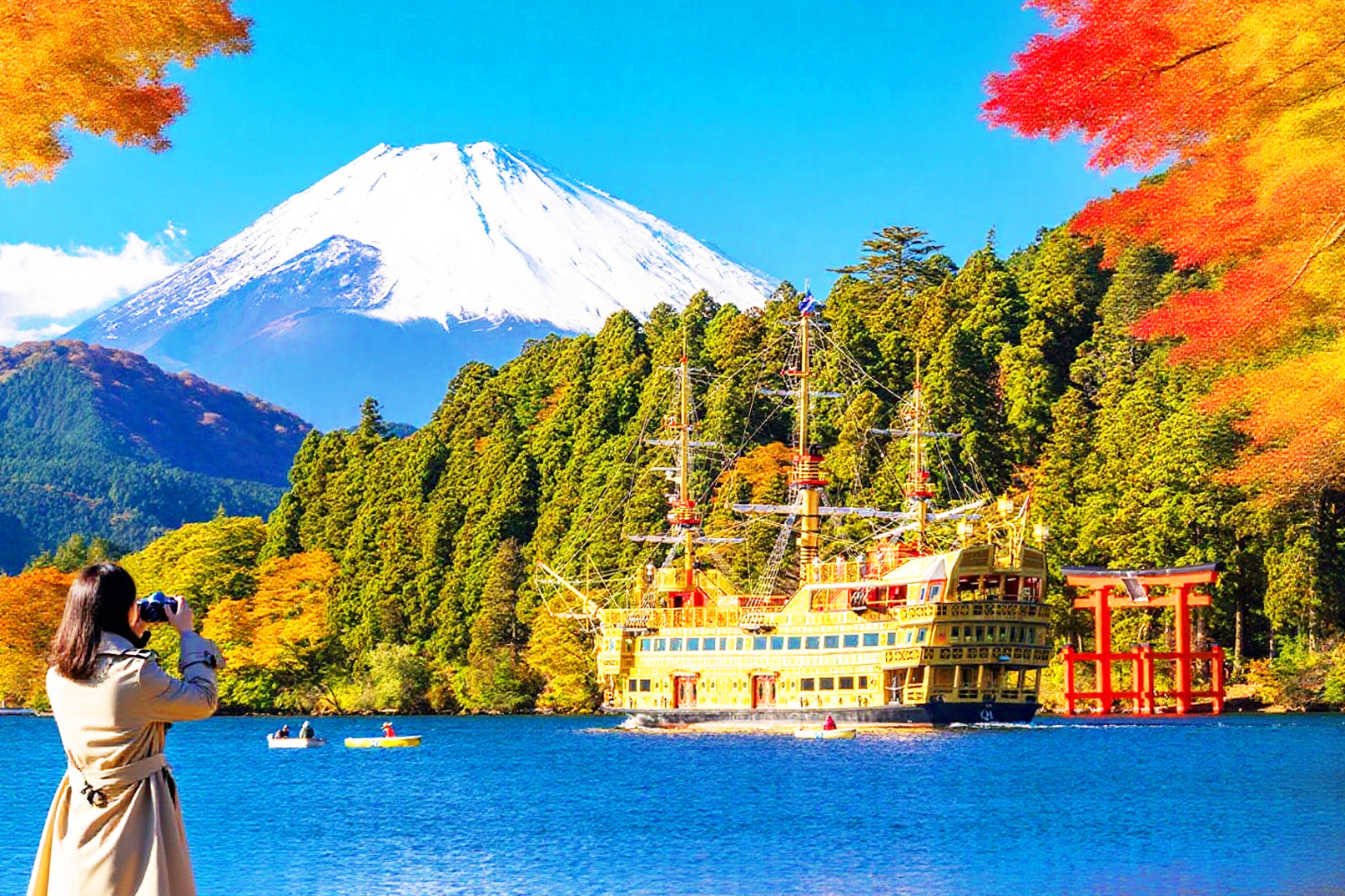
A Shinto shrine located on the shore of Lake Ashi, known for its beautiful torii gate and traditional architecture.
Historical
30 minutes to 1 hour
Free
Hakone Old Tokaido Road
A historic road that was part of the Tokaido route, featuring traditional buildings, teahouses, and inns.
Historical
1-2 hours
Free
Must-Try Local Dishes
Kurotamago (Black Eggs)
Eggs boiled in the hot springs of Owakudani, turning the shells black and giving the eggs a unique sulfuric flavor.
Snack
Contains eggs
Hakone Soba
Buckwheat noodles served with a variety of toppings, often made with local ingredients.
Main Course
Vegetarian options available
Onsen Tamago
Eggs cooked in the hot springs, giving them a unique flavor and texture.
Main Course
Contains eggs
Popular Activities
Hiking
Mountain biking
Paragliding
Onsen (hot spring) bathing
Spa treatments
Nature walks
Temple and shrine visits
Traditional craft workshops
Best Time to Visit
Autumn (September to November)
Autumn is the best time to visit Hakone for its beautiful fall foliage and comfortable temperatures. The scenery is breathtaking, and the weather is ideal for outdoor activities.
10°C to 20°C
50°F to 68°F
Practical Information
Language
- Official: Japanese
- Widely spoken: English (limited)
- English: Limited
Currency
Japanese Yen (JPY)
Time Zone
GMT+9
Electricity
100VV, 50/60HzHz
Safety Information
Overall Safety Rating: Very safe
Hakone is a very safe destination with low crime rates. However, it's always important to take basic precautions to ensure a safe and enjoyable trip.
Important Precautions:
- • Keep valuables secure
- • Be cautious when using ATMs
- • Be aware of your surroundings, especially at night
Getting there
By air
- Haneda Airport • 70 km from Hakone
- Narita Airport • 150 km from Hakone
By train
Hakone-Yumoto Station, Hakone Station
By bus
Hakone-Yumoto Station
Getting around
Public transport
The train and bus network covers most of Hakone's attractions. The Hakone Tozan Railway is a scenic mountain line.
Taxis
Available • Apps: None widely used
Rentals
Car, Bike, Scooter
Neighborhoods
Hakone-Yumoto
Gora
Togendai
Day trips
Kamakura
50 km from Hakone • Half day to full day
Kamakura is a historic town known for its temples, shrines, and the Great Buddha statue. It's a great day trip from Hakone for those interested in history and culture.
Yokohama
80 km from Hakone • Full day
Yokohama is Japan's second-largest city, offering a mix of urban attractions, cultural sites, and waterfront activities. It's a great day trip for those looking for a change of pace from Hakone's natural beauty.
Fuji Five Lakes
60 km from Hakone • Full day
The Fuji Five Lakes area offers stunning views of Mount Fuji and a variety of outdoor activities, including hiking, boating, and visiting museums.
Festivals
Hakone Daimyo Gyoretsu • November (specific dates vary)
Hakone Kamakura Kaido Torch Festival • January (specific dates vary)
Hakone Ekiden • January 2nd and 3rd
Pro tips
- Purchase the Hakone Free Pass for unlimited train, bus, and boat rides within the Hakone area
- Visit popular attractions early in the morning or late in the afternoon to avoid crowds and enjoy the best views of Mount Fuji
- Try local specialties like kurotamago (black eggs) and Hakone soba
- Respect onsen etiquette and follow proper bathing procedures
- Dress in layers, as temperatures can vary significantly throughout the day and between indoor and outdoor settings
From $25
per person
Price varies by option
Secure booking
Free cancellation available
Instant confirmation


![[Mount Fuji Hakone Day Trip] Owakudani & Lake Ashi Pirate Ship & Lake Yamanaka & Oshino Hakkai & Ropeway Experience Tour (From Tokyo)](https://res.klook.com/image/upload/activities/xresyha7bfmnciibam2l.jpg)
![[Mount Fuji & Hakone] Lake Ashi Torii Gate & Hakone Shrine & Hakone Pirate Ship & Hakone Ropeway & Owakudani & Lake Yamanaka & Oshino Hakkai Day Trip | Ropeway Ticket Included | Departure from Tokyo](https://res.klook.com/image/upload/activities/z0pgbdeyzw3p0rfq8v2n.jpg)
![[Mount Fuji Hakone Day Trip by Land, Sea, and Air] Hakone Shrine & Lake Ashi Floating Torii Gate & Hakone Pirate Ship & Hakone Ropeway (Ropeway Ticket Included) & Owakudani & Yamanakako Swan Lake Beach & Oshino Hakkai | Depart from Tokyo](https://res.klook.com/image/upload/activities/lugmkddvz1mozyecowme.jpg)
![[Departure from Tokyo] Hakone Shrine, Owakudani, Gotemba Outlets, Mt. Fuji Scenery Day Trip](https://res.klook.com/image/upload/activities/lpdjtouvnsrsvwo69kt0.jpg)