Dmz (vinh Moc Tunnel - Khe Sanh Combat Base) Private Car From Hue City
Active
8h - 9h
For a full refund, cancel at least 24 hours before the scheduled departure time.
Instant confirmation
Mobile or paper ticket accepted
About this experience
DMZ area is neither famous for the beautiful landscapes nor good place for entertaining, the charming of this destination is made from the meaning of remaining constructions and stories behind the most militarized and fought over places of the entire war.
The DMZ was created in April, 1954 as a result of the Geneva Conference ending the war between Viet Minh and the French authorities. Historically, it was a narrow band of terrain extending from the Laos border to the coast, five km on either side of the Ben Hai River, roughly on the 17th parallel north latitude. Despite its name, it was probably one of the most militarized and fought over places of the entire war. Even if you’re not interested in the history, the area has some spectacular mountain scenes and rugged jungles.
Available options
Sedan
Sedan
Van
Van
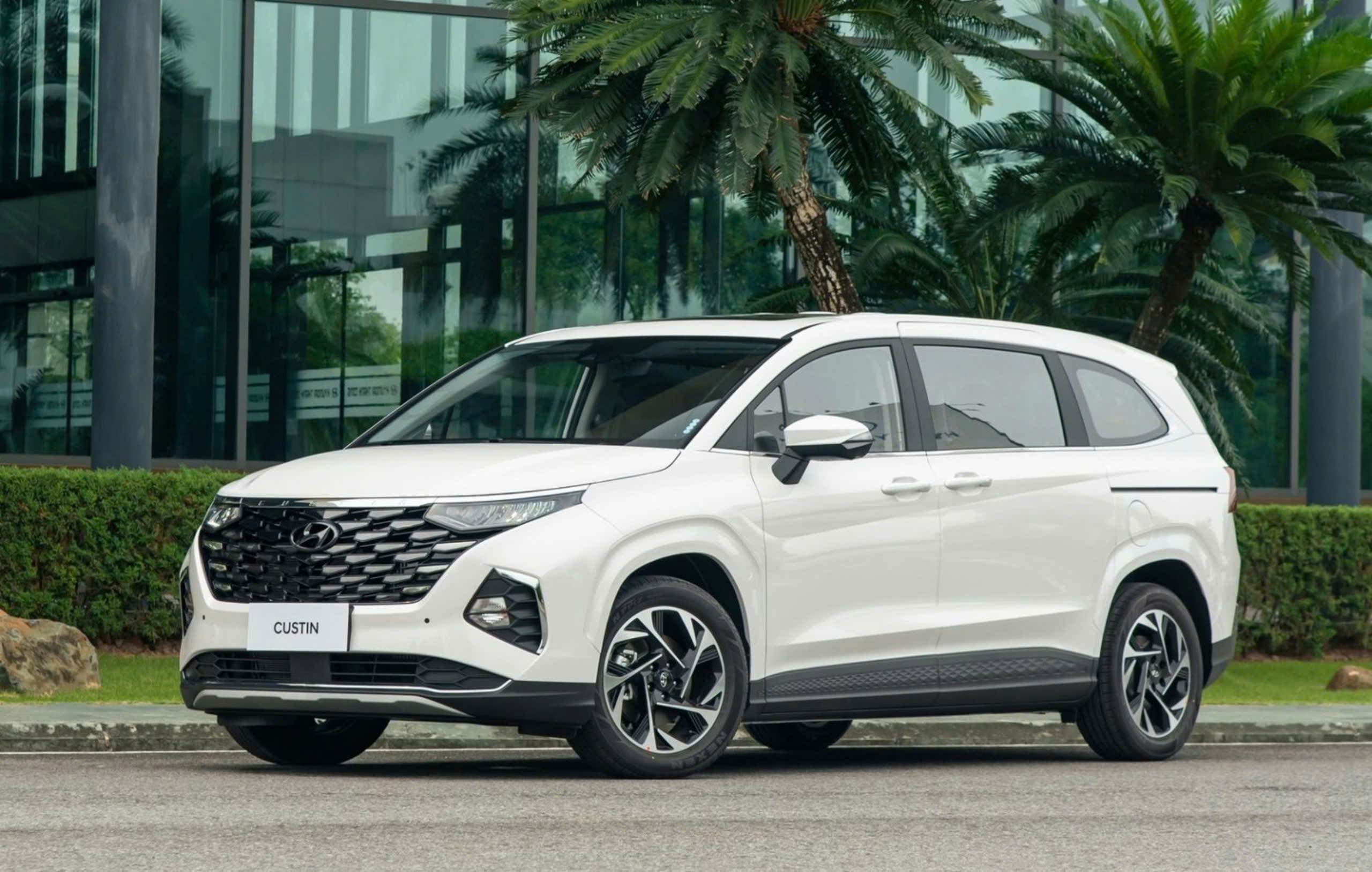
SUV
SUV
What's included
Hotel pick up/drop off at center
Driver salary
Private Car transfer with English Driver 2 ways
Wifi on car
Mineral water
Petrol, road tolls, parking fees.
For Lunar New Year 2026, we will surcharge extra 20% each booking (from 16/02 to 19/02)
Detailed itinerary
1
La Vang Holy Land is located in Hai Lang district, Quang Tri province which is famous for its complex of the most valuable sculptural works in the history of sculpture in Vietnam. La Vang Holy was awarded by the Vatican Holy and has been the Emirate Palace of La Vang Cathedral since 1961
2
Ben Hai River had to stand divided between the South and the North of Viet Nam more than 20 years uninterrupted in the war against America. The river witnessed the national paint and became a symbol for Vietnamese soldier’s will and decisiveness.
Hien Luong Bridge: “the bridge of two paint”
This historical site located on both banks of the river which have been recognized as a special national historical relic. On the north side, there is another monument, or rather a massive flagpole resting on a pedestal which is adorned with the most elaborate and biggest socialist realism mosaic in Viet Nam.
3
The village of Khe Sanh was the seat of government of Huong Hoa district, an area of Bru villages and coffee plantations, situated about seven miles from the Laotian frontier on Rout 9, the northernmost transverse road in South Vietnam. The origin of the combat base lay in the construction by U.S. Army Special Forces of an airfield in August 1962 outside the village at an old French fort.
4
Stop 4
Vinh Moc tunnels are the place where an entire village lived for two and a half years. The tunnels were devised into many different sessions such as delivery room (17 babies were born in the tunnels), kitchens, living space... There is a small but informative museum here, with photos of the construction of the tunnels, and of underground daily life.
What's not included
Meals
English Tour Guide
Personal Fees
Accommodations
Reviews breakdown
Tripadvisor
5.0
3 reviews
5★
3
4★
0
3★
0
2★
0
1★
0
Important information
Wheelchair accessible
Infants and small children can ride in a pram or stroller
Specialized infant seats are available
Transportation options are wheelchair accessible
All areas and surfaces are wheelchair accessible
Suitable for all physical fitness levels
A maximum: 3 adults
Please contact us if you have any special requirements.
Infant seats are available but we will confirm with the customer if the baby seat is still available.
Meeting point
The driver will pick up you at your hotel in Hue City Central around 5 km
Important notes
• N/A
About Hue
Hue, the former imperial capital of Vietnam, is renowned for its historic monuments, royal tombs, and beautiful architecture. This UNESCO World Heritage site offers a unique glimpse into Vietnam's imperial past with its well-preserved citadel, palaces, and temples.
Top Attractions
Imperial City
The Imperial City is a walled fortress and palace in the former capital of Vietnam. It was the seat of Nguyen Dynasty emperors and is a UNESCO World Heritage site.
Historical
2-3 hours
Moderate (around 150,000 VND for entrance)
Thien Mu Pagoda
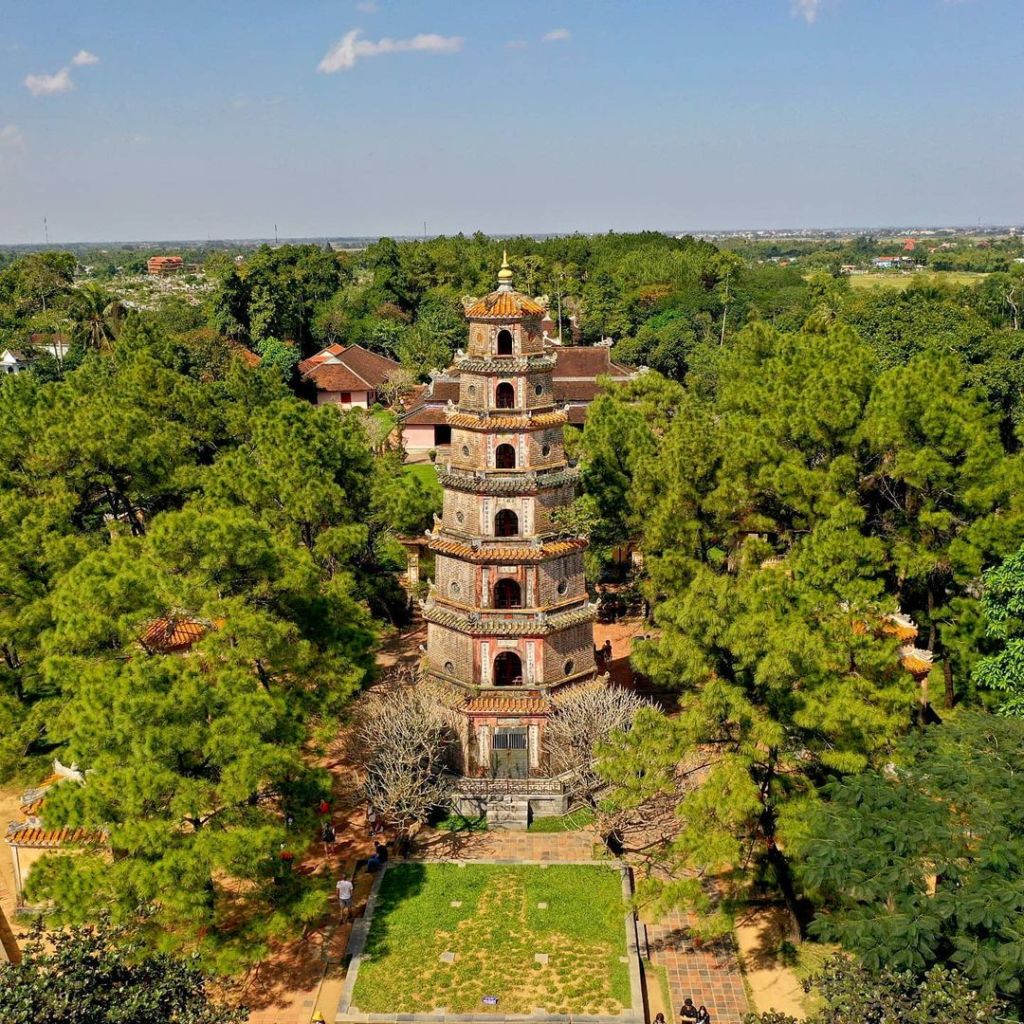
Thien Mu Pagoda is an iconic Buddhist pagoda overlooking the Perfume River. It is one of the most beautiful and historic pagodas in Vietnam.
Religious
1-2 hours
Free (donations welcome)
Tomb of Khai Dinh
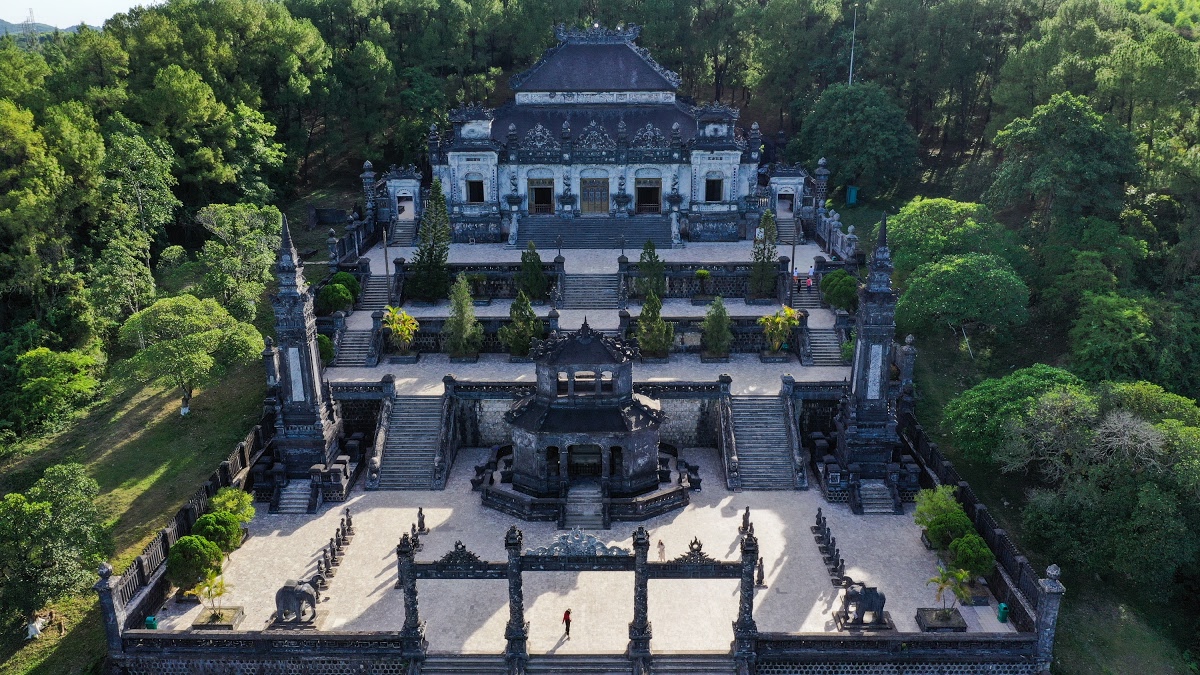
The Tomb of Khai Dinh is the final resting place of Emperor Khai Dinh, the twelfth emperor of the Nguyen Dynasty. It is known for its unique blend of Vietnamese and European architecture.
Historical
1-2 hours
Moderate (around 100,000 VND for entrance)
Dong Ba Market
Dong Ba Market is the largest and oldest market in Hue, offering a wide variety of local products, including food, textiles, and souvenirs.
Market
1-2 hours
Free to enter, prices vary for items
Perfume River
The Perfume River is a scenic river that flows through Hue, known for its beautiful views and cultural significance. It is a popular spot for boat tours and leisurely walks along the riverbank.
Nature
Varies by activity
Low to moderate (boat tours around 100,000 VND)
Must-Try Local Dishes
Bun Bo Hue
A spicy beef noodle soup with a rich, flavorful broth made from pork, beef, and lemongrass. It is typically served with rice vermicelli, slices of beef, and pork, and various herbs and vegetables.
Lunch/Dinner
Contains beef and pork, not suitable for vegetarians or vegans.
Banh Khoai
A crispy, savory pancake made from rice flour, turmeric, and water. It is filled with shrimp, pork, and bean sprouts, and served with a tangy dipping sauce.
Snack/Dinner
Contains shrimp and pork, not suitable for vegetarians or vegans.
Nem Lui
Grilled minced pork skewers wrapped in fresh herbs and served with a peanut hoisin sauce. The pork is marinated in a mixture of fish sauce, garlic, and lemongrass before being grilled.
Snack/Appetizer
Contains pork, not suitable for vegetarians or vegans.
Banh Beo
Steamed rice cakes topped with shrimp, scallions, and crispy pork rinds. They are served in small dishes and eaten with a small spoon, accompanied by a fish sauce-based dipping sauce.
Snack/Appetizer
Contains shrimp and pork, not suitable for vegetarians or vegans.
Popular Activities
Hiking in Bach Ma National Park
Boat tours on the Perfume River
Water activities at Lang Co Beach
Sunbathing and swimming at Lang Co Beach
Visiting spas and wellness centers in Hue
Exploring the Imperial City and its historical sites
Visiting local markets and shopping streets
Attending traditional performances and festivals
Best Time to Visit
February to August
The best time to visit Hue is during the dry season when the weather is warm and sunny, making it ideal for outdoor activities and sightseeing.
20°C to 33°C
68°F to 91°F
Practical Information
Language
- Official: Vietnamese
- Widely spoken: English (limited)
- English: Limited
Currency
Vietnamese Dong (VND)
Time Zone
GMT+7
Electricity
220VV, 50HzHz
Safety Information
Overall Safety Rating: Generally safe
Hue is generally a safe destination for travelers, with low crime rates and a welcoming atmosphere. However, it is important to take standard precautions to protect yourself and your belongings, such as being aware of your surroundings, avoiding isolated areas, and keeping valuables secure.
Important Precautions:
- • Be aware of your surroundings and keep valuables secure
- • Use reputable taxi companies or app-based services, such as Grab or Mai Linh
- • Bargain for better prices and be cautious when using ATMs or making purchases with credit cards
Getting there
By air
- Phu Bai International Airport • 15 km from city center
By train
Hue Railway Station
By bus
Hue Bus Station
Getting around
Public transport
Buses are affordable and convenient for getting around Hue. The system includes routes to major tourist sites like the Imperial City and Thien Mu Pagoda.
Taxis
Available • Apps: Grab, Mai Linh
Rentals
Car, Bike, Scooter
Neighborhoods
City Center
Hue University Area
An Cuu Island
Day trips
Tam Giang Lagoon
15 km from Hue • Half day to full day
Tam Giang Lagoon is a scenic and tranquil destination located just a short drive from Hue. It is the largest lagoon in Southeast Asia, offering beautiful views, peaceful boat rides, and a variety of water activities.
Vinh Moc Tunnels
25 km from Hue • Half day
The Vinh Moc Tunnels are a network of underground tunnels located near the Demilitarized Zone (DMZ) in central Vietnam. They were used by local residents during the Vietnam War to escape the bombing and shelling by American forces.
Bach Ma National Park
40 km from Hue • Full day
Bach Ma National Park is a stunning and biodiverse destination located just a short drive from Hue. It is home to a variety of wildlife, including rare and endangered species, as well as beautiful waterfalls, lakes, and hiking trails.
Festivals
Hue Festival • Biennial, typically held in April or May
Hue Traditional Boat Racing Festival • Annually, typically held in May or June
Hue Poetry Festival • Annually, typically held in August
Pro tips
- Visit the Imperial City early in the morning to avoid crowds and the heat
- Try the local street food, such as bun bo Hue and banh khoai, for an authentic and delicious culinary experience
- Take a boat tour on the Perfume River for a unique and scenic perspective of the city
- Hire a local guide or join a tour to learn more about the history and culture of Hue and the Nguyen Dynasty
- Explore the local markets, such as Dong Ba Market, for a glimpse into the daily life and culture of the city
From $25
per person
Price varies by option
Secure booking
Free cancellation available
Instant confirmation



![[SALE] Hue City Day Tour from Da Nang with Vietnamese-Speaking Tour Guide](https://res.klook.com/image/upload/activities/xmqkrttfsqnj2zikmiil.jpg)