Private Local Artisans and Pachacamac Tour
Active
7h
For a full refund, cancel at least 24 hours before the scheduled departure time.
Instant confirmation
Mobile or paper ticket accepted
About this experience
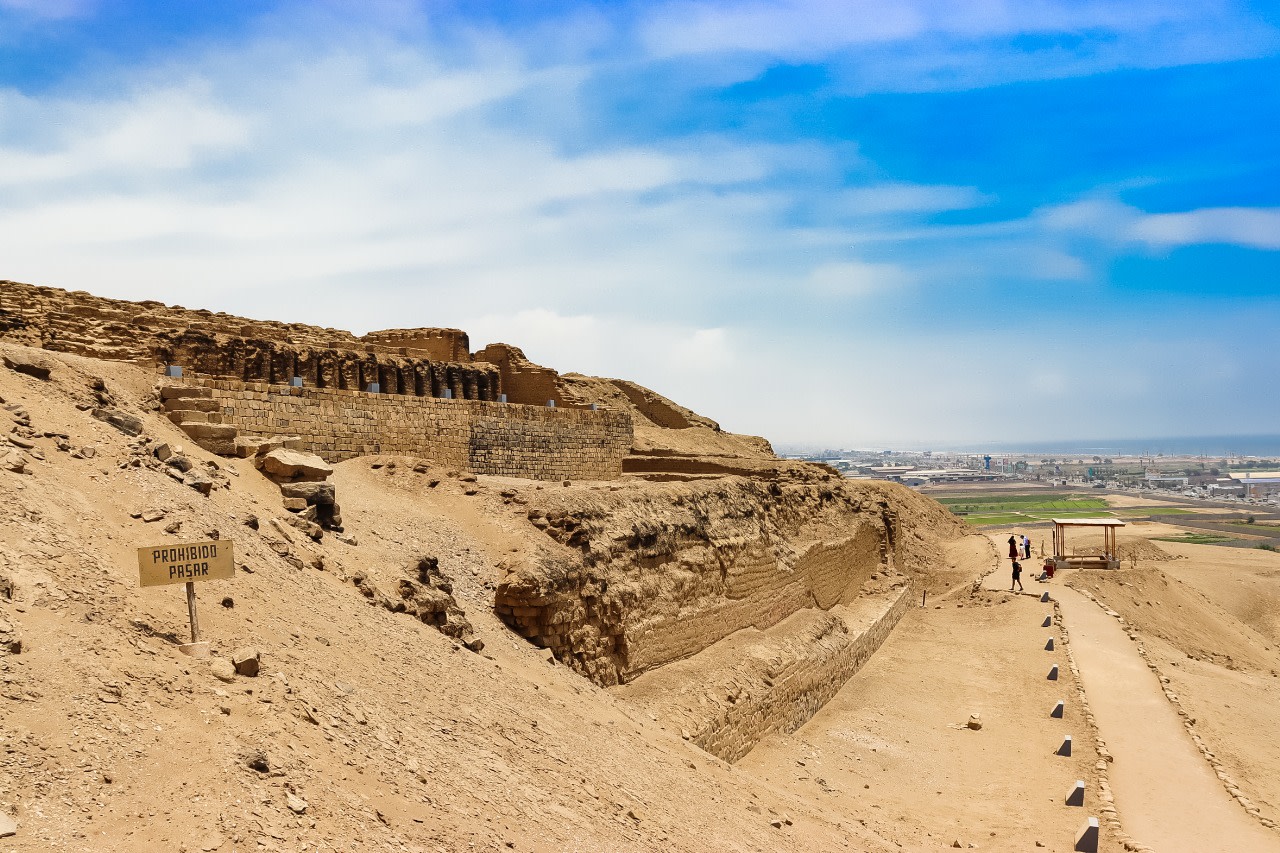
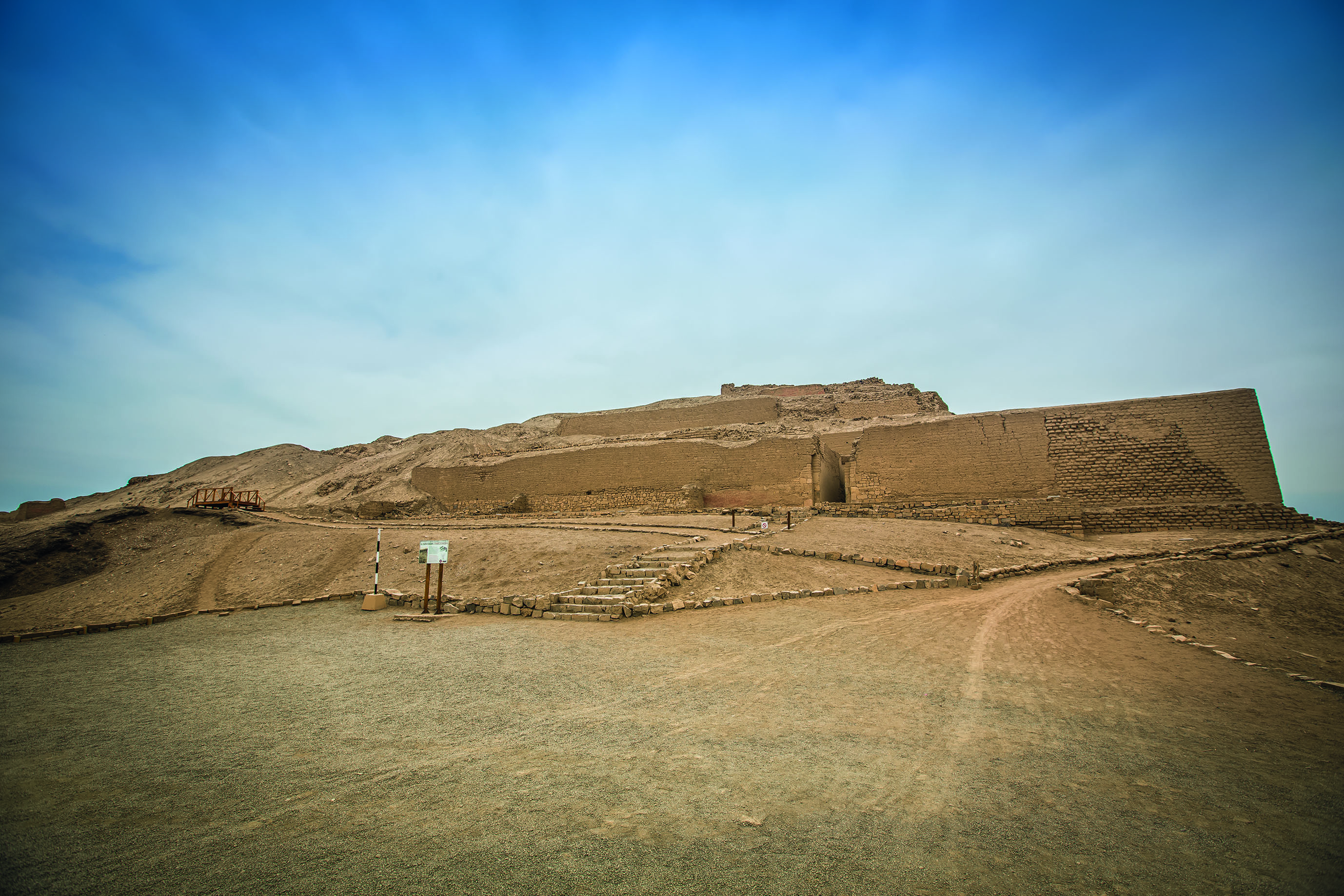
After pick-up, you travel for about 45 minutes through a changing landscape until arriving to what was for more than 1500 years the main sanctuary of the Andean coast, the archeological site of Pachacamac. First, you'll have a look at the modern Pachacamac museum with various artefacts of the different cultures that used to occupy this sanctuary. Then, you'll explore this immense archeological site, which consists of the remains of more than 50 temples and other buildings.
Afterwards, you'll head to a local community of artisans nearby. The first thing you'll do there is have lunch at the house of a local artisan family. On the menu is a great local experience and delicious homemade typical Peruvian lunch. After entertaining you at lunch with some of his many stories, our funny host will show you his ceramics workshop. He will also take you to workshops of his talented fellow artisans, who make other types of Peruvian handicrafts, such as rugs and textile.
Available options
Private car from Miraflores
Full-day from Miraflores: The guide will pick you up and drop you off at your hotel in the central areas (Miraflores, Barranco, San Isidro or nearby)<br/>Pickup included
From airport or port shuttle
The guide will pick you up from the airport or the port shuttle (recommended pick-up time: 9:30 am)<br/>Pickup included
What's included
Private transportation
Hotel pickup and drop-off
Contribution to the artisan's cooperative
Lunch
All activities
Detailed itinerary
1
Without a doubt, Pachacamac is one of the most important archaeological sites of coastal Peru. It contains elements dating back as far as 200 AD. Because each succeeding culture added their own temples, there are remains belonging to different ancient cultures from pre-Inca and Inca times. Today, Pachacamac shelters the remains of more than 50 temples making it the largest archaeological complex in Lima.
On this Pachacamac tour, your guide will first show you around the museum with the many artefacts found during archeological excavations. Then, the driver will take you around this huge site with stops at the different sights. At some stops, you'll need to walk around a bit to have a good look at the remains of the temples. Besides the archeological remains, you will be amazed by the great views of the surrounding area including the Pacific Ocean. It is hard to believe this is so close to the metropolitan city of Lima.
2
After the Pachacamac tour, you'll head to a close-by local neighborhood that houses many artisans from the area of Ayacucho. These people fled the violence of the guerrilla war of the 1980’s and 1990’s by moving to the outskirts of Lima. The guide will tell you more about this terrible period in Peru.
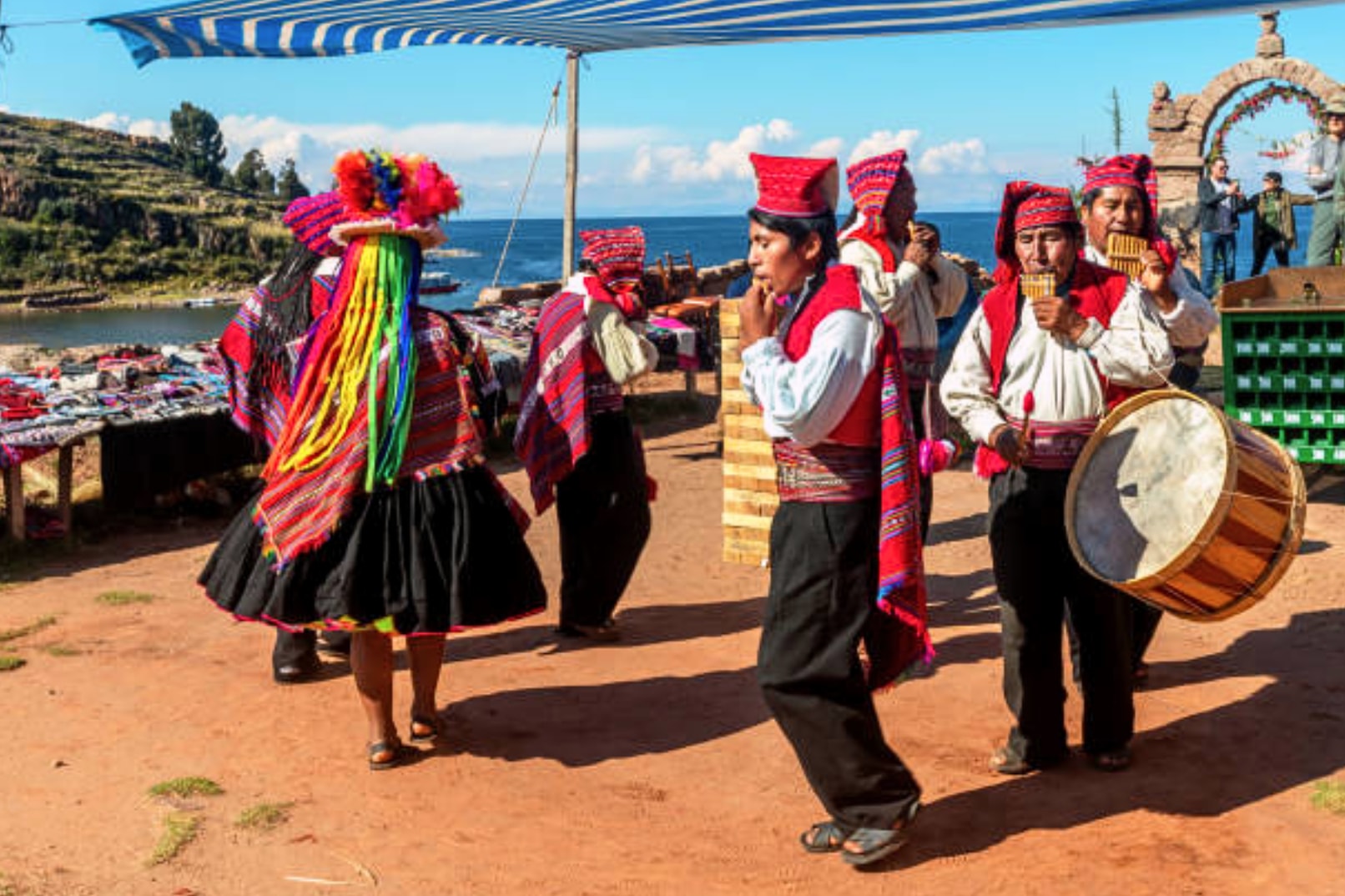
In this neighborhood, local artisans continue to make the traditional handicrafts and art from Ayacucho. Before you'll visit some of their workshops, you'll have lunch with one of these local artisan families in their home. With a full stomach, you'll visit a few workshops where they make textiles, ceramics and other beautiful typical Peruvian handicrafts. The artisans love to show you their work and explain how they make these pieces of art. In a place where the government is mostly absent, these people have built their own community and are developing and maintaining the local economy with their traditions and art. They are working hard to keep their traditions alive.
Certainly, you will leave this place very inspired and perhaps even with a few authentic and fair-trade souvenirs (completely optional of course).
What's not included
Gratuities
Souvenirs bought at the artisans' workshops
Available languages
Guide guide
EN
ES
Reviews breakdown
Viator
4.5
4 reviews
5★
2
4★
2
3★
0
2★
0
1★
0
Tripadvisor
5.0
12 reviews
5★
12
4★
0
3★
0
2★
0
1★
0
Important information
Service animals allowed
Infants are required to sit on an adult’s lap
Suitable for all physical fitness levels
Please advise any specific dietary requirements at time of booking
Comfortable, closed walking shoes or sneakers recommended
Please bring sunscreen, hat and a bottle of water from October to May
Please dress appropriate for cooler weather and slight drizzle from June to October
Please confirm pick-up location at time of booking (hotel and address)
About Lima
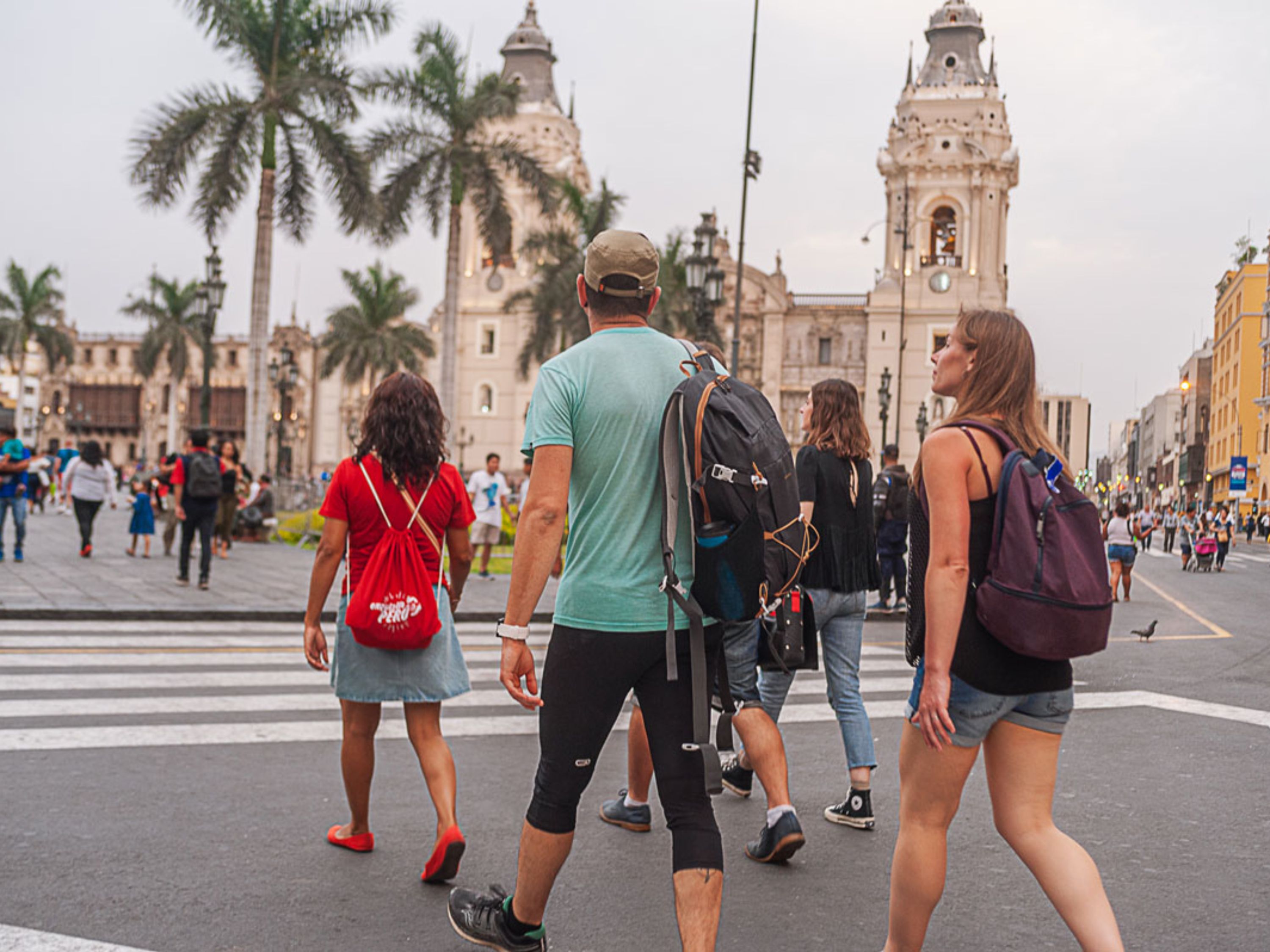
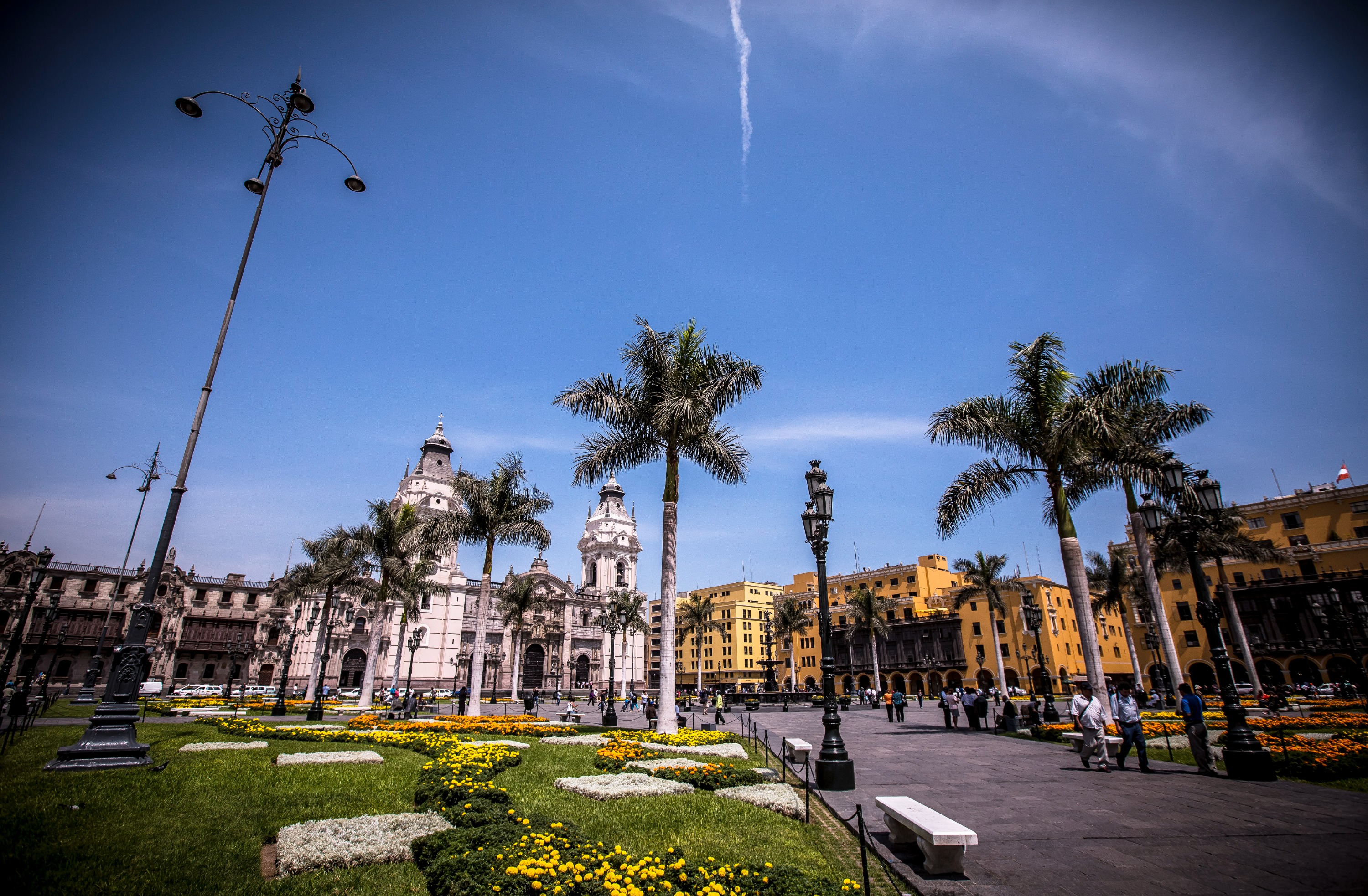
Lima, the capital of Peru, is a vibrant city where colonial architecture meets modern skyscrapers. Known for its rich history, diverse cuisine, and stunning coastal views, Lima offers a unique blend of cultural experiences and natural beauty. The city's historic center, a UNESCO World Heritage Site, is a must-visit for its well-preserved colonial buildings and museums.
Top Attractions
Historic Center of Lima
The Historic Center of Lima is a UNESCO World Heritage Site that showcases the city's colonial architecture and rich history. It's home to numerous churches, museums, and plazas.
Historical
Half day to full day
Free to $10 (for museum entries)
Miraflores
Miraflores is a upscale district known for its shopping, dining, and nightlife. It's also home to the Parque del Amor and the Larcomar shopping center.
Cultural
Half day to full day
Free to $50 (for shopping and dining)
Barranco
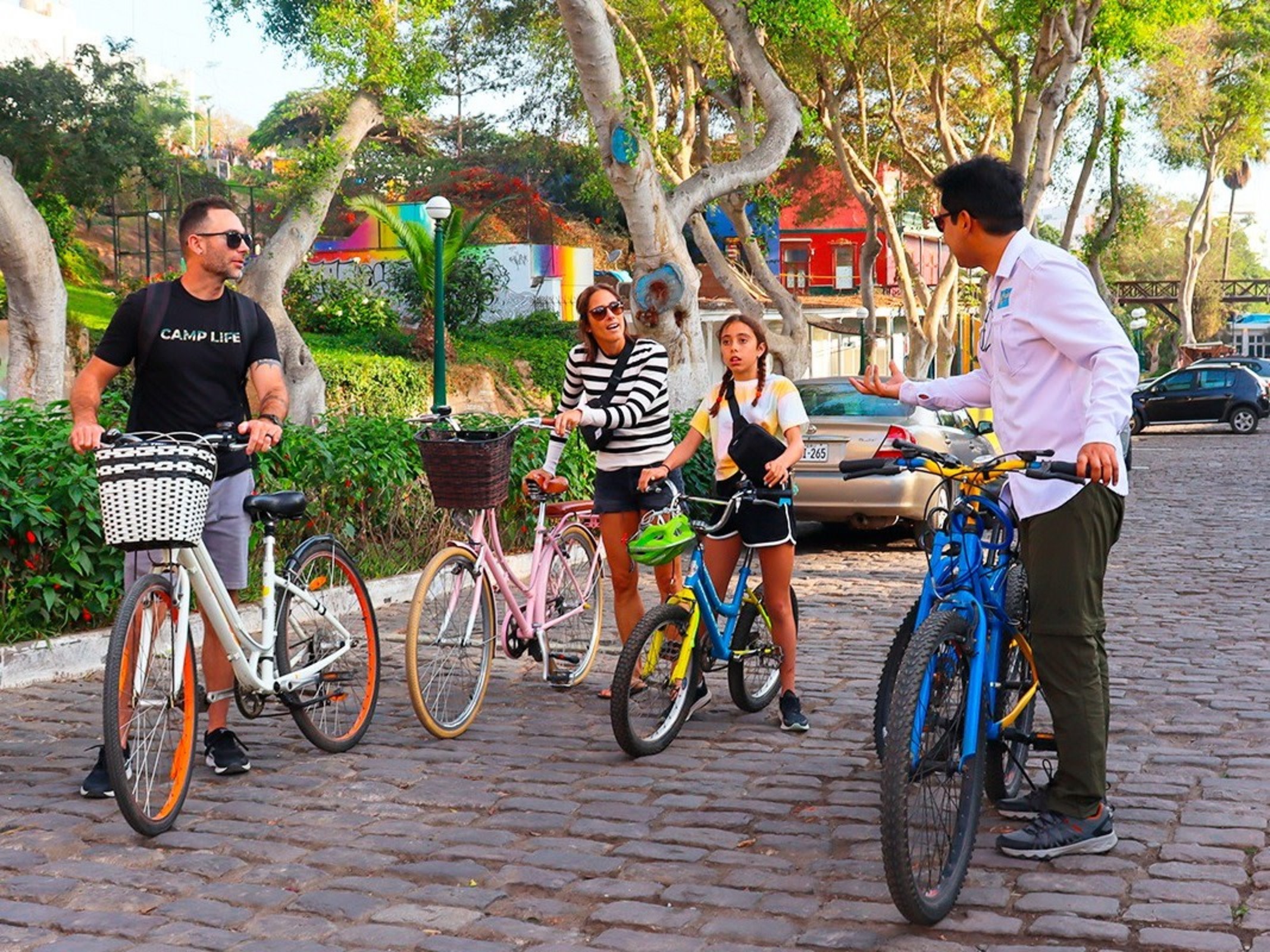
Barranco is a bohemian district known for its art galleries, street art, and vibrant nightlife. It's a great place to experience Lima's creative side.
Cultural
Half day to full day
Free to $30 (for dining and drinks)
Huaca Pucllana
Huaca Pucllana is an ancient pyramidd built by the Lima Culture around 200 AD. It's a fascinating archaeological site located in the heart of Miraflores.
Historical
1-2 hours
$5
Must-Try Local Dishes
Ceviche
A dish made from fresh raw fish cured in citrus juices, spiced with ají or chili peppers, and served with side dishes such as sweet potato, corn on the cob, and lettuce.
Lunch/Dinner
Contains fish, citrus, and chili peppers. Can be made gluten-free and dairy-free.
Lomo Saltado
A Peruvian dish consisting of marinated beef stir-fried with onions, tomatoes, and fries, served with rice. It's a fusion dish that combines Peruvian and Chinese flavors.
Lunch/Dinner
Contains beef, onions, tomatoes, and fries. Can be made gluten-free with modifications.
Aji de Gallina
A Peruvian dish consisting of a creamy chicken stew made with aji amarillo (yellow chili pepper) sauce, garlic, and walnuts, served with rice and potatoes.
Lunch/Dinner
Contains chicken, dairy, and nuts. Can be made gluten-free.
Popular Activities
Surfing
Paragliding
Hiking
Beach lounging
Spa treatments
Hot springs
Museum visits
Historical tours
Best Time to Visit
December to April
This is the summer season in Lima, characterized by warm temperatures and sunny days. It's the best time for outdoor activities and exploring the city's beaches.
18°C to 28°C
64°F to 82°F
Practical Information
Language
- Official: Spanish
- Widely spoken: English
- English: Moderately spoken in tourist areas, limited elsewhere
Currency
Peruvian Sol (PEN)
Time Zone
GMT-5
Electricity
220VV, 60HzHz
Safety Information
Overall Safety Rating: Exercise caution
Lima is generally safe for tourists, but petty crime and scams can occur, particularly in crowded areas and on public transportation. Exercise caution and be aware of your surroundings.
Important Precautions:
- • Use official taxis or app-based services
- • Keep an eye on your belongings in crowded areas
- • Be cautious when using ATMs
Getting there
By air
- Jorge Chávez International Airport • 11 km from city center
By bus
Plaza Norte, Plaza Sur
Getting around
Public transport
The metro is efficient and affordable, but can be crowded during peak hours. It's a good option for getting around quickly.
Taxis
Available • Apps: Uber, Beat
Rentals
Car, Bike, Scooter
Neighborhoods
Miraflores
Barranco
San Isidro
Day trips
Pachacamac
40 km from Lima • Half day
Pachacamac is an ancient archaeological site located south of Lima. It was an important religious center for the Inca civilization and features several temples, pyramids, and museums.
Paracas and Ballestas Islands
250 km from Lima • Full day
Paracas is a coastal town known for its stunning natural beauty and wildlife. The Ballestas Islands, often referred to as the 'poor man's Galapagos', are home to a variety of seabirds, sea lions, and other marine life.
Huaral
80 km from Lima • Full day
Huaral is a small town located north of Lima, known for its colonial architecture, hot springs, and traditional festivals. It's a great place to experience authentic Peruvian culture and hospitality.
Festivals
Fiesta de la Candelaria • February 2
Festival Internacional de Cine de Lima • August
Inti Raymi • June 24
Pro tips
- Learn a few basic Spanish phrases to enhance your experience and connect with locals
- Try a ceviche-making class to learn about Peruvian cuisine and culture
- Visit the Larco Museum to see the largest private collection of pre-Columbian art in Peru
- Explore the street art and murals in Barranco for a unique cultural experience
- Take a day trip to Pachacamac to learn about Inca history and explore ancient ruins
From $25
per person
Price varies by option
Secure booking
Free cancellation available
Instant confirmation