Saxon Heritage in Transylvania: Day Trip from Cluj-Napoca
Active
11h - 12h
For a full refund, cancel at least 24 hours before the scheduled departure time.
Instant confirmation
Mobile or paper ticket accepted
About this experience
This full day tour brings you closer to the german ethnic group of the Saxons from Transylvania by visiting their most important city, Sibiu. In the afternoon you'll sample a bit of typical village life by walking through the romanian villages of Sibiel and Fantanele.
Available options
Saxon Heritage in Transylvania: Day Trip from Cluj-Napoca
What's included
Hotel pickup and drop-off
All taxes, fees and handling charges
Alcoholic Beverages
Driver/guide
Transport by private vehicle
Detailed itinerary
1
Stop 1
Spend a day in the capital of the historical region of Transylvania, the city of Sibiu. There you'll admire one of the most beautiful medieval cityscapes in Romania, as evidenced by the city's title as "European Capital of Culture". On the drive down, you'll find out more about the Saxons roots, their colonization in Transylvania and their cultural impact on the country.
In Sibiu, you'll start off by seeing the city's walls and the three main squares. Then, you'll visit two of the most important churches. Climbing up to the top of the Council Tower will give you a beautiful overview of the old city.
2
We visit the fortified church in Cristian to learn of local saxon traditions and way of life in this village. It all looks like time stood still in the 19th century here.
3
In the afternoon, we will take a short excursion from Sibiu to visit two villages that seem to be stuck in time: Sibiel and Fântânele. Here, the population lives from what it produces locally and horse-drawn carriages are a daily occurrence. You'll taste a local made schnapps (țuică) and then visit the glass paintings museum in Sibiel. In the afternoon, you'll head back to Cluj-Napoca.
What's not included
Food and drinks, unless specified
Available languages
Guide guide
EN
Reviews breakdown
Viator
4.6
5 reviews
5★
4
4★
0
3★
1
2★
0
1★
0
Tripadvisor
5.0
1 reviews
5★
1
4★
0
3★
0
2★
0
1★
0
Important information
Suitable for all physical fitness levels
Children must be accompanied by an adult
Important notes
• Comfortable walking shoes are recommended
Hotel pickups commence approximately 30 - 60 minutes prior to this time, exact pickup time will be advised on reconfirmation.
About Cluj-Napoca
Cluj-Napoca, the unofficial capital of Transylvania, is a vibrant university city known for its rich history, medieval architecture, and lively cultural scene. Often referred to as the 'Heart of Transylvania,' it offers a unique blend of traditional charm and modern energy, making it a captivating destination for travelers.
Top Attractions
St. Michael's Church
A stunning Gothic-style church and one of the most iconic landmarks in Cluj-Napoca. It is one of the largest medieval churches in Transylvania and features beautiful stained glass windows and a tower that offers panoramic views of the city.
Historical/Religious
30-60 minutes
Free (donations welcome), Tower climb: RON 5-10
Matthias Corvinus Statue
A striking statue of Matthias Corvinus, a famous Hungarian king who was born in Cluj-Napoca. The statue is a prominent feature of the Central Square and a popular gathering spot.
Historical/Architecture
15-30 minutes
Free
Botanical Garden
A beautiful and serene botanical garden featuring a wide variety of plants, trees, and flowers. The garden is a perfect place for a peaceful stroll and offers a welcome escape from the bustling city.
Nature
1-2 hours
Free (donations welcome)
St. George's Orthodox Cathedral
A beautiful Orthodox cathedral with a striking golden dome. The cathedral is an important religious site and a notable example of Romanian Orthodox architecture.
Religious/Architecture
30-60 minutes
Free (donations welcome)
Banffy Palace
A magnificent Baroque palace that now houses the National Theatre of Cluj-Napoca. The palace is a stunning example of 18th-century architecture and a cultural hub of the city.
Historical/Architecture
30-60 minutes
Free (donations welcome for guided tours)
Must-Try Local Dishes
Sarmale
Cabbage rolls stuffed with a mixture of minced meat (usually pork or beef), rice, and spices, served with sour cream and polenta.
Main Course
Contains meat and gluten
Mici
Grilled minced meat rolls made from a mixture of pork, beef, and sometimes lamb, flavored with garlic and spices.
Snack
Contains meat and gluten
Papanași
Fried dough balls filled with sweet cheese, usually served with sour cream, jam, or powdered sugar.
Dessert
Contains dairy and gluten, can be made vegan
Popular Activities
Hiking in Turda Gorge
Rock climbing in Turda Gorge
Exploring Salina Turda
Picnicking in the Botanical Garden
Shopping at Central Shopping Center
Visiting a traditional Romanian bathhouse (baia turcească)
Exploring the medieval citadel in Sighișoara
Visiting the National Theatre in Banffy Palace
Best Time to Visit
June to August
This is the warmest and most popular time to visit, with long daylight hours and plenty of outdoor activities. The city hosts numerous festivals and events during this period.
20°C to 30°C
68°F to 86°F
Practical Information
Language
- Official: Romanian
- Widely spoken: English, Hungarian, German
- English: Moderately spoken in tourist areas, limited in rural areas
Currency
Romanian Leu (RON)
Time Zone
GMT+2 (Eastern European Time, EET)
Electricity
230VV, 50HzHz
Safety Information
Overall Safety Rating: Generally safe
Cluj-Napoca is generally a safe city for travelers, with low violent crime rates. However, as with any destination, it's important to be aware of your surroundings and take precautions to protect yourself and your belongings.
Important Precautions:
- • Keep valuables secure and out of sight
- • Use licensed taxis or ride-sharing apps
- • Be cautious when using ATMs, especially at night
Getting there
By air
- Avram Iancu International Airport • 10 km from city center
By train
Cluj-Napoca Central Station
By bus
Autogara Transilvania Nord, Autogara Centrala
Getting around
Public transport
The bus network is the most extensive public transport system in Cluj-Napoca, covering the entire city and many suburbs. Buses are generally reliable and affordable.
Taxis
Available • Apps: Bolt, Uber
Rentals
Car, Bike, Scooter
Neighborhoods
Central Square (Piața Unirii)
Hoia
Iris
Day trips
Turda Gorge (Cheile Turzii)
30 km from Cluj-Napoca • Half day to full day
Turda Gorge is a stunning natural attraction featuring a deep canyon with towering limestone cliffs, lush vegetation, and a variety of wildlife. It's a popular spot for hiking, rock climbing, and nature walks.
Salina Turda
40 km from Cluj-Napoca • Half day to full day
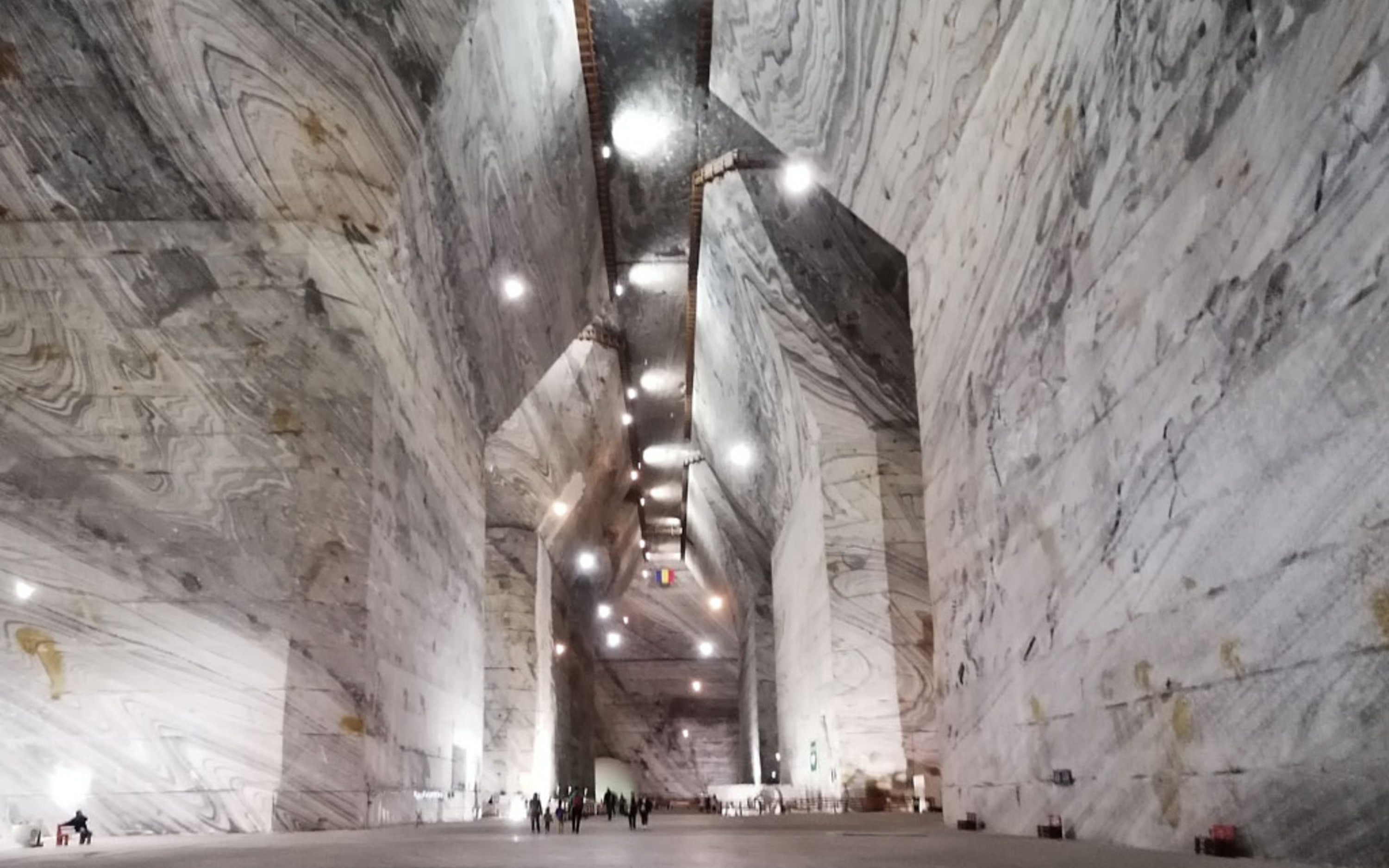
Salina Turda is a unique underground salt mine that has been transformed into a tourist attraction. Visitors can explore the mine's chambers, take a boat ride on an underground lake, and even visit an underground amusement park.
Sighișoara
140 km from Cluj-Napoca • Full day
Sighișoara is a charming medieval town and a UNESCO World Heritage site. It's known for its well-preserved citadel, colorful buildings, and rich history. The town is also the birthplace of Vlad the Impaler, the inspiration for Dracula.
Festivals
Transylvania International Film Festival (TIFF) • Late May
Jazz in the Park • July
Cluj-Napoca International Theatre Festival (FIT) • October
Pro tips
- Learn a few basic Romanian phrases to enhance your experience and connect with locals
- Explore the city's vibrant street art scene, which showcases the work of local and international artists
- Visit the city's historic cafes and bookshops, which offer a glimpse into Cluj-Napoca's rich cultural heritage
- Take a day trip to the nearby Turda Gorge or Salina Turda for a unique and unforgettable experience
- Attend a local festival or event to immerse yourself in the city's lively cultural scene
From $25
per person
Price varies by option
Secure booking
Free cancellation available
Instant confirmation