Retro Tram Guided Tour of Sofia
Active
3h
For a full refund, cancel at least 24 hours before the scheduled departure time.
Instant confirmation
Mobile or paper ticket accepted
About this experience
Step back in time and experience Sofia in a way few visitors ever do. Aboard an authentic 1930s retro tram, you’ll journey through the heart of the city and discover its most iconic landmarks, hidden corners, and fascinating stories. Throughout the ride, a highly educated and engaging guide will bring Sofia’s history and culture to life, enriching your experience with expert knowledge and captivating insights.
Your adventure doesn’t end with the tram ride—after the final stop, enjoy a short guided walking tour that allows you to explore even more of the city up close. Join us for a unique blend of nostalgia, discovery, and local expertise, and let Sofia unfold before your eyes in a truly memorable way.
Available options
Retro Tram Guided Tour of Sofia
What's included
Tickets for the Retro Tram
Short walking tour of the center of Sofia after the Tram adventure
Guide
Detailed itinerary
1
Lions’ Bridge is one of Sofia’s iconic 19th-century landmarks, built during the late Ottoman period. It is decorated with four majestic bronze lions, symbolizing strength and freedom. Today, it marks the gateway to the city center and connects several historic districts.
2
Banya Bashi Mosque, built in the 16th century by the famous Ottoman architect Mimar Sinan, is the only functioning mosque in Sofia today. Opposite it stands the elegant Central Market Hall, a beautiful early-20th-century covered market known for its architecture and lively vendors.
3
The Ancient City of Serdica reveals the Roman roots of Sofia. The well-preserved remains — including streets, walls, and houses — date back nearly 2,000 years. This archaeological area shows why Emperor Constantine the Great once said, “Serdica is my Rome.”
4
The Statue of Saint Sofia is one of the modern symbols of the city. Erected in 2000, it stands tall where the old city gates once were. With a crown, wreath, and owl symbolizing power, fame, and wisdom, the statue celebrates Sofia’s spirit and identity.
5
Saint Nedelya Church is a historic Orthodox cathedral located in the heart of Sofia. Known for its imposing structure and richly decorated interior, it has played an important role in the city’s spiritual life for centuries and offers a glimpse into Bulgaria’s religious heritage.
6
The National Palace of Culture is the largest multifunctional cultural complex in Southeastern Europe. Built in the early 1980s, it hosts concerts, exhibitions, and festivals. Surrounded by a spacious park and fountains, NDK is a modern symbol of Sofia’s artistic and public life.
7
The National Stadium “Vasil Levski” is Bulgaria’s largest and most important sports arena. Opened in 1953 and surrounded by the greenery of Borisova Garden, it hosts major football matches, concerts, and national events. It stands as a symbol of Bulgaria’s sporting spirit.
What's not included
Gratuities
Available languages
Audio guide
EN
Guide guide
EN
Written guide
EN
Important information
Infants and small children can ride in a pram or stroller
Public transportation options are available nearby
Infants are required to sit on an adult’s lap
Not recommended for pregnant travelers
Suitable for all physical fitness levels
Bringing headphones is recommended so you can use our audio guide
Travelers with flu or a cold will not be allowed on the tram
Not recommended for children under 3 years old
Meeting point
The meeting point is at the sidewalk next to the intersection between Knyagina Maria Luisa and Predgarov square.
About Sofia
Sofia is the vibrant capital of Bulgaria, nestled at the foot of the Vitosha Mountain. Known for its rich history, stunning architecture, and lively cultural scene, it offers a unique blend of ancient and modern attractions. The city is a treasure trove of Roman ruins, Orthodox churches, and Soviet-era landmarks, all set against the backdrop of beautiful natural surroundings.
Top Attractions
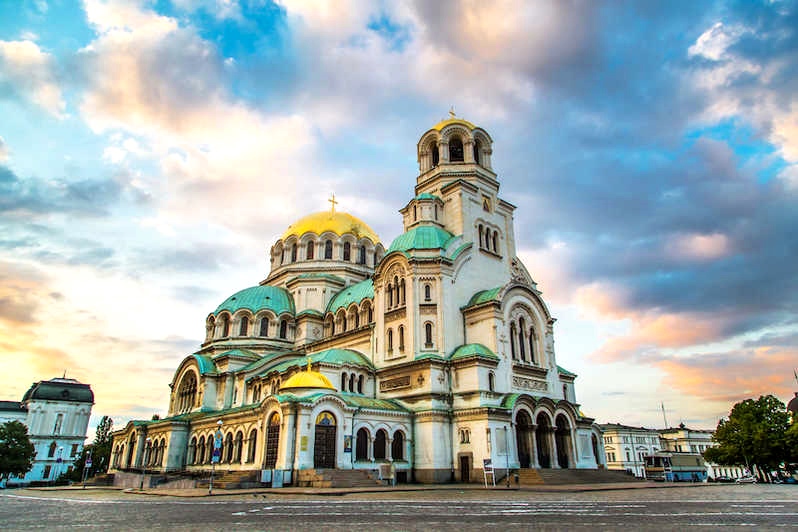
Alexander Nevsky Cathedral
This iconic cathedral is one of Sofia's most famous landmarks. It was built in honor of the Russian soldiers who died during the Russo-Turkish War.
Religious
1-2 hours
Free (small fee for the museum and bell tower)
Vitosha Mountain
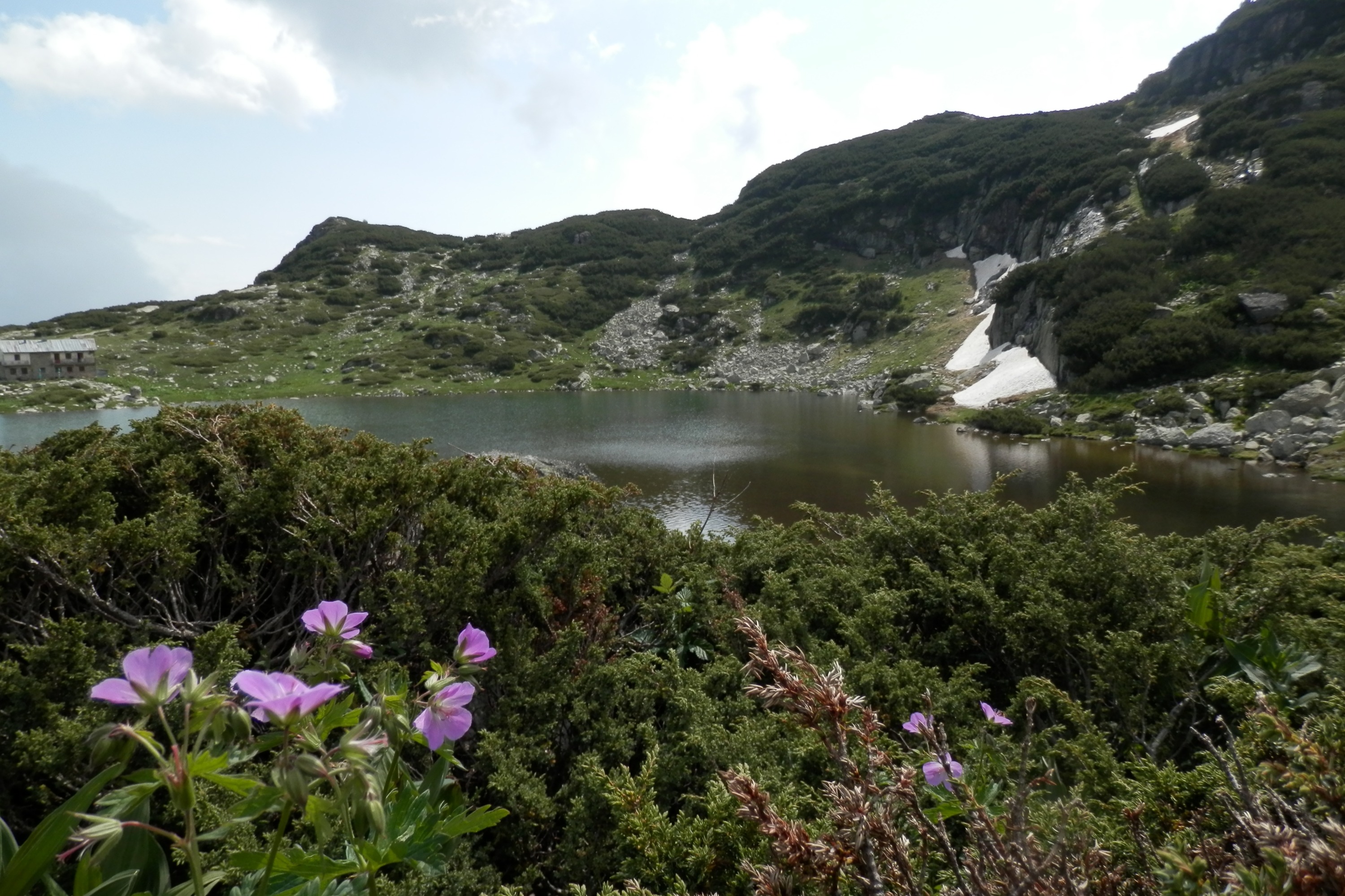
Vitosha Mountain offers a stunning backdrop to Sofia and is a popular destination for hiking, skiing, and enjoying nature.
Nature
Half day to full day
Free (lift tickets for skiing cost around €10-€20)
National History Museum
This museum houses a vast collection of artifacts that tell the story of Bulgaria's rich history.
Museum
2-3 hours
€5
Boyana Church
A UNESCO World Heritage site, Boyana Church is known for its stunning frescoes dating back to the 13th century.
Historical
1 hour
€4
Sofia Central Mineral Baths
This historic building was once a public bathhouse and is now a popular spot for shopping and dining.
Historical
1-2 hours
Free to explore
Must-Try Local Dishes
Banitsa
A traditional Bulgarian pastry made with layers of filo dough, cheese, and eggs. It's often served for breakfast with a side of yogurt.
Breakfast
Vegetarian
Shopska Salad
A refreshing salad made with tomatoes, cucumbers, onions, and grated sirene cheese. It's a staple in Bulgarian cuisine and is often served as a side dish.
Appetizer
Vegetarian
Kebapche
A grilled minced meat sausage made with a mix of pork and beef, seasoned with spices like black pepper, cumin, and coriander. It's often served with french fries or lyutenitsa (a spicy pepper and tomato spread).
Main Course
Contains meat
Tarator
A cold soup made with yogurt, cucumbers, garlic, and dill. It's a refreshing dish, especially during the hot summer months.
Appetizer
Vegetarian, Vegan (if made with plant-based yogurt)
Popular Activities
Hiking in Vitosha Mountain
Skiing in Bansko or nearby resorts
Mountain biking and other outdoor activities
Visiting spas and wellness centers
Strolling through parks and gardens
Enjoying a meal or drink at a rooftop bar
Exploring museums and galleries
Attending concerts and performances
Best Time to Visit
May to September
This is the best time to visit Sofia for warm weather and outdoor activities. The city is lively with festivals and cultural events.
15°C to 30°C (59°F to 86°F)
59°F to 86°F
Practical Information
Language
- Official: Bulgarian
- Widely spoken: English, Russian, Romanian
- English: Moderately spoken in tourist areas, limited in other places
Currency
Bulgarian Lev (BGN)
Time Zone
GMT+2 (EET)
Electricity
220VV, 50HzHz
Safety Information
Overall Safety Rating: Generally safe
Sofia is generally a safe city for travelers, but petty crime and pickpocketing can occur in crowded tourist areas. It's important to take basic precautions to protect yourself and your belongings.
Important Precautions:
- • Keep valuables secure and out of sight
- • Use licensed taxis or ride-sharing apps
- • Be cautious of strangers approaching you with petitions or surveys
Getting there
By air
- Sofia Airport • 10 km (6 miles) from city center
By train
Central Railway Station
By bus
Central Bus Station, South Bus Station
Getting around
Public transport
The metro is efficient, clean, and affordable. It's the fastest way to get around Sofia.
Taxis
Available • Apps: Yellow Taxi, OK Taxi
Rentals
Car, Bike, Scooter
Neighborhoods
City Center
Lozenets
Studentski Grad
Orlov Most
Day trips
Rila Monastery
120 km (75 miles) • Full day
The Rila Monastery is one of the most important cultural and historical sites in Bulgaria. It's a UNESCO World Heritage site and is known for its stunning architecture and beautiful frescoes.
Plovdiv
150 km (93 miles) • Full day
Plovdiv is one of the oldest continuously inhabited cities in the world. It's known for its rich history, beautiful architecture, and vibrant cultural scene.
Bansko
160 km (100 miles) • Full day or overnight
Bansko is a popular ski resort in the winter and a great destination for hiking and outdoor activities in the summer. It's known for its stunning mountain scenery and traditional Bulgarian charm.
Festivals
Sofia Film Fest • March
Sofia Pride • June
Sofia International Film Festival • October
Pro tips
- Visit the Alexander Nevsky Cathedral early in the morning or late in the afternoon to avoid crowds and enjoy the beautiful light.
- Try traditional Bulgarian rakia and meze at a local bar for an authentic experience.
- Explore the underground caves and tunnels of Sofia for a unique and fascinating look at the city's history.
- Take a day trip to the Rila Monastery or Plovdiv for a taste of Bulgaria's rich history and culture.
- Visit the National Palace of Culture for concerts, performances, and other cultural events.
From $25
per person
Price varies by option
Secure booking
Free cancellation available
Instant confirmation